
Cologne
Guided tour · 2 hours
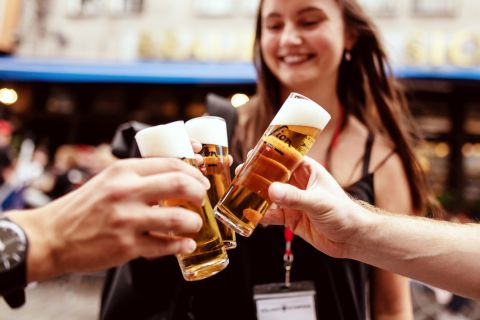
Cologne: Brewery Tour with 3 Kölsch Beer Tastings
Experience Cologne's famous brewing culture and old town on this popular brewery tour. Immerse yourself in the exciting, humorous, and bizarre...
from€28Check dates
646 editor-picked new american restaurants across 94 cities.
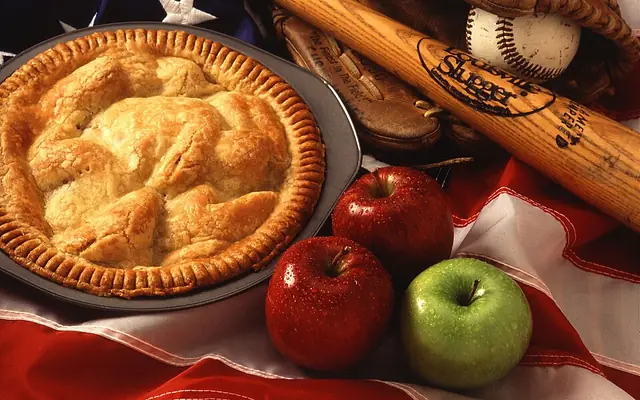
New American cuisine is the broad term for the modern, technique-led, ingredient-driven American cooking that emerged in the 1980s and 1990s and now dominates the upper-mid and fine-dining end of the American restaurant landscape. Its parents are several: the Californian farm-to-table movement (Alice Waters and Chez Panisse, opened 1971); the Franco-American cooking that came out of the CIA (Culinary Institute of America) and the kitchens of the 1970s and 1980s in New York; the Southern fine-dining revolution led by chefs like Frank Stitt, Sean Brock, and Mashama Bailey; and the Asian-American fusion that emerged from chefs like Jean-Georges Vongerichten, Nobu Matsuhisa, and David Chang.
The defining characteristic is not a fixed menu but a posture: deep respect for ingredient and provenance (farmers' market sourcing, named-farm meats, foraged elements), the application of European (mostly French) technique to American produce, an openness to fusion and influence (Asian, Latin, Middle Eastern, North African seasonings on what is structurally a French plate), and a tasting-menu or sharing-plate format. New American restaurants typically have an open kitchen, a wine list that takes both California and Old World seriously, and a service style that is informed but not formal.
The cuisine has been criticized for being a catchall (any American restaurant that does not slot into Italian or French or BBQ can call itself New American), and for an over-reliance on what some chefs call 'the new American chef move' of putting a fried egg on top of any dish, microgreens for color, and a starch puree. But at its best, New American is the framework for chefs to cook contemporary American food with discipline: Eric Ripert at Le Bernardin (technically French but operationally an exemplar), Daniel Humm at Eleven Madison Park, Sean Brock at Husk, Nancy Silverton at Mozza, and the dozens of mid-sized New American restaurants that anchor every major American food city.
Tours, tastings and classes from the cities on this page, bookable on GetYourGuide.
Guided tour · 2 hours
Experience Cologne's famous brewing culture and old town on this popular brewery tour. Immerse yourself in the exciting, humorous, and bizarre...

Guided tour · 2 hours
Embark on a culinary tasting tour of Pike Place Market with a local chef. Stop at 9 artisanal vendors and learn about local food producers as you...
Guided tour · 1h 30m
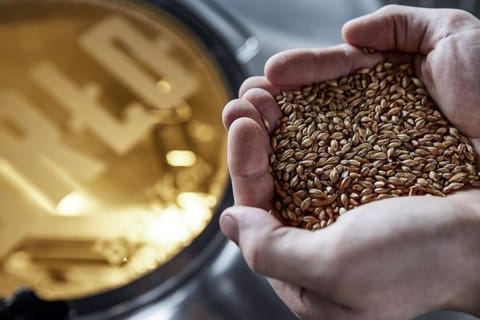
Visit a craft brewery in Berlin and embark on a guided tour of the unique facility housed in recycled containers. Discover how beer is made and try a...
Guided tour · 3 hours
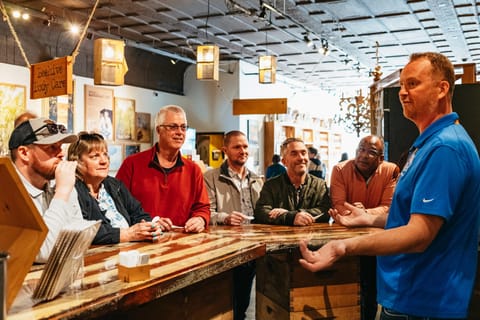
Discover historic Savannah on a guided foodie tour. Learn about the city's fascinating history, elegant architecture, and unique culture, with food...
The best-scored new american place in each of 12 cities.
Sanford on North Jackson Street has anchored Milwaukee fine dining since 1989, with a tasting menu chef Justin Aprahamian has run since 2012.
OrderThe Surprise menu, a multi-course tasting that changes with the season and the kitchen's mood.
TipReservations open four weeks out and the dining room is small; book before the JBA semifinalist announcements each spring.
Alinea in Chicago is Grant Achatz's three-Michelin-star tasting menu at 1723 N Halsted, the dining room that codified American modernist fine dining.
OrderWhichever course needs your two hands; the kitchen is unsentimental about it.
TipBook the Gallery flow if you want the full theatre; Salon is the quieter, three-course-less option.
Sean Sherman's Indigena by Owamni inside the Guthrie Theater runs the country's pre-eminent Indigenous tasting kitchen in Minneapolis since June 2026.
Book8 weeks ahead
Ox and Klee in Cologne's Rheinauhafen Kranhaus holds two Michelin stars; Daniel Gottschlich's eight-course tasting menu is the city's most ambitious table.
OrderThe Ox nine-course tasting menu with the non-alcoholic Back to Zero drinks pairing
Book4-6 weeks ahead
TipThe vegetarian Klee menu is equally ambitious; request the Back to Zero drinks pairing for a non-alcoholic experience at €130.
Nonesuch in Oklahoma City earns James Beard recognition for tasting menus rooted in Oklahoma fermentation and prairie preservation traditions.
Tito and Pep on East Speedway in midtown Tucson is the chef-driven seasonal kitchen with mesquite-fired vegetables and bone-in pork chops on wood.
Book1-2 weeks ahead
Veritas on West Gay Street downtown is Chef Josh Dalton's Columbus tasting-menu room, the city's reference fine-dining counter since the 2017 move.
OrderWhatever the kitchen is leading the tasting menu with this week.
TipReservations on the restaurant's own site open weeks ahead; the counter seats facing the open kitchen book first.
Charleston is Cindy Wolf's Harbor East flagship, a 2025 James Beard winner for its beverage program, where you build a Lowcountry menu course by course.
OrderBuild the menu around the cornmeal-fried oysters and shrimp and grits.
Book2 to 4 weeks ahead
TipIt is the city's benchmark special-occasion room; the wine pairing draws on a vast cellar.
Eric Warnstedt's Hen of the Wood opened a second location at 55 Cherry Street in downtown Burlington in 2013, eight years after the Waterbury original.
OrderThe mushroom toast with bacon and poached egg, plus whatever the daily Vermont cheese flight is pouring.
TipBook on Resy 30 days ahead for prime weekend slots. The bar takes walk-ins from 16:00 and serves the full menu.
Boca on East 6th Street downtown is David Falk's flagship Cincinnati dining room, modern American with luxury proteins and a deep wine cellar.
Book3 to 4 weeks ahead
Midnight Rambler in the subterranean level of The Joule Hotel is one of the World's 50 Best Bars and stays open until 2am daily. Located in Downtown.
TryCraft cocktails; small bar plates; charcuterie
TipWalk-in only; no reservations. Rotating seasonal cocktail list. Charcuterie and cheese plates run until close. Dress up slightly.
Victoria and Albert's at Disney's Grand Floridian holds a Michelin star and AAA Five Diamond status, with a seven-course Victorian-room menu.
Book6 weeks ahead
Sanford on North Jackson Street has anchored Milwaukee fine dining since 1989, with a tasting menu chef Justin Aprahamian has run since 2012.
OrderThe Surprise menu, a multi-course tasting that changes with the season and the kitchen's mood.
TipReservations open four weeks out and the dining room is small; book before the JBA semifinalist announcements each spring.
Alinea in Chicago is Grant Achatz's three-Michelin-star tasting menu at 1723 N Halsted, the dining room that codified American modernist fine dining.
OrderWhichever course needs your two hands; the kitchen is unsentimental about it.
TipBook the Gallery flow if you want the full theatre; Salon is the quieter, three-course-less option.
Sean Sherman's Indigena by Owamni inside the Guthrie Theater runs the country's pre-eminent Indigenous tasting kitchen in Minneapolis since June 2026.
Book8 weeks ahead
Gavin Kaysen's flagship in the old North Loop livery has run modern-American fine dining in Minneapolis since 2014. James Beard Best Chef Midwest 2018.
Book6 weeks ahead
Ox and Klee in Cologne's Rheinauhafen Kranhaus holds two Michelin stars; Daniel Gottschlich's eight-course tasting menu is the city's most ambitious table.
OrderThe Ox nine-course tasting menu with the non-alcoholic Back to Zero drinks pairing
Book4-6 weeks ahead
TipThe vegetarian Klee menu is equally ambitious; request the Back to Zero drinks pairing for a non-alcoholic experience at €130.
Nonesuch in Oklahoma City earns James Beard recognition for tasting menus rooted in Oklahoma fermentation and prairie preservation traditions.
Tito and Pep on East Speedway in midtown Tucson is the chef-driven seasonal kitchen with mesquite-fired vegetables and bone-in pork chops on wood.
Book1-2 weeks ahead
Veritas on West Gay Street downtown is Chef Josh Dalton's Columbus tasting-menu room, the city's reference fine-dining counter since the 2017 move.
OrderWhatever the kitchen is leading the tasting menu with this week.
TipReservations on the restaurant's own site open weeks ahead; the counter seats facing the open kitchen book first.
Charleston is Cindy Wolf's Harbor East flagship, a 2025 James Beard winner for its beverage program, where you build a Lowcountry menu course by course.
OrderBuild the menu around the cornmeal-fried oysters and shrimp and grits.
Book2 to 4 weeks ahead
TipIt is the city's benchmark special-occasion room; the wine pairing draws on a vast cellar.
Eric Warnstedt's Hen of the Wood opened a second location at 55 Cherry Street in downtown Burlington in 2013, eight years after the Waterbury original.
OrderThe mushroom toast with bacon and poached egg, plus whatever the daily Vermont cheese flight is pouring.
TipBook on Resy 30 days ahead for prime weekend slots. The bar takes walk-ins from 16:00 and serves the full menu.
Boca on East 6th Street downtown is David Falk's flagship Cincinnati dining room, modern American with luxury proteins and a deep wine cellar.
Book3 to 4 weeks ahead
Midnight Rambler in the subterranean level of The Joule Hotel is one of the World's 50 Best Bars and stays open until 2am daily. Located in Downtown.
TryCraft cocktails; small bar plates; charcuterie
TipWalk-in only; no reservations. Rotating seasonal cocktail list. Charcuterie and cheese plates run until close. Dress up slightly.
LOCAL Restaurant in Dallas: new american room. Tucked inside the 1908 Boyd Hotel building in Deep Ellum, chef-owner Tracy Miller's modern American.
Why locals goTucked inside the 1908 Boyd Hotel building in Deep Ellum, chef-owner Tracy Miller's modern American dining room, open since 2003.
TipDinner only Tuesday through Saturday; no weekend brunch. Reserve a week out for Friday and Saturday.
Victoria and Albert's at Disney's Grand Floridian holds a Michelin star and AAA Five Diamond status, with a seven-course Victorian-room menu.
Book6 weeks ahead
Beholder is Jonathan Brooks' near-eastside room on East 10th Street in Indianapolis. The constantly-changing menu is the city's most-watched table.
OrderWhatever the kitchen is doing with crudo, plus the special pasta or grilled vegetable course.
TipClosed Sunday and Monday. Reservations on Resy are essential for Friday and Saturday; the bar takes walk-ins.
Mark Kiffin, 2005 James Beard Best Chef Southwest, owns The Compound on Canyon Road; Chef Dale Kester took over the kitchen at the storied adobe in 2026.
SignatureTuna tartare, Roasted chicken with foie gras, Liquid-centre chocolate cake
The 2026 James Beard America's Classics winner, Johnny's has run beside the Union Stockyards since 1922 and is in its third generation of family ownership.
OrderHand-cut bone-in rib-eye: the dish bringing stockyard workers and journalists to 27th Street since 1922.
Champe and Lisa Speidel's Persimmon on Hope Street runs four-night seasonal French-leaning cooking. Foie gras, RI shellfish, the city's special-occasion room.
OrderWhatever Champe is plating from the Rhode Island shellfish run.
TipWednesday through Saturday, 17:00 onward. Reservations via the restaurant's own site; book two to four weeks ahead.
Open until 02:00 most nights, 03:00 weekends, the 1946 Olneyville hot wiener counter is Providence's late-night feed. James Beard America's Classics 2014.
TryHot wieners 'all the way'
Friday Saturday Sunday in Philadelphia is Chad and Hanna Williams's narrow Rittenhouse townhouse, James Beard Best New Restaurant 2019 and the city's most.
OrderThe mushroom soup, with foie gras toast on the side. The dish that anchored their James Beard year.
TipThe upstairs bar takes walk-ups. The wine list runs natural and the pours arrive faster than reservations.
Tommy DiNic's in Philadelphia is the Reading Terminal Market counter that won America's best sandwich in 2013, a roast pork with rabe and sharp provolone.
TryRoast pork sandwich
Kai at the Sheraton Grand at Wild Horse Pass is Arizona's only AAA Five Diamond restaurant, cooking Pima and Maricopa ingredients on Gila River land.
OrderThe grilled tribal buffalo tenderloin with cholla buds and scarlet runner bean chile.
BookSeveral weeks ahead
TipOpen Wednesday to Saturday only; the drive to Wild Horse Pass is about 30 minutes south of downtown.
Fore Street opened 1996 in a converted Old Port warehouse and built modern New England cooking around a wood oven, open hearth and turning spit.
OrderRoasted Maine mussels in almond, garlic and vermouth from the wood oven.
TipSame-day walk-ins fill the bar from 17:00; book online up to two months ahead for tables.
Forage Market on Washington Avenue runs wood-fired Montreal-style bagels and bagel sandwiches under twelve dollars from the East Bayside counter.
TryWood-fired bagel sandwich
TipCloses 13:00; bagels often sell out by noon weekends. Cash and card both fine; counter only, no seating.
Christensen's flagship since 2007 runs a rotating blackboard menu driven by the farm network. The macaroni au gratin is a Raleigh institution.
SignatureMacaroni au gratin, Roasted half chicken
Campo at Los Poblanos on Rio Grande Boulevard is the farm to table room on the working lavender farm in Los Ranchos, with Rio Grande Valley cuisine.
SignatureRio Grande Valley tasting menu, Lavender honey desserts
Billy Wagner and Micha Schaefer's Nobelhart und Schmutzig in Berlin's Kreuzberg cooks a 10-course tasting from ingredients sourced inside Brandenburg.
OrderThe full 10-course tasting; no a la carte. Carrot, pike-perch and goose top the list.
TipBookings open three months ahead at 09:00 Berlin time. Closed Sunday and Monday, weekday lunch is rare.
Brandon Carter's Victorian-house dining room on East 37th. Bon Appetit Best New Restaurant 2022 and 2025 James Beard Best Chef Southeast semifinalist room.
Book2 to 3 weeks ahead
The Gallinas' vegetable-forward Central West End room is the most decorated restaurant in St. Louis, a 2026 James Beard Outstanding Restaurant finalist.
Book2 to 3 weeks ahead
TipBook the tasting through OpenTable well ahead; the a la carte menu and wine garden are the easier ways in on short notice.
Saint-Germain in New Orleans holds a Michelin star for a ten-course tasting in a Bywater shotgun, from chefs Blake Aguillard and Trey Smith.
Book4 to 6 weeks ahead
Selden Standard on 2nd Avenue has anchored Cass Corridor seasonal cooking in Detroit since November 2014. Located in Midtown. Priced at $$$.
OrderWood-fired vegetable plate and whichever fresh pasta the kitchen is running that week.
TipBook two weeks out for weekend evenings. Bar seats hold space for walk-ins at 17:00.
Mabel Gray on John R Road in Hazel Park serves chef James Rigato's no-set-menu kitchen, five-time James Beard semifinalist. Open since 2015.
OrderThe market plate; whatever the kitchen runs that night, no two services repeat.
TipTuesday through Sunday; bookings on Tock. Twenty-five seats; reservations open four weeks out.
Coriander Kitchen and Farm is tucked into the jefferson-chalmers canal district, accessible by boat dock, almost no tourist signage points the way.
Why locals goTucked into the Jefferson-Chalmers canal district, accessible by boat dock, almost no tourist signage points the way.
TipPatio over the canal is the seat to ask for; arrive before sunset for the light.
Feast on East Speedway in Tucson is chef Doug Levy's seasonal new American room, with rotating tasting menu and a long-standing wine reputation.
Book1-2 weeks ahead
Birch on East Pleasant Street on the Lower East Side cooks New American plates from a wood-fired hearth, with Wisconsin produce and Lake Michigan fish.
OrderWhatever the hearth is roasting whole that night, plus a sourdough loaf.
TipSunday Birch Roast is a single-set family-style menu; book on Resy two weeks ahead.
Isidore at Pullman Market earned a Michelin star and a Green Star in 2025, an elevated Texas room from the Emmer & Rye group built around local farms.
BookBook ahead, especially after the star ahead
TipNamed for the patron saint of farmers, the kitchen leans hard on local producers. Book the dining room for the full menu.
Jordan Ware and Cindi Kozak (both Hen of the Wood alumni) opened Frankie's in April 2024 in the old Penny Cluse Cafe space. Daily farm-to-table menu.
OrderWhatever is on the daily menu; the kitchen leans into peak Vermont produce.
TipOpen daily 17:00-22:00 with last seating 21:00; reservations open 60 days out on Resy and book the same day.
Salazar on West 5th Street downtown is Jose Salazar's Cincinnati flagship after its 2025 move from OTR, daily-changing New American menus and a consistent.
SignatureFoie gras toast, Wagyu beef tartare
Camp Washington on Colerain Avenue in Cincinnati's Camp Washington runs 24 hours Monday through Saturday, the city's late-night chili counter since 1940.
TryCincinnati 5-way, cheese coney, double-decker sandwich
Maxine's on Shine on North Shine Avenue near Thornton Park is the neighborhood bistro favorite with a weekend brunch, weeknight dinners and a long bar.
SignatureMaxine's meatloaf, Crab cakes
Schwabl's at 789 Center Road in West Seneca has been the canonical beef on weck since 1837, slicing rare roast beef onto caraway kummelweck rolls.
SignatureBeef on weck, German potato salad
Vida is Thomas Melvin's tasting-menu room in Indianapolis since 2016. The six-course menu changes weekly and is the city's most ambitious kitchen.
OrderThe six-course tasting at 150 dollars per person, or the chef's tasting at 235 with the standard pairings.
TipTuesday to Saturday only, dinner service. Book by week in advance; the dining room is small and the kitchen does not turn tables.
Bluebeard on Virginia Avenue in Indianapolis runs a scratch kitchen and the in-house Amelia's bakery. A James Beard semifinalist Fletcher Place anchor.
OrderThe bread basket from Amelia's, the wood-grilled main of the day, the seasonal pasta.
TipWalk in before 6:00 to drink at the bar; the dining room books up by Thursday for weekend nights.
Geronimo cooks fusion-forward fine dining in a 1756 Canyon Road adobe, the city's sole AAA Four Diamond and Forbes Four Star room since 1991.
SignatureTellicherry-rubbed elk tenderloin, New Mexico Four Corners grilled rack of lamb, Green miso sea bass
Chef Martin Rios, a ten-time James Beard nominee, cooks seasonal progressive-American tasting menus at Restaurant Martin, in a quiet downtown garden.
SignatureTea-smoked Peking duck breast, Wagyu beef tartare, Roasted pheasant
V. Mertz serves five and eight-course tasting menus in the Old Market Passageway, with a 450-bottle cellar and Nebraska-sourced seasonal ingredients.
OrderEight-course Grand Tasting with Wine Spectator-honoured cellar pairings for the full evening.
HSL on East 200 South, chef-owner Briar Handly's downtown wood-fire-driven New American room, runs seasonal New American cooking from a multi-time James.
OrderWhichever wood-fired vegetable preparation the kitchen leads with plus a family-style entree to share.
TipOpen Tue-Thu 17:00-21:00 and Fri-Sat 17:00-22:00; closed Sunday and Monday. Reserve via the operator's site.
Pago on 900 East, Scott Evans' 45-seat farm-to-table flagship in 9th and 9th since 2009, codified Salt Lake's seasonal local-ingredient tier.
OrderWhatever the kitchen is featuring from local farms plus a glass off the by-the-glass wine program.
TipReservations on the operator's site open weeks out; the small room turns fast on weeknights.
Hot and Hot Fish Club at Pepper Place in Birmingham is the Chris Hastings flagship since 1995, with the chef-counter tomato salad and 2012 James Beard.
SignatureHot and Hot tomato salad, Shrimp and grits, Soft shell crab
Helen on 2nd Avenue North downtown Birmingham runs Rob McDaniel's hardwood-coal Southern grill, Michelin Recommended since 2025 and a Beard semifinalist.
SignatureHardwood-grilled steak, Smoked oysters, Wood-fired vegetables
Derek Wagner's Nicks on Broadway in Providence is a 2026 USA Today Restaurant of the Year. Seasonal locally driven cooking; Wagner a 2025 Beard finalist.
OrderWhatever the chalkboard's running for the week, plus the brunch hash that built the room's reputation.
TipWeekend brunch is the busiest service; arrive at 10:00 sharp or book ahead through OpenTable.
Cafe Marquesa is the Marquesa Hotel's 50-seat dining room in Key West, where chef Travis Lee crisps yellowtail snapper and plates oysters nightly.
OrderCrispy yellowtail snapper with shoestring potatoes
TipThe room seats around fifty and fills with hotel guests first, so reserve ahead for the 19:00 to 20:00 window.
Louie's Backyard stacks oceanfront decks above the Atlantic at Waddell Avenue in Key West, serving island fare with the Afterdeck bar right on the water.
OrderConch fritters on the Afterdeck, then the daily catch upstairs
TipThe Afterdeck pours until late even when the dining room is booked out; Louie's takes its holiday in September.
Sparrow + Wolf in Las Vegas is Brian Howard's Chinatown dining room since 2017, a James Beard Best Chef Southwest 2026 finalist serving cross-continent.
OrderThe Hong Kong-style wagyu beef cheek over noodles; the dish has been on the menu since opening.
TipThe chef's counter sits four; ask at booking. Brian Howard usually works the line on Friday and Saturday.
Vernick Food & Drink in Philadelphia is Greg Vernick's James Beard Best Chef Mid-Atlantic 2017 Rittenhouse bi-level brownstone, with the avocado toast.
OrderThe avocado toast with chilli flake; whatever whole fish is on the wood fire that night.
TipThe chef's counter on the second floor watches the open kitchen. Book it specifically when reserving.
FnB in Scottsdale is Charleen Badman's vegetable-forward room in Craftsman Court, where the chef won the 2019 James Beard Best Chef Southwest award.
OrderThe braised leeks with mozzarella, mustard, breadcrumbs and a sunny-side egg, a Food and Wine top-ten dish.
TipThe menu changes with what local farmers harvest; Pavle Milic's all-Arizona wine list is the room's second draw.
Twelve at Portland Foreside since 2022, now led by Chef Hannah Ryder, runs a Maine-ingredient tasting menu around an open kitchen on Thames Street.
OrderThe full chef's tasting; choose the supplement courses if the kitchen is running uni or sea urchin.
TipTuesday to Sunday from 17:00; bookings open six weeks out via Resy.
Forbes Five-Star and most formally recognised kitchen near Raleigh. Chef Steven Greene, a four-time James Beard semifinalist, sources from 14 farms.
Book2-3 weeks ahead
Atoma in Seattle is the Wallingford Craftsman-house kitchen named Seattle Met's Restaurant of the Year 2024 and a James Beard New Restaurant semifinalist.
Book4 weeks ahead
Chef Lisa Becklund, a James Beard semifinalist, rotates her menu weekly around Oklahoma farms in a South Boston Ave dining room that seats just 40 guests.
SignatureSeasonal tasting menu, Oklahoma-sourced vegetables
Chef Christopher Grossman's St Regis Buckhead room in Atlanta opened 2015 and holds a Michelin Star since 2023 with a tasting menu and a wall.
OrderThe seasonal tasting menu, paired with the wine list at the bar.
TipThe art collection is the secondary draw: Picasso, Chagall and Warhol line the dining room. Reservations on the St Regis site.
Octopus Bar in Atlanta is the East Atlanta after-service room: a 22:30-02:30 small-plates kitchen on the So Ba patio, So Ba owner Nhan Le's late shift.
TrySalt and pepper Georgia shrimp, uni sashimi, lobster cream pasta
TipDoors open at 22:30 sharp. The industry crowd queues the patio of So Ba by 22:00 on Fridays; bring a book.
Main Street Meats runs a working butcher counter and burger-led kitchen on East Main Street in Chattanooga, Michelin Recommended in the 2025 guide.
OrderThe cheeseburger, ground in-house by the butchers.
TipWalk-ins queue at peak; the butcher case sells cuts to take home. Kitchen runs to 21:00 Sunday to Thursday, 22:00 on weekends.
Lonesome Dove Western Bistro in Fort Worth is Tim Love's flagship Stockyards restaurant with inventive game meats and ranch-driven tasting menus.
OrderTexas wild boar ribs, rabbit-rattlesnake sausage, Idaho rainbow trout with sweet potato-chorizo succotash.
TipReservations are essential on weekends. The chef's tasting menu showcases rotating seasonal Texas ingredients and pairs well with the whisky list.
Grace in Fort Worth is a refined downtown restaurant at 777 Main St celebrated for seasonal American cuisine and an outstanding curated wine programme.
OrderPan-seared scallops, dry-aged duck breast, chocolate fondant with bourbon ice cream.
TipThe bar opens at 16:00 and is quieter early in the evening. Ask for the cheese cart selection, which changes weekly.
Heritage Tavern on East Mifflin, chef Dan Fox's farm-to-table dining room one block off Capitol Square, has anchored Madison's new-American tier since 2013.
OrderThe Heritage burger, plus whichever Wisconsin-farm preparation the kitchen is leading the menu with that week.
TipReservations on Resy open three weeks out; the Tuesday-through-Saturday dinner runs faster than the weekend brunch.
Chef Philip Krajeck's Germantown Italian-American kitchen in Nashville opened in 2012 inside the Werthan factory and runs handmade pastas and wood-fired.
OrderSquid ink chitarra with octopus and chickpea, plus the wood-fired pork.
TipReservations open 30 days out on Resy; the bar takes walk-ins from 17:00 and serves the same menu.
Wood Tavern on Rockridge's College Avenue has poured Bay Area wines and cooked New American since 2007. Bib Gourmand in the 2025 Michelin Guide California.
SignatureBurger, Pork chop
Dano Heinze and Bethany Heinze's Vern's in Charleston runs a 30-seat tasting room on Bogard Street since 2022, picked up a Michelin Guide nod in 2024.
OrderWhatever the day's pasta is, then the protein from the wood grill.
TipResy bookings open 28 days ahead and go in minutes. Walk-in bar seats sometimes free up at 17:00.
Cordelia on East 4th Street, chef Vinnie Cimino and Andrew Watts's Midwest-leaning dining room since 2022, runs comfort cooking and multiple James Beard.
OrderWhatever pasta the kitchen is leading the menu with that week, plus a Midwest-Nice cocktail.
TipReserve on OpenTable three weeks ahead; the East 4th pedestrian block stays busy from 18:00 onward.
Farm and Table on Fourth Street NW in Albuquerque's North Valley is the ever changing seasonal farm to table room with multi course chef's dinners.
Book1-2 weeks ahead
The Wolf's Tailor in Denver is Kelly Whitaker's tasting-menu room in Sunnyside since 2017, a James Beard Best Chef Mountain finalist running East-meets-West.
OrderThe chef's tasting menu only; a la carte is not offered.
TipTickets release on Tock 30 days ahead at 9 am. Walk-ins are taken at the bar counter when bookings cancel; arrive by 6 pm to chance it.
Bludorn in Houston is Aaron Bludorn's New American room on Taft Street since 2020, with a lobster pot pie and Gulf-seafood menu that defined.
OrderThe lobster pot pie. It is the dish that put the room on every national list and never came off.
TipBook three weeks out for a Friday or Saturday. Bar seats open up at 5pm if you walk in early.
Theodore Rex in Houston is Justin Yu's bistro on Nance Street, the warmer sequel to his now-closed Oxheart, with a tomato toast and seasonal blackboard menu.
OrderThe tomato toast in summer. The pork chop with grits the rest of the year.
TipThe bar is walk-in only and the best seat. Get there at 5pm Thursday or Sunday.
Daniel Humm three-Michelin-star Madison Square room serves an 8 to 10 course tasting in New York City. Order the the signature tasting; no a la carte.
OrderThe signature tasting; no a la carte.
TipThe bar room at EMP serves an abbreviated menu without a multi-week wait. Dress code: smart casual, jacket recommended.
Chef Ronny Emborg's two-Michelin-star 12-seat Tribeca counter runs a foraged Nordic-inflected tasting menu in New York City. $345, 20 courses, single seating.
OrderThe full tasting; the kitchen does not split orders.
TipOne seating per night; arrive 19:00 sharp. Wine pairing skews European biodynamic and adds $245.
Tanto on North Florida Avenue runs Latin-inflected cocktails and small plates until midnight Thursday through Saturday in Seminole Heights at the bar.
TryMezcal Negroni and Latin small plates
Depot is Al Brown's no-reservations Federal Street eatery under the Sky Tower in Auckland CBD. Charcoal grill, raw bar, communal high-top seating.
SignatureSnapper sliders, Tuatua fritters, Oysters from the bar
The Antler Room in Kansas City's Longfellow is Nick and Leslie Goellner's husband-and-wife room. Kitchen leans new american. At 2506 Holmes St.
OrderWhatever pasta is on, plus a glass from Leslie's growers-only list.
TipChef Nick Goellner has been a James Beard Best Chef Midwest semifinalist three times. Reservations open online and fill weeks out.
Hestia in Austin is Kevin Fink's Michelin-starred live-fire room downtown, built around a 20-foot custom hearth that anchors the open kitchen.
OrderThe whole-roasted duck for two, ordered at booking; the rest of the menu flexes around it.
TipThe chef's counter on the hearth side is two booking-clicks deeper than the dining room and worth chasing.
The Anchorage runs an eclectic small-plates menu out of the Village of West Greenville. A James Beard Best New Restaurant semifinalist in 2018.
SignatureQuinoa-crusted wahoo, Noonday Farm duck breast, Vegetable tasting
Stubborn Seed in Miami Beach is Jeremy Ford's Michelin-starred Washington Avenue room, holding a star since 2022 with a Green Star added in 2025.
OrderWhatever duck preparation is on this week; the Carolina gold rice with caviar is the opener.
Book3 weeks ahead
TipBar seats take a la carte; the dining room is set menu Friday and Saturday with an optional wine pairing.
Lemaire inside the Jefferson Hotel is named for Etienne Lemaire, Thomas Jefferson's maitre d'. Patrick Willis runs the kitchen, the city's grande dame.
Book1 to 2 weeks ahead
Fete Hawaii in Chinatown Honolulu is chef Robynne Maii's James Beard winning room of seasonal new American plates, awarded Best Chef Northwest and Pacific.
OrderThe pasta of the day and whatever local fish entree is running.
TipReservations open four weeks out. Bar seats walk-in only and turn over fast at 17:30.
Magpie on 16th Street, midtown Sacramento, has run a daily-changing California farm-to-fork menu since 2005, the city's quiet seasonal seafood anchor.
OrderWhatever seafood arrived that morning; the seasonal pasta
TipClosed Monday. Tuesday and Wednesday dinner only; Friday and Saturday open at noon.
Lazy Bear in San Francisco is David Barzelay's two-Michelin-star Mission tasting room run as a dinner party for 40 guests across two communal tables.
OrderThe bread course with the cultured butter; ten years on it is still the marker.
TipTickets release on the 1st of each month for 60 days out; sign up to the email waitlist for advance notice.
Chris and Pam Willis run Pammy's as a Michelin Bib Gourmand New American-Italian trattoria in Cambridge since 2017. 36 seats, four-course prix fixe and a la.
Book30 days ahead
Joya's Cafe on High Street in Old Worthington is Avishar Barua's Bengali American Columbus room, a 2024 James Beard Best Chef Great Lakes semifinalist.
Bacchus on East Wells Street is the Bartolotta Group's downtown room with a Wine Spectator Best of Award of Excellence wine list and a modern American menu.
Book2 weeks ahead
Peter's Inn is a former biker bar in Fells Point with no reservations and a short weekly-changing menu of upscale comfort food and well-poured drinks.
Why locals goA former biker bar in Fells Point with no reservations and a menu that changes every week, long-favored by chefs but easy for visitors to overlook.
TipArrive early; the tiny room fills fast and the garlic bread is non-negotiable.
Chef John Russ and Elise Russ run Clementine in Castle Hills, a chef-driven New American room that has been one of San Antonio's most ambitious kitchens.
OrderThe Feed Me tasting option, which lets the kitchen build the meal for you.
TipOrder the Feed Me option and let the kitchen drive. The dining room is small, so book ahead on OpenTable.
The neighbourhood bistro Knox-Henderson deserves: small room, warm service, a Bib Gourmand, and a menu that borrows from France and Italy, dinner only.
OrderTexas pecans with fried Castelvetrano olives; shrimp spaghetti; Meyer lemon tart.
TipWalk-ins at the bar are your best chance on short notice. The scone arrives before the menu and it is the best thing on the table.
The Rusty Spoon on West Church Street downtown is chef Kathleen Blake's farm-to-table American room, a multi-year James Beard semifinalist nominee.
SignatureHeritage pork chop, Buttermilk fried chicken
Dudley's on Short cooks seasonal contemporary American food on West Short Street, the downtown room Lexington books for anniversaries and Keeneland nights.
TipReserve by phone for parties over six; OpenTable covers smaller tables. The bar seats walk-ins.
Honeywood is Ouita Michel's Kentucky bistro at The Summit at Fritz Farm, feeding Lexington sweet potato beignets and farm-driven plates seven days a week.
SignatureSweet potato beignets
TipOpen all day 11:00-21:00, so it covers the awkward late-lunch hour most Lexington kitchens skip.
Coles 735 Main serves Cole Arimes' locally sourced New American cooking in a circa-1938 room on East Main, with meats cured in-house for Lexington regulars.
TipClosed Sundays. The bar and gazebo open at 16:00, an hour before the dining room seats.
Warren Buffett's favourite steakhouse, Gorat's on Center Street has been open for decades and makes one of Omaha's most cited Reubens with hand-cut steaks.
OrderT-bone or house Reuben: the cuts Warren Buffett has been ordering at his annual table here for decades.
The Copper Onion on East Broadway, chef-owner Ryan Lowder's New American room since 2010, anchors downtown's gastropub tier with seasonal scratch cooking.
OrderThe Copper Onion burger plus a house-made pasta dish from the rotating menu.
TipReserve via OpenTable; weeknight dinners run quieter than weekends. Sister room Copper Common next door for cocktails.
The Dabney in Washington DC is Jeremiah Langhorne's Michelin-star Blagden Alley room in Shaw, a Mid-Atlantic wood-hearth kitchen built around regional.
OrderThe cast-iron cornbread with sorghum butter; the kitchen pulls it from the hearth on a long handle.
TipBook the bar seats facing the hearth; the show is the kitchen, not the dining room. The Cellar wine bar is the quieter alternative.
Ben's Chili Bowl in Washington DC is the 1958 U Street half-smoke counter, the city's late-night anchor with the chili half-smoke served until 04:00.
TryChili half-smoke past 02:00
TipCash and card both work past 02:00; the take-away counter on the right runs faster than the dining-room line.
Ben's Chili Bowl in Washington DC is the U Street half-smoke counter since 1958, the city's defining cheap-eat with the chili half-smoke at $7.95.
TryChili half-smoke ($7.95)
TipPair a chili half-smoke with the chili cheese fries to share; $20 covers two people including drinks.
Good Luck in Rochester opened 2008 in a converted industrial space on Anderson Ave and earned Best Restaurant in the 2025 Best of Rochester awards.
OrderWhatever is on the seasonal menu board that week. The kitchen writes around what's available at the Rochester Public Market.
TipWalk-ins at the bar are easier to secure than a table. The cocktail program is one of Rochester's best.
Char Steak and Lounge at the Strathallan on East Ave in Rochester holds the 2025 Wine Spectator Award of Excellence, the only such honor in greater Rochester.
OrderThe prime dry-aged steak with a wine pairing from the Spectator-recognized cellar.
TipHattie's sushi bar operates within the same space Thursday through Saturday. Reservations strongly recommended for dinner. The Char Bar opens for lunch and stays open late.
Latitudes seats you on Sunset Key's beach after a short ferry from Key West, plating snapper and lobster bisque with the Gulf horizon as the back wall.
OrderRed snapper at a sand-side table before sunset
Book2-4 weeks for sunset seatings ahead
TipThe launch leaves from the Opal Key Resort marina at 245 Front Street and your reservation time is the departure time; book the crossing, not just the table.
Quiessence at The Farm at South Mountain is Dustin Christofolo's seasonal tasting room, plating produce picked hours earlier from the on-site garden.
OrderThe weekly tasting menu, built around whatever the garden cut that morning.
TipSet on a working farm off 32nd Street; the drive and garden walk are part of the evening, book the patio in cool months.
Lark in Seattle's Capitol Hill is John Sundstrom's 20-year Pacific Northwest dining room: a James Beard winning kitchen plating local ingredients.
OrderJohn Sundstrom's foie gras terrine, the only dish that has not left the menu in 20 years.
TipThe bar runs an early happy hour 17:00-18:30 with the foie gras at $14 instead of $26.
Canon in Seattle's Capitol Hill is Jamie Boudreau's whiskey bar that runs until midnight: 4000 spirits, a tight kitchen of snacks, the city's best.
TrySnacks with the world's largest whiskey list
Justin Thompson's flagship farm-to-table room in downtown Tulsa changes its menu seasonally, drawing from Oklahoma producers for dishes that have evolved.
SignatureSeasonal tasting plates, Locally sourced mains
Anne Quatrano and Clifford Harrison's Bacchanalia in Atlanta opened 1993 and remains the city's longest-running fine-dining benchmark, with farm-driven New.
OrderThe crab fritter, an institution since opening night.
TipBacchanalia moved to West Midtown's Westside Provisions in 2008 and Ellsworth in 2024. Reservations on Resy.
The Rosecomb pours natural-leaning wines and cooks Appalachian plates in a 1920s Riverview cottage, one of four Chattanooga spots in the 2025 Michelin guide.
OrderWednesday burger and pint night; every dish can be made gluten-free.
Tip21 and over only. Kitchen closes at 22:00 while the bar runs later; Sunday is a daytime 11:00 to 16:00 service.
The Publican in Chicago is Paul Kahan's Fulton Market mead-hall, opened 2008, anchored by the heritage pork chop and a daily oyster list of 20 to 30.
OrderPublican-style pork chop for the table, with one of the ham flights.
TipThe walk-in counter at the bar is first-come, first-served and turns over fast. Aim for 17:30 if you cannot book.
Au Cheval in Chicago is the West Loop diner-bar on Randolph that runs the full menu until 02:00 nightly, with the country-famous single-with-egg cheeseburger.
TrySingle cheeseburger with egg
TipSit at the bar past midnight; the queue clears at 23:30 and the kitchen runs the same menu without the dinner wait.
Chef-owner Jason Simon's East Village anchor has delivered imaginative seasonal American cooking since 2008, earning a James Beard Restaurant Award
SignatureMarinated hanger steak, Braised lamb shank, Pan roasted halibut
Clay Pigeon Food and Drink in Fort Worth is a polished neighbourhood bistro on White Settlement Rd offering carefully crafted seasonal plates.
OrderSteak frites on Monday nights, seasonal snapper, house charcuterie board.
TipMonday is Steak Frites Night, offering the kitchen's best value. Complimentary valet parking is available every evening.
Litton's Market and Restaurant on Essary Drive in Fountain City since 1946, the family-run burger and bakery counter, sells the famous burger.
OrderA Thunder Road burger with the daily piece of Italian cream cake to take home.
TipClosed Sundays; weekday lunch lines move faster than the dinner crowd in Fountain City.
The Plaid Apron on Kenesaw Avenue in Sequoyah Hills, the long-running Southern brunch and dinner room, runs Wednesday-to-Saturday dinners sourcing from East.
OrderThe smash burger at dinner with a cocktail off the seasonal list.
TipWednesday to Saturday for dinner; Sunday is brunch only and the kitchen closes Monday and Tuesday.
Mint Mark on East Washington Avenue, a produce-forward small-plates dining room with an open kitchen, runs Wisconsin farm ingredients with strong cocktails.
OrderWhichever Wisconsin-farm small plate the kitchen is featuring that week.
TipDinner runs daily from 16:30; Saturday and Sunday brunch from 09:30-14:00 is reservable in advance on the operator's site.
Alex Roberts's Alma on University Avenue has run Minneapolis's seasonal-American room since 1999. James Beard Best Chef Midwest 2010 winner.
OrderThe three-course prix fixe with the heritage pork main and the seasonal stone fruit dessert.
TipThe cafe at the front serves all-day pastries; book the dining room three weeks out. The B+B upstairs is the splurge.
Fahrenheit at 55 Public Square in downtown Cleveland, chef Rocco Whalen's two-story wood-fired dining room since the 2023 move from Tremont.
OrderWhatever the kitchen is firing on the wood grill that night, plus a hand-rolled pasta to share.
TipReserve on OpenTable for Friday or Saturday; Tuesday and Wednesday dinners stay quieter.
Poppy on Larchmere Boulevard, chef Jill Vedaa and Jessica Parkison's small-plates room since March 2023, runs a tight rotating menu in a converted.
OrderOrder four to five small plates per pair from the rotating menu, plus an entree to share.
TipReserve on Tock; the dining room sits small. Closed Sunday and Monday.
Crow's Nest crowns Hotel Captain Cook in downtown Anchorage with 20th-floor Cook Inlet views and Alaska fine dining under Chef Cameron Richardson.
SignaturePacific halibut, Alaska king crab
Mercantile Dining and Provision in Denver is Alex Seidel's farm-to-table dining room and provisions counter in Union Station, sourced from his Fruition Farms.
OrderThe Colorado trout from the live-fire hearth and the house-made charcuterie board.
TipThe market counter sells the kitchen's bread, charcuterie and produce; the morning espresso bar is the city's best Union Station coffee.
Matt Kelly's steakhouse at American Tobacco Campus features tobacco-leaf bar inlay, Prime beef and wood-fired dry-aged cuts at the centrepiece.
SignatureDry-aged ribeye, Chopped salad, Tobacco leaf bar cocktails
Ignacio Mattos's Houston Street Nolita room in New York City runs Mediterranean-leaning small plates. Priced at $$$. Kitchen leans new american.
OrderBurrata with charred bread, beef tartare, ricotta dumplings.
TipThe counter is first-come; bar tables take walk-ins. Wine list is unusually long for a 60-seat room.
Rooster and the Till in Seminole Heights holds a Michelin Bib Gourmand for Chef Ferrell Alvarez's modern American small plates with Asian and Italian accents.
OrderThe pork belly steam buns and whatever pasta is on the chalkboard that night.
TipCo-owner Chef Ferrell Alvarez is a 2017 James Beard Foundation Best Chef South semifinalist; the room is intimate, book through Resy.
John Fleer's Rhubarb on Pack Square has served wood-fired modern Southern since 2013. Fleer is a multi-time James Beard Best Chef Southeast nominee.
OrderWhatever the wood oven is running, plus the Sunday Supper family-style menu when offered.
TipBook on the restaurant's reservation page. Dinner runs Thursday through Monday from 17:00.
DSSOLVR on North Lexington Avenue runs as downtown's late-night brewery taproom, open until midnight on Friday and Saturday, with an upstairs lounge.
TryLate beer, cider, mead
TipUpstairs lounge takes the late crowd. The label artwork alone is worth the trip in for a single beer.
Cazador is the Lolaiy-Smidt family's game-led dining room at 854 Dominion Road in Mount Eden, Auckland. Wild meat, native pairings, a connected deli.
SignatureGame charcuterie board, Wild venison, Whole roasted duck
Novel in Kansas City's East Crossroads is Ryan Brazeal and Jessica Armstrong's tasting-menu room, opened on the Westside in 2013 and relocated to McGee.
OrderThe chef's tasting menu, with the wine pairing built around small-importer bottles.
TipReservations via Tock open 30 days out; the bar serves a shorter menu without booking. Pastry is Jessica's domain.
Canoe on the 54th floor of the TD Bank Tower runs a Canadian-ingredient tasting menu since 1995, the city's reference business-lunch and skyline dinner.
OrderThe full Canadian tasting menu with the wine pairing.
TipClosed weekends and statutory holidays. Lunch at 11:30 is the cheapest way into the room; full dinner runs $200+ per head.
Dai Due is jesse griffiths's wild-game and butchery school plus restaurant on manor road is a bib gourmand kitchen most visitors miss for the bigger names.
Why locals goJesse Griffiths's wild-game and butchery school plus restaurant on Manor Road is a Bib Gourmand kitchen most visitors miss for the bigger names.
TipSit at the supper-club nights for the most experimental menu; the New School of Traditional Cookery runs hunting and butchery classes too.
Ariete in Miami's Coconut Grove is Michael Beltran's Michelin-starred Cuban-American room on Main Highway, holding a star since the 2022 Florida guide.
OrderCroqueta de jamon to open, then the aged ribeye carved at the table for two.
Book2 weeks ahead
TipSunday brunch service runs the kitchen at its most curious; Tuesday burger night is the hard ticket.
Bruce Moffett's Barrington's on Fairview Road has anchored the Foxcroft fine-dining bench since 2000 and is the Moffett Restaurant Group flagship.
OrderThe chef's tasting when offered. A la carte sticks close to Moffett's New England-via-Charlotte hybrid.
TipThe room is small; book on OpenTable two to four weeks ahead. Closed Sunday and Monday.
Supperland in Plaza Midwood runs the kitchen and bar late Friday and Saturday in Charlotte, the converted 1950s church with Michelin Exceptional Cocktails.
OrderA cocktail by Colleen Hughes and a late wood-fired plate.
TipBar takes walk-ins until close. The dining room shuts earlier than the bar.
Jack Fry's has run on Bardstown Road in Louisville since 1933, the Highlands dining bar where the counter takes walk-ins for the full menu. Priced at $$$.
OrderThe lamb chops, the dish that has anchored the menu for decades.
TipBook on OpenTable a week ahead. First-come bar seats turn over for walk-ins.
Proof on Main in Louisville pairs Cody Stone's Ohio Valley farm plates with a Kentucky bourbon flight list, set inside the 21c Museum Hotel on West Main.
Book1 week ahead
Cotton and Rye sits in a converted 1960s bank on Habersham, an open kitchen running house-ground burgers, scratch breads and in-house pates midweek.
OrderThe house-ground burger with the current pate of the week, plus a side of bone marrow.
TipResy bookings recommended in advance; bar walk-up runs the full menu without a reservation.
Chef Alex Sanchez opened Americano in Kala Ghoda in 2019 with twenty-foot ceilings, large fluted windows and a menu that runs from burrata to wood-fired.
OrderThe burrata and a hand-cut pasta of the day.
TipThe bar pours its own cocktails to a different list than the dining room; ask for the bar list.
Hokkaido University's campus dairy sells Clark's Milk soft serve for 350-450 yen across five flavours. The cheapest authentic Hokkaido dairy in Sapporo.
TryClark's Milk soft serve
TipOpen campus term-time only; haskap is the menu's outlier flavour.
5 Points Market and Restaurant on South Stone in Tucson runs scratch-made brunch, lunch and dinner from a historic brick warehouse since 2014.
SignatureBrunch hash, Farm-egg sandwich
Lindey's on East Beck Street in German Village has been the brick-paved district's anchor American fine-dining room since 1981, with a covered patio.
Magdalena inside the Ivy Hotel is chef Scott Bacon's seasonal American bistro, plating a changing canape board and Chesapeake plates in a stone mansion.
OrderWhatever lands on the changing canape board, then a seasonal main.
Book2 weeks ahead
TipIt sits inside the Relais and Chateaux Ivy Hotel; reserve for the courtyard in warm months.
Best Quality Daughter is chef Jennifer Dobbertin's New Asian American restaurant in a funky converted Mueller House at the Pearl, with cheeky cocktails.
BookBook ahead, closed Monday ahead
TipThe funky Mueller House interior and the patio are both worth requesting. Ask for the seasonal cocktail special.
Aaron Josinsky and Laura Wade opened Misery Loves Co. in Winooski in 2012. The 2024 reset made it a daytime bruncheonette with market and natural-wine bar.
OrderHouse-cured pastrami sandwich plus whatever the daily market plate is and a natural-wine pour.
TipDaytime only; lunch and grab-and-go from the cold case. The sister restaurant Onion City Chicken and Oyster runs dinner two blocks away.
The Vandal in Lawrenceville serves a tight seasonal menu and a five-seat wine bar in Pittsburgh. A small room the Post-Gazette named one of the city's best.
OrderThe bread service and whatever the kitchen is running off the daily market board.
TipThe dining room and the five-seat wine bar take different bookings. Reserve ahead on Resy for weekends.
Marble + Rye on Genesee Street downtown is the Mike Dimmer and Christian Willmott cocktail-and-dining room with a dry-aged burger and small plates.
SignatureDry-aged burger, Seasonal small plates
Cafe Dupont on 20th Street North Birmingham runs Chris Dupont's French-Southern menu out of an 1870s downtown storefront with a strong plate-craft reputation.
SignatureSoft-shell crab, Crab cake, Pommes Anna
Lento on Goodman St is the farm-to-table room national food media missed, sourcing from regional farms for a changing seasonal menu that regulars protect.
TipLento rarely appears on national lists despite consistent local awards. The Village Gate building means most tourists walk by without recognizing it as a restaurant. Reservations on weekends are essential.
Scott Crawford's intimate Person Street room offers modern American comfort food and serious cocktails. Michelin Guide recommended; reservations via Tock.
SignatureSeasonal tasting menu, Craft cocktails
The Table brings craft-cocktail Willow Glen brunch with chilaquiles, braised pork, and lemon ricotta pancakes using peak California ingredients.
OrderEggs Benedict with fra'mani rosemary ham and hollandaise
Whitebird plates Appalachian-leaning modern American cooking at the Edwin Hotel by the Walnut Street Bridge in Chattanooga, with river views upstairs.
OrderWhatever the kitchen is doing with Tennessee River Valley produce.
TipBreakfast daily from 06:30 and weekend brunch to 14:00; pair dinner with a nightcap upstairs at Whiskey Thief on the roof.
A refined take on the American diner: crudo, agnolotti, beef cheek and smashed burgers in a room that feels intentional, precise and design-led.
SignatureCFD Burger, Hot Bird, Charcuterie plate
Settle Down Tavern on South Pinckney, in the First Settlement District a block off Capitol Square, runs a tight tavern menu and a strong cocktail program.
OrderThe Settle Down burger plus one of the rotating Old Fashioned variations.
TipClosed Sundays; weeknight 16:00 happy hour is reliably the easiest seat.
Jean-Georges Vongerichten's Hermitage Hotel restaurant in downtown Nashville opened 2022 with seasonal cooking, Wine Spectator Best of Award of Excellence.
OrderThe plant-forward plates the kitchen builds around Tennessee produce.
TipBreakfast at the Hermitage is the unsung meal: best biscuits in the hotel dining circuit.
Tres Jackson and Brooks Reitz's Sorghum & Salt in Charleston runs vegetable-forward small plates from a renovated St. Philip Street spot since 2017.
OrderWhatever the daily vegetable plate is; this kitchen makes plants taste like the centre of the plate.
TipBook on Resy. Vegetarians get the deepest menu in the city here.
The Artichoke Cafe on Central Avenue in Albuquerque's EDo is the longtime fine dining room since 1989, with house pastas, fish and a strong wine cellar.
Book1 week ahead
South Restaurant runs breakfast through dinner on Old Seward Highway in South Anchorage, with Kaladi Brothers coffee, tapas like chorizo empanada and seared.
SignatureSeared Alaska scallops, Croque Madame
Potager in Denver is Teri Rippeto's market-driven dining room in a Capitol Hill row house since 1997, a daily-changing menu built around Front Range farm.
OrderWhatever pasta is on the chalkboard and the seasonal vegetable plate.
TipThe patio garden is the room's draw spring through fall. Closed Sundays and Mondays in 2026; book a week ahead for Saturday.
Nancy's Hustle in Houston is the EaDo bistro on Polk Street since 2017, with Nancy Cakes cornbread, a much-copied burger and a serious natural-wine list.
OrderNancy Cakes and the burger. Pasta of the day. Order from the by-the-glass list.
TipBar seats are first-come, dining room takes reservations. The patio in mild weather is the play.
Walker's Drive-In in Fondren is Jackson's top upscale restaurant, with 45-day-aged beef, Nantucket scallops, and Southern-accented New American cooking.
Order45-day aged filet with classic sides, or the Redfish Anna
TipBook the chef's counter for the most theatrical view of the open kitchen.
Acre Restaurant in East Memphis on Perkins runs seasonal New American cooking from chefs Wally Joe and Andrew Adams, plus one of the city's best wine lists.
OrderWhatever the seasonal tasting menu is featuring; the wine pairing is worth it.
Book1 week ahead
TipClosed Sundays and Mondays. The patio under string lights is the best seat in spring.
Posana on Biltmore Avenue in Asheville opened in 2009 as a dedicated gluten-free kitchen, serving crab cakes, trout almondine and flourless chocolate torte.
OrderThe crab cakes, plus the flourless chocolate torte if you saved room.
TipBook on the restaurant page. A South Asheville Biltmore Park location at 264 Thetford Street is a separate kitchen.
The Restaurant at 1900 in Mission Woods, on the Kansas side of Kansas City, runs a tasting-menu programme inside a renovated 1967 Modernist building.
Book1 to 2 weeks ahead
TipSister to the casual Cafe Sebastienne. Quieter midweek; the bar takes walk-ins.
Donna's on Lansdowne in the Junction is the Peter Jensen, Ann Kim and Jed Smith all-day cafe-bistro since 2018, French-leaning baking with natural wines.
OrderThe breakfast sandwich at 09:00 or the family-style dinner plates after 17:00.
TipPhone or email reservations. Breakfast 09:00-11:00 is the easy seat; lunch and dinner fill the rest of the day.
Aloette on Spadina is Patrick Kriss's all-day diner below Alo since 2017, the burger and rotisserie chicken the surviving favourites at lower price.
OrderThe Aloette burger and a slice of lemon meringue pie.
TipWalk-ins only at the counter; the booths book on OpenTable. Easier weekday lunch than weekend brunch.
Emmer & Rye in Austin is Kevin Fink's grain-driven Rainey Street room, a Bib Gourmand kitchen with a dim-sum-style cart and house-milled pastas.
OrderWhatever the pasta of the day is; the kitchen mills its own flour and the pasta moves with the harvest.
TipSit at the counter to flag down the small-plates cart first; the choice cuts go fast.
Pottkind in Cologne's Rheinauhafen is a Michelin-selected restaurant serving modern Rhenish cuisine with regional produce; one of the city's quietest gems.
OrderCounter seats at the open kitchen for the best view of the five-course carte blanche
Book2-3 weeks ahead
TipNo à la carte; the five-course menu changes several times a year. Tuesday to Saturday evenings only.
Jonathan Yao's Kato in Row DTLA, Los Angeles runs a 12-course Taiwanese-American tasting that earned a Michelin star in 2022 and shifts every six weeks.
Book4 weeks ahead
Cheever's Cafe in Oklahoma City serves an acclaimed weekend brunch of Southwestern and Southern classics including cowgirl benedict and fried chicken waffles.
OrderCowgirl benedict; smoked brisket hash
TipReservations are strongly recommended for weekend brunch. The patio in the garden setting is a highlight.
The Hutch on Avondale in Oklahoma City's Nichols Hills area serves an upscale weekend brunch from the former Coach House kitchen team with refined dishes.
OrderHutch brunch board; seasonal egg dish
TipThis is one of the most refined brunch spots in OKC. Reservations through OpenTable are recommended.
Altius on Grandview Avenue holds the postcard skyline view from Mount Washington in Pittsburgh. Contemporary American cooking above the three rivers.
OrderBook a window table at dusk and let the kitchen run the seasonal tasting.
TipThe skyline window seats book first; ask when reserving. Jackets not required but the room runs smart.
Eleven in the Strip District is big Burrito Group's flagship in Pittsburgh. Contemporary American cooking and a longtime special-occasion address.
OrderLet the kitchen run the seasonal menu; pair it off the deep cellar list.
TipThe dressiest of the city's big rooms. Reserve well ahead for celebrations and ask about the chef's counter.
The Left Bank on Rhode Island Street near Elmwood Village is a long-running American room with seasonal meat and seafood plates and a romantic dining room.
SignatureSeasonal entrees, Crab cakes
Carson Kitchen in Las Vegas is Cory Harwell and the late Kerry Simon's downtown Fremont East dining room since 2014, the last restaurant the Rock 'n' Roll.
OrderThe bacon jam with baked brie and grilled bread; on the menu since opening day.
TipThe rooftop patio runs an abbreviated menu and reservations are easier than the main room.
Honey Salt in Las Vegas is Elizabeth and Kim Canteenwalla's farm-to-table Summerlin dining room since 2013, a family-friendly Rampart Commons room.
OrderThe mac and cheese with prosciutto crumble; long-running signature plate.
TipWeekend brunch runs Saturday and Sunday 10:00-14:30; the crab toast and house pancakes are the anchors.
Oren brings Mediterranean and Fertile Crescent flavours to Brookside's Peoria corridor, with ingredient-driven seasonal plates at dinner and a Saturday.
SignatureMediterranean-influenced seasonal plates, Weekend brunch
Local Food Global Flavor is the tagline, and HoQ earns it. The menu changes almost daily based on what its network of Iowa farmers sends in, cooked
SignatureSeasonal farm-to-table tasting plates, Local Iowa protein dishes
Bistro at the Bijou on South Gay Street, attached to the historic Bijou Theatre, runs a pre-theater menu in one of downtown's oldest buildings.
OrderThe pre-theater bistro menu, plus a wine pour off the shortlisted list before the curtain.
TipTime the reservation 90 minutes before showtime at the Bijou Theatre next door; Sundays run quieter than weekends.
Little Jack's Tavern in Charleston opened on King Street in 2015 with classic-American tavern food and the city's most-discussed burger. Priced at $$.
OrderThe Tavern Burger with American cheese and a glass of the daily red.
TipReservations on Resy. Walk-in bar seats serve the full menu till midnight.
Cafe Central at 109 N Oregon St in downtown El Paso has operated since 1918 and holds a Wine Spectator Award of Excellence, blending contemporary American.
OrderMiso Chilean sea bass or the grilled Angus tenderloin
TipBar stays open until 02:00 on weekdays; dress code is business casual for dinner.
Cafe Central on Oregon Street runs a Saturday brunch service in the historic 1918 dining room, serving upscale brunch plates with a substantial wine list.
OrderEggs Benedict with cured salmon or the steak and egg brunch plate
TipBook online; the upstairs dining room is the most atmospheric for the Saturday brunch experience.
Snow City Cafe runs sandwiches, salads and lighter brunch plates downtown for around $15 each, with reindeer sausage scrambles and a Kaladi-style coffee bar.
TryReindeer sausage breakfast scramble
Karen Carrier's Cooper-Young Memphis room sits inside a 1940s beauty salon where Priscilla Presley once did her hair, open since 2002 with a globe-trotting.
OrderWatermelon wings with feta and the Vietnamese pho.
TipSaturday brunch fills the booths fast. Sit at the bar for a faster meal under the dryer hoods.
Chez Philippe is the modern American fine-dining room inside the Peabody Hotel in Memphis, with white tablecloths, formality and weekend afternoon tea.
OrderAfternoon tea at 13:00; the prix fixe at dinner.
Book2 weeks ahead
TipOpen Thursday to Sunday for dinner; afternoon tea Wednesday to Sunday. Reserve on OpenTable two weeks out.
Seasonal sharing menu in the Funk Zone fish market building. Farm, ocean, and ranch from Central Coast. Women-owned, Michelin Guide recognised.
SignatureWood-roasted vegetables, Seasonal crudos, Farm-sourced sharing plates
Ulele on the Tampa Riverwalk in a restored 1903 water works building cooks native-inspired Floridian fish, alligator and pompano over a 10-foot barbacoa.
Book1 week ahead
Fork on 8th Street is Boise's farm-to-table restaurant, sourcing Idaho and Northwest producers to build a menu that shifts with the Treasure Valley harvest.
OrderAsparagus fritters in season and the Idaho trout preparation
Local 11ten sits in the restored 1950s Old Savannah Bank at Bull and Duffy, with the Perch rooftop bar above. Seasonal new-American with a local-farm focus.
OrderWhatever the fish of the day is, with a glass from the rotating natural-leaning wine list.
TipBook OpenTable. Perch upstairs is walk-in for cocktails before dinner.
Stripsteak Waikiki is Michael Mina's modern American steakhouse in Honolulu's International Market Place, with prime Angus, American wagyu and Japanese A5.
OrderThe triple-seared Japanese A5 wagyu with yuzu kosho, and the truffle pommes puree side.
Book1 week ahead
TipOpen-air Grand Lanai seats catch the trade wind. Happy hour 16:00-18:00 daily for bar bites.
House of Prime Rib in San Francisco is the Van Ness chophouse since 1949, with one menu (prime rib), four cuts, and a 70-day waitlist by the late 2020s.
OrderThe English cut prime rib carved tableside, with horseradish cream.
TipBar seats turn over fastest and serve the full menu; book those rather than the dining room.
Below-street dive bar on Crown Street, Darlinghurst, Sydney. Taxidermied walls, country music, American whiskey and Tecate-and-shot service to midnight.
TryAmerican whiskey and a beer
LB Steak at Santana Row is San Jose's Michelin Bib Gourmand destination for prime Angus cuts, imported A5 Wagyu, and sustainably caught Pacific seafood.
OrderHand-cut Prime Angus steak or imported A5 Japanese Wagyu
Maneet Chauhan's Gulch room in Nashville runs globally inflected American comfort food with strong cocktails, opened 2018 and steady at the top of the area.
OrderCrispy pork shank with chili crisp, plus the kale Caesar.
TipHappy hour is generous and easy to walk into; book ahead for the patio in warm weather.
Cafe Van Kleef on Telegraph in Uptown Oakland is the long-running cocktail dive that runs until 2 a.m. on Friday and Saturday. Greyhound is the call.
OrderGreyhound with fresh grapefruit at 1 a.m.
TipOpen to 2 a.m. on Friday and Saturday. Cash works fastest at the cocktail counter.
The formal dining room at the Washington Duke Inn holds AAA Four Diamond status and serves refined New American cooking with NC producers and Sunday brunch.
SignatureSeared scallops, NC lamb rack, Seasonal tasting selections
Vagabund Brauerei in Wedding's former boiler house brews American-influenced craft ales and a proper Berliner Weisse from a building most Berliners have not.
Why locals goVagabund sits in a Wedding Kesselhaus on a street most visitors never reach. The brewery's American-influenced craft ales are better-known in San Francisco and London press than.
TipThe taproom runs live events most Fridays; check the calendar before showing up mid-week.
Fork Restaurant is Boise's most popular full-service weekend brunch, blending Idaho ingredients into New American brunch dishes and Idaho trout scrambles.
OrderIdaho trout scramble with seasonal vegetables
Mac's Club Deuce in Miami Beach is the 1926 dive bar at 222 14th Street, the city's oldest bar, open until 5am every day with two-for-one happy hour from 8am.
TryCheap beer, strong cocktails, no food
TipCash only. The bartenders know who you are by your third visit.
The Continental on Grove Avenue is a Westhampton neighborhood spot for American food re-imagined. Sunday brunch is a fixture; the bar runs late.
SignatureBurger, Brunch plates, Cocktails
Save On Meats on West Hastings is the Downtown Eastside diner since 1957, a butcher shop counter and the city's reference dive-diner since the 2011 reboot.
OrderThe S.O.M burger with a chocolate milkshake at the diner counter.
TipBuy a sandwich token at the counter to gift to someone outside; redeemed for a meal anytime.
The Flying Pig in Yaletown on Hamilton since 2010 is an all-day farm-to-table brasserie with three Vancouver branches and a Yaletown patio anchor.
OrderCrispy pork belly with the daily fish; the kitchen's reference brunch plate is the dungeness crab benedict.
TipReservations on OpenTable; Sunday brunch books two weeks out. The Olympic Village branch is the patio default.
From an Annie Gunn's alum, Olive + Oak grew into a polished Webster Groves restaurant with a smart American menu and a strong bar. A reliable suburban table.
BookFew days ahead
TipThe bar serves the full menu and is the best bet without a booking. The burger has a cult following at lunch.
Farm-to-table Berkeley anchor since 2009 inside the David Brower Center, the city's greenest building. Weekend brunch is the best entry point.
Trotter's in Mérida's San Antonio Cucul is a dry-aged American steakhouse with a tomahawk-and-Caesar tableside program, popular with the Plaza Jardín set.
SignatureDry-aged ribeye, Tomahawk, Caesar tableside
Brooklyn Standard on Eagle Lane in Brisbane CBD runs to 2am as the New York-style dive bar. Live music every night, American snack-bar food and bar burgers.
Lake House Brewery on Ștefan cel Mare in Chișinău pours its own beers until 02:00 Tuesday through Saturday, with the brewer's full range and pub-style snacks.
TryHouse lagers, IPAs and pub-style snacks
I Latina in Guadalajara is the Inglaterra Latin-American tasting room, a Lafayette and Providencia fixture since 2011 for ceviche, octopus and grilled plates.
Book1 to 2 weeks ahead
TipBookings open the day-before via OpenTable; the tasting menu skews seafood and grill, with Mexican wines by the glass.
Ross Shonhan's Soho ramen bar on Peter Street in central London, opened 2012, runs late-night tonkotsu ramen, fried chicken bao and a Japanese-American menu.
TryTonkotsu ramen
TipWalk-up only after 21:30. Counter seats face the open kitchen. The Soho original closes at 23:00; the Bond Street sibling runs to 00:00 on weekends.
Evie's Disco Diner on Gertrude Street is the Fitzroy disco-diner: American comfort plates and cocktails in a converted ironworks open until 1am Fri-Sat.
Kruger's American Bar on Krugerstrasse in Vienna runs until 04:00 Thursday to Saturday, the original 1920s leather furniture from Paris the late-night.
TryBar snacks
TipThe upstairs cigar room takes the late-night smokers; the bar carte runs the full night.
Mua on Webster in Uptown Oakland opened in 2008 as one of the first restaurants on then-Auto Row. Family-owned New American with a strong cocktail program.
SignatureSteak frites, Lamb chops, Cocktails
The restaurant at the 21c Museum Hotel sources from NC farms and fisheries. Weekend brunch among rotating contemporary art is the best hotel-brunch downtown.
SignatureNC shrimp and grits, Smoked salmon benedict, Local vegetable sides
The Manship Wood Fired Kitchen in Belhaven serves contemporary American food with fire at the centre - from wood-fired pizzettas and fish tacos to weekend.
OrderFried fish tacos at lunch, or a wood-fired pizzetta at happy hour
TipThe 15:00-18:00 weekday happy hour on pizzettas is an excellent low-key early dinner.
Culprit runs upstairs from Wyndham Street in Auckland's CBD. Seasonal set menus celebrating New Zealand produce with playful twists on Kiwi classics.
SignatureSeasonal set menu, Native ingredient plates, Smoked fish
The Bird on Berlin's Am Falkplatz has cooked dry-aged ribeye and burgers in a New York-style room since 2008, the bourbon list runs to 60 bottles.
OrderThe 300g dry-aged ribeye with truffle butter; the New York cheesecake for dessert.
TipNo-frills, cash-friendly, loud. The 22:00 second seating is easier than the 19:30 wave.
Sully's Steamers runs steamed-bagel sandwiches under twelve dollars on East Washington Street. Fast counter, big late-night crowd on weekends.
TrySteamed bagel sandwich
Chez Tousignant is a retro snack bar in Villeray, Montreal, upgrading the casse-croute with a griddled cheeseburger, steamed hot dogs and hand-cut fries.
OrderThe cheeseburger with a side of fries and a maple milkshake.
TipIt nails the diner classics with better ingredients; the burger and a shake is the whole point.
Nouveau Palais is a retro Mile-Ex diner in Montreal, a 1960s luncheonette reborn as a chef-driven room where comfort classics and burgers run late.
OrderThe burger or the fried chicken, with a slice of pie.
TipIt keeps a genuine diner counter and runs late on weekends; the burger and a milkshake never miss.
Nora's brings the Nimri family's comfort cooking to San Carlos Street in Carmel, ladling cioppino, lamb chili and fried chicken since summer 2025.
OrderCioppino with scallops, or the lamb chili named for grandmother Nora.
TipShareables run $7-22 and handhelds $15-18, which makes this one of the village's rare relaxed-budget dinner reservations.
Stroom Brouwers' Friday evening taproom is one of the most relaxed craft experiences in Ghent: Belgian-American hybrid ales on tap in an unpretentious space.
Why locals goOpen Fridays and Saturdays only and not on the main Dok Noord visitor circuit; the Forelstraat address is off most tourist routes.
TipTours at weekends by prior arrangement; the Friday evening tap session is the best way to try the full Stroom range.
Empress Tavern beneath the Crest Theatre, downtown Sacramento, runs until 23:00 Thursday to Saturday with a late happy hour from 22:00 and chef pop-ups.
TryRotating chef pop-up bar snacks
Antique American Bar on Rybarska brana 1 in a basement room channels classic American cocktail tradition with leather seating and a tight whiskey selection.
Why locals goOn the cobbled Rybarska brana 1, an under-the-radar American-style cocktail bar with a leather-bound whiskey list.
TipClosed Sunday and Monday; the spirits list runs deeper into Slovak liqueurs than the name implies.
Onda in Cologne's Belgisches Viertel is a Michelin-selected Basque-inspired restaurant; pintxos, fresh seafood and a compiled natural wine list.
OrderThe sharing menu of seasonal plates, ideally with a glass of natural wine from the selected list
Book1 week ahead
TipSmall room with limited seats; book ahead, especially for weekend evenings.
Gust is a trendy breakfast and lunch bar with ingredients sourced directly from local farmers: the freshness shows in everything from bread to eggs.
OrderThe farmer's breakfast, which is the most direct expression of the sourcing ethos and the most requested dish.
TipWeekend queues form before opening; arrive early or accept a wait of 20 minutes on a Saturday.
Small-batch American-style brewery taproom in Leidsche Rijn, rarely visited by tourists. IPAs, pale ales, stouts and collab brews at the Eleven Bar.
Why locals goSmall-batch American-style brewery taproom in a western Utrecht business compound with almost no tourist traffic
TipArrive at opening for freshest pints; the bar pours all core beers plus one-off collaborations and bar specials.
District in San Jose's San Pedro Square offers globally inspired small plates and house-made charcuterie with the city's most curated wine and whiskey list.
OrderGlobally inspired shareable plates with single-malt whiskey
The Hoppy Monk on North Mesa Street is El Paso's leading gastropub with a curated craft beer list, whiskey wall, Tex-Mex bar snacks; good pint atmosphere.
OrderCraft beer selection with a burger or Tex-Mex bar snacks
Tip21-plus after 19:00; the bottle list includes Texas and regional craft beers not found elsewhere.
Roost runs scratch-made New American from Hyatt Regency's NOMA Square. Three rooms (the dining room, The Perch bar, the Terrace patio) with breakfast.
SignatureScratch-made burgers, Local farm vegetables, Coastal seafood
Boğazköy cooks an international menu near Gaziantep University, which is where the city goes when it wants a night off from kebab and baklava.
OrderThe slow-cooked beef brisket, which is the kitchen's own signature dish.
TipReviewers rate weekdays over Sundays. Book a garden table in summer, the room fills with students.
The Anchor Line fills the restored 1905 shipping offices on St Vincent Place, Glasgow, an ocean-liner-themed grill of steaks, seafood and cocktails.
OrderA steak from the grill, with a plate of oysters to start.
TipThe room mimics a transatlantic liner; ask for a booth for the full period effect.
Eclipse plates modern American cooking inside the boutique Moonrise Hotel in the Delmar Loop, with a rooftop bar above. A polished pre-show Loop dinner.
Book1 week ahead
TipPair dinner with a rooftop drink at the Twilight Room upstairs. Reserve on OpenTable; the Loop fills on event nights.
Sustainably sourced bar and kitchen near Berkeley Rep. Local oyster program, classic cocktails and kitchen open past curtain time. Good pre-theater option.
Deville Dinerbar is a glossy downtown Montreal diner, plating truffle-butter popcorn shrimp and spiked milkshakes under retro neon on Rue Stanley.
OrderThe popcorn shrimp and a spiked milkshake to share.
TipIt leans indulgent and photogenic; go for the milkshakes and fried starters, not restraint.
Progressive organic California food on Victoria Street since 2011. Rotating seasonal menu from breakfast through dinner on a sustainable sourcing commitment.
SignatureSeasonal brunch plates, Local farm salads, Rotating organic mains
Casual New American on State Street with a 360-degree bar, wide patio, and a menu of burgers, fish and chips, and cocktails for the Granada Theatre crowd.
SignatureBurgers, Fish and chips, Craft cocktails
 Oklahoma City26 places
Nonesuch, Cheever's Cafe
Oklahoma City26 places
Nonesuch, Cheever's Cafe
 Detroit22 places
Selden Standard, Mabel Gray
Detroit22 places
Selden Standard, Mabel Gray
 Tucson18 places
Tito and Pep, Feast
Tucson18 places
Tito and Pep, Feast
 Columbus17 places
Veritas, Joya's Cafe
Columbus17 places
Veritas, Joya's Cafe
 Milwaukee16 places
Sanford, Birch
Milwaukee16 places
Sanford, Birch
 Baltimore15 places
Charleston, Peter's Inn
Baltimore15 places
Charleston, Peter's Inn
 San Antonio15 places
Isidore, Clementine
San Antonio15 places
Isidore, Clementine
 Burlington14 places
Hen of the Wood, Frankie's
Burlington14 places
Hen of the Wood, Frankie's
 Cincinnati13 places
Boca, Salazar
Cincinnati13 places
Boca, Salazar
 Dallas13 places
Midnight Rambler, LOCAL Restaurant
Dallas13 places
Midnight Rambler, LOCAL Restaurant
 Orlando13 places
Victoria and Albert's, Maxine's on Shine
Orlando13 places
Victoria and Albert's, Maxine's on Shine
 Pittsburgh13 places
The Vandal, Altius
Pittsburgh13 places
The Vandal, Altius
 Buffalo12 places
Schwabl's, Marble + Rye
Buffalo12 places
Schwabl's, Marble + Rye
 Indianapolis12 places
Beholder, Vida
Indianapolis12 places
Beholder, Vida
 Santa Fe12 places
The Compound, Geronimo
Santa Fe12 places
The Compound, Geronimo
 Lexington11 places
Dudley's on Short, Honeywood
Lexington11 places
Dudley's on Short, Honeywood
 Omaha11 places
Johnny's Cafe, V. Mertz
Omaha11 places
Johnny's Cafe, V. Mertz
 Salt Lake City11 places
HSL, Pago
Salt Lake City11 places
HSL, Pago
 Washington DC11 places
The Dabney, Ben's Chili Bowl (late night)
Washington DC11 places
The Dabney, Ben's Chili Bowl (late night)
 Birmingham10 places
Hot and Hot Fish Club, Helen
Birmingham10 places
Hot and Hot Fish Club, Helen
 Providence10 places
Persimmon, Olneyville New York System
Providence10 places
Persimmon, Olneyville New York System
 Rochester10 places
Good Luck, Char Steak and Lounge
Rochester10 places
Good Luck, Char Steak and Lounge
 Key West9 places
Cafe Marquesa, Louie's Backyard
Key West9 places
Cafe Marquesa, Louie's Backyard
 Las Vegas9 places
Sparrow + Wolf, Carson Kitchen
Las Vegas9 places
Sparrow + Wolf, Carson Kitchen
 Philadelphia9 places
Friday Saturday Sunday, Tommy DiNic's
Philadelphia9 places
Friday Saturday Sunday, Tommy DiNic's
 Phoenix9 places
Kai, FnB
Phoenix9 places
Kai, FnB
 Portland9 places
Fore Street, Forage Market Bagel
Portland9 places
Fore Street, Forage Market Bagel
 Raleigh9 places
Poole's Diner, Herons at The Umstead Hotel
Raleigh9 places
Poole's Diner, Herons at The Umstead Hotel
 San Jose9 places
The Table, LB Steak
San Jose9 places
The Table, LB Steak
 Seattle9 places
Atoma, Lark
Seattle9 places
Atoma, Lark
 Tulsa9 places
FarmBar, Juniper
Tulsa9 places
FarmBar, Juniper
 Atlanta8 places
Atlas, Octopus Bar
Atlanta8 places
Atlas, Octopus Bar
 Chattanooga8 places
Main Street Meats, The Rosecomb
Chattanooga8 places
Main Street Meats, The Rosecomb
 Chicago8 places
Alinea, The Publican
Chicago8 places
Alinea, The Publican
 Des Moines8 places
Alba, Clyde's Fine Diner
Des Moines8 places
Alba, Clyde's Fine Diner
 Fort Worth8 places
Lonesome Dove Western Bistro, Grace
Fort Worth8 places
Lonesome Dove Western Bistro, Grace
 Knoxville8 places
Litton's Market and Restaurant, The Plaid Apron
Knoxville8 places
Litton's Market and Restaurant, The Plaid Apron
 Madison8 places
Heritage Tavern, Mint Mark
Madison8 places
Heritage Tavern, Mint Mark
 Minneapolis8 places
Indigena by Owamni, Spoon and Stable
Minneapolis8 places
Indigena by Owamni, Spoon and Stable
 Nashville8 places
Rolf and Daughters, Drusie and Darr
Nashville8 places
Rolf and Daughters, Drusie and Darr
 Oakland8 places
Wood Tavern, Cafe Van Kleef
Oakland8 places
Wood Tavern, Cafe Van Kleef
 Charleston7 places
Vern's, Sorghum & Salt
Charleston7 places
Vern's, Sorghum & Salt
 Cleveland7 places
Cordelia, Fahrenheit
Cleveland7 places
Cordelia, Fahrenheit
 El Paso7 places
Cafe Central, Cafe Central Weekend Brunch
El Paso7 places
Cafe Central, Cafe Central Weekend Brunch
 Albuquerque6 places
Campo at Los Poblanos, Farm and Table
Albuquerque6 places
Campo at Los Poblanos, Farm and Table
 Anchorage6 places
Crow's Nest, South Restaurant and Coffeehouse
Anchorage6 places
Crow's Nest, South Restaurant and Coffeehouse
 Denver6 places
The Wolf's Tailor, Mercantile Dining and Provision
Denver6 places
The Wolf's Tailor, Mercantile Dining and Provision
 Durham6 places
NanaSteak, Fairview Dining Room
Durham6 places
NanaSteak, Fairview Dining Room
 Houston6 places
Bludorn, Theodore Rex
Houston6 places
Bludorn, Theodore Rex
 Jackson6 places
Walker's Drive-In, The Manship Wood Fired Kitchen
Jackson6 places
Walker's Drive-In, The Manship Wood Fired Kitchen
 Memphis6 places
Acre Restaurant, The Beauty Shop
Memphis6 places
Acre Restaurant, The Beauty Shop
 New York City6 places
Eleven Madison Park, Atera
New York City6 places
Eleven Madison Park, Atera
 Santa Barbara6 places
The Lark, Scarlett Begonia
Santa Barbara6 places
The Lark, Scarlett Begonia
 Tampa6 places
Tanto Tampa Late Night, Rooster and the Till
Tampa6 places
Tanto Tampa Late Night, Rooster and the Till
 Asheville5 places
Rhubarb, DSSOLVR
Asheville5 places
Rhubarb, DSSOLVR
 Auckland5 places
Depot Eatery, Cazador
Auckland5 places
Depot Eatery, Cazador
 Kansas City5 places
The Antler Room, Novel
Kansas City5 places
The Antler Room, Novel
 Toronto5 places
Canoe, Donna's
Toronto5 places
Canoe, Donna's
 Austin4 places
Hestia, Dai Due
Austin4 places
Hestia, Dai Due
 Berlin4 places
Nobelhart und Schmutzig, Vagabund Brauerei
Berlin4 places
Nobelhart und Schmutzig, Vagabund Brauerei
 Boise4 places
Fork, Fork Restaurant
Boise4 places
Fork, Fork Restaurant
 Greenville4 places
The Anchorage, Sully's Steamers
Greenville4 places
The Anchorage, Sully's Steamers
 Miami4 places
Stubborn Seed, Ariete
Miami4 places
Stubborn Seed, Ariete
 Richmond4 places
Lemaire, The Continental Westhampton
Richmond4 places
Lemaire, The Continental Westhampton
 Vancouver4 places
Save On Meats, The Flying Pig Yaletown
Vancouver4 places
Save On Meats, The Flying Pig Yaletown
 Charlotte3 places
Barrington's Restaurant, Supperland
Charlotte3 places
Barrington's Restaurant, Supperland
 Cologne3 places
Ox & Klee, Pottkind
Cologne3 places
Ox & Klee, Pottkind
 Gaziantep3 places
Boğazköy
Gaziantep3 places
Boğazköy
 Louisville3 places
Jack Fry's, Proof on Main
Louisville3 places
Jack Fry's, Proof on Main
 Montreal3 places
Chez Tousignant, Nouveau Palais
Montreal3 places
Chez Tousignant, Nouveau Palais
 Savannah3 places
Common Thread, Cotton and Rye
Savannah3 places
Common Thread, Cotton and Rye
 St. Louis3 places
Vicia, Olive + Oak
St. Louis3 places
Vicia, Olive + Oak
 Berkeley2 places
Gather, Revival Bar and Kitchen
Berkeley2 places
Gather, Revival Bar and Kitchen
 Carmel-by-the-Sea2 places
Nora's
Carmel-by-the-Sea2 places
Nora's
 Ghent2 places
Stroom Brouwers Taproom, Gust
Ghent2 places
Stroom Brouwers Taproom, Gust
 Honolulu2 places
Fete Hawaii, Stripsteak Waikiki
Honolulu2 places
Fete Hawaii, Stripsteak Waikiki
 Mumbai2 places
Americano
Mumbai2 places
Americano
 Mérida2 places
Trotter's
Mérida2 places
Trotter's
 Sacramento2 places
Magpie, Empress Tavern Late
Sacramento2 places
Magpie, Empress Tavern Late
 San Francisco2 places
Lazy Bear, House of Prime Rib
San Francisco2 places
Lazy Bear, House of Prime Rib
 Boston1 place
Pammy's
Boston1 place
Pammy's
 Bratislava1 place
Antique American Bar
Bratislava1 place
Antique American Bar
 Brisbane1 place
Brooklyn Standard
Brisbane1 place
Brooklyn Standard
 Chișinău1 place
Lake House Brewery
Chișinău1 place
Lake House Brewery
 Glasgow1 place
The Anchor Line
Glasgow1 place
The Anchor Line
 Guadalajara1 place
I Latina
Guadalajara1 place
I Latina
 London1 place
Bone Daddies Soho
London1 place
Bone Daddies Soho
 Los Angeles1 place
Kato
Los Angeles1 place
Kato
 Melbourne1 place
Evie's Disco Diner
Melbourne1 place
Evie's Disco Diner
 New Orleans1 place
Saint-Germain
New Orleans1 place
Saint-Germain
 Sapporo1 place
Hokudai Soft Cream Stand
Sapporo1 place
Hokudai Soft Cream Stand
 Sydney1 place
Shady Pines Saloon
Sydney1 place
Shady Pines Saloon
 Utrecht1 place
Eleven Brewing
Utrecht1 place
Eleven Brewing
 Vienna1 place
Kruger's American Bar
Vienna1 place
Kruger's American Bar
Alice Waters and Chez Panisse (Berkeley, 1971) is the originating restaurant. The school emphasizes seasonal, local, organic sourcing, simple compositions, and a Mediterranean-leaning palate. The California style influences every other regional New American kitchen.
Daniel Boulud, Eric Ripert, Daniel Humm, Wylie Dufresne (molecular gastronomy era), and David Chang shaped the New York version: more technique-forward, more international fusion, tasting-menu-heavy in fine dining, sharing-plate-led in casual.
Sean Brock (Husk in Charleston and Nashville), Mashama Bailey (The Grey, Savannah), Frank Stitt (Highlands Bar and Grill, Birmingham), and Mike Lata (FIG, Charleston) lead the revival of Southern fine dining: heritage ingredients (Carolina Gold rice, benne seed, sea-island peas), refined Southern technique.
Jean-Georges (French-Thai), Nobu (Japanese-Peruvian), David Chang (Korean-American), Roy Choi (Korean-Mexican via the LA food truck wave). The most influential American restaurant trend of the past 25 years sits inside or alongside New American.
A New American restaurant is typically structured around small plates, large plates, and a few raw items, with a chef's tasting menu as an upgrade. The pattern is to order a raw or starter (crudo, tartare, charcuterie, a salad), a vegetable course or two, a pasta or grain dish, and one or two larger proteins for the table to share. Sides come separately and are part of the meal's composition. Pacing is the server's responsibility; trust them to fire the kitchen in the right order.
The rookie mistakes: ordering by course as if it were classical French (the New American format is shared-plate), under-asking for the wine pairing (the wine programs are often the best part of the meal), declining the bread service (the bread at the better restaurants is from a serious baker), and skipping the cocktail program (the bar is half the experience at most New American restaurants). Tipping is 20 percent minimum, often 22 to 25 percent at the high end.
New American wine programs are typically the most ambitious in the country, with strong Californian, Oregonian, and Washington representation, deep French, Italian, and Spanish lists, and increasingly serious selections from Australia, South Africa, and the German-speaking world. With small plates, sparkling wine, sherry, or a versatile white (Chenin, Riesling, Trousseau). With larger proteins, Pinot Noir for fish and lighter meats, Syrah or Bordeaux blends for red meat. Cocktail programs are part of the experience, with house-made shrubs, syrups, and amari. Non-alcoholic cocktails (zero-proof) are now standard at most serious places.
New York holds the deepest concentration: Eleven Madison Park, Le Bernardin, Per Se (at the technically French end); the Momofuku family; Cote; the Major Food Group restaurants. San Francisco and the Bay Area for the Chez Panisse lineage: State Bird Provisions, Octavia, Atelier Crenn. Los Angeles: Mozza, n/naka, Republique. Chicago: Alinea, Smyth, Avec. Charleston, Nashville, and Atlanta for the Southern New American scene. Outside the US, the format has been exported by traveling American chefs and culinary expats, but the cuisine is essentially American by definition.
New American cuisine emerged in the 1970s and 1980s as American chefs began to push back against the European fine-dining template that dominated American restaurants. Alice Waters opened Chez Panisse in 1971, articulating a Californian farm-to-table ethic. Jonathan Waxman, Jeremiah Tower, Wolfgang Puck, and the rise of the celebrity chef in the 1980s pushed the format into the mainstream. By the 2000s, the Momofuku, Roberta's, and David Chang generation had fused it with Asian and Latin American influences. The cuisine is still evolving and arguably remains the dominant fine-dining grammar of contemporary America.
Californian (the Chez Panisse lineage) is one of the founding parents of New American, but New American is broader and includes Asian fusion, Southern revival, technique-driven New York fine dining, and many other strands. Californian is more specifically the farm-to-table, Mediterranean-leaning style centered in the Bay Area.
Trend cycles, shared sourcing (the same farmers' markets and seafood purveyors), and a common chef-training pipeline mean that signature dishes (burrata with tomato, scallop with cauliflower puree, pork belly with kimchi) propagate quickly. The best restaurants distinguish themselves on execution, ingredient quality, and the specific point of view of the chef.
Debated. Some critics argue it is a marketing category rather than a coherent culinary tradition. Defenders point to the consistent grammar (technique, sourcing, seasonality, hybrid influences) that distinguishes it from purely French, Italian, or Japanese cooking. The cuisine is real if loose, and it is now the default mode of high-end American restaurants.
More cities are in research. Want new american covered somewhere specific? Tell us where you want to eat.