


Melbourne runs on coffee before anything else. The flat white was perfected here, and the obsession never stopped: specialty roasters now occupy every inner-suburb warehouse, and the laneway cafe is as culturally loaded as any art institution. Beyond the espresso, the city eats with unusual range. Victoria Street in Richmond is a stretch of Vietnamese pho houses that rivals Saigon for depth and value. Lygon Street in Carlton still carries the memory of Italian migration that shaped how Australians eat pasta and drink espresso. Chinatown off Little Bourke Street has been serving the city since the gold-rush era. The inner suburbs of Fitzroy, Collingwood and Brunswick have, over two decades, built a food culture around produce-forward menus, natural wine, and the neighbourhood bistro as a daily ritual rather than an occasion. Fine dining here earns recognition through chef-hat awards from the Good Food Guide rather than Michelin, and the ambition at the top end matches anywhere in the world. Queen Victoria Market is the city's larder, open since 1878, and the city's brunch ritual on a Saturday morning is one of the few things most Melburnians agree on.
Where to eat in Melbourne
All 19 restaurants-
Supernormal
- ★ 4.8
- Modern Asian
- $$$
- CBD and Laneways
Order New England lobster roll and slow-cooked lamb shoulder
-
Zareh
- ★ 4.8
- Middle Eastern
- $$$
- Collingwood
Order Wood-roasted lamb with spiced rice and labneh
-
Tipo 00
- ★ 4.7
- Italian Pasta
- $$$
- CBD and Laneways
Order Tagliolini al nero with squid and bottarga
-
Grossi Florentino
- ★ 4.4
- Italian
- $$$
- CBD and Laneways
Order Hand-rolled pasta of the day from the cellar bar menu
-
Chin Chin
Order Stir-fried green beans with holy basil and pork crackling
-
Daphne
- ★ 4.2
- Modern Australian
- $$
- Brunswick
Order Pork chop with mustard and pickles on the daily specials board
Fine dining
Book food experiences in Melbourne

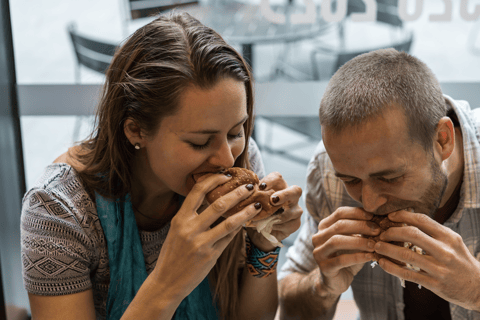
Food festivals coming up in Melbourne
All Melbourne food festivals- Queen Victoria Market Night Market
- Brunswick Music Festival
- Moomba Festival Food Precinct
- Melbourne Food and Wine Festival
Going to Melbourne Food and Wine Festival? Hotels for 5-21 Mar 2027, from USD 118 a night.
Hotels for these datesWhere to stay in Melbourne
All Melbourne hotels-
 The Village Melbourne
Check prices
The Village Melbourne
Check prices
-
 Europa Melbourne - Hostel
Check prices
Europa Melbourne - Hostel
Check prices
-
 Nate's Place Backpackers Melbourne
Check prices
Nate's Place Backpackers Melbourne
Check prices
-
 Melbourne Metro YHA - Hostel
Check prices
Melbourne Metro YHA - Hostel
Check prices
-
 Base Backpackers Melbourne Hostel
Check prices
Base Backpackers Melbourne Hostel
Check prices
-
 Melbourne city backpackers
Check prices
Melbourne city backpackers
Check prices
-
 Miami Hotel Melbourne
Check prices
Miami Hotel Melbourne
Check prices
-
 Great Southern Hotel Melbourne
Check prices
Great Southern Hotel Melbourne
Check prices
-
 Atlantis Hotel, Melbourne
Check prices
Atlantis Hotel, Melbourne
Check prices
-
 Mercure Melbourne Therry Street
Check prices
Mercure Melbourne Therry Street
Check prices
-
 The Victoria Hotel Melbourne
Check prices
The Victoria Hotel Melbourne
Check prices
-
 Seasons Heritage Melbourne
Check prices
Seasons Heritage Melbourne
Check prices
Also compare
Hotels are listed by our booking partners, not picked by our editors. We earn a commission if you book, at no cost to you.
Getting there and around Melbourne
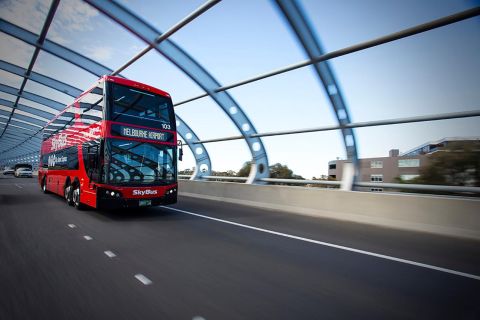
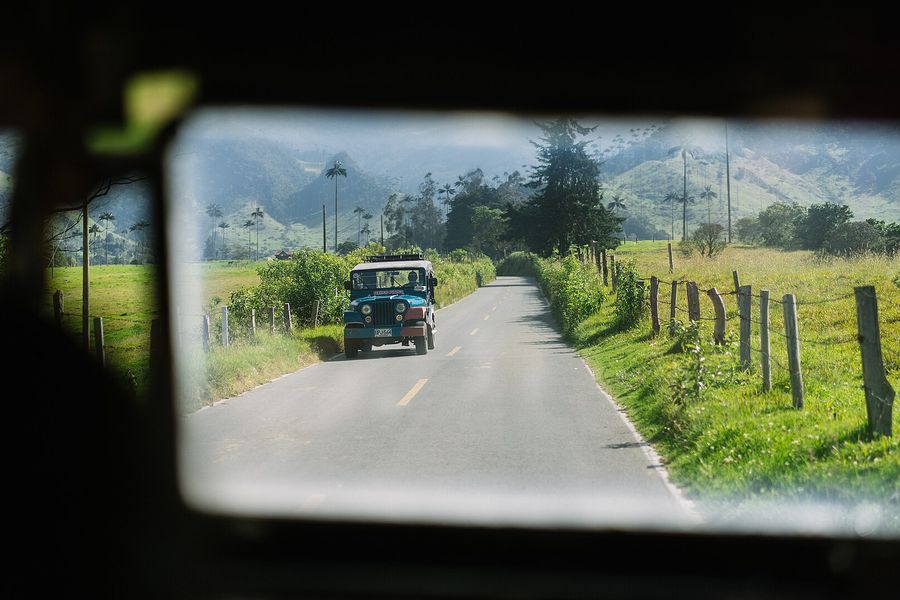

Sold by our booking partners. We earn a commission if you book, at no cost to you.
Signature dishes in Melbourne
All 12 dishes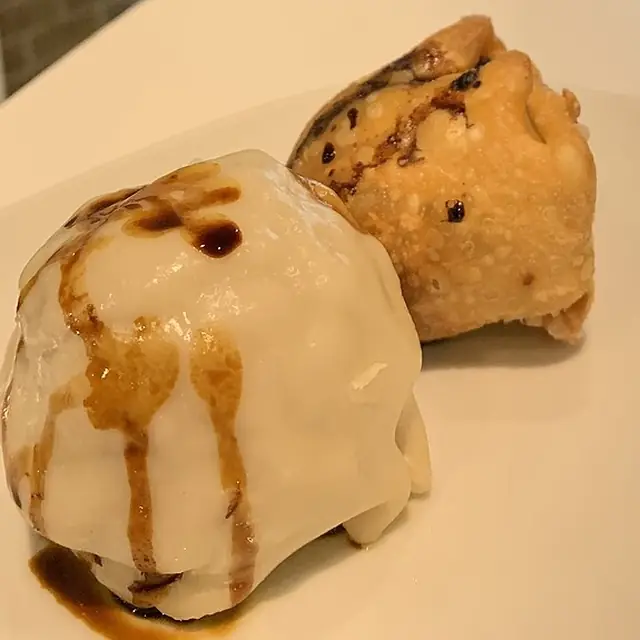
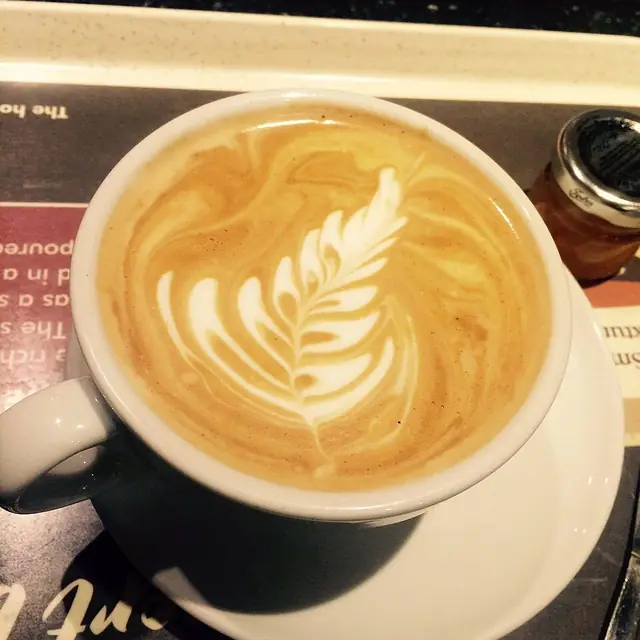
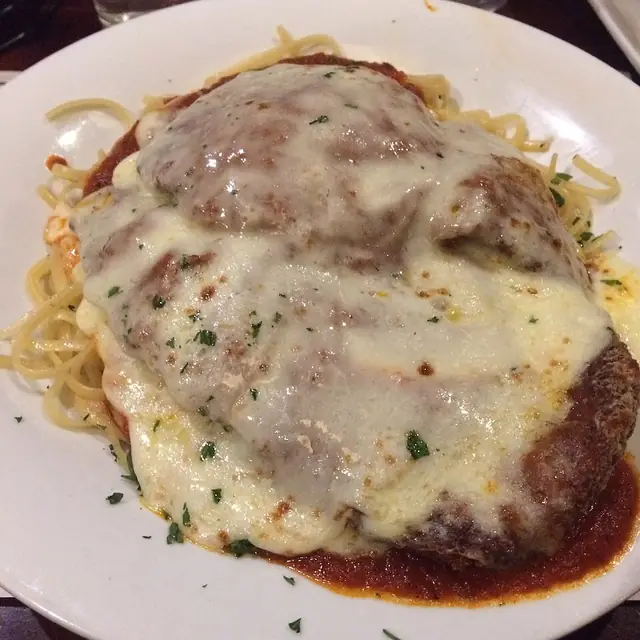
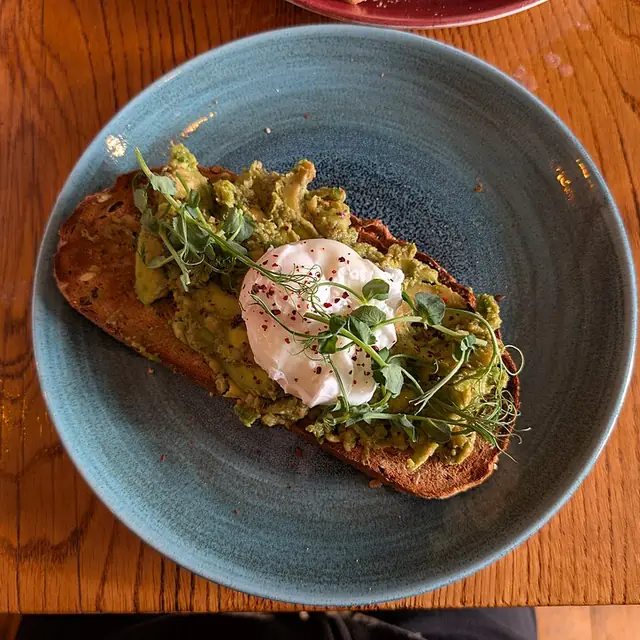
More dishes
Where to eat by neighborhood
All neighbourhoods- CBD and Laneways43 places
- Fitzroy18 places
- Collingwood12 places
- Richmond3 places
- Carlton5 places
- South Yarra and Prahran14 places

Top-rated food tour in Melbourne
Relaxed Half Day Yarra Valley Wine Tasting Tour from Melbourne
Also in Melbourne: tickets for the sights
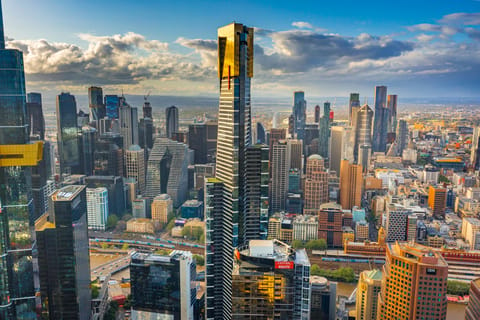
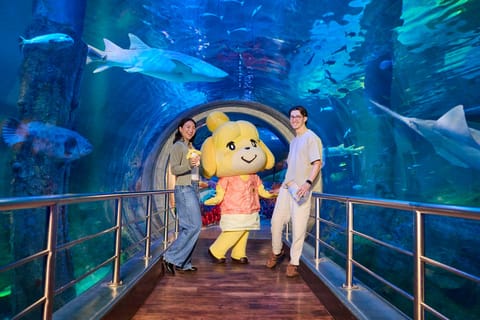
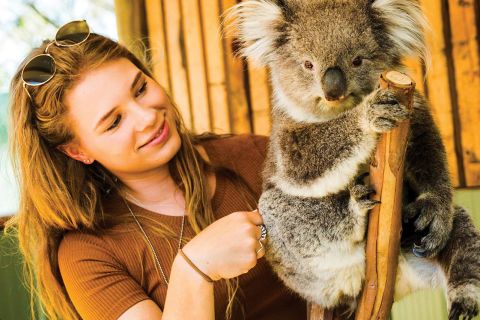
Tickets are sold by our booking partners. We earn a commission if you book, at no cost to you.
Map of Melbourne
Every restaurant, cafe, market and bar we cover in Melbourne, pinned. Click a pin for the page.
Everything in Melbourne
When to come hungry in Melbourne
- Peak food season
- March to May (autumn) for cool-weather dining, new-vintage wine releases, and the Melbourne Food and Wine Festival in late March. September to November for spring produce, outdoor dining weather, and Good Food Month events including the Night Noodle Markets.
- Local dining hours
- Cafes open 7am, kitchen closes 3pm. Lunch 12pm to 3pm. Dinner from 6pm, with most kitchens stopping at 9:30pm to 10pm. Late-night spots on Smith and Swanston Streets run until 2am and beyond on weekends.
- Tipping
- Not customary. Service is included in menu prices. Rounding up or leaving a few dollars is appreciated but never expected. Electronic tip prompts are common but optional.
Read the full Melbourne food guide
Melbourne is the most-eaten Australian city, the place the rest of the country looks to for what is next on a menu, and the city the global coffee industry credits with inventing the flat white in the 1980s (a claim Auckland also makes; the truce most baristas accept is co-invention in the same trans-Tasman cafe scene). The defining trait is the laneway, the network of narrow brick alleys cutting through the CBD's grid (Degraves Street, Hardware Lane, Centre Place, AC/DC Lane, Hosier Lane) that hold the highest density of espresso bars, hole-in-the-wall cafes, and the modern Australian breakfast format the world has spent two decades imitating. The Australian smashed-avocado-on-sourdough plate, the bircher muesli, the bacon-and-egg roll, the long black, the piccolo latte, the magic, the corretto: this is the vocabulary Melbourne built and exported.
The second axis is the immigrant layering. Melbourne is one of the world's most ethnically diverse cities by birthplace (40 percent of residents born overseas) and the food map runs that diversity in distinct neighborhood corridors. Lygon Street in Carlton is the original 1950s Italian quarter, with Tipo 00, Universita 1, Pellegrini's Espresso Bar (since 1954, the spiritual home of the Melbourne espresso) and Brunetti for the gelato and panini. Victoria Street in Richmond is the post-1975 Vietnamese corridor (Pho Hung Vuong 2, Pho Chu The, the broken-shoulder pho lineup, the banh mi counters). Sydney Road in Brunswick is the Lebanese and Turkish corridor (A1 Bakery for manakish, Tiba's Lebanese, Half Moon). Footscray, across the river, is the East African and Vietnamese eat in one neighborhood: Sun Theatre cafes, Footscray Market, Karen Ethiopian Cuisine. South Melbourne Market is the institution for the dim sim (the Melbourne hybrid Chinese-Australian dumpling invented in the 1940s by William Wing Young at South Melbourne Market, still made the same way at South Melbourne Dim Sim).
The modern Melbourne dining scene is anchored by the Attica era. Ben Shewry's Attica in Ripponlea has been Melbourne's reference fine-dining seat since 2008, peaking at number four on the World's 50 Best in 2017, currently with one Michelin star (Michelin launched in Australia in 2025). Vue de Monde at the Rialto runs the formal CBD tasting in a 55th-floor room. Minamishima in Richmond holds the city's reference sushi seat. Supernormal in CBD (the Andrew McConnell pan-Asian) and Cumulus Inc. in Flinders Lane (the original 2008 wine-bar reinvention that triggered the small-plate movement) hold the casual-fine middle. The neo-bistro and natural-wine wave (Embla, Marion, Bar Liberty, Carlton Wine Room, Neighbourhood Wine) runs the late-night drinking scene. The food clock: coffee from 07:00, brunch 09:00-14:00, lunch in the laneways, aperitivo from 17:30 in the wine bars, dinner from 18:30-22:30.
Laneway cafes and the flat white
The Melbourne laneway cafe scene is the format the rest of the global coffee industry spent the 2010s imitating. The 19th-century industrial laneways cutting through the CBD's grid (Degraves Street, Hardware Lane, Centre Place, Hosier Lane, Manchester Lane) hold the highest density of espresso bars and brunch cafes in the city, often single-room counters with eight seats and a queue out the door. The flat white (espresso with steamed milk and a microfoam cap thinner than a cappuccino, served in a 5 to 6 ounce ceramic cup, originated in either Sydney or Auckland in the 1980s with Melbourne taking ownership through the 1990s coffee boom) is the city's signature pour. The reference addresses in the laneways are Patricia Coffee Brewers on Little Bourke (the standing-room cult favorite, no chairs, six minutes of attention from the bar), Seven Seeds on Berkeley Street in Carlton (the roaster's flagship cafe since 2007, the Mecca of single-origin), Market Lane (the 1907-arcade Block branch is the classic), Proud Mary in Collingwood (the bigger brunch destination), Industry Beans in Fitzroy. Italian-heritage Pellegrini's Espresso Bar on Bourke Street (since 1954) is the city's spiritual home of the espresso, a long red-leather counter still pouring the original 1950s espresso, run by the Bartolomeo family. Order a long black, a piccolo, or a flat white; never order to-go in a paper cup at Patricia.
The immigrant corridor: Lygon, Victoria, Sydney Road
Melbourne is one of the world's most ethnically diverse cities by birthplace (roughly 40 percent of residents born overseas, per the 2021 Census), and the food map runs that diversity in distinct neighborhood corridors. Lygon Street in Carlton is the original Italian quarter, settled by post-WWII Calabrian, Sicilian and Venetian immigrants in the 1950s and 1960s, anchored by Tipo 00 (the modern Italian darling), Universita 1 in Brunswick East, D.O.C. pizza, King and Godfree (the 1884 Italian grocer), and Pellegrini's. Victoria Street in Richmond, a 1.5-kilometer stretch between Hoddle and Church, became the Vietnamese corridor after the 1975 Saigon fall and the subsequent boat-people wave; it now runs roughly 80 Vietnamese restaurants, with Pho Chu The, Pho Hung Vuong 2 and Quan 88 the pho references and Hong Vietnam the banh mi address. Sydney Road in Brunswick is the Lebanese, Turkish and Greek corridor, with A1 Bakery (the za'atar manakish institution since 1992), Half Moon, and the Greek cake shops at Brunswick North. Box Hill, 14 kilometers east, is the modern Chinese suburb with the city's best dim sum and Sichuan; Glen Waverley is the Hong Kong cantonese version. Footscray Market, west of the city, is the East African (Ethiopian, Eritrean, Somali, Sudanese) plus second-wave Vietnamese alternative.
Queen Vic Market and South Melbourne Market
Queen Victoria Market on Elizabeth Street, the largest open-air market in the Southern Hemisphere, has fed the city since 1878 and remains the working pantry of central Melbourne. The market occupies 7 hectares with roughly 600 traders across the Meat Hall, Dairy Produce Hall, Fruit and Vegetable shed, the deli hall, and the General Merchandise sheds. Opens Tuesday to Sunday (closed Monday and Wednesday), 06:00-15:00 most days. The Queen Vic Night Market runs Wednesday evenings November to March with roughly 30 international food trucks. The classic Queen Vic stops: Andrew's Choice (the bratwurst counter that runs the famous Queen Vic Hamburger), American Doughnut Kitchen (the food van parked at the corner since 1950, jam doughnuts hot from the fryer), Bratwurst Shop & Co., Polish Deli (kabanos and pierogi). South Melbourne Market on Cecil and Coventry Street, smaller and more local, is the institution for the South Melbourne Dim Sim, the Chinese-Australian hybrid dumpling invented in the 1940s by William Wing Young at the same market, still made and steamed there at South Melbourne Dim Sim. The Sunday market at Camberwell is the secondary; Prahran Market is the smaller upmarket version.
Attica, Vue de Monde and the modern fine dining
Ben Shewry's Attica in Ripponlea, opened 2008 by the New Zealand-born chef in a converted suburban building, has been the city's reference fine-dining seat for nearly two decades. Attica peaked at number four on the World's 50 Best Restaurants list in 2017, has held a place in the top 50 for 14 of the last 16 years, and earned a Michelin star in the 2025 Australia inaugural guide. The tasting menu (currently 350 to 400 AUD per head, around 220 to 260 euros) runs a strict-Australian-ingredient pantry, including bunya nuts, finger lime, native pepper berries, lamington heritage and Indigenous-Australian techniques. Vue de Monde on the 55th floor of the Rialto Tower runs the formal CBD tasting (Shannon Bennett, opened 2000, one Michelin star). Minamishima in Richmond runs the city's reference sushi seat (Koichi Minamishima, two-Michelin-star in 2025, edomae omakase). Lume in South Melbourne, Amaru in Armadale, and Navi in Yarraville fill out the upper tier of modern Australian. Below the stars, the small-plate wine-bar movement that Cumulus Inc. (Flinders Lane, since 2008) and Supernormal (Andrew McConnell's pan-Asian, since 2014) catalyzed runs Embla, Marion, Bar Liberty, Carlton Wine Room and Neighbourhood Wine, with natural-wine lists 200 deep and shared-plate menus that defined the 2010s Melbourne dinner.
Melbourne food, FAQ
What food is Melbourne known for?
Melbourne's signature dishes include South Melbourne Dim Sim, Hot Jam Donut, Classic Croissant at Lune, Flat White, Beef Pho on Victoria Street. See our signature dishes chapter for where to eat each.
What are the best food neighborhoods in Melbourne?
TableJourney editors map Melbourne by district. CBD and Laneways, Fitzroy, Collingwood, Richmond are among the strongest for food, each with its own guide.
Where should I eat fine dining in Melbourne?
Editor picks in Melbourne include Amaru, Minamishima, Vue de Monde, plus the full fine dining chapter on TableJourney.
Are there food tours in Melbourne?
TableJourney covers 5 editor-picked food tours in Melbourne, with what each shows you and how much to budget.
Does Melbourne have good vegetarian or vegan food?
TableJourney's Melbourne dietary chapter covers vegan, vegetarian, gluten_free, halal, kosher venues, each editor-picked with what to order and how to ask.