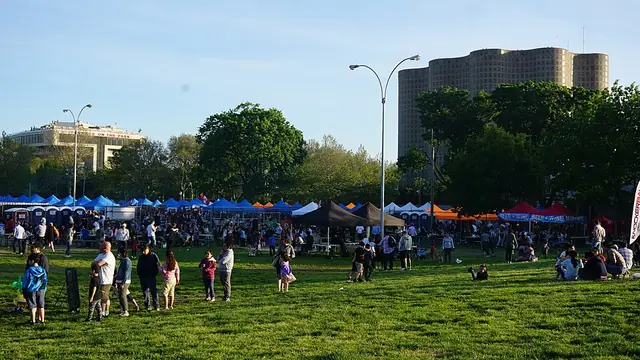
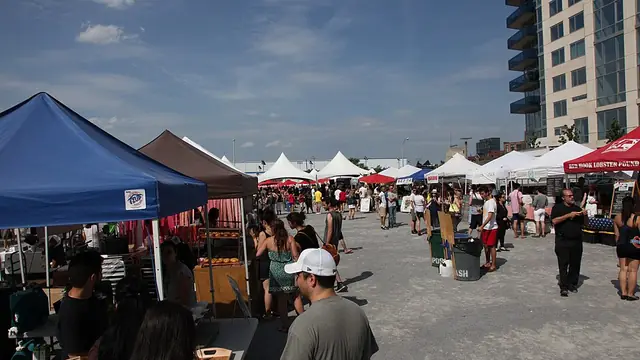
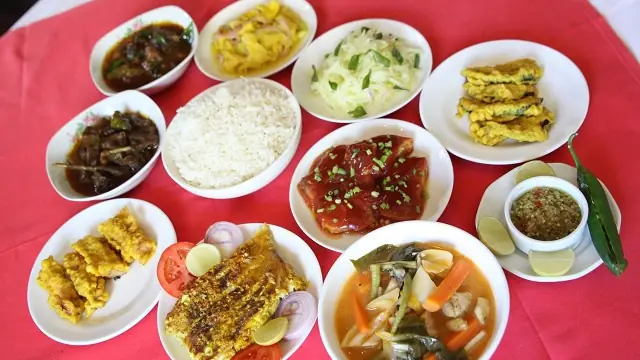
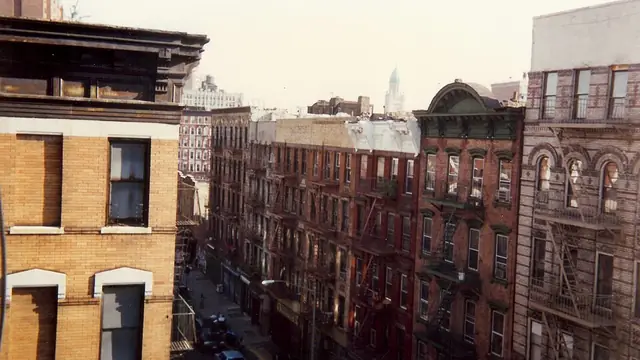
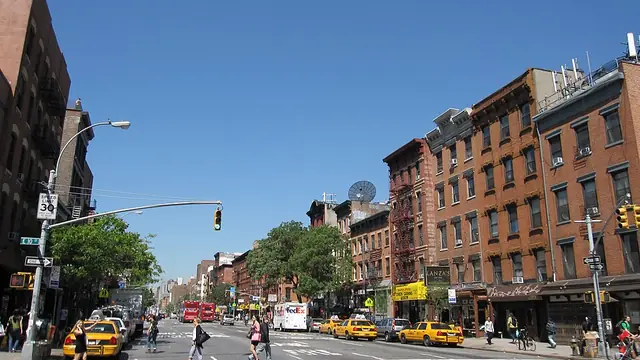
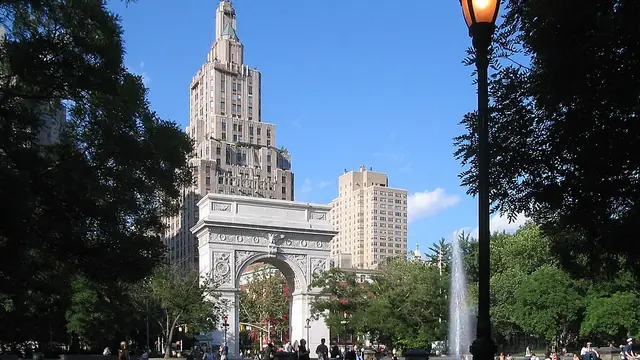
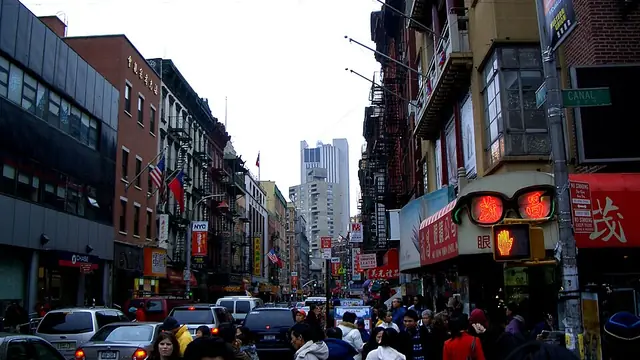
New York City is the only American city that genuinely competes with the great global eating capitals, and it does it by being five cities at once. Manhattan holds the fine-dining map (Eleven Madison Park, Le Bernardin, Per Se, Daniel, Atomix, Atera, Jungsik) and the tasting-menu corridor that runs from Tribeca through Flatiron and into the East 60s. Brooklyn holds the modern-American neighborhood-restaurant scene that has set the national tone since the 2000s (Frankies 457, Lilia, Misi, Olmsted, Rucola, Roman's). Queens is the immigrant food map of the world compressed into 109 square miles: Jackson Heights for South Asian, Flushing for Chinese, Astoria for Greek and Egyptian, Sunset Park's adjacency in southern Brooklyn for the Latin and Chinese diaspora corridor. The Bronx eats Italian on Arthur Avenue and African in Concourse Village. Staten Island runs the city's deepest Sri Lankan and South Italian scenes.
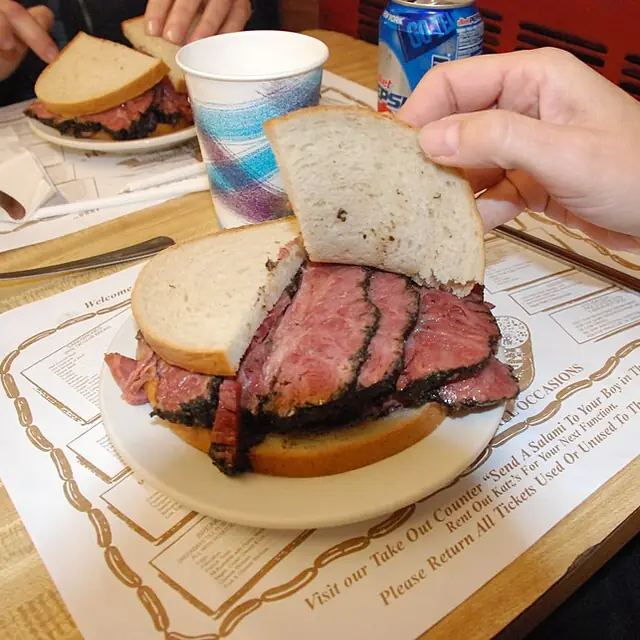
The canonical NYC food map is built on four 19th and 20th century pillars that are still load-bearing today. The New York slice (a $3 to $5 wide triangular pizza you fold and eat walking) came out of Lombardi's on Spring Street in 1905, the first licensed pizzeria in America. The bagel-and-lox tradition was built by Eastern European Jewish immigrants on the Lower East Side; Russ & Daughters has run from East Houston since 1914. The deli pastrami sandwich was perfected at Katz's, opened 1888 on the same block. And the dim sum and Cantonese-roast-meats tradition was anchored on Mott Street by the 1880s and is still the heart of Manhattan's Chinatown.
Above all that, the modern New York table is open every hour. The 04:00 halal cart, the 23:00 omakase add-on at Sushi Noz, the 02:00 slice at Joe's on Carmine Street: the city eats around the clock and the rules are made by the eater, not the chef. Plan accordingly.
The New York pizza tradition
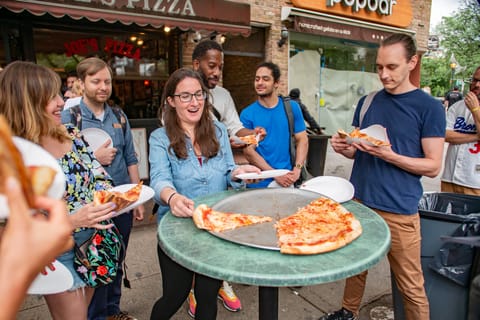
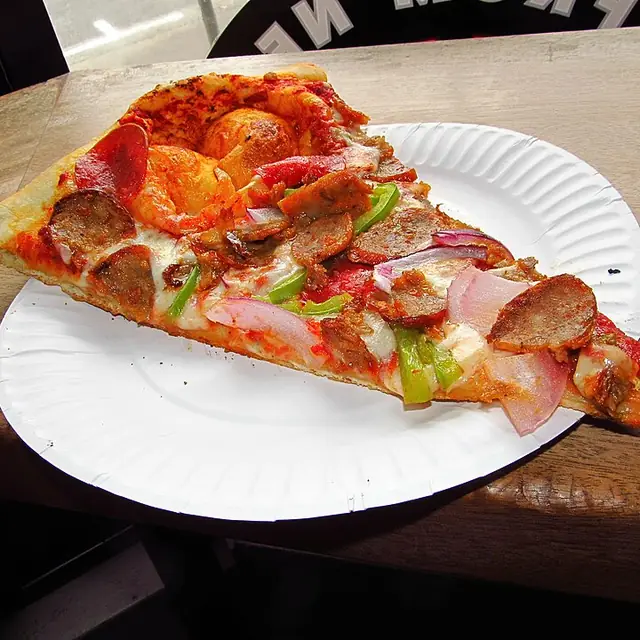
New York pizza is the food the city is most associated with, and the local tradition is more layered than the tourist slice suggests. The original New York slice is the wide thin Neapolitan-American hybrid that came out of Lombardi's coal oven on Spring Street in 1905. Joe's on Carmine Street, Patsy's in East Harlem, John's on Bleecker, and Di Fara in Midwood (Brooklyn) are the heritage rooms still running coal or gas deck ovens. The Sicilian square slice, with a thicker bread base and the sauce on top, is the L&B Spumoni Gardens specialty (Gravesend, Brooklyn). The grandma slice, a thinner cousin of the square, came out of Long Island in the 1990s and now anchors most casual NYC pizzerias. The new-wave artisan tier runs Neapolitan and Roman al taglio: Una Pizza Napoletana on Orchard Street, Roberta's in Bushwick, Lucali in Carroll Gardens, Scarr's Pizza on Orchard, Mama's Too on the Upper West Side. The rule on a New York slice: walk in, order the plain (cheese), they reheat on the deck, you fold it and eat it standing. Conversation is allowed but not required.
The diaspora corridor: Flushing, Jackson Heights, Sunset Park
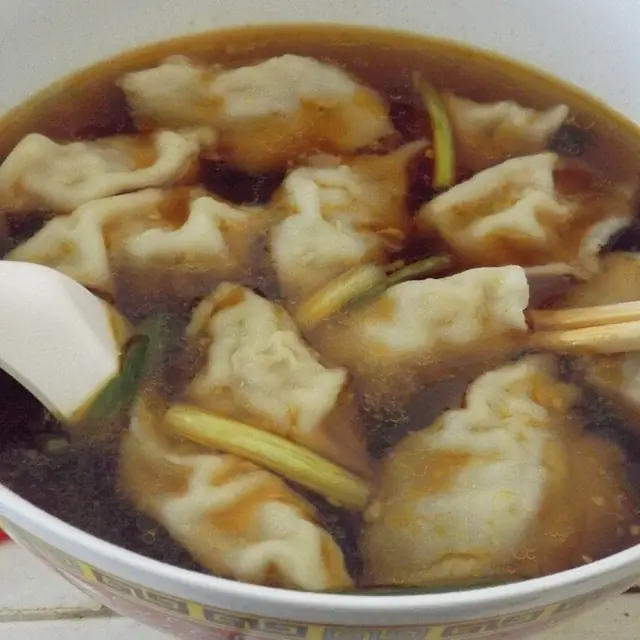
The most important fact about NYC food is that the best Chinese, Indian, Korean, Mexican, Bangladeshi, Tibetan, Colombian, Dominican, and Filipino food in the city is not in Manhattan. Flushing in north-central Queens is the densest Chinese-food neighborhood in the western hemisphere, with Northeastern, Sichuan, Cantonese, Shanghainese, Henan, Yunnan, Hong Kong and Uyghur kitchens all within a 15-block radius around Main Street and Roosevelt Avenue. Nan Xiang Xiao Long Bao for soup dumplings, Joe's Shanghai for the original XLB, the New World Mall food court for a one-meal-tour-of-China. Jackson Heights in central Queens is the South Asian and Latin American corridor: 74th Street for Indian, Bengali and Pakistani, Roosevelt Avenue under the 7 train for Colombian, Ecuadorian and Mexican. Sunset Park in southwest Brooklyn has Manhattan's overflow Chinatown (8th Avenue) and the most concentrated Mexican neighborhood in the city (5th Avenue, around 47th to 60th streets). Take the 7 train, the N train, or the D train. Skip Manhattan's Chinatown for serious eating; it is now mostly a tourist anchor with a few real holdouts (Wu's Wonton King, Joe's Shanghai, Great NY Noodletown).
Bagels, lox, and the appetizing tradition
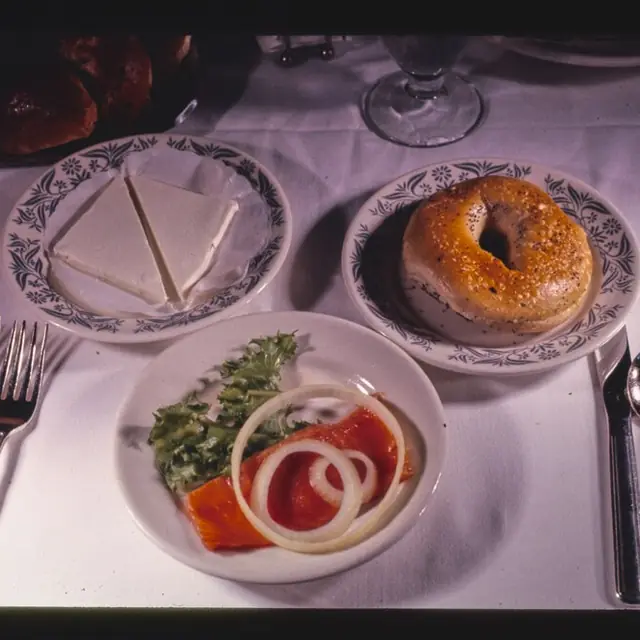
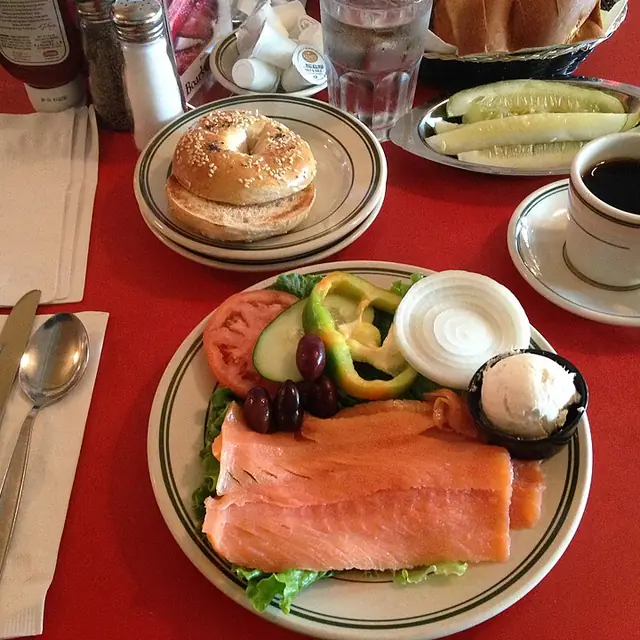
The New York bagel is dense, chewy, hand-rolled, kettle-boiled in malt water and then baked, and it is the most copied and least replicated New York food. The defining shops are Russ & Daughters (Houston Street, since 1914), Ess-a-Bagel (1st Avenue), Absolute Bagels (Upper West Side), H&H Bagels, and a tier of cult newer shops (Apollo Bagels, PopUp Bagels). The classic order is everything bagel with cream cheese and lox (cold-smoked salmon), capers, red onion, and tomato; lighter alternatives are the plain bagel with butter or with a slice of nova. Russ & Daughters is the appetizing store, a Jewish-American category for shops selling smoked fish, pickled fish, herring, bagels, cream cheese, dried fruit and chocolate, with no actual meat (appetizing was Jewish dietary law's workaround for selling fish with dairy). The Russ & Daughters Cafe a block away sits the same menu down for brunch and is the bookings-required version. Sunday morning at the original Houston Street counter is the move; bring cash, expect 30 minutes.
How to book NYC's hard tables
New York's reservation culture runs hardest at the top tier and the cult mid-tier, and a different platform handles each. Resy and OpenTable cover most of the city's reservation traffic, with Resy holding the bulk of the modern-restaurant set (Carbone, Lilia, Don Angie, Frenchette, Misi) and OpenTable handling the older guard and the chains. Tock handles tasting-menu deposits at Eleven Madison Park, Atomix, Atera, Jungsik, Saga, Per Se. Sevenrooms covers some of the steakhouses and a few destination rooms. The rules: tables at the hardest spots (Carbone, Lilia, Misi, 4 Charles Prime Rib, Tatiana, Don Angie) open at 09:00 or 10:00 28 days ahead on Resy and disappear in under a minute; refresh and click. Bar seats and chef-counter seats hold back inventory and walk-ins; arrive at 17:30. For the three-star tier (Eleven Madison Park, Atomix, Atera, Le Bernardin), book 30 to 60 days ahead on Tock, deposit required. Cancellations are strict; most charge $50 to $250 per person for no-shows. Hotel concierges at the Mark, the Carlyle, the Greenwich and the Mercer can pull strings the apps cannot.