

Kyoto
1h 30m
Kyoto: Ramen, Gyoza, and Onigiri Cooking Class
Discover how to make homemade rich and flavorful soy sauce and miso ramen, acquire the perfect gyoza filling, and master the technique of wrapping...
from¥15,200Check dates
148 editor-picked japanese ramen spots across 41 cities.
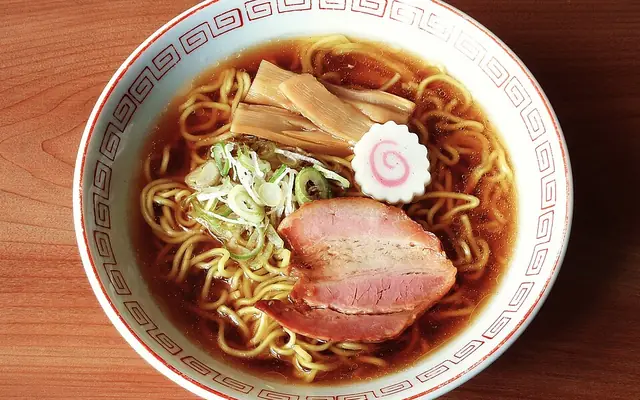
Ramen is wheat noodles in a seasoned broth with a small set of toppings, but inside that simple frame sits one of the most engineered food categories in the world. A serious ramen-ya runs on four levers: the broth (the base liquid), the tare (the concentrated seasoning added to each bowl), the aroma oil (the fat slick on top), and the noodle (cut, hydration, and alkalinity tuned to the broth). Change one variable and the bowl reads as a different dish.
The four canonical broth bases are shoyu (soy-tare with a clear chicken or pork stock), shio (salt-tare, often paired with the lightest seafood or chicken stock), miso (a fermented bean paste tare with a hearty pork or chicken stock), and tonkotsu (a pork-bone stock boiled hard for 8 to 24 hours into an emulsified milky liquid). On top of these, Japan runs roughly 30 regional schools: Sapporo miso, Hakata tonkotsu, Kitakata shoyu, Yokohama iekei, Tokyo's many shoyu and shio houses, the abura-soba broth-less variant, the tsukemen dipping-style.
The ramen counter is one of the most efficient food machines in Japan. Order from the vending machine at the door, hand the ticket to the cook, sit at the counter, slurp loudly (slurping cools the noodle and aerates the broth, both signs of respect), finish in 10 to 15 minutes, and leave. There is no lingering, no upselling, and no menu beyond what is on the machine. A great bowl costs 900 to 1500 yen; a famous shop might require a 90-minute queue.
Tours, tastings and classes that match this page, bookable on GetYourGuide.
1h 30m
Discover how to make homemade rich and flavorful soy sauce and miso ramen, acquire the perfect gyoza filling, and master the technique of wrapping...

Guided tour · 3 hours
Enjoy 6, tour-exclusive, mini bowls of delicious ramen. Become a ramen expert, learning about ramen origins, types, preparation, and trends. Visit 3...
Guided tour · 2 hours
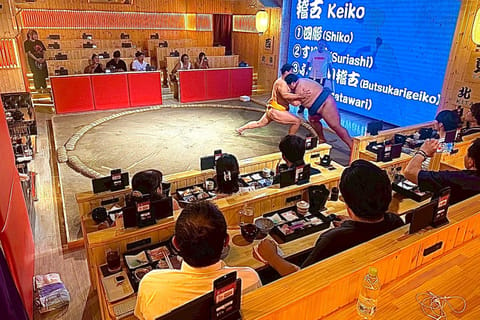
Learn the rules of sumo & how to practice it, watch demonstrations, and then have a go at wrestling yourself in Sapporo, Hokkaido. Enjoy Chanko-nabe...

Guided tour · 2 hours
Discover the art of sake brewing with a certified sommelier. Enjoy a curated sake tasting course at a renowned restaurant and savor the flavors of...
The best-scored japanese ramen place in each of 12 cities.
Domu at East End Market on Corrine Drive in Audubon Park is the ramen and Japanese-pub anchor, with tonkotsu, sake and a strong cocktail program.
SignatureRichie Rich tonkotsu ramen, Crispy chicken karaage
Hakata Issou opened in 2012 and built its reputation on the tonkotsu cappuccino, a foam-headed pork-bone broth distinct from the Hakata ramen norm.
OrderTonkotsu ramen with kaedama noodle refill and a half-cooked aji tama egg.
TipOpen 11:00-24:00 seven days. Arrive before noon or after 21:00 to avoid the longest waits.
The miso-ramen counter consistently ranked top of Sapporo Tabelog at 3.96. Saimi blends three white misos with a clear pork-bone base; queue early.
OrderMiso ramen with extra ginger ground tableside.
TipThree-minute walk from Misono subway station; queue from 11:00 weekdays, 10:30 weekends. Closed Mondays.
Tsuta in Tokyo's Yoyogi-Uehara was the first ramen shop with a Michelin star (2016), held it four years, still pours shoyu with stone-milled noodles.
OrderShoyu soba with the signature black truffle oil; tsukemen if you prefer dipping.
TipClosed Tuesdays. Lunch only, 11:00-15:00, no numbered ticket system. Arrive by 11:00 or after 14:00.
Mason's Creamery on Bridge Avenue in Ohio City, the Jesse Mason and Helen Qin ice cream shop since 2013, runs small-batch scoops year-round plus a winter.
OrderTwo scoops of small-batch ice cream in summer, a pork tonkotsu ramen in winter.
TipRamen runs winter into spring; ice cream year-round. Cash and card accepted.
Marufuku Ramen in San Francisco is the Japantown Hakata tonkotsu counter, with a 36-hour pork bone broth and a late-night line that turns inside thirty.
OrderHakata classic tonkotsu with extra garlic chips, plus the karaage on the side.
TipDigital waitlist before you head over; the late seating cuts the wait to twenty minutes.
Chef Mike Dodge runs Whisky and Ramen on 4th Avenue downtown, with house noodles, tonkotsu bowls and a deep whisky bar. Named a 2026 James Beard semifinalist.
SignatureThe Hook tonkotsu ramen, Whisky-miso pork buns
A chicken-paitan ramen counter on Karasuma in Kyoto. House-raised Kyotamba bird boiled to a milky broth and finished with bright grated yuzu skin.
OrderTokusei chicken paitan with chashu and ajitama
TipOpen lunch through dinner without a break; afternoon trade easiest 14:00-17:00.
Ken Oringer's UNI inside the Eliot Hotel runs a late-night ramen menu in Boston's Back Bay since 2002. Late-night kitchen kicks in at 22:00.
TryLate-night ramen menu
TipLate-night kitchen from 22:00. The Hokkaido miso ramen is the under-ordered bowl; the spicy tantanmen is the cult order.
Shōyu on Ausekļa near the Quiet Bay holds a Bib Gourmand for homemade ramen noodles, rich broths and rice bowls in a counter-style room that seats just 20.
OrderThe shoyu ramen, the house signature; pair with the karaage and a Japanese beer.
TipTiny shop, reservations essential. Bowls average €12 to €18; cash and card both accepted.
Tsujita LA in Sawtelle, Los Angeles is the LA outpost of Tokyo's Tsujita, simmering tonkotsu broth for 60 hours and serving it as ramen and tsukemen.
OrderTonkotsu tsukemen at lunch only.
TipTsukemen is served exclusively before 15:00; after 15:00 the menu switches to ramen and stays open until 02:00.
Kintaro Ramen on Denman is Vancouver's first Sapporo-style ramen shop since 1999, the city's original tonkotsu counter and a Robson corridor staple.
OrderRich miso ramen with the fatty pork toppings, the kitchen's reference bowl.
TipCounter only; line up before 12:00 or after 14:00 to avoid the lunch queue.
Domu at East End Market on Corrine Drive in Audubon Park is the ramen and Japanese-pub anchor, with tonkotsu, sake and a strong cocktail program.
SignatureRichie Rich tonkotsu ramen, Crispy chicken karaage
Hakata Issou opened in 2012 and built its reputation on the tonkotsu cappuccino, a foam-headed pork-bone broth distinct from the Hakata ramen norm.
OrderTonkotsu ramen with kaedama noodle refill and a half-cooked aji tama egg.
TipOpen 11:00-24:00 seven days. Arrive before noon or after 21:00 to avoid the longest waits.
The miso-ramen counter consistently ranked top of Sapporo Tabelog at 3.96. Saimi blends three white misos with a clear pork-bone base; queue early.
OrderMiso ramen with extra ginger ground tableside.
TipThree-minute walk from Misono subway station; queue from 11:00 weekdays, 10:30 weekends. Closed Mondays.
Sumire's late-night Susukino branch, one minute from Susukino subway. Miso ramen and side gyoza for under 1,500 yen. Open until 03:00 most nights.
TryMiso ramen
TipOpen until 03:00; the late-night Susukino bookend is under 1,500 yen.
Tsuta in Tokyo's Yoyogi-Uehara was the first ramen shop with a Michelin star (2016), held it four years, still pours shoyu with stone-milled noodles.
OrderShoyu soba with the signature black truffle oil; tsukemen if you prefer dipping.
TipClosed Tuesdays. Lunch only, 11:00-15:00, no numbered ticket system. Arrive by 11:00 or after 14:00.
Mason's Creamery on Bridge Avenue in Ohio City, the Jesse Mason and Helen Qin ice cream shop since 2013, runs small-batch scoops year-round plus a winter.
OrderTwo scoops of small-batch ice cream in summer, a pork tonkotsu ramen in winter.
TipRamen runs winter into spring; ice cream year-round. Cash and card accepted.
Marufuku Ramen in San Francisco is the Japantown Hakata tonkotsu counter, with a 36-hour pork bone broth and a late-night line that turns inside thirty.
OrderHakata classic tonkotsu with extra garlic chips, plus the karaage on the side.
TipDigital waitlist before you head over; the late seating cuts the wait to twenty minutes.
Chef Mike Dodge runs Whisky and Ramen on 4th Avenue downtown, with house noodles, tonkotsu bowls and a deep whisky bar. Named a 2026 James Beard semifinalist.
SignatureThe Hook tonkotsu ramen, Whisky-miso pork buns
Hakata Issou's tonkotsu cappuccino comes in under 1,200 yen for the bowl plus a kaedama refill. Worth the queue for the price-to-quality ratio in Hakata.
TryTonkotsu cappuccino ramen
TipOpen 11:00-24:00 daily. Arrive before 11:30 or after 21:00 Cash is faster than card.
The Murakami family ramen house, opened 1964, codified the Sapporo miso style with a thick lard cap sealing the broth heat-stable through winter.
OrderMiso ramen with extra chashu; the lard cap stays piping.
TipTen-minute walk from Nakanoshima subway; the Susukino branch is the late-night option.
A chicken-paitan ramen counter on Karasuma in Kyoto. House-raised Kyotamba bird boiled to a milky broth and finished with bright grated yuzu skin.
OrderTokusei chicken paitan with chashu and ajitama
TipOpen lunch through dinner without a break; afternoon trade easiest 14:00-17:00.
Rokurinsha in Tokyo Station Ramen Street pours dense pork-and-fish tsukemen until 22:30 last order. Canonical thick-noodle bowl before the last Shinkansen.
TryThick-noodle tsukemen
TipTokyo Station Ramen Street is inside the JR turnstiles. Queue 30-60 minutes off-peak; 60-90 at peak hours.
Ken Oringer's UNI inside the Eliot Hotel runs a late-night ramen menu in Boston's Back Bay since 2002. Late-night kitchen kicks in at 22:00.
TryLate-night ramen menu
TipLate-night kitchen from 22:00. The Hokkaido miso ramen is the under-ordered bowl; the spicy tantanmen is the cult order.
Shōyu on Ausekļa near the Quiet Bay holds a Bib Gourmand for homemade ramen noodles, rich broths and rice bowls in a counter-style room that seats just 20.
OrderThe shoyu ramen, the house signature; pair with the karaage and a Japanese beer.
TipTiny shop, reservations essential. Bowls average €12 to €18; cash and card both accepted.
Tsujita LA in Sawtelle, Los Angeles is the LA outpost of Tokyo's Tsujita, simmering tonkotsu broth for 60 hours and serving it as ramen and tsukemen.
OrderTonkotsu tsukemen at lunch only.
TipTsukemen is served exclusively before 15:00; after 15:00 the menu switches to ramen and stays open until 02:00.
Shin-Shin pours a cleaner, lighter tonkotsu than the Hakata norm, with the city's best yakimeshi side and a 3:00 close that anchors the Tenjin late-night map.
OrderTonkotsu ramen with the yakimeshi fried-rice pairing.
TipOpen 11:00-03:00. Closed Tuesdays and Wednesdays. Walk-in only.
The reference shoyu-tonkotsu ramen of Kyoto, served from before dawn since 1947. Five-minute walk from Kyoto Station, queues form by 11:00 daily.
OrderTokusei ramen with double char siu and Kujo negi green onions
TipCash only at the counter. Lines move; the slip-of-paper queue resets every 90 minutes.
A Michelin Bib Gourmand ramen counter three minutes from Kawaramachi Station. Light dashi broth, white soy and a chashu that earns its queue.
OrderWhite-soy ramen with a soft-boiled ajitama
TipLine up before doors open at 11:00, lunch typically sells out by 13:30.
Afuri in Tokyo's Ebisu pours light yuzu-shio ramen from Kochi citrus into a chicken-dashi broth. Open 11:00 until 05:00, the canonical late-night clean bowl.
OrderYuzu shio ramen with extra chashu and a soft-boiled egg.
TipCashless only at this branch; pay by IC card or credit at the vending machine.
Kintaro Ramen on Denman is Vancouver's first Sapporo-style ramen shop since 1999, the city's original tonkotsu counter and a Robson corridor staple.
OrderRich miso ramen with the fatty pork toppings, the kitchen's reference bowl.
TipCounter only; line up before 12:00 or after 14:00 to avoid the lunch queue.
Hokkaido Ramen Santouka on Robson is the Vancouver branch of the Asahikawa-based chain since 2011, the cherry pork chashu and salt-broth shio bowl.
OrderShio ramen with the Hokkaido cherry pork chashu, the kitchen's signature bowl.
TipCounter only; queue tops 30 minutes at peak lunch and dinner. The shio bowl is the kitchen's standard pour.
Santouka on Brighton Avenue has poured Hokkaido tonkotsu shio ramen in Boston's Allston since 2022. Located in Allston Brighton. At 169 Brighton Ave.
TryTonkotsu shio ramen
TipThe toroniku shio with braised pork cheek is the order. Cash speeds the bill; the queue at 21:00 weekends runs 30 minutes.
Slurp Ramen on Nansensgade in Copenhagen makes noodles from Bornholm wheat and rye, with a tonkotsu and shoyu menu by Austrian chef Philipp Inreiter.
OrderThe classic shoyu ramen with a side of gyoza; the noodles are made daily on site.
TipWalk-ins only and short queues outside; arrive at opening or after 20:00 for the shortest wait.
Kombu on Druid Lane Galway is JP McMahon's small Japanese ramen and bao bar; the chocolate ganache bao with wasabi sea salt is the locals signature order.
Why locals goTucked at the bottom of Druid Lane next to the Druid Theatre; opened July 2025 by chef JP McMahon and easy to walk past unless you know it is there.
TipWalk-in seats fill from opening on Friday and Saturday; arrive at 15:00 for the first round of ramen and a chocolate ganache bao for dessert.
MOMO Ramen on Margaretenstrasse near Hamburg's Sternschanze is the only ramen room in Germany listed in the Michelin Guide, with house-made noodles.
OrderThe Shoyu ramen; the spicy Sapporo bowl in winter.
TipWalk-in only; queues build between 19:00 and 21:00. Vegan ramen on the menu.
Ramen Tatsu-ya in Austin is Tatsu Aikawa's Hakata-style tonkotsu ramen room on South Lamar, the Austin ramen flagship since 2012 with five locations.
OrderThe Tonkotsu Original with the extra-fatty broth setting; that is the chef's-friend order.
TipOrder at the counter; walk-ins only, queue moves fast at 17:30 and 21:00 windows.
Cocolo Ramen on Berlin's Gipsstrasse has cooked the city's reference tonkotsu ramen since 2008; the broth simmers 18 hours, the noodles are pulled fresh.
OrderThe tonkotsu ramen with chashu pork and the soft egg; the karaage chicken as a starter.
TipNo reservations. Arrive before 19:00 weekdays or expect a 30-minute wait at the bar.
Drink Kong in Rome's Monti district runs the city's latest cocktail-and-ramen kitchen to 04:00, with Patrick Pistolesi's Tokyo-style highballs.
TryTokyo-style highballs, ramen, late plates
TipOpen daily 19:00-04:00. Ramen kitchen runs from 22:00; book the cocktail bar four days ahead.
Vegan Ramen Shop in Warsaw's Muranow is the plant-based ramen counter that built a citywide cult on house-made noodles and slow-pulled mushroom broth.
OrderThe shoyu bowl with gyoza on the side.
TipTight room, no reservations; aim for early lunch or late dinner to skip the queue.
Ramen Danbo on West 4th is the Vancouver branch of the Fukuoka Hakata-style ramen shop, three city branches since 2015 and a Robson late-night standby.
OrderTonkotsu ramen with extra-firm noodles, kotteri richness, the Hakata style.
TipCounter only; the West End branch on Robson opens until 01:00 Fridays and Saturdays.
Ichi Koroshi serves tonkotsu ramen inside the Jug and Bottle shop in Seminole Heights, opened by former Ichicoro cooks with full bowls around $16.
TryTonkotsu ramen bowl
Pai Men Miyake on State Street opened 2009 from Chef Masa Miyake of Miyake, with tonkotsu ramen, charcoal yakitori and izakaya plates from the open bar.
OrderTonkotsu ramen with the soft-boiled egg upgrade, then yakitori from the charcoal grill.
TipDaily lunch and dinner; reservations via OpenTable for dinner, walk-ins for lunch.
Suttree's High Gravity Tavern on South Gay Street, the craft-beer bar with 32 rotating taps and a ramen menu, keeps the kitchen and bar open to midnight.
TryRamen and craft beer
TipKitchen runs ramen and bar snacks until midnight; arcade games run later than the kitchen.
Monta Ramen in Las Vegas is the Chinatown Kurume-style tonkotsu shop next door to Raku, a 35-seat counter that codified Vegas's ramen scene from 2009 onward.
OrderTonkotsu ramen with chashu and a soft-boiled egg; ask for kotteri broth and extra noodles.
TipCounter-only seating and cash preferred; the line builds from 18:00 onward and they sell out by 23:00.
Toki Underground in Washington DC is the H Street NE upstairs ramen and dumpling room from Erik Bruner-Yang, the city's anchor ramen shop with bowls.
TryRamen bowl ($14-17)
TipLunch on weekdays is the quickest seat; the dumpling combo with a half-bowl of ramen is the value play.
Yume Wo Katare on Mass Ave in Porter Square Cambridge serves Jiro-style ramen as the late-night ramen pick in Boston since 2012. Closed Monday and Tuesday.
TryJiro-style buta ramen
TipCloses 22:30. Last order around 22:00. Buta with extra fat and garlic is the late-night order.
Ika San on Jones Street is one of Omaha's best late-night stops downtown, with a tonkotsu counter open until midnight at weekends and a full sake list.
OrderTonkotsu ramen: the pork broth simmers for 18 hours and the kitchen stays open past midnight on weekends.
Ika Ramen on Maple Street simmers its tonkotsu broth for 18 hours and opens the Kaitei sake bar downstairs at weekends, a two-in-one most visitors miss.
Why locals goBenson's best ramen counter blends into Maple Street without a conspicuous entrance, and most visitors discover it only by following a local recommendation.
Ramen-Ya Hiro (hidden) in Barcelona: japanese ramen room. Tonkotsu counter on the wrong end of Girona; the 12-hour-broth bowl is on no Catalan worth a visit.
Why locals goTonkotsu counter on the wrong end of Girona; the 12-hour-broth bowl is on no Catalan worth a visit list but the chef-trade queues for it.
TipClosed Monday. The lunchtime queue starts at 13:30; the early dinner sitting at 19:30 is the walk-up window.
Taro Akimoto's CBD ramen room on Level 2 of 480 Queen Street pours tonkotsu, shoyu, shio and miso bowls A$20-22 with Bangalow pork bone broth.
OrderTonkotsu ramen with Bangalow pork broth
Ramenhead simmers broth for eighteen hours and cuts its own noodles at its Kloof Street izakaya in Gardens, Cape Town, every single service.
OrderA bowl of ramen on the 18-hour broth with noodles cut in-house, then a round of wood-fired small plates.
TipTables are booked in two-hour seatings with a R200 deposit; the high tables, bar and ramen counter for two or more are kept for walk-ins.
Underbelly in Little Italy is CH Projects' ramen shop on Fir Street, the punk-rock-leaning Japanese counter where the Belly of the Beast tonkotsu ramen.
OrderThe Belly of the Beast ramen with extra chashu; the pork belly steamed buns to start.
TipCounter seating and a beer list of Japanese craft labels; arrive before 7pm to skip the line.
Bones Darlinghurst is a japanese ramen room in Darlinghurst. Walk in after 10pm; the ramen-only menu is at its sharpest after the late-night crowd lands.
Why locals goHidden Japanese ramen counter on Liverpool Street, Darlinghurst, Sydney. Open till 1am, ramen-only menu and an under-the-radar cult following.
TipWalk in after 10pm; the ramen-only menu is at its sharpest after the late-night crowd lands.
Fujiyama 55 in Lyon's 2e is the city's most-booked ramen counter, with a tonkotsu broth simmered 14 hours and queues that form most weeknights from 19:00.
OrderThe tonkotsu ramen with extra chashu; gyoza for the table.
TipNo reservations; arrive at 18:45 to beat the queue.
Dashi pairs ramen downstairs with an izakaya bar upstairs holding over 250 Japanese whiskies. Tonkotsu and miso broths below; small plates above from 16:00.
SignatureTonkotsu ramen, Izakaya skewers, Japanese whisky highball
Fufu in Bordeaux's Saint-Pierre is the ramen counter on Rue Saint-Remi from the team behind several Paris shops, with thick tonkotsu broth and gyoza turned.
SignatureTonkotsu ramen, Gyoza, Donburi bowls
TipLines start at 12:15; the takeaway window is the easier midday route if the indoor counter is full.
Kumako Ramen has anchored San Jose's Japantown since 2006 with house-crafted broths, springy ramen noodles, and handmade gyoza on Jackson Street.
OrderTonkotsu ramen with handmade gyoza
Ramen counter inside Manchester's Mackie Mayor. Tonkotsu and shio bowls around twelve pounds, takoyaki five, bao buns four; steam fills the hall.
TryTonkotsu ramen
A properly built ramen kitchen near Pannekoekstraat with long-simmered broth and house-made noodles. Located in Centrum. Kitchen leans japanese ramen.
OrderThe tonkotsu ramen with chashu pork belly and marinated egg.
TipThe broth runs out before the kitchen closes on busy nights; arrive by 20:00 to guarantee the tonkotsu.
Fufu Toulouse on Rue de Metz is small ramen counter with thick tonkotsu broth at €13, gyoza turned to order and canonical cheap-eats ramen for the centre.
TryTonkotsu ramen
TipThe tonkotsu ramen plus gyoza pair runs the lunch under €16; takeaway window from 12:00.
Yoshi in Bordeaux's Saint-Pierre is the no-frills ramen counter on Rue Pas Saint-Georges with a daily-changing shoyu broth, gyoza by the half-dozen.
SignatureShoyu ramen, Miso ramen, Gyoza
TipLunch lines start at 12:15; takeaway is faster than the indoor counter on weekdays.
Ramen-san in Chicago is Lettuce Entertain You's River North ramen room on Hubbard, with a tonkotsu base and a spicy garlic bowl that pulls the regulars back.
OrderThe spicy garlic ramen; the chashu pork bun on the side.
TipLunch is faster than dinner. The 12:30 rush clears by 13:15.
Ramen-san in Chicago is Lettuce Entertain You's River North ramen room on Hubbard, open Thursday to Saturday until 02:00, with tonkotsu and the spicy garlic.
TrySpicy garlic ramen
TipThe spicy garlic ramen at 01:30 is the call after a Loop show. The pork bun on the side is the wing.
Sakura So'Ramen serves ramen and donburi bowls on Rue de la Liberté in Dijon, closing only on Tuesdays across an otherwise full weekly schedule.
Why locals goSakura So'Ramen occupies a narrow storefront on Rue de la Liberté, easy to miss among the shops, yet it is open every day except Tuesday.
TipIt runs every day except Tuesday, including a rare Sunday-evening kitchen on this stretch of the street.
Genki is a ramen house on Rue Chanzy in Reims, facing the cathedral, serving homemade broths, takoyaki, Japanese curry and a vegetarian ramen.
OrderA bowl of ramen in its homemade broth, with takoyaki to share and a vegetarian ramen option.
TipClosed on Sundays; lunch runs to 14:30 and dinner to 22:30 the other six days.
Sarah Gavigan's Division Street ramen shop in The Gulch, Nashville runs the Gulch's reliable post-bar bowl until 21:00 with walk-in seats and a karaoke room.
TryTonkotsu ramen
TipHappy hour 16:00-19:00 runs $5 small plates; tonkotsu original is the canonical bowl.
 Fukuoka32 places
Hakata Issou Honten, Hakata Issou Honten Budget
Fukuoka32 places
Hakata Issou Honten, Hakata Issou Honten Budget
 Sapporo20 places
Menya Saimi, Sumire Susukino
Sapporo20 places
Menya Saimi, Sumire Susukino
 Kyoto16 places
Tentenyu Shijo-Karasuma, Honke Daiichi Asahi
Kyoto16 places
Tentenyu Shijo-Karasuma, Honke Daiichi Asahi
 Tokyo11 places
Japanese Soba Noodles Tsuta, Rokurinsha Tokyo Station late
Tokyo11 places
Japanese Soba Noodles Tsuta, Rokurinsha Tokyo Station late
 Vancouver5 places
Kintaro Ramen, Hokkaido Ramen Santouka
Vancouver5 places
Kintaro Ramen, Hokkaido Ramen Santouka
 Boston4 places
UNI, Hokkaido Ramen Santouka
Boston4 places
UNI, Hokkaido Ramen Santouka
 Omaha4 places
Ika San, Ika Ramen and Izakaya
Omaha4 places
Ika San, Ika Ramen and Izakaya
 Tampa4 places
Ichi Koroshi Ramen
Tampa4 places
Ichi Koroshi Ramen
 Bordeaux3 places
Fufu, Yoshi
Bordeaux3 places
Fufu, Yoshi
 Copenhagen3 places
Slurp Ramen Joint
Copenhagen3 places
Slurp Ramen Joint
 Galway3 places
Kombu Ramen and Bao Bar
Galway3 places
Kombu Ramen and Bao Bar
 Hamburg3 places
MOMO Ramen
Hamburg3 places
MOMO Ramen
 Austin2 places
Ramen Tatsu-ya (South Lamar)
Austin2 places
Ramen Tatsu-ya (South Lamar)
 Berlin2 places
Cocolo Ramen
Berlin2 places
Cocolo Ramen
 Chicago2 places
Ramen-san, Ramen-san (Hubbard late)
Chicago2 places
Ramen-san, Ramen-san (Hubbard late)
 Cleveland2 places
Mason's Creamery
Cleveland2 places
Mason's Creamery
 Dijon2 places
Sakura So'Ramen
Dijon2 places
Sakura So'Ramen
 Lyon2 places
Fujiyama 55
Lyon2 places
Fujiyama 55
 Portland2 places
Pai Men Miyake
Portland2 places
Pai Men Miyake
 Reims2 places
Genki
Reims2 places
Genki
 Riga2 places
Shōyu
Riga2 places
Shōyu
 San Francisco2 places
Marufuku Ramen
San Francisco2 places
Marufuku Ramen
 San Jose2 places
Kumako Ramen Japantown
San Jose2 places
Kumako Ramen Japantown
 Anchorage1 place
Whisky and Ramen
Anchorage1 place
Whisky and Ramen
 Barcelona1 place
Ramen-Ya Hiro (hidden)
Barcelona1 place
Ramen-Ya Hiro (hidden)
 Brisbane1 place
Taro's Ramen
Brisbane1 place
Taro's Ramen
 Cape Town1 place
Ramenhead
Cape Town1 place
Ramenhead
 Durham1 place
Dashi
Durham1 place
Dashi
 Knoxville1 place
Suttree's High Gravity Tavern
Knoxville1 place
Suttree's High Gravity Tavern
 Las Vegas1 place
Monta Ramen
Las Vegas1 place
Monta Ramen
 Los Angeles1 place
Tsujita LA Artisan Noodle
Los Angeles1 place
Tsujita LA Artisan Noodle
 Manchester1 place
New Wave Ramen
Manchester1 place
New Wave Ramen
 Nashville1 place
Otaku Ramen
Nashville1 place
Otaku Ramen
 Orlando1 place
Domu
Orlando1 place
Domu
 Rome1 place
Drink Kong Ramen Kitchen
Rome1 place
Drink Kong Ramen Kitchen
 Rotterdam1 place
Ramen Kanpai
Rotterdam1 place
Ramen Kanpai
 San Diego1 place
Underbelly
San Diego1 place
Underbelly
 Sydney1 place
Bones Darlinghurst
Sydney1 place
Bones Darlinghurst
 Toulouse1 place
Fufu Toulouse
Toulouse1 place
Fufu Toulouse
 Warsaw1 place
Vegan Ramen Shop (Muranow)
Warsaw1 place
Vegan Ramen Shop (Muranow)
 Washington DC1 place
Toki Underground
Washington DC1 place
Toki Underground
Tonkotsu's birthplace. Long-boiled pork-bone broth, milky and rich, with ultra-thin straight noodles cooked barashii (very firm). Kaedama (extra noodles, no extra broth) is the regional refill move. Famous shops: Ichiran, Ippudo, Hakata Ikkousha. The yatai street stalls of Nakasu serve some of the best.
Miso ramen's home, invented at Aji no Sanpei in 1955. Hearty stock fortified with red miso, butter and corn (the locals call this 'Sapporo butter corn'), chewy yellow noodles. Built for sub-zero winters.
The shoyu and shio territory. Tokyo shoyu uses chicken-based stock with a soy-tare; the broth is clear, lighter than tonkotsu, with crinkled medium-thick noodles. The modern Tokyo scene includes ambitious shio houses (Afuri citrus shio, Ginza Hachigo) and tsukemen specialists (Rokurinsha).
Pork-and-niboshi (dried sardine) shoyu broth with thick, flat, curly noodles. Famously eaten for breakfast, alongside Sapporo and Hakata as one of Japan's three great ramen towns.
Half-tonkotsu, half-shoyu hybrid invented at Yoshimuraya in 1974, with thick straight noodles and a topping of spinach and nori. Heavier than Tokyo, less rich than Hakata, considered Tokyo's modern student-food default.
Most ramen shops use a vending machine at the entrance. Insert cash, press the button for your bowl, take the ticket to the counter, and hand it to the cook. Many machines have an English overlay or photos. If asked, specify noodle firmness (katame is firm, futsu is normal, yawarakame is soft) and broth richness (kotteri is rich, assari is light). Toppings are added by ordering separate tickets: extra egg, extra chashu, extra noodles (kaedama, at Hakata shops). Slurp the noodles loudly; it cools and aerates them. Drink some broth between noodle pulls, but finishing every drop of broth is optional and not expected. Eating speed is fast; the typical bowl is finished in 10 minutes. There is no tipping, no lingering, and no chatting with the cook beyond a thank-you (gochisousama) on the way out. The rookie mistakes are letting the bowl sit (noodles overcook in their own broth in two minutes), drowning the noodles in chile or pepper (the bowl is seasoned), and asking for modifications the machine does not offer.
Ramen is its own pair: the bowl is complete. Water or barley tea (mugicha) is the default. Beer (Asahi, Sapporo, or Kirin in 350ml cans or glass) is acceptable, especially at evening or izakaya-style ramen shops. Sake is rare with ramen; the flavors are too dense for nuanced pairing. Side dishes are optional: gyoza (pan-fried dumplings), karaage (fried chicken), or a small bowl of rice (hanrice or chahan) to soak up the leftover broth. The classic Hakata sequence is one bowl plus kaedama (refill noodles) plus a cold Sapporo. The classic Sapporo sequence is one bowl plus a gyoza plate.
Tokyo holds the deepest modern ramen scene, with neighborhoods like Nishi-Shinjuku, Shibuya, and the Tokyo Ramen Street under Tokyo Station serving a dozen schools within walking distance. Fukuoka for the deepest tonkotsu education (Nakasu yatai stalls, plus Ichiran and Ippudo originals). Sapporo for miso. Kitakata for shoyu and the breakfast-ramen tradition. Outside Japan, New York (Ippudo, Ivan Ramen, Totto), Los Angeles (Daikokuya, Tsujita), London (Bone Daddies, Tonkotsu), and Seoul (Menya Sandaime) all hold credible ramen, often staffed by Japanese-trained cooks. Honolulu's ramen scene is also serious thanks to direct ties to Hakata.
Ramen arrived in Japan in the late 19th century via Chinese immigrant cooks in Yokohama Chinatown, originally sold as Shina-soba (Chinese soba). After World War II, when American grain aid flooded Japan with wheat flour, ramen exploded as a cheap, filling worker food. The instant-noodle invention by Momofuku Ando in 1958 took the dish global. The modern artisan ramen-ya, with its single-cook open kitchen and obsessive variable-tuning, emerged from the 1990s Tokyo and Fukuoka scenes.
No. Instant ramen is its own category: fried wheat noodles plus a flavor packet, ready in three minutes. Restaurant ramen is fresh noodles in a long-cooked broth, structurally and texturally different. Japan eats both, separately.
Up to taste. Finishing the broth is a compliment to the chef, but it is not expected. Many bowls are intentionally too rich or salty to finish; the broth is engineered as a flavor delivery for the noodles.
Ramen is wheat noodles with kansui (an alkaline mineral water) that gives the noodle its yellow color and chewy bite. Udon is plain wheat noodles, thicker and softer. Soba is buckwheat noodles, thin and earthy. The broths and toppings differ too; they are three separate noodle traditions.
More cities are in research. Want japanese ramen covered somewhere specific? Tell us where you want to eat.