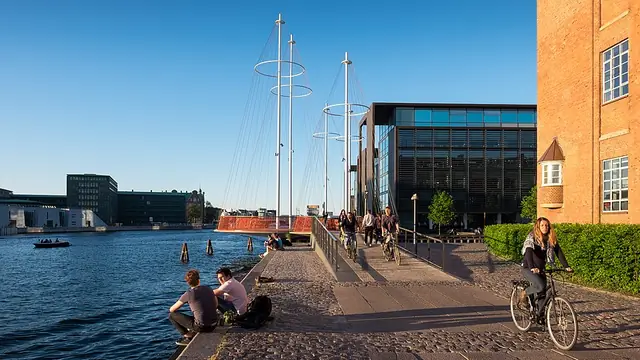
Copenhagen eats like a small capital with outsized ambition. Smørrebrød, the open-faced rye sandwich that locals have built lunch around for two centuries, still anchors the midday menu at Schønnemann on Hauser Plads and at Selma's Bib Gourmand counter on Rømersgade. New Nordic, codified at Noma in 2003 with René Redzepi's manifesto, still shapes the dining-room language even after the original restaurant ended regular service in late 2024; Geranium under Rasmus Kofoed and Jordnær under Eric Kragh Vildgaard both hold three Michelin stars in the 2026 guide, and Alchemist runs its theatrical six-hour menu on Refshaleøen. The everyday city is the better story. A Hart Bageri tebirkes runs around 35 kroner, a flat white at Coffee Collective on Jægersborggade costs 50, and a fresh ramen at Slurp on Nansensgade lands at 145.

Eat your way through Copenhagen

Browse by price

Map of Copenhagen

Every restaurant, cafe, market and bar we cover in Copenhagen, pinned. Click a pin for the page.

Where to eat in Copenhagen: editor-picked starting points

5 institutional venues to anchor a Copenhagen food trip

Must-try Copenhagen dishes

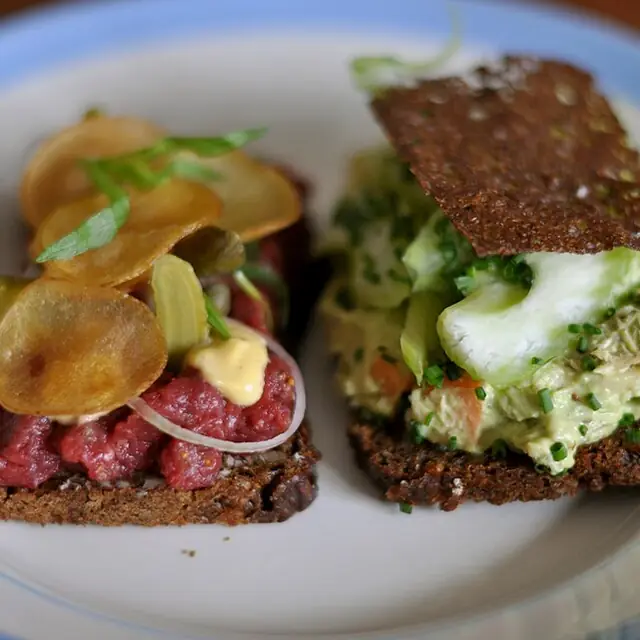
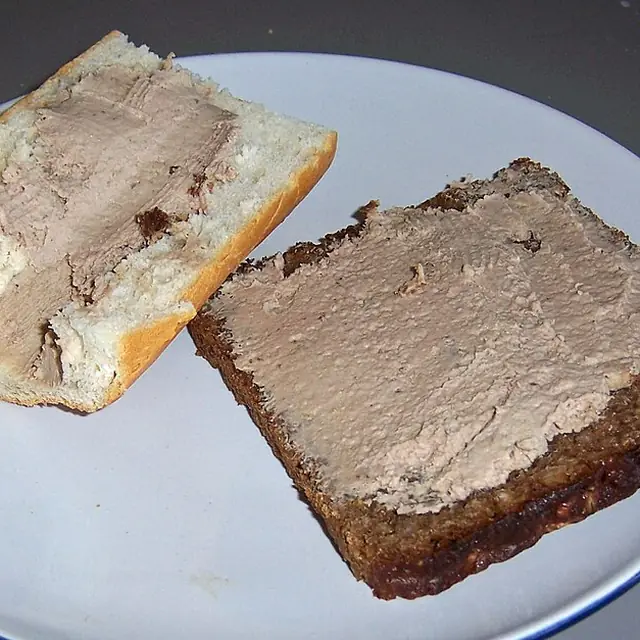
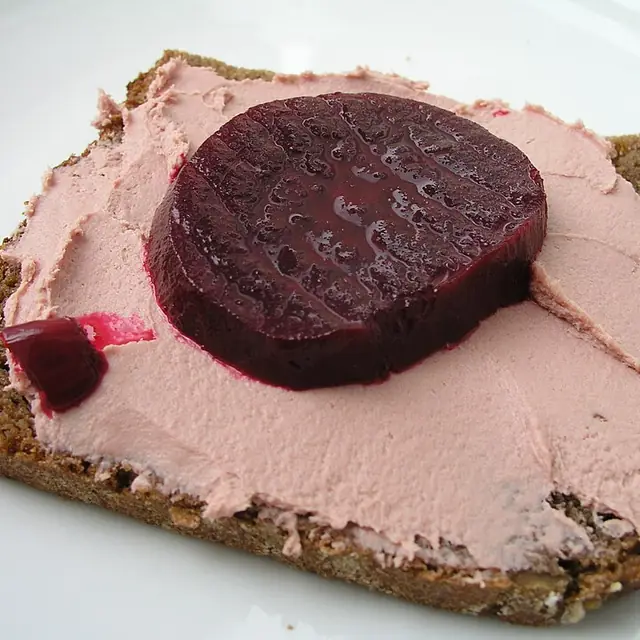
  • Smørrebrød - Smørrebrød is Denmark's open-faced rye sandwich: dense buttered rugbrød topped with marinated herring, leverpostej, roast beef or pickled fish, finished with dill and crisp onion
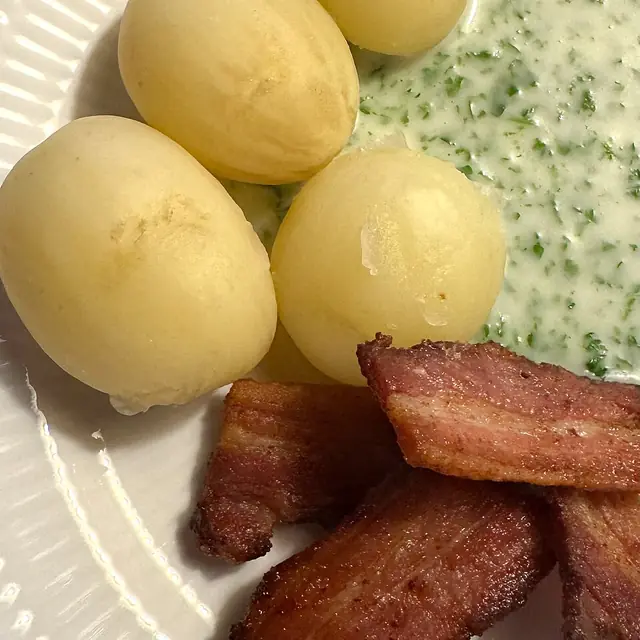
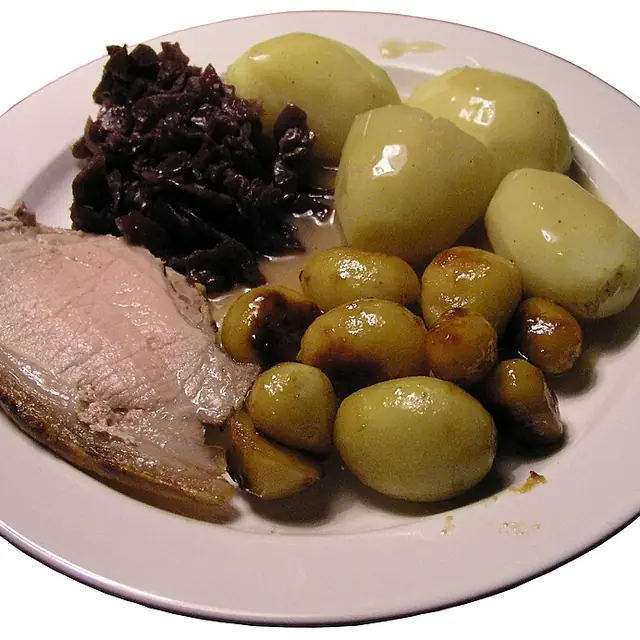
  • Stegt flæsk med persillesovs - Stegt flæsk is fried pork belly slices, crisp at the edges, served with new potatoes and a thin parsley cream sauce
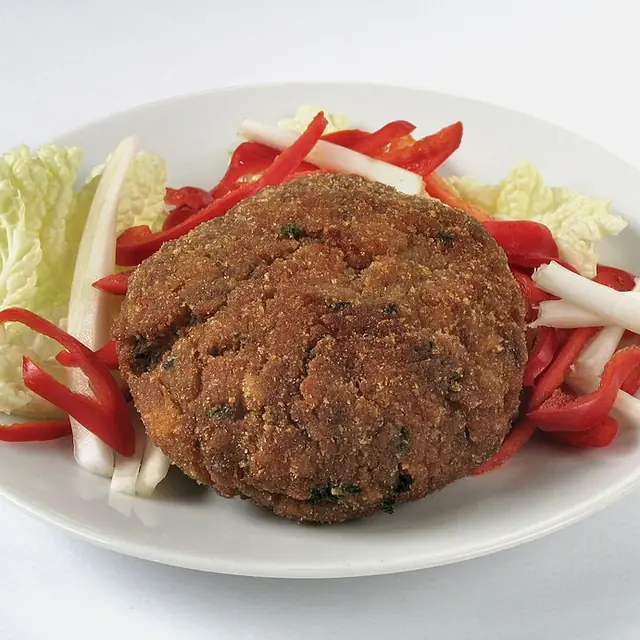
  • Frikadeller - Frikadeller are flat Danish pork meatballs, pan-fried in butter and served with red cabbage, brown gravy and boiled potatoes
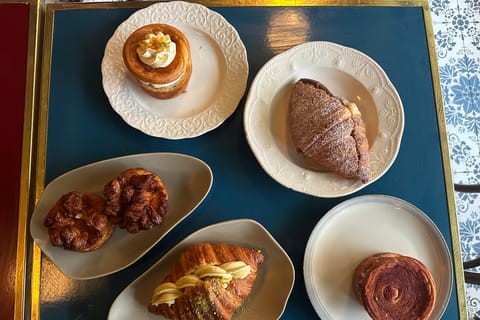
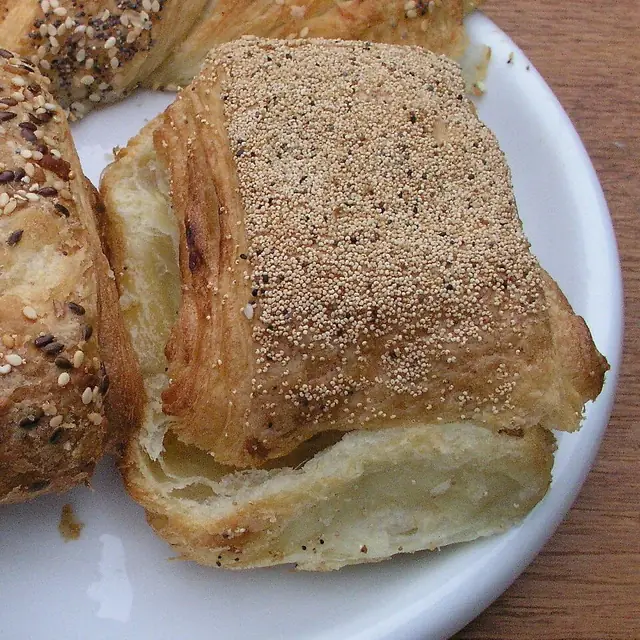
  • Tebirkes - Tebirkes is the Copenhagen morning pastry: a square of laminated yeast dough wrapped around marzipan or remonce, topped with poppy seeds, baked until shattering and tender
  • Kanelsnegl - Kanelsnegl is the Danish cinnamon snail: a coiled bun of laminated dough swirled with butter, sugar and cinnamon, baked dark and glazed with a thin sugar syrup

Best Copenhagen neighborhoods for food

  • Indre By - The medieval centre: Schønnemann's smørrebrød on Hauser Plads, Torvehallerne by Nørreport, Apollo Bar at Kunsthal Charlottenborg, and the hotel rooms around Kongens Nytorv
  • Vesterbro - The old meatpacking district turned restaurant grid: Kødbyen's grills and tacos, the Sønder Boulevard wine bars, WarPigs barbecue and the cocktail rooms on Vesterbrogade
  • Nørrebro - The diverse north: Jægersborggade's Coffee Collective shop, the Mirabelle Spiserìa and Bæst block on Guldbergsgade, Middle Eastern grills on Nørrebrogade and the Assistens Kirkegård edge
  • Christianshavn - The 17th-century canal island: Kadeau's two-star kitchen on Wildersgade, Restaurant Barr at Strandgade 93, Café Wilder and the Christiania edge
Read the full Copenhagen food guide

Copenhagen reorganized world fine dining when Rene Redzepi opened Noma in 2003 and codified what became the New Nordic Manifesto in 2004 with 11 other chefs in a Nordic Council conference room. The doctrine (purity, simplicity, seasonality, ingredients from the Nordic landscape, fermentation, foraging) became the most-imitated culinary movement of the 21st century, and Copenhagen has held the world's number-one restaurant under the World's 50 Best Restaurants for five non-consecutive years (Noma in 2010, 2011, 2012, 2014, 2021). Even after Noma announced its closure as a dining-only restaurant in 2025 (transitioning to a food-laboratory and traveling pop-up format), the Noma DNA runs through dozens of Copenhagen kitchens started by alumni: Geranium (the city's three-Michelin-star at Parken stadium, world's 50 Best number one in 2022), Alchemist (two stars, Rasmus Munk's 50-course performance-art tasting), Jordnaer (two stars), Kadeau (one star, the Bornholm island offshoot), Hija de Sanchez (Rosio Sanchez's Mexican counters), Sanchez, 108 (Noma's casual sibling, now closed), Amass, Relae (now closed), and many more.

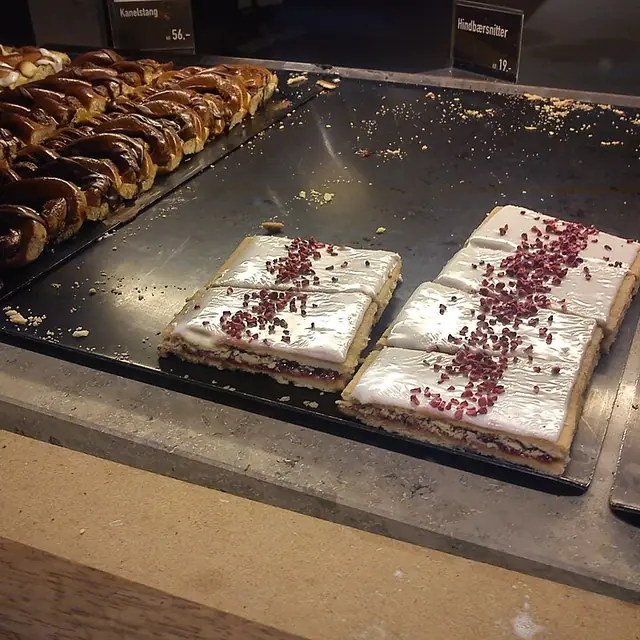
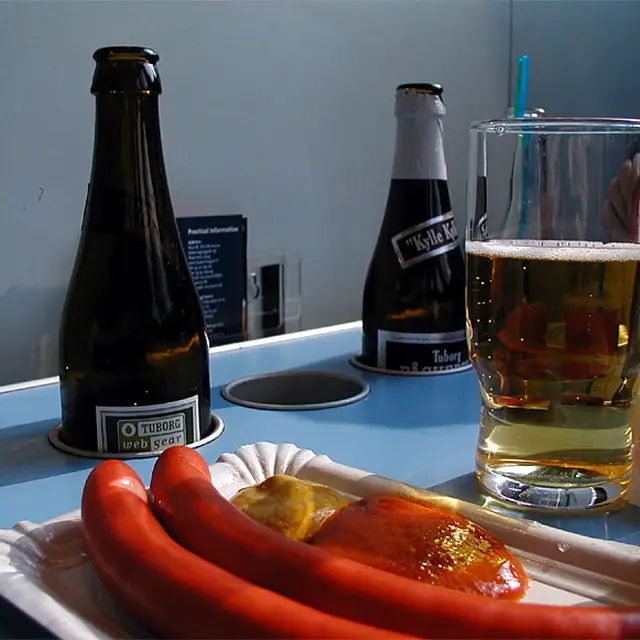
Beneath the fine-dining glow, the traditional Copenhagen plate runs on smorrebrod (the open-faced rye-bread sandwich, the lunch institution since the 19th century), stegt flaesk med persillesovs (the official national dish since a 2014 government poll, fried pork belly with parsley sauce and boiled potatoes), frikadeller (the Danish meatball), polse (the iconic red sausage from a street-corner polsevogn cart), and the bakery (bager) canon of kanelsnegl (cinnamon scrolls), tebirkes (poppyseed remonce pastries), and hindbaersnitter (raspberry shortbread squares). The classic smorrebrod addresses are Schonnemann (since 1877 on Hauser Plads, the institution), Aamanns 1921 (the contemporary version), Restaurant Kronborg, Restaurant Schonnemann, and Selma (Magnus Kofoed's modern take). The bakery scene is anchored by Hart Bageri (the Noma-spinoff bakery on Gammel Kongevej, where Richard Hart, ex-Tartine, runs the country's most photographed pastry counter) and Andersen and Maillard, Juno the Bakery, Lille Bakery (Refshaleoen), and Sankt Peders Bageri (since 1652, the Onsdagssnegl Wednesday cinnamon-roll tradition).

The city's geography organizes the food map. The Indre By (the inner city around Stroget and Kobmagergade) holds the heritage smorrebrod halls and Torvehallerne, the glass-and-steel market hall opened 2011 on Israels Plads with 60 vendors that is the city's gateway food experience. Vesterbro (the gentrified former meatpacking district) runs the wine bars, the natural-wine rooms, and the casual New Nordic bistros (Pluto, Mes, Bæst). Nørrebro (the multicultural northern neighborhood around Jaegersborggade) holds the third-wave coffee corridor (Coffee Collective Jaegersborggade and Godthabsvej, Andersen and Maillard, Manfreds, Bæst, Relae and Manfreds before they closed). Refshaleoen, the post-industrial peninsula across the harbor, is where the city's most ambitious modern projects live: Alchemist's two-star tasting, Iluka (one star), La Banchina, Lille Bakery, Reffen (the harborside street-food market), and the Copenhagen Contemporary art space. A serious food weekend covers all four.

Smorrebrod: the open-faced sandwich institution

Smorrebrod (literally smeared-on bread, plural smorrebrod) is the open-faced rye-bread lunch sandwich that has anchored the Danish lunch table since the 19th century, a slice of dense sourdough rye topped with a precisely-composed layer of pickled herring (sild), liver paste (leverpostej), beef tartare (rorrede tartar), fried fish (stjerneskud, literally shooting star, breaded plaice with shrimp), or the iconic potato-and-mayonnaise smorrebrod (kartoffel). The classic order is a flight of three to five different smorrebrod plus a snaps (the Danish caraway aquavit, drunk neat from a thimble glass) plus a beer. Schonnemann on Hauser Plads (since 1877) is the institution, with 40 classic smorrebrod on the menu plus a deep snaps list of 140-plus variants; lunch only, book 1 to 2 weeks ahead. Aamanns 1921 (named for Adam Aamann, the contemporary smorrebrod movement founder, since 2006 elsewhere, 1921 location since 2017) is the modern reference, with seasonal rotation. Restaurant Kronborg in the city center and Restaurant Schonnemann are the secondary classics. Most smorrebrod halls serve lunch only (11:30-15:00) and close on Sundays.

Noma's legacy: New Nordic and the alumni map

Noma opened in 2003 in a Christianshavn warehouse, and Rene Redzepi codified the New Nordic Manifesto in 2004 with 11 other chefs at a Nordic Council symposium in Copenhagen. The 10-principle manifesto (purity, simplicity, seasonality, hyperlocal, fermentation, foraging, sustainability) became the most-imitated culinary doctrine of the 21st century. Noma earned its first Michelin star in 2006, second in 2008, third in 2021. The restaurant held world's number one on the 50 Best list in 2010, 2011, 2012, 2014, and 2021. Redzepi announced in January 2023 that Noma would close as a dining-only restaurant by end of 2024 (extended through 2025), transitioning into a food laboratory and traveling pop-up format. The legacy runs through dozens of Copenhagen kitchens started by Noma alumni: Geranium (Rasmus Kofoed, three stars, world's 50 Best number one 2022), Alchemist (Rasmus Munk, two stars, 50-course tasting that won the W50B Art of Hospitality 2023), Hija de Sanchez (Rosio Sanchez, the Mexican counters and Cantina), Lille Bakery, Hart Bageri (Richard Hart's bakery), Amass (Matt Orlando, now closed 2023), Bæst, Pluto. The Noma diaspora is now the spine of Copenhagen's restaurant map.

Torvehallerne, Reffen and the market scene

Torvehallerne, the twin-pavilion glass-and-steel market hall on Israels Plads, opened 2011 and runs roughly 60 vendors across two halls plus an outdoor square. The east hall is the cooked-food and casual-eating zone (Hallernes Smorrebrod, Coffee Collective's market counter, Hija de Sanchez's tacos counter, Grod for the Danish porridge revival, Omegn for the natural-wine plates, Palaegade for fish, Manfreds Pasta), and the west hall is the produce, butcher, cheese, fishmonger and bakery zone (Hav for fresh fish, Summerbird for chocolate, Oysters and Grill for the Aaroe fishmonger). Torvehallerne is open Tuesday to Sunday, 10:00-19:00 weekdays, 10:00-18:00 Saturday, 11:00-17:00 Sunday. Reffen, on Refshaleoen at the post-industrial peninsula, is the harborside street-food market (since 2018, succeeding Papiroen Street Food which closed when its lease expired) with roughly 40 food stalls and bars in shipping containers along the waterfront. Reffen runs April to October, 12:00-22:00. Broens Gadekokken at the Inderhavnsbroen bridge is the smaller year-round street-food alternative.

The bakery and coffee belt

Copenhagen runs the deepest bakery and third-wave coffee scene of any Nordic capital. The bakery canon centers on the Wienerbrod (the layered Danish pastry the rest of the world calls Danish, but called Wienerbrod in Denmark because the technique came from Austrian bakers brought in during an 1850s strike), the kanelsnegl (the cinnamon scroll the rest of the Nordic world traces to Copenhagen), the tebirkes (the poppyseed-topped flaky pastry with remonce filling), and the hindbaersnitter (the raspberry shortbread square). The reference modern bakeries are Hart Bageri on Gammel Kongevej (Richard Hart, ex-Tartine, Noma-affiliated, the country's most photographed pastry counter), Juno the Bakery on Bornholmsgade (Emil Glaser's Vesterbro-Osterbro bakery, lines from 08:00), Lille Bakery on Refshaleoen, Andersen and Maillard in Norrebro (the Norrebro coffee-and-pastry destination), and the heritage Sankt Peders Bageri on Sankt Peders Straede (since 1652, with the famous Onsdagssnegl giant Wednesday cinnamon roll). The third-wave coffee scene is anchored by Coffee Collective (the Klaus Thomsen-founded roastery with cafes on Jaegersborggade in Norrebro and Godthabsvej in Frederiksberg), Prolog Coffee Bar in Vesterbro (the post-Noma natural-wine-bar-style cafe), and La Cabra (the Aarhus-founded roaster's Copenhagen outpost in Indre By).

Compare Copenhagen to other food cities

Must-try dishes in Copenhagen

The plates that define eating in Copenhagen.

Smørrebrød

Smørrebrød is Denmark's open-faced rye sandwich: dense buttered rugbrød topped with marinated herring, leverpostej, roast beef or pickled fish, finished with dill and crisp onion.

Where: Schønnemann, Aamanns 1921, Selma, Restaurant Sankt Annæ

Where to eat Smørrebrød in Copenhagen →

Frikadeller

Frikadeller are flat Danish pork meatballs, pan-fried in butter and served with red cabbage, brown gravy and boiled potatoes. The everyday Danish dinner across every generation.

Where: Schønnemann, Aamanns 1921, Restaurant Sankt Annæ, Café Wilder

Where to eat Frikadeller in Copenhagen →

Tebirkes

Tebirkes is the Copenhagen morning pastry: a square of laminated yeast dough wrapped around marzipan or remonce, topped with poppy seeds, baked until shattering and tender.

Where: Hart Bageri, Juno the Bakery, Andersen & Maillard, Sankt Peders Bageri

Where to eat Tebirkes in Copenhagen →

Kanelsnegl

Kanelsnegl is the Danish cinnamon snail: a coiled bun of laminated dough swirled with butter, sugar and cinnamon, baked dark and glazed with a thin sugar syrup.

Where: Sankt Peders Bageri, Juno the Bakery, Hart Bageri, Andersen & Maillard

Where to eat Kanelsnegl in Copenhagen →

All Copenhagen signature dishes →

Restaurants to know in Copenhagen

A handful of the places we send friends to when they are in Copenhagen.

Schønnemann

Smørrebrød$$$Hauser Plads 16, 1127 København K

Schønnemann on Hauser Plads in Copenhagen has served smørrebrød since 1877, with house-baked rye, a 140-bottle snaps cabinet and lunch-only service.

Signature: Marinated herring, Stegt flæsk smørrebrød, Karrysild

More about Schønnemann →

Aamanns 1921

Smørrebrød$$$Niels Hemmingsens Gade 19-21, 1153 København K

Aamanns 1921 on Niels Hemmingsens Gade in Copenhagen serves Adam Aamann's modern smørrebrød at lunch and a Nordic dinner menu, with a silver organic dining.

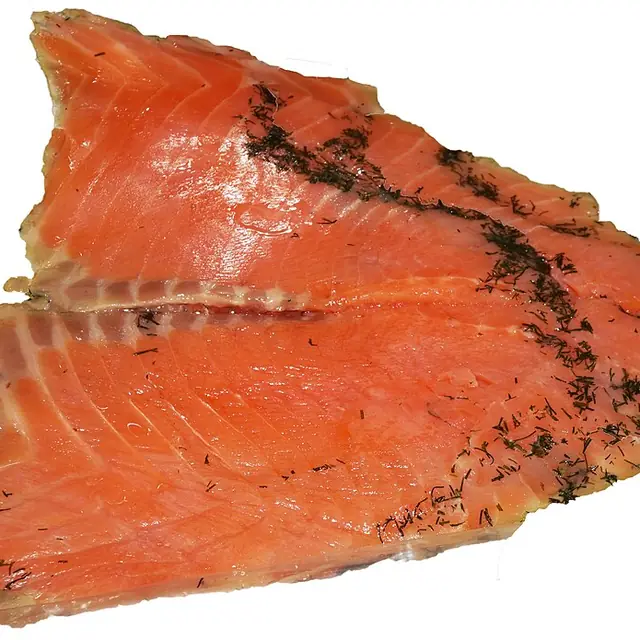
Signature: Roasted pork smørrebrød, Smoked salmon, Frikadeller

More about Aamanns 1921 →

Selma

Smørrebrød$$$Rømersgade 20, 1362 København K

Selma on Rømersgade in Copenhagen holds a Michelin Bib Gourmand for chef Magnus Pettersson's modern smørrebrød at lunch and an evening tasting menu.

Signature: Squid smørrebrød, Modern karrysild, Beef tartare on rye

More about Selma →

Geranium

New Nordic$$$$Per Henrik Lings Allé 4, 2100 København Ø

Rasmus Kofoed's Geranium in Østerbro, on the 8th floor of Parken Stadium, holds three Michelin stars and a Green Star with a vegetable-led tasting menu.

Signature: Seasonal vegetable tasting, Berry and ramsløg course

More about Geranium →

Alchemist

Tasting menu$$$$Refshalevej 173 C, 1432 København K

Rasmus Munk's Alchemist on Refshaleøen runs a six-hour tasting across theatrical acts in a planetarium dome. Two Michelin stars; 5th on 50 Best 2025.

Signature: Acts-based tasting menu, Planetarium dome course

More about Alchemist →

Kadeau Copenhagen

New Nordic$$$$Wildersgade 10 B, 1408 København K

Kadeau on Wildersgade in Copenhagen's Christianshavn holds two Michelin stars and a Green Star for a Bornholm-rooted tasting of fermented island ingredients.

Signature: Bornholm ingredients tasting, Pickled summer vegetables

More about Kadeau Copenhagen →

See every restaurant in Copenhagen →

Where to eat by neighborhood

Indre By (indre-by/inner-city)

The medieval centre: Schønnemann's smørrebrød on Hauser Plads, Torvehallerne by Nørreport, Apollo Bar at Kunsthal Charlottenborg, and the hotel rooms around Kongens Nytorv.

Best for: Smørrebrød, Fine dining, Markets, Bars

Vesterbro (vesterbro)

The old meatpacking district turned restaurant grid: Kødbyen's grills and tacos, the Sønder Boulevard wine bars, WarPigs barbecue and the cocktail rooms on Vesterbrogade.

Best for: Tacos, Wine bars, Barbecue, Late night

Nørrebro (norrebro/nørrebro)

The diverse north: Jægersborggade's Coffee Collective shop, the Mirabelle Spiserìa and Bæst block on Guldbergsgade, Middle Eastern grills on Nørrebrogade and the Assistens Kirkegård edge.

Best for: Coffee, Natural wine, Middle Eastern, Bakeries

Christianshavn (christianshavn)

The 17th-century canal island: Kadeau's two-star kitchen on Wildersgade, Restaurant Barr at Strandgade 93, Café Wilder and the Christiania edge.

Best for: Fine dining, Cafes, Smørrebrød, Waterfront

Refshaleøen (refshaleoen/refshaleøen)

The old shipyard island, now Copenhagen's weekend food district: Reffen's street food, Mikkeller Baghaven, Lille Bakery and Alchemist's planetarium dome.

Best for: Street food, Brewery, Bakery, Fine dining

Østerbro (osterbro/østerbro)

Family-friendly north of the lakes: Geranium on the 8th floor of Parken Stadium, Juno the Bakery's cardamom buns, and the cafes around Trianglen.

Best for: Bakeries, Fine dining, Cafes, Brunch

When to come hungry in Copenhagen

Peak food season: May to June (asparagus from Lammefjord, strawberries, the long Nordic evening on every terrace), plus August to October (chanterelles, game from Zealand, oysters from the Limfjord). January and February are the slow months; many small kitchens close after New Year and reopen in March.

Local dining hours: Lunch 12:00-14:30, dinner 18:00-22:00. Most kitchens stop seating by 21:30 and many small rooms close on Sunday and Monday. Smørrebrød restaurants run lunch service only, typically 11:30-16:00.

Tipping: Service is included by law in the bill. A few coins or rounding up is welcome for genuinely good service, never expected. Card terminals do not prompt for tip and Danes rarely add one.

Copenhagen food, FAQ

What food is Copenhagen known for?

Copenhagen's signature dishes include Smørrebrød, Stegt flæsk med persillesovs, Frikadeller, Tebirkes, Kanelsnegl. See our signature dishes chapter for where to eat each.

What are the best food neighborhoods in Copenhagen?

TableJourney editors map Copenhagen by district. Indre By, Vesterbro, Nørrebro, Christianshavn are among the strongest for food, each with its own guide.

Where should I eat fine dining in Copenhagen?

Editor picks in Copenhagen include Geranium, Alchemist, Jordnær, plus the full fine dining chapter on TableJourney.

Are there food tours in Copenhagen?

TableJourney covers 4 editor-picked food tours in Copenhagen, with what each shows you and how much to budget.

Does Copenhagen have good vegetarian or vegan food?

TableJourney's Copenhagen dietary chapter covers vegan, vegetarian, gluten_free, halal venues, each editor-picked with what to order and how to ask.