Rome eats its own food, and largely only its own food. The Roman culinary tradition is the most regionally insistent of any major European capital, built on five pastas (carbonara, cacio e pepe, gricia, amatriciana, and pasta e fagioli), the cucina povera tradition of the cuoco di quinto quarto (the fifth-quarter offal cooking that emerged from the Testaccio slaughterhouses), the Roman-Jewish quarter cooking that has run since the 16th century, and the pizza tradition that splits into Roman thin-cracker pizza and pizza al taglio sold by the gram. The city's classic trattoria is the institution: a small family-run room (Felice a Testaccio, Da Enzo al 29 in Trastevere, Armando al Pantheon, Flavio al Velavevodetto) where the menu hasn't changed in 60 years, the pasta is hand-cut that morning, and the waiter wears a white jacket. Most Romans eat at one of these every week.
The Roman food map runs by neighborhood. Centro Storico (the historic center between Piazza Navona, the Pantheon, and the Trevi) holds the tourist trattorias plus a handful of serious rooms (Armando al Pantheon, Salumeria Roscioli, Pianostrada). Trastevere across the Tiber is the cobblestone medieval quarter with the classic trattoria density (Da Enzo, Antico Arco, Da Teo, Spirito Divino). Testaccio in the south is the working-class butcher neighborhood and the offal-cuisine heartland (Felice a Testaccio, Flavio al Velavevodetto, Checchino dal 1887, Da Bucatino, plus the Mercato di Testaccio market). The Jewish Ghetto in Centro Storico is one of the oldest continuously inhabited Jewish quarters in Europe (since 1555) and runs Italy's most distinct Roman-Jewish cuisine (Ba'Ghetto, Nonna Betta, Sora Margherita, the Forno del Ghetto). Monti is the up-and-coming neighborhood with the modern Roman wave (Trecca, Trattoria Monti, Aroma).
Layered over the trattoria scene are 15 Michelin-starred restaurants in the 2026 Italian guide, with La Pergola (Heinz Beck, Cavalieri Hilton, 3 stars since 2005) the only 3-star and the only one outside the city center. The Roman fine-dining scene is real but small; the city's deeper food culture is at the trattoria and pizza al taglio level.
The five Roman pastas
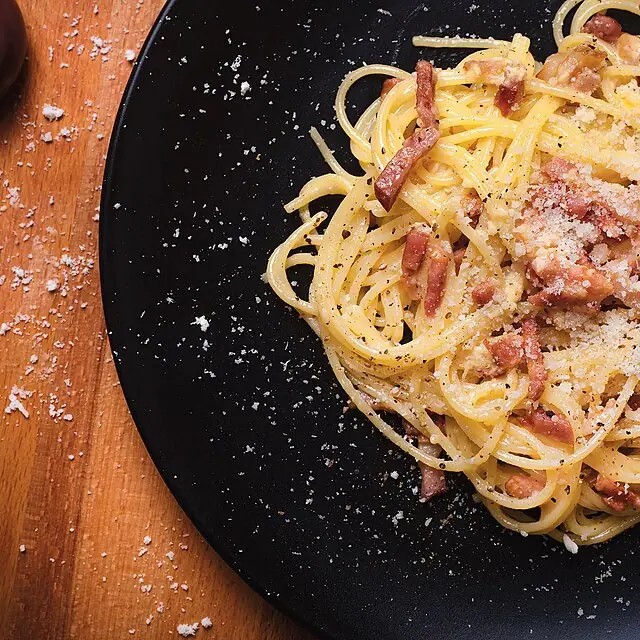
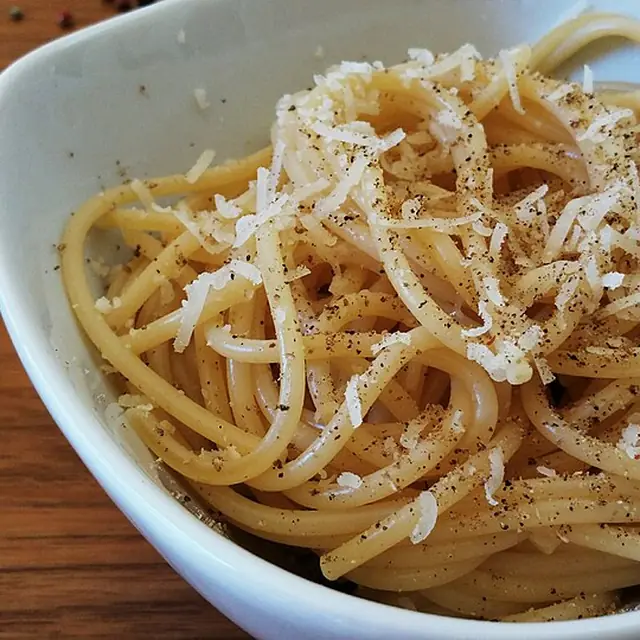
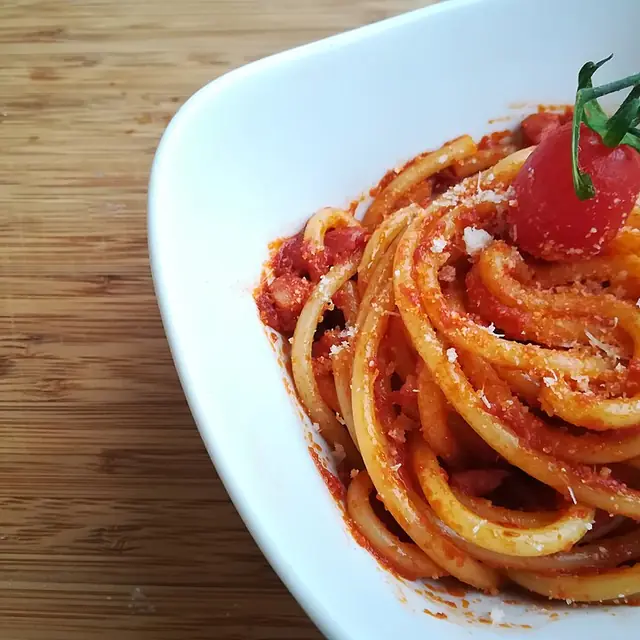
Roman pasta cooking is built on five canonical dishes, all built from the same pantry (guanciale, pecorino romano, black pepper, egg, tomato, lardo). Cacio e pepe is the simplest: tonnarelli or spaghetti finished with pecorino romano, freshly cracked black pepper, and the pasta water emulsified into a sauce. Gricia is cacio e pepe plus guanciale (cured pork jowl). Amatriciana is gricia plus tomato. Carbonara is gricia plus egg yolk (no cream, ever, no garlic, no parsley, no peas: any Roman trattoria will refuse to put those in). Pasta e fagioli is the fifth, the bean-and-pasta soup eaten in winter. The destination rooms for the Roman pasta tradition are Salumeria Roscioli (the deli-restaurant on Via dei Giubbonari, the most refined carbonara in the city), Armando al Pantheon (a 60-year-old room with a hand-written daily card), Felice a Testaccio (the cacio e pepe is mixed tableside in the bowl with theatrical flair), Da Enzo al 29 in Trastevere (the carbonara that's worth the queue), Da Cesare al Casaletto, Trattoria Pennestri (the modern Roman version). The unwritten rule: order one pasta course, not three. Romans eat one primo, one secondo, one contorno. The American model of three pastas at a meal is wrong here.
Pizza romana and pizza al taglio
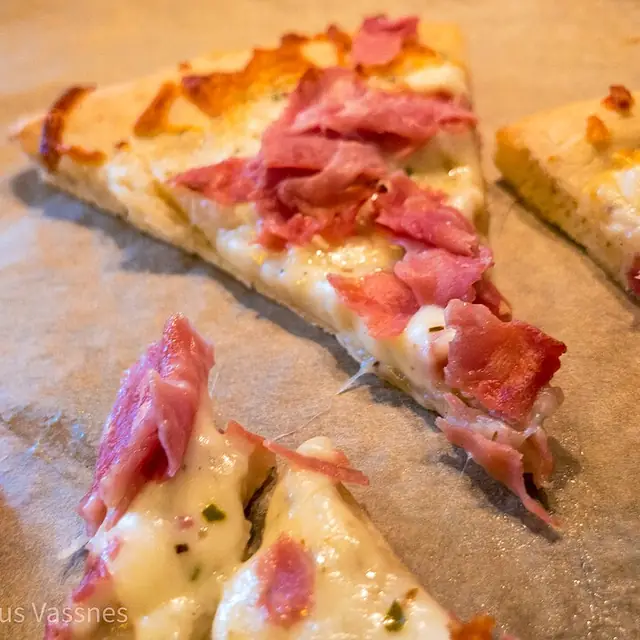
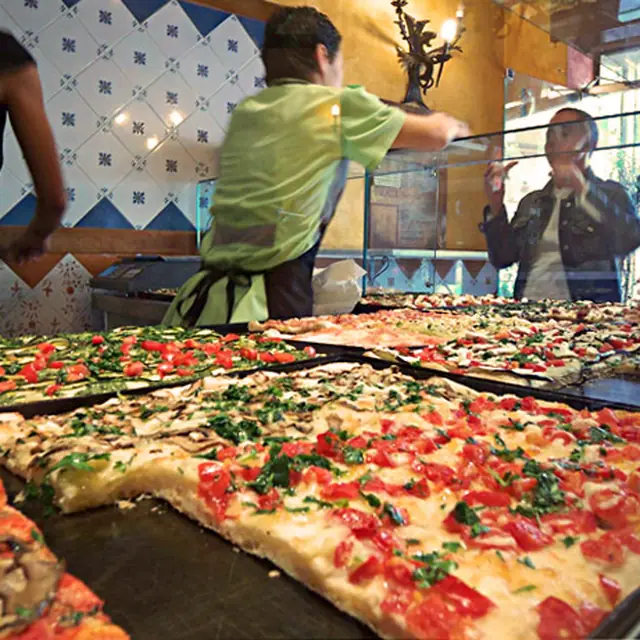
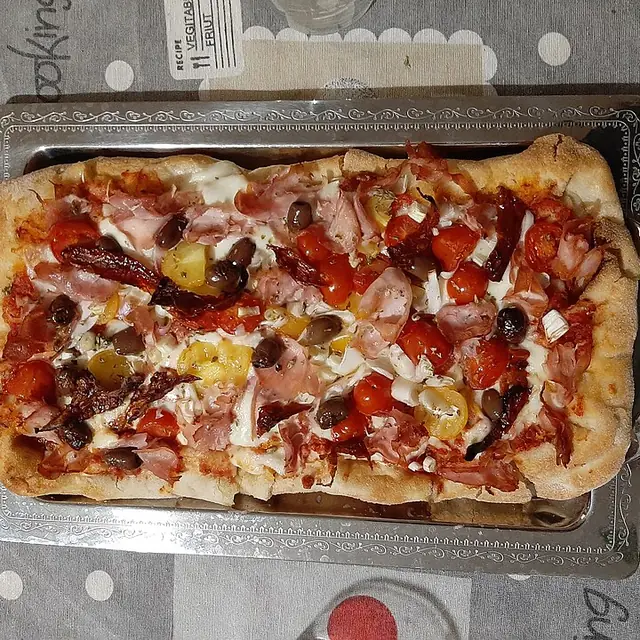
Roman pizza is two distinct traditions, neither related to Naples. The classic Roman thin-crust pizza tonda romana is paper-thin (5 millimeters before cooking), crackled, and crispy throughout; it is cooked at high temperature on a deck oven for 3 to 5 minutes and arrives unsliced for one person to eat with a knife and fork. The destination pizzerias are Pizzeria da Remo in Testaccio (since 1953, the loudest and most local), Da Baffetto in Centro Storico, La Gatta Mangiona in Monteverde, and Sforno in Cinecitta Est (Stefano Callegari's room). Pizza al taglio (pizza by the cut, sold by the gram) is the Roman lunch and snack format: rectangular trays of pizza in 100 different topping variations, displayed on a counter, cut to length with scissors, weighed, and served hot on a paper rectangle. The destination pizza al taglio rooms in Rome are Bonci Pizzarium near the Vatican (Gabriele Bonci, the standard-setter), Pizza Florida and Antico Forno Roscioli in Centro Storico, Forno Campo de' Fiori, Pizzeria Sicilia in Trastevere. Both formats run from roughly 11:30-15:00 (lunch) and 19:00-23:00 (dinner).
Roman-Jewish cooking in the Ghetto
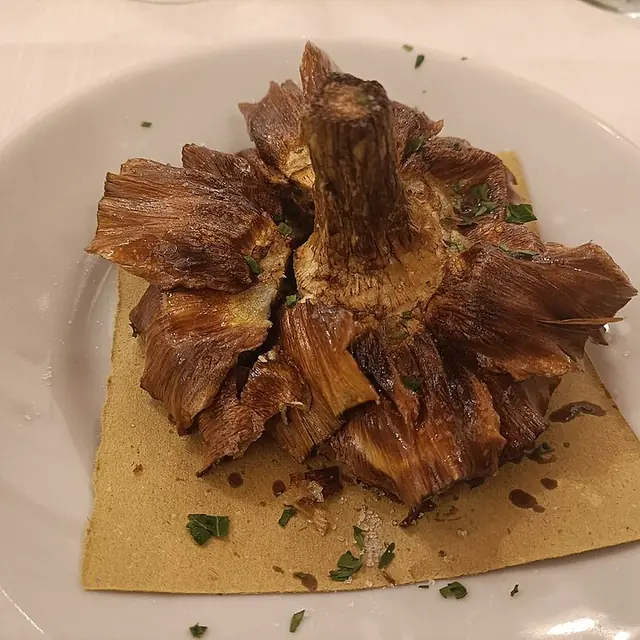
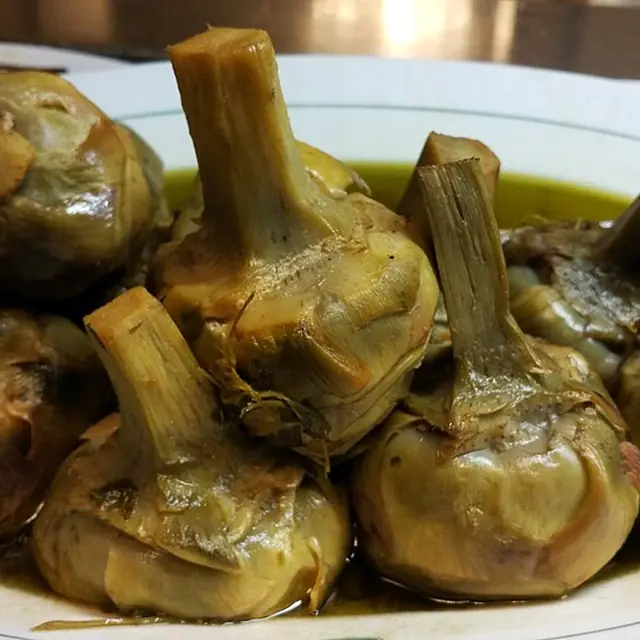
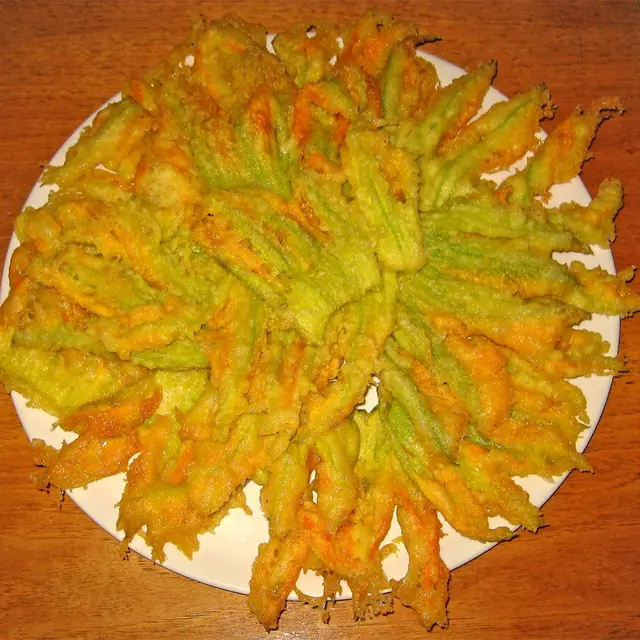
The Roman-Jewish quarter (Ghetto Ebraico di Roma) on the east bank of the Tiber, between Largo di Torre Argentina and the Capitoline Hill, has been continuously inhabited since 1555 when Pope Paul IV walled the city's Jewish population in. The Roman-Jewish cuisine that emerged from this 300-year confinement is one of the oldest and most distinct regional Italian cuisines, built around the same restrictions as Mediterranean Jewish cooking elsewhere but with Roman ingredients. The defining dishes are carciofo alla giudia (the artichoke fried whole in olive oil, twice, until the leaves are crisp like petals, a dish Goethe wrote about in 1787), filetti di baccala (deep-fried salt-cod fillets, eaten in the hand from the bakery counter), aliciotti con indivia (anchovies layered with endive), concia di zucchine (fried zucchini marinated with vinegar and mint), pizza ebraica (a dense raisin and pine-nut pastry, sometimes mis-called Jewish pizza), and stracotto (slow-braised beef). The destination rooms: Ba'Ghetto (kosher, modern), Nonna Betta (Roman-Jewish traditional), Sora Margherita (the cucina della nonna), Piperno (the heritage room since 1860), and the Forno del Ghetto bakery for the pizza ebraica. The Ghetto stretches roughly two blocks; eat across three or four rooms in a day to get the full spread.
Testaccio: the slaughterhouse food district
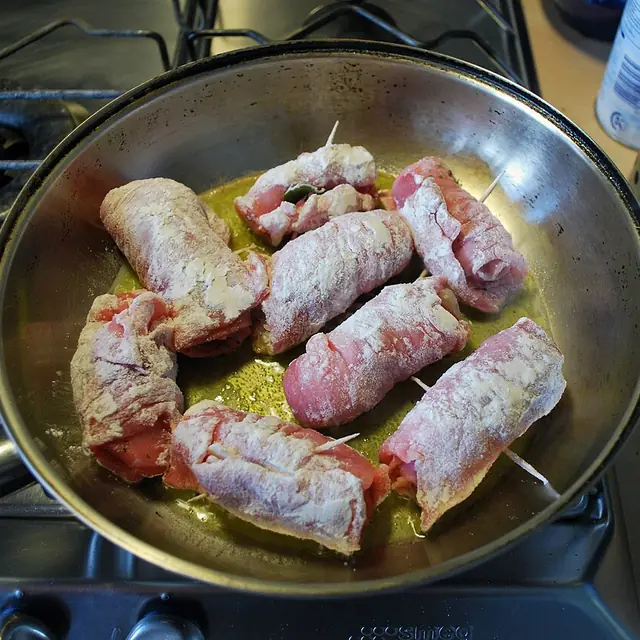
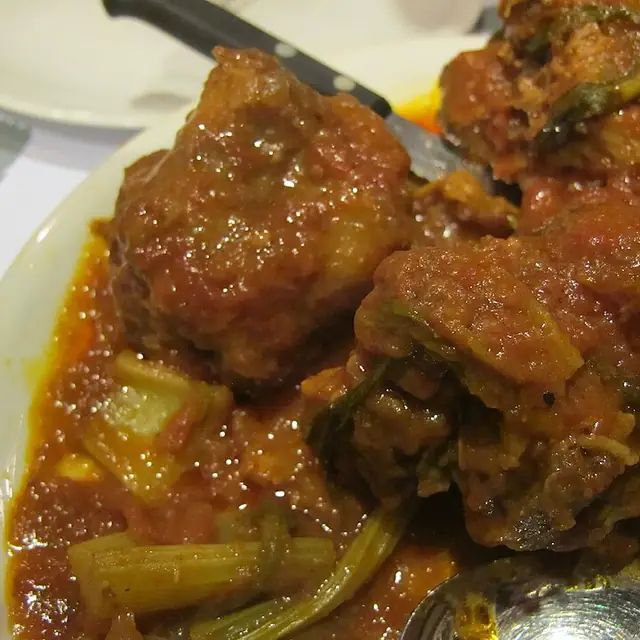
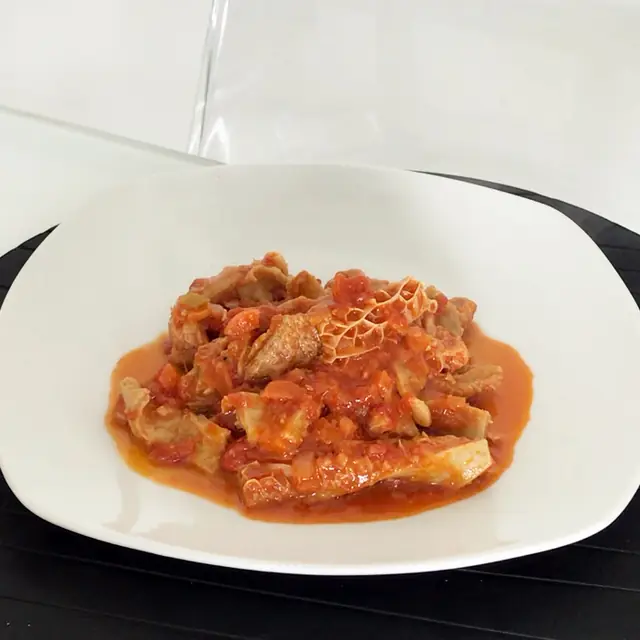
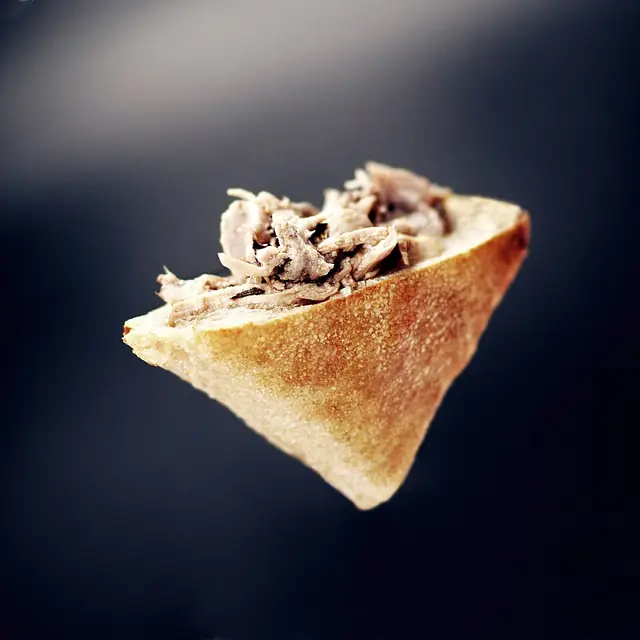
Testaccio, the working-class neighborhood south of the historic center, was built in the 19th century around the city's main slaughterhouse (mattatoio, operating 1888 to 1975, now an architecture and culture center). The slaughterhouse workers were paid partially in the quinto quarto (the fifth quarter, the offal), which gave rise to a cuisine built around the cheap cuts: trippa alla romana (tripe in tomato sauce with mint and pecorino), coda alla vaccinara (oxtail braised with celery, pine nuts and bitter chocolate), animelle (sweetbreads), pajata (the intestines of a milk-fed calf, served on rigatoni). The destination Testaccio trattorias are Checchino dal 1887 (the offal canon, 5 generations on the slaughterhouse-side block), Flavio al Velavevodetto (built into the side of Monte Testaccio, the ancient hill of broken amphorae), Felice a Testaccio (the destination cacio e pepe, plus the full Roman canon), Da Bucatino, Piatto Romano. The Mercato di Testaccio (the covered market that replaced the old Piazza Testaccio market in 2012) holds the city's best butcher counters and a handful of stalls for trapizzino (the Roman triangular sandwich filled with stewed meats, invented at Stefano Callegari's stall in 2008). Eat dinner at one Testaccio trattoria per Rome trip.