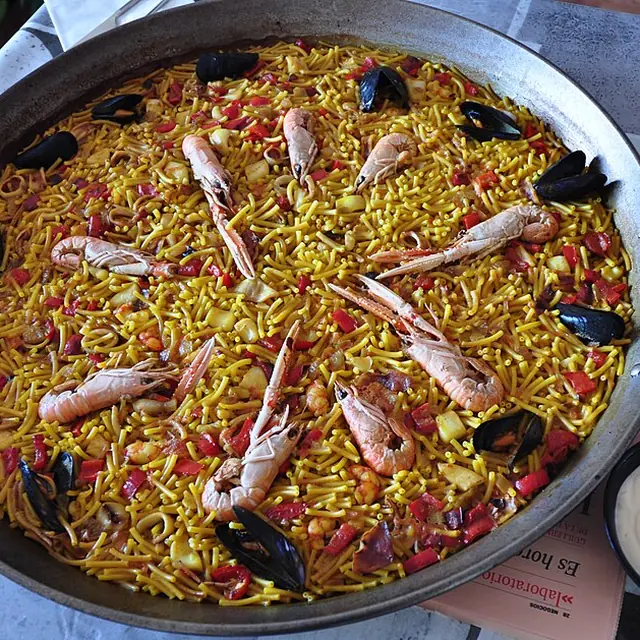
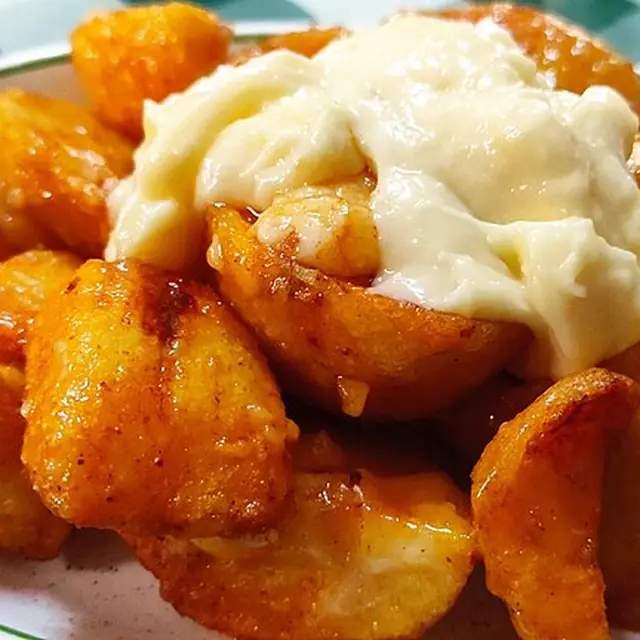
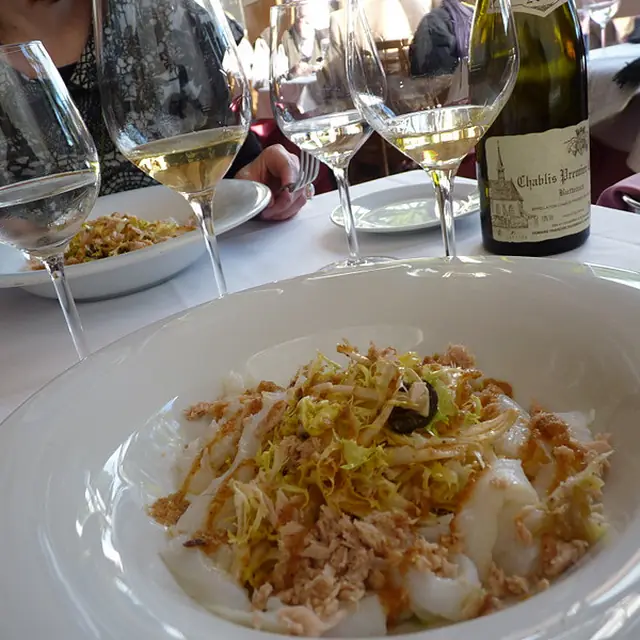
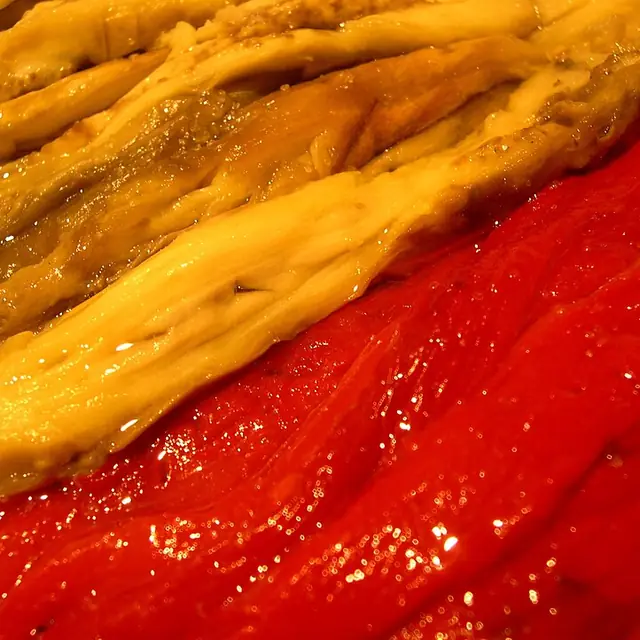
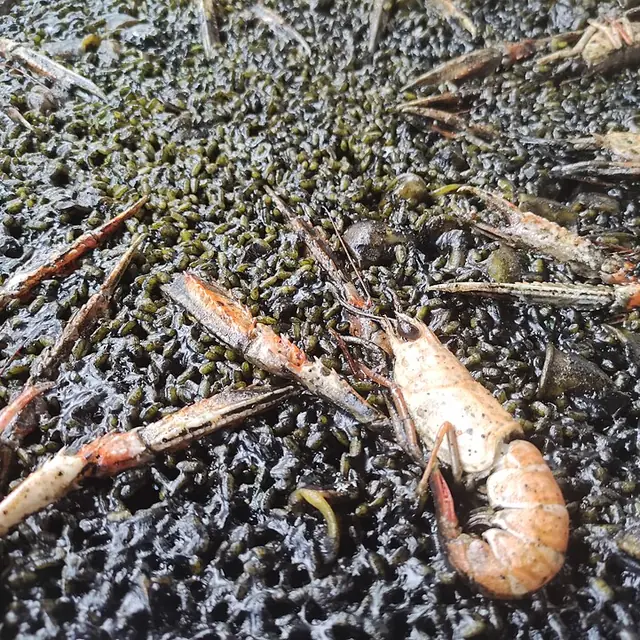
Barcelona eats Catalan, and the distinction matters. The city's cooking is rooted in the Mediterranean coast of Catalonia (between Cap de Creus and the Ebro Delta), the Pyrenees inland, and the Costa Brava fishing villages, with its own dictionary, its own ingredients (calcots, escalivada, romesco, alioli, pa amb tomaquet, butifarra, fideua), and a tradition of fine cooking that predates the rest of Spain by 600 years (the Llibre de Sent Sovi, written in Catalan in 1324, is the second-oldest surviving European cookbook). The Catalan table is not the Spanish table. Paella is a Valencian dish; tapas as a small-plate format is a Madrid and Andalusian one. What Barcelona cooks instead are its own arroces (rice dishes, including arros negre and the fideua noodle version), the pintxos of the wine-bar tradition, the suquet de peix coastal fish stew, the canelons rossini on Boxing Day, and the cured meats of the Pyrenean valleys.
The second axis of Barcelona eating is the post-elBulli fine-dining wave. Ferran Adria's elBulli closed in 2011 after holding 3 Michelin stars and the World's Best Restaurant title four consecutive times; his alumni (the Roca brothers in Girona, the Adria brothers themselves in Barcelona) and their alumni built the city's current scene. Disfrutar (chefs Oriol Castro, Eduard Xatruch, Mateu Casanas, three Adria alumni from elBulli; the World's 50 Best No. 1 in 2024) is the central post-elBulli room. Enigma (Albert Adria, modernist tasting menu), Tickets (closed 2022 but the Adria brothers' bar that defined modern tapas) and Cocina Hermanos Torres (3 Michelin stars) are the other anchors. The traditional fine-dining tier (Lasarte at 3 stars, ABaC at 3 stars, Moments) cooks at a different pole of the same scene.
Barcelona is also the global capital of modernist food markets, with La Boqueria on Las Ramblas the cinematic version and the Mercat de la Concepcio, Mercat de Sant Antoni, and Mercat de Santa Caterina the working-neighborhood markets locals use daily. Visit a market in the morning, a tapas bar at noon, a vermouth before lunch, and a Catalan rice or fish dish at 14:30. That is the Barcelona day.
Catalan cuisine: the distinction
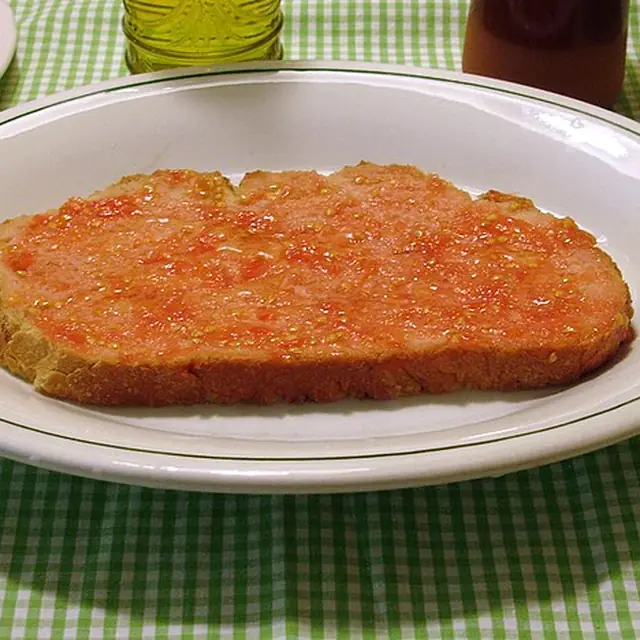
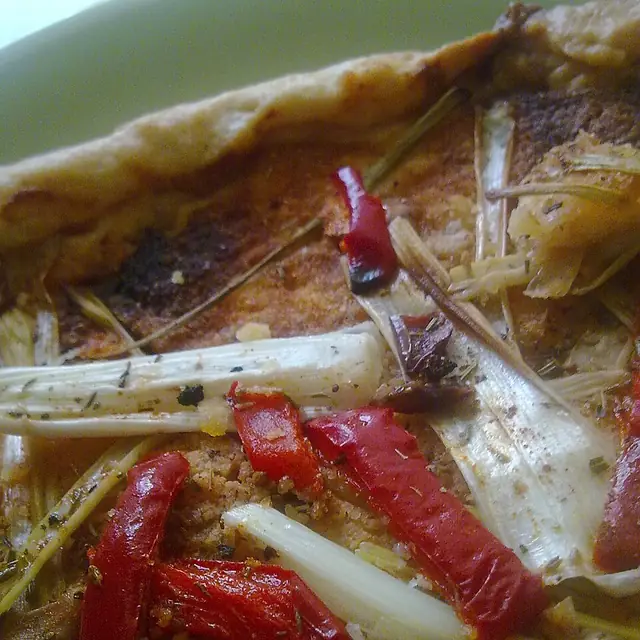
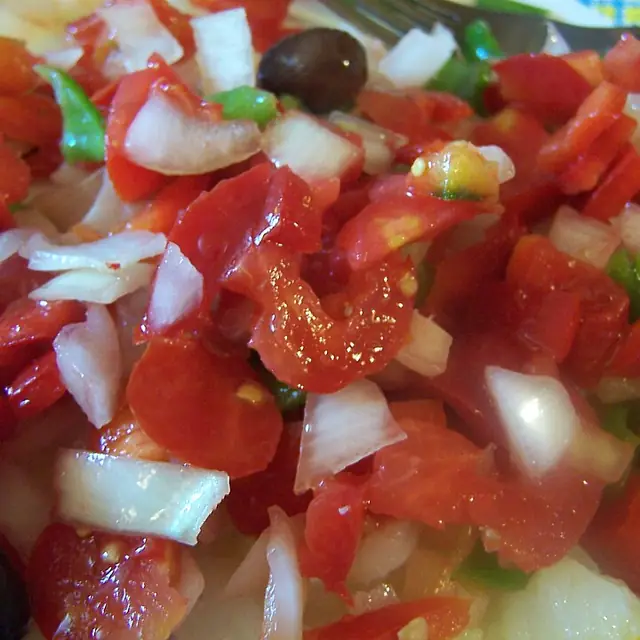
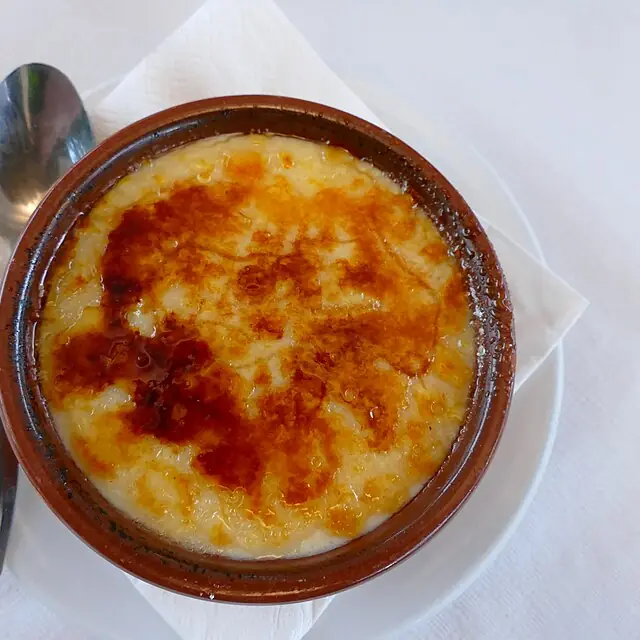
Catalan cuisine sits within Mediterranean cooking but holds its own distinct identity, defined by five foundational sauces (sofrito, picada, allioli, romesco, samfaina) and an unusual cuisine principle of mar i muntanya (sea and mountain), where seafood and meat are combined in the same dish: chicken with prawns, rabbit with snails, beef with cuttlefish. The canonical dishes are pa amb tomaquet (bread rubbed with tomato, garlic, salt, olive oil), escalivada (charred vegetables on grilled bread), esqueixada (salt-cod salad with peppers, onions, olives), suquet de peix (the coastal fish stew), arros negre (squid-ink rice, often confused with paella but with its own pan and method), fideua (the noodle version of arros negre), calcots with romesco (the green-onion grilling tradition from Valls, in season January to March), butifarra (the Catalan sausage), creme catalana (the burnt-sugar custard, predating French creme brulee by centuries). The destination Catalan restaurants are Quimet i Quimet (the conserves and montaditos counter in Poble Sec), Cal Pep (the seafood counter in El Born since 1977), Bar del Pla, Cervecera Catalana, Els Pescadors. Most order one or two raciones, share, and pair with cava or vermut.
Tapas vs pintxos: the format difference
Tapas (the broader Spanish small-plates tradition) and pintxos (the Basque small-plate-on-bread tradition) are different formats that both live in Barcelona, and visitors should know which they are eating. A tapa is any small portion of food served alongside a drink, originally free with the drink in Andalusia (the word tapa means lid, referring to the slice of bread used to cover a glass of sherry). A pintxo is the Basque format: a bite of food pinned with a toothpick on a small slice of bread, displayed on the bar counter, eaten by the piece and paid by toothpick count at the end. Both Barcelona and the Basque Country have their versions; Barcelona's wine bars largely lean to the tapa side, with raciones (larger sharing plates) the dominant format. The Basque pintxo bars in Barcelona (Sagardi, Euskal Etxea, Txapela) are the imported version. The destination tapas rooms are Cal Pep, Bar del Pla, Bar Mut (chef's-counter modern), Quimet i Quimet (the conserves-on-bread tradition), Elsa y Fred, Tickets's spiritual successors (Pakta, closed; Enigma still runs). Eat a 4-bar pintxo crawl in El Born one evening; eat a long Cal Pep dinner the next.
La Boqueria and the market culture
Barcelona has 39 covered food markets, more per capita than any European capital. La Boqueria (Mercat de Sant Josep de la Boqueria, on Las Ramblas) is the cinematic version, with the Modernist iron-and-stained-glass entrance and the citrus-pyramid stalls; it has run continuously since 1840 and is now half tourist-attraction half working market. The lunch counters inside (Bar Pinotxo, Bar Boqueria, El Quim) serve some of the city's best market-driven cooking, with the chef cooking the morning's catch directly from the stalls. Mercat de Sant Antoni in Sant Antoni neighborhood (reopened 2018 after a 9-year renovation) is the larger working-class version, less touristy and with a deeper everyday food culture. Mercat de Santa Caterina, off Via Laietana in the Born, has the wavy-tile roof by Enric Miralles and a strong destination lunch bar (Cuines Santa Caterina). Mercat de la Concepcio in the Eixample is the most local, with the morning produce flowers (the flower stalls run 24 hours) and the most everyday Catalan market shop. Visit at least two markets on a Barcelona trip; arrive 09:00-11:00 for the best selection.
Post-elBulli fine dining
Modern Catalan fine dining is the most important global food movement of the past 30 years, and elBulli (Ferran Adria, in Cala Montjoi north of Girona, operated 1990 to 2011) was its center. The restaurant held 3 Michelin stars from 1997, won World's Best 5 times (2002, 2006, 2007, 2008, 2009), and closed in 2011 to become the elBulli Foundation. The Adria brothers (Ferran and Albert) and their alumni reshaped what restaurant cooking could be: foams, spherification, deconstruction, narrative tasting menus, ferments. Today their Barcelona scene continues at Disfrutar (Eduard Xatruch, Oriol Castro, Mateu Casanas, three elBulli alumni, opened 2014, 2 Michelin stars and World's 50 Best No. 1 in 2024), Enigma (Albert Adria, modernist tasting menu in Sant Antoni), Compartir Barcelona (the same Disfrutar team's casual sibling), and Tickets (closed 2022, the Adria-brothers tapas room). The traditional Barcelona Michelin tier is also strong: Lasarte (Martin Berasategui's Barcelona project, 3 stars), ABaC (Jordi Cruz, 3 stars in Sant Gervasi), Cocina Hermanos Torres (the Torres twins, 3 stars), Moments at the Mandarin Oriental (2 stars). Book Disfrutar 4 to 6 months ahead through its website.