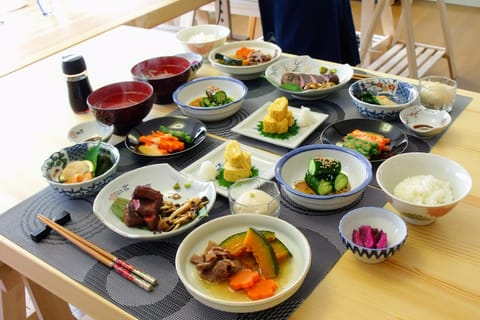
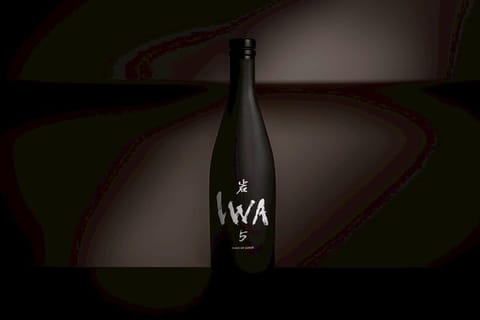
Tokyo is the densest restaurant city on the planet. Tabelog lists more rooms than New York and Paris combined, and the Michelin Guide has kept Tokyo on top of its global star count almost every year since the inaugural 2008 edition (160 starred rooms in the 2026 guide). The grammar is specialist: a sushi counter does sushi, a soba shop does soba, a tonkatsu master does pork cutlets, and a kissaten poured pour-over coffee twenty years before Brooklyn did. Each form is honed to its own millimetre. The everyday city is just as deep as the starred one: a 200-yen tea on Yanaka's old shitamachi lanes, a 1,000-yen tachigui sushi lunch in Tsukiji Outer Market, depachika basements at Isetan and Mitsukoshi laying out enough wagashi to lose a morning, and the 7-Eleven onigiri counter that Anthony Bourdain refused to slander. The 2010s Aoyama-Shibuya wave of chef-led modern Japanese rooms (Den, Florilege, Inua, then later Sazenka and Sezanne) sits on top of an unbroken bistro layer in every ward.

Eat your way through Tokyo

Browse by price

Map of Tokyo

Every restaurant, cafe, market and bar we cover in Tokyo, pinned. Click a pin for the page.

Where to eat in Tokyo: editor-picked starting points

5 institutional venues to anchor a Tokyo food trip

Must-try Tokyo dishes

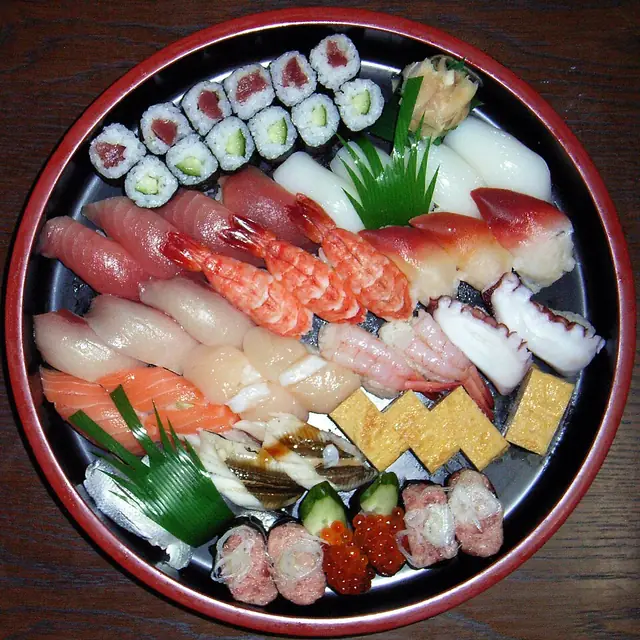
  • Edomae nigiri sushi - Edomae nigiri is hand-formed sushi as Tokyo invented it in the 1820s: a thumb of vinegared rice, a slice of seasonal fish, a smear of fresh wasabi
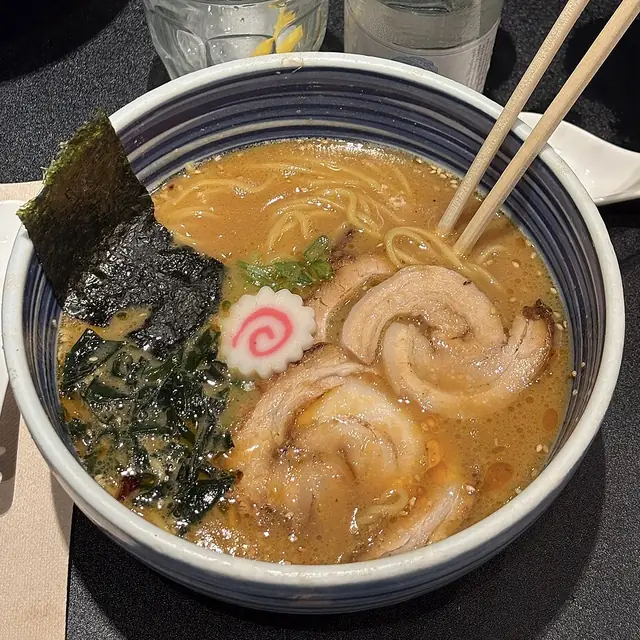
  • Ramen - Tokyo ramen is the postwar wheat-noodle bowl evolved from Chinese soba: shoyu, shio, tonkotsu or tsukemen, finished with chashu, scallion and ajitama
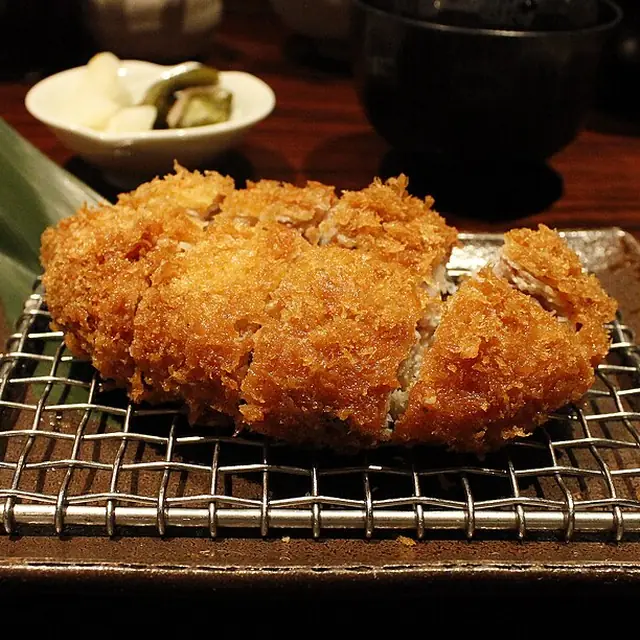
  • Tonkatsu - Tonkatsu is the Meiji-era panko-crusted pork cutlet, sliced into batons and served with shredded cabbage, miso soup, rice
  • Edomae soba - Edomae soba is the buckwheat noodle Tokyo perfected in the Edo period: cold seiro served on a bamboo tray with dashi-shoyu dipping sauce, or hot kake in clear dashi
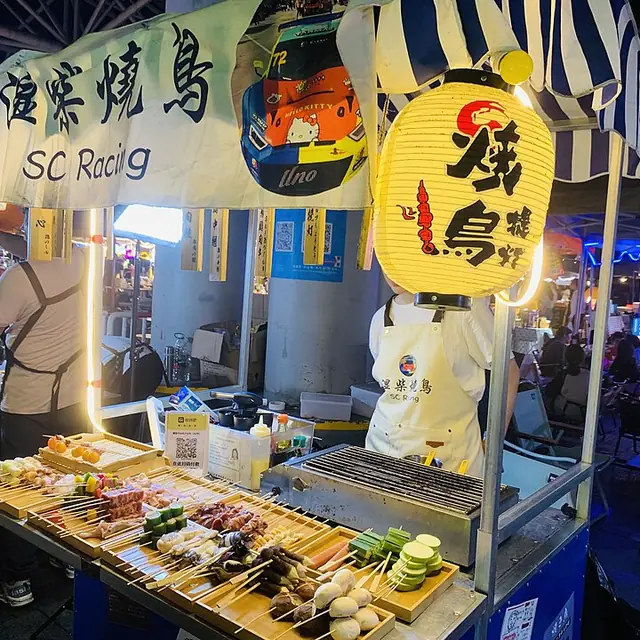
  • Yakitori - Yakitori is Tokyo's grilled chicken skewer over binchotan charcoal: every part of the bird (thigh, breast, liver, gizzard, tail, skin) seasoned with salt or tare sauce

Best Tokyo neighborhoods for food

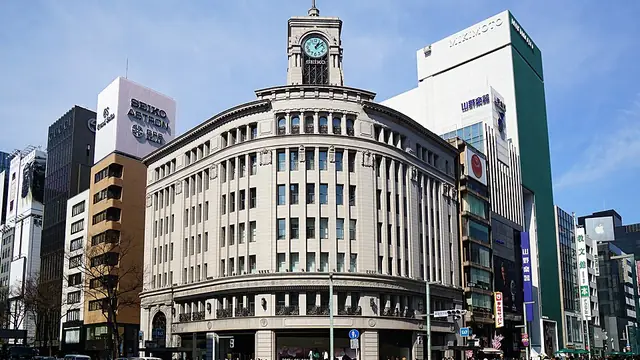
  • Ginza - The old luxury quarter and the densest concentration of starred sushi counters on earth, with cocktail bars and depachika basements layered between department stores
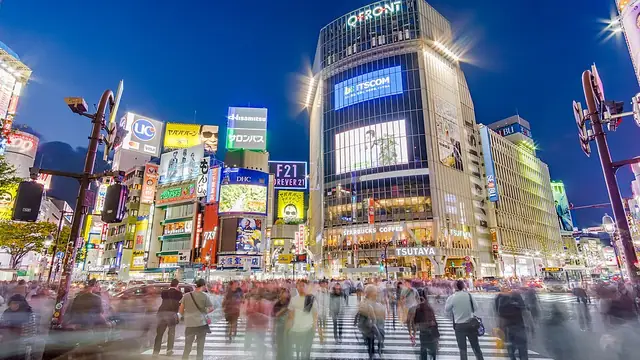
  • Shibuya - Tokyo's youth and design centre, where 24-hour ramen shops, chef-led modern Japanese rooms and standing izakaya cluster around the scramble crossing
  • Shinjuku - Tokyo's busiest train hub feeds yakitori under the tracks at Omoide Yokocho, all-night ramen, golden-era cocktail bars and Kabukicho's late-night izakaya
  • Aoyama and Omotesando - Tokyo's design-and-dining axis: where Narisawa, Florilege and the chef-led modern Japanese rooms cluster between Aoyama-Itchome and Omotesando stations
Read the full Tokyo food guide

Tokyo runs more starred restaurants than any other city on earth and the world's deepest bench of specialist counters, where the chef behind the wood typically cooks one thing (sushi, soba, tempura, yakitori, eel, tonkatsu, ramen) and has cooked nothing else for 20 to 40 years. That specialist depth is the defining trait of the Tokyo table. A sushi-ya does not sell ramen. A soba counter does not sell tempura, though it may dip a few prawns in batter as a sideline. A ramen shop will close at lunch if the broth runs out and reopen the next morning with a fresh kettle. The city's restaurants do not aspire to a wide menu; they aspire to perfect one thing, and the dining map is organized accordingly, by category and by ward.

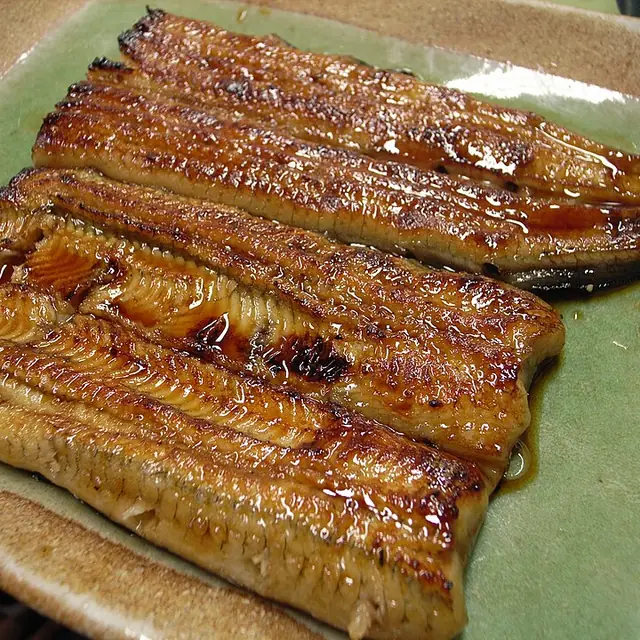
The second axis of Tokyo eating is the depachika, the basement food halls under every major department store (Isetan Shinjuku, Mitsukoshi Nihombashi, Takashimaya, Daimaru Tokyo). These are not food courts. They are the most refined prepared-food retail floors in the world: 100-plus counters selling artisan bento, French-trained patisserie, single-origin chocolate, tofu pressed that morning, eel grilled to order, regional sake. Tokyo locals have shopped depachika since the 1920s; visitors who skip them miss the city's fastest tutorial in what good Japanese food actually looks like. A 30-minute walk through Isetan's basement covers more ground than a dozen restaurant meals.

Layered over the specialist counters and the depachika is a Michelin scene of unmatched density (Tokyo has held the most three-star restaurants of any city since the 2008 guide launched), the global capital of late-night izakaya, the kissaten tradition that poured hand-drip coffee a generation before Brooklyn discovered it, and a 24-hour ramen culture that runs in every ward. The city eats by the clock: tachigui sushi counters at 11:00, soba at 13:00, kissaten coffee at 15:00, izakaya from 18:00-23:00, ramen at 02:00. Plan around the rhythm. Tokyo is a city of small rooms, short counters, and short hours; the chefs hold the schedule, not the guest.

Depachika: the basement food halls

Every major Tokyo department store has a basement food hall, called depachika (a portmanteau of depato, department store, and chika, basement). The format dates to the 1920s when Mitsukoshi added a grocery floor, and it has evolved into the densest, highest-quality prepared-food retail anywhere. Isetan Shinjuku's depachika is the benchmark: 100-plus counters across two basement floors, selling everything from Toraya wagashi sweets to a Pierre Herme patisserie outpost, freshly grilled unagi, hand-cut wagyu, single-malt sake, French cheese aged in Hokkaido caves. Mitsukoshi Nihombashi is the historical original, more traditional in its mix. Takashimaya Shinjuku's depachika is the bento destination (every major obento maker is there). Daimaru Tokyo Station is the convenient version for travelers (catch a bento before a Shinkansen). The depachika rhythm is: arrive between 11:00 and 13:00 for the cooked food, or after 19:00 when prepared items get marked down 30 to 50 percent. Cash and IC card both work. No tipping. Wagashi, bento, sake, tea, fruit gifts: all are best understood by walking through a depachika once.

Edomae sushi: the Tokyo tradition

Sushi as the world knows it was invented in Edo (Tokyo's old name) in the 1820s by Hanaya Yohei, who first served vinegared rice topped with raw fish from the Tokyo Bay catch. Edomae literally means in front of Edo, referring to that bay. The Edomae style is defined by the techniques used to handle fish before refrigeration: marinating in soy and vinegar (zuke), curing in salt and kombu, simmering, blow-torching. Modern Tokyo sushi rooms still cook by those rules. The premier counters are mostly in Ginza, Roppongi, Toranomon and a few in Yotsuya: Sukiyabashi Jiro, Sushi Yoshitake, Sushi Saito, Ginza Kyubey, Sushi Sho Honten. A first-time visitor should book one mid-tier counter (15,000 to 25,000 yen per head, dinner) plus one tachigui standing counter (under 2,000 yen, lunch) to feel the full spread. Lunch omakase is the value seat at the high end (often half the dinner price). Reservations at three-star counters open 1 to 3 months ahead and most accept only Japanese-resident phone bookings; Pocket Concierge and Tableall are the two reliable English-language booking platforms.

Ramen, soba, udon: the noodle map

Tokyo's noodle culture splits three ways. Ramen is the modern obsession, with the city now running roughly 4,000 ramen shops and a deeply codified set of regional styles: shoyu (soy-based, the Tokyo home style), tonkotsu (Kyushu, pork-bone), miso (Hokkaido), shio (salt), tsukemen (dipping noodles, invented in Tokyo at Taishoken in 1955). Cult shops require a queue: Rokurinsha at Tokyo Ramen Street, Ichiran's solo booths, Afuri's yuzu shio. Soba is the older Edo tradition: handmade buckwheat noodles served chilled with dipping sauce (zaru) or hot in dashi broth (kake). Kanda Yabu Soba (since 1880) and Honmura An are the heritage counters. Udon is the Kagawa/Sanuki import that took over Tokyo in the 2010s, with Udon Shin in Shinjuku running queues for thick chewy noodles in dashi. The unwritten rule: each shop does one noodle. Don't order ramen at a soba shop. Don't expect the soba counter to do anything fast; it will not.

How to book Michelin in Tokyo

Tokyo has held the world's most three-Michelin-star restaurants every year since 2008, and the booking is the hardest part of eating at them. Three pathways work. First, Pocket Concierge (acquired by American Express in 2019) is the English-language platform Tokyo's top counters use for foreign bookings; it handles Florilege, Den, Sazenka, Sushi Yoshitake and dozens of others. Second, Tableall covers a similar set with a flat booking fee. Third, hotel concierge at the Aman, Mandarin Oriental, Park Hyatt, Peninsula or the Ritz-Carlton can pull strings that the platforms cannot, particularly for Sukiyabashi Jiro Honten (which removed itself from the Michelin Guide in 2019 but still requires a hotel introduction). Book 2 to 3 months ahead for dinner, 4 to 6 weeks for lunch. Cancellation policies are strict; most charge the full course price for a no-show. Lunch omakase at a starred sushi-ya is the value play: 10,000 to 18,000 yen for what runs 35,000 yen at night. Dress smart casual, no shorts or sandals.

Compare Tokyo to other food cities

Must-try dishes in Tokyo

The plates that define eating in Tokyo.

Ramen

Tokyo ramen is the postwar wheat-noodle bowl evolved from Chinese soba: shoyu, shio, tonkotsu or tsukemen, finished with chashu, scallion and ajitama. Specialist counters only.

Where: Japanese Soba Noodles Tsuta, Afuri Ebisu, Ichiran Shibuya

Where to eat Ramen in Tokyo →

Tonkatsu

Tonkatsu is the Meiji-era panko-crusted pork cutlet, sliced into batons and served with shredded cabbage, miso soup, rice. Hire (lean) or rosu (fatty) is the choice.

Where: Tonkatsu Maisen Aoyama Honten

Where to eat Tonkatsu in Tokyo →

Edomae soba

Edomae soba is the buckwheat noodle Tokyo perfected in the Edo period: cold seiro served on a bamboo tray with dashi-shoyu dipping sauce, or hot kake in clear dashi.

Where: Kanda Yabu Soba

Where to eat Edomae soba in Tokyo →

Yakitori

Yakitori is Tokyo's grilled chicken skewer over binchotan charcoal: every part of the bird (thigh, breast, liver, gizzard, tail, skin) seasoned with salt or tare sauce.

Where: Bird Land Ginza, Omoide Yokocho yakitori alley, Harmonica Yokocho

Where to eat Yakitori in Tokyo →

Edomae Tempura

Tokyo's tempura is featherlight battered seafood and seasonal vegetables fried in sesame-blended oil at high heat: served piece-by-piece across a counter, dipped in dashi-radish tentsuyu sauce, finished with salt.

Where: Tsukiji Outer Market

Where to eat Edomae Tempura in Tokyo →

All Tokyo signature dishes →

Restaurants to know in Tokyo

A handful of the places we send friends to when they are in Tokyo.

Den

Japanese¥¥¥¥Shibuya-ku, Tokyo 150-0001, Japan

Zaiyu Hasegawa's Den in Tokyo is the modern kaiseki room that put playful home cooking on Asia's 50 Best, ranked No. 1 in 2022 and No. 22 in 2025.

Signature: DFC fried chicken, Den garden salad, Donabe gohan claypot rice

More about Den →

Narisawa

Japanese¥¥¥¥Minato-ku, Tokyo 107-0062, Japan

Yoshihiro Narisawa's Aoyama room runs innovative satoyama cuisine. Two Michelin stars plus a Green Star, Japanese foraging through European technique.

Signature: Bread of the forest, Satoyama scenery course, Charcoal-grilled wagyu

More about Narisawa →

Florilege

Japanese¥¥¥¥Minato-ku, Tokyo 105-0001, Japan

Hiroyasu Kawate's Florilege moved to Azabudai Hills in 2023 with a communal counter and a vegetable-forward French tasting menu. Two Michelin stars in Tokyo.

Signature: Plant-forward tasting menu, Beef and the dairy cow course, Vegetable garden snapshots

More about Florilege →

Sazenka

Japanese¥¥¥¥Minato-ku, Tokyo 106-0047, Japan

Tomoya Kawada's Sazenka in Minami-Azabu was Japan's first three-star Chinese restaurant, awarded 2020. Chinese technique meets kaiseki rhythm.

Signature: Tea-Zen-Chinese tasting course, Smoked duck, Hand-pulled noodles

More about Sazenka →

Kanda Yabu Soba

Edo-style Soba¥¥Chiyoda-ku, Tokyo 101-0063, Japan

Kanda Yabu Soba in Tokyo has served Edo-style buckwheat noodles since 1880. The current building reopened in 2014 after a fire, sing-song order calls intact.

Signature: Seiro cold soba, Kamo nanban duck soba, Anago tempura

More about Kanda Yabu Soba →

See every restaurant in Tokyo →

Where to eat by neighborhood

Ginza (ginza/chuo)

The old luxury quarter and the densest concentration of starred sushi counters on earth, with cocktail bars and depachika basements layered between department stores.

Best for: Sushi, Kaiseki, Cocktail bars, Department store food halls

Shibuya (shibuya/jingumae)

Tokyo's youth and design centre, where 24-hour ramen shops, chef-led modern Japanese rooms and standing izakaya cluster around the scramble crossing.

Best for: Ramen, Modern Japanese, Izakaya, Cafes

Also: jingumae

Shinjuku (shinjuku/kabukicho)

Tokyo's busiest train hub feeds yakitori under the tracks at Omoide Yokocho, all-night ramen, golden-era cocktail bars and Kabukicho's late-night izakaya.

Best for: Yakitori, Ramen, Late-night izakaya, Standing bars

Ebisu and Daikanyama (ebisu/daikanyama)

The grown-up neighbour to Shibuya: Yebisu Garden Place, modern izakaya, the canonical Afuri yuzu-shio ramen counter and Daikanyama's wine bars and bakeries.

Best for: Modern izakaya, Ramen, Wine bars, Coffee roasters

When to come hungry in Tokyo

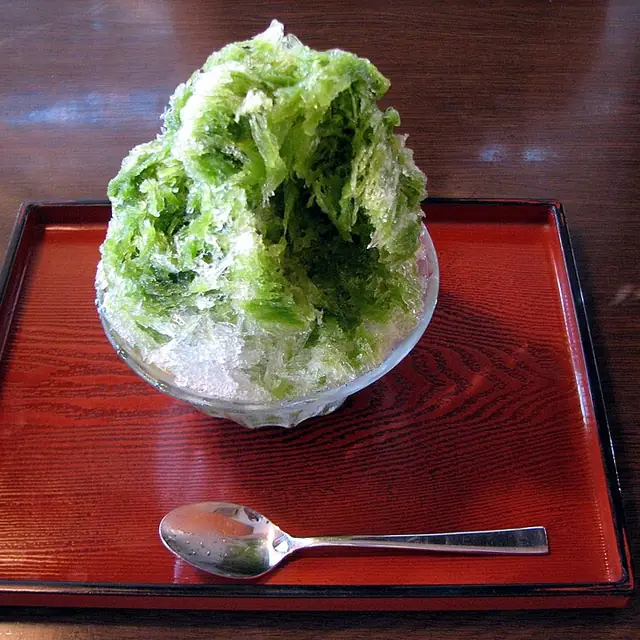
Peak food season: Late October through November is the densest window: matsutake, persimmons, hairy crab, the year's first Shinmai rice. April brings sakura sweets, takenoko bamboo shoots and the spring fish run; June to August is unagi, hamo and shaved ice. January 1 through 3 most rooms shut for shogatsu.

Local dining hours: Lunch 11:30-14:00, dinner 17:30-22:00. Sushi counters and kaiseki rooms run one or two seatings; izakaya start at 17:00 and run past midnight. Last orders in most restaurants are 22:00-22:30. Many counters close on Sundays and one mid-week day.

Tipping: No tipping anywhere in Japan. Service is included in the bill and most rooms add an otoshi seat charge of 300 to 600 yen at izakaya. Counters refuse cash tips outright. A bow and a thank you are the currency.

Tokyo food, FAQ

What food is Tokyo known for?

Tokyo's signature dishes include Edomae nigiri sushi, Ramen, Tonkatsu, Edomae soba, Yakitori. See our signature dishes chapter for where to eat each.

What are the best food neighborhoods in Tokyo?

TableJourney editors map Tokyo by district. Ginza, Shibuya, Shinjuku, Aoyama and Omotesando are among the strongest for food, each with its own guide.

Where should I eat fine dining in Tokyo?

Editor picks in Tokyo include Sukiyabashi Jiro Honten, Sushi Yoshitake, Narisawa, plus the full fine dining chapter on TableJourney.

Are there food tours in Tokyo?

TableJourney covers 9 editor-picked food tours in Tokyo, with what each shows you and how much to budget.

Does Tokyo have good vegetarian or vegan food?

TableJourney's Tokyo dietary chapter covers vegan, vegetarian venues, each editor-picked with what to order and how to ask.