

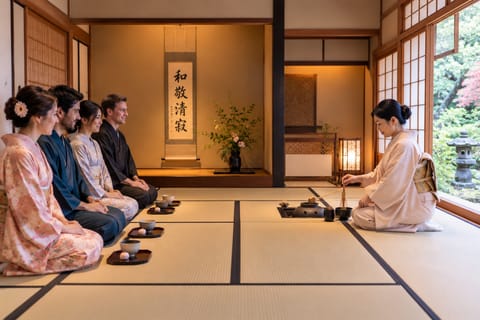
Kyoto eats like nowhere else in Japan. A thousand years as the imperial capital and seven hundred Buddhist monasteries later, the city codified two parallel grammars: kaiseki, the multi-course ryotei haute cuisine that Hyotei and Kikunoi have honed since the Edo period and 1912 respectively, and shojin-ryori, the meatless temple cooking of Tenryu-ji and Daitoku-ji. Around them sits an everyday register that's just as deep: obanzai home-style sets at neighbourhood counters, yudofu at Nanzen-ji, a 1465-founded soba shop in Nakagyo, matcha cafes folded into tea-merchant rowhouses run by houses founded in the 1700s. Nishiki Market runs four blocks east-west as the city's pantry, and the Kamogawa River grows summer kawayuka terraces over its banks from May to September. Three Michelin stars now cluster here at a per-capita density second only to Tokyo, but it is the Kyoto vegetable, the dashi, and the patience of the artisan counter that define the room.
Where to eat in Kyoto
All 26 restaurants-
Tousuiro Kiyamachi
- ★ 4.4
- Japanese Tofu
- ¥¥¥
- Pontocho
Order Eight-course tofu kaiseki with yuba sashimi and warmed soy-milk pots
-
Nanzenji Junsei
Order Yudofu Gozen course with simmered Kyoto vegetables and tempura
-
Nanzenji Sando Kikusui
Order Yudofu set with dengaku miso-glazed tofu skewers
-
Toseian
Order Matsu Gozen set: yudofu, yuba-sashimi and seasonal Kyo-yasai
-
Omen Ginkakuji
Order Cold sesame Omen with seasonal vegetable plate
-
Kane-yo
Order Unaju lacquer-box rice and grilled eel with sansho
Book food experiences in Kyoto

Food festivals coming up in Kyoto
All Kyoto food festivalsWhere to stay in Kyoto
All Kyoto hotels-
 Khaosan Kyoto Guesthouse
Check prices
Khaosan Kyoto Guesthouse
Check prices
-
 EN HOTEL Kyoto
Check prices
EN HOTEL Kyoto
Check prices
-
 Kyoto Guesthouse - Hostel
Check prices
Kyoto Guesthouse - Hostel
Check prices
-
 Connect Hotel Kyoto
Check prices
Connect Hotel Kyoto
Check prices
-
 Kyoto Tower Hotel
Check prices
Kyoto Tower Hotel
Check prices
-
 Kyoto Central Inn
Check prices
Kyoto Central Inn
Check prices
-
 HOTEL ANTEROOM KYOTO
Check prices
HOTEL ANTEROOM KYOTO
Check prices
-
 Hotel Gimmond Kyoto
Check prices
Hotel Gimmond Kyoto
Check prices
-
 Tavinos Kyoto
Check prices
Tavinos Kyoto
Check prices
-
 THE MILLENNIALS KYOTO
Check prices
THE MILLENNIALS KYOTO
Check prices
-
 Rest inn Kyoto
Check prices
Rest inn Kyoto
Check prices
-
 kyoto kamanza hotel
Check prices
kyoto kamanza hotel
Check prices
Also compare
Hotels are listed by our booking partners, not picked by our editors. We earn a commission if you book, at no cost to you.
Getting there and around Kyoto


Sold by our booking partners. We earn a commission if you book, at no cost to you.
Signature dishes in Kyoto
All 16 dishes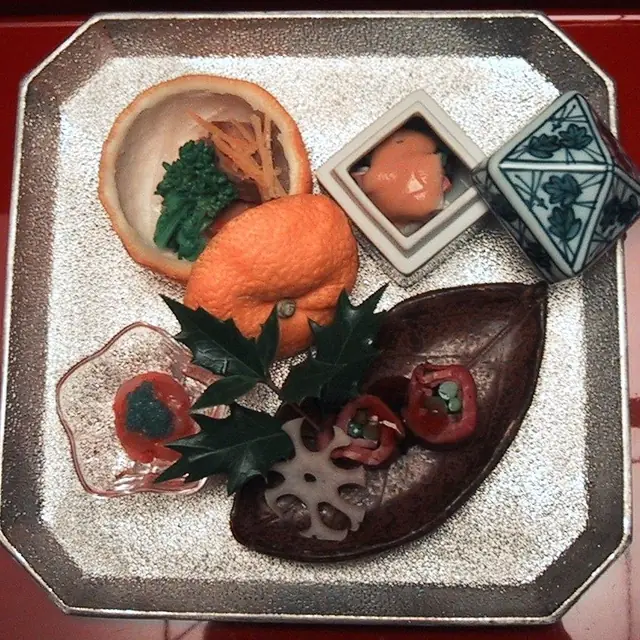
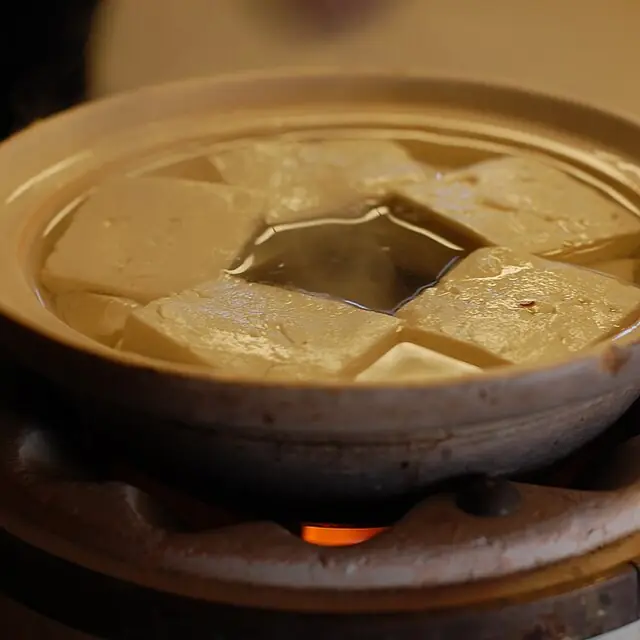
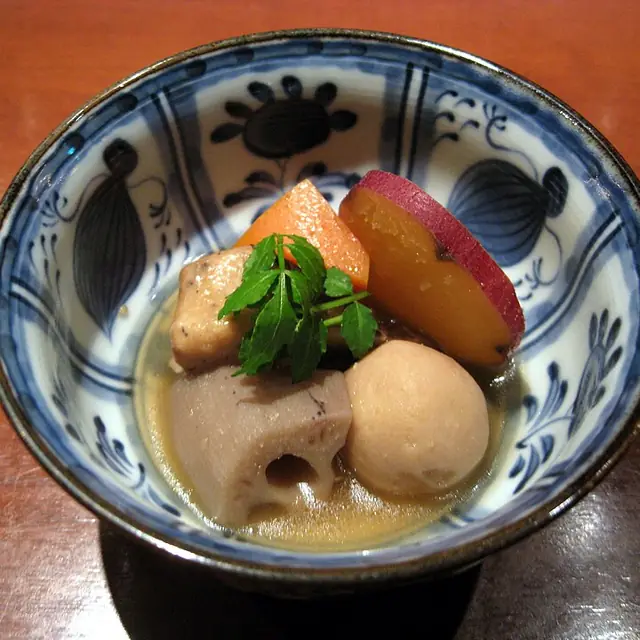
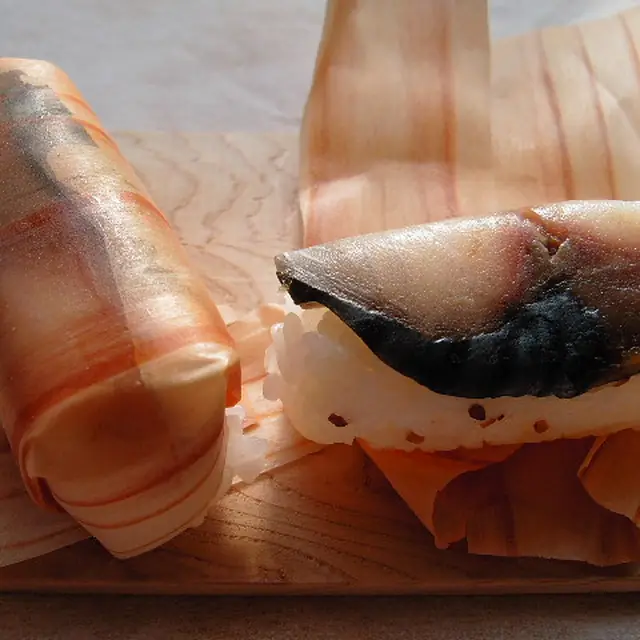
More dishes
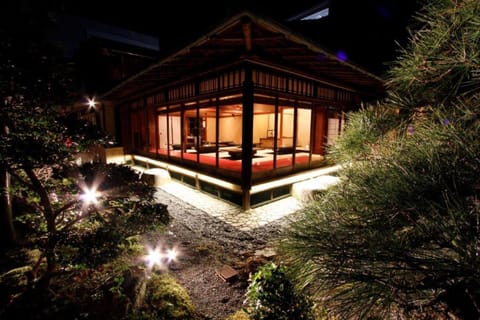
Where to eat by neighborhood
All neighbourhoods- Gion15 places
- Pontocho12 places
- Higashiyama9 places
- Arashiyama5 places
- Nishiki Market5 places
- Karasuma and Kawaramachi72 places
Also in Kyoto: tickets for the sights


Tickets are sold by our booking partners. We earn a commission if you book, at no cost to you.
Map of Kyoto
Every restaurant, cafe, market and bar we cover in Kyoto, pinned. Click a pin for the page.
Everything in Kyoto
When to come hungry in Kyoto
- Peak food season
- October and November bring matsutake, kamonasu, ebi-imo and persimmons, plus autumn foliage that lights Higashiyama gardens for evening visits. April brings takenoko bamboo shoots and sakura sweets; June through August is hamo pike conger and kawayuka riverside dining. New Year through January 3 most ryotei and counters close for shogatsu.
- Local dining hours
- Lunch 11:30-14:00, dinner 17:30-22:00. Kaiseki rooms run one or two seatings and shut by 21:30. Counters and izakaya in Pontocho and Kiyamachi go later, often past midnight. Many ryotei close on Tuesdays or Thursdays.
- Tipping
- No tipping anywhere in Japan. Service is included in the bill. Some ryotei add an otoshi seat charge of 500 to 1,000 yen. Counters refuse cash tips outright; a bow at the door is the currency.
Kyoto food, FAQ
What food is Kyoto known for?
Kyoto's signature dishes include Kaiseki, Yudofu, Obanzai, Saba-zushi, Matcha. See our signature dishes chapter for where to eat each.
What are the best food neighborhoods in Kyoto?
TableJourney editors map Kyoto by district. Gion, Pontocho, Higashiyama, Arashiyama are among the strongest for food, each with its own guide.
Where should I eat fine dining in Kyoto?
Editor picks in Kyoto include Kikunoi Honten, Hyotei, Kitcho Arashiyama Honten, plus the full fine dining chapter on TableJourney.
Are there food tours in Kyoto?
TableJourney covers 4 editor-picked food tours in Kyoto, with what each shows you and how much to budget.
Does Kyoto have good vegetarian or vegan food?
TableJourney's Kyoto dietary chapter covers vegan, vegetarian, gluten_free, halal venues, each editor-picked with what to order and how to ask.