Free cancellation on most tours, with live prices on the partner's site.
Warsaw eats on two clocks. The first is the bar mleczny clock, the socialist-era milk bars still serving pierogi ruskie, kotlet schabowy and zurek to office workers on the same vinyl tables their grandparents used. The second is the post-Amaro clock: Wojciech Modest Amaro opened Atelier Amaro in 2011 and earned Poland's first Michelin star in 2013, and the kitchens that came after redrew the rulebook. Today Warsaw runs Italian fresh-pasta rooms in the Old Town, vodka bars on Prozna, and a thicket of neo-bistros from Powisle to Praga. The everyday city is still steady: a bowl of zurek at a milk bar costs 12 zloty, a vodka shot at Pijalnia Wodki i Piwa 4 zloty, a pierogi-by-weight plate at Pyzy Flaki Gorace barely 20. Above that floor the new generation cooks Polish ingredients with French technique, and the queue at Lukullus for paczki on Fat Thursday still moves around the block.
Peak seasonMay to September, when terraces open and chanterelles arrive, through to October for game...
Dining hoursLunch 12:00-16:00, dinner 18:00-22:00
TippingRound up or leave 10 percent for table service, in cash if you can
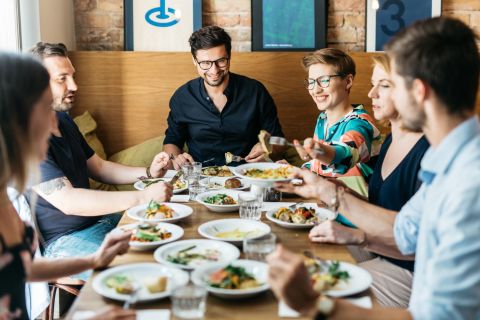
Discover what pierogi, gołąbki and schabowy are on a 4-hour food tour of Warsaw, and experience the flavors of Polish cuisine. Learn about the local food culture and h...
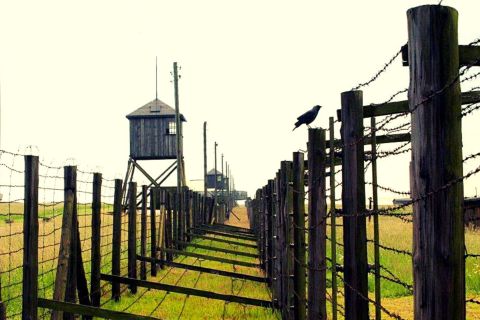
See the most important cultural and also the biggest academic center in Eastern Poland. Old buildings, even ruins, create unique atmosphere of this city. Pay your resp...
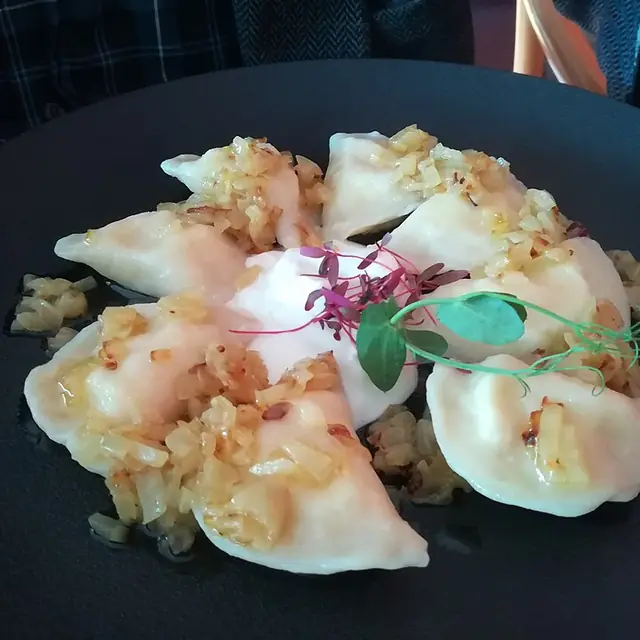
Pierogi ruskie are the canonical potato-and-quark dumplings that anchor every Warsaw milk bar, pierogarnia and wedding table. The name traces to the Ruthenian Carpathian uplands, not Russia.
Where Zapiecek (Swietojanska), Gosciniec Polskie Pierogi, Bar Mleczny Prasowy, Lokal Vegan Bistro
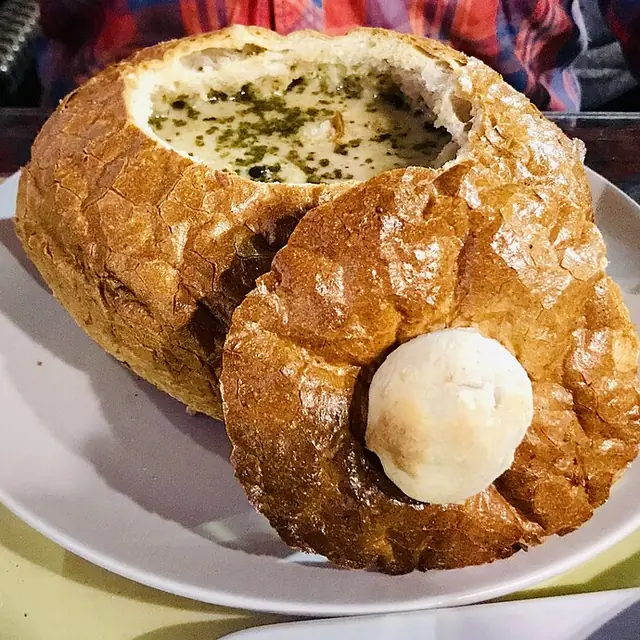
Zurek is the sour rye soup that builds on a fermented rye-flour starter (zakwas), enriched with smoked sausage, a halved boiled egg and marjoram. The Polish working week's anchor lunch.
Where Bar Mleczny Prasowy, Bar Mleczny Familijny, Bar Mleczny Pod Barbakanem, Restauracja Polka
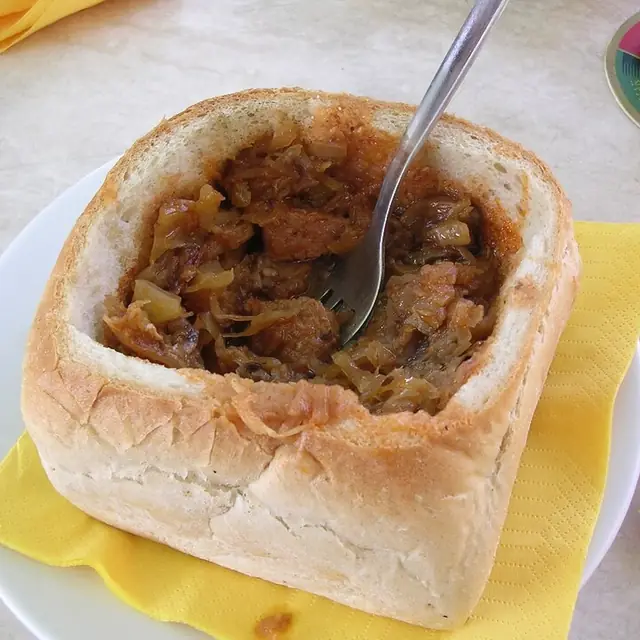
Bigos, the hunters' stew, is the slow-cooked sauerkraut, fresh cabbage and mixed meats casserole that improves over three days of reheating. Polish winter on a single plate.
Where Restauracja Polka, Bar Mleczny Pod Barbakanem, Lokal Vegan Bistro, Gosciniec Polskie Pierogi
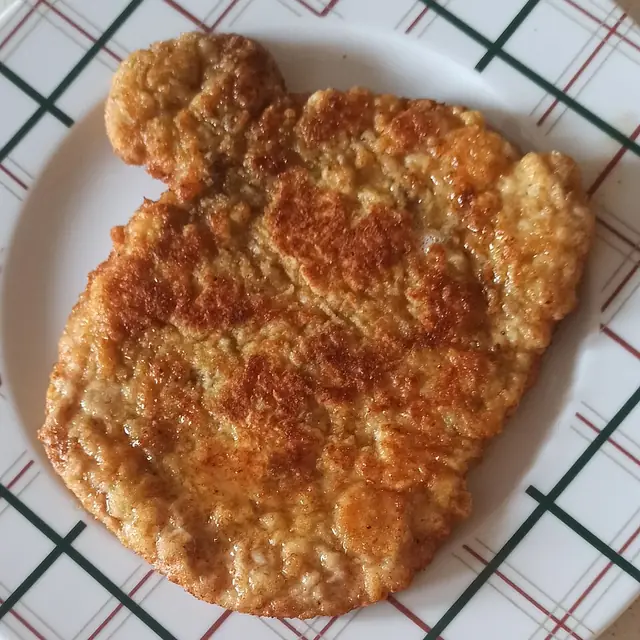
Kotlet schabowy is the Polish breaded pork loin cutlet, pounded thin, dredged in flour-egg-breadcrumb and fried in lard to a deep golden crust. Polish Sunday lunch.
Where Bar Mleczny Prasowy, Bar Mleczny Familijny, Bar Mleczny Pod Barbakanem, Stary Dom
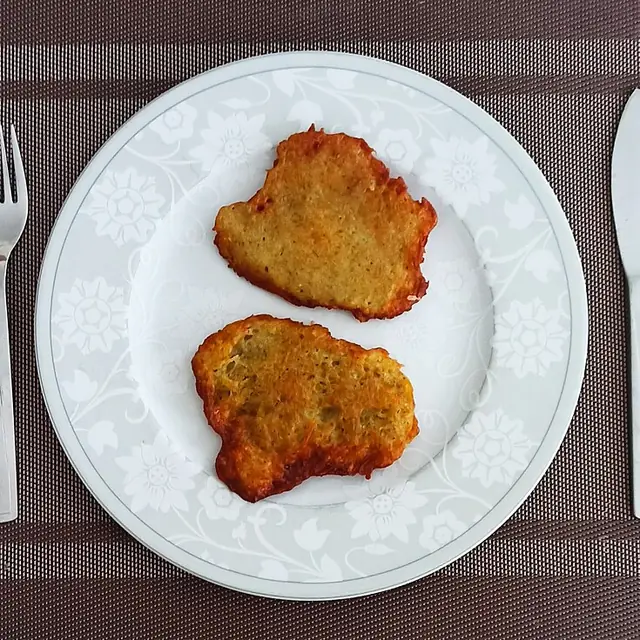
Placki ziemniaczane are crisp shallow-fried potato pancakes, eaten plain with sour cream, savoury with goulash on top, or sweet with sugar. The street-cart and milk-bar favourite.
Where Bar Mleczny Prasowy, Bar Mleczny Familijny, Restauracja Polka, Lokal Vegan Bistro
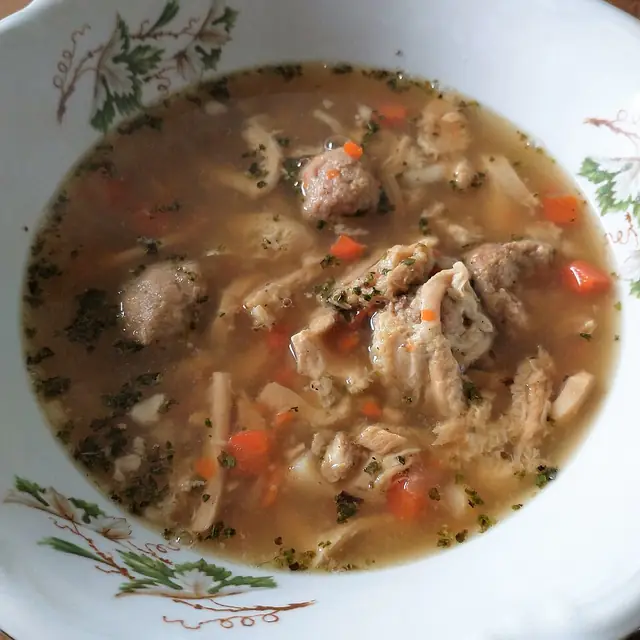
Warsaw tripe soup of beef tripe slow-cooked in a paprika-marjoram broth with carrot, parsnip and onion, finished with grated cheese. The capital's name-stamped tripe soup.
Where Pyzy, Flaki Gorace!, Bar Mleczny Prasowy, Restauracja Polka, Stary Dom
Polish clear beetroot broth, soured with rye starter or lemon, served clear with uszka (small mushroom dumplings) at Christmas Eve or as Sunday lunch first course.
Where Restauracja Polka, Stary Dom, Gosciniec Polskie Pierogi, Bar Mleczny Pod Barbakanem
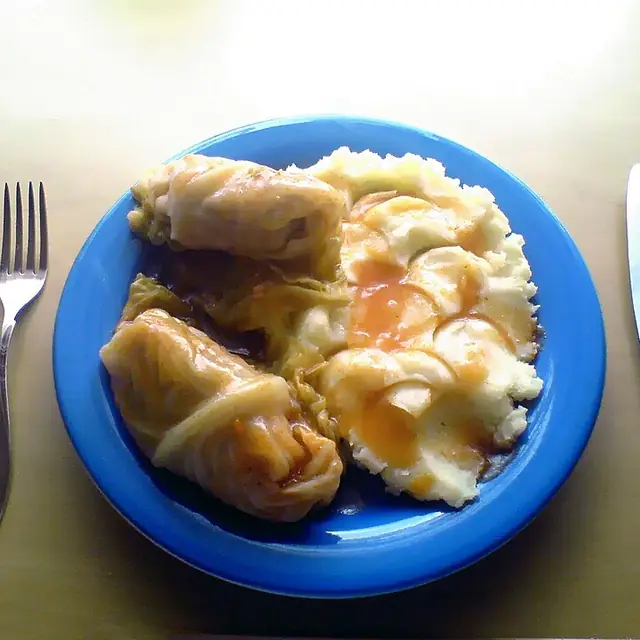
Polish stuffed cabbage rolls: tender cabbage leaves around minced pork and rice, simmered in a tomato or mushroom sauce. A Sunday lunch and Christmas centerpiece.
Where Restauracja Polka, Bar Mleczny Prasowy, Gosciniec Polskie Pierogi, Stary Dom
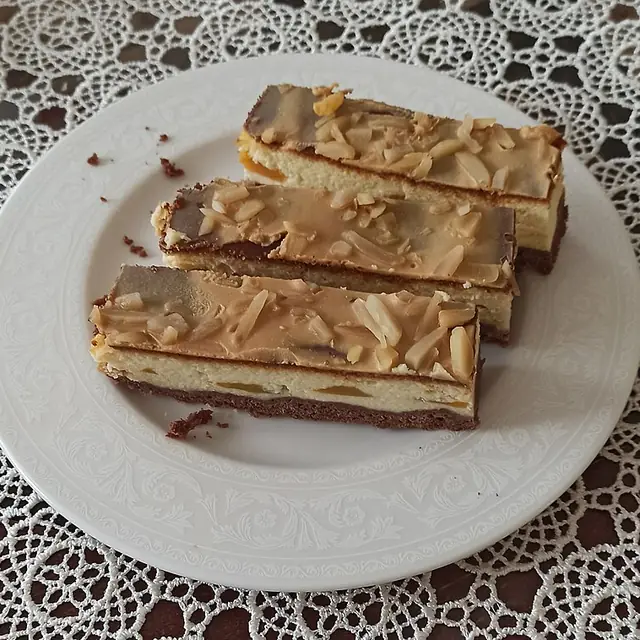
Polish baked cheesecake made from twaróg (curd cheese), eggs and sugar, on a shortcrust base, finished with vanilla, raisins and a lattice of pastry strips on top.
Where A. Blikle (Nowy Swiat), Lukullus (Mokotowska), Cafe Bristol, Charlotte (Plac Zbawiciela)
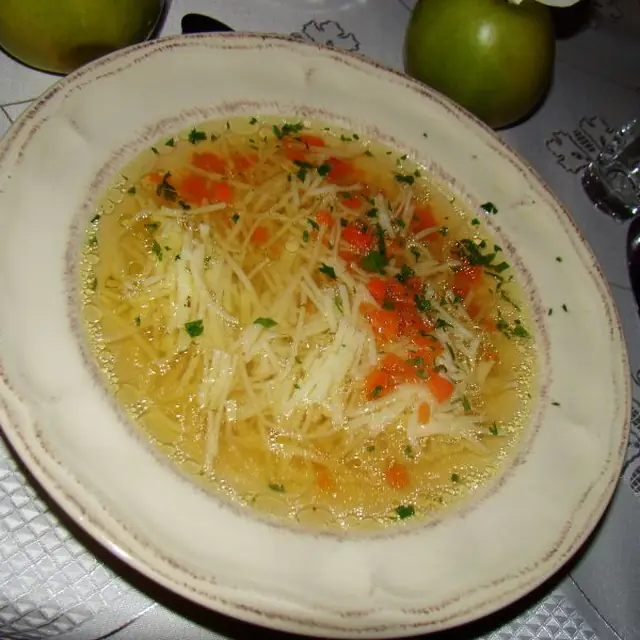
Polish clear chicken broth simmered with whole farm chicken, root vegetables and a charred onion, served with thin makaron noodles. The Polish Sunday lunch first course.
Where Bar Mleczny Prasowy, Bar Mleczny Familijny, Restauracja Polka, Stary Dom
Jacek Grochowina's Nolita has been in the Warsaw Michelin Guide since 2014. Located in Srodmiescie. Order the the seven-course tasting with wine pairing.
Alewino in Warsaw started as a wine shop on Mokotowska and grew into a tucked-away bistro behind a courtyard gate. Kitchen leans modern polish wine bar.
OrderThe kitchen's set plate of the day with a glass of whatever the sommelier is excited about.
Witek Iwanski's hub.praga in Warsaw was awarded one Michelin star in 2025, the first for an east-bank restaurant. Kitchen leans modern polish, hyperlocal.
OrderThe full long tasting and the Polish-crayfish course with house-sourced caviar.
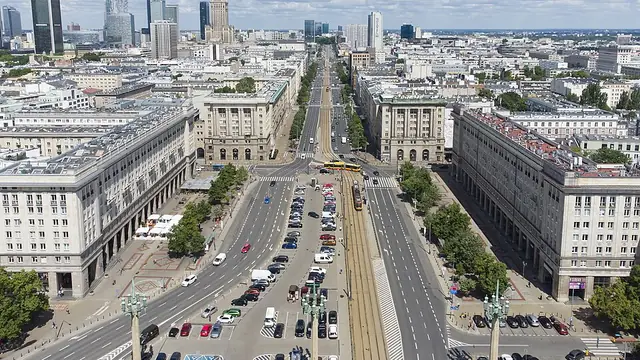
The UNESCO reconstruction of Warsaw's medieval core. Pierogarnia institutions, tourist pricing, and a handful of properly good rooms behind the market square.
Best for: Pierogi, Polish classics, Tourist lunches
Riverside strip below the escarpment, the Saturday-morning brunch district. BUW library, Vistula boulevards, and modern Polish kitchens including Bez Gwiazdek and Kafe Zielony Niedzwiedz.
The pre-war right bank that escaped wartime destruction. Workshop-bars, vodka rooms, the Bazar Rozyckiego flea market and the new Praga food-hall wave.
Best for: Wine bars, Workshop dinners, Street food
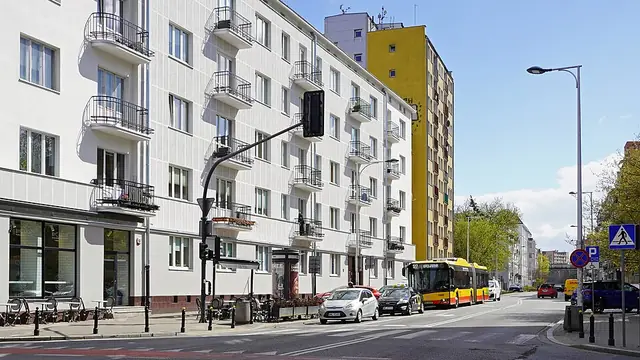
Inter-war modernist suburb across the river. Embassy quarter feel, the Francuska shopping street, and the best concentration of casual neighbourhood dinner.
Pierogi ruskiePierogi ruskie are the canonical potato-and-quark dumplings that anchor every Warsaw milk bar, pierogarnia and wedding table
ZurekZurek is the sour rye soup that builds on a fermented rye-flour starter (zakwas), enriched with smoked sausage, a halved boiled egg and marjoram
BigosBigos, the hunters' stew, is the slow-cooked sauerkraut, fresh cabbage and mixed meats casserole that improves over three days of reheating
Kotlet schabowyKotlet schabowy is the Polish breaded pork loin cutlet, pounded thin, dredged in flour-egg-breadcrumb and fried in lard to a deep golden crust
Placki ziemniaczanePlacki ziemniaczane are crisp shallow-fried potato pancakes, eaten plain with sour cream, savoury with goulash on top, or sweet with sugar
Stays are listed by our booking partners, not editor picks. We earn a commission if you book, at no cost to you.
Map of Warsaw
Every restaurant, cafe, market and bar we cover in Warsaw, pinned. Click a pin for the page.
Trip planner
Plan your Warsaw trip
Pick your dates: we line up the festivals on, what is in season, where to eat on the days you are in town, and experiences you can book for those dates.
When to come hungry in Warsaw
Peak food season: May to September, when terraces open and chanterelles arrive (August), through to October for game season. December is a separate peak: Christmas markets, herring suppers and oplatek wafer dinners. January and February are slowest.
Local dining hours: Lunch 12:00-16:00, dinner 18:00-22:00. Milk bars open early (07:00) and close mid-afternoon. Most restaurants serve continuously through the afternoon. Sunday closure has eased since the 2018 trade ban.
Tipping: Round up or leave 10 percent for table service, in cash if you can. Card terminals rarely prompt for tip. Service is not included on the bill. Milk bars and counter spots do not expect a tip.
Warsaw food, FAQ
What food is Warsaw known for?
Warsaw's signature dishes include Pierogi ruskie, Zurek, Bigos, Kotlet schabowy, Placki ziemniaczane. See our signature dishes chapter for where to eat each.
What are the best food neighborhoods in Warsaw?
TableJourney editors map Warsaw by district. Srodmiescie, Stare Miasto (Old Town), Powisle, Praga Polnoc are among the strongest for food, each with its own guide.
Where should I eat fine dining in Warsaw?
Editor picks in Warsaw include Epoka, Nolita, Bez Gwiazdek, plus the full fine dining chapter on TableJourney.
Are there food tours in Warsaw?
TableJourney covers 5 editor-picked food tours in Warsaw, with what each shows you and how much to budget.
Does Warsaw have good vegetarian or vegan food?
TableJourney's Warsaw dietary chapter covers vegan, vegetarian, gluten_free, halal venues, each editor-picked with what to order and how to ask.