
Cologne
Guided tour · 2 hours
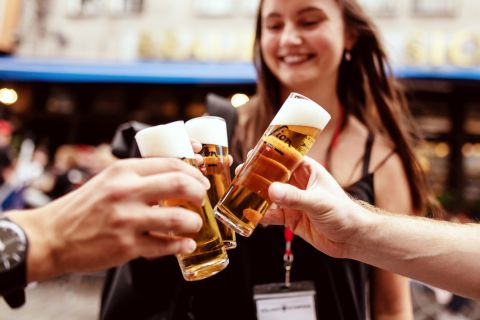
Cologne: Brewery Tour with 3 Kölsch Beer Tastings
Experience Cologne's famous brewing culture and old town on this popular brewery tour. Immerse yourself in the exciting, humorous, and bizarre...
from€28Check dates
156 editor-picked international restaurants across 71 cities.
An international restaurant is one whose menu deliberately spans multiple national cuisines. The category covers two very different things. The first is the hotel and resort dining room (Park Hyatt, Mandarin Oriental, Aman, Four Seasons), where the menu typically holds a club sandwich, a nicoise salad, a pasta, a curry, a sushi roll, a steak, and a regional specialty for each major travel market the property serves. This international format is the global hotel-restaurant standard and is mostly about welcoming guests rather than expressing a chef's voice.
The second is the contemporary fusion or pan-global room, increasingly common in major capitals. These rooms (Sexy Fish in London, Zuma's group worldwide, the Hakkasan empire, the Nobu chain) take ingredients and techniques from across the world (often centered on Japanese with Mediterranean, Latin American, and Southeast Asian additions) and build menus that read as deliberately international rather than tied to a single tradition. The risk in this category is well-known: the menu can flatten into a survey, the cooking can be technically competent but rootless, and the rooms can feel interchangeable from London to Dubai to Hong Kong. The successful ones (Nobu, Zuma, Hakkasan) succeed because they pick a strong central tradition (Japanese, in those cases) and add to it rather than blurring everything together.
A third category, distinct from both but often grouped under 'international,' is the immigrant-built cuisine that has become genuinely international: Lebanese, Vietnamese, Thai, Japanese, Mexican, and Indian restaurants now operate in nearly every major city worldwide, and the best ones are not 'international' but specifically and seriously rooted in their tradition. The travel-friendly fact is that 'international cuisine' as a menu signal at a hotel often means 'we'll have something for everyone'; the better marker of a serious room, even at a hotel, is a chef-led menu that picks one tradition and roots in it.
Tours, tastings and classes from the cities on this page, bookable on GetYourGuide.
Guided tour · 2 hours
Experience Cologne's famous brewing culture and old town on this popular brewery tour. Immerse yourself in the exciting, humorous, and bizarre...

Day trip · 10.5 hours
Exclusive experience to discover authentic Andalucia by visiting one of Andalucia White Villages and the famous Caminito del Rey. A total immersion...

Guided tour · 2h 30m
Experience the flavors of Venice on a guided walking tour. Visit the Rialto Market, try tapas, such as "cicchetti," and admire historical highlights...
Day trip · 8h 30m
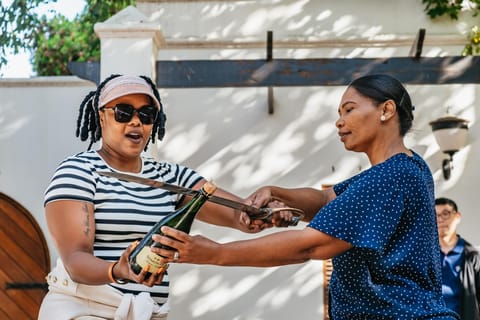
Explore the wine regions of Paarl, Franschhoek, and Stellenbosch in a day. Visit 3 estates, taste 15 wines including a sweet, decadent pairing and...
The best-scored international place in each of 12 cities.
Enrico Bartolini al Mudec in Milan's Tortona district is Italy's youngest three-Michelin-star chef's flagship dining room atop the Museo delle Culture.
OrderThe Contemporary Classics tasting at 350 euros; the red prawn carbonara is the signature primo.
Book6 to 8 weeks ahead
TipBookings open eight weeks ahead; the chef's table at the open kitchen books fastest. Lunch tasting at 280 euros is the cheaper entry point.
the dune at The Florentin hotel in Frankfurt took two Michelin stars in 2026, six months after opening, for Niclas Nußbaumer's precise tasting menus.
OrderThe four-course tasting menu with pairings from a 900-bottle cellar
TipThe social dining counter shares plates across the table; the classic dining room is the quieter route to the full menu.
Rishi Naleendra's two-Michelin-star Amoy Street shophouse. Sri Lankan ingredients through European structure in a 24-seat room above a wine bar.
Book3-4 weeks ahead
One Michelin star and 24 seats in a Ghent medieval lane: Marcelo Ballardin fuses Italian-Brazilian roots with North Sea ingredients and Asian technique.
OrderThe dinner seven-course menu, where the international combinations are given fullest expression.
Book2-3 weeks ahead
TipLunch Tuesday to Friday offers a four-course format at a gentler price, and the room is equally relaxed.
Vin Papillon is the Joe Beef group's vegetable-forward wine bar in Little Burgundy, Montreal, turning charred produce and natural wine into a walk-in classic.
OrderThe rotating grilled and roasted vegetable plates.
TipWalk-in only; put your name down early and drink a glass next door while you wait.
Sahila in Cologne's Altstadt-Süd holds one Michelin star for its pan-Asian tasting menu; intimate and one of Cologne's most personal fine dining rooms.
OrderThe seven-course menu pairing tikka masala with cauliflower alongside dakos with feta and olive
Book3-4 weeks ahead
TipA vegetarian version of the full menu is available on request when booking.
Beverley's Bistro and Bar in Dallas: international room. Set in a nondescript building at Fitzhugh and Travis near the Katy Trail, Greg Katz's Cape.
Why locals goSet in a nondescript building at Fitzhugh and Travis near the Katy Trail, Greg Katz's Cape Town-inspired bistro runs one of Dallas's most eclectic menus.
TipResy books out Thursday through Saturday by Tuesday. Try the smoked fish dip to start and the sticky toffee cake to close.
The Anchorage runs eclectic small plates from a converted warehouse in the Village of West Greenville. James Beard Best New Restaurant semifinalist in 2018.
Book1-2 weeks ahead
T+T holds one Michelin star for chef Johnny Tsai's tapas-tasting contemporary menu, rotating every three to four months around pan-Asian sourcing.
OrderThe full chef's tasting; tea or wine pairings on request.
Book6 weeks ahead
TipClosed Sundays. Reservations open six weeks ahead by phone; weekday dinner is the easier seat.
Rada in Myers Park is a Michelin-recommended contemporary kitchen on Selwyn Avenue, one of Charlotte's most-watched new dining rooms in 2026.
OrderThe seasonal small plates. Menu rotates with the produce coming off North Carolina farms.
TipBook the chef's counter for the view of the line. The room is small and tables on weekends go fast on Resy.
Tangará Jean-Georges sits inside Palácio Tangará facing Burle Marx Park, chef Jean-Georges Vongerichten's only South American room in Sao Paulo.
OrderSignature six-course tasting menu
BookOne to two weeks; book directly with the hotel ahead
TipThe Ruinart Room, Brazil's first, seats up to fourteen for champagne pairings alongside the tasting menu.
La Cigale at 69 St Georges Bay Road in Parnell, Auckland runs Saturday and Sunday morning French-inspired markets. Cheese, charcuterie, pastry, hot food.
Enrico Bartolini al Mudec in Milan's Tortona district is Italy's youngest three-Michelin-star chef's flagship dining room atop the Museo delle Culture.
OrderThe Contemporary Classics tasting at 350 euros; the red prawn carbonara is the signature primo.
Book6 to 8 weeks ahead
TipBookings open eight weeks ahead; the chef's table at the open kitchen books fastest. Lunch tasting at 280 euros is the cheaper entry point.
the dune at The Florentin hotel in Frankfurt took two Michelin stars in 2026, six months after opening, for Niclas Nußbaumer's precise tasting menus.
OrderThe four-course tasting menu with pairings from a 900-bottle cellar
TipThe social dining counter shares plates across the table; the classic dining room is the quieter route to the full menu.
Rishi Naleendra's two-Michelin-star Amoy Street shophouse. Sri Lankan ingredients through European structure in a 24-seat room above a wine bar.
Book3-4 weeks ahead
One Michelin star and 24 seats in a Ghent medieval lane: Marcelo Ballardin fuses Italian-Brazilian roots with North Sea ingredients and Asian technique.
OrderThe dinner seven-course menu, where the international combinations are given fullest expression.
Book2-3 weeks ahead
TipLunch Tuesday to Friday offers a four-course format at a gentler price, and the room is equally relaxed.
Vin Papillon is the Joe Beef group's vegetable-forward wine bar in Little Burgundy, Montreal, turning charred produce and natural wine into a walk-in classic.
OrderThe rotating grilled and roasted vegetable plates.
TipWalk-in only; put your name down early and drink a glass next door while you wait.
Sahila in Cologne's Altstadt-Süd holds one Michelin star for its pan-Asian tasting menu; intimate and one of Cologne's most personal fine dining rooms.
OrderThe seven-course menu pairing tikka masala with cauliflower alongside dakos with feta and olive
Book3-4 weeks ahead
TipA vegetarian version of the full menu is available on request when booking.
Beverley's Bistro and Bar in Dallas: international room. Set in a nondescript building at Fitzhugh and Travis near the Katy Trail, Greg Katz's Cape.
Why locals goSet in a nondescript building at Fitzhugh and Travis near the Katy Trail, Greg Katz's Cape Town-inspired bistro runs one of Dallas's most eclectic menus.
TipResy books out Thursday through Saturday by Tuesday. Try the smoked fish dip to start and the sticky toffee cake to close.
The Anchorage runs eclectic small plates from a converted warehouse in the Village of West Greenville. James Beard Best New Restaurant semifinalist in 2018.
Book1-2 weeks ahead
T+T holds one Michelin star for chef Johnny Tsai's tapas-tasting contemporary menu, rotating every three to four months around pan-Asian sourcing.
OrderThe full chef's tasting; tea or wine pairings on request.
Book6 weeks ahead
TipClosed Sundays. Reservations open six weeks ahead by phone; weekday dinner is the easier seat.
Le Violon is chef Danny Smiles's contemporary restaurant on the Plateau in Montreal, named to North America's 50 Best in 2026 for its generous cooking.
OrderThe chef's menu; the pastas and shared plates are the strength.
TipBook two weeks out for weekends; the room is warm and loud in the best way.
Rada in Myers Park is a Michelin-recommended contemporary kitchen on Selwyn Avenue, one of Charlotte's most-watched new dining rooms in 2026.
OrderThe seasonal small plates. Menu rotates with the produce coming off North Carolina farms.
TipBook the chef's counter for the view of the line. The room is small and tables on weekends go fast on Resy.
Restaurant Constance on Thrift Road is a Michelin-recommended contemporary dining room in west Charlotte, with a small seasonal North Carolina menu.
OrderThe chef's tasting; the kitchen leans seasonal with North Carolina producers.
TipBook a few weeks ahead. The room is small and the post-Michelin demand has lasted.
Tangará Jean-Georges sits inside Palácio Tangará facing Burle Marx Park, chef Jean-Georges Vongerichten's only South American room in Sao Paulo.
OrderSignature six-course tasting menu
BookOne to two weeks; book directly with the hotel ahead
TipThe Ruinart Room, Brazil's first, seats up to fourteen for champagne pairings alongside the tasting menu.
La Cigale at 69 St Georges Bay Road in Parnell, Auckland runs Saturday and Sunday morning French-inspired markets. Cheese, charcuterie, pastry, hot food.
Chef Ivan Brehm's 'crossroads cooking' draws maps of ingredient migration and cultural exchange across a single tasting menu. The Amoy Street dining room is calm and precise; the food is intellectually ambitious without being cold. Ranked 64 in Asia and holding a Michelin star, Nouri is the city's most thought-provoking dinner.
OrderCrossroads tasting menu, Bread with cultured butter, Any fermented course
TipBook the chef's counter seat for the most engaging evening. Lunch is available Wednesday to Sunday and offers slightly better value.
Blossom is Emi Schobert's one-Michelin-star table in Málaga's old town, folding Peruvian, Mexican and Argentine notes into long Andalusian tasting menus.
Book2 weeks ahead
Salmon n' Bannock on West Broadway is Vancouver's only Indigenous-owned restaurant since 2010, run by Inez Cook, Eater Vancouver Restaurant of the Year 2023.
OrderWild salmon with bannock bread, the kitchen's plate since 2010.
TipReservations on OpenTable open 30 days out; the bar takes walk-ins for the bison and salmon plate.
Sans Cravate in Bruges holds one Michelin star on Langestraat, where Henk Van Oudenhove cooks known dishes in a contemporary register from an open kitchen.
OrderThe tasting menu from the open pass; the kitchen leans on regional produce and North Sea fish.
Book3 weeks ahead
TipOpen Monday, Tuesday, Friday and Saturday only; closed Wednesday, Thursday and Sunday. Lunch is the better-value entry point.
Steve Williams's wine-bar-with-kitchen inside a Maltby Street railway arch in Bermondsey London, opened 2010, runs a daily-changing chalkboard of small.
OrderWhatever the smoked-fish or charcuterie opener is, with a half-bottle of growers' Champagne.
TipOpen Wed-Sat lunch and dinner; closed Sun-Tue. Walk-up only; first sitting at 12:00 always has bar seats.
Omija on Rue Fouré in Nantes is Romain Bonnet's Michelin-starred counter, blind menus crossing French technique with Korean and wider Asian flavours.
TipTables cap at six guests and the menu is blind, so flag allergies when you book; there is no dinner on Wednesday.
Bouillon Bilk is a minimalist, high-end dining room on the Main in downtown Montreal, plating precise, inventive cooking by the Quartier des Spectacles.
OrderThe tasting menu, or the pasta and fish plates a la carte.
TipIt sits by the theatres; book the pre-show seating, then linger over dessert once the crowd clears.
Hanan Margilan on Mesilat Yesharim Street in Tel Aviv has served Bukharan soups and charcoal-grilled kebabs to Shapira's workers since 2007.
Why locals goA Bukharan workers' canteen in Shapira, home to a large Uzbek community, run by the Hanimov family since 2007 with no reservations taken.
TipThere are no reservations, so arrive early for a table; order the dushbara dumpling soup and a charcoal-grilled kebab.
Matakana Farmers Market at 2 Matakana Valley Road runs Saturday mornings 45 minutes north of Auckland. Fresh local produce, artisan cheese, breakfast vendors.
Sommerfeld earned its Michelin star on Weserstraße in Frankfurt's Bahnhofsviertel, serving one €159 degustation menu to a small evening room.
OrderThe single nightly menu; announce vegetarian or allergies 24 hours ahead
TipReservations open three months out on the website only; the credit-card guarantee is enforced, so cancel more than 24 hours ahead.
Odd Duck on South Kinnickinnic Avenue in Bay View runs a rotating small-plates menu pulling Korean, Indian, Mexican and Italian influences across one dinner.
OrderThe roasted carrots with seeds and yoghurt and whichever pork belly preparation is up.
TipSister room and bottle shop The Vanguard sausage bar across the street if Odd Duck is booked.
Bistro Estelle on Laar in Antwerp's Borgerhout is a tiny fusion kitchen with a natural wine list, east of the ring road off the tourist map entirely.
Why locals goTiny Borgerhout fusion kitchen on Laar. The room is small, the menu fusion, the wine list natural, the location east of the ring road off the tourist map.
TipBorgerhout sits east of the ring. The 1, 7 and 24 trams stop two blocks away.
CoVino on Calle del Pestrin in Venice's Castello is the 12-seat modern bistro with a Slow Food Presidia carte and a daily-changing five-course tasting menu.
OrderThe five-course tasting menu, the natural-wine pairing.
Tip12 seats total. Email a week ahead for booking. Closed Wed-Thu in some weeks; confirm with the email response.
SK Steak & Oyster sits beneath The Calile Hotel on James Street in Fortitude Valley. Dry-aged beef, Coffin Bay oysters, deep international wine list.
Book3 to 4 weeks ahead
Horta is PortoBay's healthy comfort-food room on the Funchal Lido promenade, flagging every vegan and vegetarian plate on an otherwise mixed carte.
OrderThe barley risotto with red pesto or the beetroot hummus, both listed vegan on the carte.
TipClosed Monday and Tuesday, and the a la carte runs in the evening only. Ask for a table on the Lido promenade rather than inside.
The Roisin Dubh on Dominick Street Galway hosts acts finishing past midnight; the back room stages national and international touring bands in the city.
TryNo food service: craft tap list and live music until close
Filipe Carvalho's JNcQUOI Table on Avenida da Liberdade: a ten-seat counter under JNcQUOI Fish, awarded Michelin Guide Portugal 2026 Opening of the Year.
Book4 to 6 weeks ahead
Vandal is a dinner-only room on Plaça del Progrés in Santa Catalina, Palma, plating small international dishes against a signature cocktail list.
OrderA run of small plates with the cocktail pairings the bar is built around.
TipService is evenings only, 19:00 to 23:00, and the room is loud. Not the place for a quiet dinner.
BeerGeek Bar in Vinohrady pulls the craft-beer crowd until 02:00 nightly. 32 changing taps of Czech and international beer, sausages and snacks.
Try32 changing craft taps, sausages
TipSibeeria stout is the late pour; the Slavikova shop closes at midnight.
Mill's Tavern in the Pilgrim Mill building on North Main is downtown's regular business steakhouse. Wagyu, wood-grilled fish and an international wine list.
OrderA wood-grilled fish of the day with a small-grower Italian red.
Book1-2 weeks ahead
TipSunday through Thursday 17:00-20:30; Friday and Saturday to 21:30. Book the booths along the brick wall.
Novo runs a creekside deck over San Luis Obispo Creek, pouring local wine against a menu that hops from samosas to Tikka Masala Chicken and King Salmon.
OrderKing salmon on the creekside deck, or the Tikka Masala Chicken.
TipAsk for the lower creekside terrace; it was voted Best Outdoor Dining in the 2026 New Times poll.
Cristian Pontiggia, 2023 New Mexico Chef of the Year, leads the Anasazi kitchen at Rosewood Inn with a contemporary-American menu downtown today.
Book1-2 weeks ahead
Edvard inside Palais Hansen Kempinski on Schottenring in Vienna holds a Michelin star for the kitchen's refined contemporary tasting, named for the painter.
OrderThe full evening tasting; book the alcove seats by the window.
Book3 weeks ahead
TipDinner only, Tuesday to Saturday; the kitchen closes for a few weeks in summer.
Quince is a Michelin Selected wood-fire kitchen open since 2018, where an open hearth of glowing embers drives bold, smoke-kissed modern cooking.
OrderAnything off the wood fire; the menu changes with the market.
TipThe open kitchen counter is the seat to book for the full show.
Threesixty at The Oberoi in Delhi is the hotel's all-day dining room, serving buffets and a la carte European, Japanese, Thai and Indian dishes until 01:00.
OrderA Japanese plate such as yasai tempura, or pathar ke gosht from the Indian side of the menu.
Surya Mahal is the all-day fine dining restaurant of The Oberoi Rajvilas in Jaipur, with a chandelier hall, an evening courtyard and a wellness menu.
OrderA dish from the Western, Mediterranean, Asian and Indian menu, or the wellness menu.
TipSay at booking if you prefer the open-air courtyard or the chandeliered main hall; the restaurant is open from 07:00 to 22:30.
Cook and Travel runs a globetrotting kitchen on Carrer de Llevant in Salou, with full-table tasting menus from smoked eel sushi to Tarragona red prawn rice.
OrderArroz seco de gamba roja de Tarragona, the red prawn rice on the €50 menu.
TipTasting menus go to the whole table and exclude drinks: Wonderland is €65 a head, a shorter rice menu €50, and the chef's table is booked separately.
West Africa serves Senegalese and other West African plates on Rue d'Auxonne in Dijon, a fast-food-style counter open most nights past 22:00.
Why locals goWest Africa trades from a plain counter on Rue d'Auxonne, well off the Rue de la Liberté tourist flow, its trade built almost entirely on word of mouth.
TipFriday and Sunday run dinner service only, so a lunchtime visit is better attempted Tuesday to Saturday.
Amélia is the second-floor dining room of the Janeiro Hotel, facing Leblon beach, serving a four-course fixed-price tasting menu in Rio de Janeiro.
OrderThe four-course menu, with a choice of starters, mains and desserts after the amuse-bouche
BookBook ahead; reservations by email or phone ahead
TipDinner only, as a fixed-price menu at R$380 per person; the glass-walled room on the second floor looks over the sea at Leblon.
Emile is the Hotel Emiliano restaurant in Copacabana, Rio de Janeiro, where chef Bernabé Simón Padrós cooks ingredient-led dishes with Latin American cues.
OrderThe fish of the day with yuzu kosho and coriander oil, then the squid with nduja and white beans
BookReservations by WhatsApp or the hotel hostess email ahead
TipPadrós arrived from Peru at the end of 2025 and rewrote the menu around product names, such as tartar, yolk and brioche.
Lazy Susan on South Howell Avenue in Bay View runs a small-plates menu of wood-roasted vegetables, steamed buns and a cocktail program with an Asian pantry.
OrderWood-roasted carrots and the steamed pork buns with kimchi.
TipWeeknight dinners take walk-ins easily; weekend bookings open on Resy two weeks ahead.
La Merenda on East National Avenue in Walker's Point serves global tapas across Spanish, Argentine, Greek and Moroccan plates from chef Peter Sandroni.
OrderBeef empanadas with chimichurri and patatas bravas with a glass of Spanish red.
TipLunch runs weekdays 11am to 2pm, a quieter window than the tapas-heavy dinner service.
Seven Glaciers sits at the top of the Alyeska Aerial Tram at 2,300 feet outside Anchorage, with AAA Four Diamond contemporary Alaska cuisine.
A contemporary chef's-counter restaurant tucked into the south wing of Het Industriegebouw, with a rotating 5 or 7 course menu by Michael Schook and a wine.
Book2 weeks ahead
Wisteria on a quiet side canal in San Polo is the Michelin-starred contemporary table where chef Valerio Dallamano runs six and eight-course tasting menus.
Book2 weeks ahead
Gagini on Via dei Cassari between Vucciria and Cala in Palermo is a contemporary Sicilian fine-dining room inside the 16th-century workshop of sculptor.
Book2 weeks ahead
TipClosed Monday. The wine pairing is entirely Sicilian; the natural-wine extension flight is worth the supplement.
Mazzgoon at Bajamontijeva 1 in Split's Old Town is a contemporary Dalmatian room cooking creative small plates from local farmers and the Pazar market.
OrderThe chef's evolving Pazar-driven tasting plates.
BookFew days ahead
TipThe small terrace facing the People's Square is the right table at sunset; book ahead for July and August.
F-hoone in Telliskivi has anchored the creative-city restaurant scene since 2010, with wood-fired pizzas and Asian plates in a rail-industrial hangar.
OrderWood-fired pizza for the table; the nasi goreng and bao buns are the long-running cult orders.
TipKitchen closes one hour before the room. Brunch runs from 10:00 daily; weekends pack out by 11:30.
Cuca is a Jimbaran, Bali restaurant of tapas, cocktails and desserts built on produce from across Indonesia, open daily from 12:00 until 23:00.
SignatureChef Tasting Meal
Pasteur Street opened in 2014 and helped start Saigon's craft-beer boom, brewing American styles laced with Vietnamese ingredients like passion fruit.
OrderThe Jasmine IPA or the Cyclo Imperial Chocolate Stout.
TipThe original taproom is up an alley off Pasteur; the tasting flight is the way to sample widely.
Heart of Darkness is one of Saigon's most ambitious breweries, its Ly Tu Trong taproom pouring 20-plus taps of experimental beers under Conrad-inspired names.
OrderA flight across the rotating experimental taps.
TipThe 20-plus taps rotate fast; the shaded patio is the seat to grab on a hot afternoon.
1911 at The Imperial on Janpath, Delhi, is an art deco all-day brasserie with a verandah and terrace, and runs a buffet lunch on Fridays from 12:30 to 15:30.
OrderThe Friday buffet lunch, or classic Indian dishes from the all-day menu out on the verandah.
Cepa moved from Tatuapé to a square in Pinheiros in 2024, keeping chef couple Lucas Dante and Gabrielli Fleming's menu in Sao Paulo, Brazil.
TipGabrielli Fleming runs the room and the wine: there is no fixed list, just natural wines from small producers she tracks down, so ask what is open.
Britomart Country Market runs Saturday mornings in the train station forecourt on Galway Street, Auckland. Fresh produce, pastry, flowers and Allpress coffee.
Heh is a Michelin Selected room on Yaowarat Road in Old Town Phuket, a youthful kitchen pairing fresh Andaman seafood with Australian imports.
SignatureAndaman seafood with Australian imports, Fresh cooked-to-order plates
Kafe Kontrast on Ceintuurbaan in De Pijp runs chef Ellinor Strinnholm's Swedish-Indonesian kitchen: weekend brunch smorrebrod, weekday Kontrast Experience.
OrderThe weekend smorrebrod plate or the four-course Kontrast Experience set.
TipWeekend brunch is the busy slot. Quieter on Wednesdays, kitchen on full form.
The Pot Luck Club tops the Old Biscuit Mill silo in Woodstock, Cape Town, Luke Dale Roberts's globally inspired sharing plate room since 2013.
OrderSharing plates from the Family Favourites menu, starting with the Taco 2.0 of linefish on black bean puree
TipA R450 per guest deposit secures the table and must be paid within 24 hours of the provisional booking; tables of nine or more pay R750 each.
O Boteco in Palazzo della Meridiana, Genoa, serves Portuguese petiscos and bacalhau beside Ligurian trofie al pesto, run by chef Marilia Oliveira.
OrderBacalhau à Brás, the cataplana or bolinho de bacalhau from the petiscos, all on the site's menu list.
TipThe site calls its menu indicative because it changes often; book on WhatsApp or through the TheFork link on its booking page.
Grace's Table earns a Michelin Bib Gourmand with all-day brunch from 09:00, serving food from France, Italy and the Americas with cornbread and honey butter.
OrderWarm cornbread with lavender honey butter, duck confit hash.
TipWeekday mornings are the time to go without a wait. Weekends queue up before the kitchen opens at 09:00.
Canalla Bistro on Carrer del Mestre Josep Serrano in Valencia's Russafa is Ricard Camarena's casual urban project, a globe-trotting bistro across Asian.
OrderThe bao bun with iberico pork and the tartar tasted with a Bobal red from the carte.
TipRussafa side of the city; book a week ahead for weekend nights. Tasting menu and a la carte both work.
Open till midnight Fri-Sat from 17:00 (Sun-Thu close at 21:00). The solarium and the bar are the best late-night seats off Church Street; eclectic kitchen.
TryCocktail of the month and eclectic late kitchen plates
Parlor OKC in Automobile Alley assembles seven food concepts under one roof in Oklahoma City, making it the top destination for a multi-cuisine meal.
OrderLumpia from Rezzy's; Korean plates from Pachinko Parlor
TipRooftop bar is open in good weather; grab food from any concept and head up for city views.
Hosilo on Hverfisgata runs a weekly-changing globe-trotting menu of small plates, a Michelin Guide listed Reykjavik room for vegans and carnivores alike.
OrderWhatever the rotating menu offers; the lamb tartare is a recurring standout.
TipThe kitchen rewrites the menu every week, so no two visits match. Book ahead, the room is small.
Tower Cafe on Broadway in Land Park opened Earth Day 1990, James Seyman global-fusion brunch room with palms-and-patio garden seating outside.
OrderThe award-winning French toast at brunch, Piag's Thai steak, Jamaican jerk chicken
TipBrunch queues Saturday and Sunday after 09:30. Patio with palms is the table to ask for. Open daily for breakfast through dinner.
La Republica on Skanegatan in SoFo cooks a fusion of Mexico, Peru and Japan in a small dining room near Nytorget. Kitchen leans mexico, peru and japan fusion.
SignatureLatin-Japanese fusion plates, Peruvian ceviches with Japanese sauces
IZZI Rooftop on the fifth floor at Jl. Batu Belig, Bali, keeps its full kitchen open until 02:30 and its bar and shisha lounge open until 04:00 every day.
TryPelmeni, borscht, salmon steak, woks and poke bowls
The One at Le Meridien New Delhi is the hotel's all-day restaurant, open 24 hours with an international menu and Illy coffee poured by its baristas.
OrderA dish from the international all-day menu, then an Illy coffee from the baristas.
TipIt is open 24 hours, seven days a week, inside Le Meridien on Windsor Place, at the Janpath end of Connaught Place.
Delirium Café, on Rua Barão da Torre in Ipanema, Rio de Janeiro, won best beer list at Veja Rio Comer & Beber 2026 and pours 20 draught taps.
Drink20 draught taps of national and imported chope
FoodPetiscos, croquettes, tapioca dadinhos and handmade burgers
TipHappy hour runs from 17:00 to 20:00 every day with 350 ml chopes, and Sunday burgers cost R$29.90 per the operator.
Cora occupies a revived sixth-floor space above downtown Sao Paulo, chef Pablo Inca's short, shareable menu earning a Michelin Bib Gourmand seal.
OrderQueso de chancho and the lamb empanadas
TipThe building sat empty for over twenty years before this floor was restored to house the dining room and bar.
Peter's Restaurante is a small chef-run dinner room on Avenida Bonampak in downtown Cancún, with dishes from bouillabaisse to tamarind pork ribs.
OrderThe bouillabaisse, then pork ribs in tamarind sauce.
TipDinner only, Tuesday to Saturday from 18:00; the room is small, so book through the contact details on its website.
The Dempsey original of the PS.Cafe group, set in a converted black-and-white colonial bungalow in lush tropical gardens. The menu covers truffle shoestring fries, pasta, grilled proteins and the famous PS. Cake. A long-standing weekend brunch favourite with the expat community and one of the most beautiful restaurant settings in the city.
OrderTruffle fries, PS. Burger, PS. Cake
TipWeekends get booked out; reserve at least three days ahead. The garden tables under the rain tree are the best seats in the house.
Intro is chef Angel Vazquez's international room on Atlixcayotl in Puebla, moving between Moroccan, Thai and French plates and a long breakfast service.
OrderBreakfast, which starts at 08:30 and is the best value on the menu.
TipIntro sits out on Atlixcayotl rather than in the Centro, so budget twenty minutes each way by taxi from the Zocalo.
Roseleaf Bar Cafe on Sandport Place in Leith Edinburgh, an eclectic all-day pub and cafe in a converted Victorian bar, serving brunch until 17:00 and dinner.
OrderPoached eggs with wild mushrooms on sourdough and a pot of loose-leaf tea.
Why locals goSandport Place sits one street from The Shore in Leith and gets missed by everyone who stops at the waterfront pubs. Roseleaf is a converted pub with tea in china teapots.
TipTea comes in full china pots here, not a bag in a mug. Ask for the printed tea menu.
Roots is a social enterprise restaurant on Via Francesco Selmi in Modena where migrant women trainees cook a shared menu from their home cuisines.
OrderThe €38 sharing menu, which changes three times a year around the trainees' home dishes.
TipThe dining room sits in the former San Paolo monastery complex; book ahead and expect a €2 cover on top of the €38 menu.
Mike's Noodle House is on maynard, half a block off the international district's main drag and overlooked by anyone who has not been told by a local.
Why locals goOn Maynard, half a block off the International District's main drag and overlooked by anyone who has not been told by a local.
TipCash and card; the brisket noodle soup is the order if it is on the board.
Koral is the aquarium restaurant at The Apurva Kempinski Bali in Nusa Dua, serving set and degustation menus inspired by Indonesian coastal flavours.
TETTO is a chef-led restaurant in MiZa, Mina Zayed, Abu Dhabi that grew from a home supper club, serving seafood, grills and pasta close to the chefs.
OrderThe bluefin tuna tartare, the hoba sea bass or the San Marzano burrata rigatoni, all named by FACT magazine.
TipTables sit close to the kitchen for a front-row view; the room is closed on Monday and opens at 16:30 on the other days.
Aravalli Dining Room is the all-day restaurant at The Leela Palace Jaipur in Kukas, serving Indian, Rajasthani, Western and Asian dishes by the pool.
OrderA Rajasthani signature dish, taken at an alfresco table beside the pool.
TipSemi-private dining rooms suit small groups, and the alfresco tables look over the pool and the hills.
Restaurant Ombord on Jægergårdsgade in Frederiksbjerg runs a contemporary Nordic kitchen that plays seasonal Danish ingredients off small international.
OrderThe chef's sharing menu; the open kitchen lets you watch the plates come together and the format scales for two through six.
Book1 week ahead
TipReservations recommended for weekends. The dining room is small; bar seats opposite the pass are the best spot for solo diners.
Frankfurter Botschaft sits on the Westhafen marina in Frankfurt, a Michelin Guide listed glass dining room cooking international plates dockside.
OrderThe seasonal fish courses, eaten on the pontoon deck in summer
TipThe harbour-basin terrace is the point; book an 18:00 table in July and watch the towers light up over dessert.
Naughty Nuri's on Rat-U-Thit Road in Patong, Phuket, grills its signature ribs until midnight, a Bali-born rib house about a kilometre up from Bangla.
TrySignature ribs and Babi Guling-style roast pork
Helling 7 in Amsterdam-Noord is a waterfront warehouse running wood-fired pizza, grills and a long terrace on the IJ, the room you book for a sunny Saturday.
OrderWood-fired pizza with whatever the seasonal vegetable topping happens.
TipTake the NDSM ferry; book the terrace explicitly in summer Walk-ins usually OK.
Suite 100 runs a contemporary steak and seafood room with a full pasta section in South Anchorage on Dimond Boulevard, with a selected wine and draft beer.
Chin Burger at Friesenplatz in Cologne serves Xi'an Chinese street food including hand-pulled biang biang noodles and roujiamo meat sandwiches.
El Rodamon de Russafa on Carrer de Sueca in Valencia's Russafa serves international tapas and raciones, a globe-trotting modern small-plates kitchen rooted.
Book2 weeks ahead
The Left Bank, on Gibson Street since 2006, relaunched in May 2026 as a vinyl listening bar with a full kitchen serving brunch, dinner and food to midnight.
OrderBrunch before 16:00, or the evening menu after it.
TipThe kitchen serves until midnight every night, so it works for a late dinner after a gig in the West End.
The pedestrian stretch of Magasinsgatan in central Goteborg hosts a rotating cluster of food trucks serving everything from Korean fried chicken to Swedish.
OrderKorean fried chicken, Smoked salmon wrap, Street falafel
Garage B.I.G Brunch at W Abu Dhabi on Yas Island runs Saturdays from 13:00 to 16:00 across five culinary hubs, with mezze, Asian plates and Vault cuts.
OrderThe mezze spread and Asian plates first, then meat cuts from the Vault with drinks on tap
TipPackages start at AED 390 with soft drinks, AED 475 with house drinks and AED 590 with sparkling, per the hotel's own Garage page.
The Fairmont Grand Brunch at Fairmont Bab Al Bahr in Abu Dhabi runs on Saturdays at CuiScene, with live music, live cooking and children's activities.
OrderA lap of the Asian, Indian, Mediterranean, Japanese and Italian stations
TipWhat's On lists AED 345 with soft drinks and AED 495 with house drinks, with children aged six to 12 at half price.
Meraaki Kitchen, near Civil Lines Metro Station in Jaipur, serves Thai, Burmese, Lebanese, Japanese and Indian dishes, with tables outdoors.
OrderThe red rice sushi, Burmese khao suey and bang bang dumplings, then the Nutella cheesecake.
TipOutdoor tables are the draw; Outlook Traveller Eats puts a meal at about ₹1,800 for two, and the kitchen runs from 12:00 to 22:00 daily.
Mike's Place on the Herbert Samuel promenade in Tel Aviv is an American sports bar with regular live shows, pub quizzes and sports screenings by the beach.
DrinkDraft beer with a big screen sports lineup
FoodBurgers, nachos, chicken wings
TipHappy hour runs 17:00 to 19:00 Sunday to Friday with half off all alcohol.
Bazar Vest in Brabrand is the largest bazaar in the Nordic countries at 18,000 square metres, with halal butchers, fresh produce, small restaurants serving.
OrderA fresh kebab or falafel wrap from one of the in-market stalls.
TipTake bus 11 from the city centre. Open Tuesday to Sunday from 10:00. Monday closed. The atmosphere is best on Saturday mornings.
La Fonda del Zancudo is a garden dinner room on Avenida Uxmal in downtown Cancún, with a short menu of house empanadas, tuna and chocolate cream.
OrderHouse empanadas and tuna cooked al punto, then the chocolate cream.
TipDinner only, Monday to Saturday from 17:00; the daily specials are posted on its Instagram account.
Boom Boom Room in Granada is the late-night dance club near the cathedral with international DJs Thursday to Saturday and a 06:00 close on Friday nights.
TryNo food
TipOpens at midnight; the queue is shorter before 02:00 on weekends.
Cafe Tu Tu Tango on International Drive runs a global small-plates menu with live painters, flamenco shows and tableside artists in a gallery space.
SignatureSangria, Cajun chicken egg rolls
IN Diferente on Rua Dr. Sousa Rosa in Foz do Douro is chef Angelica Salvador's contemporary kitchen, a one-star room serving two tasting menus around.
OrderThe full chef's menu; courses pivot night to night.
Book2 weeks ahead
TipClosed Sunday and Monday. The kitchen counter is the one seat with a view.
The Italian Job Pub in Verona runs the 12-tap Italian-and-international craft beer rotation to 02:00 daily. A 2026 TableJourney editor pick.
TryItalian craft beer with burgers
TipPints €5 to 7; ask for the Italian rotation if you want the local-scene picks.
Tabaré Gastrobar crosses South American grill cooking with European plates on Via Roma in Salou: charcoal skirt steak, 30-day aged beef and a calzone.
OrderEntraña a la brasa with sweet potato dip, criolla sauce and chimichurri.
TipJugs of house sangria and cava run by the litre, which suits a group; the 30-day aged chuletón comes by the half or full kilo.
Molly Bloom's on HaYarkon Street was Israel's first Irish pub and still runs live Irish bands and rugby broadcasts near the Tel Aviv beach today.
DrinkGuinness, Kilkenny and a full whiskey shelf
FoodShepherd's pie, fish and chips, Guinness beef stew
TipSports fixtures fill the room fast; book ahead for a big match.
Mama Africa has served pan-African game meat and stews on Long Street in Cape Town since 1995, with nightly marimba bands and drum performances.
OrderCrocodile cooked in a peanut stew with vegetables, one of the game dishes gathered from across the continent.
TipBook ahead on weekends; the marimba band, drummers and dancers start around 19:00 every night.
Vino Mío pairs international and Andalusian plates with nightly flamenco in central Málaga near Teatro Cervantes, a lively sit-down dinner spot.
Bubbalicious is a Saturday hotel brunch at The Westin Dubai Mina Seyahi in Dubai Marina, Dubai, spread buffet-style across three restaurants.
OrderA lap of all three restaurants' buffet counters before settling on a favourite
TipIt runs for three hours from 13:00 and reservations are required in advance.
Thirty8 runs live show kitchens across Western, Chinese and Japanese counters on the 38th floor of the Grand Hyatt, Kuala Lumpur, with a KLCC view.
OrderThe dinner spread across Western, Chinese and Japanese show-kitchen counters.
TipWindow tables facing the Twin Towers are requested often and cannot be guaranteed, so ask when you book and arrive on time.
The Salling Rooftop atop Aarhus's main department store has a glass skywalk and outdoor terrace with city views, serving snacks, drinks and street food.
OrderA cocktail at the outdoor bar at sunset.
TipFree to access the rooftop during store hours. The food stalls vary by season. Best visited on a clear summer evening.
The Kitchen Patong is a casual brasserie near Bangla Road serving grills and burgers until 3am, a fallback for diners leaving the walking street late.
TrySteaks, burgers, pizza and Thai dishes
LEXperience is a Place Drouet d'Erlon restaurant in Reims serving wood-fired pizzas, Mibrasa-grilled beef and sharing boards, with service until 23:00.
OrderThe Mibrasa-grilled beef, or a wood-fired pizza and a sharing board for the table.
TipService runs to 23:00, and to 23:30 on Friday and Saturday, so it suits a later dinner.
A contemporary cafe on Witte de Withstraat with a focus on fresh international dishes and a large vegetarian menu. Open tue-sun 09:00-17:00.
OrderSeasonal salad bowl and the house lemonade.
TipThe afternoon cheese plate with Dutch varieties is good value at 12 euros for two with a glass of wine.
Chiringuito Beach is a beachfront restaurant on Avenida de Madrid facing Levante beach in Benidorm, open daily from late morning until after midnight.
OrderSlow-cooked beef on panadera potatoes with confit cherry tomatoes and parmesan.
TipTables are booked by WhatsApp on +34 660 19 25 19; it joined the city's spoon-dish week in March 2026.
Lunattic has run a seafront bar and grill at Carrer de Colón and Carrer de Bilbao in Salou since 2005, from breakfast through tapas, paella and cocktails.
OrderA seafood paella at a seafront table, or tapas later in the evening.
TipLunattic opens at 08:00 for breakfast and the bar keeps going until 03:00; a daily set menu runs alongside the carta.
Heka is a weekday-only self-service canteen in the Parc Valmy business district of Dijon, homemade salads and dishes at office-lunch prices.
TryHomemade salads and dishes, self-service canteen
TipIt only serves lunch and only on weekdays, built for the offices in the Parc Tertiaire Valmy around it.
 Bali9 places
Cuca, IZZI Rooftop
Bali9 places
Cuca, IZZI Rooftop
 Montreal8 places
Vin Papillon, Le Violon
Montreal8 places
Vin Papillon, Le Violon
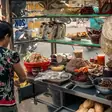 Ho Chi Minh City7 places
Quince Saigon, Pasteur Street Brewing Company
Ho Chi Minh City7 places
Quince Saigon, Pasteur Street Brewing Company
 Abu Dhabi6 places
TETTO, Garage B.I.G Brunch
Abu Dhabi6 places
TETTO, Garage B.I.G Brunch
 Delhi6 places
Threesixty°, 1911
Delhi6 places
Threesixty°, 1911
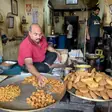 Jaipur6 places
Surya Mahal, Aravalli Dining Room
Jaipur6 places
Surya Mahal, Aravalli Dining Room
 Salou5 places
Cook and Travel, Tabaré Gastrobar
Salou5 places
Cook and Travel, Tabaré Gastrobar
 Tel Aviv5 places
Hanan Margilan, Mike's Place
Tel Aviv5 places
Hanan Margilan, Mike's Place
 Charlotte4 places
Rada, Restaurant Constance
Charlotte4 places
Rada, Restaurant Constance
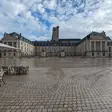 Dijon4 places
West Africa, Heka
Dijon4 places
West Africa, Heka
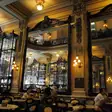 Rio de Janeiro4 places
Amélia, Emile
Rio de Janeiro4 places
Amélia, Emile
 São Paulo4 places
Tangará Jean-Georges, Cepa
São Paulo4 places
Tangará Jean-Georges, Cepa
 Aarhus3 places
Restaurant Ombord, Bazar Vest
Aarhus3 places
Restaurant Ombord, Bazar Vest
 Auckland3 places
La Cigale French Market, Matakana Farmers Market
Auckland3 places
La Cigale French Market, Matakana Farmers Market
 Cancún3 places
Peter's Restaurante, La Fonda del Zancudo
Cancún3 places
Peter's Restaurante, La Fonda del Zancudo
 Frankfurt3 places
the dune, Sommerfeld
Frankfurt3 places
the dune, Sommerfeld
 Milwaukee3 places
Odd Duck, Lazy Susan
Milwaukee3 places
Odd Duck, Lazy Susan
 Phuket3 places
Heh, Naughty Nuri's
Phuket3 places
Heh, Naughty Nuri's
 Singapore3 places
Cloudstreet, Nouri
Singapore3 places
Cloudstreet, Nouri
 Amsterdam2 places
Kafe Kontrast, Helling 7
Amsterdam2 places
Kafe Kontrast, Helling 7
 Anchorage2 places
Seven Glaciers Restaurant, Suite 100 Restaurant Bar and Lounge
Anchorage2 places
Seven Glaciers Restaurant, Suite 100 Restaurant Bar and Lounge
 Antwerp2 places
Bistro Estelle
Antwerp2 places
Bistro Estelle
 Benidorm2 places
Chiringuito Beach
Benidorm2 places
Chiringuito Beach
 Cape Town2 places
The Pot Luck Club, Mama Africa
Cape Town2 places
The Pot Luck Club, Mama Africa
 Cologne2 places
Sahila, Chin Burger
Cologne2 places
Sahila, Chin Burger
 Genoa2 places
O Boteco
Genoa2 places
O Boteco
 Málaga2 places
Blossom, Vino Mío
Málaga2 places
Blossom, Vino Mío
 Napa2 places
Grace's Table
Napa2 places
Grace's Table
 Puebla2 places
Intro
Puebla2 places
Intro
 Reims2 places
LEXperience
Reims2 places
LEXperience
 Rotterdam2 places
Héroine, BY AMI
Rotterdam2 places
Héroine, BY AMI
 Valencia2 places
Canalla Bistro, El Rodamon de Russafa
Valencia2 places
Canalla Bistro, El Rodamon de Russafa
 Vancouver2 places
Salmon n' Bannock Bistro
Vancouver2 places
Salmon n' Bannock Bistro
 Venice2 places
CoVino, Wisteria
Venice2 places
CoVino, Wisteria
 Brisbane1 place
SK Steak & Oyster
Brisbane1 place
SK Steak & Oyster
 Bruges1 place
Sans Cravate
Bruges1 place
Sans Cravate
 Burlington1 place
The Daily Planet
Burlington1 place
The Daily Planet
 Dallas1 place
Beverley's Bistro and Bar
Dallas1 place
Beverley's Bistro and Bar
 Dubai1 place
Bubbalicious
Dubai1 place
Bubbalicious
 Edinburgh1 place
Roseleaf Bar Cafe
Edinburgh1 place
Roseleaf Bar Cafe
 Funchal1 place
Horta
Funchal1 place
Horta
 Galway1 place
Roisin Dubh
Galway1 place
Roisin Dubh
 Ghent1 place
OAK
Ghent1 place
OAK
 Glasgow1 place
The Left Bank
Glasgow1 place
The Left Bank
 Gothenburg1 place
Magasinsgatan Food Trucks
Gothenburg1 place
Magasinsgatan Food Trucks
 Granada1 place
Boom Boom Room
Granada1 place
Boom Boom Room
 Greenville1 place
The Anchorage
Greenville1 place
The Anchorage
 Kuala Lumpur1 place
Thirty8
Kuala Lumpur1 place
Thirty8
 Lisbon1 place
JNcQUOI Table
Lisbon1 place
JNcQUOI Table
 London1 place
40 Maltby Street
London1 place
40 Maltby Street
 Milan1 place
Enrico Bartolini al Mudec
Milan1 place
Enrico Bartolini al Mudec
 Modena1 place
Roots
Modena1 place
Roots
 Nantes1 place
Omija
Nantes1 place
Omija
 Oklahoma City1 place
Parlor OKC
Oklahoma City1 place
Parlor OKC
 Orlando1 place
Cafe Tu Tu Tango
Orlando1 place
Cafe Tu Tu Tango
 Palermo1 place
Gagini Restaurant
Palermo1 place
Gagini Restaurant
 Palma1 place
Vandal
Palma1 place
Vandal
 Porto1 place
IN Diferente
Porto1 place
IN Diferente
 Prague1 place
BeerGeek Bar
Prague1 place
BeerGeek Bar
 Providence1 place
Mill's Tavern
Providence1 place
Mill's Tavern
 Reykjavik1 place
Hosilo
Reykjavik1 place
Hosilo
 Sacramento1 place
Tower Cafe
Sacramento1 place
Tower Cafe
 San Luis Obispo1 place
Novo Restaurant & Lounge
San Luis Obispo1 place
Novo Restaurant & Lounge
 Santa Fe1 place
Anasazi Restaurant at Rosewood Inn of the Anasazi
Santa Fe1 place
Anasazi Restaurant at Rosewood Inn of the Anasazi
 Seattle1 place
Mike's Noodle House
Seattle1 place
Mike's Noodle House
 Split1 place
Mazzgoon
Split1 place
Mazzgoon
 Stockholm1 place
La Republica
Stockholm1 place
La Republica
 Taipei1 place
T+T
Taipei1 place
T+T
 Tallinn1 place
F-hoone
Tallinn1 place
F-hoone
 Verona1 place
The Italian Job Pub
Verona1 place
The Italian Job Pub
 Vienna1 place
Edvard
Vienna1 place
Edvard
At a hotel international restaurant, the safest order is the dish that matches the property's location (the Italian options at a Rome hotel; the regional Asian at a Bangkok hotel). The deliberately-international items (the burger, the club sandwich, the Caesar salad) are usually competent but rarely the kitchen's best. At a fusion-international room (Nobu, Zuma, Sexy Fish), the menu is the menu; the chef has designed it as a coherent multi-cuisine experience. Ask the server which dishes the kitchen is particularly proud of; serious rooms will have an answer.
Reservations at the top fusion-international rooms can be hard; book ahead. Dress codes lean smart-casual to smart at hotel and fusion rooms; some require a jacket. The international menu's strength is variety; the weakness is that the same dish executed well at a specialist room will almost always outclass the international version. If you're staying at a hotel for a week, eat one or two meals at the hotel restaurant and then explore the city. The rookie mistake is treating the international menu as the city's default; the city's specialty cuisine is almost always more interesting.
The wine list at international restaurants is usually global, with a French, Italian, and New World (Argentine, Australian, Californian) backbone. Champagne or sparkling as the welcome pour. Cocktails are usually international classics (Manhattan, Old Fashioned, Negroni, Cosmopolitan, mojito). Beer programs cover one or two local lagers, a Belgian, a German, and a Mexican. Coffee and tea programs at hotel rooms have improved substantially since 2010 and now usually offer espresso, filter, and tea-by-the-pot. Non-alcoholic options are increasingly serious at fusion rooms; mocktails, fresh juices, kombucha, herbal infusions.
Hotel restaurants at Aman, Park Hyatt, Mandarin Oriental, Four Seasons, Rosewood, Six Senses, Capella properties worldwide. Fusion-international flagships: Nobu (over 50 locations as of 2026), Zuma (worldwide), Hakkasan (worldwide), Roka (worldwide), Sexy Fish (London, Dubai), Coya (London, Dubai, Mykonos), Sumosan, China Tang, Cipriani worldwide. Embassy and government clubs in capital cities (Travellers, Reform, Brooks's in London) carry traditional international-club menus. Cruise ships and luxury train dining cars (the Belmond series, the Eastern and Oriental) operate international-menu kitchens by necessity.
The international menu as a hotel-restaurant convention emerged from late-19th-century European grand-hotel culture (the Savoy, the Ritz, the Negresco, the Imperial Vienna). Cesar Ritz and Auguste Escoffier codified the modern hotel kitchen at the Savoy in the 1890s, with the menu structured to serve an international (mostly European) clientele. The post-war American hotel format (Hilton, Sheraton, Marriott) globalized the format. The contemporary fusion-international restaurant (Nobu opened in 1994 in New York, then internationally) represents the post-1990s evolution: deliberately multicultural rather than survey-style, with a strong central tradition (usually Japanese) and global additions.
More cities are in research. Want international covered somewhere specific? Tell us where you want to eat.