


Verona's table follows its geography. Southeast of the city, 24 municipalities grow Riso Nano Vialone Veronese IGP, the rice of risotto all'Amarone; northwest, the Valpolicella makes Amarone, Recioto, Ripasso and Valpolicella Classico, and Soave, 23 km east, gives its name to a wine. On the Lessinia plateau to the north, Monte Veronese cheese and Marrone di San Mauro chestnuts are the local products, and Lake Garda at Bardolino, 25 km northwest, supplies lavarello, perch and pike. The Comune di Verona protects gnocchi, pastissada de caval and pearà with De.Co. specifications, and local restaurants list them next to bigoli with duck ragu and boiled meats. At Christmas there are nadalin and pandoro: Domenico Melegatti received his pandoro privilege on 14 October 1894.
Where to eat in Verona
All 25 restaurantsBook food experiences in Verona


Food festivals coming up in Verona
All Verona food festivalsGoing to Vinitaly? Hotels for 11-14 Apr 2027, from USD 66 a night.
Hotels for these datesWhere to stay in Verona
All Verona hotels-
 Room Verona Ai Conti
Check prices
Room Verona Ai Conti
Check prices
-
 Room Verona Ai Duchi
Check prices
Room Verona Ai Duchi
Check prices
-
 Verona Maison
Check prices
Verona Maison
Check prices
-
 B&B Hotel Verona
Check prices
B&B Hotel Verona
Check prices
-
 Camping Verona Village
Check prices
Camping Verona Village
Check prices
-
 Star Hotel Airport Verona
Check prices
Star Hotel Airport Verona
Check prices
-
 Leonardo Hotel Verona
Check prices
Leonardo Hotel Verona
Check prices
-
 Gate To Verona
Check prices
Gate To Verona
Check prices
-
 Residenza Bra Verona
Check prices
Residenza Bra Verona
Check prices
-
 Bed and Bike Verona
Check prices
Bed and Bike Verona
Check prices
-
 Locazione Turistica Cittadella
Check prices
Locazione Turistica Cittadella
Check prices
-
 Dreaming Verona Rooms
Check prices
Dreaming Verona Rooms
Check prices
Also compare
Hotels are listed by our booking partners, not picked by our editors. We earn a commission if you book, at no cost to you.
Getting there and around Verona


Sold by our booking partners. We earn a commission if you book, at no cost to you.
Signature dishes in Verona
All 13 dishes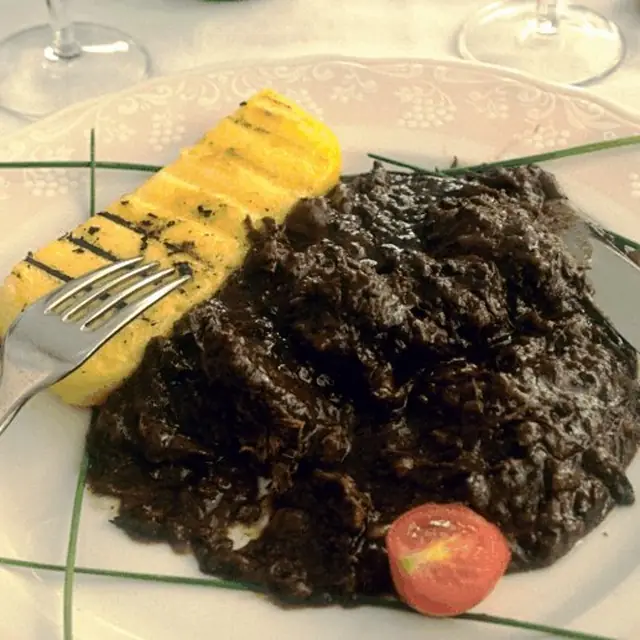
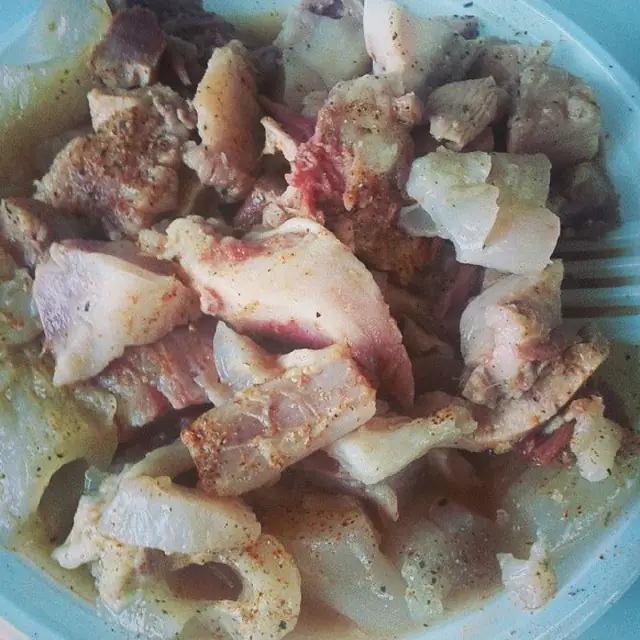
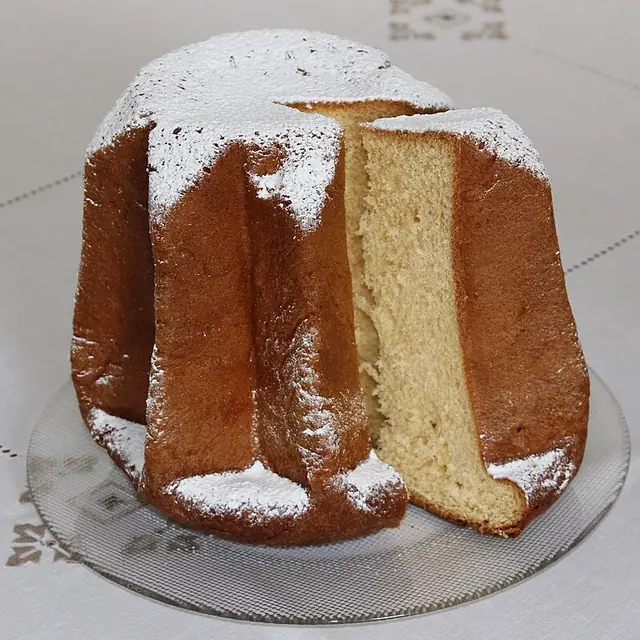
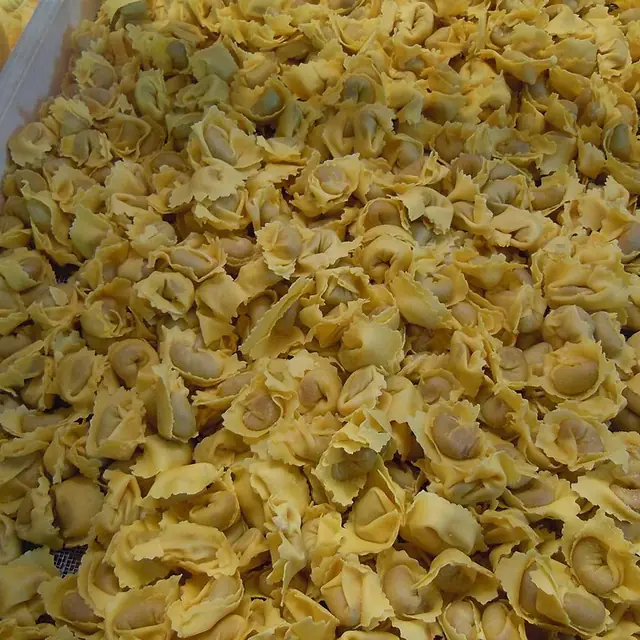
More dishes
Where to eat by neighborhood
All neighbourhoods- Citta Antica27 places
- Veronetta3 places
- Borgo San Zeno1 places
- Borgo Trento
- Borgo Roma
- Borgo Venezia1 places
Also in Verona: tickets for the sights


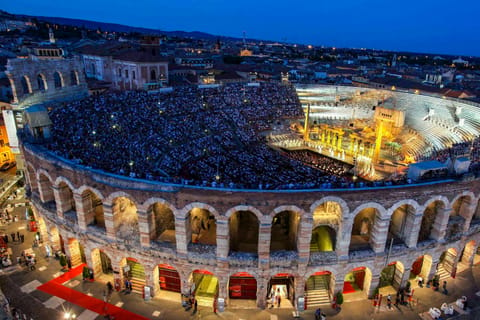
Tickets are sold by our booking partners. We earn a commission if you book, at no cost to you.
Map of Verona
Every restaurant, cafe, market and bar we cover in Verona, pinned. Click a pin for the page.
Everything in Verona
When to come hungry in Verona
- Peak food season
- September and October for the Fiera del Riso in Isola della Scala (17 September to 13 October in 2026) and the Lessinia chestnut festivals in late October. February for the Venerdi Gnocolar. April for Vinitaly (11 to 14 April 2027). November and December for the Christmas market (21 November to 28 December in 2025), nadalin and pandoro.
- Local dining hours
- Kitchens listed here commonly serve lunch from about 12:00 to 14:30 and dinner from about 19:00 to 22:30: Trattoria Tre Marchetti is open daily 12:00 to 14:30 and 19:00 to 22:30, Locanda 4 Cuochi 12:30 to 14:30 and 19:30 to 22:30. Many close one day a week: Al Bersagliere is open Tuesday to Saturday, Greppia is closed Monday and Osteria al Duca is closed Sunday.
- Tipping
- Menus add a per-person cover charge: €3 at Trattoria Al Bersagliere and Osteria Caffe Monte Baldo, €5 at Trattoria I Masenini and €2.50 at La Lanterna.
Read the full Verona food guide
Verona's table follows its geography. Southeast of the city, 24 municipalities grow Riso Nano Vialone Veronese IGP, the rice of risotto all'Amarone. Northwest, the Valpolicella makes Amarone, Recioto, Ripasso and Valpolicella Classico, while Soave, 23 km east, and Bardolino, 25 km northwest on Lake Garda, give their names to wines. The Lessinia plateau to the north makes Monte Veronese cheese and the Marrone di San Mauro chestnut, and Lake Garda supplies lavarello, perch and pike. The Comune di Verona protects gnocchi, pastissada de caval and pearà with De.Co. specifications, and menus list them beside bigoli with duck ragu, boiled meats and risotto all'Amarone. At Christmas there are nadalin and pandoro: Domenico Melegatti received his pandoro privilege on 14 October 1894.
A day can start with coffee at Caffe Borsari on Corso Porta Borsari, or at Caffe Filippini, a cafe and brasserie on Piazza delle Erbe since 1901. Lunch at Trattoria Al Bersagliere on Via Dietro Pallone (open Tuesday to Saturday) or Trattoria Arco dei Gavi on Corso Cavour (closed Tuesday) puts the local classics on the table. Osteria al Duca on Via Arche Scaligere says its 13th-century house, said to have been Romeo's, has served pastissada with polenta to travellers. Casa Perbellini 12 Apostoli on Vicolo Corticella San Marco holds three Michelin stars, confirmed in the 2026 guide; Iris Ristorante on Via Leoni is a fine-dining restaurant in a 15th-century building, run by chef Giacomo Sacchetto; Famiglia Rana in Vallese di Oppeano, about 20 km southeast, gained its second star in November 2025 under chef Francesco Sodano.
The wine map shapes the food map. Vinitaly runs at Veronafiere on Viale del Lavoro on 11 to 14 April 2027, and Vinitaly and the City, open to the general public, fills squares and palaces in the historic centre on 9 to 11 April 2027. The Venerdi Gnocolar, Verona's Carnival Friday, fell on 13 February 2026, with a parade from Ponte della Vittoria to Piazza San Zeno from 14:15 and gnocchi stands from 10:00. The Piazza delle Erbe market is open Monday to Saturday from 7:30.
Amarone, bigoli and the trattoria circuit
Risotto all'Amarone is cooked with Vialone Nano rice and Amarone della Valpolicella; Trattoria Al Bersagliere lists it at €15 for two or more, Ostregheteria Sottoriva 23 at €16, Trattoria Arco dei Gavi for two or more, and Antica Bottega del Vino at €22. Bigoli, a thick fresh pasta that Italian Wikipedia places in the province of Padua and across the Veneto, comes with duck ragu (co l'arna) at Al Bersagliere (€13), Sottoriva 23 (€16.5) and Osteria da Ugo (€19), and with donkey ragu at Osteria al Duca. Pastissada de caval is horse meat macerated at least 24 hours in red wine, according to the Comune di Verona's specification; Al Bersagliere (€17), Sottoriva 23 (€17.5) and Osteria al Duca serve it. Pearà, the pepper and bone-marrow sauce for boiled mixed meats, is on the menus of Arco dei Gavi and Sottoriva 23.
Aperitivo on Piazza delle Erbe and Via Sottoriva
Caffe Filippini on Piazza delle Erbe has been a cafe and brasserie since 1901, and Antica Bottega del Vino stands around the corner on Vicolo Scudo di Francia, with a bar side open 11:00 to midnight. Via Sottoriva runs under medieval porticoes: Ostregheteria Sottoriva 23 is open daily 10:00 to 01:00 and pours wines by the glass, with a house white at €4 and Franciacorta at €7, and serves pansfoglia (thin toasted bread with toppings) at €12.5 to €15. Osteria del Bugiardo on Corso Porta Borsari brings Alfredo Buglioni's cellar into the centre, and Signorvino, a wine shop with a restaurant, is on Corso Porta Nuova.
Casa Perbellini, Iris and the Michelin map
Casa Perbellini 12 Apostoli on Vicolo Corticella San Marco took Verona's first three Michelin stars in the Guida Michelin Italia 2025, presented in Modena on 5 November 2024, and kept them in the 2026 guide presented in Parma on 19 November 2025. Famiglia Rana, in Vallese di Oppeano, gained a second star in that 2026 guide under chef Francesco Sodano; Michelin says the chef serves only blind tasting menus. Iris Ristorante begins the meal in its 15th-century cellars before guests go up to a 16th-century dining room. Locanda 4 Cuochi, just behind the Arena, changes its menus every two months and always keeps the suckling pig, and Il Desco on Via Dietro San Sebastiano is also listed.
Vinitaly, Valpolicella and the day-trip ring
Valpolicella lies northwest of Verona; Amarone Tours collects guests at Porta Nuova and runs tours at Allegrini, Bertani, Masi and Tommasi, among others, with two or three wineries on a half day and four or five on a full day. Soave, about 23 km east, has a Scaliger castle on Tenda Hill and a medieval festival on the third weekend of May. Bardolino, about 25 km northwest, sits on the eastern shore of Lake Garda. Vinitaly runs 11 to 14 April 2027 at Veronafiere, and the Verona Carnival Friday brings gnocchi stands to Piazza San Zeno from 10:00.
Verona food, FAQ
What food is Verona known for?
Verona's signature dishes include Risotto all'Amarone, Pastissada de caval, Bigoli con l'arna, Pearà, Bollito misto. See our signature dishes chapter for where to eat each.
What are the best food neighborhoods in Verona?
TableJourney editors map Verona by district. Citta Antica, Veronetta, Borgo San Zeno, Borgo Trento are among the strongest for food, each with its own guide.
Where should I eat fine dining in Verona?
Editor picks in Verona include Casa Perbellini 12 Apostoli, Il Desco, Iris Ristorante, plus the full fine dining chapter on TableJourney.
Are there food tours in Verona?
TableJourney covers 10 editor-picked food tours in Verona, with what each shows you and how much to budget.
Does Verona have good vegetarian or vegan food?
TableJourney's Verona dietary chapter covers vegan, vegetarian, gluten_free venues, each editor-picked with what to order and how to ask.