Split eats Dalmatia in three concentric rings. The Diocletian Palace center is where the tourist tables sit, with a handful of operator-grade kitchens, Brasserie on 7's Riva terrace, Bokeria, Zoi's rooftop, mixed in with thinner places living on view. The Veli Varos lanes climbing west toward Marjan hill are the konoba heartland: Konoba Fetivi, Konoba Marjan, Konoba Varos, Villa Spiza, family rooms with chalkboard menus that depend on the morning's catch and the season's chard. North across the Pazar market and into Lucac and Manus, the city eats the way locals do at lunch: marenda plates of fried small fish, soparnik wedges, burek from the bakery counter, a beer or a small carafe of house red.
The food map keeps widening from there. Pazar (the green market) and Ribarnica (the fish market) sit a 90-second walk apart at the east edge of the Palace, both running daily from early morning to early afternoon. Beyond the urban shell, Klis hill takes you to spit-roasted lamb, Brac and Solta to peka and olive oil, Hvar to Plavac mali on its home dirt, and Trogir to half a dozen konobas worth the 30-minute drive. Modern Split also runs a thin fine-dining wave that earned the city its first Michelin star at Restaurant Krug in late 2025, with Zoi, Dvor and Zrno Soli forming the supporting tier of tasting-menu kitchens.
The Split table is not modern, not fancy, not Mediterranean in a glossy magazine sense. It is Dalmatian: fish, olive oil, salt, a stone hearth and a glass of wine the host poured before you asked. The local rhythm splits the day into three meals (breakfast bakery, marenda mid-morning snack, late lunch as the main event), then a long evening that doesn't really start eating again until 21:00. Plan around it: book the destination konobas for 13:00 lunches, the fine-dining rooms for 20:30 dinners.
Dalmatian food tradition
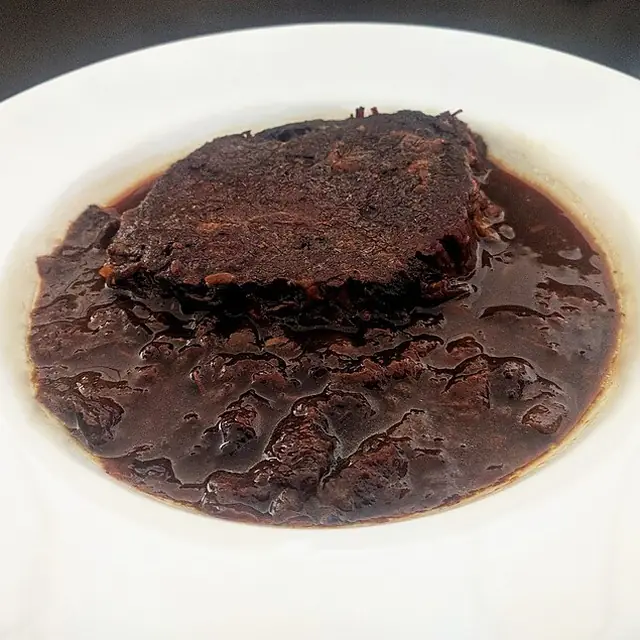
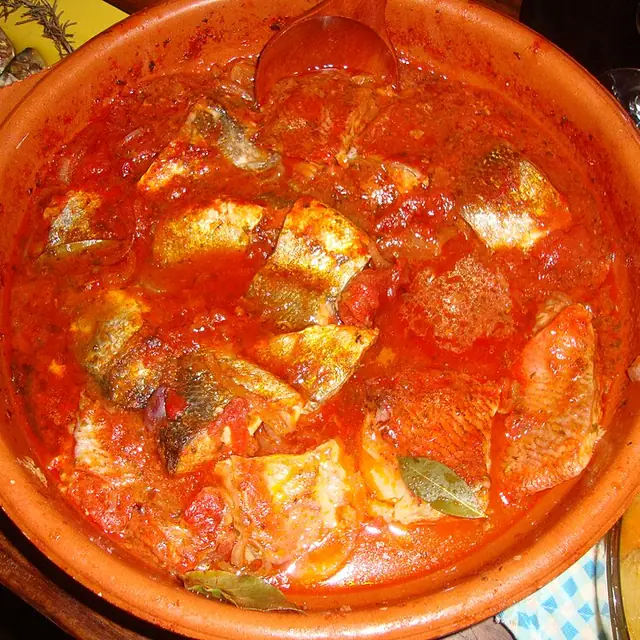
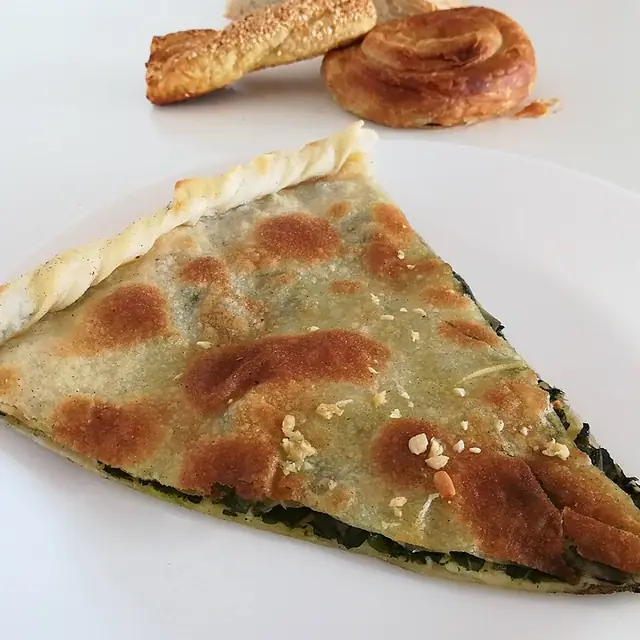
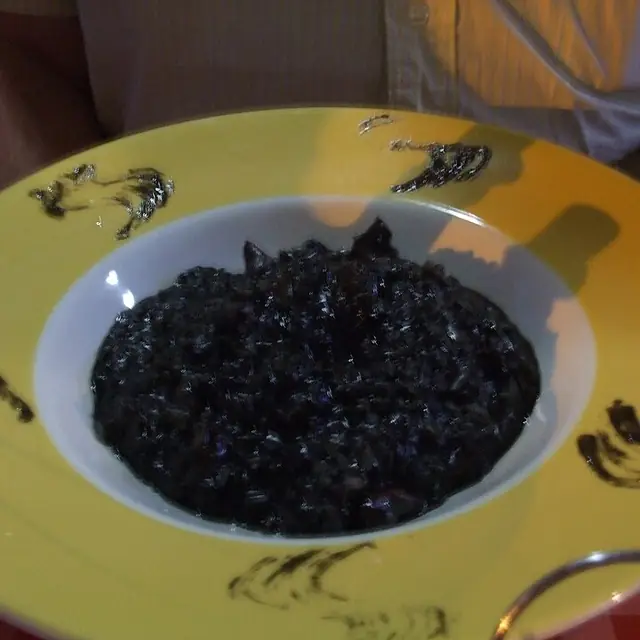
The Dalmatian table is built on three things: the Adriatic catch, the olive grove, and the open hearth. Fish dominates, simply grilled with olive oil, salt and a half-lemon, or slow-cooked into brudet (a Dalmatian fisherman's stew with tomato and red wine vinegar served over polenta). Crni rizot, the squid-ink risotto, is the pasta plate every konoba runs. Pasticada, the holiday-stretch braise of beef in prosek dessert wine with dried plums and root vegetables, simmers for hours and arrives on a bed of handmade gnocchi. Peka is the cooking method as much as the dish: a cast-iron bell oven called a peka or sac covers meat or octopus and is buried under hot embers, slow-roasting in its own juices, usually with potatoes, garlic and rosemary. Order it 3 hours ahead. Soparnik, the protected Poljica chard pie baked between two thin discs of dough on a stone hearth, is the marenda mid-morning snack. The whole table runs on olive oil from the Brac and Solta groves, and bread from a Veli Varos bakery oven.
Where Split eats: neighborhoods
Diocletian's Palace center holds the operator-grade restaurants and the bulk of the tour-board traffic: Bokeria on Domaldova, Zoi on the south wall with its rooftop, Brasserie on 7's terrace, plus the late-night bars under the Peristil columns. The Veli Varos lanes west of Marmontova, climbing toward Marjan, are the konoba quarter: Konoba Fetivi, Konoba Marjan, Konoba Varos, Villa Spiza, family stone rooms with eight to twelve tables and a kitchen that closes when the day's fish runs out. Bacvice, the city beach district south of the train station, runs casual seafood and the late-night cevapi counters that catch the bar crowd. Lucac and Manus, north of Pazar, are the local neighborhoods: bakery counters at Kruscic, family konobas off the tourist track, the Tap B craft brewery on Dinka Simunovica. Across the harbor, Matejuska, the small fishermen's harbor, holds Konoba Matejuska and the original Plavac mali wine bars at Paradox and Marvlvs.
Konoba culture
A konoba is the Dalmatian equivalent of an Italian trattoria or a French bistro: small, family-run, usually stone-walled, with the kitchen visible and the menu written on a chalkboard or recited by the owner. The word comes from the Latin canaba, meaning a hut or shed; the original konoba was a wine cellar where the family kept its barrels. Today the term covers any small taverna that serves Dalmatian home cooking. The defining rule of a konoba meal is that you do not hurry. Lunch starts at 13:00 and might still be running at 16:00; dinner begins after 20:00 and lingers past 23:00. The menu depends on what was caught, picked or pressed that day, so the small daily chalkboard tells you more than the printed sheet. You order house wine by the carafe (Plavac mali for red, Posip or Malvazija for white), pace through cold starters (Dalmatian prsut, paski sir, marinated anchovies), order a primo of black risotto or pasticada, then a grilled fish or peka. The bill is usually a third of what the Palace restaurants charge for less honest food. The classic Split konoba addresses are Konoba Fetivi, Konoba Marjan, Konoba Varos, Villa Spiza, Konoba Matejuska, Konoba Hvaranin, Konoba Korta.
Day-trip Dalmatia: Hvar, Brac, Trogir
The Split waterfront is also the Dalmatia ferry hub, which makes the city a usable base for half a dozen day-trip food destinations. Brac is the closest island, a 50-minute Jadrolinija ferry to Supetar, then a bus or rental to Bol on the south coast for peka under the bell and the salty Paski sir style sheep cheese the island is known for. Hvar is 1 hour to Stari Grad by ferry, with Hvar Town a short drive across the island: the best Plavac mali tastings on its home soil (Zlatan Otok, Tomic) plus konobas in Stari Grad and Vrboska that locals send their friends to. Solta is the closest island, 1 hour to Rogac and 20 minutes to Grohote village, the best place for first-press olive oil and a quiet konoba lunch. Trogir is 30 minutes west by bus or car, the UNESCO old town with a denser konoba scene per square meter than Split itself. Inland, Klis Fortress (a 25-minute bus from Split) is the lamb spit destination: half a dozen restaurants line the road below the fortress, all running the same wood-fired lamb on a vertical spit. Order the kilo. Pelješac peninsula, a 2-hour drive south, is the home of Plavac mali, with Dingac and Postup the two protected wine appellations.