
Kyoto
2h 30m
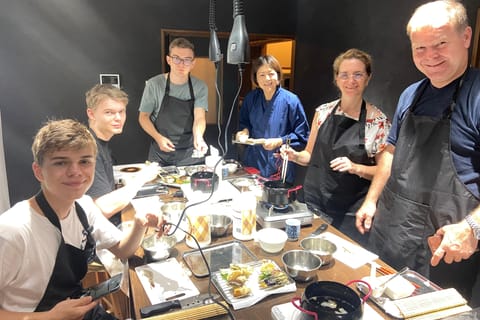
Kyoto: Japanese Washoku Bento Small Group Cooking Class
Learn how to assemble a Japanese-style lunch box during this cooking class in Kyoto. Make sushi rolls, tempura, tofu salad, and a Japanese rolled...
from¥9,500Check dates
64 editor-picked japanese izakayas across 28 cities.
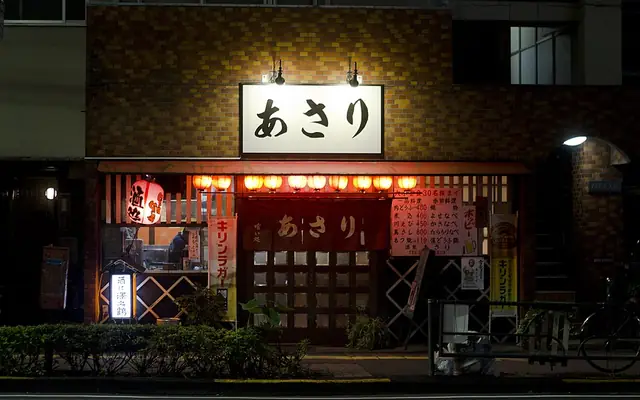
An izakaya is a Japanese drinking establishment that also serves food, structurally closer to a Spanish tapas bar than a restaurant. The food is otsumami (drinking food), designed to be eaten slowly across an evening of beer, sake, and shochu, in small plates ordered in waves. There is no fixed sequence of courses; diners order three or four things at a time, drink, then order more. A typical izakaya meal runs two to three hours and 12 to 25 dishes for a group of four.
The menu in an izakaya is the broadest in Japanese cuisine. It draws from yakitori (grilled chicken skewers), kushiage (deep-fried skewers), sashimi, simmered dishes (nimono), grilled fish, sunomono (vinegared salads), kara-age (Japanese fried chicken), oden (dashi-simmered stew), tofu preparations, agedashi, dashimaki tamago, potato salad, sausage, and a deep bench of rotating seasonal small plates. Most izakaya also do rice dishes and noodles as the closer of an evening (the 'shime' or finish: ochazuke, ramen, ramen-style yakisoba, or onigiri).
The izakaya is the most accessible Japanese restaurant format for travelers. The food covers the whole repertoire, the prices are honest (most plates 400 to 1200 yen), the staff are casual, and the drinking is integral, not optional. Most cities have izakaya alleys (yokocho) where the format originated as post-war drinking shacks: Shinjuku's Omoide Yokocho and Golden Gai, Yurakucho's gado-shita arches under the train tracks, Osaka's Hozenji Yokocho. The yokocho izakaya is the cheapest and the most atmospheric.
Tours, tastings and classes that match this page, bookable on GetYourGuide.
2h 30m
Learn how to assemble a Japanese-style lunch box during this cooking class in Kyoto. Make sushi rolls, tempura, tofu salad, and a Japanese rolled...

Guided tour · 3 hours
Enjoy a classic Japanese experience at select Izakaya spots. Savor fresh local food and drinks while exploring Shinjuku's vibrant area. Price covers...
Guided tour · 2 hours
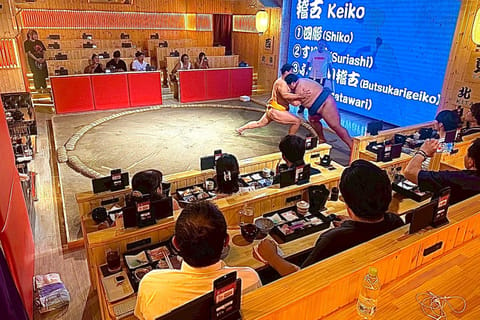
Learn the rules of sumo & how to practice it, watch demonstrations, and then have a go at wrestling yourself in Sapporo, Hokkaido. Enjoy Chanko-nabe...
Guided tour · 4 hours
The Wine Tour is an amazing and real experience not to be missed in the surrounding area of Cagliari. Enjoy the beautiful scenery while tasting some...
The best-scored japanese izakaya place in each of 12 cities.
The dozen izakayas lining Hozenji Yokocho are visible from Dotonbori but entered by only a fraction of tourists. Moss-covered walls and lanterns.
Why locals goThe alley is ten metres from Dotonbori canal but down a passage easily missed without looking for it.
Raku in Las Vegas is Mitsuo Endo's Chinatown izakaya since 2008, a binchotan-charcoal robata room that drew chefs from the Strip on their nights off.
OrderThe agedashi tofu, made in-house daily, and a run of robata skewers picked at the counter.
TipBooking is essential; the room is small and the line cooks slow when the counter fills. After-hours kitchen runs to 03:00.
Patrick Burke's Eastland Avenue ramen and izakaya counter in East Nashville serves the city's reliable late-night bowl: tonkotsu, miso, karaage and sake.
TryTonkotsu ramen and izakaya plates
TipFriday and Saturday kitchen runs until 23:00; happy hour 16:00-18:00 covers $5 small plates and discounted sake.
Hôntô is the moody basement izakaya through a black door on Alden Street. Otsumami small plates, yakitori, deep sake list, open Mon-Sun late.
SignatureOtsumami small plates, Yakitori skewers, Sashimi selection
Rintaro in San Francisco is Sylvan Mishima Brackett's Mission izakaya, with handmade soba, a robatayaki grill, and a sake list that pulls from small.
Why locals goMission izakaya from chef Sylvan Mishima Brackett; bookings are hard, but the bar room takes walk-ins and runs the full menu.
TipWalk in for the bar room at 18:00; the kitchen runs the full menu but you do not need a reservation.
Umami on 38th Street in Lawrenceville serves izakaya skewers and ramen in Pittsburgh. A lantern-lit room with a koi pond patio off Butler Street.
OrderA spread of yakitori, a bowl of ramen and a Japanese highball.
TipThe koi pond patio is the seat. Late kitchen on weekends; walk-in friendly midweek.
Ken Oringer's UNI inside the Eliot Hotel runs a contemporary Japanese izakaya and omakase counter in Boston's Back Bay since 2002, expanded in 2016.
Book2 weeks ahead
Kingyo Izakaya on Denman is Vancouver's reference modern izakaya since 2008, named one of Canada's best Japanese rooms by Air Canada's enRoute in 2014.
OrderStone-grilled gyu tan and buta kakuni, the kitchen's standout izakaya plates.
TipLunch walks in. Dinner books on OpenTable a week out; the chef's counter takes the omakase.
The Duc Ngo's 893 Ryotei on Berlin's Kantstrasse cooks Japanese-Peruvian izakaya plates and runs a sushi counter; the dining room serves until late.
OrderThe yellowtail sashimi with yuzu-truffle, the black-cod miso, and the chef sushi omakase.
TipBar counter for omakase is the best seating; book eight weeks ahead via the website.
Sushi Izakaya Gaku on South King is the long-running Japanese izakaya in Honolulu with sashimi, robata grill plates and the cult-favourite buta no kakuni.
OrderThe chef's sashimi selection and the buta no kakuni braised pork.
TipReservations open one month ahead. Order the day's specials board first; chef cuts the best fish for early diners.
Izakaya Minato on Washington Avenue opened 2017 from Chef Thomas Takashi Cooke, with binchotan-grilled yakitori, donburi bowls and a deep sake list.
OrderA flight of yakitori from the charcoal grill, then the chicken karaage.
TipTuesday to Saturday 17:00-21:30. Resy reservations open 30 days ahead.
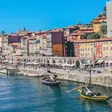
Euskalduna Studio in Porto's Bonfim is chef Vasco Coelho Santos's eight-seat counter, a Michelin-starred izakaya-style tasting menu of fermentations.
OrderThe chef's surprise menu; trust the kitchen.
Book4 weeks ahead
TipClosed Sunday and Monday. Eight seats only; book exactly four weeks ahead at 10:00.
The dozen izakayas lining Hozenji Yokocho are visible from Dotonbori but entered by only a fraction of tourists. Moss-covered walls and lanterns.
Why locals goThe alley is ten metres from Dotonbori canal but down a passage easily missed without looking for it.
Raku in Las Vegas is Mitsuo Endo's Chinatown izakaya since 2008, a binchotan-charcoal robata room that drew chefs from the Strip on their nights off.
OrderThe agedashi tofu, made in-house daily, and a run of robata skewers picked at the counter.
TipBooking is essential; the room is small and the line cooks slow when the counter fills. After-hours kitchen runs to 03:00.
Raku on Spring Mountain in Las Vegas is the Mitsuo Endo izakaya that draws Strip line cooks after midnight, robata until 03:00 and a tofu made fresh.
TryRobata skewers, agedashi tofu, the line-cook industry plate
TipBook 24 hours ahead or arrive after 23:00 for the bar; agedashi tofu, kurobuta pork belly skewers and the soba salad are the standing late-night order.
Patrick Burke's Eastland Avenue ramen and izakaya counter in East Nashville serves the city's reliable late-night bowl: tonkotsu, miso, karaage and sake.
TryTonkotsu ramen and izakaya plates
TipFriday and Saturday kitchen runs until 23:00; happy hour 16:00-18:00 covers $5 small plates and discounted sake.
Hôntô is the moody basement izakaya through a black door on Alden Street. Otsumami small plates, yakitori, deep sake list, open Mon-Sun late.
SignatureOtsumami small plates, Yakitori skewers, Sashimi selection
Rintaro in San Francisco is Sylvan Mishima Brackett's Mission izakaya, with handmade soba, a robatayaki grill, and a sake list that pulls from small.
Why locals goMission izakaya from chef Sylvan Mishima Brackett; bookings are hard, but the bar room takes walk-ins and runs the full menu.
TipWalk in for the bar room at 18:00; the kitchen runs the full menu but you do not need a reservation.
Over 200 izakayas packed into the alleys behind Tenmangu Shrine; entered almost exclusively by local workers, largely unseen from Tenjinbashi-suji.
Why locals goThe alleys are parallel to the main shopping arcade and one turn away; no tourist signage.
Umami on 38th Street in Lawrenceville serves izakaya skewers and ramen in Pittsburgh. A lantern-lit room with a koi pond patio off Butler Street.
OrderA spread of yakitori, a bowl of ramen and a Japanese highball.
TipThe koi pond patio is the seat. Late kitchen on weekends; walk-in friendly midweek.
Ken Oringer's UNI inside the Eliot Hotel runs a contemporary Japanese izakaya and omakase counter in Boston's Back Bay since 2002, expanded in 2016.
Book2 weeks ahead
The world's first Michelin-starred izakaya (one star since 2010); Shigeo Nakamura cooks dashimaki tamago and roasted chicken to careful izakaya standard.
OrderRoasted chicken, Dashimaki tamago, Sake pairing
Kingyo Izakaya on Denman is Vancouver's reference modern izakaya since 2008, named one of Canada's best Japanese rooms by Air Canada's enRoute in 2014.
OrderStone-grilled gyu tan and buta kakuni, the kitchen's standout izakaya plates.
TipLunch walks in. Dinner books on OpenTable a week out; the chef's counter takes the omakase.
Dachi on East Hastings is a counter-style izakaya since 2018 with a deep sake list and seasonal fish, Michelin Bib Gourmand 2022 and a Vancouver Magazine top.
OrderThe kitchen's fish crudo from the daily list, then yakitori skewers with a glass of sake.
TipTock reservations open 30 days out; the counter walks in for the early seating.
The Duc Ngo's 893 Ryotei on Berlin's Kantstrasse cooks Japanese-Peruvian izakaya plates and runs a sushi counter; the dining room serves until late.
OrderThe yellowtail sashimi with yuzu-truffle, the black-cod miso, and the chef sushi omakase.
TipBar counter for omakase is the best seating; book eight weeks ahead via the website.
Sushi Izakaya Gaku on South King is the long-running Japanese izakaya in Honolulu with sashimi, robata grill plates and the cult-favourite buta no kakuni.
OrderThe chef's sashimi selection and the buta no kakuni braised pork.
TipReservations open one month ahead. Order the day's specials board first; chef cuts the best fish for early diners.
Izakaya Minato on Washington Avenue opened 2017 from Chef Thomas Takashi Cooke, with binchotan-grilled yakitori, donburi bowls and a deep sake list.
OrderA flight of yakitori from the charcoal grill, then the chicken karaage.
TipTuesday to Saturday 17:00-21:30. Resy reservations open 30 days ahead.
Euskalduna Studio in Porto's Bonfim is chef Vasco Coelho Santos's eight-seat counter, a Michelin-starred izakaya-style tasting menu of fermentations.
OrderThe chef's surprise menu; trust the kitchen.
Book4 weeks ahead
TipClosed Sunday and Monday. Eight seats only; book exactly four weeks ahead at 10:00.
Izanami serves elevated izakaya plates and one of North America's deepest premium-sake lists inside the Ten Thousand Waves spa, off Hyde Park Road.
SignatureNami burger with wagyu, Black sesame noodles, Robata-grilled skewers
Uoshin Nogizaka in Tokyo is the seafood izakaya where the boat-shaped sashimi platter feeds four. Direct buying from the Toyosu auction floor each morning.
OrderThe big sashimi boat platter; grilled saba and aged tuna are the through-line.
TipWalk-ins only after 17:00; bring cash for the cover charge. Other Uoshin branches in Shinjuku and Shibuya.
Michelin Bib Gourmand 2026. Binchotan yakitori with heritage chicken, house-ground soba and a shochu list. Counter seating near Downtown Berkeley BART.
Kemuri Tatsu-ya in Austin is the Tatsu-ya team's Japanese-izakaya-meets-Texas-BBQ mash-up on East 2nd, a Michelin Bib Gourmand kitchen with sake list.
OrderThe brisket ramen; the tonkotsu broth runs into the BBQ kitchen and back out.
TipThe sake list is unusually deep for a BBQ-leaning room; ask the bar to route a flight from Junmai to Daiginjo.
Izakaya Den in Denver is the Kizaki brothers' South Pearl izakaya next door to Sushi Den, a small-plates and yakitori room with the same Toyosu Market fish.
OrderYakitori from the binchotan grill and the wagyu carpaccio.
TipWalk-up only at the bar. The dining room takes bookings; the kitchen closes at 11 pm, later than most South Pearl rooms.
Daruma Honten's Susukino dome grill runs to 05:00. The post-izakaya jingisukan close: single-cut lamb, the tare sauce, and a beer at the small grill.
TrySapporo-cut jingisukan
TipCash only; queue starts 17:30; after midnight is the local time.
Tasca Kome in Lisbon's Baixa: a Japanese-run kitchen on Rua da Madalena, serving takoyaki, salmon zukedon and ika somen sashimi, no fusion gimmicks.
OrderSalmon zukedon if you only have time for one bowl.
Zuma in Miami is Rainer Becker's modern Japanese izakaya at 270 Biscayne Boulevard Way, on the Miami River at the Epic Hotel, open in Brickell since 2010.
OrderRobata-grilled black cod miso, the dish carried across every Zuma globally.
TipSit on the river terrace at sunset; the indoor robata bar is the chef-counter alternative.
Yopparai on Clinton Street runs the Lower East Side's most serious sake bar in New York City. 70 by-the-cup sakes, izakaya snacks, 25 covers.
OrderSake flight of three small cups and the daily sashimi.
TipSake flights run with three-paragraph notes per pour. Bring patience and a friend who reads.
Sumire's late-night Susukino branch is the city's standard post-bar ramen close. Same miso broth as the Nakanoshima honten; one minute from the subway exit.
TryMiso ramen
TipOpen until 03:00 weekdays and Saturdays; perfect bookend to an izakaya crawl.
Gaijin Izakaya brings small Japanese plates to Cagliari on Via Giacomo Puccini, a narrow room of skewers and donburi that the Gambero Rosso guide rates.
OrderA run of skewers off the charcoal counter.
TipOnly four days a week, Wednesday to Saturday, and both sittings are small, so book ahead rather than walking up.
A standing-counter sake bar and oden room in a renovated Kyoto machiya. Chicken-paitan oden broth, 30-sake list and the Japanese-only blackboard menu.
OrderChicken paitan oden and sake flight of three
TipOpen until 01:00 weekdays, late dinner spot. Standing only, no reservations.
Ichicoro Imoto downtown is the izakaya sister of Ichicoro Ramen, with yakitori, sushi rolls and a sake program from the same Seminole Heights ownership.
OrderYakitori skewers, the chicken karaage, and one of the spicy tuna rolls.
TipBar seats are first-come; the sake list rotates monthly Walk-ins usually OK.
Ichicoro Ane in Tampa Heights is the izakaya sister of Ichicoro Ramen, with sushi rolls, robata grill items and a sake list across from Armature Works.
OrderSpicy tuna roll, robata yakitori and a sake flight.
TipWalk to Armature Works after; the patio takes overflow Walk-ins usually OK.
Hiro in Antwerp is an informal Japanese izakaya on Napoleonkaai overlooking the MAS. Located in Eilandje. Priced at €€€. Booking recommended.
OrderThe omakase counter seat; the chef builds plates around the day's fish and a short list of Japanese-inspired.
TipSit at the counter to follow the knife work. The basement room is louder; reserve upstairs for a quieter dinner.
A Hosui-Susukino seafood izakaya leaning on the morning catch at Otaru and Hakodate. Sashimi platters, seasonal nabe and a Hokkaido sake list.
OrderEight-cut sashimi platter with the day's market catch.
TipCounter and small private rooms; reserve a Friday seat a week ahead.
Hidden izakaya behind a Telegraph address (unit B at the back). Seasonal small plates, yakitori, nightly specials. No website. Minimum $15 per person.
Sake Bar is a japanese izakaya room in Kruununhaka. Order in rounds the izakaya way and let the sake list lead. Small and popular, so book a seat ahead.
Why locals goA small, low-lit izakaya on a quiet Kruununhaka street with a deep sake list and grilled skewers, the kind of room you only find if someone tells you.
TipOrder in rounds the izakaya way and let the sake list lead. Small and popular, so book a seat ahead.
Yamamori Izakaya on South Great George's Street in Dublin, the basement izakaya under the long-running ramen room, the city's most credible robata bar.
OrderRobata-grilled mackerel, a round of yakitori, and the basket of karaage to share.
TipThe basement runs late on weekends; the upstairs is the lunch room. Highballs at the back bar are €6 in happy hour.
Gonpachi Nishi-Azabu in Tokyo is the wood-beamed izakaya famous as the Kill Bill restaurant inspiration. Yakitori, soba and a dramatic two-floor room.
OrderMixed yakitori platter, soba and an Asahi pilsner.
TipReservations recommended. Open daily 11:30-03:30. Lunch sets are calmer and cheaper than dinner.
Nonbei Yokocho in Tokyo: Drunkard's Alley north of Shibuya Station, 40 tiny standing counters that seat four to six, locals only after 21:00.
Why locals goDrunkard's Alley north of Shibuya Station, 40 tiny standing counters that seat four to six, locals only after 21:00.
TipCash only at most counters; look for English-friendly signs. Many counters charge 500-yen seating fees.
An izakaya in Kyoto pairing fresh seafood from Maizuru Port with Kyotamba chicken plates. Karasuma-side address, almost everything under 1,000 yen.
OrderMaizuru sashimi mori-awase platter for two
TipReservations recommended on weekends. Lunch from 11:30, dinner runs to midnight.
Seven Lucky Gods runs all-day izakaya plates, sushi and highballs on the top deck of Cargo 2 at Wapping Wharf, Bristol, inspired by Tokyo's izakaya bars.
OrderKorean fried chicken with a yuzu highball; add sashimi if the counter is on.
TipThe top-deck terrace at sunset is one of the harbour's best cheap seats; pull up a stool and order too much.
A rare late-night izakaya in Kyoto that runs until 05:00 most days. Slow-cooked pork trotter, oden plates and the after-shift crowd from Pontocho counters.
OrderToroton pork trotter with house oden
TipCash and card accepted. Walk-in seats easiest 03:00-05:00; closed lunch.
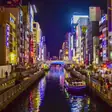 Osaka7 places
Hozenji Yokocho Sake Counter, Tenma Izakaya Backstreets
Osaka7 places
Hozenji Yokocho Sake Counter, Tenma Izakaya Backstreets
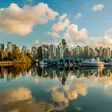 Vancouver7 places
Kingyo Izakaya, Dachi
Vancouver7 places
Kingyo Izakaya, Dachi
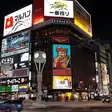 Sapporo5 places
Jingisukan Daruma Honten, Sumire Susukino
Sapporo5 places
Jingisukan Daruma Honten, Sumire Susukino
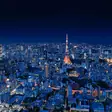 Tokyo4 places
Uoshin Nogizaka, Gonpachi Nishi-Azabu
Tokyo4 places
Uoshin Nogizaka, Gonpachi Nishi-Azabu
 Berkeley3 places
Ippuku, Kiraku
Berkeley3 places
Ippuku, Kiraku
 Cagliari3 places
Gaijin Izakaya
Cagliari3 places
Gaijin Izakaya
 Kyoto3 places
Ponshya Santoku, Kirakutei
Kyoto3 places
Ponshya Santoku, Kirakutei
 Las Vegas3 places
Raku, Raku (Spring Mountain)
Las Vegas3 places
Raku, Raku (Spring Mountain)
 Nashville3 places
Two Ten Jack
Nashville3 places
Two Ten Jack
 Pittsburgh3 places
Umami
Pittsburgh3 places
Umami
 Austin2 places
Kemuri Tatsu-ya
Austin2 places
Kemuri Tatsu-ya
 Berlin2 places
893 Ryotei
Berlin2 places
893 Ryotei
 Brisbane2 places
Hôntô
Brisbane2 places
Hôntô
 Helsinki2 places
Sake Bar
Helsinki2 places
Sake Bar
 Tampa2 places
Ichicoro Imoto, Ichicoro Ane
Tampa2 places
Ichicoro Imoto, Ichicoro Ane
 Antwerp1 place
Hiro
Antwerp1 place
Hiro
 Boston1 place
UNI
Boston1 place
UNI
 Bristol1 place
Seven Lucky Gods
Bristol1 place
Seven Lucky Gods
 Denver1 place
Izakaya Den
Denver1 place
Izakaya Den
 Dublin1 place
Yamamori Izakaya
Dublin1 place
Yamamori Izakaya
 Honolulu1 place
Sushi Izakaya Gaku
Honolulu1 place
Sushi Izakaya Gaku
 Lisbon1 place
Tasca Kome
Lisbon1 place
Tasca Kome
 Miami1 place
Zuma
Miami1 place
Zuma
 New York City1 place
Yopparai
New York City1 place
Yopparai
 Portland1 place
Izakaya Minato
Portland1 place
Izakaya Minato
 Porto1 place
Euskalduna Studio
Porto1 place
Euskalduna Studio
 San Francisco1 place
Rintaro
San Francisco1 place
Rintaro
 Santa Fe1 place
Izanami at Ten Thousand Waves
Santa Fe1 place
Izanami at Ten Thousand Waves
Heavy on grilled fish, yakitori, oden, and shoyu-based preparations. The classic Tokyo izakaya leans toward dashi-and-soy seasoning, with sake from across the country. Yurakucho gado-shita has the densest cluster of standing bars (tachinomi) and basement izakaya.
Kushikatsu (deep-fried skewers, double-dipping into the communal sauce is forbidden) dominates. Kuromon market izakaya focus on fresh seafood. Osaka's izakaya are louder, larger, and lean toward the local 'kuidaore' ethos of eating to collapse.
Yatai street stall izakaya line the Nakasu and Tenjin districts. Open-air, two-meter counters, low stools, motsunabe (offal hotpot) and yakitori. The closest thing to a Bangkok street-food bar in Japan.
Heavier on seafood (hairy crab, salmon, scallop, uni), butter-based grilled dishes, and lamb (jingisukan, the Hokkaido grilled-lamb specialty). Sapporo's Susukino district has the densest izakaya cluster.
Open with drinks before food: most groups order beer (nama biru, draft) first, then sake or shochu as the night progresses. The standard greeting from the staff (irasshaimase) does not require a response. Order in waves: three or four small plates first, then more as the meal develops. Yakitori is ordered piece by piece (or as a moriawase, mixed plate of 5 to 8 skewers); specify shio or tare. Sashimi is ordered as a moriawase or by single piece. Most izakaya have a small cover charge (otoshi or tsukidashi) that arrives unrequested as a small first dish (often 300 to 600 yen per person); this is normal, not a scam. Bills are added up by the table and paid at the door, not at the table. Tipping is not done. The rookie mistakes are ordering everything at once (the food arrives slow-cooked and out of order), expecting English menus (better izakaya often have only Japanese; point at the menu or at neighboring tables), and double-dipping kushikatsu skewers into the communal Osaka sauce (a deep transgression).
Beer first, almost universally. Asahi Super Dry, Kirin Ichiban, Sapporo, or Yebisu in 350ml or 500ml glasses. Sake (cold for premium junmai daiginjo, warm for table-grade) is ordered by the small flask (tokkuri). Shochu (a distilled spirit from sweet potato, barley, or rice) is drunk on the rocks (lock), with hot water (oyu-wari), or as a highball with soda and lemon (chu-hi). Japanese whisky highballs (haibōru) are now the default young-drinker order. Umeshu (plum wine) is the standard sweet finish. Sour cocktails (lemon sour, grapefruit sour) are popular early in the night. Pace drinks alongside food; izakaya are not bars where alcohol comes first.
Tokyo holds the deepest izakaya scene: Shinjuku's Omoide Yokocho (Memory Lane) and Golden Gai for the post-war shack aesthetic, Yurakucho's gado-shita for the under-the-tracks atmosphere, and Ebisu and Nakameguro for the modern craft-sake-led izakaya. Osaka's Hozenji Yokocho and Kuromon market izakaya for the louder Osakan version. Kyoto's Pontocho alley for the elegant historical format. Fukuoka's yatai for the open-air street stall izakaya. Outside Japan, izakaya have spread fastest in New York (Sake Bar Decibel, Sakagura), London (Tonkotsu, Engawa), Vancouver, São Paulo, and Honolulu; Sydney and Melbourne hold particularly strong izakaya thanks to direct Japanese chef migration.
Izakaya originated in the Edo period (1603-1868) as sake shops that began offering snacks to drinkers who wanted to consume on the premises. The 'i' in izakaya literally means 'to stay'; an izakaya is a sake shop one stays in. The post-war yokocho izakaya (shanty drinking alleys built on bombed-out Tokyo land) shaped the modern format. Craft sake and shochu booms in the 2000s pushed the izakaya into a more ambitious gastronomic mode, especially in Tokyo's Shibuya and Ebisu.
No. It is otoshi (or tsukidashi in Kansai), a customary cover charge expressed as a small first dish, typically 300 to 600 yen per person. It is the price of holding the table and signals the start of service. It is on every izakaya bill.
Yes, but the rhythm of an izakaya assumes several rounds of food and drink over 90 minutes or more. A solo diner ordering one beer and one karaage is fine at a casual yokocho stall but unusual at a sit-down izakaya, where the table charge expects more spend.
An izakaya leads with food and uses drinks as a continuous accompaniment. A Japanese bar (often a hostess bar, snack bar, or whisky bar) leads with drinks and serves only token food. A standing bar (tachinomi) is an izakaya in standing form, cheaper and faster.
More cities are in research. Want japanese izakaya covered somewhere specific? Tell us where you want to eat.