-
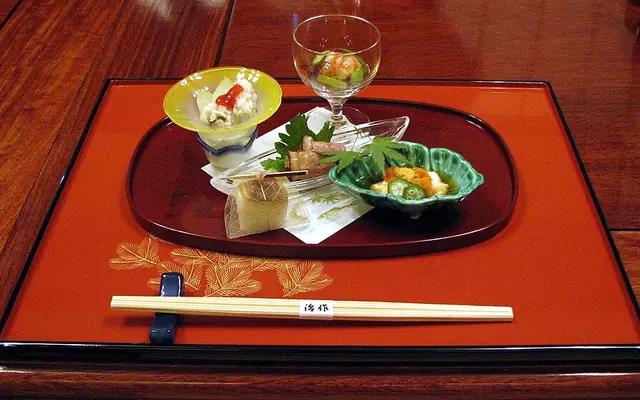
Order Seasonal kaiseki course
One of Osaka's three three-Michelin-starred restaurants: kaiseki in a wooden sukiya house in Senriyama, built on Naniwa vegetables and Awaji produce.
-
Two-Michelin-starred kaiseki in a formal tea-house setting; Chef Hamano uses Osaka Bay seafood and Naniwa vegetables in precise seasonal courses.
-
Order Tako kanroni, Daikon oden, Ganmodoki
Operating since 1844, this Dotonbori landmark serves Osaka's most storied oden: simmered daikon, octopus, and tako kanroni in ancient dashi.
-
Two Michelin stars; chef Keisuke Mifune brings a kaiseki-rooted omakase that shifts monthly with Kansai seasonal produce at a Tennoji counter.
-
-
Order Seasonal kaiseki course
One Michelin star; a sukiya-style kaiseki room in Kitahorie where the second-generation chef sources seasonal Kansai produce in the Kitcho tradition.
-
Order Zuwaigani course, Kani suki (crab hot pot), Kani gratin
The restaurant behind Dotonbori's mechanical crab sign, serving full Hokkaido crab courses and individual crab kaiseki since 1960 on five floors.
-
Order Classic buta-tama, Kimchi okonomiyaki, Yakisoba
The Namba CITY branch of Osaka's Tsuruhashi Fugetsu chain, cooking pork belly and squid okonomiyaki on a teppan counter just south of Dotonbori.
-
Order Beef tongue skewer, Asparagus wrapped pork, Cheese and nori
The 1929 Daruma flagship beneath Tsutenkaku Tower; the sauce-no-double-dip rule is enforced at the counter; skewers arrive in rapid unbroken succession.
-
Order Kitsune udon, Kakiage tempura udon, Ankake udon (winter)
One of Dotonbori's oldest udon restaurants; the kitsune udon recipe has been unchanged since the 1940s; dashi is simmered in a 70-year-old clay pot.
-
Order Akage wagyu karubi, Kobe beef, House kimchi
Halal-certified yakiniku on the fifth floor of OCAT Mall, Namba; Akage wagyu and Kobe beef grilled table-side, all meat halal-sourced, prayer space available.
-
Order Tako kanroni, Daikon oden, Kinchaku
Operating since 1844, this Dotonbori institution serves the city's most storied oden: daikon, octopus, ganmodoki in unchanged ancient dashi.
-
Order Omurice, Cream croquette, Hayashi rice
Birthplace of omurice in 1922: thin omelette folded over seasoned chicken rice on a teppan.
-
Order Beef kushikatsu, Shrimp, Lotus root, Quail egg
The Shinsekai Daruma flagship below Tsutenkaku Tower, serving thin-battered skewers with the communal sauce pot; the no-double-dip rule is strictly enforced.
-
Order Beef skewer, Pork and negi, Corn
A standing kushikatsu counter inside Shin-Umeda Shokudogai postwar food alley; from ¥100 per skewer, busy at lunch and after work with office workers.
-
Order Vegan obanzai set, Tofu karaage, Seaweed dashi ramen
A vegan Japanese diner reimagining Osaka soul food: tofu karaage, vegan dashimaki tamago, and obanzai daily plates using kombu dashi and no animal products.
-
Order Gluten-free okonomiyaki, Yakisoba teppan, Tsukimi okonomiyaki
A Tenma teppan izakaya whose okonomiyaki and yakisoba are made entirely with gluten-free rice flour, cooked with nagaimo yam and pork belly.
-
Order Buta-tama (pork okonomiyaki), Ika-tama (squid), Negiyaki (spring onion)
A Dotonbori okonomiyaki landmark of more than 70 years; nagaimo yam batter and pork belly on a table teppan, with bonito flakes and house sauce.
-
Kashiwaya Osaka Senriyama in Osaka holds three Michelin stars and a Michelin Green Star for sustainability, with chef Hideaki Matsuo drawing.
-
Two Michelin stars; chef Shintaro Matsuo builds Osaka-style kaiseki with Naniwa produce, richer dashi, and deeper umami than Kyoto counterparts.
-
Yugen holds two Michelin stars; chef Keisuke Mifune offers an approachable kaiseki in Tennoji using Osaka seafood in seasonal multi-course progression.
-
Tonkatsu Koshiro runs an omakase tonkatsu counter at Minami-Senba; three lunch cuts and six dinner cuts daily, each explained cut-by-cut at the 10-seat bar.
-
Order Morning set, Blend coffee, Pudding a la mode
A 1970 basement kissaten under Umeda's Ekimae Daiichi Building, designed on a space theme; house-roasted blend coffee still costs 350 yen a cup.
-
Order Morning set, Blend coffee, Milano sandwich
Osaka's most-used commuter coffee chain near Hankyu Umeda; the morning set is toast, hard-boiled egg, and blend coffee under ¥500 until 11:00.
-
The Shinsekai Daruma flagship is open until 22:30; the final hour is when local crowds thin and skewers move fastest from the fryer to the counter.
-
A corrugated-iron food alley under Umeda station, serving ramen and kushikatsu since 1945 at counters 30 metres from Osaka's most expensive street.
-
A 1970 basement kissaten under Umeda's Ekimae Daiichi Building, designed on a space theme and certified by Osaka's living-architecture museum.
-
The standing counter outside the Shinsekai Daruma flagship serves kushikatsu from ¥140 per skewer; order six skewers for a full meal under ¥1000.
-
A standing kushikatsu counter inside Shin-Umeda Shokudogai postwar alley; five skewers and a beer for under ¥1000 at a genuine Osaka counter.
-
Around 500 yen buys a plate of takoyaki at Aizuya, the shop that invented it in 1933; seasoned in the batter and served without sauce or mayonnaise.
-
The Doutor morning set is ¥440: toast, hard-boiled egg, and blend coffee until 11:00.
-
Order Omurice, Cream croquette
The birthplace of omurice opens at 11:30; the 1922 recipe of egg draped over chicken fried rice with demi-glace is effectively a historic late brunch.