Our 122 places in these neighborhoods, and hotels in each one. Sleep where you want to eat: every search below opens on that neighborhood with your nights filled in.
Historic centre south of Piazza Navona: Campo de' Fiori, a produce market by 1869, with Salumeria Roscioli and Forno Campo de' Fiori on streets named for old trades.
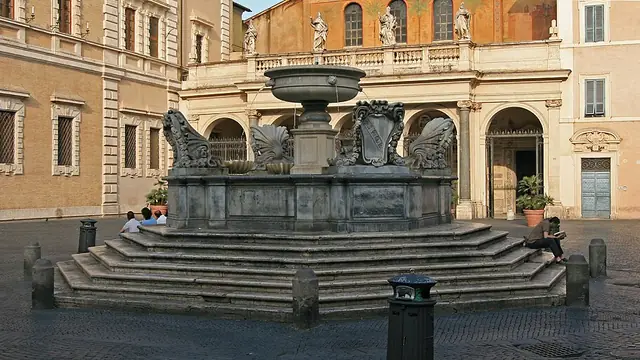
Rione across the Tiber with narrow cobbled streets and ancient houses, many pubs and restaurants that fill at night, and a market on Piazza San Cosimato since the early 1900s.
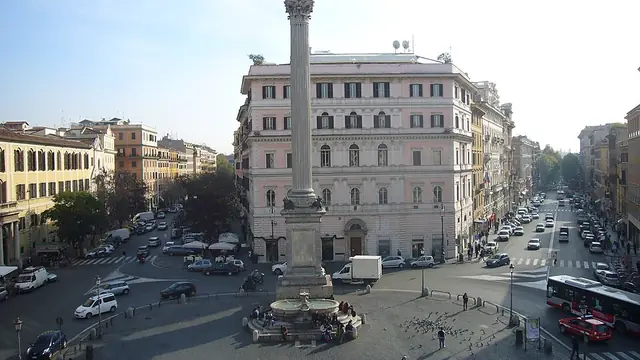
Rione around the arcaded Piazza Vittorio Emanuele II, home to a Chinese community since the 1960s, with a covered market selling Chinese, Indian, halal and Bengali goods.
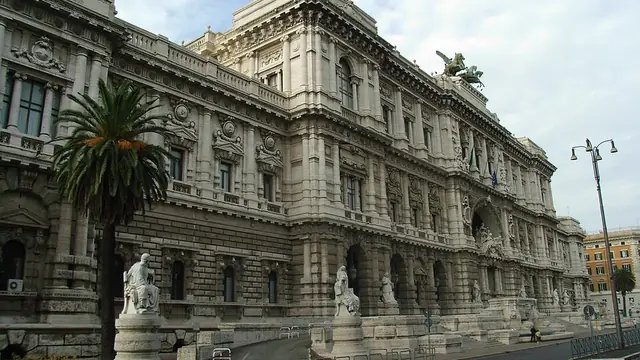
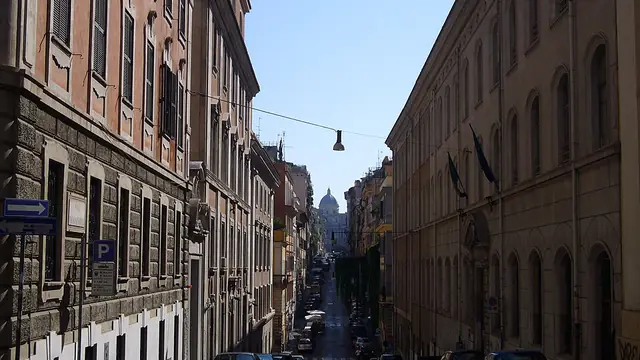
Planned from 1883 for civil servants, with wide straight streets; Via Cola di Rienzo is the shopping spine, with a covered market of 1928 on Piazza dell'Unità.
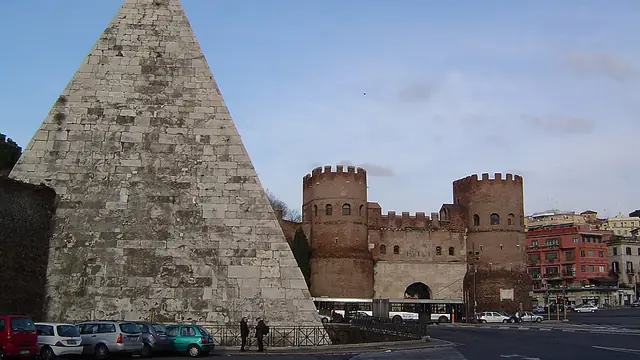
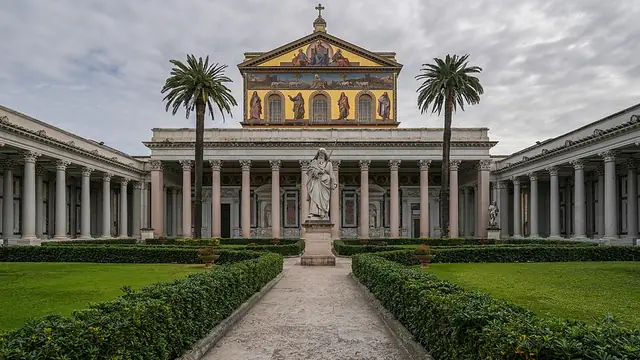
Working-class quarter around Monte Testaccio, laid out from 1873 for industry; Checchino dal 1887 and Flavio al Velavevodetto cook the slaughterhouse quinto quarto.
Industrial quarter that grew from 1907 along Via Ostiense around the gasometer and the Centrale Montemartini; Eataly fills Roma Ostiense station, and Garbatella lies within it.
Hilly rione by the Colosseum; between Via Nazionale and Via Cavour, narrow streets with artisan workshops and small shops keep a nineteenth-century look.
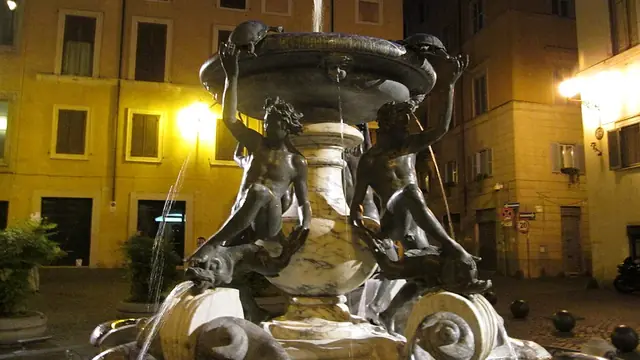
Rome's old Jewish quarter, walled in by Pope Paul IV in 1555 around Via del Portico d'Ottavia, where Ba'Ghetto serves kosher Judeo-Roman cooking such as carciofi alla giudia.
The part we do know: where to eat once you have dropped the bags.
Hotels and rates come from our booking partners, not from editor visits. Live prices and availability are on their sites, and we earn a commission if you book, at no cost to you.