Signature dishes
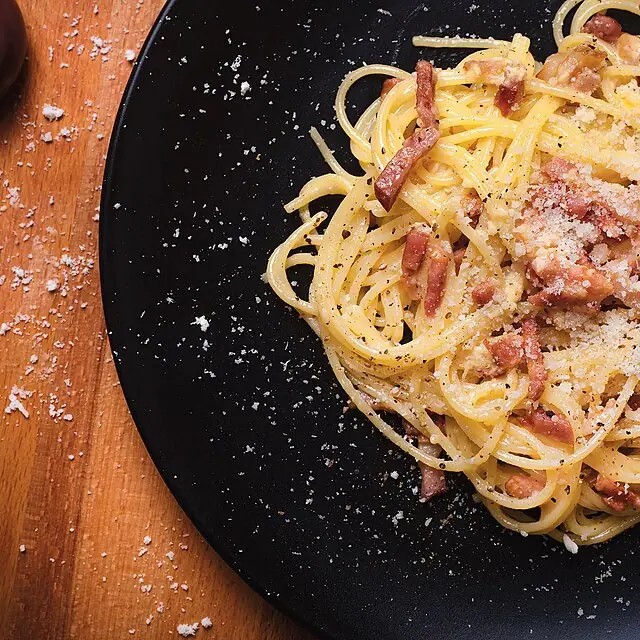
Carbonara is Rome's defining pasta: spaghetti or rigatoni tossed in a creamy emulsion of raw egg yolks, grated pecorino romano, black pepper and crisp guanciale (cured pork jowl). No cream, ever.
Where: Salumeria Roscioli, Felice a Testaccio, Armando al Pantheon, Da Enzo al 29, Antico Arco
Price: €14-€22
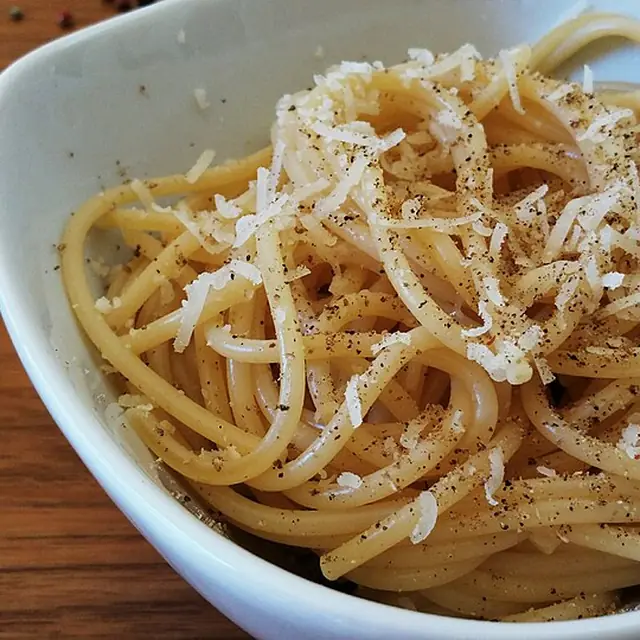
Cacio e pepe is Rome's three-ingredient pasta: tonnarelli or spaghetti tossed in a creamy emulsion of grated pecorino romano, pasta water and crushed black pepper. Nothing more.
Where: Felice a Testaccio, Armando al Pantheon, Da Cesare al Casaletto, Salumeria Roscioli, Santo Palato
Price: €12-€20
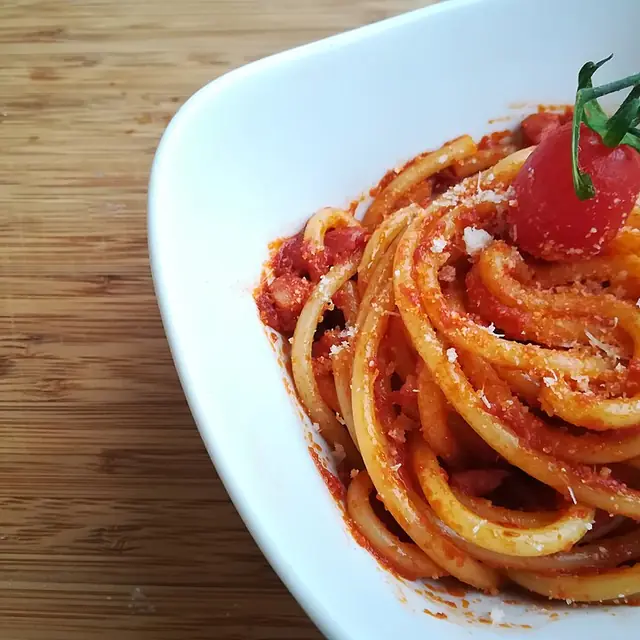
Amatriciana is Rome's tomato-and-guanciale pasta: bucatini tossed in a sauce of guanciale, peeled tomatoes, white wine, pecorino romano and chilli. The dish comes from Amatrice in the Lazio mountains.
Where: Perilli, Matricianella, Trattoria Pennestri, Armando al Pantheon
Price: €14-€20
Gricia is the fourth Roman pasta: rigatoni tossed in a sauce of crisp guanciale, rendered fat, grated pecorino romano and cracked black pepper. Often called the carbonara without the egg.
Where: Flavio al Velavevodetto, Trattoria Pennestri, Felice a Testaccio, Santo Palato
Price: €12-€18
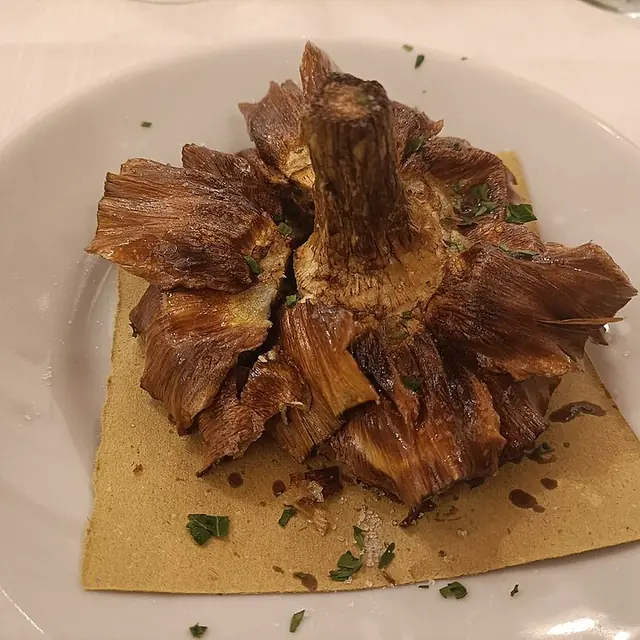
Carciofo alla giudia is the Roman-Jewish artichoke dish: a whole Romanesco artichoke trimmed, pressed open, twice-fried in olive oil until the outer leaves crackle like fritters. The Ghetto's classic.
Where: Ba'Ghetto, Nonna Betta, Da Enzo al 29, Antica Pesa
Price: €8-€14
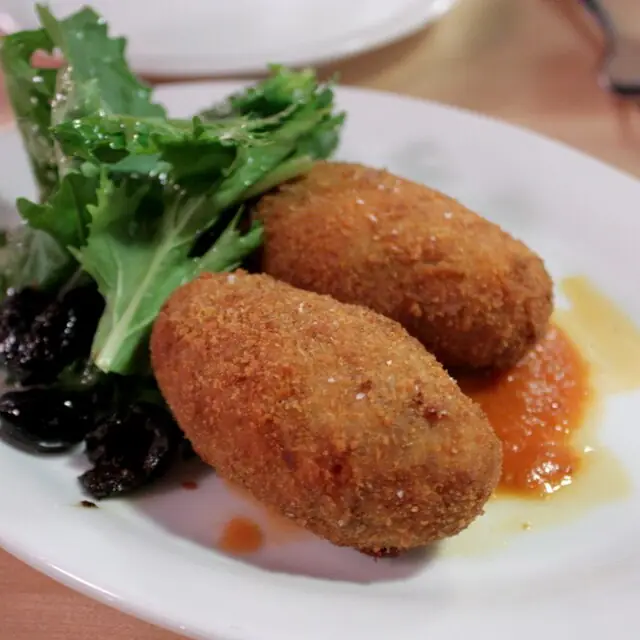
Suppli al telefono is Rome's fried rice ball: a saffron-tomato risotto wrapped around a cube of mozzarella, breaded and deep-fried so the cheese stretches into the namesake telephone-wire when split.
Where: Supplizio, I Suppli, Pizzeria Da Remo, Trapizzino
Price: €2-€3
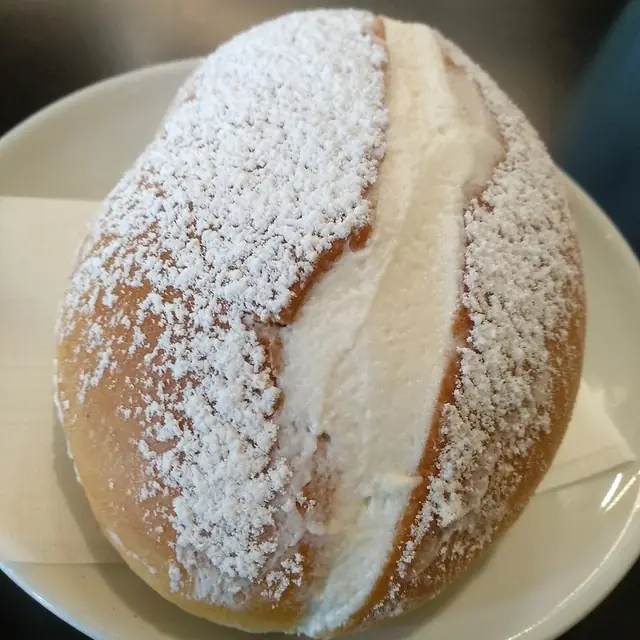
Maritozzo con la panna is Rome's classic sweet bun: a soft enriched-dough oval split lengthways and stuffed to overflowing with cold whipped cream. The morning pastry of the Centro Storico cafes.
Where: Pasticceria Regoli, Pasticceria Innocenti, Antico Forno Roscioli, Il Maritozzo Rosso
Price: €3-€5
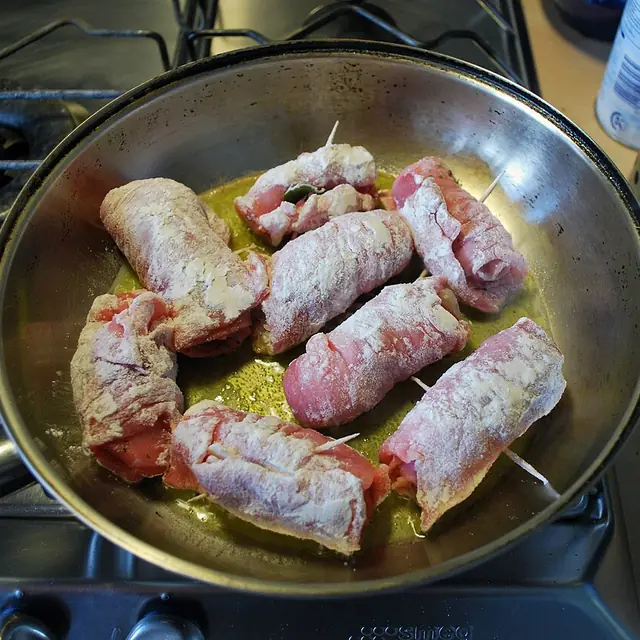
Saltimbocca alla romana is Rome's veal scaloppine: thin veal escalopes layered with prosciutto crudo and a sage leaf, pan-fried in butter and finished with a white-wine pan sauce. The dish jumps in the mouth.
Where: Felice a Testaccio, Matricianella, Armando al Pantheon, Trattoria Da Teo
Price: €16-€26
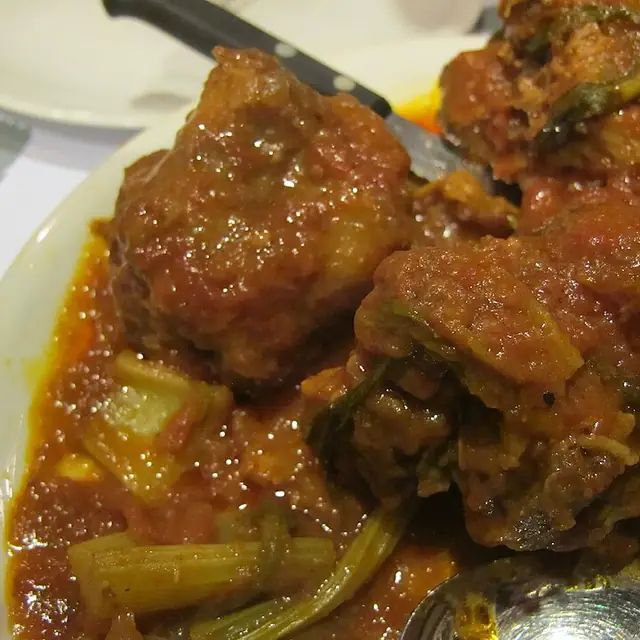
Coda alla vaccinara is Rome's slow-cooked oxtail stew: braised for hours in red wine, tomato, celery and cocoa, served falling-off-the-bone with the gravy spooned over pasta or polenta.
Where: Checchino dal 1887, Flavio al Velavevodetto, Armando al Pantheon, Perilli
Price: €18-€28
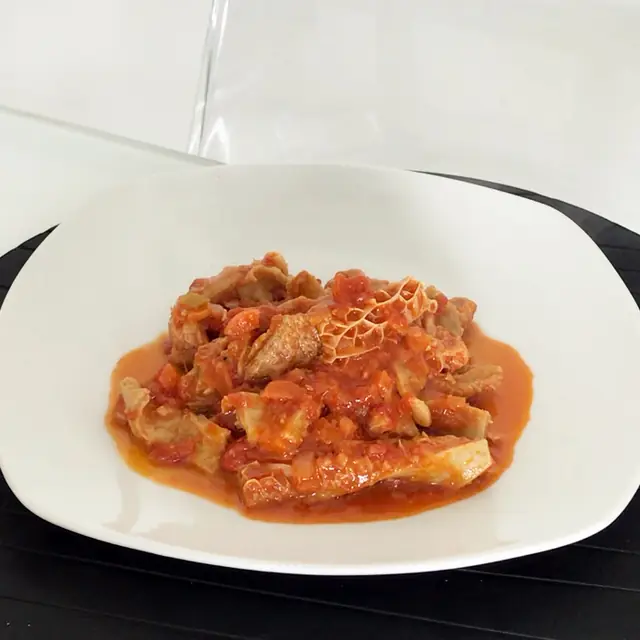
Trippa alla romana is Rome's tripe dish: honeycomb tripe simmered in tomato sauce with celery, mint and a generous shower of grated pecorino romano. The Saturday lunch of the Testaccio quarter.
Where: Santo Palato, Checchino dal 1887, Perilli, Trattoria Pennestri
Price: €14-€20
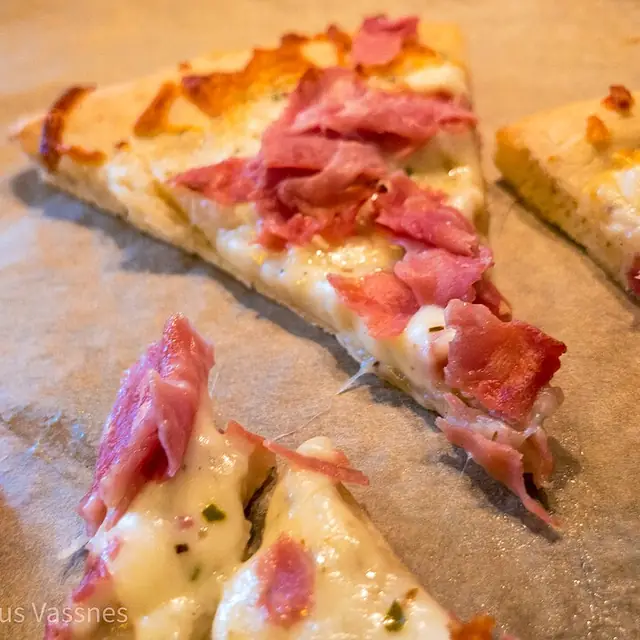
Pizza bianca is Rome's salt-and-olive-oil flatbread: a long focaccia-like dough baked in a wood oven, salted and oiled, sold by weight at the city's forni for €3 to €4 per slice.
Where: Forno Campo de' Fiori, Antico Forno Roscioli, Panificio Bonci, Panella L'Arte del Pane
Price: €3-€7
Abbacchio scottadito is Rome's spring-lamb dish: milk-fed Lazio lamb chops grilled on a wood fire and eaten hot with the hands, the namesake scottadito meaning burns-the-fingers.
Where: Felice a Testaccio, Armando al Pantheon, Trattoria Pennestri, Perilli
Price: €20-€28
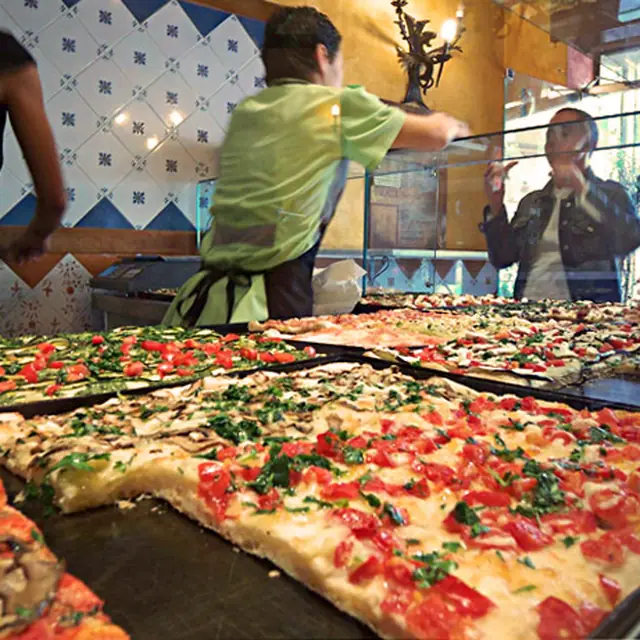
Long rectangular trays of focaccia-thick pizza baked on the floor of an electric oven, cut to size with scissors and sold by weight. The Roman everyday lunch.
Where: Pizzarium, Bonci Pizzarium, Panificio Bonci
Price: €4-8 per slice
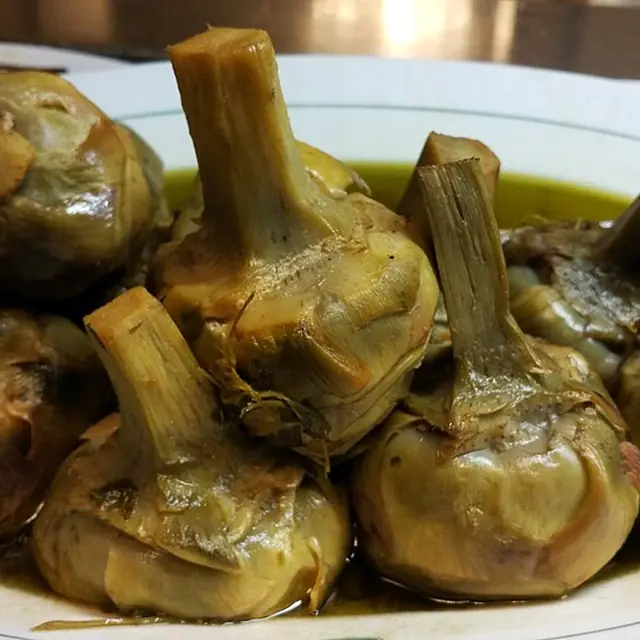
Whole Romanesco artichokes braised in white wine, olive oil and mentuccia (Roman wild mint), served stem-up at room temperature. The defining spring Roman vegetable plate.
Where: Piatto Romano, Matricianella, Da Cesare al Casaletto
Price: €8-14
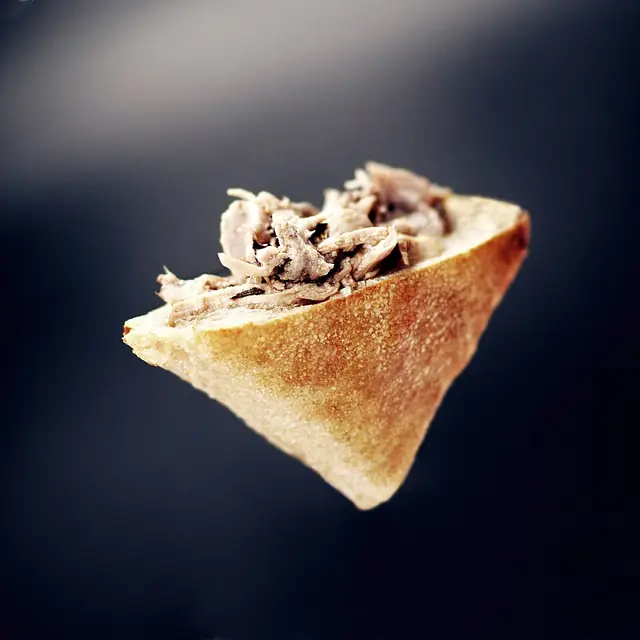
A triangle of pizza-bianca dough split open like a pita and stuffed with the Roman classics: chicken cacciatora, lingua in salsa verde, polpette al sugo. The Roman fast-food invention of 2008.
Where: Trapizzino
Price: €5-8 per piece
Curly white shoots of catalogna chicory, soaked in iced water to crisp and curl, dressed with anchovy, garlic, vinegar and olive oil. The Roman winter salad.
Where: Felice a Testaccio, Matricianella, Flavio al Velavevodetto
Price: €8-12
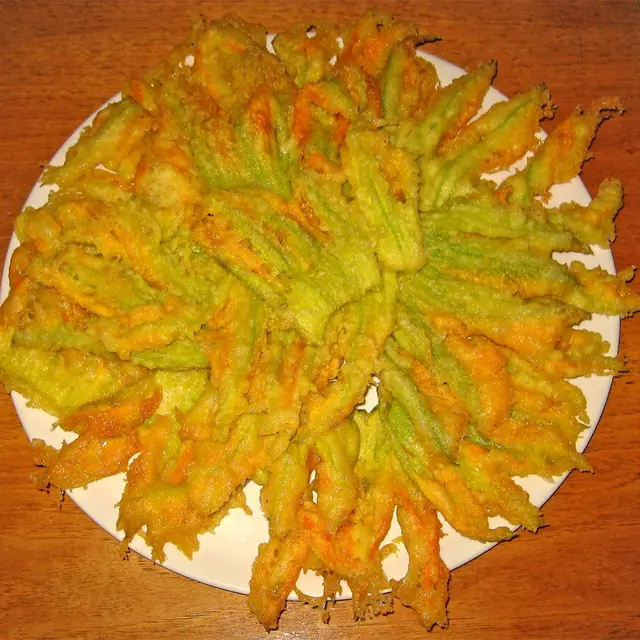
Zucchini blossoms stuffed with mozzarella and a fillet of anchovy, dipped in a cold beer batter and deep-fried until shatter-crisp. The summer Roman antipasto.
Where: Pianostrada, Forno Campo de' Fiori, Da Enzo al 29
Price: €4-7 per piece
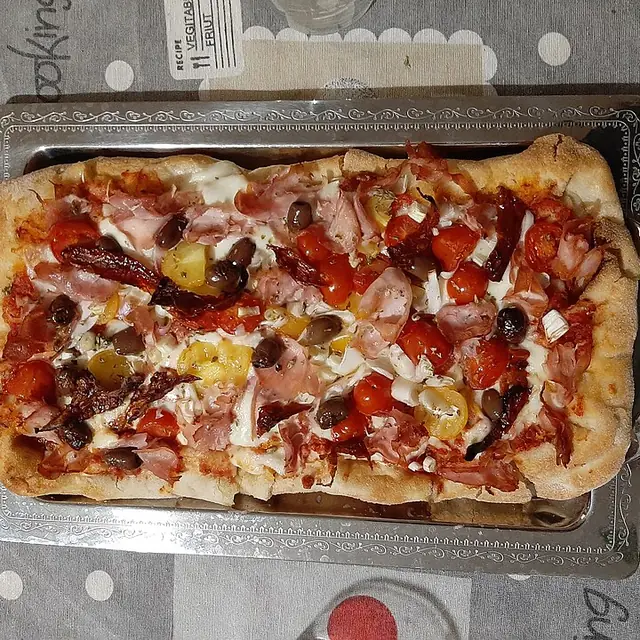
An oval long-fermented flatbread of wheat, rice and soy flours, baked thin and crisp underneath with a soft fluffy crumb. The newer Roman pizza format.
Where: 180g Pizzeria Romana, Pizzeria Da Remo
Price: €10-16
Carbonara
Carbonara is Rome's defining pasta: spaghetti or rigatoni tossed in a creamy emulsion of raw egg yolks, grated pecorino romano, black pepper and crisp guanciale (cured pork jowl). No cream, ever.
History: The carbonara took shape in Rome between 1944 and 1950, the most-told origin story crediting the Allied troops who arrived in the city with bacon and powdered eggs that Roman cooks blended with their black pepper and pecorino tradition. The first written recipe was published in La Cucina Italiana in 1954 by Renato Gualandi. From the 1960s onward, the dish replaced guanciale (cured pork jowl) for the bacon, and the rule against cream was codified by the Accademia Italiana della Cucina in 1985. Felice a Testaccio, Roscioli and Armando al Pantheon all serve canonical versions; modern fine-dining rooms like Marco Martini reinterpret the egg-and-cheese emulsion as a smoked custard.
Where to try it: Salumeria Roscioli, Felice a Testaccio, Armando al Pantheon, Da Enzo al 29, Antico Arco
Watch out for: Gluten, Egg, Dairy
Cacio e pepe
Cacio e pepe is Rome's three-ingredient pasta: tonnarelli or spaghetti tossed in a creamy emulsion of grated pecorino romano, pasta water and crushed black pepper. Nothing more.
History: Cacio e pepe predates carbonara by centuries. Shepherds in the Lazio mountains carried pecorino romano, black pepper and dried pasta on long transhumance routes from the 1700s onward; the three ingredients kept and combined into a hot meal at any inn. The Roman bistro form emerged in the 19th-century working-quarter trattorias. The dish has only three ingredients and zero margin for error: the emulsion must be glossy, not lumpy. Tonnarelli (Lazio's egg-pasta cousin to spaghetti) is the canonical shape. Da Cesare al Casaletto serves the famous fried-cup variation; Felice a Testaccio's table-side toss is the classic Roman service ritual.
Where to try it: Felice a Testaccio, Armando al Pantheon, Da Cesare al Casaletto, Salumeria Roscioli, Santo Palato
Watch out for: Gluten, Dairy
Bucatini all'amatriciana
Amatriciana is Rome's tomato-and-guanciale pasta: bucatini tossed in a sauce of guanciale, peeled tomatoes, white wine, pecorino romano and chilli. The dish comes from Amatrice in the Lazio mountains.
History: The amatriciana originated in Amatrice, the Lazio mountain town in the province of Rieti, as a shepherd's pasta with guanciale, tomato and pecorino. The dish reached Rome with Amatrice migrants in the 19th century and was rapidly adopted as the city's third great pasta after carbonara and cacio e pepe. The 2016 earthquake that devastated Amatrice prompted Roman restaurants to add a €2 supplement to every plate of amatriciana, raising funds for the town's reconstruction. The canonical recipe omits onion and garlic; guanciale (cured pork jowl) is mandatory, not pancetta. Perilli in Testaccio, Matricianella in the Centro Storico and Trattoria Pennestri all serve canonical versions of the dish.
Where to try it: Perilli, Matricianella, Trattoria Pennestri, Armando al Pantheon
Watch out for: Gluten, Dairy
Rigatoni alla gricia
Gricia is the fourth Roman pasta: rigatoni tossed in a sauce of crisp guanciale, rendered fat, grated pecorino romano and cracked black pepper. Often called the carbonara without the egg.
History: The gricia is the oldest of the four Roman pastas, predating tomatoes (and thus amatriciana) by centuries. The dish takes its name either from Grisciano, a hamlet near Amatrice in the Lazio mountains, or from the grici, the bread merchants who supplied flour and pasta to Roman trattorias before unification. The recipe is guanciale, pecorino, black pepper and pasta water with no tomato. The rigatoni shape (or in some kitchens mezze maniche) catches the pecorino emulsion in its ridges. Flavio al Velavevodetto, Trattoria Pennestri and Felice a Testaccio all serve canonical versions; the dish is considered the Roman pasta technique's purest test.
Where to try it: Flavio al Velavevodetto, Trattoria Pennestri, Felice a Testaccio, Santo Palato
Watch out for: Gluten, Dairy
Carciofo alla giudia
Carciofo alla giudia is the Roman-Jewish artichoke dish: a whole Romanesco artichoke trimmed, pressed open, twice-fried in olive oil until the outer leaves crackle like fritters. The Ghetto's classic.
History: Carciofo alla giudia originated in Rome's Jewish Ghetto, the 1555-founded papal quarter where Jewish cooks adapted the local Romanesco artichoke into a twice-fried dish that softened the heart while crisping the outer leaves to a flower-like fritter. The technique reached its modern form by the mid-19th century; Sora Margherita and Boccione codified the service ritual. The artichoke season runs March to May only, when Romanesco artichokes from the Castelli Romani are at their peak.
Where to try it: Ba'Ghetto, Nonna Betta, Da Enzo al 29, Antica Pesa
Suppli al telefono
Suppli al telefono is Rome's fried rice ball: a saffron-tomato risotto wrapped around a cube of mozzarella, breaded and deep-fried so the cheese stretches into the namesake telephone-wire when split.
History: The suppli emerged in Rome's working-class trattorias and friggitorie in the early 20th century, with the namesake al telefono (on the telephone) attributed to the stringy mozzarella centre that resembles a telephone wire when the suppli is broken open. The dish is the Roman parallel to the Sicilian arancino but smaller (palm-sized), cylindrical, and built on a tomato-flavoured risotto base. Roman pizzeria culture made suppli the standard antipasto and street snack: every Roman pizzeria has them. Modern variations from Supplizio include cacio e pepe, amatriciana and mortadella. The classic three-bite suppli at any pizzeria runs €2 to €3 and is hand-eaten standing.
Where to try it: Supplizio, I Suppli, Pizzeria Da Remo, Trapizzino
Watch out for: Gluten, Dairy, Egg
Maritozzo con la panna
Maritozzo con la panna is Rome's classic sweet bun: a soft enriched-dough oval split lengthways and stuffed to overflowing with cold whipped cream. The morning pastry of the Centro Storico cafes.
History: The maritozzo is one of Rome's oldest sweet breads, with origins reaching back to medieval times when sweet buns were eaten during Lent (the name folk-etymology suggests little husband, marito, referring to the Lent betrothal tradition). The modern form with whipped cream emerged in the 19th-century Roman patisserie tradition and was codified by Pasticceria Regoli in 1916. Innocenti in Trastevere and Roscioli Caffe in the Centro Storico both serve canonical versions; Il Maritozzo Rosso pushes savoury variations with porchetta and mortadella.
Where to try it: Pasticceria Regoli, Pasticceria Innocenti, Antico Forno Roscioli, Il Maritozzo Rosso
Watch out for: Gluten, Dairy, Egg
Saltimbocca alla romana
Saltimbocca alla romana is Rome's veal scaloppine: thin veal escalopes layered with prosciutto crudo and a sage leaf, pan-fried in butter and finished with a white-wine pan sauce. The dish jumps in the mouth.
History: Saltimbocca (literally jumps in the mouth) appears in Pellegrino Artusi's 1891 cookbook as a Roman dish, though the technique of veal-with-prosciutto pan-fried under sage is older and likely Lazio-rural in origin. The 20th-century trattoria form sets the recipe: thin veal escalopes (about 80g each), a slice of San Daniele or Parma prosciutto, a single sage leaf pinned with a wooden toothpick. Butter pan, brief cook, white wine deglaze. Felice a Testaccio, Armando al Pantheon, Matricianella and the city's bistro canon all serve the dish; the no-flour version (avoiding the saucy gravy) is considered the canonical Roman form.
Where to try it: Felice a Testaccio, Matricianella, Armando al Pantheon, Trattoria Da Teo
Watch out for: Dairy
Coda alla vaccinara
Coda alla vaccinara is Rome's slow-cooked oxtail stew: braised for hours in red wine, tomato, celery and cocoa, served falling-off-the-bone with the gravy spooned over pasta or polenta.
History: Coda alla vaccinara is Testaccio's signature dish, born in the slaughterhouse quarter that gave the city its quinto quarto (fifth quarter) offal tradition. The vaccinari (slaughterhouse workers) took the unwanted oxtail home, slow-braising it in tomato, red wine, celery and pine nuts over a low fire for four hours. The cocoa addition (a small spoon of unsweetened cocoa stirred in at the end) is the Roman fingerprint that distinguishes the dish from a Tuscan or Lombard oxtail stew. Checchino dal 1887, Flavio al Velavevodetto and the Testaccio canon all serve canonical versions; the dish typically arrives with rigatoni or polenta to soak the gravy.
Where to try it: Checchino dal 1887, Flavio al Velavevodetto, Armando al Pantheon, Perilli
Trippa alla romana
Trippa alla romana is Rome's tripe dish: honeycomb tripe simmered in tomato sauce with celery, mint and a generous shower of grated pecorino romano. The Saturday lunch of the Testaccio quarter.
History: Trippa alla romana is part of the Testaccio quinto quarto offal canon that grew out of the city's old slaughterhouse trade. Honeycomb tripe (beef stomach) is poached, cut into ribbons, then simmered for 90 minutes in a tomato-celery sauce with the surprise of fresh mint at the end (the herb that distinguishes Roman tripe from Florentine or Milanese versions). The Saturday lunch of trippa was the Testaccio worker's tradition, with the dish often appearing on weekend menus only across the city. Sarah Cicolini's Santo Palato has put the dish back on Rome's must-eat lists since 2018; Checchino dal 1887 has cooked it as a Saturday-only special for over a century.
Where to try it: Santo Palato, Checchino dal 1887, Perilli, Trattoria Pennestri
Watch out for: Dairy
Pizza bianca
Pizza bianca is Rome's salt-and-olive-oil flatbread: a long focaccia-like dough baked in a wood oven, salted and oiled, sold by weight at the city's forni for €3 to €4 per slice.
History: Pizza bianca evolved from the Roman testing-bread (panaria) that bakers used to check oven temperature: a stretched-out, salted, oiled dough thrown into the wood-fired forno before the morning loaves. The bakers found it sold faster than the bread it was meant to test, and pizza bianca became the daily Roman snack of the 19th and 20th centuries. Forno Campo de' Fiori codified the modern form: long rectangular pieces, sold by weight, often eaten standing on the street with a slice of mortadella inside. Forno Roscioli sells the modern version closest to the canonical bianca; the Bonci Panificio version is the most-discussed modern interpretation with a 72-hour fermented dough.
Where to try it: Forno Campo de' Fiori, Antico Forno Roscioli, Panificio Bonci, Panella L'Arte del Pane
Watch out for: Gluten
Abbacchio scottadito
Abbacchio scottadito is Rome's spring-lamb dish: milk-fed Lazio lamb chops grilled on a wood fire and eaten hot with the hands, the namesake scottadito meaning burns-the-fingers.
History: Abbacchio is the milk-fed Lazio lamb of the Roman Easter tradition, slaughtered at around 30 days old and weighing 8 to 10 kilos. The scottadito (burns-the-fingers) preparation is the cutlets, dipped briefly in olive oil with rosemary, salt and pepper, then grilled hot on a wood fire and eaten with the hands as the lamb is too hot for cutlery. The dish is the staple of Roman Easter lunch and runs on bistro menus from March through May. Felice a Testaccio, Armando al Pantheon and the city's trattoria canon all serve canonical versions; the lamb-bone gravy on the plate is part of the dish.
Where to try it: Felice a Testaccio, Armando al Pantheon, Trattoria Pennestri, Perilli
Pizza al taglio
Long rectangular trays of focaccia-thick pizza baked on the floor of an electric oven, cut to size with scissors and sold by weight. The Roman everyday lunch.
History: Pizza al taglio took its modern shape in Rome in the 1950s as a working-class lunch sold from neighbourhood bakeries by the etto (100g) and weighed on a scale. Gabriele Bonci reinvented the genre at Pizzarium near the Vatican in 2003 with long fermentation, high-hydration dough and a rotating bench of seasonal toppings; the Bonci style is now the international reference for Roman al taglio.
Where to try it: Pizzarium, Bonci Pizzarium, Panificio Bonci
Watch out for: Gluten
Carciofi alla romana
Whole Romanesco artichokes braised in white wine, olive oil and mentuccia (Roman wild mint), served stem-up at room temperature. The defining spring Roman vegetable plate.
History: The Carciofo Romanesco del Lazio holds an IGP protected designation; the variety is shorter and rounder than other artichokes and lacks the central choke. Carciofi alla romana, the slow-braised version, has been on Roman trattoria menus since at least the 19th century. The dish runs from February to May, alongside its Jewish cousin alla giudia in the Ghetto.
Where to try it: Piatto Romano, Matricianella, Da Cesare al Casaletto
Trapizzino
A triangle of pizza-bianca dough split open like a pita and stuffed with the Roman classics: chicken cacciatora, lingua in salsa verde, polpette al sugo. The Roman fast-food invention of 2008.
History: Stefano Callegari invented the trapizzino at his Testaccio pizzeria 00100 in 2008 and registered the trademark in 2009. The format crosses the trattoria stew with the pizza-bianca pocket: long-fermented dough baked, cooled and cut into triangles, then stuffed with cucina romana fillings. Trapizzino is now a Roman-Italian chain with the Testaccio flagship as the canonical destination.
Where to try it: Trapizzino
Watch out for: Gluten
Puntarelle alla romana
Curly white shoots of catalogna chicory, soaked in iced water to crisp and curl, dressed with anchovy, garlic, vinegar and olive oil. The Roman winter salad.
History: Puntarelle (Cichorium intybus var. catalogna) ripen in the Lazio countryside from November through February and are a Roman winter staple, cleaned at the table by a specialised dressing-trimmer at trattorias like Felice a Testaccio. The cleaning is the work: each stem is split with a knife or a wire grid into long thin curls, then plunged into iced water until they curl and crisp. The anchovy dressing is the only correct dressing.
Where to try it: Felice a Testaccio, Matricianella, Flavio al Velavevodetto
Watch out for: Fish
Fiori di zucca fritti
Zucchini blossoms stuffed with mozzarella and a fillet of anchovy, dipped in a cold beer batter and deep-fried until shatter-crisp. The summer Roman antipasto.
History: Fried zucchini blossoms have been on Roman trattoria menus since at least the 1920s, when the flower-and-anchovy combination became standard at the Ghetto Jewish kitchens that also produced carciofi alla giudia. The dish remains seasonal: the male blossoms of the marrow plant appear at Roman markets from late May through August, sold fresh-picked on the same day.
Where to try it: Pianostrada, Forno Campo de' Fiori, Da Enzo al 29
Watch out for: Gluten, Dairy, Fish
Pinsa romana
An oval long-fermented flatbread of wheat, rice and soy flours, baked thin and crisp underneath with a soft fluffy crumb. The newer Roman pizza format.
History: Pinsa romana was developed in the 2000s by Roman pizzaiolo Corrado Di Marco, who patented a flour blend of wheat, rice and soy plus a 72-hour cold fermentation. The dough is hand-shaped into an oval, not a circle, and is now distinct enough from pizza tonda to be its own category. Romans took to it for the lighter crumb and longer-keeping crust; pizzerie all over the city now serve it.
Where to try it: 180g Pizzeria Romana, Pizzeria Da Remo
Watch out for: Gluten, Soy