
The plates that define eating in Montpellier.
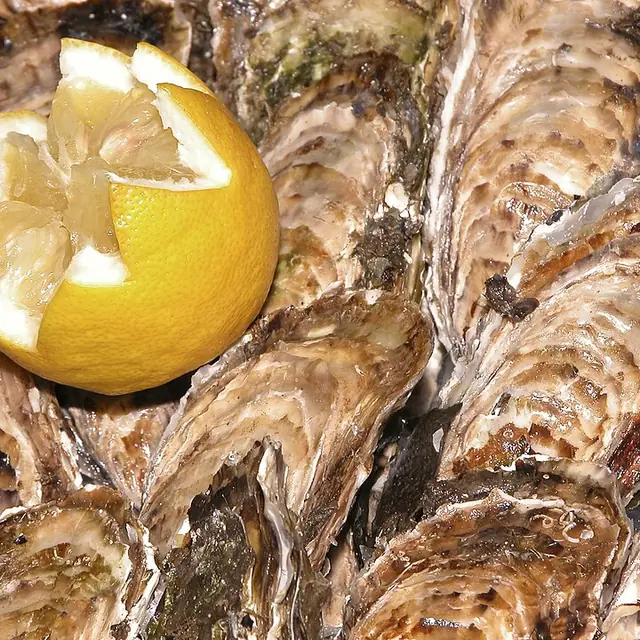
The Bouzigues oyster is grown on ropes hung from wooden tables in the Étang de Thau, a tideless lagoon half an hour west of the city. Permanent immersion makes the shell thin and the meat unusually fleshy.
Where: Mélissa Coquillages, L'Écailler des Beaux-Arts, Halles Laissac
Where to eat Huîtres de Bouzigues in Montpellier →
Thau mussels tipped into a wide flat pan over burning vine cuttings, opened in their own liquor and finished with garlic, parsley and olive oil. Outdoor cooking, eaten straight from a paper tray.
Where: La Street Food du Lez, Marché du Lez
Where to eat Brasucade de moules in Montpellier →
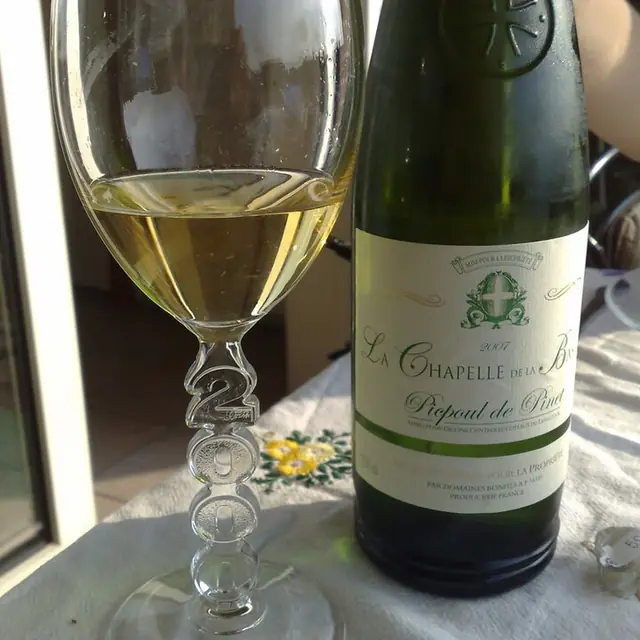
The white wine of the Thau lagoon shore, made from picpoul blanc on six communes behind Pinet. Lean, high in acid and faintly saline, it is treated locally as the automatic partner to a plate of oysters.
Where: La Part des Anges, Les Canons, Tôt ou Tard
Where to eat Picpoul de Pinet in Montpellier →
The red of the garrigue slopes north of Montpellier, syrah-led with grenache and mourvèdre, grown under the limestone tooth of the Pic. Cold nights keep the acidity up and the pepper sharp.
Where: Les Canons, Soulenq, Tôt ou Tard
Where to eat Pic Saint-Loup in Montpellier →
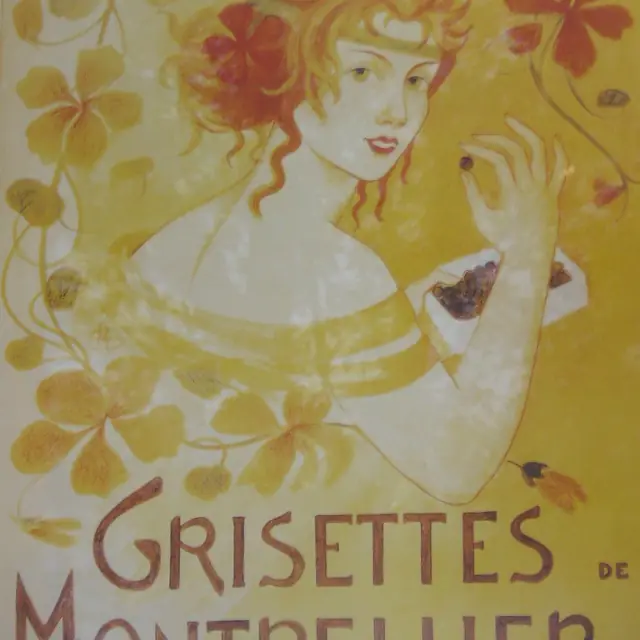
A small grey-brown sweet the size of a peppercorn, made from honey and liquorice and rolled until the surface goes matt. It tastes of dark honey first, then of liquorice root, and it is the city's own.
Where: Halles Castellane, Marché des Arceaux
Where to eat Grisette de Montpellier in Montpellier →
A wafer-thin waffle cooked flat in cast-iron moulds over a flame, so light it shatters at the edges. The name comes from the occitan escaleta, and the biscuit is sold in stacks in flavours from orange-flower to anise.
Where: Halles Castellane, Marché des Arceaux
Where to eat Escalette de Montpellier in Montpellier →
A small flat disc of raw goat cheese from the Cévennes foothills, AOP since 2000. Young it is chalky and lactic; dried it goes hard and intensely goaty, and Montpellier kitchens grill it on toast over salad.
Where: Halles Castellane, Halles Laissac, Marché des Arceaux
Where to eat Pélardon des Cévennes in Montpellier →
A green olive shaped like a crescent moon, pointed at one end, with firm buttery flesh and almost no bitterness. It is picked young, cured in brine and eaten as an aperitif rather than pressed for oil.
Where: Marché des Arceaux, Marché Plan Cabanes, Halles Castellane
Where to eat Olive Lucques du Languedoc in Montpellier →
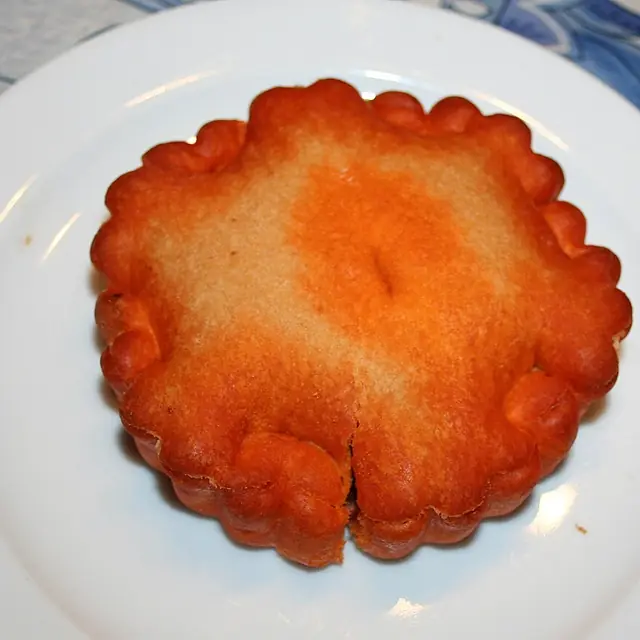
A small domed tourte filled with octopus in a tomato sauce sharpened with chilli and white wine, sealed under a crimped lid of slightly brioched pastry. A Sète dish, eaten cold or barely warm.
Where: Halles Laissac, Halles Castellane, Halles Jacques Cœur
Where to eat Tielle sétoise in Montpellier →
A spool-shaped pastry the size of a cork, filled with minced lamb, lemon zest, suet and brown sugar. The sweet and savoury combination startles on first bite, and it is served warm as a starter.
Where: Halles Castellane, Halles Laissac
Where to eat Petit pâté de Pézenas in Montpellier →
Paper-thin strips of dough scented with orange-flower water or anise, fried until they blister and dusted heavily with icing sugar. Carnival food across the Languedoc, eaten within hours of frying.
Where: Maison Bonnaire, Maison Scholler, Halles Castellane
Where to eat Oreillettes in Montpellier →