Private tour · 2 hours
Tapas Tour in Córdoba
Explore the city and taste the local food of Córdoba at the same time, learning the history and the emblematic places of the historical centre through gastronomy. Thre...
from€95 Check dates

Also: Cordoba food guide
Salmorejo, tabernas with solera and Montilla-Moriles by the copa.
Free cancellation on most tours, with live prices on the partner's site.
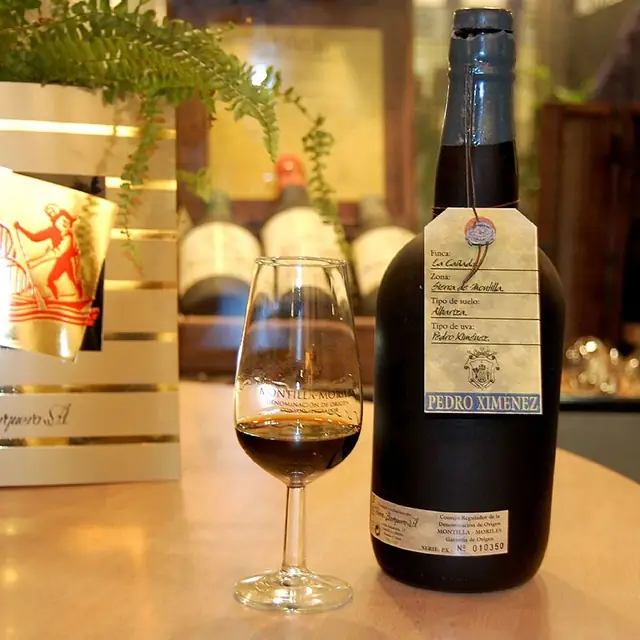
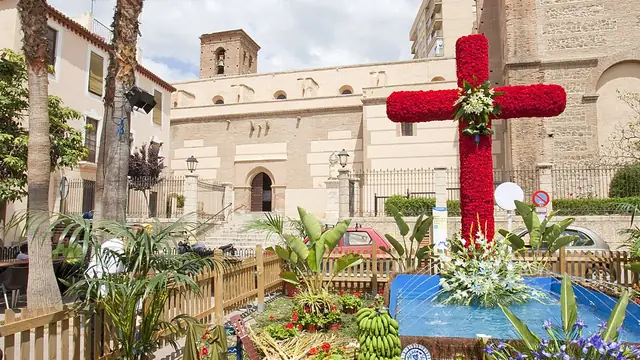
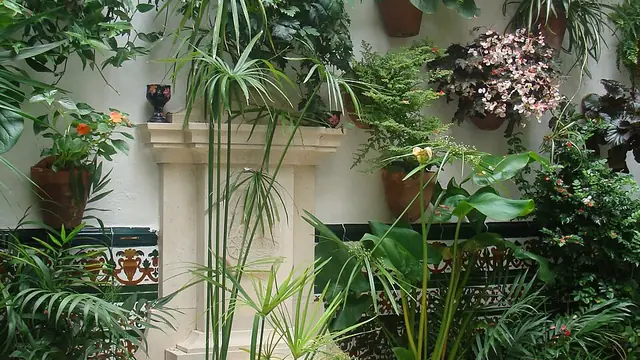
Córdoba eats standing up, in tabernas. The city's gastronomic-heritage register singles out its historic houses, among them Taberna Salinas on Calle Tundidores, Casa El Pisto on Plaza de San Miguel and Casa Pepe de la Judería behind the Mezquita. In each you drink Montilla-Moriles, the Córdoba province appellation built on Pedro Ximénez grapes and albariza soil, poured cold as fino or dark and syrupy as PX. It is not sherry, and cordobeses will tell you so. The food is emphatic and cheap: salmorejo thick enough to hold a spoon, topped with jamón and hard-boiled egg; flamenquín, a rolled and fried baton of pork and ham; berenjenas fritas con miel de caña; rabo de toro braised for hours. Under it all sits mazamorra, the almond and bread purée the Romans left behind and the ancestor of salmorejo itself. May turns the whole city into a courtyard: the Festival de los Patios, UNESCO-listed, fills the old quarters with geraniums and jasmine, and the Cata del Vino runs down by the Alcázar in late April, a week ahead of it. August does the opposite, pushing 40 degrees and shutting kitchens for holidays.
Private tour · 2 hours
Explore the city and taste the local food of Córdoba at the same time, learning the history and the emblematic places of the historical centre through gastronomy. Thre...

Guided tour · 2h 30m
Join a local guide on a tapas bar tour in Cordoba. Savor the best local wines and pair them with traditional food.
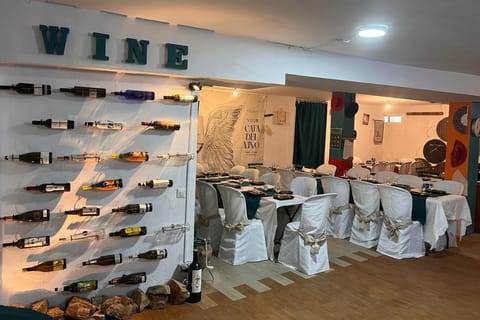
1 hour
Discover all the products that Cordoba can offer to you in an amazing tasting that will blow up your palate.
The plates that define eating in Córdoba.
Tomato, telera bread, garlic and olive oil pounded cold into a thick orange cream, poured into a shallow bowl and finished with chopped jamón and hard-boiled egg. Thicker than gazpacho, and never watered down.
Where Taberna Salinas, La Salmoreteca, Regadera, Bodegas Campos
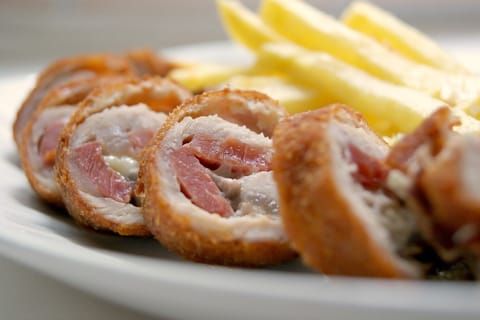
Where to eat Salmorejo cordobés in Córdoba →A batter of pork loin wrapped around jamón serrano, rolled into a fat baton, breadcrumbed and deep-fried until the crust shatters. Served hot in cross-sections with a wedge of lemon or a spoonful of mayonnaise.
Where Taberna La Viuda, Taberna Salinas, Casa Pepe de la Judería, Regadera
Where to eat Flamenquín in Córdoba →Oxtail browned hard, then braised for hours with onion, carrot, tomato and a bottle of Montilla-Moriles until the meat slips off the bone. Served with the sauce reduced to a gloss and a pile of fried potatoes.
Where Bodegas Campos, Taberna Salinas, Casa Pepe de la Judería, Taberna Góngora
Where to eat Rabo de toro in Córdoba →The white ancestor of salmorejo: bread, blanched almonds, garlic, olive oil and vinegar pounded into a cold cream, with no tomato at all. Usually served with apple, raisins or salt cod on top.
Where Taberna La Montillana, Casa Pepe de la Judería
Where to eat Mazamorra in Córdoba →Córdoba's own loaf: a flat, wide, three-lobed bread with a pale crust and a dense open crumb, made for soaking oil and for thickening salmorejo rather than for sandwiches.
Where Panificadora La Catalana 1890, Obrador Artesano David Ruano, Panadería El Brillante
Where to eat Telera cordobesa in Córdoba →Córdoba province's own fortified-style wine, made from Pedro Ximénez on chalky albariza soil and aged through a solera: bone-dry fino at one end, black syrupy PX at the other.
Where Bodega Guzmán, Vinoteca Ordóñez, Sociedad de Plateros San Francisco, Taberna La Fuenseca
Where to eat Vino de Montilla-Moriles in Córdoba →A handful of the places we send friends to when they are in Córdoba.
Bodegas Campos has poured in Córdoba since 1908, a warren of patios and barrel-signed rooms off Calle Lineros serving rabo de toro and salmorejo.
OrderRabo de toro, the dish the house has cooked for over a century.
Casa Pepe de la Judería has fed Córdoba since 1928, a taberna downstairs and a roof terrace upstairs that looks straight at the Mezquita tower.
OrderMazamorra, the almond-and-bread ancestor of salmorejo.
Casa Rubio sits against the Puerta de Almodóvar gate in Córdoba, a 1920 taberna renamed in 1932 and now three floors deep with a wall-view terrace.
OrderBerenjenas con miel de caña, then the tortilla de rabo de toro.
Casa Mazal cooks the Sefarad and Al-Andalus traditions inside a fourteenth-century Judería house in Córdoba, with no pork anywhere on the carta.
OrderWhatever the kitchen is running from the Sephardic side of the carta.
La Taberna del Río works a corner off Córdoba's Paseo de la Ribera, rotating art on the walls and a summer roof terrace above the Guadalquivir.
OrderThe rabo de toro risotto, the kitchen's own crossing of two traditions.
Astoria Casa Matías cooks spoon stews, dehesa meat and seasonal vegetables in Córdoba, well away from the Mezquita crowds on Calle el Nogal.
OrderWhichever guiso de cuchara is on; the stews are the reason locals drive here.
The whitewashed lanes wrapped around the Mezquita, where Casa Pepe de la Judería and Casa Rubio sit yards from the tour groups and the flower-hung Calleja de las Flores.
Best for: Salmorejo, Rabo de toro, Terrace lunch, Sephardic cooking
Also called the Alcázar Viejo, the barrio that wins most of the patio prizes every May. Low houses, geraniums, and tabernas that stay local despite the Alcázar next door.
Best for: Flamenquín, Patio dining, Taberna raciones
Plaza de las Tendillas and the shopping grid around it, plus the Mercado Victoria gastro market on the Paseo. This is where cordobeses actually eat on a weeknight.
Best for: Market stalls, Tapas crawls, Specialty coffee, Late drinks
The Castilian-style arcaded square and the tight streets behind it, home to Taberna Salinas and the Sociedad de Plateros houses. The oldest taberna cluster in the city.
Best for: Historic tabernas, Montilla-Moriles, Cheap raciones
Manolete's barrio, north of the centre around the fortress-like church of Santa Marina. Bullfighting history, quiet plazas and tabernas with almost no visitors in them.
Best for: Rabo de toro, Neighbourhood tabernas, Sunday lunch
A working Fernandine-church barrio in the northeast where La Cuchara de San Lorenzo turned a residential corner into one of the city's most booked dining rooms.
Best for: Modern Andalusian, Spoon dishes, Neighbourhood dining
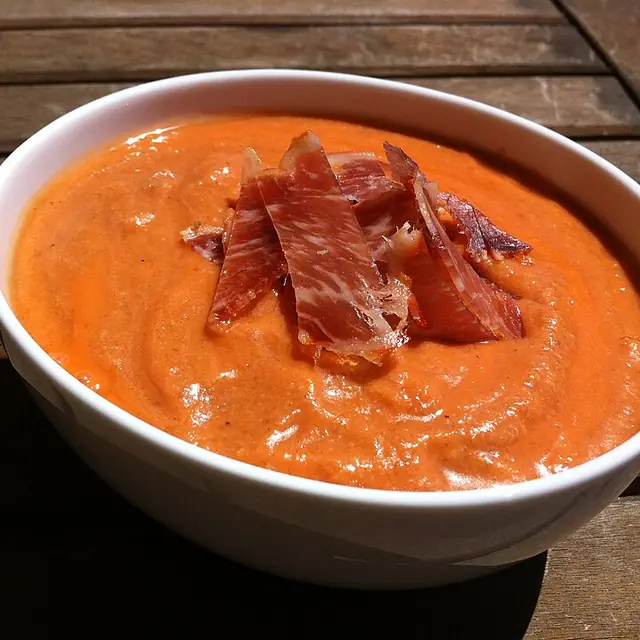 Salmorejo cordobés
Tomato, telera bread, garlic and olive oil pounded cold into a thick orange cream, poured into a shallow bowl and finished with chopped jamón and hard-boiled egg
Salmorejo cordobés
Tomato, telera bread, garlic and olive oil pounded cold into a thick orange cream, poured into a shallow bowl and finished with chopped jamón and hard-boiled egg
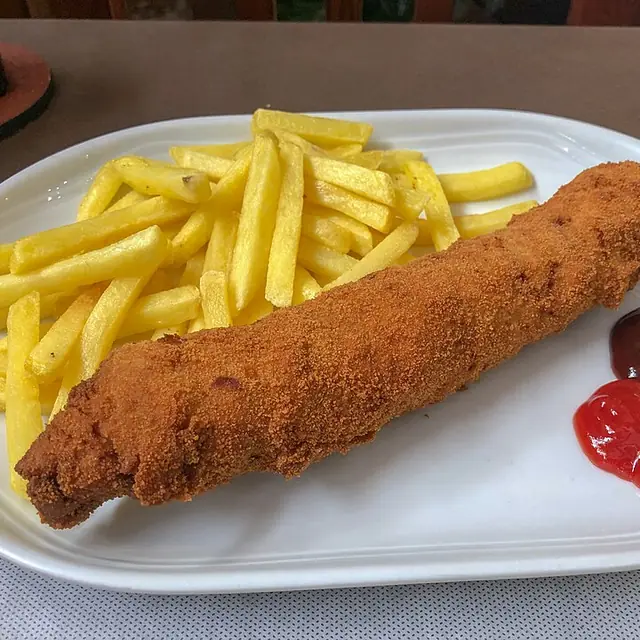 Flamenquín
A batter of pork loin wrapped around jamón serrano, rolled into a fat baton, breadcrumbed and deep-fried until the crust shatters
Flamenquín
A batter of pork loin wrapped around jamón serrano, rolled into a fat baton, breadcrumbed and deep-fried until the crust shatters
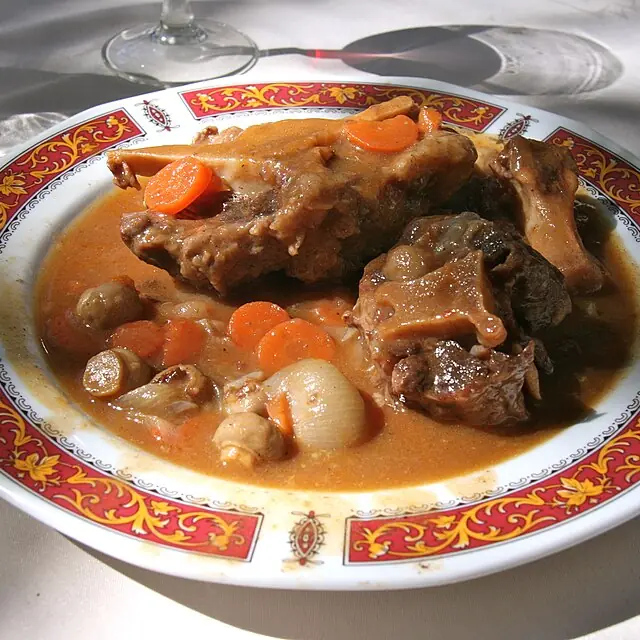 Rabo de toro
Oxtail browned hard, then braised for hours with onion, carrot, tomato and a bottle of Montilla-Moriles until the meat slips off the bone
Rabo de toro
Oxtail browned hard, then braised for hours with onion, carrot, tomato and a bottle of Montilla-Moriles until the meat slips off the bone
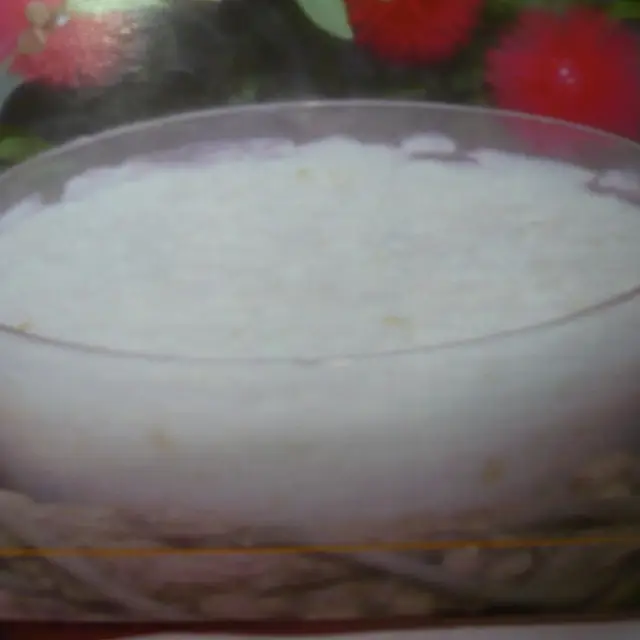 Mazamorra
The white ancestor of salmorejo: bread, blanched almonds, garlic, olive oil and vinegar pounded into a cold cream, with no tomato at all
Mazamorra
The white ancestor of salmorejo: bread, blanched almonds, garlic, olive oil and vinegar pounded into a cold cream, with no tomato at all
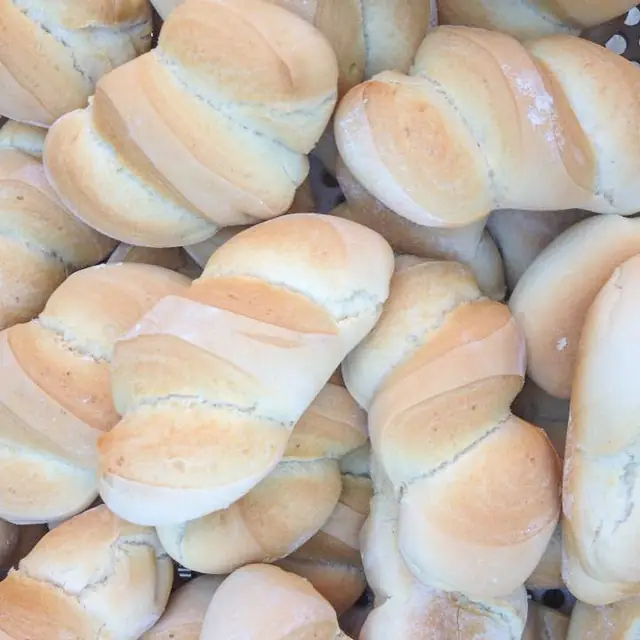 Telera cordobesa
Córdoba's own loaf: a flat, wide, three-lobed bread with a pale crust and a dense open crumb, made for soaking oil and for thickening salmorejo rather than for sandwiches
Telera cordobesa
Córdoba's own loaf: a flat, wide, three-lobed bread with a pale crust and a dense open crumb, made for soaking oil and for thickening salmorejo rather than for sandwiches
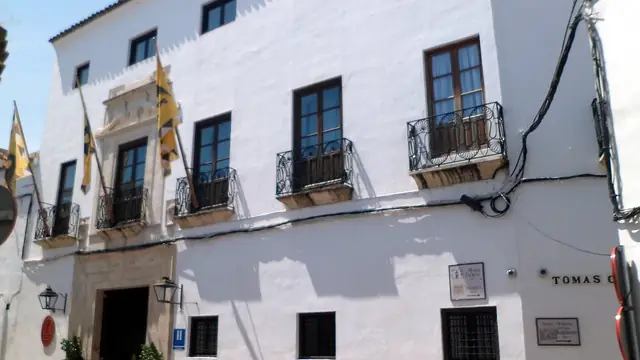 Judería
The whitewashed lanes wrapped around the Mezquita, where Casa Pepe de la Judería and Casa Rubio sit yards from the tour groups and the flower-hung Calleja de las Flores
Judería
The whitewashed lanes wrapped around the Mezquita, where Casa Pepe de la Judería and Casa Rubio sit yards from the tour groups and the flower-hung Calleja de las Flores
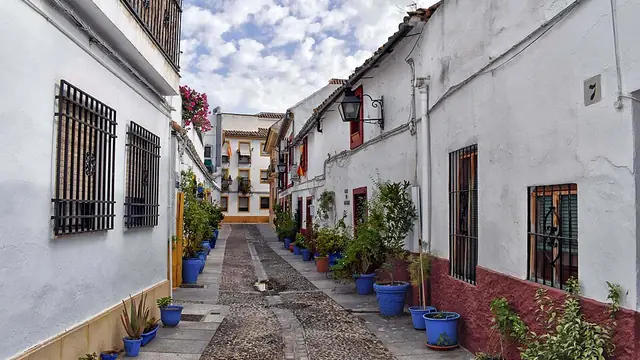 San Basilio
Also called the Alcázar Viejo, the barrio that wins most of the patio prizes every May
San Basilio
Also called the Alcázar Viejo, the barrio that wins most of the patio prizes every May
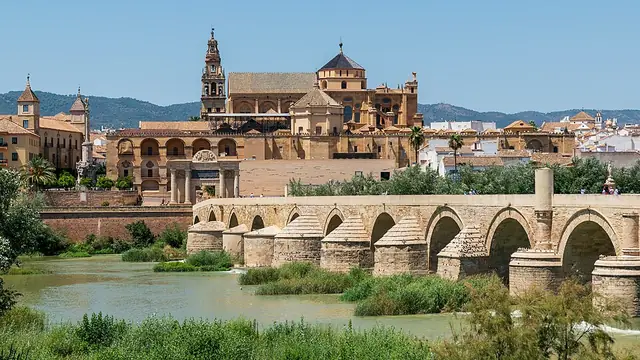 Centro
Plaza de las Tendillas and the shopping grid around it, plus the Mercado Victoria gastro market on the Paseo
Centro
Plaza de las Tendillas and the shopping grid around it, plus the Mercado Victoria gastro market on the Paseo
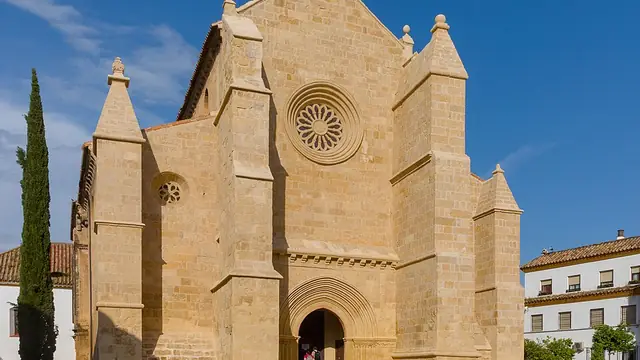 Santa Marina
Manolete's barrio, north of the centre around the fortress-like church of Santa Marina
Santa Marina
Manolete's barrio, north of the centre around the fortress-like church of Santa Marina
A sample of Córdoba hotels from our booking partner, who list 383 here. Live prices and availability open on their site.
 Eduardo Lucena 5, Flamenco
With a stay at this apartment in Crdoba (Cordoba Old City), you'll be steps from San Miguel Church and Cord...
Check dates
Eduardo Lucena 5, Flamenco
With a stay at this apartment in Crdoba (Cordoba Old City), you'll be steps from San Miguel Church and Cord...
Check dates
 Eduardo Lucena Mezquita-Alcazar-Los Patios
With a stay at Eduardo Lucena Mezquita-Alcazar-Los Patios in Crdoba (Cordoba Old City), you'll be steps fro...
Check dates
Eduardo Lucena Mezquita-Alcazar-Los Patios
With a stay at Eduardo Lucena Mezquita-Alcazar-Los Patios in Crdoba (Cordoba Old City), you'll be steps fro...
Check dates
 Pensión El Portillo
With a stay at Pensin El Portillo in Crdoba (Cordoba Old City), you'll be steps from Museum of Archaeologic...
Check dates
Pensión El Portillo
With a stay at Pensin El Portillo in Crdoba (Cordoba Old City), you'll be steps from Museum of Archaeologic...
Check dates
 Apartamento Sur de Osario by JITKey
With a stay at this apartment in Crdoba (Cordoba Old City), you'll be steps from San Miguel Church and 4 mi...
Check dates
Apartamento Sur de Osario by JITKey
With a stay at this apartment in Crdoba (Cordoba Old City), you'll be steps from San Miguel Church and 4 mi...
Check dates
 Hostal Almanzor
With a stay at Hostal Almanzor in Crdoba (Cordoba Old City), you'll be within a 5-minute walk of Posada del...
Check dates
Hostal Almanzor
With a stay at Hostal Almanzor in Crdoba (Cordoba Old City), you'll be within a 5-minute walk of Posada del...
Check dates
 Gran Bulevar Apartment by JITKey
With a stay at this apartment in Crdoba (Cordoba Old City), you'll be steps from San Miguel Church and Cord...
Check dates
Gran Bulevar Apartment by JITKey
With a stay at this apartment in Crdoba (Cordoba Old City), you'll be steps from San Miguel Church and Cord...
Check dates
 Oasis Cordoba Hotel
With a stay at Oasis Cordoba Hotel in Crdoba (Distrito Sur), you'll be within a 5-minute drive of Mill of S...
Check dates
Oasis Cordoba Hotel
With a stay at Oasis Cordoba Hotel in Crdoba (Distrito Sur), you'll be within a 5-minute drive of Mill of S...
Check dates
 Hotel Exe Ciudad de Cordoba
A stay at Hotel Exe Ciudad de Cordoba places you in the heart of Crdoba, within a 5-minute drive of Mill of...
Check dates
Hotel Exe Ciudad de Cordoba
A stay at Hotel Exe Ciudad de Cordoba places you in the heart of Crdoba, within a 5-minute drive of Mill of...
Check dates
 Apartamento Sueños Mozarabes by JITKey
With a stay at this apartment in Crdoba (Cordoba Old City), you'll be steps from Cordoba Grand Theater and ...
Check dates
Apartamento Sueños Mozarabes by JITKey
With a stay at this apartment in Crdoba (Cordoba Old City), you'll be steps from Cordoba Grand Theater and ...
Check dates
 El sitio de Albertina by JITKey
With a stay at this apartment in Crdoba (Cordoba Old City), you'll be steps from San Miguel Church and 3 mi...
Check dates
El sitio de Albertina by JITKey
With a stay at this apartment in Crdoba (Cordoba Old City), you'll be steps from San Miguel Church and 3 mi...
Check dates
 El JardÃn de Romero Barros.
With a stay at El Jardn de Romero Barros. in Crdoba (Cordoba Old City), you'll be steps from Plaza del Potr...
Check dates
El JardÃn de Romero Barros.
With a stay at El Jardn de Romero Barros. in Crdoba (Cordoba Old City), you'll be steps from Plaza del Potr...
Check dates
 Apartamentos Plaza
A stay at Apartamentos Plaza places you in the heart of Crdoba, steps from Plaza del Potro and Cordoba Muse...
Check dates
Apartamentos Plaza
A stay at Apartamentos Plaza places you in the heart of Crdoba, steps from Plaza del Potro and Cordoba Muse...
Check dates
Also compare: Zen Hotels in Córdoba from USD 101/night · Minor Hotels in Córdoba · Holidu in Córdoba from USD 47/night
Stays are listed by our booking partners, not editor picks. We earn a commission if you book, at no cost to you.
Every restaurant, cafe, market and bar we cover in Córdoba, pinned. Click a pin for the page.
Peak food season: April and May are the peak, when the Cata del Vino Montilla-Moriles and the Festival de los Patios land a week apart and every taberna terrace is full. September to November brings the olive harvest, the Montilla-Moriles vendimia and game from the Sierra Morena. Winter is rabo de toro, potaje and berza season. Avoid mid-August: Córdoba regularly clears 40 degrees and many kitchens, including Michelin rooms, close for holidays.
Local dining hours: Lunch 13:30-16:00, dinner 20:30-23:30. Most tabernas split service and shut the kitchen between about 16:00 and 20:00, so a 19:00 dinner is not a realistic plan. Counters at Bar Santos and the Mercado Victoria run straight through. Sunday night and Monday are the usual closing days; in July and August many rooms drop dinner service or close entirely.
Tipping: Service is included by law and Córdoba tips lightly. Rounding up to the nearest euro or leaving small change on a taberna counter is normal and enough. At a sit-down restaurant, 5 percent for good service is generous. At a Michelin tasting menu, 5 to 10 percent is appropriate. Never add a tip on the card terminal; leave coins on the plate.
Córdoba's signature dishes include Salmorejo cordobés, Flamenquín, Rabo de toro, Berenjenas fritas con miel de caña, Mazamorra. See our signature dishes chapter for where to eat each.
TableJourney editors map Córdoba by district. Judería, San Basilio, Centro, San Pedro y la Corredera are among the strongest for food, each with its own guide.
Editor picks in Córdoba include Noor, Choco, ReComiendo, plus the full fine dining chapter on TableJourney.
TableJourney covers 7 editor-picked food tours in Córdoba, with what each shows you and how much to budget.
TableJourney's Córdoba dietary chapter covers vegan, vegetarian, gluten_free, halal, kosher venues, each editor-picked with what to order and how to ask.