Signature dishes
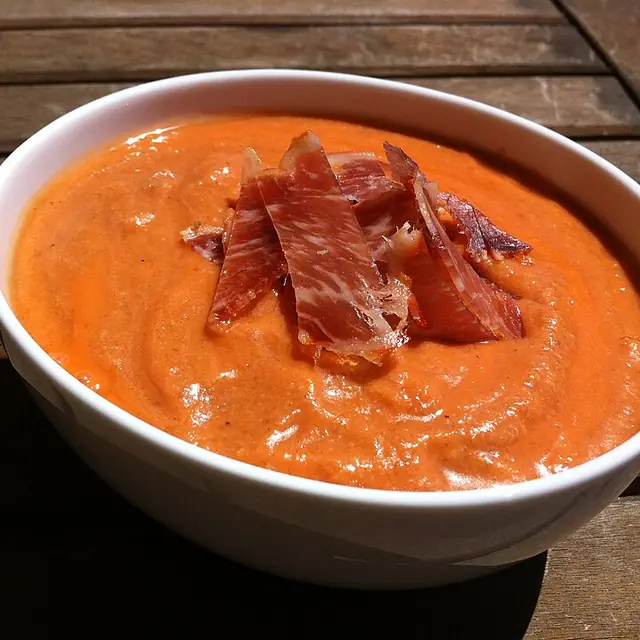
Tomato, telera bread, garlic and olive oil pounded cold into a thick orange cream, poured into a shallow bowl and finished with chopped jamón and hard-boiled egg. Thicker than gazpacho, and never watered down.
Where: Taberna Salinas, La Salmoreteca, Regadera, Bodegas Campos
Price: €5-9
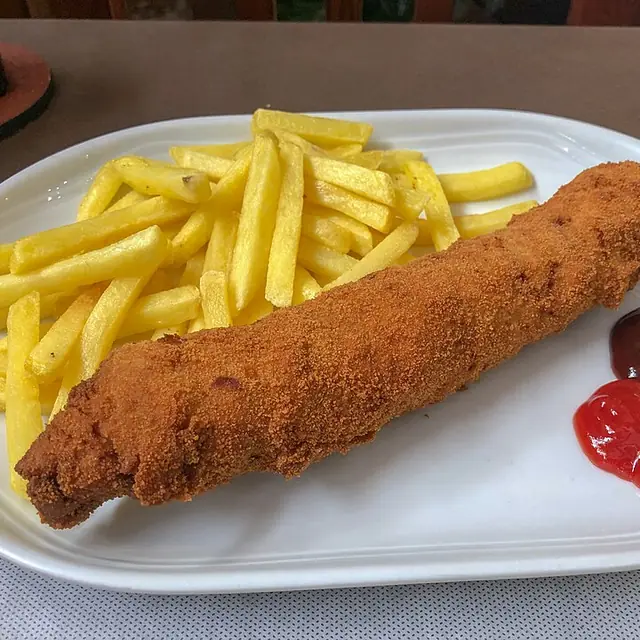
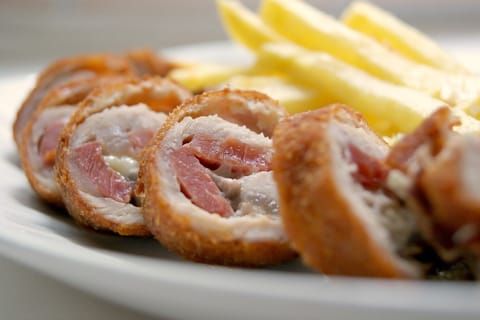
A batter of pork loin wrapped around jamón serrano, rolled into a fat baton, breadcrumbed and deep-fried until the crust shatters. Served hot in cross-sections with a wedge of lemon or a spoonful of mayonnaise.
Where: Taberna La Viuda, Taberna Salinas, Casa Pepe de la Judería, Regadera
Price: €8-14
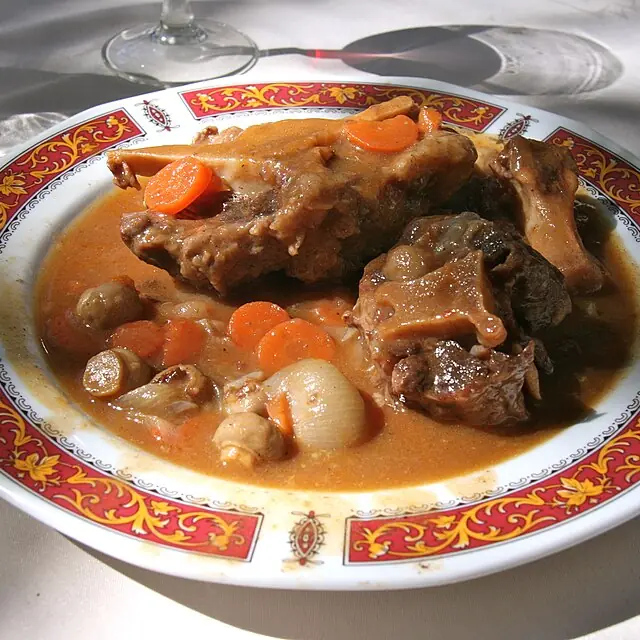
Oxtail browned hard, then braised for hours with onion, carrot, tomato and a bottle of Montilla-Moriles until the meat slips off the bone. Served with the sauce reduced to a gloss and a pile of fried potatoes.
Where: Bodegas Campos, Taberna Salinas, Casa Pepe de la Judería, Taberna Góngora
Price: €16-24
Aubergine cut into batons or thin rounds, salted, floured and fried until the outside crackles, then finished at the table with a thread of dark cane syrup. Sweet against salt, hot against cold.
Where: Casa Rubio, Ermita de la Candelaria, Taberna Coto, Casa Mazal
Price: €6-11
The white ancestor of salmorejo: bread, blanched almonds, garlic, olive oil and vinegar pounded into a cold cream, with no tomato at all. Usually served with apple, raisins or salt cod on top.
Where: Taberna La Montillana, Casa Pepe de la Judería
Price: €6-10
A round of puff pastry filled with cabello de ángel, the candied strands of a Spanish pumpkin, baked until the layers separate and dusted heavily with sugar and cinnamon. Eaten at room temperature with coffee.
Where: Obrador San Rafael, Pastelería Savoy, Pastelerías Roldán Gran Capitán
Price: €2-4
Córdoba's churro, piped in one continuous loop rather than short sticks, fried in a shallow pan and cut to length with scissors. Eaten first thing with a cup of very thick chocolate.
Where: Churrería Victoria, Churrería Arroyo de San Andrés, Churrería Santos Mártires, Mojaelchurro
Price: €2-5
Small snails simmered in a clear broth of mint, cumin, bay and dried chilli, served hot in a cup with a toothpick to hook them out. The broth matters as much as the snails and is drunk afterwards.
Where: Caracoles La Magdalena, Mercado del Marrubial
Price: €2-5
Courgette, pepper, onion and tomato cooked down slowly in olive oil until they collapse into a soft, sweet mass, then crowned with a fried egg. Eaten with bread and nothing else.
Where: Taberna San Miguel Casa El Pisto, Taberna Ágora Casa Bravo
Price: €6-11
Pork and beef meatballs poached in a pale sauce of ground almonds, saffron, garlic and fried bread, thickened by the nuts rather than by flour. A direct survivor of the Andalusi kitchen.
Where: Ermita de la Candelaria, Taberna Regina
Price: €9-15
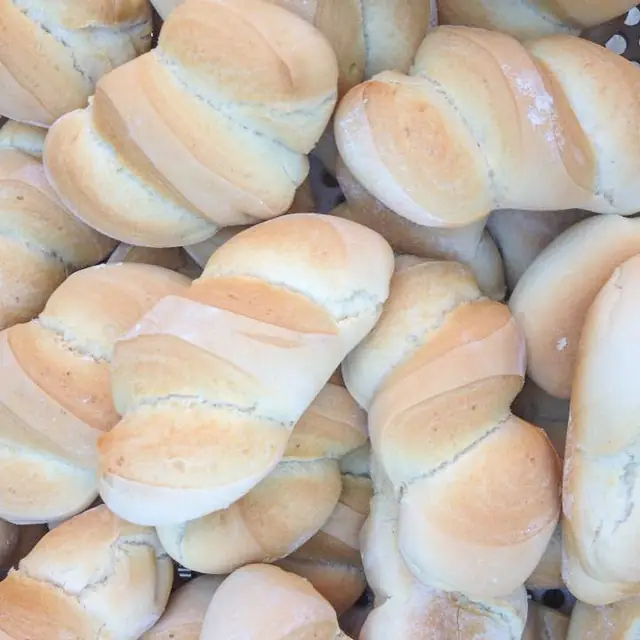
Córdoba's own loaf: a flat, wide, three-lobed bread with a pale crust and a dense open crumb, made for soaking oil and for thickening salmorejo rather than for sandwiches.
Where: Panificadora La Catalana 1890, Obrador Artesano David Ruano, Panadería El Brillante
Price: €1-3
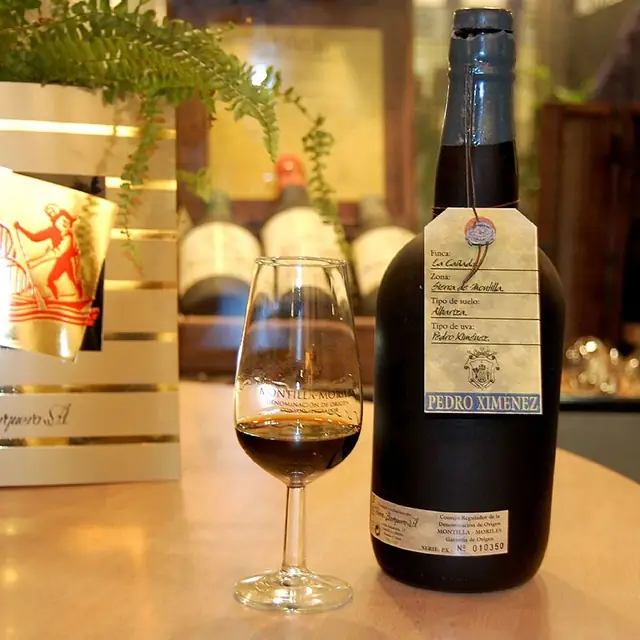
Córdoba province's own fortified-style wine, made from Pedro Ximénez on chalky albariza soil and aged through a solera: bone-dry fino at one end, black syrupy PX at the other.
Where: Bodega Guzmán, Vinoteca Ordóñez, Sociedad de Plateros San Francisco, Taberna La Fuenseca
Price: €2-5
Salmorejo cordobés
Tomato, telera bread, garlic and olive oil pounded cold into a thick orange cream, poured into a shallow bowl and finished with chopped jamón and hard-boiled egg. Thicker than gazpacho, and never watered down.
History: Salmorejo is the tomato descendant of mazamorra, the Roman almond-and-bread soup that Córdoba's olive workers ate cold in the fields. Tomatoes reached Spain from the Americas but took two centuries to reach the mortar; the first written record of salmorejo is in the dictionary of the Real Academia Española in 1737. The city now has a Cofradía del Salmorejo Cordobés, a brotherhood that specifies Guadalquivir tomatoes, Montalbán garlic, Córdoba telera bread and vinegar in the canonical version. What separates it from gazpacho is the ratio: far more bread, no cucumber, no pepper, and enough olive oil emulsified in to make a cream you can stand a spoon in.
Where to try it: Taberna Salinas, La Salmoreteca, Regadera, Bodegas Campos
Watch out for: Gluten, Egg
Flamenquín
A batter of pork loin wrapped around jamón serrano, rolled into a fat baton, breadcrumbed and deep-fried until the crust shatters. Served hot in cross-sections with a wedge of lemon or a spoonful of mayonnaise.
History: The flamenquín belongs to Córdoba province rather than to Andalusia as a whole, and its ancestry is peasant economy: a thin sheet of cheap pork stretched around a strip of expensive cured ham so a little jamón went a long way. The name is disputed and no origin story survives that stands up, which is why cordobés kitchens argue about it happily and at length. What is not disputed is the technique, which every taberna in the city runs to the same shape: pound the loin flat, lay the jamón along it, roll tight, crumb twice, fry in deep oil. Modern rooms play with the filling, and Taberna La Viuda's cheese version has become a house signature.
Where to try it: Taberna La Viuda, Taberna Salinas, Casa Pepe de la Judería, Regadera
Watch out for: Gluten, Egg, Milk
Rabo de toro
Oxtail browned hard, then braised for hours with onion, carrot, tomato and a bottle of Montilla-Moriles until the meat slips off the bone. Served with the sauce reduced to a gloss and a pile of fried potatoes.
History: Rabo de toro is Córdoba's bullring dish, cooked from the tail of the animal after the fight and slow-braised because there is no other way to eat it. The city has kept it on tabernas cartas continuously; Bodegas Campos, open since 1908, has served it for more than a century. Andalusian versions differ mainly in the wine: Córdoba uses Montilla-Moriles, which is drier and more oxidative than the reds used further north, and gives the sauce its particular nutty edge. Today most oxtail sold in the city is beef rather than fighting bull, which is legal, normal and rarely mentioned on the menu.
Where to try it: Bodegas Campos, Taberna Salinas, Casa Pepe de la Judería, Taberna Góngora
Berenjenas fritas con miel de caña
Aubergine cut into batons or thin rounds, salted, floured and fried until the outside crackles, then finished at the table with a thread of dark cane syrup. Sweet against salt, hot against cold.
History: Aubergine came into Andalusia with the Arab kitchen and never left, and Córdoba fries it more than anywhere else in Spain. The syrup is miel de caña, a black sugarcane molasses produced on the Granada coast, and calling it honey is a translation error rather than a recipe: there are no bees involved. The pairing is a survival of the Andalusi taste for sweet against savoury in the same mouthful, the same instinct that puts cinnamon on meat and orange in salt cod salads. Every taberna in the city runs a version, and the differences come down to the cut of the aubergine and how long the salting step gets.
Where to try it: Casa Rubio, Ermita de la Candelaria, Taberna Coto, Casa Mazal
Watch out for: Gluten
Mazamorra
The white ancestor of salmorejo: bread, blanched almonds, garlic, olive oil and vinegar pounded into a cold cream, with no tomato at all. Usually served with apple, raisins or salt cod on top.
History: Mazamorra is what Córdoba ate before the tomato arrived. Roman in origin and kept alive by olive-grove labourers who needed cold calories in the heat, it is a mortar dish of stale bread, almonds, garlic, oil, vinegar and salt, closely related to the ajoblanco of Málaga. When the tomato finally reached Andalusian kitchens in the eighteenth century it displaced mazamorra almost entirely, and the older soup survived only in a handful of houses. Taberna La Montillana is the reliable place to find it today, and its reappearance on modern Córdoba cartas is a deliberate act of recovery rather than an unbroken tradition.
Where to try it: Taberna La Montillana, Casa Pepe de la Judería
Watch out for: Gluten, Nuts
Pastel cordobés
A round of puff pastry filled with cabello de ángel, the candied strands of a Spanish pumpkin, baked until the layers separate and dusted heavily with sugar and cinnamon. Eaten at room temperature with coffee.
History: Also called the pastel de cidra, the pastel cordobés is the city's defining pastry and turns on one ingredient: cabello de ángel, angel hair, made by boiling the flesh of the cidra pumpkin with sugar until it separates into translucent threads. The filling is medieval Andalusi confectionery, sugar-preserving fruit being an Arab technique, and it survives across Spain but is at its most concentrated here. Obrador San Rafael, working in Córdoba since 1918, makes the version most cordobeses treat as the benchmark.
Where to try it: Obrador San Rafael, Pastelería Savoy, Pastelerías Roldán Gran Capitán
Watch out for: Gluten, Milk
Jeringos
Córdoba's churro, piped in one continuous loop rather than short sticks, fried in a shallow pan and cut to length with scissors. Eaten first thing with a cup of very thick chocolate.
History: The jeringo takes its name from the jeringa, the syringe-shaped press the dough is squeezed through, and the Córdoba version differs from the Madrid churro in shape and thickness: a single wide spiral, cut to order, with a chewier interior. Churrerías here open before dawn and shut by early afternoon, and a handful reopen for the merienda around 17:00. The dough is flour, water and salt and nothing else, which is why the frying temperature does all the work. The city's remaining counters, from Santos Mártires by the Alcázar to the neighbourhood shops in San Andrés, all run the same short trading window.
Where to try it: Churrería Victoria, Churrería Arroyo de San Andrés, Churrería Santos Mártires, Mojaelchurro
Watch out for: Gluten
Caracoles cordobeses
Small snails simmered in a clear broth of mint, cumin, bay and dried chilli, served hot in a cup with a toothpick to hook them out. The broth matters as much as the snails and is drunk afterwards.
History: Córdoba eats snails for about three months a year and then stops entirely. The season opens around 28 February, Andalusia Day, and closes in late May or early June, and street stands appear across the city for exactly that window before vanishing again. The chicos are the small snails, cooked in a herb and cumin broth; the gordos are the larger cabrillas, usually served in an almond and pepper sauce. Caracoles La Magdalena has worked the same plaza since 1965 and is now on its fourth generation of the same family. The Mercado del Marrubial keeps a dedicated snail stall through the season.
Where to try it: Caracoles La Magdalena, Mercado del Marrubial
Watch out for: Molluscs
Pisto cordobés
Courgette, pepper, onion and tomato cooked down slowly in olive oil until they collapse into a soft, sweet mass, then crowned with a fried egg. Eaten with bread and nothing else.
History: Pisto is the Spanish answer to ratatouille and is cooked all over the country, but Córdoba's version is closely tied to one address: Taberna San Miguel on Plaza de San Miguel has been nicknamed Casa El Pisto since long before it was official, and the taberna has been open since 1880. The Córdoba style is drier than the Manchego version, cooked down until almost no liquid is left, and the egg is fried separately and set on top rather than stirred through. It works as a tapa, a ración or a whole lunch depending on how many eggs land on it.
Where to try it: Taberna San Miguel Casa El Pisto, Taberna Ágora Casa Bravo
Watch out for: Egg
Albóndigas en salsa de almendras
Pork and beef meatballs poached in a pale sauce of ground almonds, saffron, garlic and fried bread, thickened by the nuts rather than by flour. A direct survivor of the Andalusi kitchen.
History: Almond-thickened sauces are one of the clearest inheritances the caliphate left in Córdoba's cooking. Before roux and before cream, kitchens here thickened liquid by pounding fried bread and blanched almonds in a mortar with saffron and garlic, a technique that runs through medieval Andalusi manuscripts and survives on tabernas cartas today. The same base sauce carries meatballs, chicken, salt cod or hard-boiled eggs depending on the house. Ermita de la Candelaria, cooking in a converted hermitage, keeps the meatball version on its carta as a house plate.
Where to try it: Ermita de la Candelaria, Taberna Regina
Watch out for: Gluten, Nuts, Egg
Telera cordobesa
Córdoba's own loaf: a flat, wide, three-lobed bread with a pale crust and a dense open crumb, made for soaking oil and for thickening salmorejo rather than for sandwiches.
History: The telera is a Córdoba bread and it exists because of what the city eats. Its crumb is dense and slightly dry, which is exactly what a mortar wants when you are building salmorejo or mazamorra, and its flat three-lobed shape comes from the way the dough is cut and folded before proving. Panificadora La Catalana has baked on Calle San Pablo since 1890 and works the same sourdough starter it has used for a century. Panadería El Brillante, open since 1919, supplies bread to some of the best kitchens in the city, and its technical director José Roldán was named World Baker of the Year by the UIBC in 2025.
Where to try it: Panificadora La Catalana 1890, Obrador Artesano David Ruano, Panadería El Brillante
Watch out for: Gluten
Vino de Montilla-Moriles
Córdoba province's own fortified-style wine, made from Pedro Ximénez on chalky albariza soil and aged through a solera: bone-dry fino at one end, black syrupy PX at the other.
History: Montilla-Moriles is its own denomination of origin, based in the towns south of Córdoba, and it is not sherry. Jerez lies roughly 200km away and works mainly with Palomino; Montilla-Moriles works with Pedro Ximénez, which ripens so high in sugar here that most of its wines reach their strength without fortification at all. The same grape produces the driest fino and the sweetest PX depending on whether it goes under flor or is sun-dried first. Córdoba's tabernas serve it by the copa straight from the barrel, and the Cata del Vino brings ten bodegas onto the Avenida del Alcázar every April.
Where to try it: Bodega Guzmán, Vinoteca Ordóñez, Sociedad de Plateros San Francisco, Taberna La Fuenseca
Watch out for: Sulphites