
Private tour · 2 hours
Tapas Tour in Córdoba
Explore the city and taste the local food of Córdoba at the same time, learning the history and the emblematic places of the historical centre through gastronomy. Thre...
from€95 Check dates
Also: Food History in Cordoba
How Córdoba came to eat the way it does: the people, migrations and accidents that shaped the plate.
How Córdoba came to eat the way it does: the people, migrations and accidents that shaped the plate.
Abd al-Rahman III declared an independent caliphate in Córdoba in 929 and built Medina Azahara outside the walls to prove it. The kitchen that grew around that court worked with almonds, saffron, citrus, aubergine and cane sugar, and it never left. Berenjenas con miel de caña and almond-thickened mazamorra both descend from it, and Paco Morales has built a three-star restaurant on rebuilding the rest.
Long before the tomato arrived, Córdoba ate mazamorra: bread, almonds, garlic, oil, vinegar and salt pounded cold in a mortar. It was a Roman dish and it survived as field food in the olive groves through the whole medieval period, thickened for calories and eaten straight from the bowl. The recipe is still on tabernas menus in the city today.
Tomatoes reached Spain from the Americas but took two centuries to reach the pounding bowl. The first written record of salmorejo appears in the dictionary of the Real Academia Española in 1737, and red salmorejo displaced white mazamorra in the olive groves at some point after that. The result is thicker than gazpacho, orange rather than red, and always topped with jamón and hard-boiled egg.
Córdoba's drinking culture organised itself around guilds and societies in the second half of the nineteenth century, the Sociedad de Plateros among them. The city's gastronomic-heritage register now lists its tabernas of historic character, from Casa El Pisto on Plaza de San Miguel to Casa Rubio at the Puerta de Almodóvar, and the list is a genuine eating itinerary.
Private tour · 2 hours
Explore the city and taste the local food of Córdoba at the same time, learning the history and the emblematic places of the historical centre through gastronomy. Thre...

Guided tour · 2h 30m
Join a local guide on a tapas bar tour in Cordoba. Savor the best local wines and pair them with traditional food.
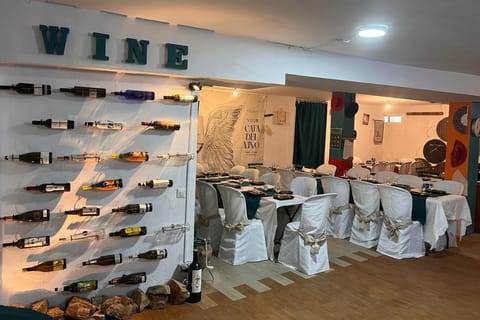
1 hour
Discover all the products that Cordoba can offer to you in an amazing tasting that will blow up your palate.