Free cancellation on most tours, with live prices on the partner's site.
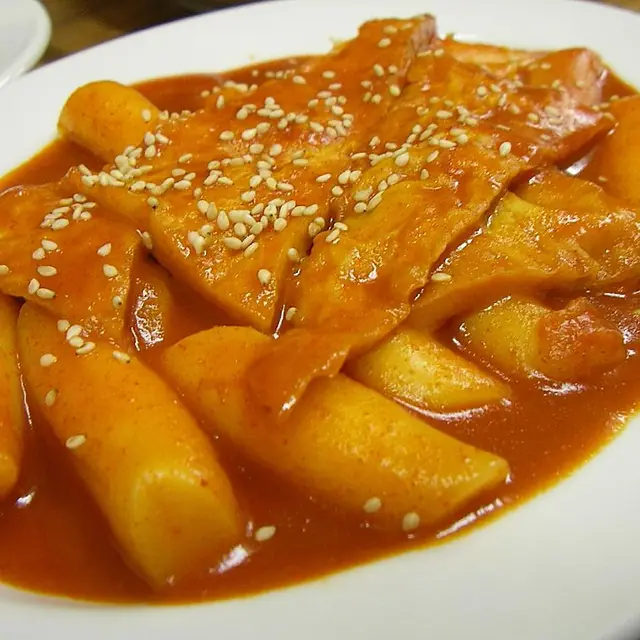
Seoul eats on its own terms. The city runs on a deep pantry of fermented pastes and vinegars, jang (doenjang, ganjang, gochujang) that underpin everything from a ₩5,000 stall bowl to a ₩300,000 tasting menu, and the street-food hum of Gwangjang Market at midday sits alongside a Michelin three-star scene that is reshaping how the world reads Korean cuisine. Korean barbecue is the city's great social act: galbi (short ribs) and samgyeopsal (pork belly) grilled at the table, wrapped in perilla leaf, dipped in sesame oil and salt. Banchan (side dishes) arrive in small bowls before the main, a refillable, communal rhythm that no other food culture quite replicates. The tteokbokki cart, the late-night pojangmacha (street food tent), the cold naengmyeon pulled by hand and served in iced broth, the stone-pot bibimbap crackling at the rim: these are the textures of daily Seoul eating. The specialty coffee wave hit hard here, producing roasters and cafe spaces of an ambition that rivals Tokyo. And an undersung wine bar and craft-beer scene runs parallel, quiet but serious. Seoul in 2026 is a city that moves fast, eats hard, and takes both tradition and innovation at face value.
Join the Seoul Night Food Tour for a unique culinary adventure, exploring street food and traditional dishes under the city's vibrant nightscape. An unforgettable even...
Discover Seoul’s hidden foodie gems on a flavorful journey through markets, backstreets, and teahouses, tasting authentic dishes, local snacks, and our surprise Secret...
Embark on a walking food tour in Seoul, tasting over 10 kinds of food from restaurants, stalls, and local eateries. Explore Seoullo 7017, Namdaemun Market, and Myeongd...
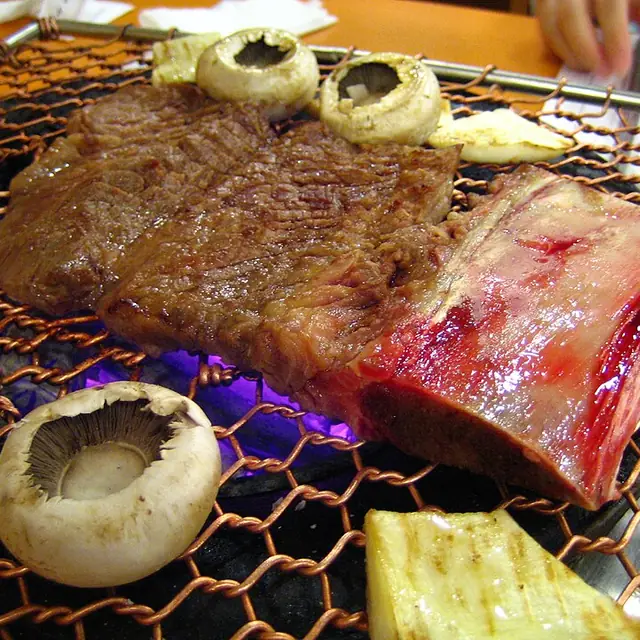
Galbi is marinated beef short ribs grilled over charcoal. The best versions use top-graded hanwoo cattle, butchered in-house and cut thick to the bone.
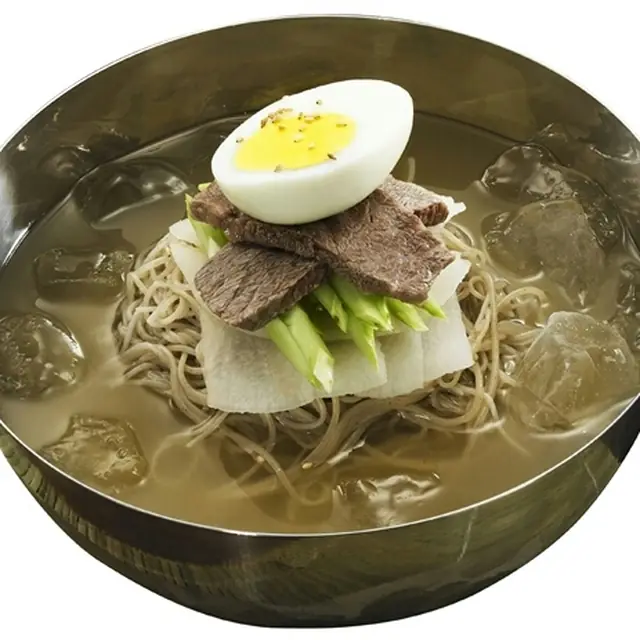
Naengmyeon are cold noodles served in ice-cold bone broth (mul) or in a spicy vinegar sauce (bibim). Pyongyang style uses buckwheat; Hamheung uses starch.
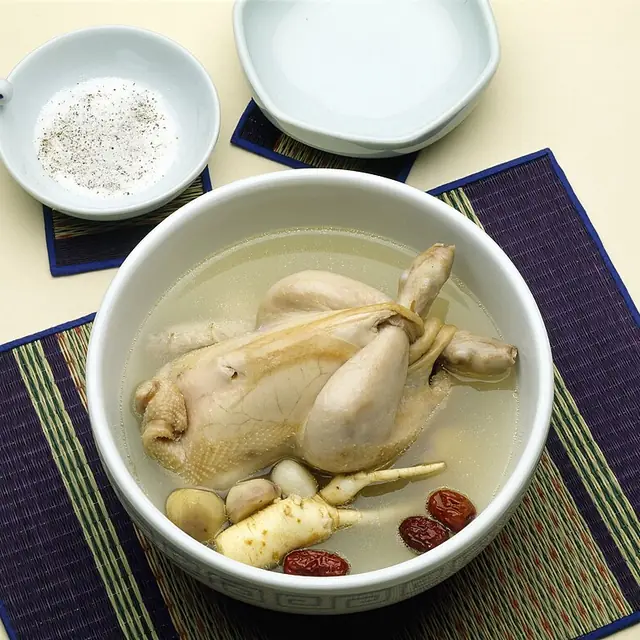
Samgyetang is a whole young chicken stuffed with glutinous rice, ginseng root, garlic, and jujube, slow-simmered in a clear medicinal broth until tender.
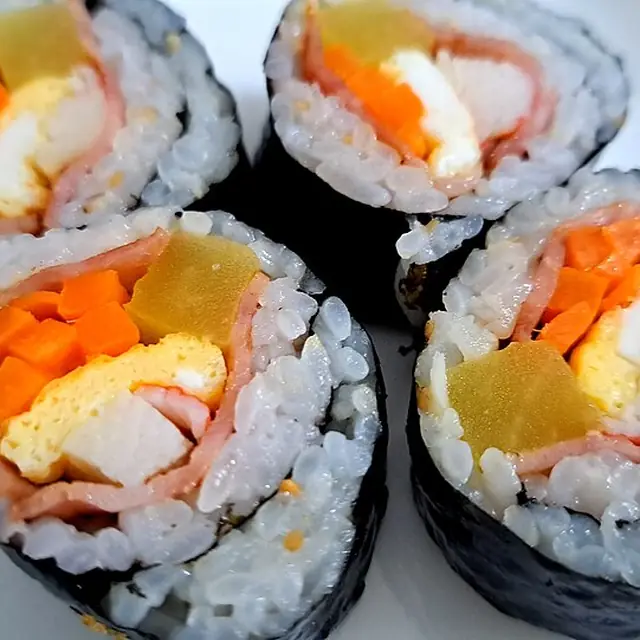
Gimbap is Korean seaweed rice rolls filled with vegetables, egg, and cured meats, sliced into rounds. Gwangjang Market's mayak gimbap is the purest form.
Where Gwangjang Market Bindaetteok Stalls, Maru Jayeonsik Kimbap
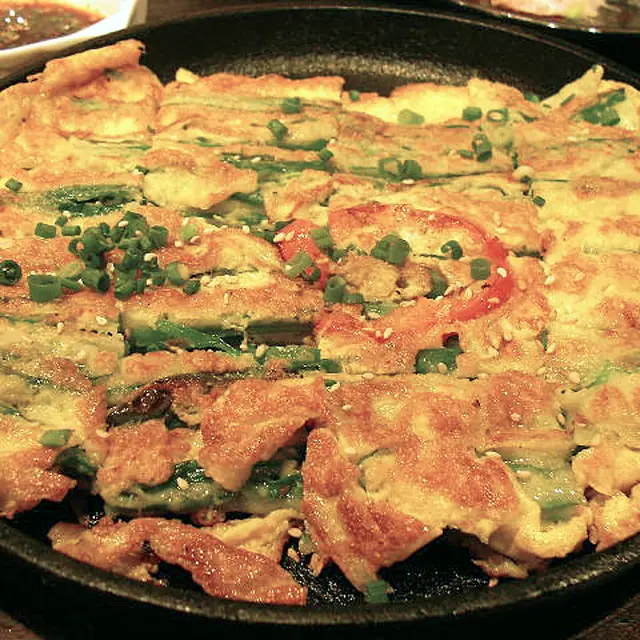
Bindaetteok are thick savoury pancakes made from ground mung beans, pan-fried until crisp on the outside. The definitive version is at Gwangjang Market.
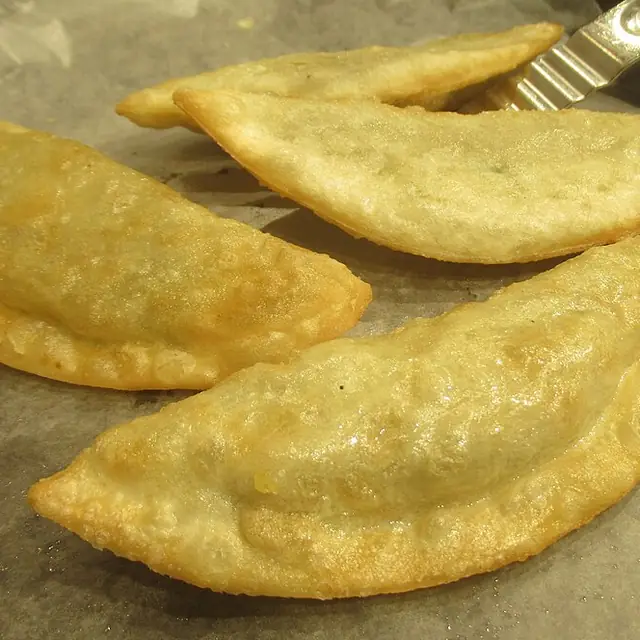
Hand-folded Korean dumplings filled with pork, kimchi, tofu, and Korean chive, then steamed, boiled, or pan-fried (gun-mandu). Bukchon Son Mandu is Seoul's reference dumpling shop, still hand-folding every mandu.
Where Bukchon Son Mandu, Gwangjang Market, Tongin Market, Namdaemun Market
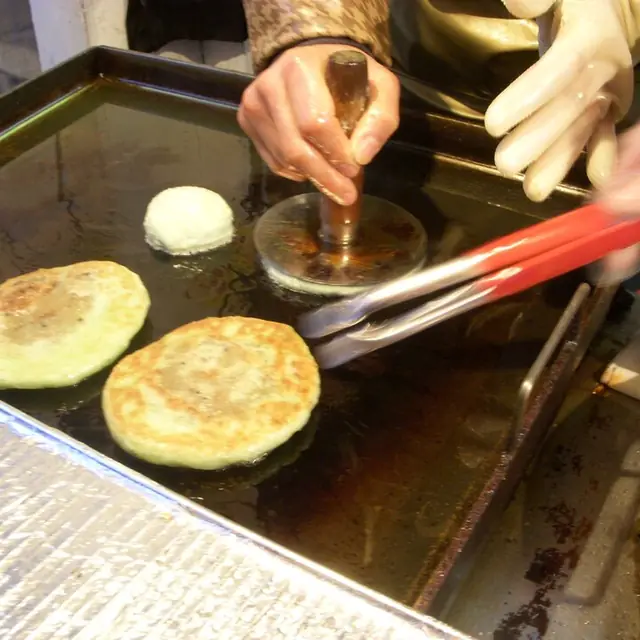
Yeast-leavened pancakes pan-fried in oil and stuffed with a molten filling of brown sugar, cinnamon, and crushed peanuts. A winter street food sold from kiosks across Seoul, with Namdaemun Market the reference stall.
Where Sambodang Hotteok, Namdaemun Market Hotteok Stalls, Myeongdong Street Food Alley, Hongdae Street Food Strip, Tongin Market
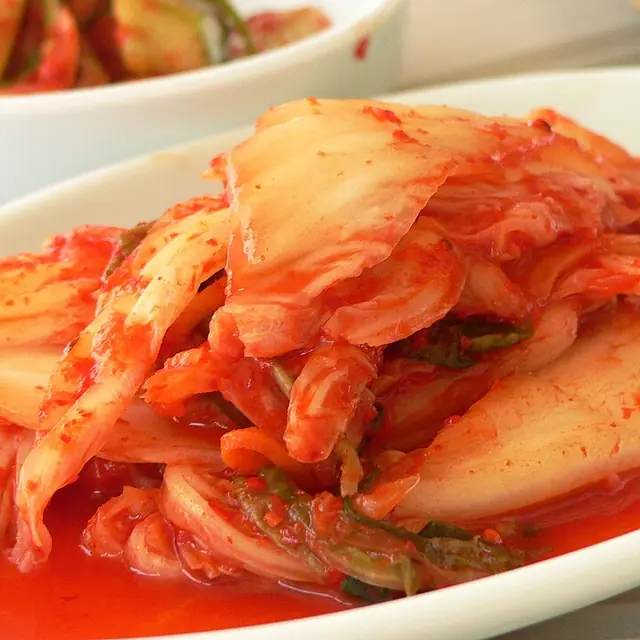
Napa cabbage salted, slathered in red chilli paste with garlic, ginger, fish sauce and salted shrimp, then fermented to a brightly sour-spicy crunch. Eaten with every Korean meal and the heart of Seoul's banchan culture.
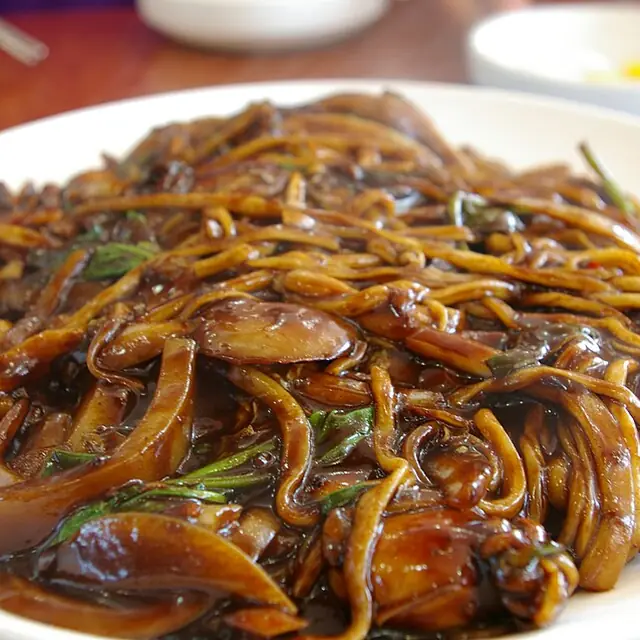
Thick chewy wheat noodles topped with glossy dark sauce of fermented black bean paste, pork, onion, zucchini and potato. Korean-Chinese comfort food and Seoul's default delivery dish.
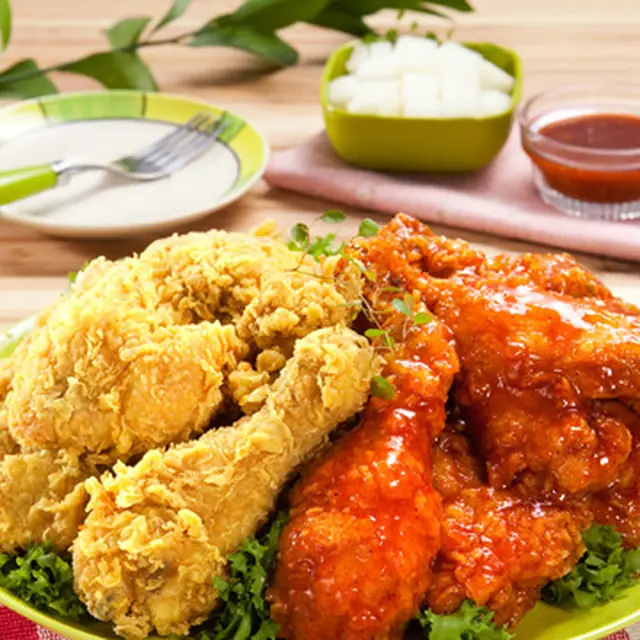
Chicken double-fried to glassy thin crackle, tossed in a sweet-spicy red sauce of gochujang, garlic, sugar and rice syrup. Eaten with cold pickled radish and Hite or Cass beer; the chimaek of Korean nightlife.
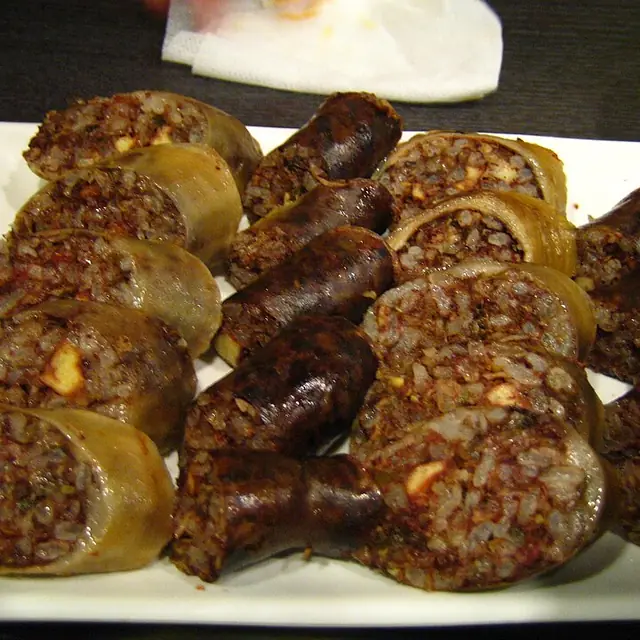
Pig intestine stuffed with pig blood, sweet potato glass noodles, glutinous rice and bean sprouts. Steamed, sliced into thick coins, dipped in spiced salt at Seoul markets.
Where Sindang Tteokbokki Town, Gwangjang Market, Jongno 3-ga Pojangmacha Street
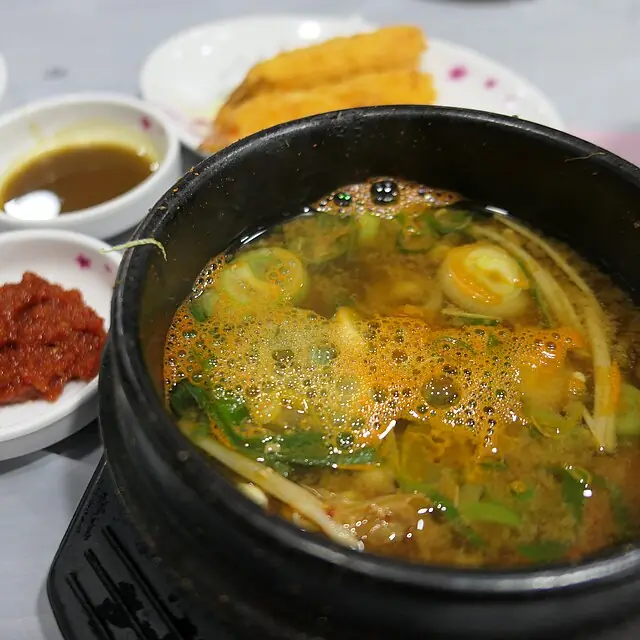
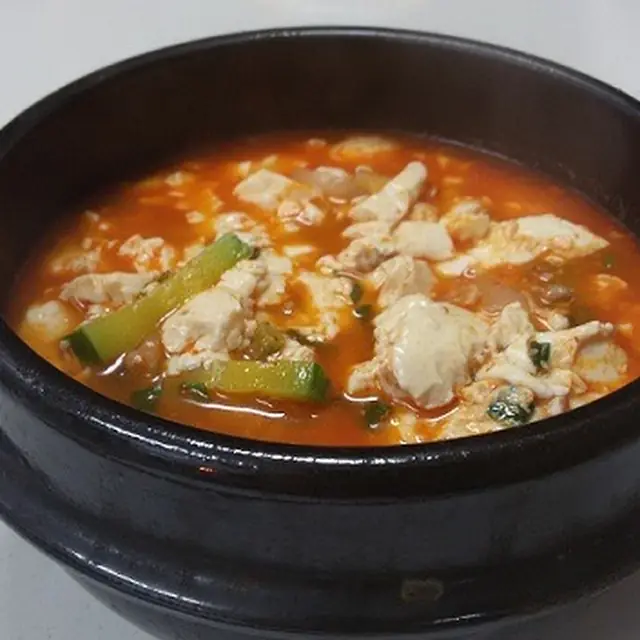
A blistering hot stone pot of barely-set silken tofu in red gochugaru broth with clams, mushrooms or pork, finished with a raw egg cracked into the centre at the table. Seoul lunch counters serve nothing else.
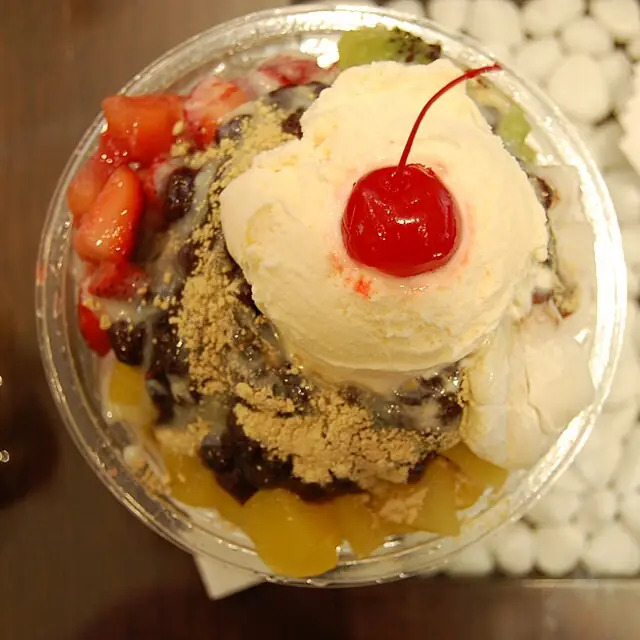
Mountain of finely shaved milk-ice topped with sweet red bean paste, chewy mochi cubes, condensed milk and seasonal fruit. Korean summer dessert eaten with two long spoons, shared at every Seoul cafe from June to August.
Maple Tree House in Itaewon serves premium hanwoo (Korean beef) and Jeju black pork belly over charcoal in a polished room frequented by international guests.
OrderAged hanwoo sirloin, cooked tableside over charcoal and served with perilla wraps.
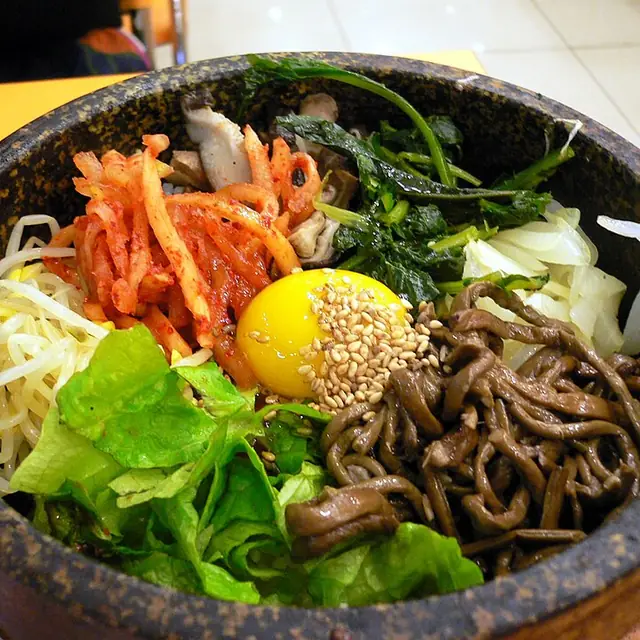
Insa Dodam is a renovated hanok off Insadong-gil that runs a lunch-only bibimbap programme, capping bowls per day to lock in same-morning vegetable delivery.
OrderDodam warm-steamed bibimbap: farm-direct vegetables on rice in the house build.
Open since 1946, Woo Lae Oak is Seoul's canonical address for Pyongyang-style naengmyeon (cold buckwheat noodles), the broth made from hanwoo foreshank.
OrderPyongyang naengmyeon: hand-pulled buckwheat noodles in cold hanwoo bone broth.
In the Michelin Guide and on 50Best Discovery, Byeokje Galbi has served premium charcoal-grilled hanwoo short ribs since 1986, handling its own butchery.
Family-run since 1953, Ojangdong serves Hamheung-style cold noodles: the noodles are made from potato starch and are notably chewier than Pyongyang-style.
OrderBibim naengmyeon: chewy starch noodles in a sweet-spicy sauce with cold beef slices and a halved boiled egg.
Old Seoul compressed into hanok lanes: traditional teahouses, bibimbap restaurants, and the Gwangjang Market food alley, surrounded by palace walls and bookshops.
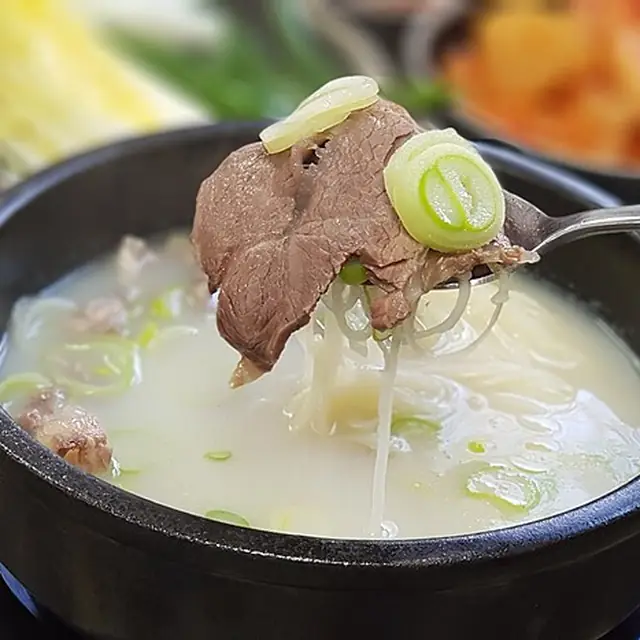
Best for: Bibimbap, Seolleongtang, Street food, Traditional teahouses
Seoul's most international quarter, running from the night-market energy of Itaewon up the hill to the quiet luxury of Hannam-dong, with every cuisine and half the city's craft beer.
Best for: Korean BBQ, International dining, Craft beer, Natural wine bars
The city's high-fashion, high-wallet district: Michelin-starred tasting rooms, Apgujeong's premium Korean barbecue, and Cheongdam's cluster of the finest wine bars and contemporary restaurants.
Best for: Fine dining, Michelin restaurants, Wine bars, Premium Korean BBQ
University energy, indie cafes, and packed Friday-night streets: where Seoul's twenties eat cheap, drink makgeolli, and queue for specialty roasters housed in converted shoe factories.
Best for: Cafes, Budget eating, Makgeolli bars, Craft coffee
Steep hanok alleys between two royal palaces, busy with cafes in renovated courtyard houses, ginseng chicken soup restaurants, and artisan dessert shops drawing long weekend queues.
Best for: Traditional tea, Samgyetang, Cafes, Korean desserts
The centre of tourist Seoul: Myeongdong's evening street-food corridor, Namdaemun Market's dawn produce halls, and the historic fish stall restaurants of Jung-gu's oldest streets.
Best for: Street food, Budget eating, Traditional markets, Late night
BibimbapBibimbap is Seoul's most definitive dish: steamed rice topped with seasoned vegetables, a raw or fried egg, and gochujang paste, mixed at the table
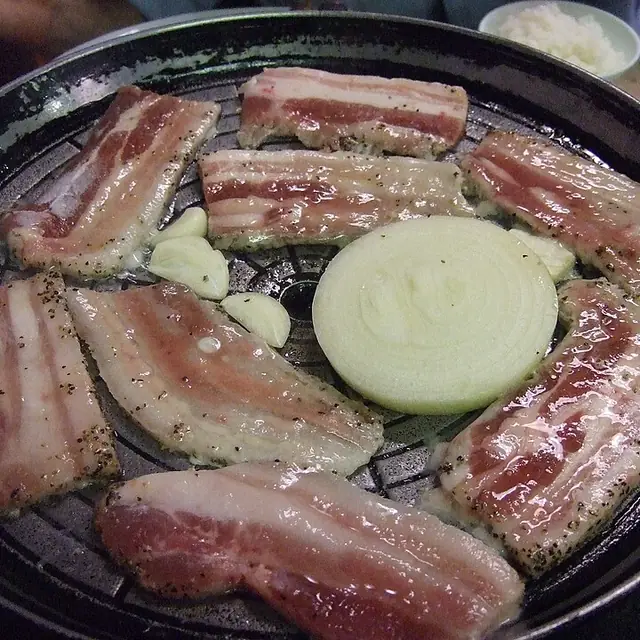
SamgyeopsalSamgyeopsal is thick-cut pork belly grilled at the table over charcoal or gas, wrapped in perilla leaf with garlic, ssamjang and doenjang paste
Stays are listed by our booking partners, not editor picks. We earn a commission if you book, at no cost to you.
Map of Seoul
Every restaurant, cafe, market and bar we cover in Seoul, pinned. Click a pin for the page.
Trip planner
Plan your Seoul trip
Pick your dates: we line up the festivals on, what is in season, where to eat on the days you are in town, and experiences you can book for those dates.
When to come hungry in Seoul
Peak food season: Spring (April to May) and autumn (September to November). Summer heat drives late-night barbecue terraces and cold noodle obsession. Winter brings stew season: hearty seolleongtang, budae-jjigae, and the annual kimjang (kimchi-making) in November.
Local dining hours: Street food from 10:00; lunch 11:30-14:00; late lunch common until 15:00. Dinner from 17:30, peak 19:00-21:00. Late-night pojangmacha and fried chicken joints run past midnight. Many fine-dining rooms close Monday.
Tipping: Tipping is not customary in South Korea. A service charge is built into fine-dining prices. Leaving coins is unusual and unnecessary. Exceptional service at a barbecue joint is acknowledged by returning.
Seoul food, FAQ
What food is Seoul known for?
Seoul's signature dishes include Bibimbap, Samgyeopsal, Galbi (Grilled Short Ribs), Tteokbokki, Naengmyeon (Cold Noodles). See our signature dishes chapter for where to eat each.
What are the best food neighborhoods in Seoul?
TableJourney editors map Seoul by district. Jongno and Insadong, Itaewon and Hannam, Gangnam and Cheongdam, Hongdae and Yeonnam are among the strongest for food, each with its own guide.
Where should I eat fine dining in Seoul?
Editor picks in Seoul include Mingles, Jungsik, La Yeon, plus the full fine dining chapter on TableJourney.
Are there food tours in Seoul?
TableJourney covers 10 editor-picked food tours in Seoul, with what each shows you and how much to budget.
Does Seoul have good vegetarian or vegan food?
TableJourney's Seoul dietary chapter covers vegan, vegetarian, gluten_free, halal venues, each editor-picked with what to order and how to ask.