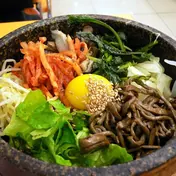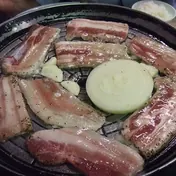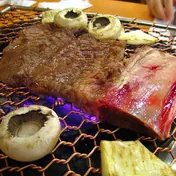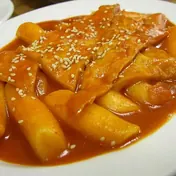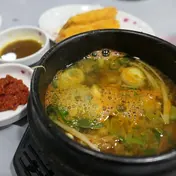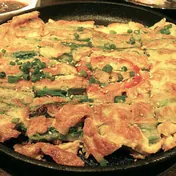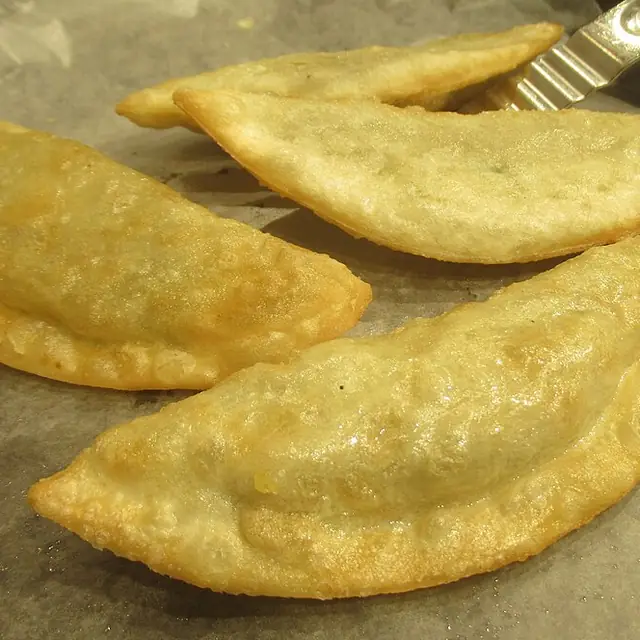
Hand-folded Korean dumplings filled with pork, kimchi, tofu, and Korean chive, then steamed, boiled, or pan-fried (gun-mandu). Bukchon Son Mandu is Seoul's reference dumpling shop, still hand-folding every mandu.
Mandu arrived in Korea via Mongol military traders in the 14th century and naturalised across royal court and peasant kitchens. Bukchon Son Mandu traces back to 1953, when the Lee family brought their Hamheung dumpling recipes south to Seoul during the postwar resettlement; the original Insadong shop still hand-folds every dumpling, and the third generation now runs it with additional branches in Myeongdong, Dongdaemun, and Seongsu. Gwangjang Market dumpling stalls and Tongin Market are the cheaper street references.
4 editor picks for Mandu (Korean Dumplings) in Seoul, ranked by editorial score. All Seoul signature dishes · Mandu (Korean Dumplings) across every city.
Gwangjang Market ★ 4.8
Jongno and Insadong · 88 Changgyeonggung-ro, Jongno-gu, Seoul
Gwangjang Market, established in 1905, is the oldest continuous daily market in Korea and the city's most essential food destination for visitors.
Namdaemun Market ★ 4.5
Jung-gu and Myeongdong · 21 Namdaemunsijang 4-gil, Jung-gu, Seoul
Namdaemun is the largest traditional market in Korea, adjacent to Sungnyemun Gate, with hotteok stalls, kalguksu counters and 24-hour food lanes.
Tongin Market ★ 4.4
Jongno and Insadong · 18 Jahamun-ro 15-gil, Jongno-gu, Seoul
Tongin Market: buy a dosirak tray and brass yeopjeon coins, fill the tray from banchan stalls across the market, then eat in the communal hall at the back.
Bukchon Son Mandu ★ 4.2
Bukchon and Samcheong · 84-1 Gyedong-gil, Jongno-gu, Seoul
A hanok courtyard dumpling kitchen in Bukchon, selling hand-formed mandu (dumplings) by the basket to a patient queue of Seoulites who find the 20-minute.