Tokyo holds more Michelin stars than any city on earth, full stop. The 2024-25 Tokyo Michelin guide lists roughly 200 starred restaurants in the central wards, including 12 three-star rooms, 39 two-star rooms, and over 150 one-star rooms. Compare with Paris (130 total stars), New York (75), and London (75). The structural reason is the Japanese specialist tradition combined with the Michelin guide's early Tokyo coverage (first edition 2008), which surveyed an existing depth of single-craft counter restaurants that no Western city possessed. Tokyo did not build Michelin-grade restaurants to chase the guide; the guide arrived and counted what already existed.
The Tokyo Michelin canon runs across three formats. Edomae sushi: Sukiyabashi Jiro Honten (Jiro Ono's Ginza basement counter, three stars from 2008 to 2019, removed from the guide in 2019 because it no longer accepted general bookings, but still the most famous sushi room in the world), Sushi Saito (Takashi Saito's three-star Roppongi counter, the hardest reservation in Tokyo), Sushi Yoshitake, Sushi Arai, Ginza Kyubey Honten (the heritage 1935 institution). Kaiseki and modern Japanese: Nihonryori RyuGin (Seiji Yamamoto, three stars, the most influential modern kaiseki room), Quintessence (Shuzo Kishida's three-star French-leaning room), Kagurazaka Ishikawa (three-star kaiseki), Ginza Koju (two-star kaiseki). Modern Japanese-French fusion: Florilege (Hiroyasu Kawate's two-star Toranomon room, the most internationally famous modern Tokyo chef), Narisawa (Yoshihiro Narisawa's two-star Aoyama room, the satoyama-Japanese-French style), Den (Zaiyu Hasegawa's two-star Jingumae room, the most personally warm three-star-tier Tokyo room).
The practical shape: Tokyo three-star and two-star booking is essentially impossible without Japanese language or a luxury hotel concierge. The marquee rooms (Sukiyabashi Jiro, Sushi Saito) do not take general reservations and require introduction. The chef-led modern rooms (Den, Florilege, Narisawa) book through Pocket Concierge, OMAKASE, and TableCheck in English with 6 to 16-week windows. Tasting menus run 25,000 to 80,000 yen before drinks. Sake pairings add 8,000 to 20,000 yen. Lunch service at most three-star rooms runs 8,000 to 25,000 yen, the smart play for visitors. Dress code is business-casual at most rooms (jackets optional but appreciated, no shorts, no athleisure, no caps).
The Tokyo three-star canon
Tokyo's 12 three-star Michelin restaurants in the 2024-25 guide run across formats. Sushi: Sushi Saito (the most prestigious sushi counter in the world, no public booking, introduction only, served 65,000 yen for a 20-piece counter session), Sushi Yoshitake (Masahiro Yoshitake's Roppongi counter), Sushi Mitsukawa, Sushi Arai. Kaiseki: Nihonryori RyuGin (Seiji Yamamoto's three-star modern kaiseki, the most influential kaiseki room of the modern era, opened in Roppongi in 2003), Kagurazaka Ishikawa (three-star traditional kaiseki under Hideki Ishikawa), Ishi (three-star kaiseki). Modern French and Japanese-French: Quintessence (Shuzo Kishida's three-star French-leaning room since 2006, the famous bavarois cream dessert), Sezanne at the Four Seasons Marunouchi (Daniel Calvert's modern French-Japanese fusion, three stars, the most-talked-about new three-star promotion of the 2020s). The three-star tier is dominated by sushi and kaiseki; the two-star tier holds the modern French-Japanese chef-led rooms (Florilege, Narisawa, Den, L'Effervescence, Esquisse, Esquisse Inc). The pattern: Tokyo's traditional Japanese categories hold the top tier, while the modern chef-led tier sits at two stars across a deep bench. Tokyo three-star pricing runs 35,000 to 80,000 yen per person for dinner; lunch service at most three-star rooms runs 8,000 to 22,000 yen and is the smart entry for visitors.
The omakase tradition
Omakase (literally 'I leave it to you') is the Japanese tasting-menu format where the diner gives the chef discretion over the menu. The format dominates Tokyo fine dining. At a sushi counter, the chef serves 15 to 25 pieces in sequence, deciding the cuts and the order based on what the fish was that morning and what the diner is drinking. At a kaiseki room, omakase means the seasonal multi-course tasting menu (typically 8 to 12 courses across sashimi, simmered, grilled, fried, hotpot, rice, dessert) is the only available format. At a tempura counter (Kondo, Yoshihiro), omakase is the chef-selected progression of seasonal vegetables and fish dipped in tempura batter. The pricing shape: 25,000 to 80,000 yen at the marquee names. Sushi Saito sits at the top of the pricing tree at roughly 65,000 yen for a 90-minute counter session of 20 pieces. Sukiyabashi Jiro is now closer to 70,000 yen. The format expectation: arrive on time (the chef serves multiple seatings), eat what is served in the order it arrives, watch the chef work.
Kaiseki and the seasonal tradition
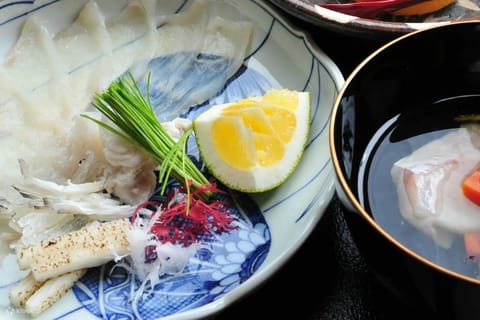
Kaiseki is the Japanese multi-course tea-ceremony-derived dining tradition that became the formal banquet format and then, in the late 20th century, the basis of Japan's most influential fine-dining rooms. The canonical kaiseki sequence runs through sakizuke (welcome amuse), hassun (seasonal small plates), suimono (clear soup), mukozuke (sashimi), takiawase (simmered), yakimono (grilled), agemono or mushimono (fried or steamed), shokuji (rice course), and a dessert. Each course reflects the season explicitly, with ingredients (matsutake in autumn, hamo in summer, fugu in winter, ayu in spring) and presentation (lacquered bowls for warm courses, ceramic for cold, glass in summer) coded to the moment. Nihonryori RyuGin (Seiji Yamamoto) is the most influential modern kaiseki room: Yamamoto rebuilt the format with serious technical precision in 2003 and won three Michelin stars in the first guide. Kagurazaka Ishikawa (Hideki Ishikawa) runs the most traditional three-star kaiseki room. Ginza Okuda and Ginza Koju run the two-star kaiseki bracket. The format demands 2.5 to 3.5 hours; arrive early, eat slowly.
How to book Tokyo Michelin
Tokyo Michelin booking is the hardest in the world for visitors. The three-tier approach. First, the luxury hotel concierge: any 4 or 5-star Tokyo hotel (Park Hyatt, Aman, Mandarin Oriental, Imperial, Peninsula, Bulgari Tokyo, Four Seasons Marunouchi and Otemachi, Ritz-Carlton Tokyo) maintains direct relationships with the marquee rooms. The concierge can book Sushi Saito, Sukiyabashi Jiro Honten (the original on Ginza, not the Roppongi sister), Sushi Yoshitake, Nihonryori RyuGin, and Quintessence with 4 to 12 weeks notice. Booking is not guaranteed but is the only path for non-Japanese speakers. The reservation will often require credit-card guarantee and 48-hour cancellation notice. Second, the English-friendly platforms (Pocket Concierge, OMAKASE, TableCheck, JPNEAZY, the Conde Nast Concierge service) cover the modern chef-led rooms (Den, Florilege, Narisawa, Sazenka, L'Effervescence, Esquisse) with 6 to 16-week windows. Third, the lunch service at most three-star rooms takes English-language reservations more easily than dinner and runs 30 to 50 percent cheaper. Dress code is business-casual; no shorts, no athleisure, no caps.
Narisawa in Tokyo's Aoyama runs innovative satoyama cuisine: foraged Japanese ingredients through European technique. Two Michelin stars plus a Green Star.
Book4-6 weeks via Tableall ahead
TipClosed Mondays and Sundays. Lunch is easier than dinner; book through Tableall six weeks ahead.
Enjoy a premium Kaiseki dinner at Tsukiji Jisaku in Tokyo. Savor a traditional Japanese meal with fresh, seasonal ingredients and admire the restaurant's beautiful pon...
Savor premium "Japanese classic dinner" in neon-lit Shinjuku! Explore vibrant Kabukicho with a local guide, enjoy authentic Omakase sushi, and taste Japan's #1 A5 Wagy...
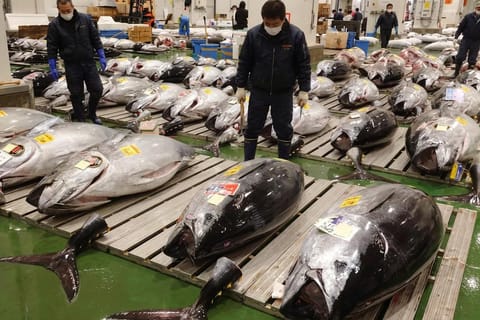
Join a pro guide for a 3.5-hour morning tour at Toyosu and Tsukiji Markets, witness the bluefin tuna auction, savor a fresh seafood breakfast, and explore both modern ...
¥¥¥¥Tasting ¥40,000French fine diningChef Hiroyasu Kawate
Florilege in Tokyo's Azabudai Hills runs Hiroyasu Kawate's vegetable-led modern French tasting at a communal counter. Two Michelin stars, Asia's 50 Best 2026.
Book30 days online (opens 10:00 JST) ahead
TipClosed Mondays and Tuesday lunch. Online bookings open one month ahead at 10:00 JST and fill within minutes.
Sazenka in Tokyo's Minami-Azabu was Japan's first three-star Chinese restaurant (2020). Chef Tomoya Kawada blends Chinese technique with kaiseki rhythm.
Book60 days via byFood ahead
TipClosed Sundays. The renovated German ambassador's residence holds private rooms; book through byFood for English service.
Den in Tokyo's Jingumae is Zaiyu Hasegawa's modern kaiseki room, Asia's 50 Best No. 1 in 2022. The DFC fried chicken and donabe rice are the through-line.
BookPhone bookings up to 2 months ahead ahead
TipClosed Sundays. Phone reservations only; the line opens at 10:00 JST and fills the same day.
Kohaku in Tokyo's Kagurazaka is Koji Koizumi's three-Michelin-star kaiseki house tucked up an alley. Counter and private rooms, ten guests per service.
Book60 days via Pocket Concierge ahead
TipClosed Sundays. Reserve via Pocket Concierge; the cha-kaiseki tea-ceremony seasonal menu is the through-line.
¥¥¥¥Tasting ¥27,500French fine diningChef Shuzo Kishida
Quintessence in Tokyo's Gotenyama is Shuzo Kishida's three-Michelin-star modern French room, no menu and no choice, the chef decides each day from market.
Book60 days via Pocket Concierge ahead
TipClosed Sundays. The lunch course is the same as dinner at lower price; reserve through Pocket Concierge.
Nihonryori RyuGin in Tokyo Midtown Hibiya is Seiji Yamamoto's three-Michelin-star kaiseki room. Asia's 50 Best lifetime list, holds No. 2 status in Japan.
Book90 days via Tableall ahead
TipClosed Sundays. The strawberry candy-apple dessert is the landmark closer; reserve through Tableall 90 days ahead.
Kagurazaka Ishikawa in Tokyo is Hideki Ishikawa's three-Michelin-star kaiseki room hidden up an old Kagurazaka alley. Counter-only, ten seats, seasonal menus.
Book60 days via Pocket Concierge ahead
TipClosed Sundays and Mondays. Lunch reservations are slightly easier; book via Pocket Concierge two months ahead.
¥¥¥¥Tasting ¥34,100French fine diningChef Lionel Beccat
Esquisse in Tokyo's Chanel Ginza tower is Lionel Beccat's two-Michelin-star modern French tasting room. Two stars since 2014 with views across Ginza rooftops.
Book2 months via Tableall ahead
TipClosed Sundays and Mondays. Lunch is the easier seating and half the dinner spend; reserve through Tableall.
Tempura Kondo in Tokyo's Ginza is Fumio Kondo's two-Michelin-star tempura counter, the room that made vegetable tempura the canonical Tokyo opening course.
Book1 month via Tableall ahead
TipClosed Sundays and Monday lunch. Sweet potato is the closing dish; reserve via Tableall a month ahead.
Sushi Arai in Tokyo's Ginza is Hiroyuki Arai's eight-seat edomae sushi counter, two Michelin stars and the Tabelog Sushi 100 fixture for steady-handed nigiri.
BookConcierge-only ahead
TipBookings via top-tier hotel concierges only; cold-call requests are declined. Lunch and dinner are the same omakase course.
Sushi Yamazaki in Tokyo's Yotsuya is Junichi Yamazaki's two-Michelin-star edomae counter, traditional Tokyo nigiri at calmer prices than Ginza counters.
Book60 days by phone ahead
TipClosed Sundays. Phone reservation in Japanese only; a Japanese-speaking concierge is the easiest path.
Nodaiwa Higashi-Azabu in Tokyo is the 1800s-founded unagi house with one Michelin star. Wild-caught eel grilled over binchotan, served in lacquered boxes.
BookWalk-in or 1 week phone ahead
TipThe unaju eel-rice box is the canonical order. Closed Sundays; lunch from 11:00 and the queue moves fast.
Roughly 200 starred restaurants across the central wards in the 2024-25 Tokyo Michelin guide. Includes 12 three-star rooms, 39 two-star rooms, and over 150 one-star rooms. Tokyo holds more Michelin stars than any other city on earth, well ahead of Paris (130) and New York (75).
Why is Sukiyabashi Jiro no longer in the Michelin guide?
Sukiyabashi Jiro Honten was removed from the Michelin guide in 2019 because the restaurant stopped accepting reservations from the general public, only from regulars, hotel concierges, and personal introductions. Michelin's standard is that listed restaurants must be bookable by the public. The room still operates; Jiro Ono and his son Yoshikazu continue to run the Ginza counter. Sukiyabashi Jiro Roppongi (the sister branch under son Takashi) is still in the guide.
What is the difference between sushi and kaiseki?
Sushi (Edomae style) is the Tokyo-tradition fish-and-rice counter format. The chef slices fish (tuna, sea bream, mackerel, snapper) and presses it onto vinegared rice, serving 15 to 25 pieces in sequence over 60 to 90 minutes. Kaiseki is the multi-course tea-ceremony-derived banquet format with 8 to 12 courses across sashimi, simmered, grilled, fried, hotpot, and rice, served over 2.5 to 3.5 hours. They are different traditions with overlapping ingredients.
How do I book Sushi Saito?
Almost impossible for non-Japanese speakers without a luxury hotel concierge introduction. The standard path is to book the Park Hyatt Tokyo, Aman Tokyo, or Mandarin Oriental Tokyo and ask the concierge to request a Sushi Saito reservation 8 to 16 weeks ahead. Booking is not guaranteed even with the concierge. The reservation requires credit-card guarantee and strict 48-hour cancellation notice. Plan for 65,000 yen per person.
What should I wear to Tokyo Michelin restaurants?
Business-casual is the standard expectation. Jackets are appreciated at the three-star rooms but not strictly required at most. No shorts, no athleisure, no caps, no flip-flops, no overly casual T-shirts. The sushi and kaiseki counters are formal in mood without being stiff; smart trousers and a button-down work. Lunch is slightly less formal than dinner. Dress code is enforced more politely than in Western fine dining but is real.