Signature dishes
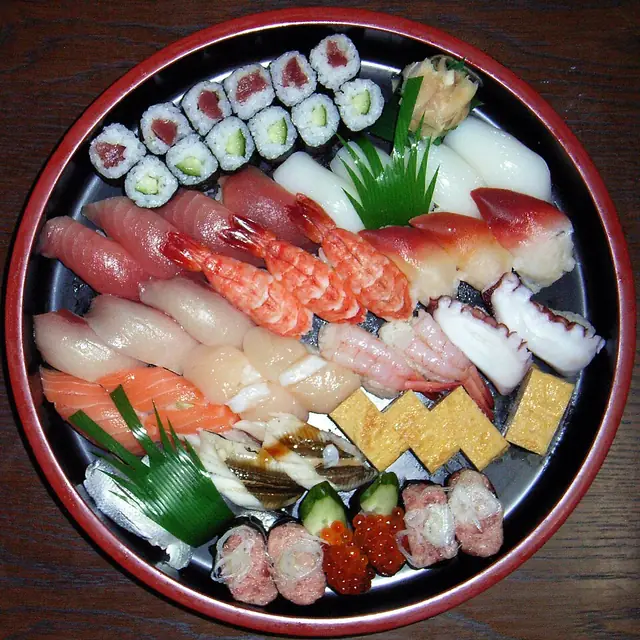
Edomae nigiri is hand-formed sushi as Tokyo invented it in the 1820s: a thumb of vinegared rice, a slice of seasonal fish, a smear of fresh wasabi. Counter-only, omakase.
Where: Sukiyabashi Jiro Honten, Sushi Yoshitake, Ginza Kyubey Honten
Price: ¥3,000-79,000 (lunch to dinner omakase)
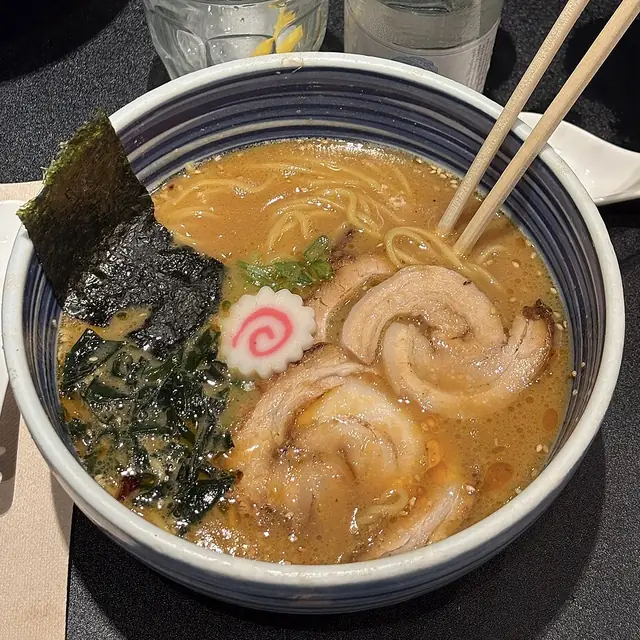
Tokyo ramen is the postwar wheat-noodle bowl evolved from Chinese soba: shoyu, shio, tonkotsu or tsukemen, finished with chashu, scallion and ajitama. Specialist counters only.
Where: Japanese Soba Noodles Tsuta, Afuri Ebisu, Ichiran Shibuya
Price: ¥900-2,000
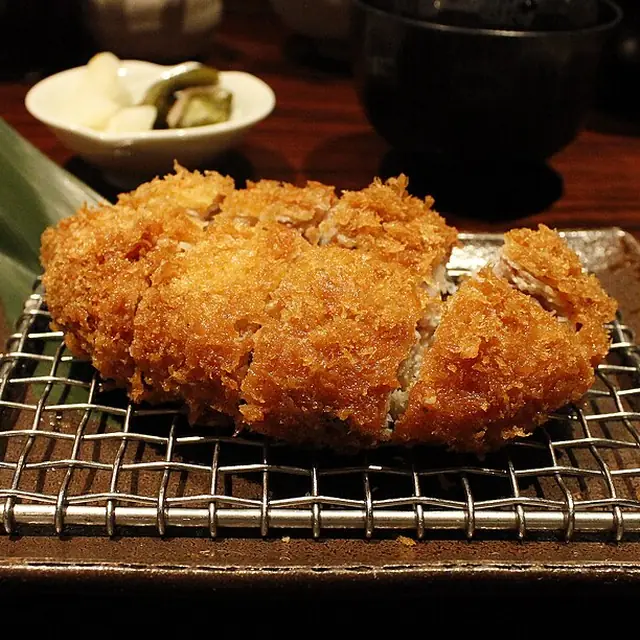
Tonkatsu is the Meiji-era panko-crusted pork cutlet, sliced into batons and served with shredded cabbage, miso soup, rice. Hire (lean) or rosu (fatty) is the choice.
Where: Tonkatsu Maisen Aoyama Honten
Price: ¥1,500-3,500
Edomae soba is the buckwheat noodle Tokyo perfected in the Edo period: cold seiro served on a bamboo tray with dashi-shoyu dipping sauce, or hot kake in clear dashi.
Where: Kanda Yabu Soba
Price: ¥900-2,500
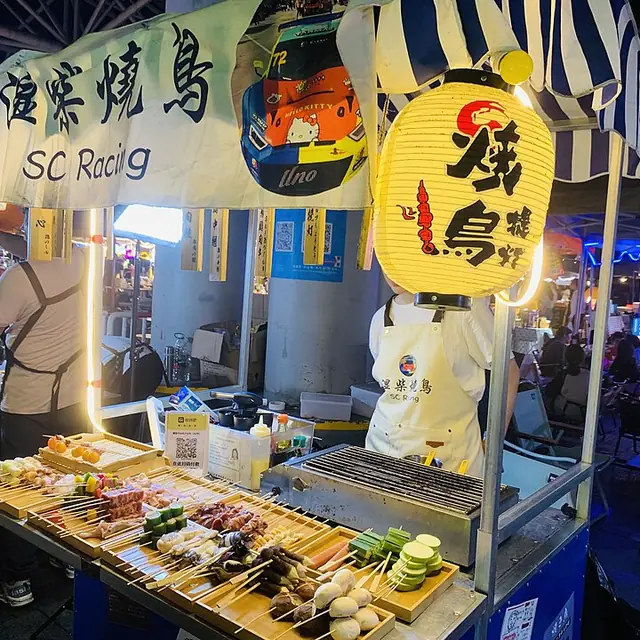
Yakitori is Tokyo's grilled chicken skewer over binchotan charcoal: every part of the bird (thigh, breast, liver, gizzard, tail, skin) seasoned with salt or tare sauce.
Where: Bird Land Ginza, Omoide Yokocho yakitori alley, Harmonica Yokocho
Price: ¥200-15,000
Tokyo's tempura is featherlight battered seafood and seasonal vegetables fried in sesame-blended oil at high heat: served piece-by-piece across a counter, dipped in dashi-radish tentsuyu sauce, finished with salt.
Where: Tsukiji Outer Market
Price: ¥3,000-25,000 (lunch to omakase)
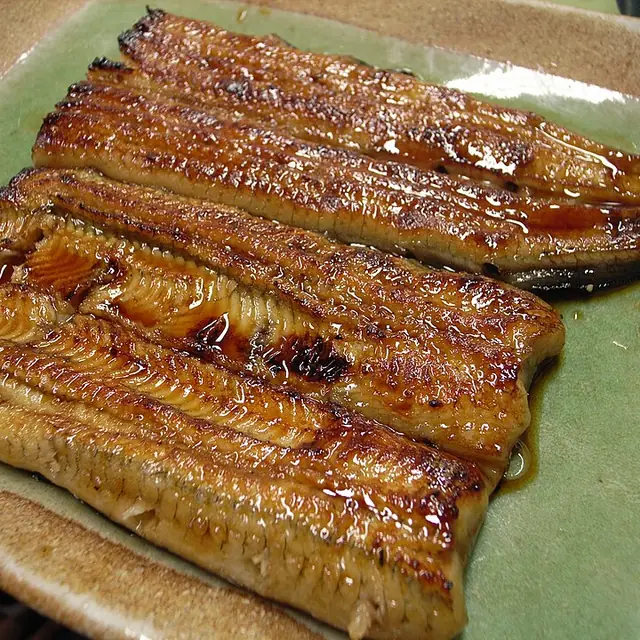
Tokyo's grilled freshwater eel: fillets steamed then grilled over charcoal, lacquered in sweet-savoury tare sauce, served over a bed of rice as unaju in a black lacquer box, eaten through summer to fight the heat.
Where: Tsukiji Outer Market
Price: ¥3,500-12,000
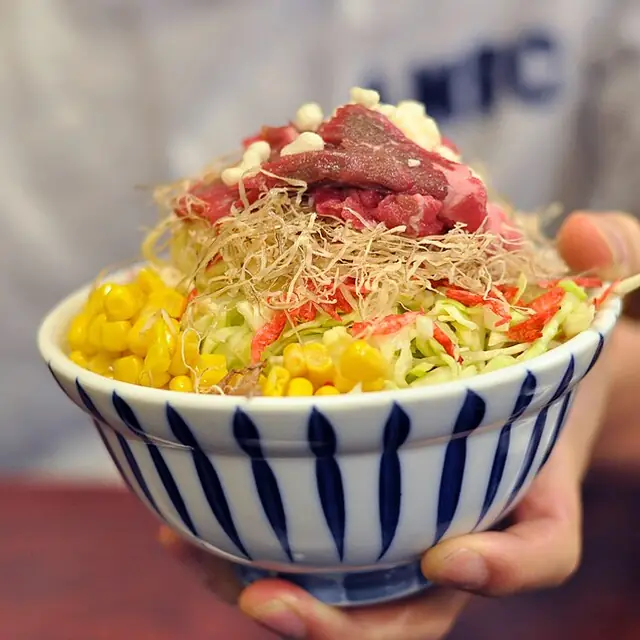
Tokyo's Tsukishima-island griddle pancake: a wet batter of dashi-flavoured flour with cabbage, seafood and bacon, cooked thin and crisp on a hot teppan, scraped up with small spatulas and eaten straight off the griddle.
Where: Ameya-Yokocho street stalls
Price: ¥1,200-2,500
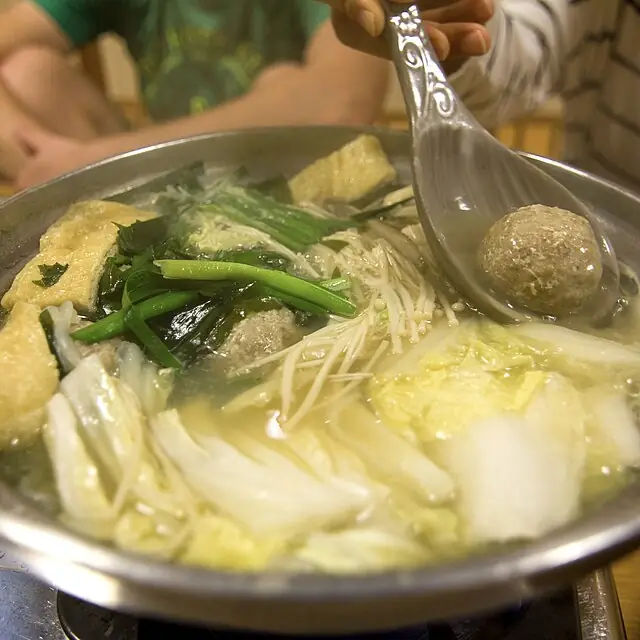
Sumo wrestler's hot pot: a large communal cast-iron pot of dashi broth crammed with chicken, fish balls, tofu, mushrooms and vegetables, eaten with rice or noodles in Ryogoku near the sumo arena.
Where: Tsukiji Outer Market
Price: ¥2,500-5,500 per person
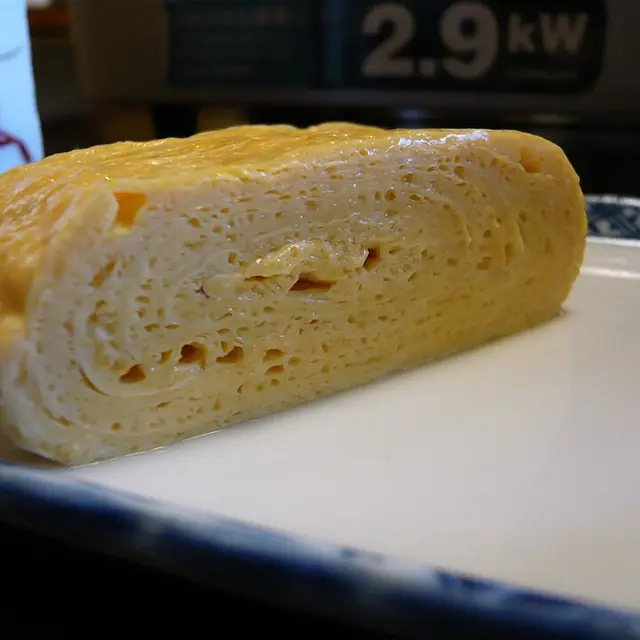
Tokyo's rolled-egg omelette: layers of dashi-sweetened egg cooked in a square copper pan, rolled into a fat log, sliced into thick golden bricks.
Where: Tsukiji Outer Market standing counters, Tsukiji Outer Market
Price: ¥600-1,800
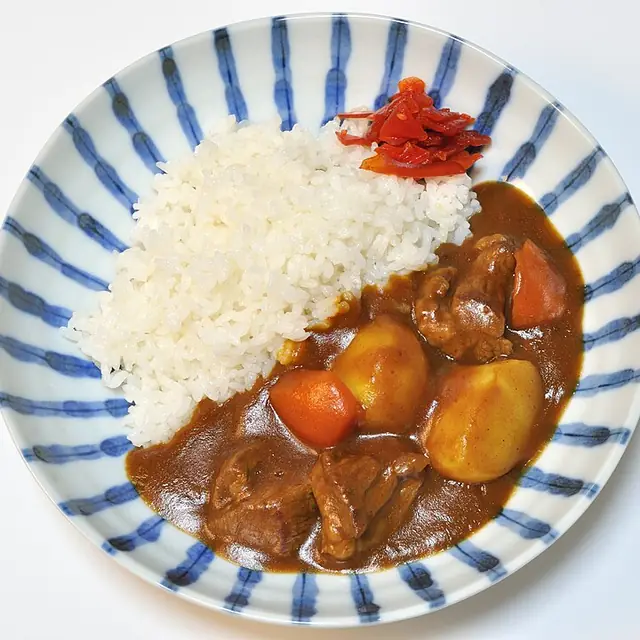
Tokyo's everyday curry rice: a thick, mildly spiced brown gravy with beef or pork chunks, soft onion and potato, ladled over short-grain Japanese rice and topped with fukujinzuke pickle.
Where: CoCo Ichibanya Shibuya Namikibashi
Price: ¥700-1,500
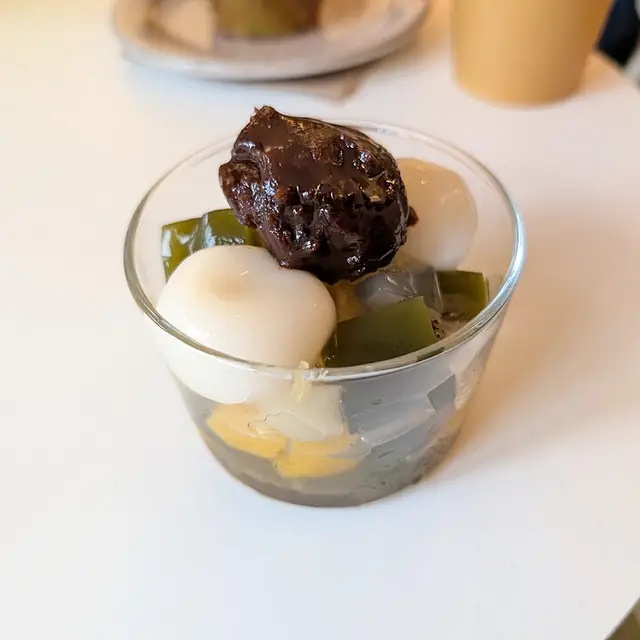
Tokyo's classic kanmidokoro dessert: a glass bowl of kanten (agar) jelly cubes, azuki bean paste, mochi balls and seasonal fruit, drizzled with kuromitsu and topped with matcha ice cream.
Where: Nakamise-dori snack street
Price: ¥700-1,400
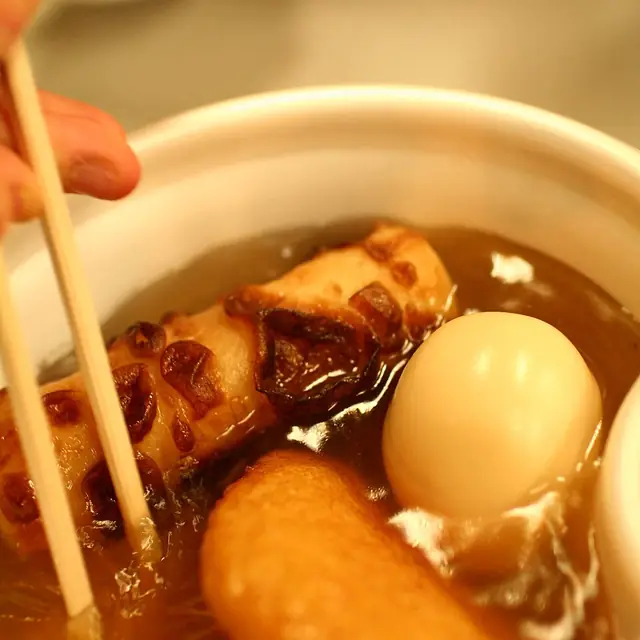
Oden is winter Tokyo in a clay pot: daikon, eggs, fishcakes, konjac and beef tendon simmered for hours in a kombu-and-katsuobushi dashi spiked with shoyu. Counter food, served piece by piece.
Where: Omoide Yokocho yakitori alley, Shinjuku Golden Gai, Harmonica Yokocho
Price: ¥1,500-3,500 (per ingredient or set)
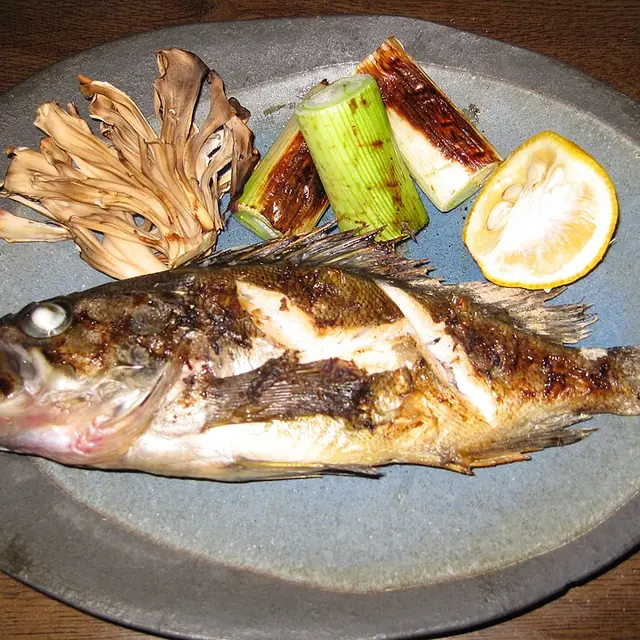
Yakizakana is salt-grilled fish over charcoal, served as the protein anchor of a Japanese breakfast set with rice, miso soup and pickles. Mackerel, salmon or saury, skin crisp, flesh just-set.
Where: Tsukiji Outer Market standing counters, Tsukiji Outer Market breakfast stalls, Toyosu Fish Market
Price: ¥1,200-2,500 (breakfast set)
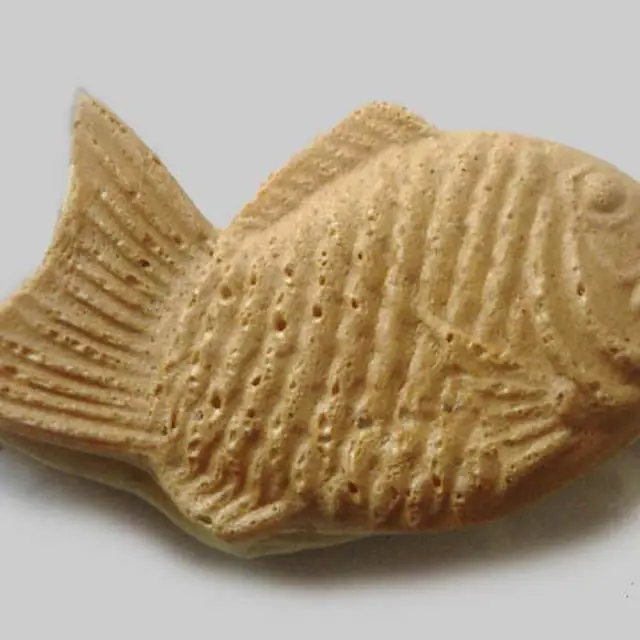
Taiyaki is a fish-shaped pancake stuffed with sweet azuki bean paste, cooked in cast-iron moulds over flame. Crisp shell, soft interior, eaten hot from the brown paper sleeve.
Where: Nakamise-dori snack street, Ameya-Yokocho street stalls, Tsukiji Outer Market standing counters
Price: ¥200-350 each
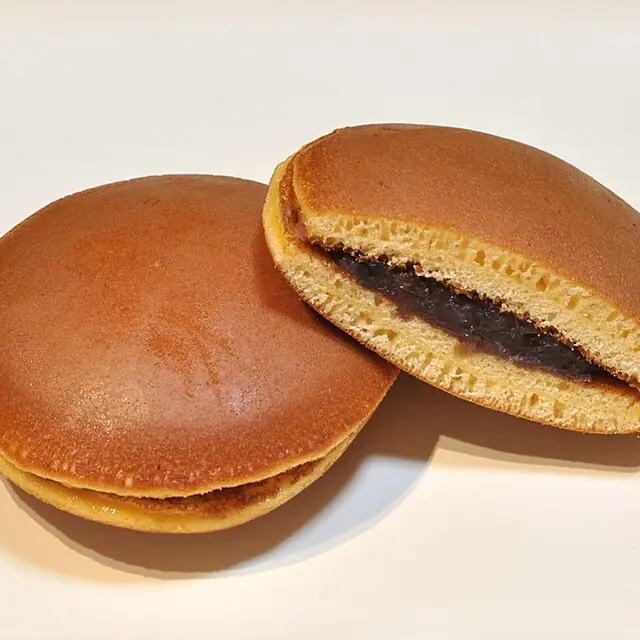
Dorayaki is two small castella-style pancakes sandwiched around a generous filling of sweet azuki bean paste. Soft, honey-sweetened, eaten any time of day with green tea.
Where: Nakamise-dori snack street, Ameya-Yokocho street stalls, Isetan Shinjuku Depachika
Price: ¥250-450 each
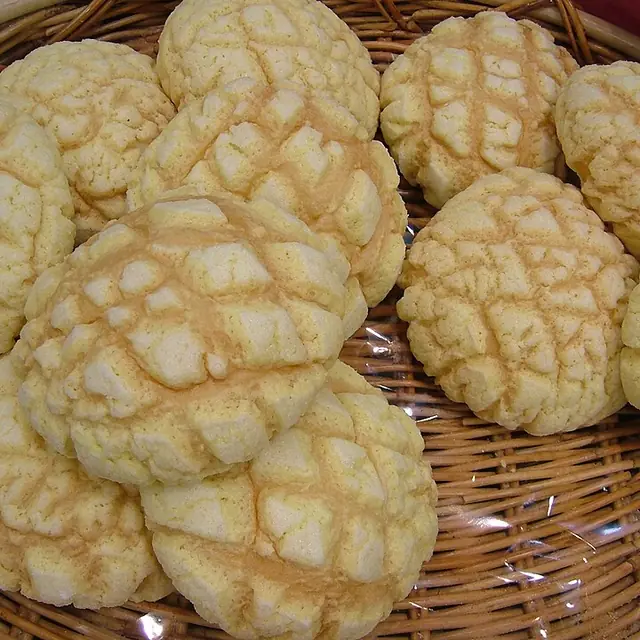
Melonpan is a soft enriched-dough bun topped with a thin layer of crisp sugar-cookie crust scored in a melon-skin grid. No melon flavour despite the name; sweet, fragrant, sold hot.
Where: Nakamise-dori snack street, Centre The Bakery, Pelican Bakery
Price: ¥200-450 each
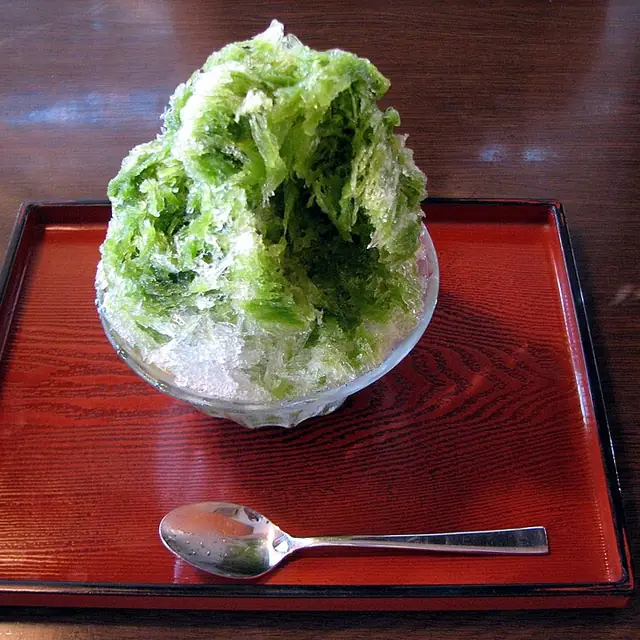
Kakigori is shaved-ice dessert built on hand-cranked or machine-fluffed flakes finer than snow, drenched in fruit syrups, condensed milk and seasonal toppings. Tokyo's summer ritual.
Where: Ameya-Yokocho street stalls, Nakamise-dori snack street, Tsukiji Outer Market standing counters
Price: ¥800-1,800
Edomae nigiri sushi
Edomae nigiri is hand-formed sushi as Tokyo invented it in the 1820s: a thumb of vinegared rice, a slice of seasonal fish, a smear of fresh wasabi. Counter-only, omakase.
History: Hanaya Yohei is credited with shaping the first modern nigiri at his cart in Ryogoku, Edo, in the 1820s. The form spread through the city's wholesale fish markets and survived the 1923 Great Kanto Earthquake when chefs left to teach the style elsewhere in Japan. The 2007 Michelin Tokyo Guide canonised it globally. Today the city holds more starred sushi counters than anywhere on earth, with the apprenticeship lineage from Sukiyabashi Jiro and Ginza Kyubey running through most of them. The neta (toppings) follow the seasons: bonito in spring, sea bream in summer, autumn mackerel and winter tuna.
Where to try it: Sukiyabashi Jiro Honten, Sushi Yoshitake, Ginza Kyubey Honten
Watch out for: Fish, Soy
Ramen
Tokyo ramen is the postwar wheat-noodle bowl evolved from Chinese soba: shoyu, shio, tonkotsu or tsukemen, finished with chashu, scallion and ajitama. Specialist counters only.
History: Chinese soba shops opened in 1910s Tokyo, but the form exploded after American wheat aid in the late 1940s. Sit-down ramen shops took over Tokyo by the 1950s; Nissin launched instant ramen in 1958. Tsuta in Sugamo became the first ramen with a Michelin star in 2015, opening a Bib Gourmand wave that named 18 ramen shops in the 2026 guide. The city now runs 5,000-plus ramen counters across the wards.
Where to try it: Japanese Soba Noodles Tsuta, Afuri Ebisu, Ichiran Shibuya
Watch out for: Gluten, Soy, Egg, Pork
Tonkatsu
Tonkatsu is the Meiji-era panko-crusted pork cutlet, sliced into batons and served with shredded cabbage, miso soup, rice. Hire (lean) or rosu (fatty) is the choice.
History: Tonkatsu emerged in the 1890s as yoshoku Western-influenced Japanese cuisine, when chef Motojiro Kida adapted the French cotelette de porc with a panko crust. By the 1920s it was Tokyo's everyman lunch. Tonkatsu Maisen in Aoyama and Butagumi in Nishi-Azabu run the modern definition: kurobuta or branded pork, sliced thick, fried at low temperature for juiciness.
Where to try it: Tonkatsu Maisen Aoyama Honten
Watch out for: Gluten, Pork, Egg
Edomae soba
Edomae soba is the buckwheat noodle Tokyo perfected in the Edo period: cold seiro served on a bamboo tray with dashi-shoyu dipping sauce, or hot kake in clear dashi.
History: Soba shops spread across Edo from the 1690s after a famine pushed buckwheat into the city's diet. By 1860 there were 3,800 soba counters in Edo, with three lineages dominating: yabu (Kanda Yabu Soba), sunaba (Osaka origin) and sarashina (Shinshu origin). Kanda Yabu Soba's 1880 main shop reopened in 2014 after a fire and still serves the canonical seiro and kamo nanban.
Where to try it: Kanda Yabu Soba
Watch out for: Gluten (most blends), Soy, Buckwheat
Yakitori
Yakitori is Tokyo's grilled chicken skewer over binchotan charcoal: every part of the bird (thigh, breast, liver, gizzard, tail, skin) seasoned with salt or tare sauce.
History: Yakitori began as Edo-period street food and became a postwar yokocho staple. Toshihiro Wada's Bird Land moved to Ginza in 2002 and helped kick off the high-end overhaul with shamo free-range chicken from Ibaraki and binchotan grilling. Today the form runs the full price spectrum, from 200-yen sticks in Omoide Yokocho to 30,000-yen omakase courses in Ginza basements.
Where to try it: Bird Land Ginza, Omoide Yokocho yakitori alley, Harmonica Yokocho
Watch out for: Soy (tare), Gluten (tare)
Edomae Tempura
Tokyo's tempura is featherlight battered seafood and seasonal vegetables fried in sesame-blended oil at high heat: served piece-by-piece across a counter, dipped in dashi-radish tentsuyu sauce, finished with salt.
History: Tempura entered Edo from Portuguese missionaries in the 1500s, but the city refined the form through the 18th and 19th centuries into a fast street-cart food. Edomae tempura is distinct from the Osaka style: a thinner, paler batter, sesame oil predominant in the fry oil, and a focus on tide-fresh shrimp and small whitefish from Tokyo Bay. Tenpura Kondo and Tenmasa established the modern counter format in the late 20th century. The order at a top counter is mostly fixed: kuruma-ebi (kuruma prawn), sayori (halfbeak), kisu (sand whiting), then seasonal vegetables, finishing with tendon (tempura over rice) or tencha (tempura over tea-soaked rice).
Where to try it: Tsukiji Outer Market
Watch out for: Gluten, Egg, Shellfish, Fish, Sesame
Unagi no Kabayaki
Tokyo's grilled freshwater eel: fillets steamed then grilled over charcoal, lacquered in sweet-savoury tare sauce, served over a bed of rice as unaju in a black lacquer box, eaten through summer to fight the heat.
History: Unagi has been a Tokyo staple since the Edo period, when 17th-century cookbooks first record kabayaki (split, skewered, grilled and lacquered). The Tokyo Edomae method (kanto-style) is to butterfly the eel from the back, par-cook by steaming, then grill, which gives a softer texture than the Osaka belly-cut version. By 1700 the dish was associated with Doyo no Ushi no Hi (the Day of the Ox in late July) thanks to scholar Hiraga Gennai's marketing campaign for eel shops. Long-running Tokyo specialists serve unagi over rice in graduated portions: ichinin-mae, ninin-mae, and the elaborate hitsumabushi where the diner eats first plain, then with garnishes, then as ochazuke.
Where to try it: Tsukiji Outer Market
Watch out for: Fish, Soy, Gluten
Monjayaki
Tokyo's Tsukishima-island griddle pancake: a wet batter of dashi-flavoured flour with cabbage, seafood and bacon, cooked thin and crisp on a hot teppan, scraped up with small spatulas and eaten straight off the griddle.
History: Monjayaki is Tokyo's distinctive answer to Osaka okonomiyaki, originating in the early 20th century as a children's snack at penny-candy shops where the runny batter was used to scrawl letters on the griddle (the name derives from moji-yaki, letter-grilled). By the postwar period it had moved into the Tsukishima district of Tokyo Bay, where over 70 monjayaki specialists now line Nishi-Naka-dori, known as Monja Street. The form is wholly Tokyo: a much wetter batter than okonomiyaki, eaten with tiny hagashi spatulas straight off the hot griddle in small crisped bites. Standard fillings include mentaiko-mochi-cheese, kaisen (seafood), and the canonical mix-of-everything moriawase.
Where to try it: Ameya-Yokocho street stalls
Watch out for: Gluten, Egg, Shellfish, Soy, Fish
Chankonabe
Sumo wrestler's hot pot: a large communal cast-iron pot of dashi broth crammed with chicken, fish balls, tofu, mushrooms and vegetables, eaten with rice or noodles in Ryogoku near the sumo arena.
History: Chankonabe was developed by sumo stables in Tokyo's Ryogoku district through the late 19th century as the standard diet to bulk up wrestlers: protein-rich, vegetable-heavy, served in vast pots that fed a stable of 15+ men at one sitting. The base broth is shio (salt) or shoyu (soy); the contents rotate seasonally but always feature tsukune (chicken meatballs), tofu, vegetables and noodles or rice for the finale. The sumo tradition is chicken-only on competition days (the wrestler stands on two legs, not four), making beef and pork tournament-day taboo. Several Ryogoku restaurants are run by retired wrestlers and serve the authentic stable-recipe chankonabe.
Where to try it: Tsukiji Outer Market
Watch out for: Soy, Gluten, Fish, Egg
Tamagoyaki
Tokyo's rolled-egg omelette: layers of dashi-sweetened egg cooked in a square copper pan, rolled into a fat log, sliced into thick golden bricks.
History: Tamagoyaki has been part of Edo cuisine since the 17th century, with the rectangular copper makiyakinabe pan becoming standard by the late Edo period. The Tokyo style is distinct from the Osaka version (dashimaki tamago): noticeably sweeter, with sugar and mirin balancing the dashi. The Tsukiji Outer Market has eight century-old tamago specialists, the most famous being Marutake, where the sushi chefs of Tokyo's high-end counters source the final-course atsuyaki tamago. The sushi-counter version is denser and squarer; the kissaten breakfast version is fluffier with more dashi.
Where to try it: Tsukiji Outer Market standing counters, Tsukiji Outer Market
Watch out for: Egg, Soy, Fish (dashi)
Japanese Curry Rice (Kare Raisu)
Tokyo's everyday curry rice: a thick, mildly spiced brown gravy with beef or pork chunks, soft onion and potato, ladled over short-grain Japanese rice and topped with fukujinzuke pickle.
History: Curry rice entered Japan in the late 19th century through British naval recipes; the Imperial Japanese Navy adopted it as the standard Saturday lunch on warships in 1908 and the dish spread through dockyard towns to the rest of the country. Tokyo's CoCo Ichibanya chain (founded 1978) standardised the modern format with multi-level spice grading and a 12-page topping menu; the chain now has over 1,300 locations. Tokyo also has specialty curry-rice rooms (kare-ya) that have nothing to do with chains: thicker, darker, deeper-roux versions from neighbourhoods like Kanda and Jimbocho.
Where to try it: CoCo Ichibanya Shibuya Namikibashi
Watch out for: Gluten, Soy, Egg
Anmitsu
Tokyo's classic kanmidokoro dessert: a glass bowl of kanten (agar) jelly cubes, azuki bean paste, mochi balls and seasonal fruit, drizzled with kuromitsu and topped with matcha ice cream.
History: Anmitsu was invented in 1930 at Funawa, a tea-and-sweets shop in Asakusa, as an evolution of the older mitsumame (kanten cubes with sweet syrup) by adding anko (sweetened azuki bean paste). The dish became the standard Tokyo summer dessert through the postwar boom, sold at kanmidokoro (sweet shops) and senbei (rice-cracker) stores. The classic preparation never adds dairy beyond the optional scoop of ice cream; the agar-agar jelly is the structural backbone. Tokyo old-shop kanmidokoro like Funawa Asakusa Honten and Asakusa Umezono still serve the dish in unchanged glass coupes.
Where to try it: Nakamise-dori snack street
Watch out for: Dairy (if ice cream), Soy (if mochi flour)
Oden
Oden is winter Tokyo in a clay pot: daikon, eggs, fishcakes, konjac and beef tendon simmered for hours in a kombu-and-katsuobushi dashi spiked with shoyu. Counter food, served piece by piece.
History: Oden traces to Muromachi-era miso-dengaku, but the simmered Kanto-style broth that defines Tokyo oden took shape in the late Edo period as street vendors moved indoors. The dish became a yatai (cart) and izakaya staple by the 1920s, and Tokyo's Kanto-shitate version (dark shoyu broth, no miso) is now the national reference. The dish peaks November to March; many Shinjuku and Asakusa specialists run an open clay pot at the counter from October through the new year.
Where to try it: Omoide Yokocho yakitori alley, Shinjuku Golden Gai, Harmonica Yokocho
Watch out for: Fish, Soy, Egg, Gluten
Yakizakana (grilled fish breakfast)
Yakizakana is salt-grilled fish over charcoal, served as the protein anchor of a Japanese breakfast set with rice, miso soup and pickles. Mackerel, salmon or saury, skin crisp, flesh just-set.
History: Salt-grilled fish has been Japan's breakfast staple since the Edo era, when Tokyo's wholesale fish trade at Nihonbashi (1603) and later Tsukiji (1935) put fresh catch on the city's counters before dawn. The teishoku (set meal) form was codified by the 1930s, and Tsukiji's outer-market eateries opened breakfast counters serving auction workers from 5am. After Tsukiji's wholesale operations moved to Toyosu in 2018, the outer market kept the grilled-fish-breakfast tradition alive for tourists and locals; Toyosu's market-side restaurants run the same form.
Where to try it: Tsukiji Outer Market standing counters, Tsukiji Outer Market breakfast stalls, Toyosu Fish Market
Watch out for: Fish, Soy
Taiyaki
Taiyaki is a fish-shaped pancake stuffed with sweet azuki bean paste, cooked in cast-iron moulds over flame. Crisp shell, soft interior, eaten hot from the brown paper sleeve.
History: Taiyaki was invented in 1909 by Seijiro Kanbe, founder of Naniwaya Sohonten in Azabu, who reshaped the older imagawayaki round pancake into the auspicious sea-bream (tai) form. Taiyaki spread through Tokyo's festival stalls and shopping streets, becoming a fixture of Asakusa's Nakamise-dori and Ueno's Ameya-Yokocho. The original Naniwaya Sohonten still trades from the same location; its cast-iron mould technique (one fish at a time, ippon-yaki) is now the gold standard against which factory-mould chains are measured.
Where to try it: Nakamise-dori snack street, Ameya-Yokocho street stalls, Tsukiji Outer Market standing counters
Watch out for: Gluten, Egg, Soy
Dorayaki
Dorayaki is two small castella-style pancakes sandwiched around a generous filling of sweet azuki bean paste. Soft, honey-sweetened, eaten any time of day with green tea.
History: Dorayaki's modern form dates to the early 20th century, when Tokyo's Ueno confectionery Usagiya refined the older single-pancake gyutaiyaki into the now-canonical sandwich shape around 1914. Usagiya still trades on the same Ueno block and its dorayaki is widely cited (Time Out, Michelin Bib Gourmand listings) as the city's reference version. The dish became a national icon after the 1969 manga Doraemon made it the title character's favourite food; Asakusa's Nakamise-dori and Ueno's Ameya-Yokocho have sold them as a souvenir snack ever since.
Where to try it: Nakamise-dori snack street, Ameya-Yokocho street stalls, Isetan Shinjuku Depachika
Watch out for: Gluten, Egg, Soy
Melonpan
Melonpan is a soft enriched-dough bun topped with a thin layer of crisp sugar-cookie crust scored in a melon-skin grid. No melon flavour despite the name; sweet, fragrant, sold hot.
History: Melonpan emerged in Tokyo's bakeries in the early 20th century, with the cookie-topped form attributed variously to Kobe and Tokyo bakers in the 1910s and 1930s. The dish is now a national bakery staple, and Asakusa's Kagetsudo (opened 1945) is widely credited with making the city's most famous outsized melonpan. Tokyo bakeries push variations (matcha, melon-cream filled, chocolate-chip) but the canonical form is the plain bun with the grid-scored cookie top, baked twice a day and sold warm.
Where to try it: Nakamise-dori snack street, Centre The Bakery, Pelican Bakery
Watch out for: Gluten, Egg, Dairy
Kakigori (shaved ice)
Kakigori is shaved-ice dessert built on hand-cranked or machine-fluffed flakes finer than snow, drenched in fruit syrups, condensed milk and seasonal toppings. Tokyo's summer ritual.
History: Kakigori dates to the Heian period (Sei Shonagon's Pillow Book mentions it around 1000 CE), but the modern syrup-and-block form took off in Meiji-era Tokyo once ice production industrialised in the 1880s. The city's kakigori shops trace lineages back over a century, and the present-day craft-kakigori movement reset the bar from the 2000s onward with single-origin fruit syrups, hojicha and kinako finishes, and ice cut from natural-frozen blocks. Peak season is July to September; many specialists close mid-October.
Where to try it: Ameya-Yokocho street stalls, Nakamise-dori snack street, Tsukiji Outer Market standing counters
Watch out for: Dairy