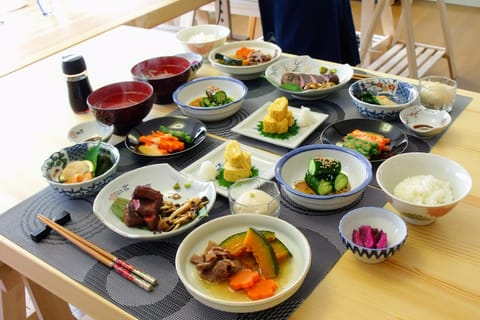
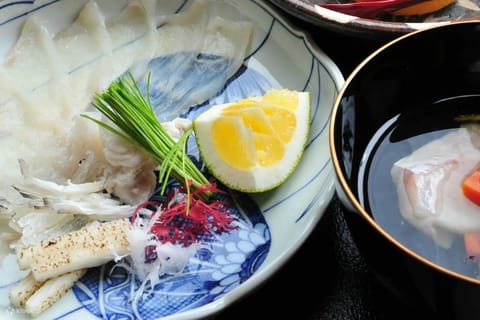
Tokyo has more restaurants than any city on earth, roughly 160,000 according to the Tokyo Metropolitan Government's 2020 food-service register, more than New York, London, and Paris combined. The structural reason is the Japanese specialist culture: most Tokyo restaurants do one thing. A soba shop sells soba. A tonkatsu shop sells tonkatsu. A yakitori counter grills chicken parts over binchotan charcoal. A tempura room fries seasonal vegetables and fish. A sushi counter slices fish and presses rice. A ramen shop sells ramen. The Western multi-format restaurant is the exception in Tokyo; the single-specialty counter is the rule. That gives the city a competitive depth in every category that no Western city can match.

The second structural feature is the counter format. The standard Tokyo dinner room seats 8 to 14 diners at a wooden counter facing the chef, who works inside a kitchen the diners can watch directly. This is true for sushi (Sukiyabashi Jiro, Sushi Saito), tempura (Tempura Kondo, Ginza Yoshihiro), yakitori (Bird Land, Yakitori Omino), kaiseki (Ginza Okuda, Ginza Shinohara), tonkatsu (Tonkatsu Maisen, Tonki), and even soba (Kanda Yabu Soba seats at a long table but the same intimate format). The chef-as-craftsman model means the meal includes the watching, the explanation, and (when the chef speaks English or you have a guide) the brief conversation between courses.

The practical shape for visitors: Tokyo is the only city where Japanese-language reservation infrastructure is the default and Western booking platforms cover maybe 20 percent of the city's worth-eating restaurants. The workable approach is to book the marquee names through the hotel concierge (any 4 or 5-star Tokyo hotel does this routinely), use TableCheck and Pocket Concierge for the English-friendly mid-tier, and walk in to the everyday tonkatsu, soba, ramen, and izakaya rooms that take no reservations. Plan for 2,000 to 8,000 yen per person at the everyday counters, 8,000 to 25,000 yen at the mid-tier specialty rooms, 30,000 to 80,000 yen at the marquee names.

The specialist counter culture

Tokyo's defining restaurant format is the single-specialty counter. Kanda Yabu Soba in Kanda (since 1880, Edo-period soba house, the seiro soba is the order) does one thing. Tonkatsu Maisen Aoyama Honten (the Aoyama mothership, pork cutlet specialist since 1965) does one thing. Tempura Kondo in Ginza (Fumio Kondo's two-Michelin-star counter, opened 1991, the most influential modern tempura room in Japan) does one thing. Bird Land in Ginza (Toshihiro Wada's yakitori counter, one Michelin star) does one thing. Sushi no Midori Umegaoka (the famously affordable sushi chain that still queues for two hours at lunch) does one thing. Tonki in Meguro (the heritage tonkatsu room since 1939) does one thing. The pattern repeats across hundreds of categories: ramen (Rokurinsha for tsukemen at Tokyo Station), udon (Udon Shin in Shinjuku), yakiniku (Yakiniku Jumbo Shirokane), conveyor sushi (Uobei Shibuya Dogenzaka). The lesson for visitors: plan each meal as a specialist trip rather than a general restaurant outing. A 30-minute subway ride for a single tonkatsu lunch is a culturally appropriate Tokyo move.

The neighborhood food map

Tokyo's restaurant geography concentrates by neighborhood and historical period. Ginza is the upmarket counter cluster: the marquee sushi rooms (Sukiyabashi Jiro, Sushi Saito, Sushi Yoshitake), the tempura institutions (Kondo, Yoshihiro), the kaiseki rooms (Ginza Okuda, Ginza Shinohara, Ginza Koju), and the high-end yakitori (Bird Land). Kanda and Akihabara hold the Edo-period heritage rooms (Kanda Yabu Soba, the surviving soba and tempura houses from the 19th century). Asakusa runs the old-Tokyo tradition (sukiyaki at Asakusa Imahan, tempura at Daikokuya, the post-war dotonbori-style street food along Nakamise-dori). Shinjuku and Shibuya hold the loud everyday food culture (udon at Udon Shin, ramen across the Shinjuku belt, izakaya at Uoshin Nogizaka and across Golden Gai). Aoyama and Omotesando run the modern chef-led rooms (Den, Florilege, Tonkatsu Maisen, Sazenka). Tsukiji (the old fish market) and Toyosu (the new one since 2018) hold the early-morning sushi rooms and the seafood-led breakfast culture. The 23 special wards each carry distinct restaurant cultures.

Izakaya and the casual everyday format

Izakaya is the Japanese pub-restaurant format, the everyday after-work dining room that holds the working culture of Tokyo. The standard izakaya menu runs across sashimi, yakitori, agedashi tofu, grilled mackerel, pickles, simmered dishes, fried rice, ochazuke. Drinks are beer (the standard pint of Asahi or Kirin), highballs (whisky with soda), and sake by the cup or carafe. Tokyo holds tens of thousands of izakaya across every neighborhood. Uoshin Nogizaka is the seafood-led marquee izakaya for visitors (no English menu but the fish is some of the best izakaya seafood in the city). The Golden Gai cluster in Shinjuku holds the tiny 6-to-12-seat post-war izakaya that have become the cinematic Tokyo nightlife image. The pricing shape: 3,000 to 6,000 yen per person for a 90-minute izakaya dinner with three or four drinks. The yakitori counters (Bird Land for the high end, Yakitori Omino in Meguro for the mid-tier, hundreds of neighborhood counters for the everyday) are a specialized sub-category of the izakaya tradition.

How to navigate language and booking

Tokyo restaurant booking is harder than London or New York for visitors without Japanese. The workable approach has three layers. First, the hotel concierge at any 4 or 5-star Tokyo hotel (Park Hyatt, Aman, Mandarin Oriental, Imperial, Peninsula, Bulgari, Four Seasons) will book the marquee names on your behalf, typically with 2 to 4-week notice for Michelin two-star and three-star rooms. This is not optional for Sushi Saito or Sukiyabashi Jiro Honten, where direct booking is essentially impossible for non-Japanese speakers. Second, English-friendly platforms (TableCheck, Pocket Concierge, OMAKASE, JPNEAZY) cover the modern chef-led rooms (Den, Florilege, Narisawa, Sazenka) with 4 to 12-week windows. Third, the everyday rooms (Kanda Yabu Soba, Tonkatsu Maisen, Udon Shin, Rokurinsha, the ramen counters, the everyday izakaya) take no reservations and you walk in or queue. Photo menus exist at most counter rooms; pointing works. Cash is essential at the everyday rooms (many do not take cards). Tipping is not the convention and can be misread as condescension; do not tip in Tokyo restaurants.

Our picks in Tokyo

Den ★ 4.9

Japanese¥¥¥¥jingumae

Zaiyu Hasegawa's Den in Tokyo is the modern kaiseki room that put playful home cooking on Asia's 50 Best, ranked No. 1 in 2022 and No. 22 in 2025.

Signature: DFC fried chicken, Den garden salad, Donabe gohan claypot rice

Order: The DFC fried chicken parcel and whatever donabe rice closes the menu.

Tip: Closed Sundays.

Narisawa ★ 4.8

Japanese¥¥¥¥minami-aoyama

Yoshihiro Narisawa's Aoyama room runs innovative satoyama cuisine. Two Michelin stars plus a Green Star, Japanese foraging through European technique.

Signature: Bread of the forest, Satoyama scenery course, Charcoal-grilled wagyu

Order: The bread of the forest course, served with bark-scented butter.

Tip: Closed Mondays and Sundays. Lunch is the easier seating; reserve six weeks ahead through TableAll.

Florilege ★ 4.8

Japanese¥¥¥¥toranomon

Hiroyasu Kawate's Florilege moved to Azabudai Hills in 2023 with a communal counter and a vegetable-forward French tasting menu. Two Michelin stars in Tokyo.

Signature: Plant-forward tasting menu, Beef and the dairy cow course, Vegetable garden snapshots

Order: The signature beef-and-dairy course that takes you through the life of one cow.

Tip: Closed Mondays and Tuesday lunch. Online booking opens exactly one month ahead at 10:00 JST.

Sazenka ★ 4.8

Japanese¥¥¥¥minami-azabu

Tomoya Kawada's Sazenka in Minami-Azabu was Japan's first three-star Chinese restaurant, awarded 2020. Chinese technique meets kaiseki rhythm.

Signature: Tea-Zen-Chinese tasting course, Smoked duck, Hand-pulled noodles

Order: The full tasting; the smoked duck and house-made hand-pulled noodles are the through-line.

Tip: Closed Sundays and irregular Mondays. Booking via byFood opens 60 days ahead for international guests.

Kanda Yabu Soba ★ 4.5

Edo-style Soba¥¥kanda

Kanda Yabu Soba in Tokyo has served Edo-style buckwheat noodles since 1880. The current building reopened in 2014 after a fire, sing-song order calls intact.

Signature: Seiro cold soba, Kamo nanban duck soba, Anago tempura

Order: The seiro cold soba and a side of anago tempura; in winter, kamo nanban duck.

Tip: Closed Wednesdays. Cash and major cards. Lunch queues from 12:00; weekday afternoons are calmer.

Tonkatsu Maisen Aoyama Honten ★ 4.4

Tonkatsu¥¥jingumae

Tonkatsu Maisen's 1965 Aoyama shop in Tokyo occupies a former Omotesando public bathhouse. Kurobuta cutlets so tender they're sliceable with chopsticks.

Signature: Kurobuta hire katsu, Amai Yuwaku rosu, Katsu sando

Order: Kurobuta hire (lean) set with shredded cabbage refills; the katsu sando is the takeaway hero.

Tip: Open 11:00-22:45 daily. Long lunch lines; arrive before 12:00 or after 14:00 for a counter seat.

Bird Land Ginza ★ 4.7

Yakitori¥¥¥¥ginza

Toshihiro Wada's Bird Land in Tokyo Ginza grills Ibaraki shamo over binchotan, the basement that invented elevated yakitori. One Michelin star.

Signature: Shamo chicken liver pate, Tsukune meatball, Oyakodon rice closer

Order: The omakase course closing with the oyakodon rice and silken liver pate as the opener.

Tip: Closed Sundays, Mondays and public holidays. Reservation by phone only, six weeks out.

Ginza Okuda ★ 4.7

Japanese Kaiseki¥¥¥¥ginza

Ginza Okuda in Tokyo's Ginza is Toru Okuda's two-Michelin-star kaiseki room. The seasonal seven-course menu changes monthly, paired with regional sake.

Signature: Seasonal kaiseki course, Charcoal-grilled hamo pike conger, Sake-paired closing rice

Order: The full omakase course; the charcoal-grilled hamo in summer is the seasonal pull.

Tip: Closed Sundays. Reserve via Pocket Concierge 60 days ahead; English staff handle the booking flow.

Uobei Shibuya Dogenzaka ★ 3.9

Japanese sushi¥shibuya

Uobei Shibuya in Tokyo is the express-belt sushi room where every order arrives on a Shinkansen-style tray rather than circulating. 100 yen plates.

Signature: 100-yen express-belt nigiri, Tuna and salmon two-piece sets, Egg pudding dessert

Order: The 100-yen tuna and salmon plates and an egg pudding to close.

Tip: Touchscreen ordering in English. Solo seating works best; weekend evenings queue 20-30 minutes.

Asakusa Imahan Honten ★ 4.6

Japanese¥¥¥asakusa

Asakusa Imahan Honten in Tokyo's Nishi-Asakusa has cooked sukiyaki tableside in private tatami rooms since 1895. Wagyu sirloin, kimono-clad attendants.

Signature: Premium sukiyaki tasting course, Shabu-shabu with wagyu sirloin, Hand-cut beef chuck

Order: The sukiyaki course with wagyu sirloin; lunch is the easier and cheaper seating.

Tip: Reservations strongly recommended. Lunch from 11:30, dinner from 17:00; private rooms only.

Yakiniku Jumbo Shirokane ★ 4.7

Japanese Yakiniku¥¥¥shirokane

Yakiniku Jumbo Shirokane in Tokyo is the wagyu yakiniku counter that the city's chefs eat at on days off. Hand-cut Chateaubriand sukiyaki is the signature.

Signature: Chateaubriand sukiyaki, Hand-cut wagyu sirloin, Yukke beef tartare

Order: Chateaubriand sukiyaki and the marbled sirloin; finish with cold reimen noodles.

Tip: Phone reservation only, 30 days ahead. The Hongo and Hanare branches share the same kitchen team.

Kyourakutei ★ 4.6

Japanese¥¥kagurazaka

Kyourakutei in Tokyo's Kagurazaka holds one Michelin star for the soba-and-tempura set menu. Hand-cut Hokkaido buckwheat and a calm wooden ground-floor room.

Signature: Hand-cut soba, Vegetable and seafood tempura, Duck tsukesoba

Order: The soba and tempura set; the duck tsukesoba in winter is the second order.

Tip: Closed Mondays. Lunch queues from 11:45; dinner is calmer and the tempura course adds value.

Udon Shin ★ 4.6

Japanese Udon¥shinjuku

Udon Shin in Tokyo's Yoyogi is the much-photographed sanuki udon counter near Shinjuku Station. Hand-pulled noodles cooked to order, opens 11:00 daily.

Signature: Carbonara udon, Curry udon, Kake udon with grated daikon

Order: The carbonara udon with bacon, soft-boiled egg and black pepper; curry udon in winter.

Tip: Queue from 11:00; midweek lunches turn fastest. Cash only at the counter.

Rokurinsha Tokyo Station ★ 4.6

Japanese¥marunouchi

Rokurinsha in Tokyo Station's Ramen Street is the canonical thick-noodle tsukemen counter. Dense pork-and-fish broth, hand-cut noodles, queue from 09:00.

Signature: Tokusei tsukemen, Ajitama soft-boiled egg, Pork chashu rice on the side

Order: Tokusei tsukemen (special) with chashu, egg and extra noodles.

Tip: Inside the JR Tokyo Station turnstiles in the B1 Ramen Street. Queue 30-60 minutes at peak.

Harajuku Gyozaro ★ 4.3

Japanese¥harajuku

Harajuku Gyozaro in Tokyo's Harajuku is the cash-only gyoza specialist on Meiji-dori. Two-item menu, pan-fried or boiled, six gyoza per plate.

Signature: Yaki-gyoza pan-fried dumplings, Sui-gyoza boiled dumplings, Pickled cabbage side

Order: One plate of yaki-gyoza, one of sui-gyoza, with a beer.

Tip: Cash only; expect a 20-minute queue at lunch. Counter and small tables.

Yakitori Omino ★ 4.7

Japanese Yakitori¥¥¥meguro

Yakitori Omino in Tokyo's Meguro is the one-Michelin-star yakitori counter where Akihiro Omino grills jidori chicken over binchotan in a hidden basement.

Signature: Tsukune meatball with raw quail yolk, Yakitori omakase course, Sansho-charred wings

Order: The 14-skewer omakase; the tsukune meatball with quail yolk is the signature.

Tip: Closed Sundays. Reserve through Pocket Concierge two months ahead; dinner only.

Sushi no Midori Umegaoka ★ 4.4

Japanese Sushi¥¥umegaoka

Sushi no Midori Umegaoka in Tokyo is the original branch of the value-sushi chain. Big-piece nigiri, queue-based seating, lunch sets under 2,000 yen.

Signature: Lunch jo-nigiri set, Anago saltwater eel, Chu-toro tuna belly

Order: The jo-nigiri set; an extra plate of anago and chu-toro brings it home.

Tip: Closed Wednesdays. Queue ticket machine outside; 60-90 minute waits at lunch.

Ginza Yoshihiro ★ 4.7

Japanese Tempura¥¥¥¥ginza

Ginza Yoshihiro in Tokyo's Pola Ginza tower is the two-Michelin-star tempura counter where Yoshihiro Murata fries each piece to order on white-flame charcoal.

Signature: Tempura omakase course, Anago saltwater eel tempura, Maitake mushroom tempura

Order: Omakase tempura course with anago and maitake; lunch is half the dinner spend.

Tip: Closed Sundays. Reserve via Tableall 60 days ahead; lunch seating opens earlier.

Yoroniku Omotesando ★ 4.7

Japanese Yakiniku¥¥¥¥minami-aoyama

Yoroniku Omotesando in Tokyo is the cult basement yakiniku counter on Minami-Aoyama, the room that built Tokyo's modern wagyu-tasting genre. Booking-only.

Signature: Tongue tasting plate, Hand-cut Chateaubriand, Cold reimen noodles closer

Order: The omakase course with tongue plate, sirloin and Chateaubriand; finish with reimen.

Tip: Reserve via Pocket Concierge 60 days ahead. The dinner course is the same omakase format every day.

Tempura Uchitsu ★ 4.7

Japanese Tempura¥¥¥¥minami-azabu

Tempura Uchitsu in Tokyo's Minami-Azabu is Daisuke Uchitsu's two-Michelin-star tempura counter, all sesame-oil frying, eight seats and seasonal omakase only.

Signature: Sesame-oil tempura omakase, Anago and shrimp openers, Tendon rice bowl closer

Order: The full omakase tempura course; ten to twelve pieces and a tendon rice closer.

Tip: Closed Sundays. Phone reservation in Japanese only; Pocket Concierge handles English bookings.

Uoshin Nogizaka ★ 4.5

Japanese Izakaya¥¥nogizaka

Uoshin Nogizaka in Tokyo is the seafood izakaya where the boat-shaped sashimi platter feeds four. Direct buying from the Toyosu auction floor each morning.

Signature: Whole sashimi platter, Saba mackerel sashimi, Grilled fish of the day

Order: The big sashimi boat platter; grilled saba and aged tuna are the through-line.

Tip: Walk-ins only after 17:00; bring cash for the cover charge. Other Uoshin branches in Shinjuku and Shibuya.

Ginza Shinohara ★ 4.8

Japanese Kaiseki¥¥¥¥ginza

Ginza Shinohara in Tokyo's Kanda is Tetsuya Shinohara's three-Michelin-star kaiseki room. Counter-only, dramatic platings on lacquered shogi-board stands.

Signature: Seasonal kaiseki course, Hairy crab in season, Charcoal-grilled wagyu beef

Order: The full omakase kaiseki; hairy crab and shaved wagyu are the showstoppers when in season.

Tip: Closed Sundays. Reserve via Tableall 90 days ahead; the menu is presented as a single seasonal arc.

Savoy Pizza Azabu-Juban ★ 4.5

Neapolitan Pizza¥¥azabu-juban

Savoy Pizza Azabu-Juban in Tokyo is the AVPN-certified Neapolitan pizza counter that built Tokyo's wood-fired pizza scene. Two-item menu, six counter stools.

Signature: Margherita D.O.P., Marinara classica, Diavola pepperoni and chilli

Order: The Margherita and the Marinara, side by side.

Tip: Cash only at the counter. Closed Mondays; queue from 11:30 for lunch.

Yakiniku Toraji Shibuya ★ 4.3

Japanese Yakiniku¥¥shibuya

Yakiniku Toraji Shibuya in Tokyo is the polished yakiniku chain's Shibuya flagship: wagyu cuts, tongue platters, large communal-table tabletop grilling.

Signature: Tongue salt-grill plate, Wagyu sirloin cuts, Cold reimen noodles

Order: The salt-tongue platter, harami skirt steak, and a cold reimen closer.

Tip: Reserve weekend dinners online. Lunch sets cheaper than dinner; English menu and English-speaking servers.

Tonki Meguro ★ 4.6

Japanese Tonkatsu¥¥meguro

Tonki in Tokyo's Meguro has fried tonkatsu since 1939, the canonical Tokyo cutlet counter. Cash only, walk-in only, white tile and theatre of frying.

Signature: Hire-katsu lean cutlet, Rosu-katsu rib cutlet, Cabbage refills

Order: Hire-katsu (lean) set with miso soup, rice and unlimited cabbage refills.

Tip: Closed Tuesdays and third Mondays. Queue from 16:00; cash only.

Frequently asked: restaurants in Tokyo

How many restaurants does Tokyo have?

Roughly 160,000 according to the Tokyo Metropolitan Government's food-service register, more than New York, London, and Paris combined. The city's restaurant density is unique in the world. The structural reason is the specialist culture: most Tokyo restaurants do one thing (sushi, soba, tonkatsu, yakitori, tempura, ramen, kaiseki) rather than running multi-format menus.

Do Tokyo restaurants take reservations?

The mid-tier and high-end specialty rooms require reservations and many require Japanese-language phone bookings or hotel concierge bookings. Pocket Concierge, TableCheck, and OMAKASE cover the modern chef-led rooms in English. The everyday counters (tonkatsu, soba, ramen, izakaya, conveyor sushi) take no reservations; you walk in or queue.

Should I tip in Tokyo?

No. Tipping is not the convention in Japan and can be misread as condescension or as you implying the staff is underpaid. Service is included in the menu price. The exception is foreign-staffed luxury hotels where Western tipping conventions sometimes apply for room service; in restaurants, do not tip.

What is a specialist counter restaurant?

The Tokyo standard restaurant format: 8 to 14 seats at a wooden counter facing the chef, who works inside an open kitchen and prepares each course in front of the diners. The format is used for sushi, tempura, yakitori, kaiseki, tonkatsu, and several other categories. The chef-as-craftsman model means the meal includes watching the cooking and (where language allows) brief explanation between courses.

How much does a Tokyo dinner cost?

Everyday counter rooms (tonkatsu, soba, ramen, conveyor sushi, izakaya): 2,000 to 6,000 yen per person. Mid-tier specialty rooms (good tempura, modern chef-led, mid-range yakitori): 8,000 to 25,000 yen. Marquee names (Sukiyabashi Jiro, Sushi Saito, Den, Florilege, Narisawa): 30,000 to 80,000 yen before drinks. Tokyo is meaningfully cheaper than New York or London at the marquee level for the equivalent quality.

← Back to Tokyo food guide