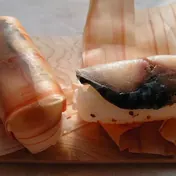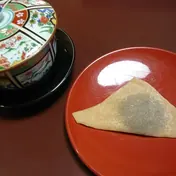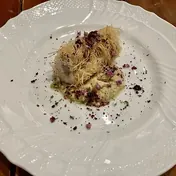
Kyoto's seasonal Japanese sweets, shaped to match the tea ceremony and the changing flowers, codified at Kagizen Yoshifusa since the 18th century.
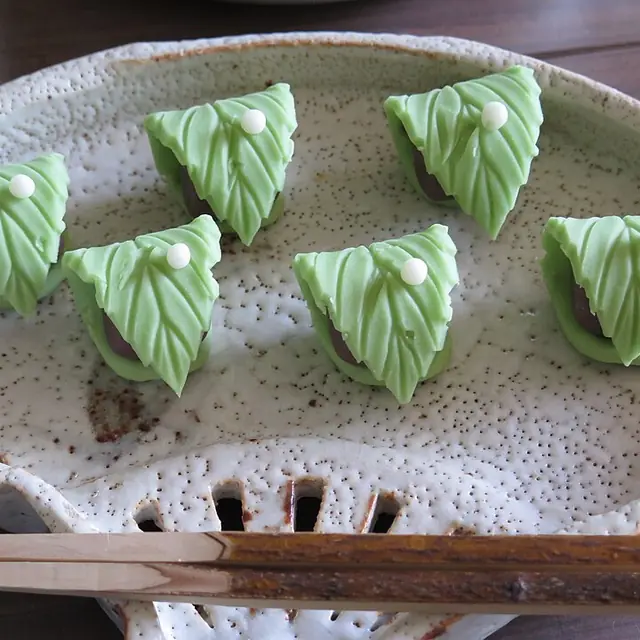
Wagashi crystallised in Kyoto around the tea ceremony in the 17th and 18th centuries. The form prioritised seasonal shape, colour and ingredient over sweetness; nerikiri sculpted-bean sweets, kashiwa-mochi spring leaves, mizu-yokan summer jellies, and Demachi Futaba's mame-mochi all read the calendar. Kagizen Yoshifusa from the 1700s, Sasaya Iori from 1716, and Kanshundo from 1865 are the city's reference wagashi makers. Today Kyoto wagashi is the country's reference form, supplying the imperial tea houses and the city's matcha-and-sweet sets.
4 editor picks for Wagashi in Kyoto, ranked by editorial score. All Kyoto signature dishes · Wagashi across every city.
Demachi Futaba ★ 4.7
demachiyanagi · Kamigyo-ku, Kyoto 602-0822, Japan
A wagashi shinise on Kawaramachi north of Imadegawa in Kyoto, famed for its mame-mochi: salted black soybeans pressed into sweet azuki paste-filled mochi.
Kagizen Yoshifusa ★ 4.6
gion · Higashiyama-ku, Kyoto 605-0073, Japan
An 18th-century wagashi maker on Shijo-dori with a tatami tea room behind the storefront. Tsukimi rabbit jellies and the most quoted kuzukiri in Kyoto.
Demachi Futaba Mame-Mochi ★ 4.5
demachiyanagi · Kamigyo-ku, Kyoto 602-0822, Japan
Salted-bean and azuki mochi for 220 yen at the city's most famous wagashi shinise in Demachiyanagi, Kyoto. Eat fresh on a Kamogawa bench across the road.
Marukyu Koyamaen Nishinotoin ★ 4.4
karasuma-kawaramachi · Nakagyo-ku, Kyoto 604-8277, Japan
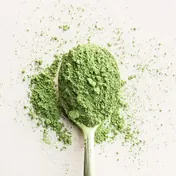
Marukyu Koyamaen's Kyoto tasting room on Nishinotoin, run by the Uji tea house founded 1704. Sit in a sashed garden tatami room and order matcha by farm.