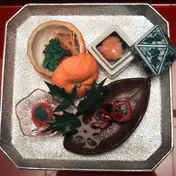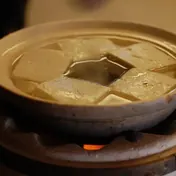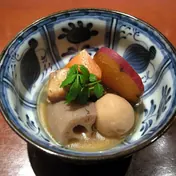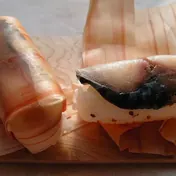
Pike conger eel, the summer fish of Kyoto. Bone-cut into chrysanthemum petals, quick-poached and served with plum vinegar at the city's kaiseki rooms.

Hamo arrives in Kyoto from June to August across the Awaji Strait. The fish has hundreds of tiny bones, so Kyoto chefs developed honegiri, a slicing technique that cuts each fillet at millimetre intervals without severing the skin. The bones soften when quick-poached; the flesh flowers open like a chrysanthemum. The dish became the summer marker of Gion Matsuri, served at every ryotei in July alongside ume-su plum vinegar. Hyotei and Kikunoi serve the canonical version.

Where to eat Hamo in Kyoto

3 editor picks for Hamo in Kyoto, ranked by editorial score. All Kyoto signature dishes · Hamo across every city.

Book food experiences in Kyoto

See all 2123 food experiences in Kyoto

Make it at home

Serves 245 minAdvanced

Ingredients

  • 400g pike conger eel (hamo) or substitute with conger eel from a Japanese fish market
  • 1 tablespoon umeboshi pickled plum paste
  • 60ml rice vinegar, 30ml mirin, 15ml light soy
  • 1 strip kombu kelp
  • Sliced cucumber, myoga ginger and shiso leaves to serve

Method

  1. If using whole eel, ask the fishmonger to honegiri-slice the fillet: 1mm cuts along the length without severing the skin.
  2. Make a kombu dashi by cold-soaking kombu in 600ml water for 30 minutes; bring to 80C and strain.
  3. Combine umeboshi paste, vinegar, mirin and soy for the ume-su dipping sauce.
  4. Bring the dashi to a gentle simmer in a wide pan.
  5. Drop the hamo fillets in pieces; they will curl and flower open within 30 seconds. Lift immediately with a slotted spoon and shock in iced water for 10 seconds.
  6. Plate the bloomed hamo on a bed of cucumber and shiso; spoon ume-su over and serve with myoga slices.

Editor tip. Honegiri is the entire dish. If your fish supplier can't do the bone-cutting, choose a different fish; the technique is what makes hamo edible.

Common allergens: Fish.