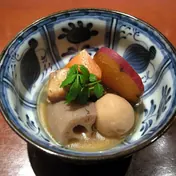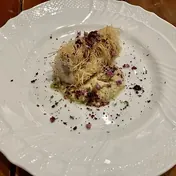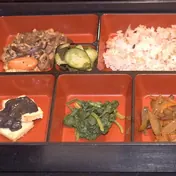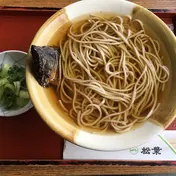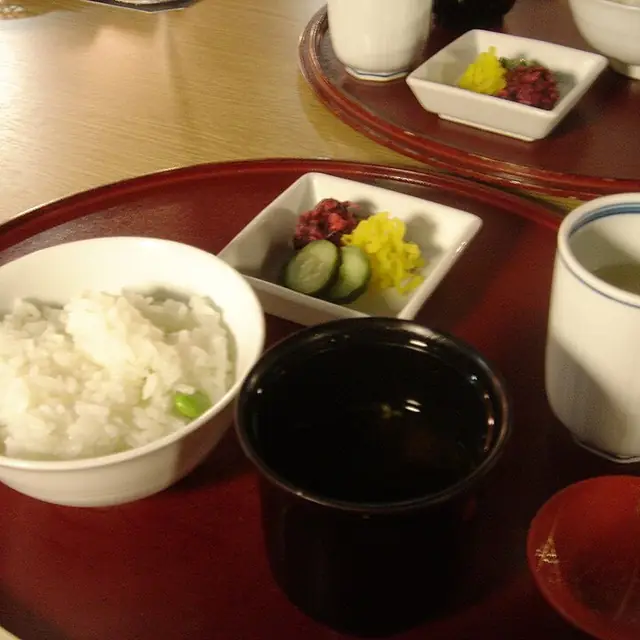
Kyoto pickles, kyo-tsukemono, are made from vegetables grown in Kyoto; suguki, shibazuke and senmaizuke are counted as the three great ones.

Kyo-tsukemono began as salt-preserved seasonal vegetables kept for cooking, and are counted a symbol of Kyoto food culture beside Kyo-ryori. Suguki, shibazuke and senmaizuke are the best known, called the three great pickles, and suguki is made only in Kyoto. The Kyoto Prefecture Pickles Cooperative holds a regional collective trademark for Kyo-tsukemono.

Where to eat Kyoto Tsukemono Pickles in Kyoto

The editor picks for Kyoto Tsukemono Pickles in Kyoto are still in research. Meanwhile, see the Kyoto signature-dishes index or the Kyoto food guide.

Book food experiences in Kyoto

See all 2,155 food experiences in Kyoto

Make it at home

Serves 500P3DEasy

Ingredients

  • 500g Shogoin (large round) turnip, peeled and very thinly sliced (1mm) on a mandoline
  • 10g sea salt for the initial draw
  • 1 strip kombu kelp, soaked in 100ml rice vinegar
  • 30g sugar, 5ml soy sauce
  • 1 dried red chilli, sliced
  • A weighted lid or pickling press

Method

  1. Salt the turnip slices and toss to coat; rest for 30 minutes in a colander to draw out water.
  2. Squeeze each slice gently between cloths to remove as much water as possible.
  3. Layer the turnip slices in a pickle press with the soaked kombu strips between layers, sprinkling sugar and a few chilli rings.
  4. Pour the kombu-vinegar liquid over the layers; close the press with a weight on top.
  5. Refrigerate for at least 3 days; the senmaizuke is ready when the turnip is translucent and the broth has turned pale yellow.
  6. Serve as a small plate alongside rice and miso soup; slice the kombu and serve alongside.

Editor tip. The mandoline cut is the entire dish. If your slices are thicker than 1.5mm, the pickle is mediocre; if thinner than 0.5mm, they tear.