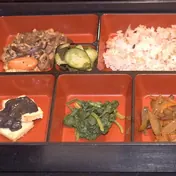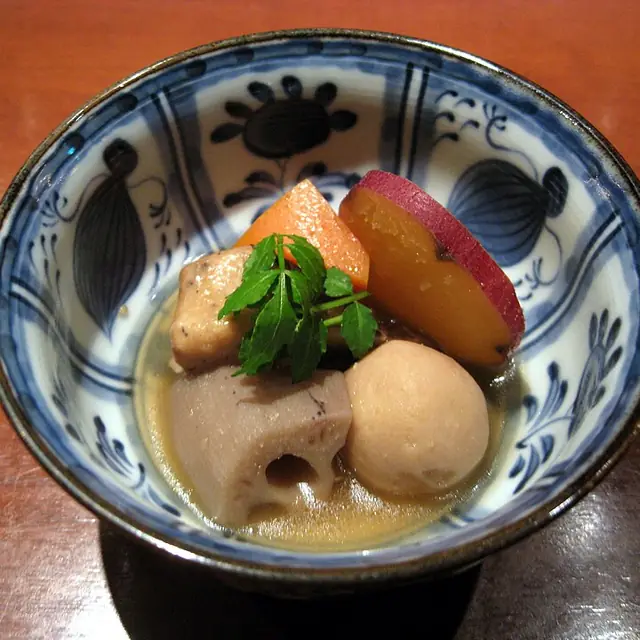
Kyoto's home-style daily cooking, a set of simmered Kyo-yasai vegetable and tofu plates eaten as the everyday counterpart to ryotei kaiseki.

Obanzai is Kyoto's everyday domestic cooking, codified through the city's machiya counters from the late Edo period and named in the Meiji era. The form prizes Kyo-yasai (Kyoto's local heritage vegetables), dashi-based seasoning and visual restraint. Menami on Kiyamachi has served the canonical obanzai set since 1958; today the form anchors a downtown counter tradition where lunch under 1,500 yen still buys five Kyoto-vegetable plates with rice.

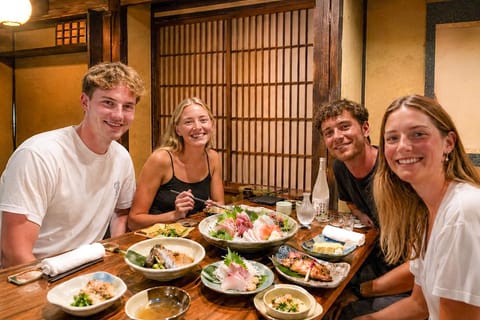
Where to eat Obanzai in Kyoto

5 editor picks for Obanzai in Kyoto, ranked by editorial score. All Kyoto signature dishes · Obanzai across every city.

Make it at home

Serves 460 minIntermediate

Ingredients

  • 1 round eggplant (kamonasu if you can find it)
  • 4 takenoko bamboo shoots
  • 2 ebi-imo or sato-imo potatoes
  • 200g atsuage thick fried tofu, 100g hijiki seaweed (dried)
  • 400ml dashi (kombu and katsuobushi base)
  • 60ml mirin, 60ml light soy, 30g sugar, 1 tablespoon white miso
  • Steamed white rice, miso soup and rice-bran pickles to serve

Method

  1. Cut vegetables into bite-size pieces; rehydrate hijiki for 20 minutes.
  2. Simmer ebi-imo in dashi with mirin and light soy for 15 minutes until tender; reserve in liquid.
  3. Quick-blanch takenoko, then simmer in dashi for 10 minutes with mirin and a touch of sugar.
  4. Stir-fry hijiki and atsuage with sliced eggplant for 5 minutes, deglaze with dashi and finish with white miso.
  5. Plate four separate small bowls of each plate, plus rice and miso soup, all served at room temperature or just warm.
  6. Garnish with toasted sesame and a pinch of yuzu-skin flecks across the plates.

Editor tip. Obanzai is about restraint. Each plate should taste of one vegetable plus dashi; resist the urge to add a fifth ingredient.

Common allergens: Soy, Fish.