Signature dishes
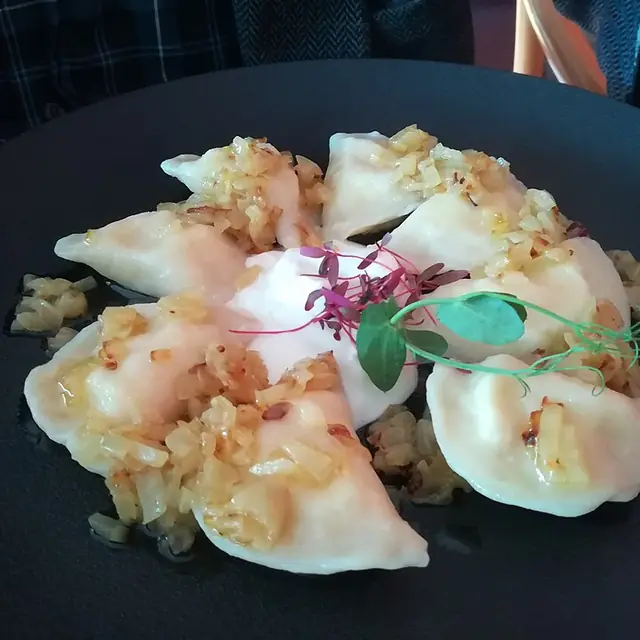
Pierogi ruskie are the canonical potato-and-quark dumplings that anchor every Warsaw milk bar, pierogarnia and wedding table. The name traces to the Ruthenian Carpathian uplands, not Russia.
Where: Zapiecek (Swietojanska), Gosciniec Polskie Pierogi, Bar Mleczny Prasowy, Lokal Vegan Bistro
Price: 20-35 zl
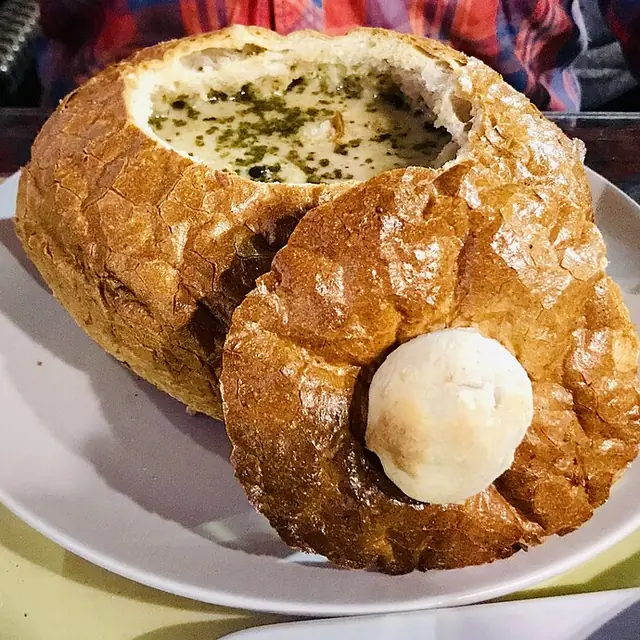
Zurek is the sour rye soup that builds on a fermented rye-flour starter (zakwas), enriched with smoked sausage, a halved boiled egg and marjoram. The Polish working week's anchor lunch.
Where: Bar Mleczny Prasowy, Bar Mleczny Familijny, Bar Mleczny Pod Barbakanem, Restauracja Polka
Price: 10-20 zl
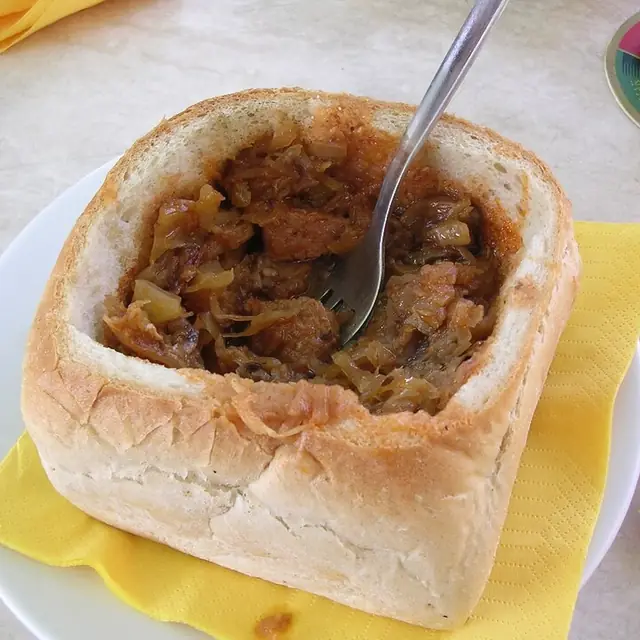
Bigos, the hunters' stew, is the slow-cooked sauerkraut, fresh cabbage and mixed meats casserole that improves over three days of reheating. Polish winter on a single plate.
Where: Restauracja Polka, Bar Mleczny Pod Barbakanem, Lokal Vegan Bistro, Gosciniec Polskie Pierogi
Price: 25-50 zl
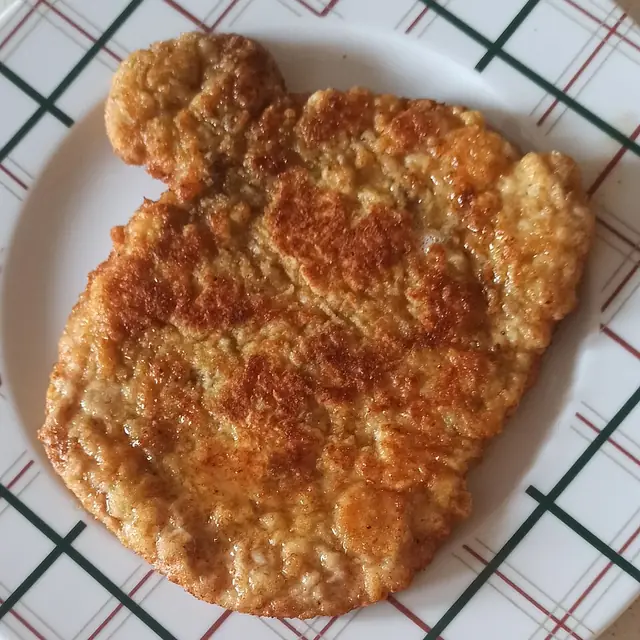
Kotlet schabowy is the Polish breaded pork loin cutlet, pounded thin, dredged in flour-egg-breadcrumb and fried in lard to a deep golden crust. Polish Sunday lunch.
Where: Bar Mleczny Prasowy, Bar Mleczny Familijny, Bar Mleczny Pod Barbakanem, Stary Dom
Price: 20-50 zl
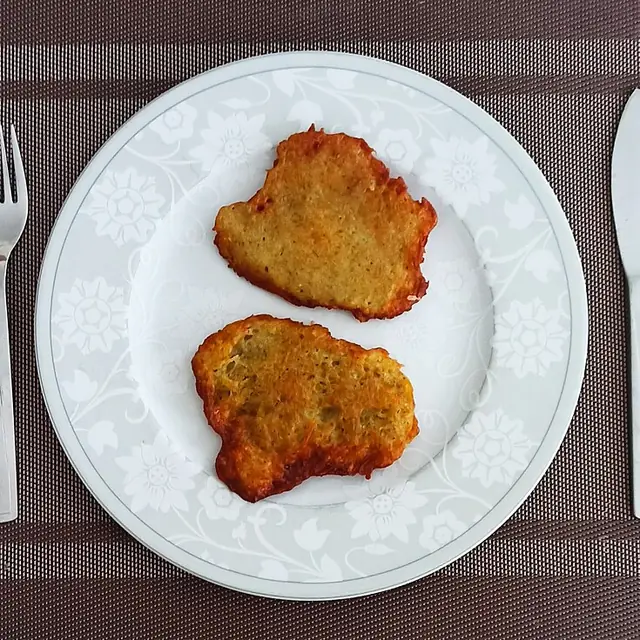
Placki ziemniaczane are crisp shallow-fried potato pancakes, eaten plain with sour cream, savoury with goulash on top, or sweet with sugar. The street-cart and milk-bar favourite.
Where: Bar Mleczny Prasowy, Bar Mleczny Familijny, Restauracja Polka, Lokal Vegan Bistro
Price: 15-30 zl
Paczek z roza is the Polish doughnut filled with rose-petal jam, fried in lard, and finished with a citrus icing or sugar. Tlusty Czwartek (Fat Thursday) draws queues around the block for it.
Where: A. Blikle (Nowy Swiat), Lukullus (Mokotowska), Charlotte (Plac Zbawiciela), Cafe Bristol
Price: 5-12 zl
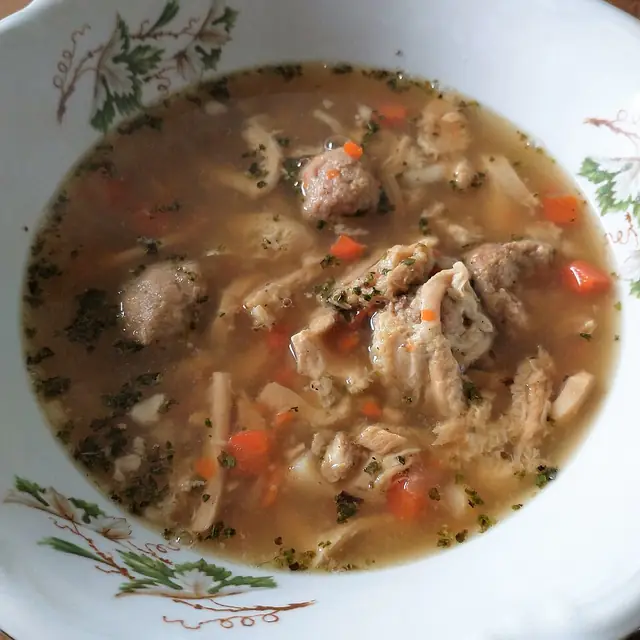
Warsaw tripe soup of beef tripe slow-cooked in a paprika-marjoram broth with carrot, parsnip and onion, finished with grated cheese. The capital's name-stamped tripe soup.
Where: Pyzy, Flaki Gorace!, Bar Mleczny Prasowy, Restauracja Polka, Stary Dom
Price: 15-28 zl
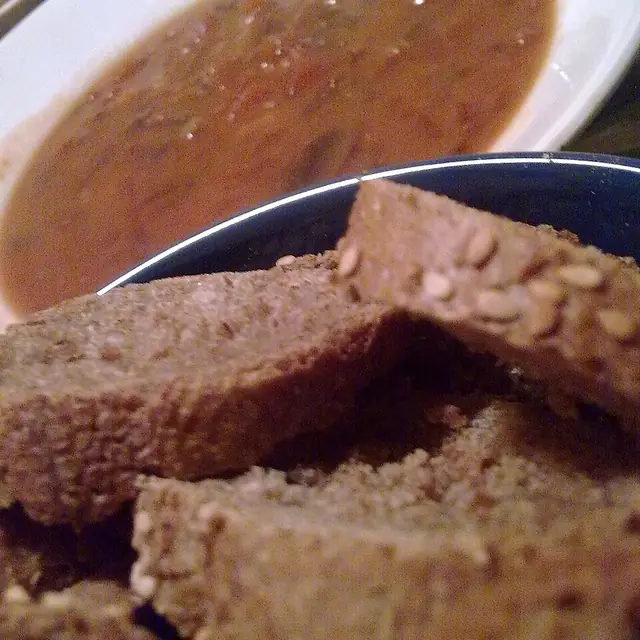
Polish clear beetroot broth, soured with rye starter or lemon, served clear with uszka (small mushroom dumplings) at Christmas Eve or as Sunday lunch first course.
Where: Restauracja Polka, Stary Dom, Gosciniec Polskie Pierogi, Bar Mleczny Pod Barbakanem
Price: 12-25 zl
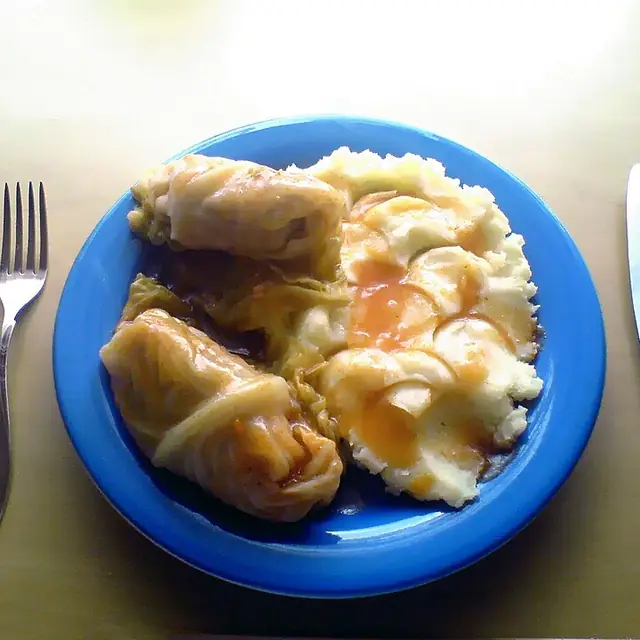
Polish stuffed cabbage rolls: tender cabbage leaves around minced pork and rice, simmered in a tomato or mushroom sauce. A Sunday lunch and Christmas centerpiece.
Where: Restauracja Polka, Bar Mleczny Prasowy, Gosciniec Polskie Pierogi, Stary Dom
Price: 20-40 zl
Polish herring fillets cured in salt, then served in sour cream with raw onion, apple and pickle. The canonical zakąska (cold starter) with a shot of vodka.
Where: Restauracja Polka, Stary Dom, Pijalnia Wodki i Piwa (Nowy Swiat), Coctail Bar Max & Dom Whisky
Price: 18-32 zl
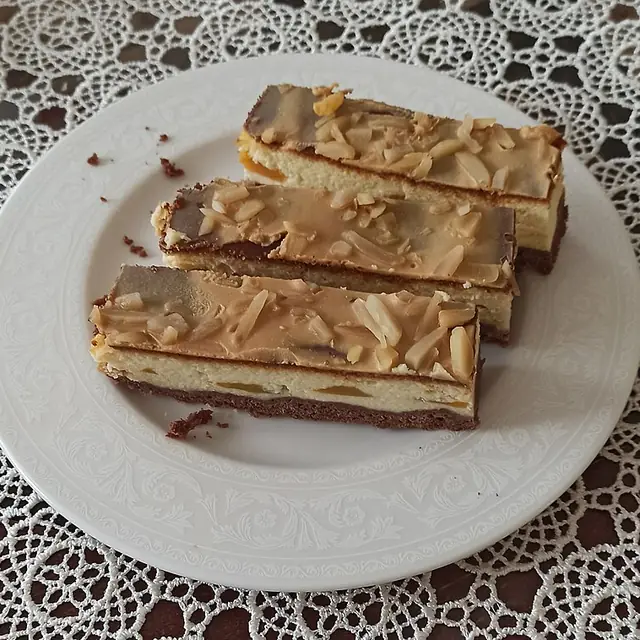
Polish baked cheesecake made from twaróg (curd cheese), eggs and sugar, on a shortcrust base, finished with vanilla, raisins and a lattice of pastry strips on top.
Where: A. Blikle (Nowy Swiat), Lukullus (Mokotowska), Cafe Bristol, Charlotte (Plac Zbawiciela)
Price: 12-22 zl per slice
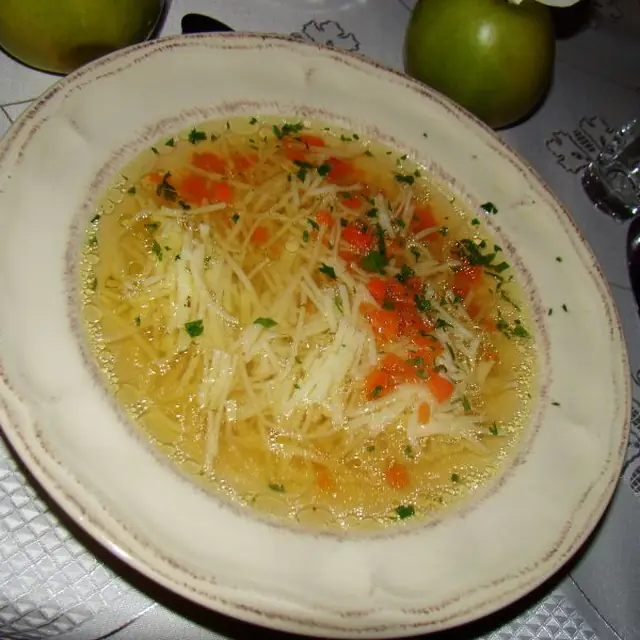
Polish clear chicken broth simmered with whole farm chicken, root vegetables and a charred onion, served with thin makaron noodles. The Polish Sunday lunch first course.
Where: Bar Mleczny Prasowy, Bar Mleczny Familijny, Restauracja Polka, Stary Dom
Price: 12-22 zl
Pierogi ruskie
Pierogi ruskie are the canonical potato-and-quark dumplings that anchor every Warsaw milk bar, pierogarnia and wedding table. The name traces to the Ruthenian Carpathian uplands, not Russia.
History: Pierogi were already a Polish staple by the 13th century, but pierogi ruskie in their canonical potato-and-quark form emerged through the 19th century in the Ruthenian (western Ukrainian) Carpathian uplands of the old Polish-Lithuanian Commonwealth. Polish repatriation from the eastern borderlands after 1945 carried the recipe west into Warsaw kitchens, where it became the default pierogi at the new socialist milk bars in the 1950s. Today every Warsaw pierogarnia plates the dish; the spelling 'ruskie' is etymologically tied to Rus, not Russia, and remained on menus throughout the Cold War.
Where to try it: Zapiecek (Swietojanska), Gosciniec Polskie Pierogi, Bar Mleczny Prasowy, Lokal Vegan Bistro
Watch out for: Gluten, Dairy
Zurek
Zurek is the sour rye soup that builds on a fermented rye-flour starter (zakwas), enriched with smoked sausage, a halved boiled egg and marjoram. The Polish working week's anchor lunch.
History: Zurek originated in medieval Poland as a peasant Lent soup, the fermented rye starter giving a sour acid the meatless period needed. The soup was associated with the spring equinox and Easter Monday, when it remained a Lent leftover before the meat-rich Easter table. The 19th-century Warsaw milk-bar movement and post-1945 state subsidies kept zurek on every cheap-lunch menu, and the addition of smoked white sausage (biala kielbasa) and boiled egg made it a full meal. Today every pierogarnia, milk bar and traditional restaurant in the city pours a bowl, sometimes inside a hollowed-out rye-bread bowl.
Where to try it: Bar Mleczny Prasowy, Bar Mleczny Familijny, Bar Mleczny Pod Barbakanem, Restauracja Polka
Watch out for: Gluten, Egg
Bigos
Bigos, the hunters' stew, is the slow-cooked sauerkraut, fresh cabbage and mixed meats casserole that improves over three days of reheating. Polish winter on a single plate.
History: Bigos traces to the 14th-century hunting tradition of the Polish nobility, the original aristocratic 'hunters' stew' cooked on multi-day forest expeditions with whatever game came back. The 17th-century version added sauerkraut, which kept the stew preserved across the days of reheating; this is why bigos still tastes better on the third day than the first. Mickiewicz wrote bigos into the national epic 'Pan Tadeusz' in 1834. Today every Polish restaurant in Warsaw plates bigos, often as a Christmas leftover dish through January, ladled over rye bread.
Where to try it: Restauracja Polka, Bar Mleczny Pod Barbakanem, Lokal Vegan Bistro, Gosciniec Polskie Pierogi
Kotlet schabowy
Kotlet schabowy is the Polish breaded pork loin cutlet, pounded thin, dredged in flour-egg-breadcrumb and fried in lard to a deep golden crust. Polish Sunday lunch.
History: Kotlet schabowy entered Polish kitchens in the 19th century as a direct adaptation of the Austrian Wiener Schnitzel, which itself traces to 15th-century Milanese cotoletta. The Polish version uses pork loin (schab) instead of veal and bigger portions. The post-1945 socialist period made it the canonical Sunday family lunch dish across Warsaw, served with mashed potatoes and mizeria cucumber salad. Every milk bar and pierogarnia in the city still plates it today, and home cooks debate the right thickness (5mm, ideally) and oil temperature (170C).
Where to try it: Bar Mleczny Prasowy, Bar Mleczny Familijny, Bar Mleczny Pod Barbakanem, Stary Dom
Watch out for: Gluten, Egg
Placki ziemniaczane
Placki ziemniaczane are crisp shallow-fried potato pancakes, eaten plain with sour cream, savoury with goulash on top, or sweet with sugar. The street-cart and milk-bar favourite.
History: Potato pancakes spread across the Slavic world after potatoes arrived from the New World, with the Polish placki ziemniaczane recipe stabilising in the 19th century. The Mazovian version uses raw grated potato bound with egg, flour and salt only; the more elaborate Sudety mountain version (placki po zbojnicku) adds a meat goulash on top. Warsaw milk bars and pierogarnie still plate the plain version every day for under 20 zl, and home cooks fight over whether to drain the grated potato (Mazovia: yes) or keep the starch (Galicia: no).
Where to try it: Bar Mleczny Prasowy, Bar Mleczny Familijny, Restauracja Polka, Lokal Vegan Bistro
Watch out for: Gluten, Egg
Paczek z roza
Paczek z roza is the Polish doughnut filled with rose-petal jam, fried in lard, and finished with a citrus icing or sugar. Tlusty Czwartek (Fat Thursday) draws queues around the block for it.
History: The Polish doughnut tradition stabilised in the 19th century, but A. Blikle on Nowy Swiat made the rose-petal-jam version the canonical Warsaw paczek from 1869. In February 2013, Gazeta Wyborcza named the Blikle rose paczek the 'king' of the Polish doughnut market. The day before Lent (Tlusty Czwartek, Fat Thursday) is the city's biggest pastry day: queues form at Blikle and Lukullus from 06:00, and the average Pole eats 2.5 paczki that day. Outside Lent, the same paczek is in every bakery in the city every morning.
Where to try it: A. Blikle (Nowy Swiat), Lukullus (Mokotowska), Charlotte (Plac Zbawiciela), Cafe Bristol
Watch out for: Gluten, Egg, Dairy
Flaki po warszawsku
Warsaw tripe soup of beef tripe slow-cooked in a paprika-marjoram broth with carrot, parsnip and onion, finished with grated cheese. The capital's name-stamped tripe soup.
History: Flaki po warszawsku is the city's claim on the wider Polish flaki tripe tradition, which appears in cookbook records from the 14th century. The Warsaw version is distinguished by its marjoram-paprika flavour profile and a final grating of parmesan or hard cheese over the bowl. The dish became canonical at Pyzy, Flaki Gorace and the milk-bar zupa boards through the 20th century, and is the cheapest hot lunch in the city.
Where to try it: Pyzy, Flaki Gorace!, Bar Mleczny Prasowy, Restauracja Polka, Stary Dom
Watch out for: Gluten, Dairy
Barszcz czerwony
Polish clear beetroot broth, soured with rye starter or lemon, served clear with uszka (small mushroom dumplings) at Christmas Eve or as Sunday lunch first course.
History: Barszcz czerwony in its clear festive form is the canonical Christmas Eve first course on Polish tables, served alongside uszka dumplings filled with wild mushroom. The dish has been part of Polish cooking since at least the 16th century, with the clear broth (klarowny) distinguishing the Polish version from Russian or Ukrainian borscht. Warsaw restaurants like Restauracja Polka and Stary Dom serve it year-round; at Christmas every Polish household sets a tureen on the table.
Where to try it: Restauracja Polka, Stary Dom, Gosciniec Polskie Pierogi, Bar Mleczny Pod Barbakanem
Watch out for: Gluten, Egg
Gołąbki
Polish stuffed cabbage rolls: tender cabbage leaves around minced pork and rice, simmered in a tomato or mushroom sauce. A Sunday lunch and Christmas centerpiece.
History: Gołąbki (literally 'little pigeons') have been on Polish tables since at least the 16th century, drawn from the wider central European stuffed-cabbage tradition. The Polish version is distinguished by its tomato sauce in the dominant form (the mushroom-sauce variant is also traditional). The dish is one of two canonical Polish Sunday lunches alongside kotlet schabowy, and Warsaw's Bar Mleczny Prasowy plates the milk-bar version under 25 zl daily.
Where to try it: Restauracja Polka, Bar Mleczny Prasowy, Gosciniec Polskie Pierogi, Stary Dom
Watch out for: Gluten
Śledź w śmietanie
Polish herring fillets cured in salt, then served in sour cream with raw onion, apple and pickle. The canonical zakąska (cold starter) with a shot of vodka.
History: Śledź (herring) has been on Polish tables since the medieval period, when the Baltic fishery and inland salt-curing made it the cheapest protein for the long winter. The śmietana (sour cream) preparation is the Warsaw version, distinguished from the eastern oil-cured śledź po japońsku. It is the canonical zakąska on every Polish vodka-tasting table and at every Christmas Eve dinner. Restauracja Polka and Stary Dom plate it as a cold starter.
Where to try it: Restauracja Polka, Stary Dom, Pijalnia Wodki i Piwa (Nowy Swiat), Coctail Bar Max & Dom Whisky
Watch out for: Fish, Dairy
Sernik
Polish baked cheesecake made from twaróg (curd cheese), eggs and sugar, on a shortcrust base, finished with vanilla, raisins and a lattice of pastry strips on top.
History: Sernik is the Polish baked cheesecake tradition, distinct from the German Käsekuchen by its use of twaróg curd cheese rather than quark and its eggier, denser texture. The Warsaw version typically uses raisins and vanilla; the Cracow version adds lemon zest. Cukiernia Wedel, Cafe Bristol and A. Blikle bake the canonical Warsaw versions. Sernik has been on Polish tables since the 16th century when twaróg became a household staple.
Where to try it: A. Blikle (Nowy Swiat), Lukullus (Mokotowska), Cafe Bristol, Charlotte (Plac Zbawiciela)
Watch out for: Gluten, Egg, Dairy
Rosół
Polish clear chicken broth simmered with whole farm chicken, root vegetables and a charred onion, served with thin makaron noodles. The Polish Sunday lunch first course.
History: Rosół is the canonical Polish Sunday lunch first course and the broth that anchors every Polish wedding menu. The Warsaw version uses a free-range hen and roast onion for colour, finished with makaron nitki (thin egg noodles) and grated carrot from the broth. The dish appears on every milk-bar zupa board and is the universal Polish hangover cure. Bar Mleczny Prasowy and Familijny serve it daily, and Restauracja Polka plates the Sunday-lunch version with extra carrot and parsley.
Where to try it: Bar Mleczny Prasowy, Bar Mleczny Familijny, Restauracja Polka, Stary Dom
Watch out for: Gluten, Egg