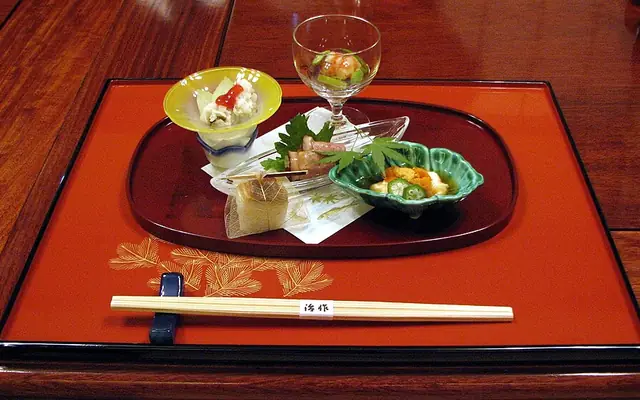
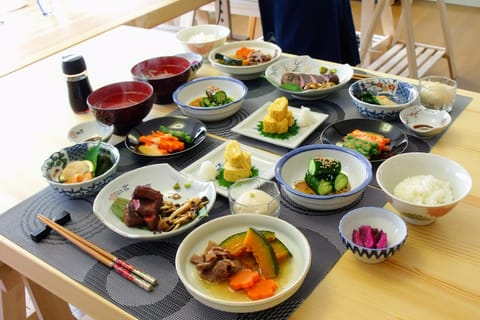
No city expresses Japanese cooking across more registers than Tokyo, from three-star kaiseki counters to soba shops a century old. Den in Jingumae is Zaiyu Hasegawa's modern kaiseki room that topped Asia's 50 Best in 2022, while Narisawa in Aoyama runs its innovative satoyama cuisine through European technique. The everyday end runs just as deep: Kanda Yabu Soba has served Edo-style buckwheat noodles since 1880, and Tonki in Meguro has fried its tonkatsu cutlets since 1939.
¥¥¥¥JapaneseJingumae
Zaiyu Hasegawa's Den in Tokyo is the modern kaiseki room that put playful home cooking on Asia's 50 Best, ranked No. 1 in 2022 and No. 22 in 2025.
OrderThe DFC fried chicken parcel and whatever donabe rice closes the menu.
TipClosed Sundays.
¥¥¥¥JapaneseMinami Aoyama
Yoshihiro Narisawa's Aoyama room runs innovative satoyama cuisine. Two Michelin stars plus a Green Star, Japanese foraging through European technique.
OrderThe bread of the forest course, served with bark-scented butter.
TipClosed Mondays and Sundays. Lunch is the easier seating; reserve six weeks ahead through TableAll.
¥¥¥¥JapaneseToranomon
Hiroyasu Kawate's Florilege moved to Azabudai Hills in 2023 with a communal counter and a vegetable-forward French tasting menu. Two Michelin stars in Tokyo.
OrderThe signature beef-and-dairy course that takes you through the life of one cow.
TipClosed Mondays and Tuesday lunch. Online booking opens exactly one month ahead at 10:00 JST.
¥¥¥¥JapaneseMinami Azabu
Tomoya Kawada's Sazenka in Minami-Azabu was Japan's first three-star Chinese restaurant, awarded 2020. Chinese technique meets kaiseki rhythm.
OrderThe full tasting; the smoked duck and house-made hand-pulled noodles are the through-line.
TipClosed Sundays and irregular Mondays. Booking via byFood opens 60 days ahead for international guests.
¥¥¥¥Edo-style SobaKanda
Kanda Yabu Soba in Tokyo has served Edo-style buckwheat noodles since 1880. The current building reopened in 2014 after a fire, sing-song order calls intact.
OrderThe seiro cold soba and a side of anago tempura; in winter, kamo nanban duck.
TipClosed Wednesdays. Cash and major cards. Lunch queues from 12:00; weekday afternoons are calmer.
¥¥¥¥TonkatsuJingumae
Tonkatsu Maisen's 1965 Aoyama shop in Tokyo occupies a former Omotesando public bathhouse. Kurobuta cutlets so tender they're sliceable with chopsticks.
OrderKurobuta hire (lean) set with shredded cabbage refills; the katsu sando is the takeaway hero.
TipOpen 11:00-22:45 daily. Long lunch lines; arrive before 12:00 or after 14:00 for a counter seat.
¥¥¥¥Japanese KaisekiGinza
Ginza Okuda in Tokyo's Ginza is Toru Okuda's two-Michelin-star kaiseki room. The seasonal seven-course menu changes monthly, paired with regional sake.
OrderThe full omakase course; the charcoal-grilled hamo in summer is the seasonal pull.
TipClosed Sundays. Reserve via Pocket Concierge 60 days ahead; English staff handle the booking flow.
¥¥¥¥JapaneseAsakusa
Asakusa Imahan Honten in Tokyo's Nishi-Asakusa has cooked sukiyaki tableside in private tatami rooms since 1895. Wagyu sirloin, kimono-clad attendants.
OrderThe sukiyaki course with wagyu sirloin; lunch is the easier and cheaper seating.
TipReservations strongly recommended. Lunch from 11:30, dinner from 17:00; private rooms only.
¥¥¥¥Japanese YakinikuShirokane
Yakiniku Jumbo Shirokane in Tokyo is the wagyu yakiniku counter that the city's chefs eat at on days off. Hand-cut Chateaubriand sukiyaki is the signature.
OrderChateaubriand sukiyaki and the marbled sirloin; finish with cold reimen noodles.
TipPhone reservation only, 30 days ahead. The Hongo and Hanare branches share the same kitchen team.
¥¥¥¥JapaneseKagurazaka
Kyourakutei in Tokyo's Kagurazaka holds one Michelin star for the soba-and-tempura set menu. Hand-cut Hokkaido buckwheat and a calm wooden ground-floor room.
OrderThe soba and tempura set; the duck tsukesoba in winter is the second order.
TipClosed Mondays. Lunch queues from 11:45; dinner is calmer and the tempura course adds value.
¥¥¥¥Japanese UdonShinjuku
Udon Shin in Tokyo's Yoyogi is the much-photographed sanuki udon counter near Shinjuku Station. Hand-pulled noodles cooked to order, opens 11:00 daily.
OrderThe carbonara udon with bacon, soft-boiled egg and black pepper; curry udon in winter.
TipQueue from 11:00; midweek lunches turn fastest. Cash only at the counter.
¥¥¥¥JapaneseMarunouchi
Rokurinsha in Tokyo Station's Ramen Street is the canonical thick-noodle tsukemen counter. Dense pork-and-fish broth, hand-cut noodles, queue from 09:00.
OrderTokusei tsukemen (special) with chashu, egg and extra noodles.
TipInside the JR Tokyo Station turnstiles in the B1 Ramen Street. Queue 30-60 minutes at peak.
¥¥¥¥JapaneseHarajuku
Harajuku Gyozaro in Tokyo's Harajuku is the cash-only gyoza specialist on Meiji-dori. Two-item menu, pan-fried or boiled, six gyoza per plate.
OrderOne plate of yaki-gyoza, one of sui-gyoza, with a beer.
TipCash only; expect a 20-minute queue at lunch. Counter and small tables.
¥¥¥¥Japanese YakitoriMeguro
Yakitori Omino in Tokyo's Meguro is the one-Michelin-star yakitori counter where Akihiro Omino grills jidori chicken over binchotan in a hidden basement.
OrderThe 14-skewer omakase; the tsukune meatball with quail yolk is the signature.
TipClosed Sundays. Reserve through Pocket Concierge two months ahead; dinner only.
¥¥¥¥Japanese TempuraGinza
Ginza Yoshihiro in Tokyo's Pola Ginza tower is the two-Michelin-star tempura counter where Yoshihiro Murata fries each piece to order on white-flame charcoal.
OrderOmakase tempura course with anago and maitake; lunch is half the dinner spend.
TipClosed Sundays. Reserve via Tableall 60 days ahead; lunch seating opens earlier.
¥¥¥¥Japanese YakinikuMinami Aoyama
Yoroniku Omotesando in Tokyo is the cult basement yakiniku counter on Minami-Aoyama, the room that built Tokyo's modern wagyu-tasting genre. Booking-only.
OrderThe omakase course with tongue plate, sirloin and Chateaubriand; finish with reimen.
TipReserve via Pocket Concierge 60 days ahead. The dinner course is the same omakase format every day.
¥¥¥¥Japanese TempuraMinami Azabu
Tempura Uchitsu in Tokyo's Minami-Azabu is Daisuke Uchitsu's two-Michelin-star tempura counter, all sesame-oil frying, eight seats and seasonal omakase only.
OrderThe full omakase tempura course; ten to twelve pieces and a tendon rice closer.
TipClosed Sundays. Phone reservation in Japanese only; Pocket Concierge handles English bookings.
¥¥¥¥Japanese KaisekiGinza
Ginza Shinohara in Tokyo's Kanda is Tetsuya Shinohara's three-Michelin-star kaiseki room. Counter-only, dramatic platings on lacquered shogi-board stands.
OrderThe full omakase kaiseki; hairy crab and shaved wagyu are the showstoppers when in season.
TipClosed Sundays. Reserve via Tableall 90 days ahead; the menu is presented as a single seasonal arc.
¥¥¥¥Japanese YakinikuShibuya
Yakiniku Toraji Shibuya in Tokyo is the polished yakiniku chain's Shibuya flagship: wagyu cuts, tongue platters, large communal-table tabletop grilling.
OrderThe salt-tongue platter, harami skirt steak, and a cold reimen closer.
TipReserve weekend dinners online. Lunch sets cheaper than dinner; English menu and English-speaking servers.
¥¥¥¥Japanese TonkatsuMeguro
Tonki in Tokyo's Meguro has fried tonkatsu since 1939, the canonical Tokyo cutlet counter. Cash only, walk-in only, white tile and theatre of frying.
OrderHire-katsu (lean) set with miso soup, rice and unlimited cabbage refills.
TipClosed Tuesdays and third Mondays. Queue from 16:00; cash only.
¥¥¥¥Edo-style SobaKanda
Kanda Yabu Soba in Tokyo has served Edo-style buckwheat noodles since 1880 and is the canonical room for the yabu lineage. Sing-song order calls still in use.
OrderSeiro cold soba; kamo nanban duck soba in winter.
TipClosed Wednesdays. Queue from 11:30; afternoons are calmer. Cash and major cards.
¥¥¥¥TonkatsuJingumae
Tonkatsu Maisen's 1965 Aoyama shop in Tokyo occupies a former Omotesando public bathhouse. Kurobuta cutlets so tender they slice with chopsticks.
OrderKurobuta hire (lean) set with shredded cabbage refills; the katsu sando is the takeaway hero.
TipOpen daily 11:00-22:45. Long lunch lines from 12:00; counter seating turns faster than tables.
¥¥¥¥Japanese TempuraShinjuku
Tsunahachi Shinjuku Honten in Tokyo has fried tempura over sesame oil since 1923. Counter and tables; the lunch set is the local lunchtime introduction.
OrderThe tempura lunch set with anago and the shrimp opener.
TipOpen daily 11:00-22:30. Lunch queue is fast; dinner counter seating turns quickly.
¥¥¥¥Japanese TonkatsuShinjuku
Katsukura Shinjuku in Tokyo Takashimaya is the Kyoto tonkatsu chain's department-store branch. Tableside sesame-grinding ritual, sauces blended to taste.
OrderKurobuta rosu set with cabbage refills and the grind-your-own sesame sauce.
TipInside Takashimaya Times Square dining floor. Open 11:00-22:00; weekend dinners queue 30 minutes.
¥¥¥¥JapaneseTsukishima
Kondo Monjayaki Tsukishima in Tokyo is the canonical Monja Street counter, on the alley that built the Tokyo style. Mentai-mochi monja is the local order.
OrderMentai-mochi (cod-roe and mochi) monjayaki, cooked tableside.
TipClosed Mondays. Cash and major cards. Tsukishima station exit 7 lands on Monja Street.
¥¥¥¥JapaneseToyosu
Yoshinoya Branch No. 1 followed the fish merchants from Tsukiji to Toyosu Market in 2018: 5am beef bowls under 500 yen, same noren, same counter ritual.
OrderGyudon beef bowl with extra red pickled ginger and a raw egg.
TipOpen 5am-1pm to match the fish market shifts; counter seating turns fast.
¥¥¥¥JapaneseAsakusa
Sometaro Asakusa in Tokyo has cooked okonomiyaki and monjayaki on tableside teppan since 1937. Wooden house, low tables, the canonical Asakusa griddle.
OrderPork and squid okonomiyaki cooked tableside; monjayaki as the second order.
TipClosed irregularly; open daily 12:00-22:00 typically. Cash and major cards.
¥¥¥¥Japanese
Narisawa in Tokyo's Aoyama runs innovative satoyama cuisine: foraged Japanese ingredients through European technique. Two Michelin stars plus a Green Star.
TipClosed Mondays and Sundays. Lunch is easier than dinner; book through Tableall six weeks ahead.
¥¥¥¥Japanese
Den in Tokyo's Jingumae is Zaiyu Hasegawa's modern kaiseki room, Asia's 50 Best No. 1 in 2022. The DFC fried chicken and donabe rice are the through-line.
TipClosed Sundays. Phone reservations only; the line opens at 10:00 JST and fills the same day.
¥¥¥¥Japanese
Kohaku in Tokyo's Kagurazaka is Koji Koizumi's three-Michelin-star kaiseki house tucked up an alley. Counter and private rooms, ten guests per service.
TipClosed Sundays. Reserve via Pocket Concierge; the cha-kaiseki tea-ceremony seasonal menu is the through-line.
¥¥¥¥Japanese
Nihonryori RyuGin in Tokyo Midtown Hibiya is Seiji Yamamoto's three-Michelin-star kaiseki room. Asia's 50 Best lifetime list, holds No. 2 status in Japan.
TipClosed Sundays. The strawberry candy-apple dessert is the landmark closer; reserve through Tableall 90 days ahead.
¥¥¥¥Japanese
Kagurazaka Ishikawa in Tokyo is Hideki Ishikawa's three-Michelin-star kaiseki room hidden up an old Kagurazaka alley. Counter-only, ten seats, seasonal menus.
TipClosed Sundays and Mondays. Lunch reservations are slightly easier; book via Pocket Concierge two months ahead.
¥¥¥¥Japanese
Ginza Koju in Tokyo's Ginza is Toru Okuda's three-Michelin-star kaiseki room, a 12-seat counter where each dish is plated to your placemat in turn.
TipClosed Sundays. Reservation by phone or Pocket Concierge; the lunch course is the value play at half the dinner spend.
¥¥¥¥Japanese
Tempura Kondo in Tokyo's Ginza is Fumio Kondo's two-Michelin-star tempura counter, the room that made vegetable tempura the canonical Tokyo opening course.
TipClosed Sundays and Monday lunch. Sweet potato is the closing dish; reserve via Tableall a month ahead.
¥¥¥¥Japanese
Sushi Yamazaki in Tokyo's Yotsuya is Junichi Yamazaki's two-Michelin-star edomae counter, traditional Tokyo nigiri at calmer prices than Ginza counters.
TipClosed Sundays. Phone reservation in Japanese only; a Japanese-speaking concierge is the easiest path.
¥¥¥¥Japanese
Nodaiwa Higashi-Azabu in Tokyo is the 1800s-founded unagi house with one Michelin star. Wild-caught eel grilled over binchotan, served in lacquered boxes.
TipThe unaju eel-rice box is the canonical order. Closed Sundays; lunch from 11:00 and the queue moves fast.
¥¥¥¥Japanese
Omoide Yokocho in Tokyo's Shinjuku runs 70 yakitori and offal stalls until midnight, the post-war alley north of the JR west exit. Bring cash and a friend.
OrderYakitori sticks, motsuyaki offal, beer
TipMost stalls seat six to eight; arrive by 22:00 for a counter seat before the last-train rush.
¥¥¥¥Japanese
Shinjuku Golden Gai in Tokyo's Kabukicho is six narrow alleys of 200 themed bars, most open until 03:00. Each room seats four to ten people.
OrderHighball, sake, whisky pours
TipMost bars charge a 500-1,500 yen seating fee. Look for English-friendly signs after 22:00 if you do not speak Japanese.
¥¥¥¥Japanese
Tonkatsu Maisen in Tokyo's Aoyama serves kurobuta cutlets until 22:45 nightly, the rare big-room tonkatsu open after 22:00 with cabbage and rice refills.
OrderKurobuta hire katsu set
TipLast-order 22:15. Counter seating turns faster than tables; the katsu sando travels home as a midnight snack.
¥¥¥¥Japanese
Torikizoku Shibuya in Tokyo is the value yakitori izakaya pouring 350-yen skewers and mega-highball jugs until 05:00. Post-club default in Center-gai.
OrderYakitori skewers and mega highball
TipAll food and drink 350 yen plus tax. Reservations recommended Friday and Saturday before 22:00.
¥¥¥¥Japanese
Ebisu Yokocho in Tokyo runs 20 indoor stalls until 04:00 weekends. The architect-designed 2008 yokocho with yakiniku, oden, sashimi and grilled-offal carts.
OrderModern izakaya small plates
TipWalk-in friendly. The takoyaki stall and the seafood-yakiniku counter are the canonical late orders.
¥¥¥¥Japanese
Harmonica Yokocho is post-war alley behind kichijoji station with 100 stalls, locals only, most of tokyo's tourists never make it this far west.
TipThe alley density makes any stall a discovery; after 19:00 the standing yakitori counters fill with locals.
¥¥¥¥Japanese
Kayaba Coffee Yanaka in Tokyo: 1938-founded kissaten on Yanaka's Hatsune-Koji corner, restored as a design archive but rarely on tourist routes.
TipThe egg sando and the second-floor tatami room are the canonical visit. Closed irregularly; check the website.
¥¥¥¥Japanese
Tonki Meguro: 1939 tonkatsu counter in Meguro with no English signage, cash only, walk-in only, theatre of frying behind a white-tile counter.
TipClosed Tuesdays and third Mondays. Queue from 16:00; cash only at the counter.
¥¥¥¥Japanese
Onigiri Bongo Otsuka in Tokyo: 1960-founded onigiri counter in Otsuka rolling each rice ball to order; 50 fillings, Tabelog Top 100 onigiri shops.
TipClosed Tuesdays. Queue from 11:00; eat-in counter seats turn fast. Salmon and umeboshi are the canonical pairs.
¥¥¥¥Japanese
Tsuta in Tokyo's Yoyogi-Uehara was the first ramen shop with a Michelin star (2016 guide), still under 1,800 yen for the truffle-oil shoyu soba.
OrderShoyu soba with truffle oil
TipClosed Tuesdays. Lunch only 11:00-15:00; no ticket system, queue in person.
¥¥¥¥Japanese
Yoshinoya Branch No. 1 followed the fish merchants from Tsukiji to Toyosu Market: 5am beef bowls under 500 yen, the canonical sub-500-yen Tokyo lunch.
OrderGyudon beef bowl
TipOpen 5am-1pm to catch the auction-day market crowd. Cash and IC card accepted.
¥¥¥¥Japanese
Onigiri Bongo in Tokyo's Otsuka is the famous omusubi counter rolling onigiri to order, Tabelog Top 100 onigiri shops. 50 fillings, eat-in or take away.
OrderOnigiri rice ball selection
TipClosed Tuesdays. Queue from 11:00; eat-in counter seats turn fast. The salmon and umeboshi are the canonical orders.
¥¥¥¥Japanese
CoCo Ichibanya Shinjuku East in Tokyo is the Japanese-curry chain's central branch. Choose rice size, spice 1-10 and toppings; chicken-katsu under 1,400.
OrderCustom-spiced Japanese curry
TipOpen 24 hours. Spice level 5 is moderate, 10 is properly hot. Add cheese or pork-katsu for the canonical combo.