


Cork feeds itself with a particular stubbornness. The city that provisioned the British Navy and ran the world's largest butter exchange has never stopped thinking about where food comes from. The English Market, open since 1788 on Princes Street, is the physical centre of that instinct: Tom Durcan's spiced beef cures under the vaulted ceiling, the Farmgate Cafe serves tripe and drisheen to journalists and pensioners in the same sitting, and On the Pigs Back stacks Irish farmhouse cheeses next to French charcuterie. Denis Cotter has run Paradiso on Lancaster Quay since 1993, making it one of Ireland's longest-standing serious vegetarian restaurants. Takashi Miyazaki gave the city a Michelin star through Ichigo Ichie, then swapped the kaiseki counter for a more relaxed bistro and natural wine room on Sheares Street. Goldie on Oliver Plunkett Street holds a Bib Gourmand for its fin-to-gill seafood. MacCurtain Street, the Victorian Quarter artery, clusters Greenes, Cask, The Glass Curtain and Elbow Lane within five minutes of each other. The influence of Ballymaloe, Darina Allen's cookery school and farm thirty minutes east in Shanagarry, runs through virtually every serious kitchen in the county.
Where to eat in Cork
All 25 restaurantsBook food experiences in Cork


Food festivals coming up in Cork
All Cork food festivals- Kinsale Gourmet Festival
- Cork and Kerry Food Festival
- Kinsale Good Food Circle Events
- Ballymaloe Festival of Food
Going to Cork and Kerry Food Festival? Hotels for 31 Oct to 1 Nov, from USD 71 a night.
Hotels for these datesWhere to stay in Cork
All Cork hotels-
 REZz Cork
Check prices
REZz Cork
Check prices
-
 Cork City Centre Self Catering Apartment
Check prices
Cork City Centre Self Catering Apartment
Check prices
-
 Comfort Cork Center
Check prices
Comfort Cork Center
Check prices
-
 Rose Lodge Guest House
Check prices
Rose Lodge Guest House
Check prices
-
 Ashley Hotel
Check prices
Ashley Hotel
Check prices
-
 Belvedere Lodge - B&B
Check prices
Belvedere Lodge - B&B
Check prices
-
 Killarney Guest House
Check prices
Killarney Guest House
Check prices
-
 Clayton Hotel Silver Springs
Check prices
Clayton Hotel Silver Springs
Check prices
-
 Corkâs Vienna Woods Hotel and Villas
Check prices
Corkâs Vienna Woods Hotel and Villas
Check prices
-
 Jurys Inn Cork
Check prices
Jurys Inn Cork
Check prices
-
 Maldron Hotel Shandon Cork
Check prices
Maldron Hotel Shandon Cork
Check prices
-
 Radisson Blu Hotel & Spa, Cork
Check prices
Radisson Blu Hotel & Spa, Cork
Check prices
Also compare
Hotels are listed by our booking partners, not picked by our editors. We earn a commission if you book, at no cost to you.
Getting there and around Cork


Sold by our booking partners. We earn a commission if you book, at no cost to you.
Signature dishes in Cork
All 12 dishes-
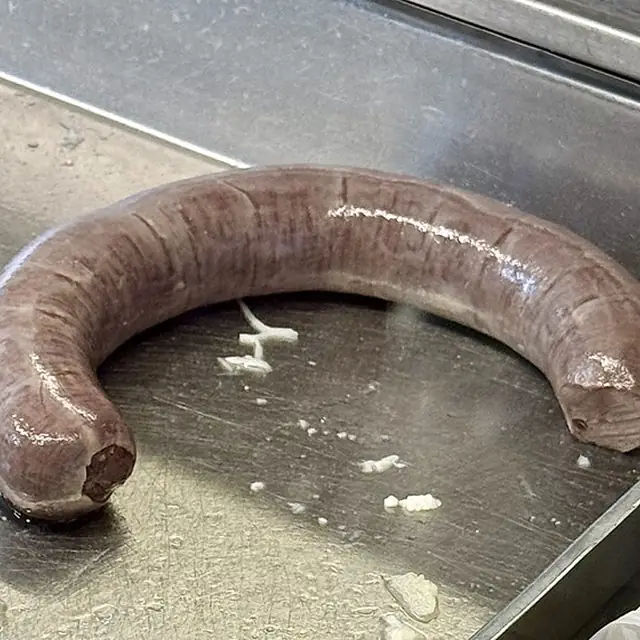 Tripe and Drisheen
-
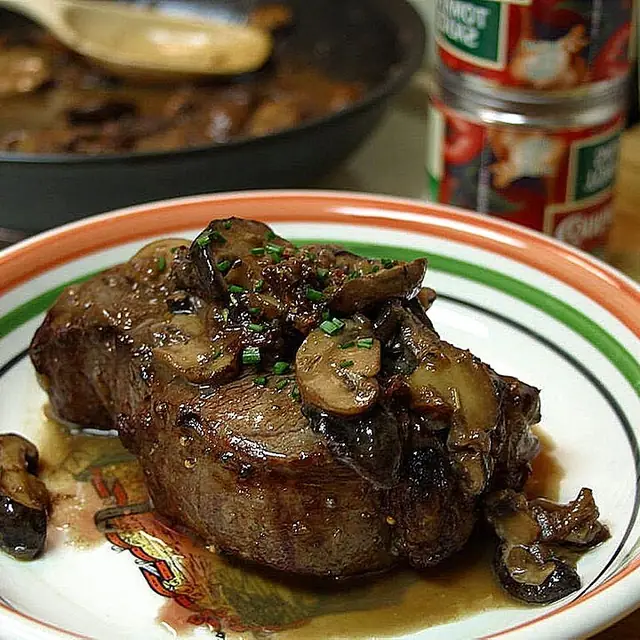 Market Lane Dry-Aged Steak
-
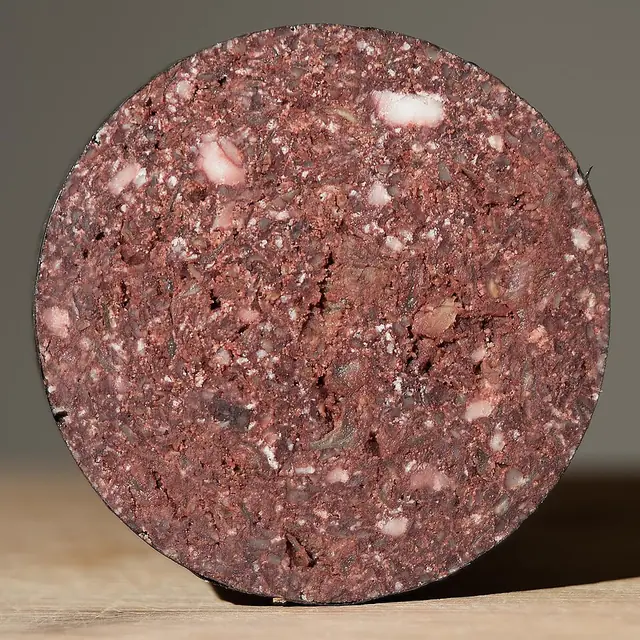 Clonakilty Black Pudding
-
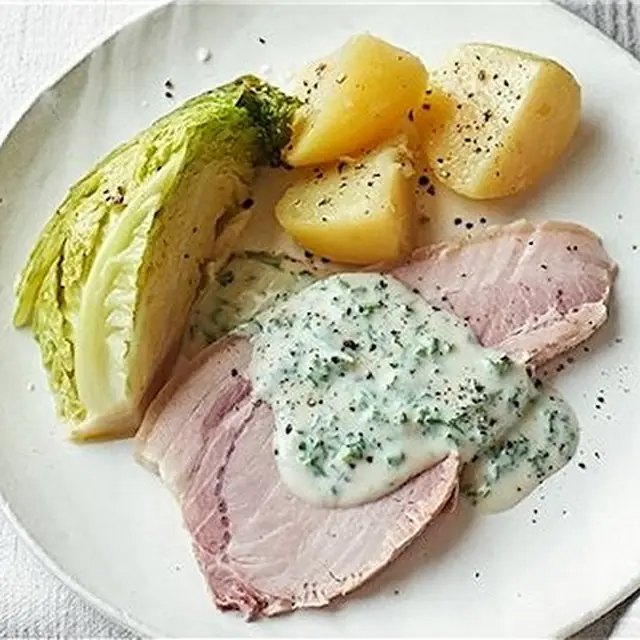 Bacon and Cabbage with Parsley Sauce
More dishes
Where to eat by neighborhood
All neighbourhoods- City Centre61 places
- MacCurtain Street (Victorian Quarter)14 places
- English Market Quarter20 places
- South Mall and Lancaster Quay5 places
- Barrack Street and The Lough2 places
- Union Quay and Ballintemple9 places
Also in Cork: tickets for the sights
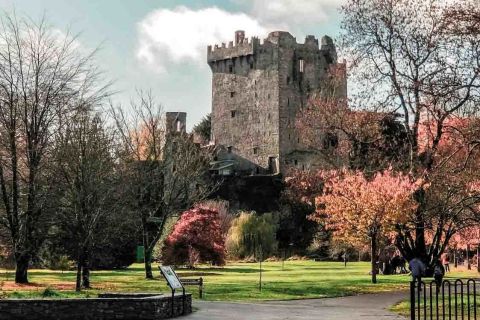


Tickets are sold by our booking partners. We earn a commission if you book, at no cost to you.
Map of Cork
Every restaurant, cafe, market and bar we cover in Cork, pinned. Click a pin for the page.
Everything in Cork
When to come hungry in Cork
- Peak food season
- May to September for outdoor markets and festivals. Cork on a Fork Fest runs mid-August across the city. Kinsale Gourmet Festival in October is the county's prestige weekend. Oyster season runs September to April. Apples and cider peak in autumn; West Cork goat and sheep cheeses are best spring through summer.
- Local dining hours
- Lunch 12:00-14:30, with the English Market cafes at their busiest 12:00-13:30. Dinner 18:00-21:30; fine-dining rooms like Paradiso stop taking bookings around 21:00. Pubs serve food until 21:00-21:30. Miyazaki Japanese takeaway runs a tight 13:00-15:30 and 17:00-21:00 window. Late-night eating is thinner than Dublin.
- Tipping
- 10 to 12.5 percent service charge is added at most sit-down restaurants. Pubs and counters do not expect tips. Cash tips reach staff most directly. Card tips through the POS machine are legally required to be passed to staff in Ireland since December 2022.
Read the full Cork food guide
Cork is Ireland's serious food city. The English Market on Princes Street has been trading butter, fish, cheese, and bread continuously since 1788, and it remains the single best place to understand how Cork eats. Walk through on a Saturday morning and the lineage is plain: O'Connell's fish stall, Iago Italian deli, On the Pig's Back charcuterie, Toby Simmonds' Real Olive Company, Frank Hederman's smoked salmon stand. The market is not a museum piece; it is the working spine of the city's restaurant scene, which buys from these counters daily and writes the day's menu from what arrives.
The second pillar of Cork eating is the Slow Food culture that grew out of Ballymaloe House in Shanagarry, 40 km east of the city. Myrtle Allen began cooking from her farm garden in 1964; her daughter-in-law Darina Allen founded the Ballymaloe Cookery School in 1983; the school has trained two generations of Irish chefs who came back to Cork and opened the restaurants that define the city now. Paradiso, Ichigo Ichie, Goldie, Greene's, Elbow Lane, Cask, the new wave of operators on MacCurtain Street and on Pope's Quay all draw from this same training pipeline.
Third pillar: Cork keeps eating things the rest of Ireland forgot. Tripe and drisheen, spiced beef at Christmas, crubeens (pig's trotters), blaa (the white floury bread roll from Waterford that Cork adopted), buttered eggs from the English Market, white pudding from Clonakilty. These are not nostalgia plates; they are on real menus. Cork is where you eat them without quotation marks.
Cork signature dishes
Tripe and drisheen is the city's most distinctive dish: honeycomb tripe simmered with drisheen (a blood pudding made with sheep or beef blood, oats, and tansy) in a milky white sauce, traditionally served Sunday morning. The Crawford Gallery cafe and a handful of city pubs still serve it. Spiced beef is the Christmas tradition: silverside cured with salt, sugar, allspice, cloves, and juniper for 7-10 days, then slow-boiled. Tom Durcan's stall in the English Market is the recognized benchmark. Crubeens (boiled pig's feet) appear on bar menus at the Mutton Lane Inn and the Hi-B. Blaa, the floury soft white bread roll, is technically Waterford but Cork adopted it as the breakfast roll vehicle (sausage, rasher, pudding). Buttered eggs are a Cork market trick: fresh-laid eggs sealed with a film of butter for two-week pantry shelf life, sold at the English Market by O'Mahony's Poultry.
Where Cork eats: neighborhoods
City centre / Princes Street: the English Market plus the Crawford cafe, the Imperial Hotel's Pembroke restaurant, and the Hi-B old pub upstairs. South Mall and the lanes around it hold the modern fine-dining set: Greene's, Goldie, Elbow Lane Brew & Smokehouse, Cask cocktail bar with food. MacCurtain Street on the north side of the river is the up-and-coming corridor: the Cornstore restaurant complex, Cork's best newer cafes around Bridge Street. Douglas village south of the centre runs to upscale residential dining (Vienna Woods, Strasburgo). Marina Park / Blackrock has the Marina Market food hall (opened 2020 in a former Ford warehouse). Cobh, a 25-minute train south, has Sage and Pier 26. For Wilde and the Oliver Plunkett Street nightlife strip, head to the south side of the river west of the city centre.
English Market: how to navigate
Enter from Princes Street or Grand Parade. Saturday morning is busiest; weekday mornings are quietest. The fish counters (O'Connell's, Pat O'Connell, Sundays Well) sell the day's landings from Castletownbere, Union Hall, and Kilmore Quay; Frank Hederman's smoked salmon counter is the destination salmon stand. Iago deli (Italian, run by Sean Calder-Potts) and On the Pig's Back (French charcuterie) are the two prepared-food anchors. K. O'Connell butchers and Tom Durcan are the meat counters. For lunch: Farmgate Cafe upstairs has been the market's restaurant since 1994 (the gallery view down onto the market floor is the seat to book). The Real Olive Company runs the daytime mezze counter. Most stalls are cash-friendly but card-only at the newer operators. The English Market closes Sunday plus bank holidays.
Cork brewing + drink
Cork is Ireland's brewing capital outside Dublin. Franciscan Well brewery on North Mall (founded 1998, now owned by Molson Coors but still brewing locally) runs a brewpub with a beer garden and a long taproom; Rising Sons on Cornmarket Street is the newer independent flagship, with brewer Shane Long's pale ales and stouts. Elbow Lane operates a smokehouse-brewery with its own house beers. For whiskey: Jameson Distillery in Midleton, 25 minutes east of Cork, runs a distillery experience that pours small-batch single pot still whiskies (the Method and Madness range) that you cannot buy outside the gift shop. Cork is also a serious gin city now: Cork Dry Gin (since 1793, distilled at Midleton), Bertha's Revenge (whey gin from Ballyvolane), and Skellig Six18 from Kerry are the regional pours. For wine: the new wave of natural-wine bars around Pope's Quay (Cask, Salt) and Marina Market makes Cork a credible wine city.
Cork food, FAQ
What food is Cork known for?
Cork's signature dishes include Cork Spiced Beef, Tripe and Drisheen, Goldie Whole Grilled Fish, Farmgate Cafe Breakfast Plate, Murphy's Stout Properly Poured. See our signature dishes chapter for where to eat each.
What are the best food neighborhoods in Cork?
TableJourney editors map Cork by district. City Centre, MacCurtain Street (Victorian Quarter), English Market Quarter, South Mall and Lancaster Quay are among the strongest for food, each with its own guide.
Where should I eat fine dining in Cork?
Editor picks in Cork include Paradiso, The Glass Curtain, Goldie, plus the full fine dining chapter on TableJourney.
Are there food tours in Cork?
TableJourney covers 6 editor-picked food tours in Cork, with what each shows you and how much to budget.
Does Cork have good vegetarian or vegan food?
TableJourney's Cork dietary chapter covers vegan, vegetarian, gluten_free, halal venues, each editor-picked with what to order and how to ask.