Signature dishes
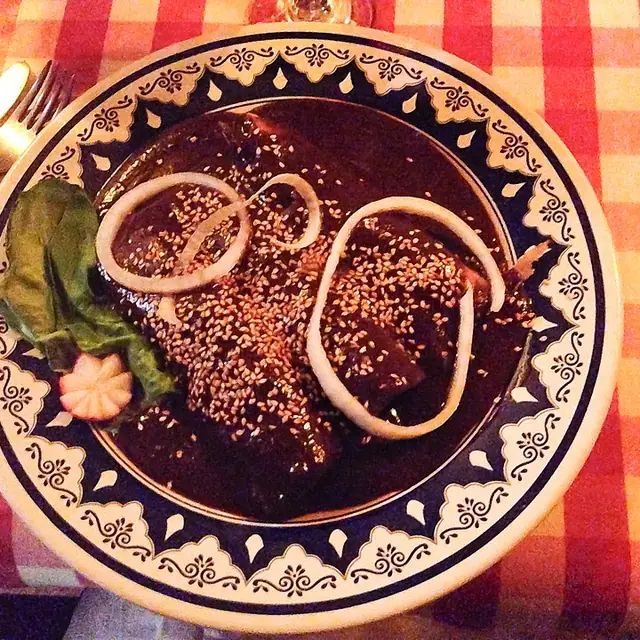
The sauce Puebla is known for: dried chiles, chocolate, seeds, nuts and spices ground down and cooked long enough to lose every rough edge, then poured over turkey or chicken.
Where: El Mural de los Poblanos, Restaurante Casareyna, Augurio, Fonda Típica la Poblana, Antojitos Mellos, Comal, La Casa del Mendrugo, Clementina Cocina Poblana, La Ververa
Price: 135 to 395 pesos
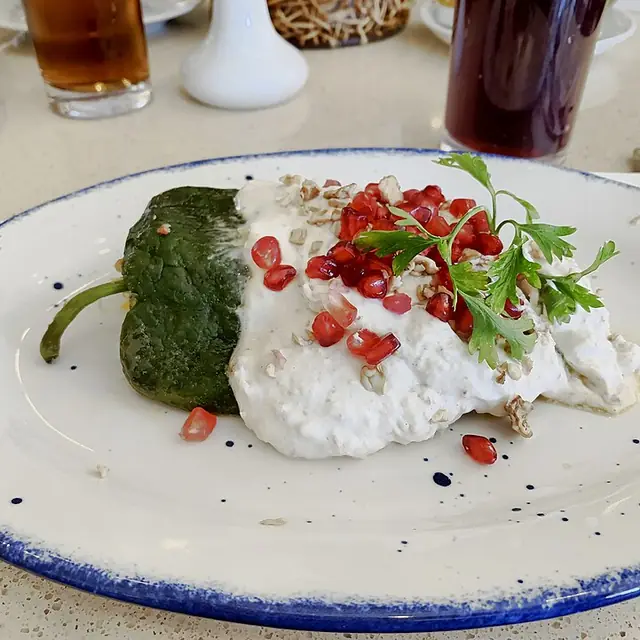
A roasted poblano chile stuffed with sweet and savoury picadillo, covered in a cream of fresh criollo walnuts and finished with pomegranate seeds and parsley. Strictly a seasonal dish.
Where: El Mural de los Poblanos, Augurio, Restaurante Casareyna, Restaurante La Noria, Salón Mezcalli
Price: 300 to 500 pesos in season
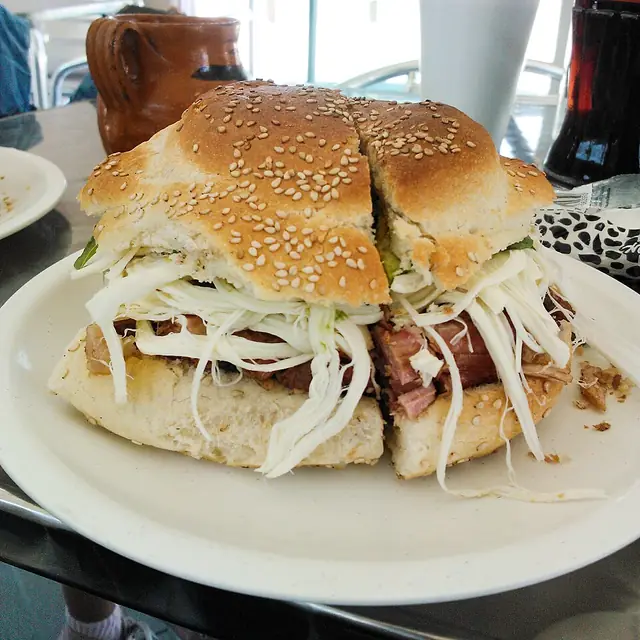
A sesame-crusted brioche-style roll split and packed with breaded milanesa, quesillo pulled into threads, avocado, chipotle in adobo and a handful of papalo, the herb that makes it Pueblan.
Where: Cemitas Las Poblanitas, Super Cemitas El As de Oros, Antojitos Tomy, Comal, Cemitas El Gordo, Mi Puebla Antigua Tacos y Cemitas, Semitas Beto, Cemitas La Colonial
Price: 34 to 100 pesos
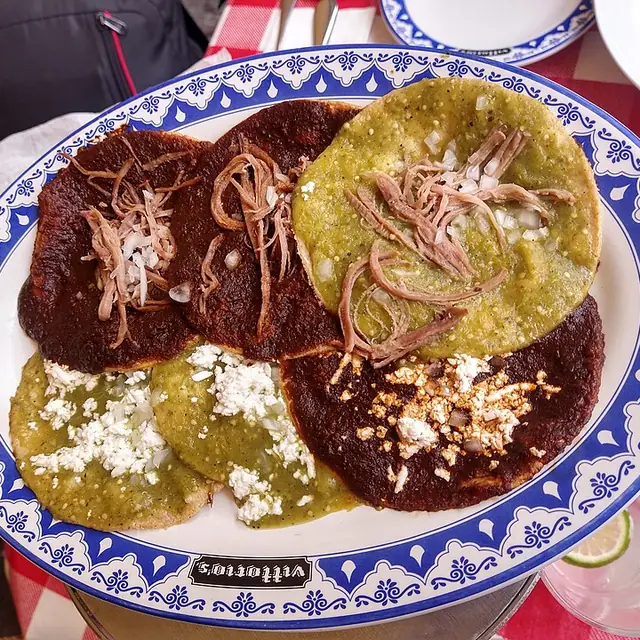
Small thick masa rounds fried in a shallow pan of lard, then dressed straight from the heat with red or green salsa, shredded meat and raw onion. Eaten four or five at a time, standing up.
Where: Antojitos Las Güeras, La Ververa, La Casa del Mendrugo, Antojitos Tomy, Comal
Price: 15 to 90 pesos
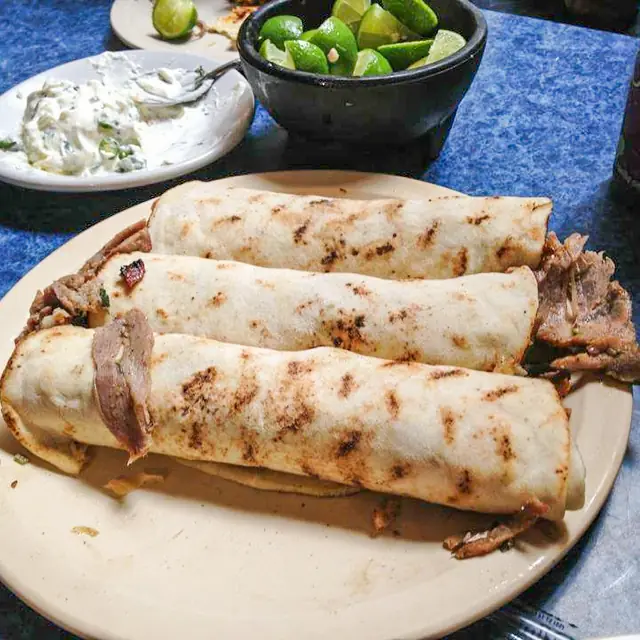
Pork marinated with cumin, thyme, oregano and garlic, stacked on a vertical spit, carved thin and folded into warm pan arabe with a chipotle-based salsa. Puebla's own invention.
Where: Tacos Árabes Bagdad, Tacos Beyrut, Tacos Tony, Taquería Los Camellos, Don Pastor, El Taco Poblano, Taquería Katy
Price: 15 to 32 pesos per taco
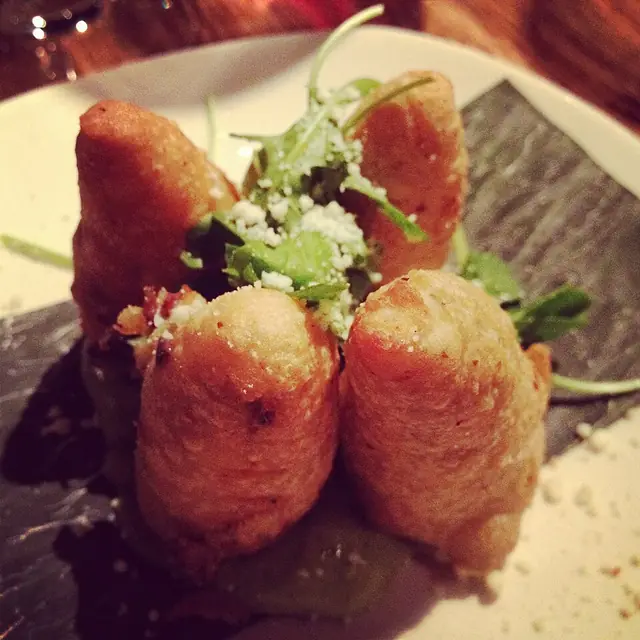
Torpedo-shaped parcels of masa and wheat flour dough, stuffed with tinga, huitlacoche, chicharron or quesillo and deep fried until the shell shatters. A Puebla street standard, eaten hot.
Where: Antojitos Acapulco, Molotes La Ventanita
Price: 25 to 40 pesos
A small bread roll deep fried until the crust turns brittle, split and filled with refried beans, shredded beef, lettuce and cream. The contrast between hot bread and cold crema is the point.
Where: Antojitos Acapulco, Comal, Antojitos Tomy, Antojitos Mellos
Price: 30 to 50 pesos
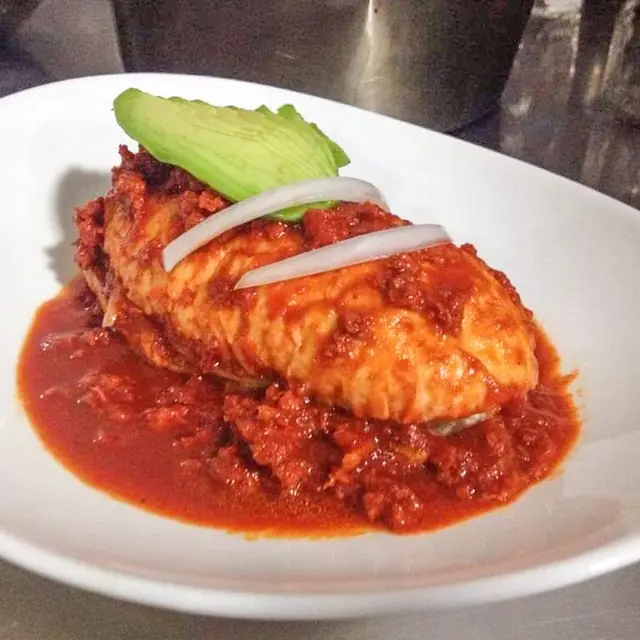
A split roll filled with seasoned pork or chorizo, lettuce, onion and avocado, then drowned in a warm guajillo broth until the bread gives way. Eaten with a fork, never a hand.
Where: Antojitos Mellos, Antojitos Tomy, Comal
Price: 30 to 90 pesos
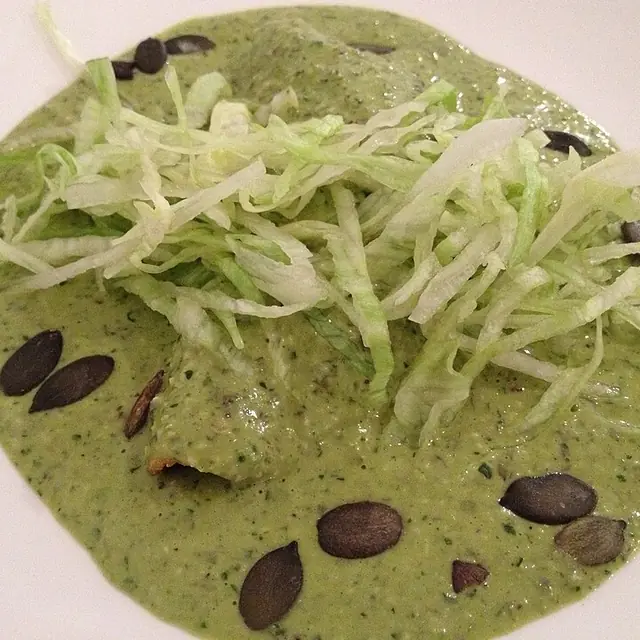
A sauce built on ground pumpkin seeds rather than chiles and chocolate, made green with tomatillo and herbs or red with dried chile, and served over chicken, pork or vegetables.
Where: La Casa del Mendrugo, Restaurante Casareyna, Antojitos Mellos, Comal, Restaurante La Noria
Price: 150 to 250 pesos
Sweet potato boiled, mashed with sugar and fruit essence, then rolled into slim cylinders and wrapped in wax paper. The sweet that built an entire street in Puebla.
Where: La Gran Fama
Price: 20 to 60 pesos per box
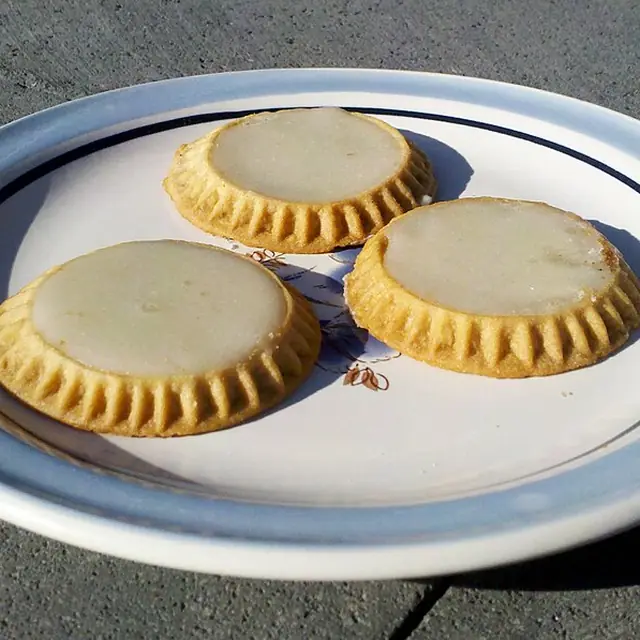
A short, crumbly biscuit topped with a thick glaze of pumpkin seed and sugar, baked until the topping sets pale and chalky. The convent sweet that Puebla still buys by the dozen.
Where: La Gran Fama
Price: 15 to 30 pesos each
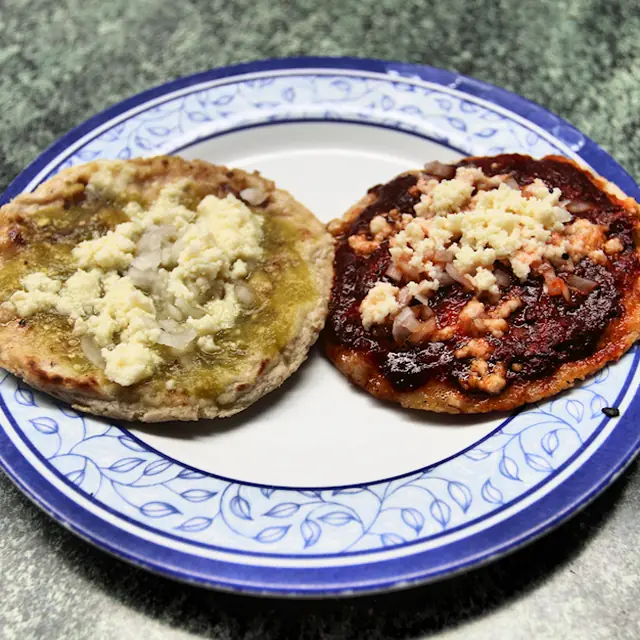
Oval masa cakes cooked on the comal, pinched at the edges, then spread with lard or asiento, beans, salsa and crumbled cheese. Breakfast food, cheap and eaten by hand.
Where: La Ververa, Mercado Xonaca
Price: 20 to 40 pesos
A dark raisin liqueur poured as a single shot and served with a cube of fresh cheese and a raisin speared on a stick. Puebla drinks it standing, in one bar, on one corner.
Where: La Pasita
Price: 30 to 60 pesos a glass
Mole poblano
The sauce Puebla is known for: dried chiles, chocolate, seeds, nuts and spices ground down and cooked long enough to lose every rough edge, then poured over turkey or chicken.
History: Mole poblano came out of the convent kitchens of colonial Puebla, where nuns at Santa Rosa worked out how to grind chiles, chocolate, nuts and spices into a single sauce. The city has never agreed on a fixed ingredient list. El Mural de los Poblanos grinds twenty-six ingredients on a volcanic stone mill, Casareyna serves poblano next to pipian verde, pipian rojo and mole blanco, and the version at Antojitos Mellos in Barrio de los Remedios is only cooked at the weekend. What the recipes share is the method: toast, soak, grind, then fry the paste in fat before letting it down with stock.
Where to try it: El Mural de los Poblanos, Restaurante Casareyna, Augurio, Fonda Típica la Poblana, Antojitos Mellos, Comal, La Casa del Mendrugo, Clementina Cocina Poblana, La Ververa
Watch out for: Nuts, Sesame
Chiles en nogada
A roasted poblano chile stuffed with sweet and savoury picadillo, covered in a cream of fresh criollo walnuts and finished with pomegranate seeds and parsley. Strictly a seasonal dish.
History: The plate is tied to 1821 and the signing of the Treaty of Cordoba, and its green, white and red are read as the Mexican flag. What matters more for eating it is the calendar: the criollo walnut and the pomegranate both ripen in the Puebla valley between July and September, and outside those months the nogada is made with dried or imported nuts and loses its point. Atlixco, forty minutes from the city, runs a nogada route through the season with kitchens across the town taking part. In Puebla, El Mural de los Poblanos, Augurio, Casareyna, La Noria and Salon Mezcalli all put it on when the walnuts arrive and take it off when they stop.
Where to try it: El Mural de los Poblanos, Augurio, Restaurante Casareyna, Restaurante La Noria, Salón Mezcalli
Watch out for: Nuts, Dairy
Cemita poblana
A sesame-crusted brioche-style roll split and packed with breaded milanesa, quesillo pulled into threads, avocado, chipotle in adobo and a handful of papalo, the herb that makes it Pueblan.
History: The cemita takes its name from the roll, an egg-enriched bread crusted with sesame that Spanish bakers brought to Puebla and the city then made its own. The filling settled into a formula: milanesa of beef or pork, quesillo from Oaxaca, avocado, white onion, chipotles in adobo and papalo, a pungent herb that tastes of nothing else and is never cooked. Mercado El Carmen is the market most associated with it, where Las Poblanitas works a counter inside the market hall, and the 2026 Michelin Bib Gourmand at Semitas Beto in Barrio de la Luz recognised the bread rather than the filling.
Where to try it: Cemitas Las Poblanitas, Super Cemitas El As de Oros, Antojitos Tomy, Comal, Cemitas El Gordo, Mi Puebla Antigua Tacos y Cemitas, Semitas Beto, Cemitas La Colonial
Watch out for: Gluten, Dairy, Egg, Sesame
Chalupas poblanas
Small thick masa rounds fried in a shallow pan of lard, then dressed straight from the heat with red or green salsa, shredded meat and raw onion. Eaten four or five at a time, standing up.
History: Chalupas are the everyday street plate of Puebla and the fastest thing on any antojitos counter. The masa rounds are pressed a little thicker than a tortilla, dropped into hot lard and dressed in the pan rather than after, which is what separates a Puebla chalupa from the versions sold elsewhere in Mexico. Vendors work the comal behind El Parian and along 5 Norte, and the order is always plural: five for a few pesos is the standard portion. Antojitos Las Gueras on 5 Norte and La Casa del Mendrugo on 4 Sur both cook them to order rather than holding them warm.
Where to try it: Antojitos Las Güeras, La Ververa, La Casa del Mendrugo, Antojitos Tomy, Comal
Tacos árabes
Pork marinated with cumin, thyme, oregano and garlic, stacked on a vertical spit, carved thin and folded into warm pan arabe with a chipotle-based salsa. Puebla's own invention.
History: Lebanese and Syrian migrants reached Puebla in the 1920s and 1930s and brought the vertical spit with them. Tacos Arabes Bagdad on 2 Poniente dates its recipe to 1933, and the first Oriental counter on 16 de Septiembre claims the same year. Both served spit-roast pork wrapped in flatbread rather than a corn tortilla, seasoned with Levantine spices rather than achiote. That idea travelled to Mexico City, swapped the bread for a tortilla and the spices for a red chile marinade, and became the taco al pastor. In Puebla the original is still the default, and Los Camellos in Azcarate took a 2026 Michelin Bib Gourmand for its version.
Where to try it: Tacos Árabes Bagdad, Tacos Beyrut, Tacos Tony, Taquería Los Camellos, Don Pastor, El Taco Poblano, Taquería Katy
Watch out for: Gluten
Molotes
Torpedo-shaped parcels of masa and wheat flour dough, stuffed with tinga, huitlacoche, chicharron or quesillo and deep fried until the shell shatters. A Puebla street standard, eaten hot.
History: The molote is Puebla's fried parcel: masa cut with wheat flour so the shell crisps rather than softens, rolled around a filling and dropped into deep fat. Tinga de pollo and huitlacoche are the two fillings that matter, the second only really available in the rainy months when the corn fungus is fresh. Antojitos Acapulco on 5 Poniente is the Centro address most cited for them, and Molotes La Ventanita on 10 Poniente sells nothing else at all. San Pedro Cholula runs a Feria del Molote every July on the Plaza de la Concordia, where twenty traditional cooks work the same shape in different directions.
Where to try it: Antojitos Acapulco, Molotes La Ventanita
Watch out for: Gluten
Pelonas
A small bread roll deep fried until the crust turns brittle, split and filled with refried beans, shredded beef, lettuce and cream. The contrast between hot bread and cold crema is the point.
History: The pelona is the most Pueblan sandwich after the cemita and the least exported. The roll goes into hot fat whole, which turns the crust brittle and slightly greasy in a way that would be a fault anywhere else and is the whole appeal here. It is then split, spread with refried beans, filled with shredded beef or chicken, and finished with lettuce, salsa and a heavy spoon of crema. Antojitos Acapulco on 5 Poniente fries them to order for around thirty pesos, and Comal on 16 de Septiembre serves a tidier version at about forty-nine.
Where to try it: Antojitos Acapulco, Comal, Antojitos Tomy, Antojitos Mellos
Watch out for: Gluten, Dairy
Chanclas poblanas
A split roll filled with seasoned pork or chorizo, lettuce, onion and avocado, then drowned in a warm guajillo broth until the bread gives way. Eaten with a fork, never a hand.
History: The name means sandal, which is roughly what the flattened, sauce-soaked roll looks like on the plate. Chanclas are a Puebla speciality that almost never travels: a pambazo-style bread is filled with pork or chorizo, lettuce, onion and avocado, then ladled with a thin guajillo sauce until it collapses. They are usually served in pairs. Antojitos Tomy on 5 Poniente runs a milder version at about fifty-five pesos, and Antojitos Mellos out in Barrio de los Remedios serves them next to its molotes and pelonas.
Where to try it: Antojitos Mellos, Antojitos Tomy, Comal
Watch out for: Gluten
Pipián
A sauce built on ground pumpkin seeds rather than chiles and chocolate, made green with tomatillo and herbs or red with dried chile, and served over chicken, pork or vegetables.
History: Pipian predates mole poblano and uses the older technique: seeds ground to a paste and let down with stock, rather than a long list of fried and blended ingredients. Green pipian leans on pumpkin seed, tomatillo, epazote and serrano; red pipian swaps in dried chiles and sometimes sesame. In Puebla it is served alongside mole rather than instead of it, and the enchiladas de tres moles at Comal put pipian verde, pipian rojo and mole poblano on one plate so you can taste the difference. La Casa del Mendrugo and Casareyna both hold it on the menu year round.
Where to try it: La Casa del Mendrugo, Restaurante Casareyna, Antojitos Mellos, Comal, Restaurante La Noria
Watch out for: Sesame
Camotes poblanos
Sweet potato boiled, mashed with sugar and fruit essence, then rolled into slim cylinders and wrapped in wax paper. The sweet that built an entire street in Puebla.
History: The camote is the reason Avenida 6 Oriente is called the Calle de los Dulces. La Gran Fama opened there in the 19th century as the first camote counter in the city and is still trading opposite the ex-convent of Santa Clara, which is where much of the Puebla sweet tradition began. The method is simple and has not changed: sweet potato is cooked down with sugar until it forms a stiff paste, flavoured with fruit essence, coloured, rolled into cylinders and wrapped. Pineapple, strawberry, guava and coconut are the standard flavours, sold by the box.
Where to try it: La Gran Fama
Tortitas de Santa Clara
A short, crumbly biscuit topped with a thick glaze of pumpkin seed and sugar, baked until the topping sets pale and chalky. The convent sweet that Puebla still buys by the dozen.
History: The tortita is named for the convent of Santa Clara, whose kitchens sat on what is now Avenida 6 Oriente and whose nuns developed the pumpkin-seed paste that tops it. The biscuit itself is short and dry on purpose, a vehicle for the pepita glaze rather than the other way round. It is one of the few colonial convent sweets that never left the city, and La Gran Fama has sold them from the same block since the 19th century, alongside cocadas, borrachitos, mueganos and rompope.
Where to try it: La Gran Fama
Watch out for: Gluten, Dairy
Memelas
Oval masa cakes cooked on the comal, pinched at the edges, then spread with lard or asiento, beans, salsa and crumbled cheese. Breakfast food, cheap and eaten by hand.
History: The memela is the plainest thing on a Puebla comal and one of the oldest: a thick oval of masa, cooked, pinched around the rim to hold the topping, then dressed with asiento, refried beans, salsa and crumbled cheese. It belongs to breakfast rather than dinner, and the counters that sell it open early and shut in the afternoon. La Ververa in Arboledas de Guadalupe presses them on hand-made blue-corn tortillas and prices them between twenty and forty-five pesos, which is the version worth leaving the Centro for, though it only opens at the weekend. Mercado Xonaca, out between 22 Norte and 28 Oriente, cooks them daily and is the fallback on a weekday.
Where to try it: La Ververa, Mercado Xonaca
Watch out for: Dairy
Pasita
A dark raisin liqueur poured as a single shot and served with a cube of fresh cheese and a raisin speared on a stick. Puebla drinks it standing, in one bar, on one corner.
History: Pasita is a liqueur and an address at the same time. The cantina that gives it its name opened beside the Plazuela de los Sapos in 1916 under a different sign, and became known for the house raisin liqueur its founder made on the premises. It is served in a small glass with a cube of fresh cheese and a raisin on a cocktail stick, and the combination of sweet, sharp and salty in one mouthful is the entire ritual. The room shuts in the early evening, which means drinking it is a daytime activity rather than a night out.
Where to try it: La Pasita
Watch out for: Dairy