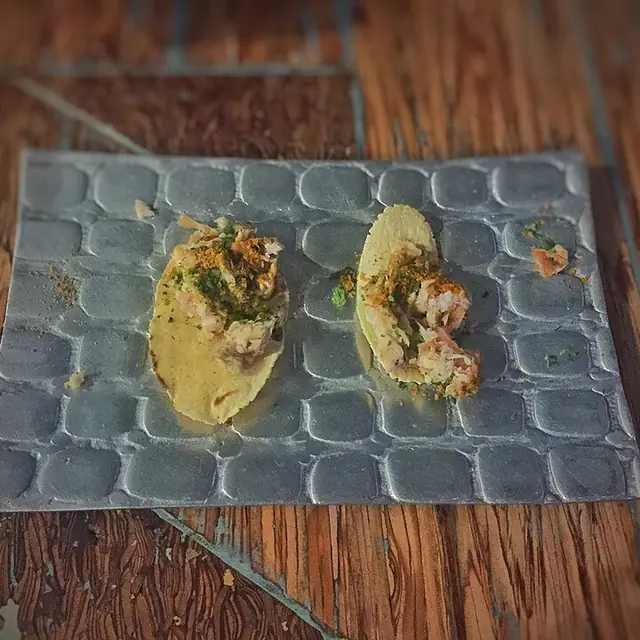
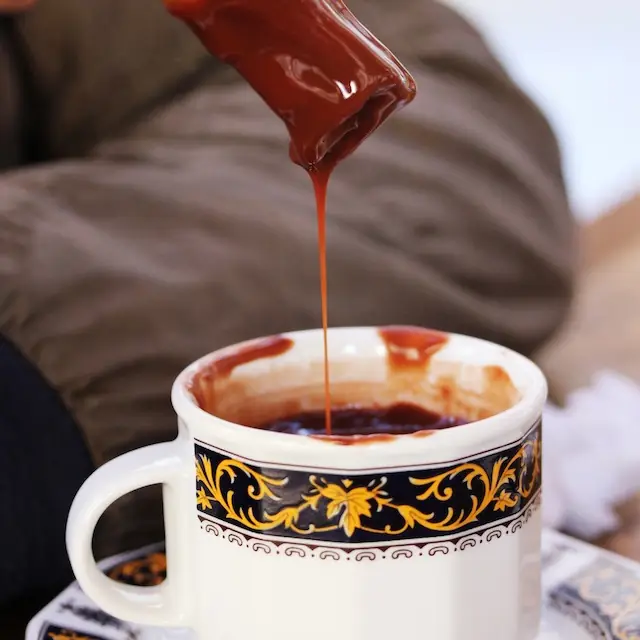
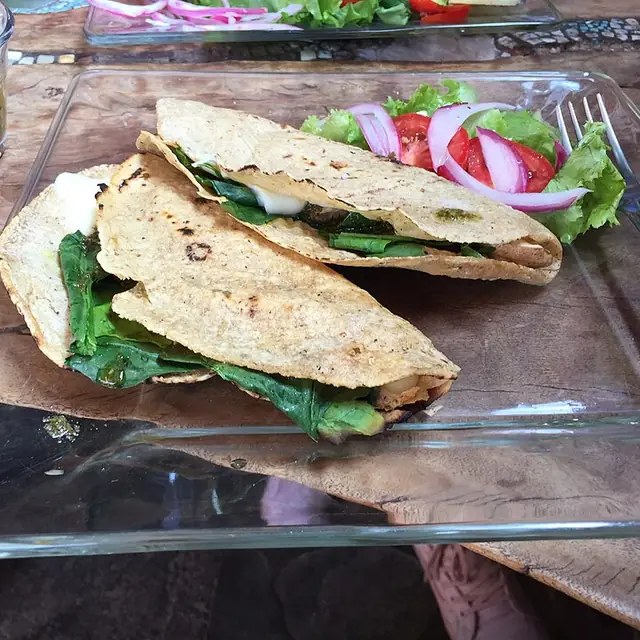
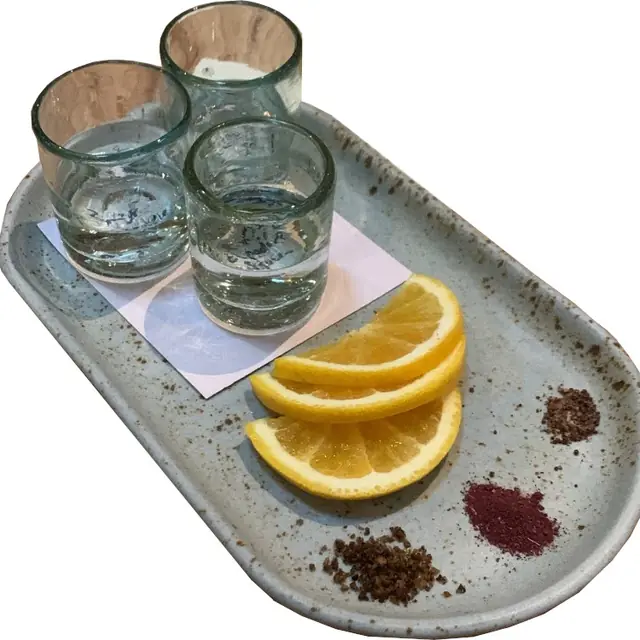
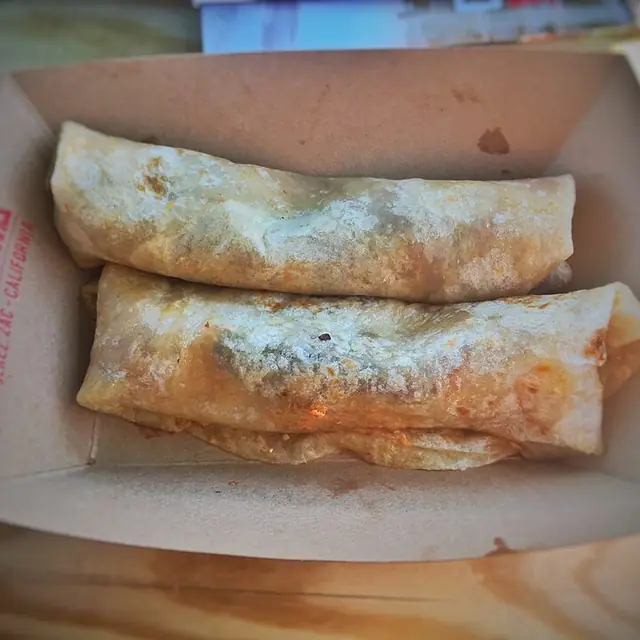
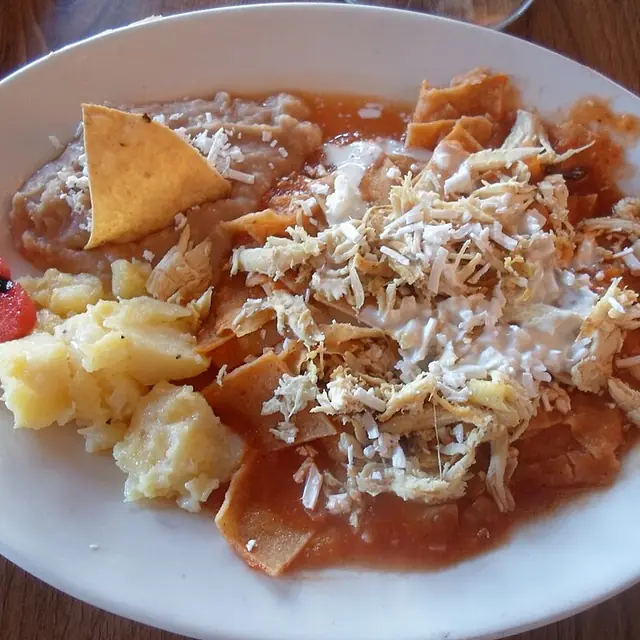
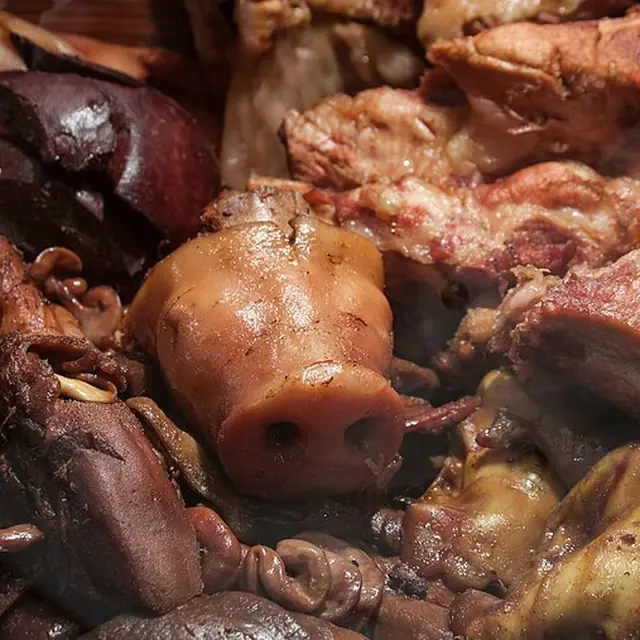
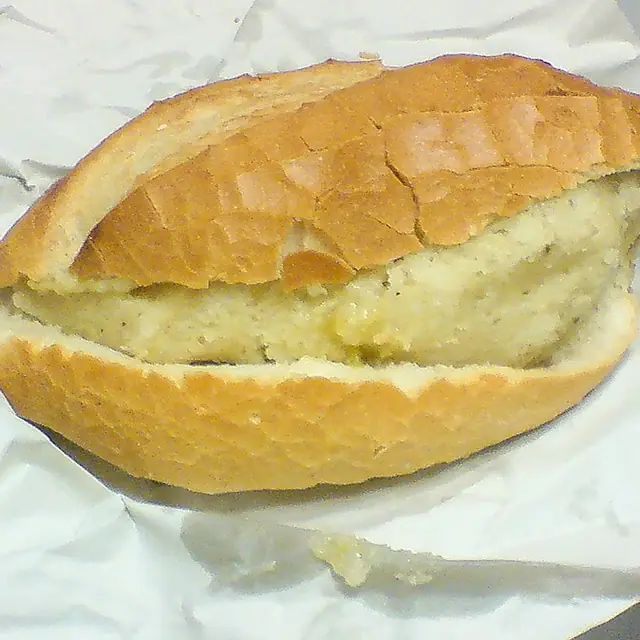
Mexico City eats like a 22 million person capital that runs on tacos al pastor (a Lebanese-Mexican invention from the 1930s-1960s), two-Michelin-star Mexican tasting menus, and a mezcal tradition that fills Bosforo and La Clandestina past midnight. The center of gravity runs across four neighbourhoods: Centro Historico carries the colonial cantinas (La Opera since 1895, Cafe de Tacuba since 1912, Salon Tenampa on Plaza Garibaldi since 1925), Roma Norte and Condesa hold the chef-driven middle (Contramar, Maximo Bistrot, Rosetta, Em, Meroma, Lardo), Polanco is the fine-dining spine (Pujol, Quintonil, Sud 777 in nearby Pedregal), and Coyoacan plus San Angel run the slow Saturday morning agenda. The signature taco al pastor cart culture peaks at El Huequito downtown, El Tizoncito and El Califa in Condesa, El Vilsito in Narvarte (mechanic shop by day, taqueria by night), Los Cocuyos on Bolivar (open till early morning), and the trompo of Tacos El Califa de Leon (one Michelin star, 2024).

Eat your way through Mexico City

Browse by price

Map of Mexico City

Every restaurant, cafe, market and bar we cover in Mexico City, pinned. Click a pin for the page.

Where to eat in Mexico City: editor-picked starting points

5 institutional venues to anchor a Mexico City food trip

  • Pujol (polanco) - Contemporary Mexican, chef Enrique Olvera
  • Quintonil (polanco) - Contemporary Mexican, chef Jorge Vallejo
  • Maximo Bistrot (roma-norte) - Modern Mexican With French Technique, chef Eduardo Lalo Garcia
  • Rosetta (roma-norte) - Mexican-italian, chef Elena Reygadas
  • Sud 777 (pedregal) - Modern Mexican Vegetable-driven, chef Edgar Nunez

Must-try Mexico City dishes

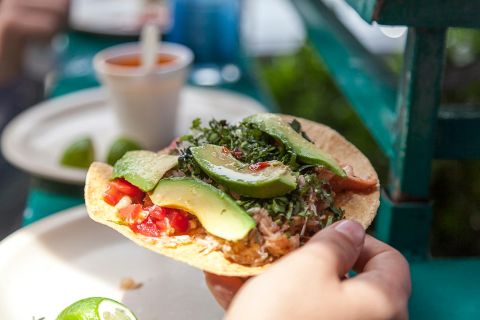
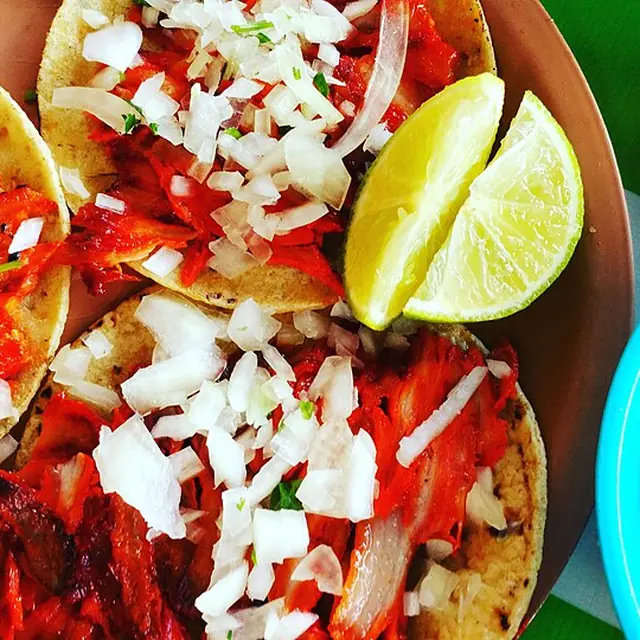
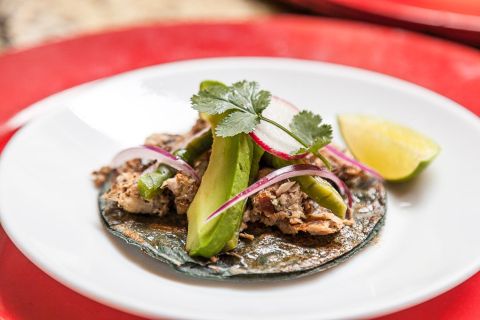
  • Tacos al pastor - Adobo-marinated pork shaved off a vertical trompo, served on a small corn tortilla with a sliver of pineapple, raw onion, fresh cilantro and a wedge of lime
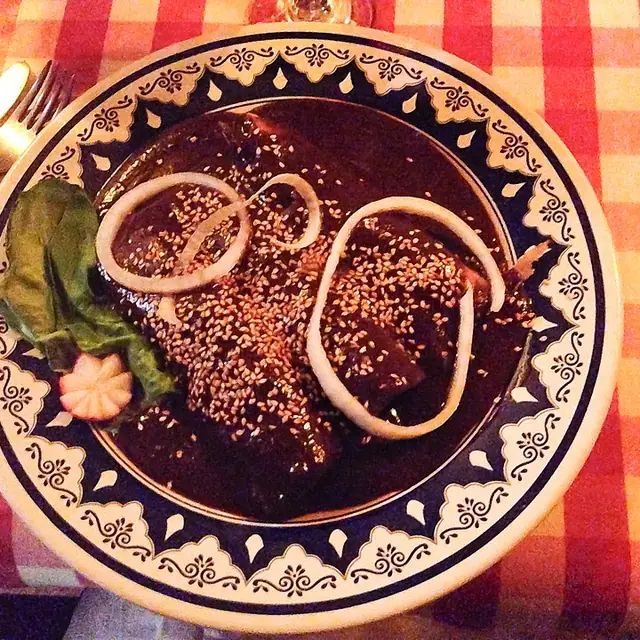
  • Mole poblano - A complex Puebla-rooted sauce of 20-plus ingredients including chiles anchos, mulatos, pasilla and chipotle, almonds, peanuts, sesame, raisins, cinnamon, cloves, anise, plantain and Mexican chocolate
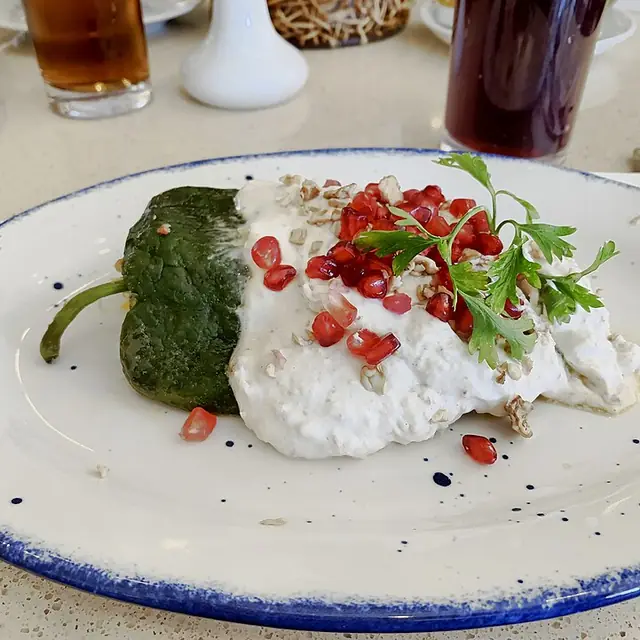
  • Chiles en nogada - A roasted poblano chile stuffed with picadillo of pork, beef, apple, pear, peach, almonds and raisins, topped with a creamy walnut sauce and pomegranate seeds
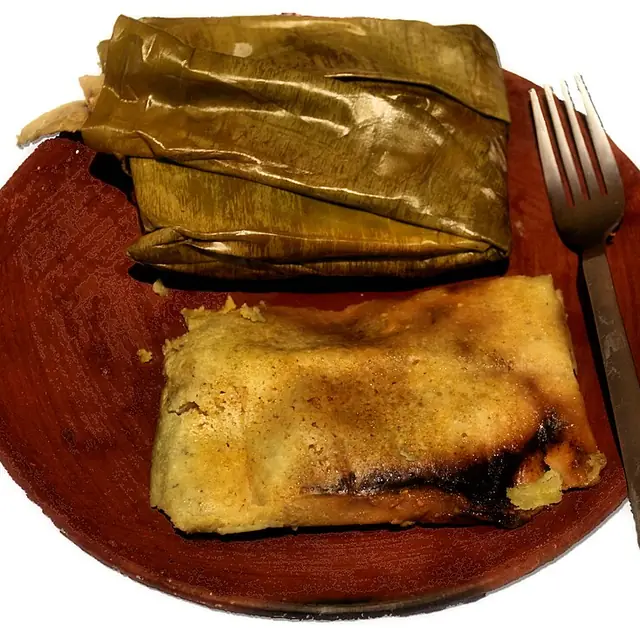
  • Tamales - Steamed corn masa parcels wrapped in corn husk or banana leaf, filled with chicken in mole, pork in red or green salsa, rajas con queso or sweet versions with strawberry
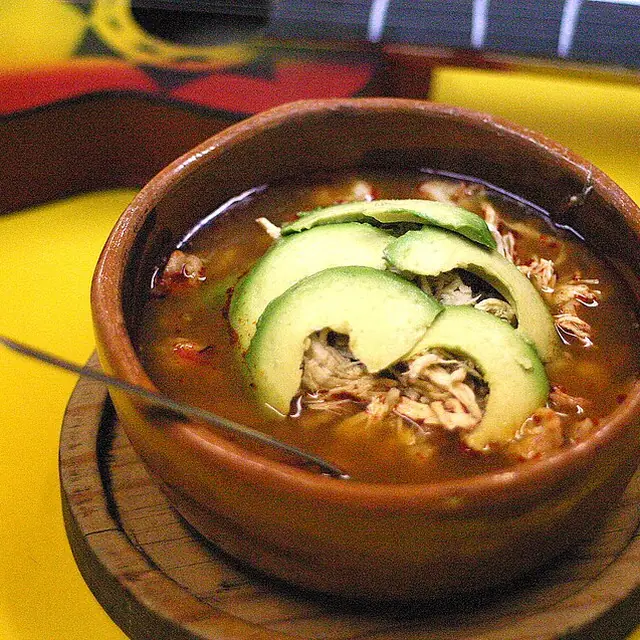
  • Pozole - A hominy-corn soup with pork or chicken, garnished at the table with shredded lettuce or cabbage, sliced radish, lime, dried oregano, ground chile and crisp tostadas

Best Mexico City neighborhoods for food

  • Polanco - Mexico City's luxury spine north of Chapultepec Park, with Pujol on Tennyson, Quintonil on Newton, designer flagships on Avenida Masaryk and the city's tallest fine-dining concentration
  • Roma Norte - The walkable heart of contemporary Mexico City, a 1900s Porfirian neighbourhood of art nouveau townhouses with Contramar, Rosetta, Maximo Bistrot, Meroma and the densest cafe network in the city
  • Condesa - 1920s art deco neighbourhood that wraps Parque Mexico and Parque Espana, with El Tizoncito al pastor on Tamaulipas, La Clandestina mezcaleria, Lardo and the densest dog park kitchens in the city
  • Centro Historico - The colonial core around the Zocalo, with La Opera cantina since 1895, Cafe de Tacuba since 1912, Salon Tenampa on Plaza Garibaldi since 1925, the Mercado de San Juan exotic counter and 24-hour Los Cocuyos
Read the full Mexico City food guide

Mexico City is the heart of one of the world's three or four most important food cultures, and the modern Mexican fine-dining movement has its global capital here. Pujol (Enrique Olvera, opened 2000) and Quintonil (Jorge Vallejo, opened 2012) have both held positions in the Top 10 of The World's 50 Best Restaurants for over a decade; the city's broader Michelin scene, formally introduced when the Michelin Mexico Guide launched in 2024, now anchors 18 starred restaurants in the capital. But the deeper truth about Mexico City eating is that the great food is at the street stalls, the markets, the comedores, and the corner taquerias, where 25 million people eat every day. The fine-dining rooms cook in dialogue with that everyday food culture, not above it.

The Mexico City food map runs by neighborhood. Polanco is the destination fine-dining corridor (Pujol on Tennyson, Quintonil on Avenida Newton, Alcalde, El Bajio). Roma Norte and Condesa are the modern-restaurant neighborhoods, the equivalent of New York's West Village or London's Hackney: Maximo Bistrot, Rosetta, Em, Contramar, Lardo, Meroma, the wine-bar scene of Loup Bar and Tintorera. Centro Historico holds the heritage cantinas (Cafe de Tacuba since 1912, El Cardenal since 1969) and the deepest taco-and-torta corridor. Coyoacan and San Angel are the colonial-town neighborhoods south of the center with the weekend market food (Mercado de Coyoacan tostadas, churros at El Moro). Juarez is the up-and-coming neighborhood with the indie wine bars and the new wave of casual-destination rooms (Masala y Maiz, Havre 77).

The central Mexico City fact is that the city is a tacos al pastor city above all else. The trompo (the vertical spit of marinated pork) was brought to Mexico City by Lebanese immigrants in the 1930s and became the city's defining food by the 1960s. A taco al pastor at El Vilsito, El Califa de Leon, or El Huequito is what most Mexico City residents eat at midnight on any given night, and is what almost every visitor remembers most strongly from a trip.

Tacos al pastor: the Mexico City obsession

Tacos al pastor are Mexico City's signature dish, invented in the 1930s by Lebanese immigrants who adapted their shawarma technique to pork and Mexican chiles. The spit (trompo) is layered with thin slices of pork marinated in achiote, dried chiles, vinegar and onion, with a whole pineapple crowning the top; the taquero slices the meat off the spit, catches it on a small corn tortilla, and finishes with a slice of pineapple, raw white onion, and cilantro. Salsa verde and salsa roja are added at the table. The destination al pastor stalls in Mexico City are El Vilsito (Narvarte, only at night and only after the auto-mechanics shop in front closes), El Huequito (Centro Historico, since 1959, the contender for the original al pastor in Mexico City), El Califa de Leon (Centro Cuauhtemoc, the first taco stand to win a Michelin star in the 2024 Mexico Guide, taco de gaonera being the signature), Los Cocuyos (a 24-hour stall in the Centro), and El Tizoncito in Condesa (since 1966, a major claimant to the invention of al pastor). Order at the counter, eat standing, drink an agua de jamaica, plan to eat 4 to 6 tacos per person.

Pujol, Quintonil, and the modern Mexican wave

Modern Mexican cuisine as a global movement was built largely in Mexico City over the past 25 years, with three rooms central. Pujol (chef Enrique Olvera, opened 2000, Polanco) is the most internationally recognized; Olvera's mole madre (a black mole continuously aged and re-fed for over 2,500 days, served in a dot of fresh mole alongside) is the defining dish. Quintonil (chef Jorge Vallejo, opened 2012, Polanco) cooks a 12-to-14-course tasting menu rooted in Mexican biodiversity, with vegetables and herbs from the Xochimilco chinampas. Rosetta (chef Elena Reygadas, opened 2010, Roma Norte) is the Italian-Mexican room run by the World's Best Female Chef 2023; the breakfast and bakery (Panaderia Rosetta around the corner) is the easier morning version. The wider modern Mexican set in CDMX: Maximo Bistrot (Eduardo Garcia, French-Mexican), Em (chef Lucho Martinez, Mexican-Japanese), Sud 777 (Edgar Nunez, vegetable-driven), Contramar (Gabriela Camara, seafood), Nicos (Mexican home cooking at Michelin level), Masala y Maiz (Mexican-Indian-East African). Pujol books 60 to 90 days ahead through its website; the chef's-counter taco-omakase is the iconic seat.

Roma and Condesa: the modern neighborhood

Roma Norte (the formal name is Colonia Roma) and Condesa (Colonia Hipodromo Condesa) are the two adjacent neighborhoods that hold most of Mexico City's modern-restaurant scene. Roma Norte runs from Reforma south to Coahuila, with the central food spine along Avenida Alvaro Obregon (the gallery and bar strip) and Calle Orizaba (the residential parallel). Maximo Bistrot, Rosetta, Contramar, Em, Lalo!, the Mercado Roma food hall, the wine bars Tintorera and Loup are all within a 10-block radius. Condesa is the Art Deco neighborhood south of Roma, organized around Parque Mexico and Parque Espana, with the restaurants more residential and the cafe scene more dominant; Lardo, Meroma, Pasilla, the original Panaderia Rosetta. The two neighborhoods are walkable to each other (15 to 20 minutes) and form the city's densest concentration of indie restaurants, wine bars, cafes, and bakeries. Stay in a Roma Norte hotel (Casa Decu, Casa de los Vientos, the Brick Hotel) for the best base. Most of the destination rooms open at 13:30 for comida and 19:30 for cena.

Markets: Mercado de San Juan, La Merced, Coyoacan

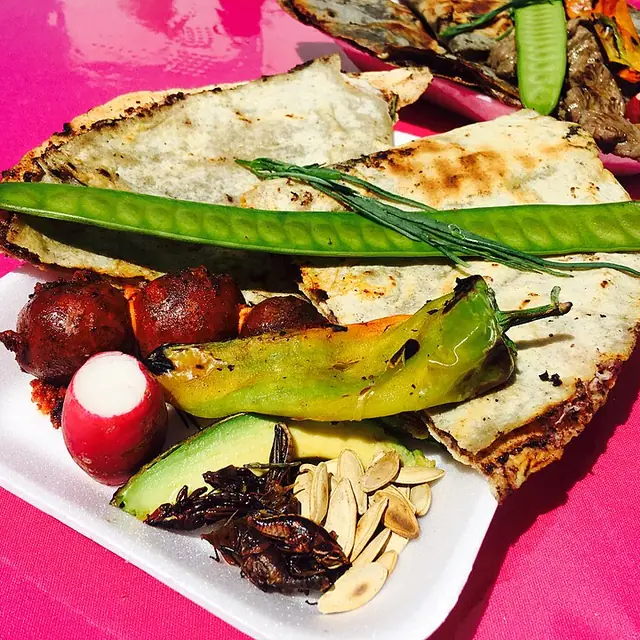
Mexico City's markets are the foundation layer of the city's eating, and each has a different specialty. Mercado de San Juan in the Centro Historico (since 1955 in its current building, with roots in the colonial Plaza San Juan market) is the destination for exotic ingredients (insects, ostrich, alligator, escamoles ant larvae, huitlacoche corn fungus, regional cheeses, imported European pantry); the Casa de los Tacos cart and Don Vergas seafood are the lunchtime stops inside. Mercado de la Merced is the largest food market in the city (and one of the largest in the Americas), the wholesale supplier for most of the central neighborhoods; chaotic, dense, and the source of the day's chiles, herbs, and produce. Mercado Medellin in Roma Sur is the Latin American market, with the deepest Cuban, Colombian, Venezuelan and Caribbean stalls. Mercado de Coyoacan in the southern Coyoacan neighborhood is the weekend tostada destination (Tostadas Coyoacan, the central tostada bar). Central de Abasto on the southeast edge of the city is the wholesale market that feeds the country, the second-largest market in the world by volume. Visit at least Mercado de San Juan and Mercado de Coyoacan on a CDMX trip.

Compare Mexico City to other food cities

Must-try dishes in Mexico City

The plates that define eating in Mexico City.

Tacos al pastor

Adobo-marinated pork shaved off a vertical trompo, served on a small corn tortilla with a sliver of pineapple, raw onion, fresh cilantro and a wedge of lime.

Where: El Huequito, El Tizoncito, El Vilsito, Tacos El Califa de Leon, El Califa Condesa

Where to eat Tacos al pastor in Mexico City →

Mole poblano

A complex Puebla-rooted sauce of 20-plus ingredients including chiles anchos, mulatos, pasilla and chipotle, almonds, peanuts, sesame, raisins, cinnamon, cloves, anise, plantain and Mexican chocolate.

Where: Azul Historico, Nicos, Cafe de Tacuba, El Cardenal

Where to eat Mole poblano in Mexico City →

Chiles en nogada

A roasted poblano chile stuffed with picadillo of pork, beef, apple, pear, peach, almonds and raisins, topped with a creamy walnut sauce and pomegranate seeds. The green, white and red colors echo the Mexican flag.

Where: El Cardenal, Azul Historico, San Angel Inn, Nicos

Where to eat Chiles en nogada in Mexico City →

Tamales

Steamed corn masa parcels wrapped in corn husk or banana leaf, filled with chicken in mole, pork in red or green salsa, rajas con queso or sweet versions with strawberry. Eaten with atole for breakfast.

Where: Tamales Dona Emi, El Cardenal, Cafe de Tacuba, Azul Historico

Where to eat Tamales in Mexico City →

Pozole

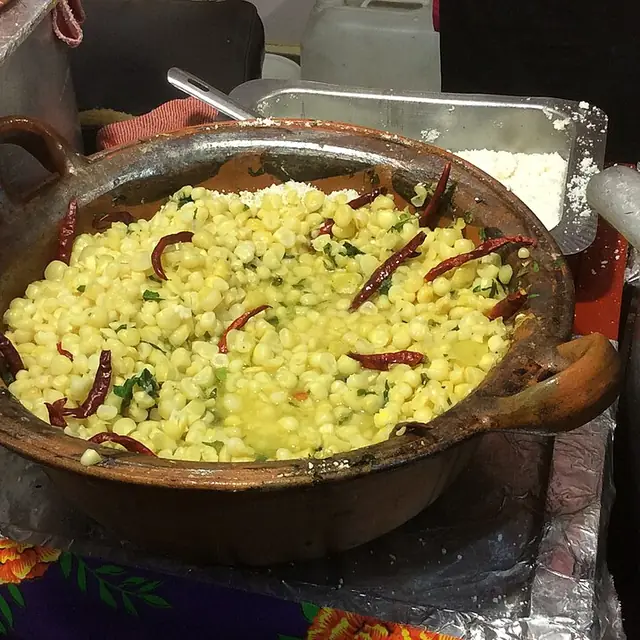
A hominy-corn soup with pork or chicken, garnished at the table with shredded lettuce or cabbage, sliced radish, lime, dried oregano, ground chile and crisp tostadas. Comes in white, red and green varieties.

Where: Casa de Tono, Cafe de Tacuba, El Cardenal, El Bajio Polanco

Where to eat Pozole in Mexico City →

Tlacoyos

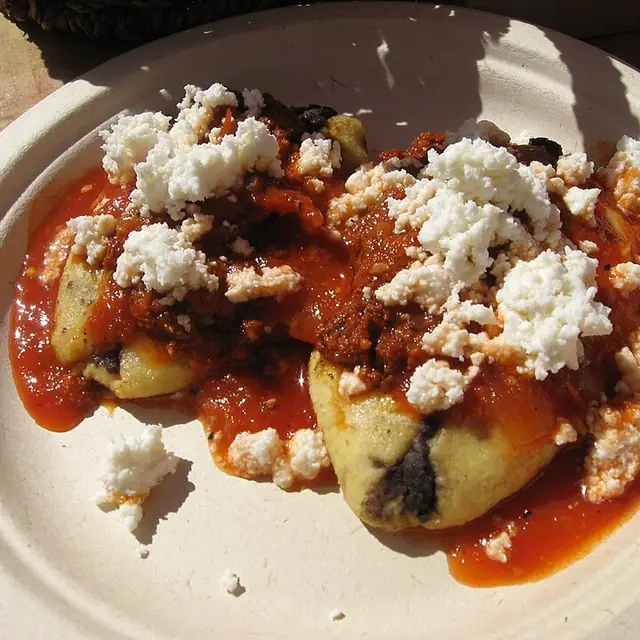
Hand-pressed oval cakes of blue or yellow corn masa stuffed with frijol refrito or requeson, cooked on a comal and topped with nopales, queso fresco, salsa verde and chopped onion. Pre-Hispanic street food.

Where: Tlacoyos Dona Jose, Expendio de Maiz Sin Nombre, Molino El Pujol, Mercado de Coyoacan

Where to eat Tlacoyos in Mexico City →

All Mexico City signature dishes →

Restaurants to know in Mexico City

A handful of the places we send friends to when they are in Mexico City.

Pujol

Contemporary Mexican$$$$Tennyson 133, Polanco IV Seccion, Miguel Hidalgo, 11550 Ciudad de Mexico

Pujol in Mexico City is Enrique Olvera's two-Michelin-star Polanco room on Tennyson, the kitchen that put modern Mexican on the world map with its mole madre.

Signature: Mole Madre Mole Nuevo, Taco omakase, Tasting menu

More about Pujol →

Quintonil

Contemporary Mexican$$$$Av. Isaac Newton 55, Polanco IV Seccion, Miguel Hidalgo, 11560 Ciudad de Mexico

Quintonil in Mexico City is Jorge Vallejo and Alejandra Flores' two-Michelin-star Polanco kitchen on Newton, ranked number three on the World's 50 Best.

Signature: Cactus salad, Tasting menu, Charred avocado tartare

More about Quintonil →

Contramar

Mexican Seafood$$$Calle de Durango 200, Roma Norte, Cuauhtemoc, 06700 Ciudad de Mexico

Contramar in Mexico City is Gabriela Camara's lunch-only Durango Street seafood room in Roma Norte since 1998, the kitchen that made the tuna tostada Mexico.

Signature: Tuna tostada, Pescado a la talla, Fish tacos

More about Contramar →

Maximo Bistrot

Modern Mexican With French Technique$$$Av. Alvaro Obregon 65 Bis, Roma Norte, Cuauhtemoc, 06700 Ciudad de Mexico

Maximo Bistrot in Mexico City is chef Eduardo Lalo Garcia's one-Michelin-star Roma Norte room on Alvaro Obregon, the seasonal Mexican kitchen with a French.

Signature: Seasonal tasting, Market vegetables, Hand-rolled pastas

More about Maximo Bistrot →

Rosetta

Mexican-italian$$$Colima 166, Roma Norte, Cuauhtemoc, 06700 Ciudad de Mexico

Rosetta in Mexico City is Elena Reygadas' one-Michelin-star Roma Norte room in a 1920s townhouse on Colima, the kitchen where Italian technique meets Mexican.

Signature: Hand-rolled pastas, Hoja santa ravioli, Tasting menu

More about Rosetta →

Em

Contemporary Mexican With Japanese Influence$$$$Tonala 133, Roma Norte, Cuauhtemoc, 06700 Ciudad de Mexico

Em in Mexico City is chef Luis Lucho Martinez's one-Michelin-star Roma Norte tasting room on Tonala, the contemporary Mexican kitchen with Japanese.

Signature: Tasting menu, Wagyu carnitas, Smoked fish

More about Em →

See every restaurant in Mexico City →

Where to eat by neighborhood

Polanco (polanco/polanco-iv/polanco-v/miguel-hidalgo)

Mexico City's luxury spine north of Chapultepec Park, with Pujol on Tennyson, Quintonil on Newton, designer flagships on Avenida Masaryk and the city's tallest fine-dining concentration.

Best for: Fine dining, Steakhouse, Cocktails

Roma Norte (roma-norte/roma/cuauhtemoc)

The walkable heart of contemporary Mexico City, a 1900s Porfirian neighbourhood of art nouveau townhouses with Contramar, Rosetta, Maximo Bistrot, Meroma and the densest cafe network in the city.

Best for: Cafes, Wine bars, Mexican

Condesa (condesa/hipodromo-condesa/hipodromo)

1920s art deco neighbourhood that wraps Parque Mexico and Parque Espana, with El Tizoncito al pastor on Tamaulipas, La Clandestina mezcaleria, Lardo and the densest dog park kitchens in the city.

Best for: Tacos, Brunch, Mezcal

Centro Historico (centro-historico/centro/cuauhtemoc-centro)

The colonial core around the Zocalo, with La Opera cantina since 1895, Cafe de Tacuba since 1912, Salon Tenampa on Plaza Garibaldi since 1925, the Mercado de San Juan exotic counter and 24-hour Los Cocuyos.

Best for: Cantinas, Tacos, Markets

Coyoacan (coyoacan/del-carmen/centenario)

Cobblestone southern neighbourhood that holds the Frida Kahlo Museum, the Mercado de Coyoacan tostada counters, Cafe Negro on Centenario and weekend churros at Casino de Coyoacan on the plaza.

Best for: Tostadas, Cafes, Churros

San Angel (san-angel/alvaro-obregon/san-jacinto)

Colonial neighbourhood of cobbled streets and bougainvillea in the south, with the Saturday Bazaar Sabado on Plaza San Jacinto and brunch under the trees at San Angel Inn since 1692.

Best for: Brunch, Mexican, Saturday

When to come hungry in Mexico City

Peak food season: October to November carries the calendar: pan de muerto from late October, the Dia de Muertos parade on November 1, the Feria Nacional del Mole at San Pedro Atocpan in October, and chiles en nogada through the patriotic season. The dry season runs November through April with the lowest rain; June through September brings the rainy afternoon storms. Feria del Tamal at the Museo Nacional de Culturas Populares in Coyoacan runs January 29 to February 2 around Candelaria.

Local dining hours: Breakfast 08:00-11:00 (Mexican mornings are slow). Lunch is the big meal, 14:00-16:30; high-end rooms like Pujol and Quintonil run a long lunch service. Dinner runs 20:00-23:00, late by US standards. Taquerias open 11:00 and run past midnight; El Vilsito stays open until 03:00 weeknights and 05:00 on Fri-Sat. Many Sunday closures at fine dining (Pujol, Quintonil, Sud 777 all closed Sundays); cantinas and street counters open Sunday.

Tipping: 10 to 15 percent on the pre-tax bill (la propina) at full-service restaurants is the local baseline; 15 percent for good service. Bills sometimes include a sugerencia (suggested tip) line, never compulsory. Taquerias and street counters: round up or leave 10 to 20 pesos. Tip jars are common at cafes; valet parking gets 20 to 30 pesos. Tipping is in cash where possible; cards add the tip at the terminal.

Mexico City food, FAQ

What food is Mexico City known for?

Mexico City's signature dishes include Tacos al pastor, Mole poblano, Chiles en nogada, Tamales, Pozole. See our signature dishes chapter for where to eat each.

What are the best food neighborhoods in Mexico City?

TableJourney editors map Mexico City by district. Polanco, Roma Norte, Condesa, Centro Historico are among the strongest for food, each with its own guide.

Where should I eat fine dining in Mexico City?

Editor picks in Mexico City include Pujol, Quintonil, Sud 777, plus the full fine dining chapter on TableJourney.

Are there food tours in Mexico City?

TableJourney covers 7 editor-picked food tours in Mexico City, with what each shows you and how much to budget.

Does Mexico City have good vegetarian or vegan food?

TableJourney's Mexico City dietary chapter covers vegan, vegetarian, gluten_free, halal, kosher venues, each editor-picked with what to order and how to ask.