Signature dishes
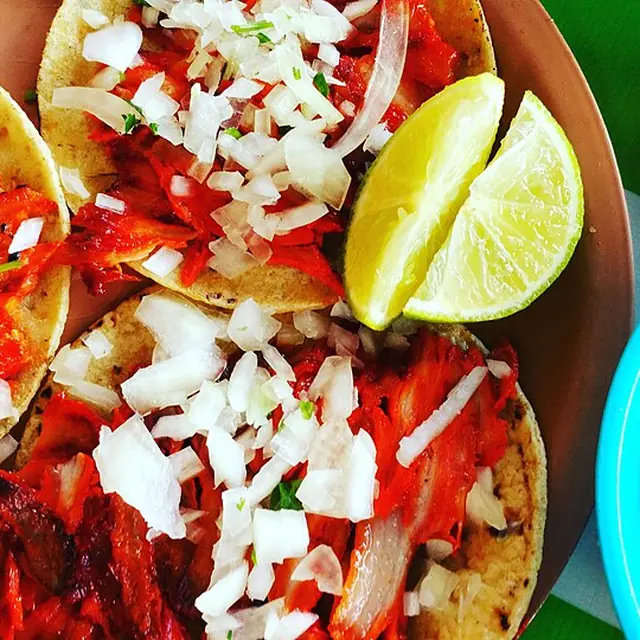
Adobo-marinated pork shaved off a vertical trompo, served on a small corn tortilla with a sliver of pineapple, raw onion, fresh cilantro and a wedge of lime.
Where: El Huequito, El Tizoncito, El Vilsito, Tacos El Califa de Leon, El Califa Condesa
Price: MXN 25 to 35 per taco
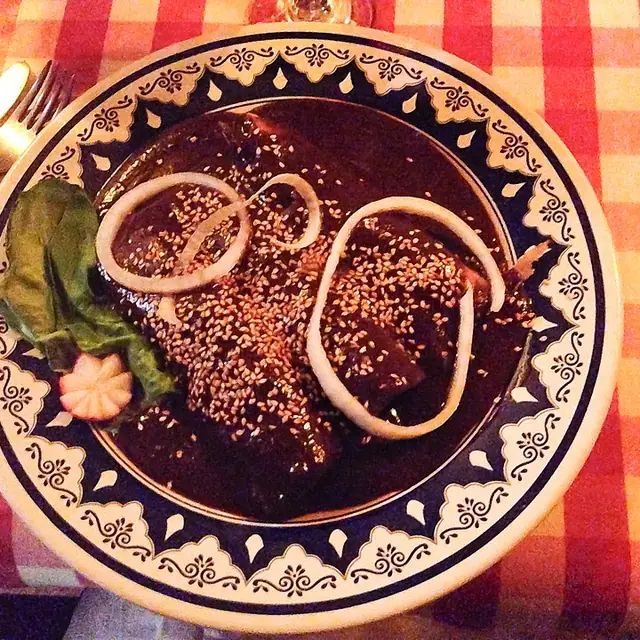
A complex Puebla-rooted sauce of 20-plus ingredients including chiles anchos, mulatos, pasilla and chipotle, almonds, peanuts, sesame, raisins, cinnamon, cloves, anise, plantain and Mexican chocolate.
Where: Azul Historico, Nicos, Cafe de Tacuba, El Cardenal
Price: MXN 220 to 380
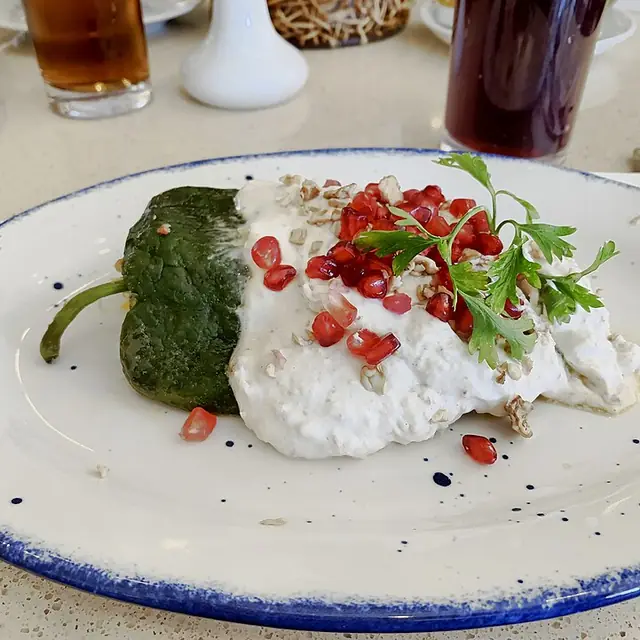
A roasted poblano chile stuffed with picadillo of pork, beef, apple, pear, peach, almonds and raisins, topped with a creamy walnut sauce and pomegranate seeds. The green, white and red colors echo the Mexican flag.
Where: El Cardenal, Azul Historico, San Angel Inn, Nicos
Price: MXN 300 to 550
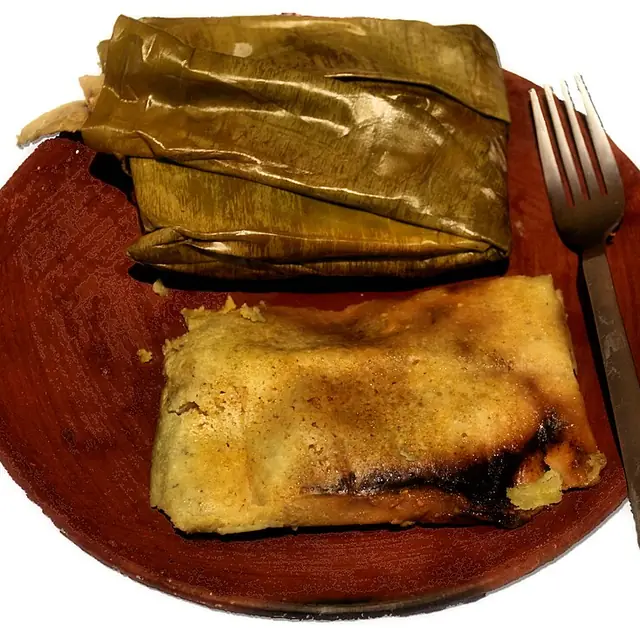
Steamed corn masa parcels wrapped in corn husk or banana leaf, filled with chicken in mole, pork in red or green salsa, rajas con queso or sweet versions with strawberry. Eaten with atole for breakfast.
Where: Tamales Dona Emi, El Cardenal, Cafe de Tacuba, Azul Historico
Price: MXN 25 to 60 per tamal
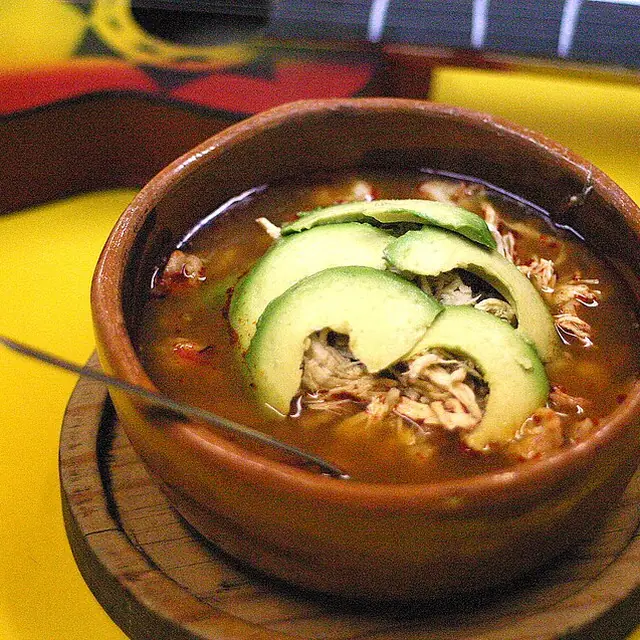
A hominy-corn soup with pork or chicken, garnished at the table with shredded lettuce or cabbage, sliced radish, lime, dried oregano, ground chile and crisp tostadas. Comes in white, red and green varieties.
Where: Casa de Tono, Cafe de Tacuba, El Cardenal, El Bajio Polanco
Price: MXN 130 to 240
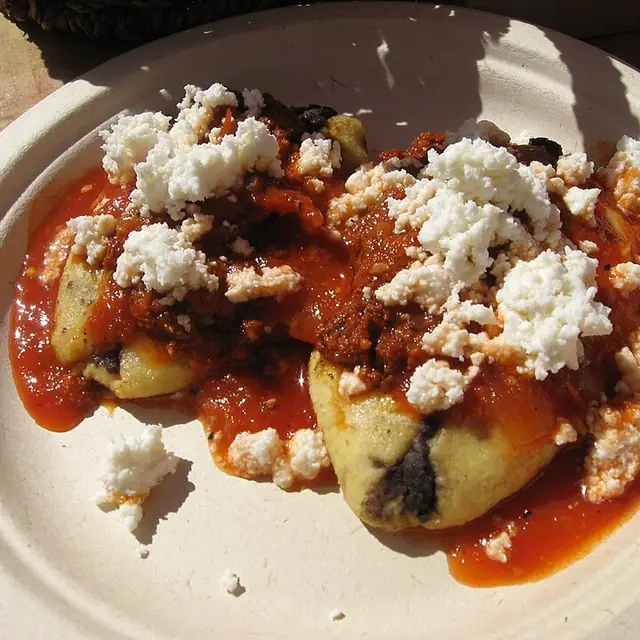
Hand-pressed oval cakes of blue or yellow corn masa stuffed with frijol refrito or requeson, cooked on a comal and topped with nopales, queso fresco, salsa verde and chopped onion. Pre-Hispanic street food.
Where: Tlacoyos Dona Jose, Expendio de Maiz Sin Nombre, Molino El Pujol, Mercado de Coyoacan
Price: MXN 35 to 75 per tlacoyo
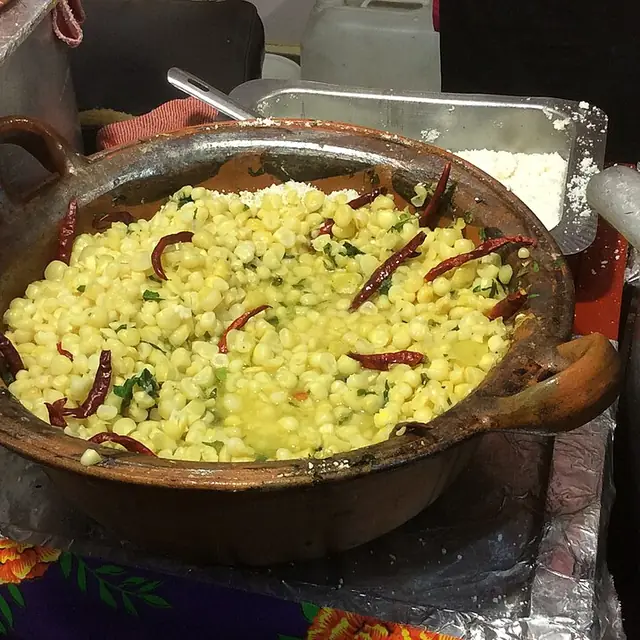
Sweet white corn kernels boiled with epazote and salt, served in styrofoam cups with mayonnaise, cotija cheese, chile piquin powder, fresh lime juice and the smoky depth of charred kernel.
Where: Esquites Don Fermin, Mercado de Coyoacan, Mercado Roma, Mercado de la Merced
Price: MXN 40 to 75 per cup
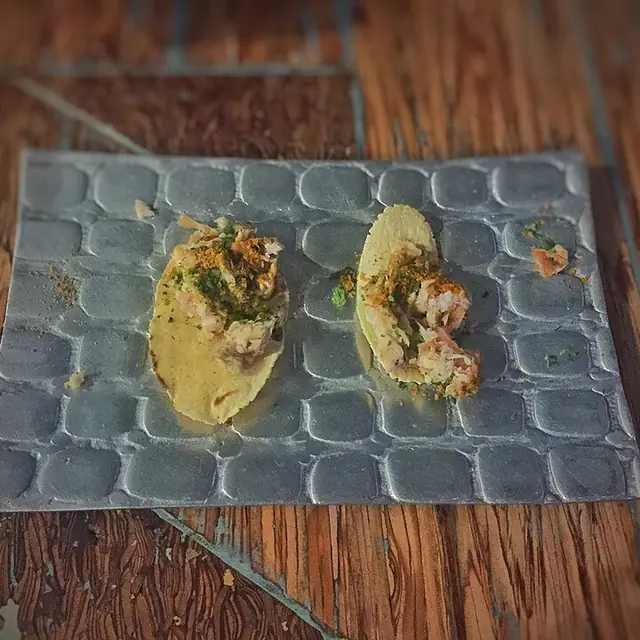
A crisp fried corn tortilla topped with chipotle mayo, sliced raw yellowfin tuna, sliced avocado, fried leeks and a chipotle reduction. Mexico City's most-copied modern dish, invented at Contramar in 1998.
Where: Contramar
Price: MXN 95 per tostada
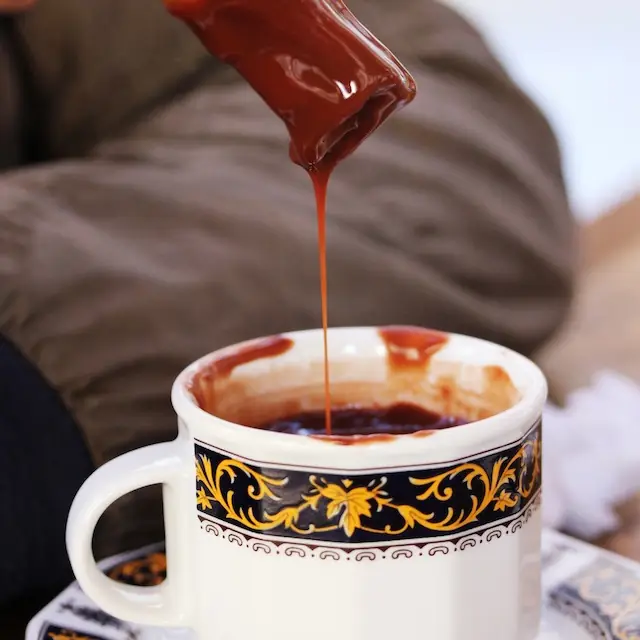
Crisp fried ribbed dough piped from a churrera and dusted with sugar, served with a thick cup of Mexican hot chocolate for dipping. Late-night street food and breakfast dish.
Where: Churreria El Moro
Price: MXN 95 for 4 churros with chocolate
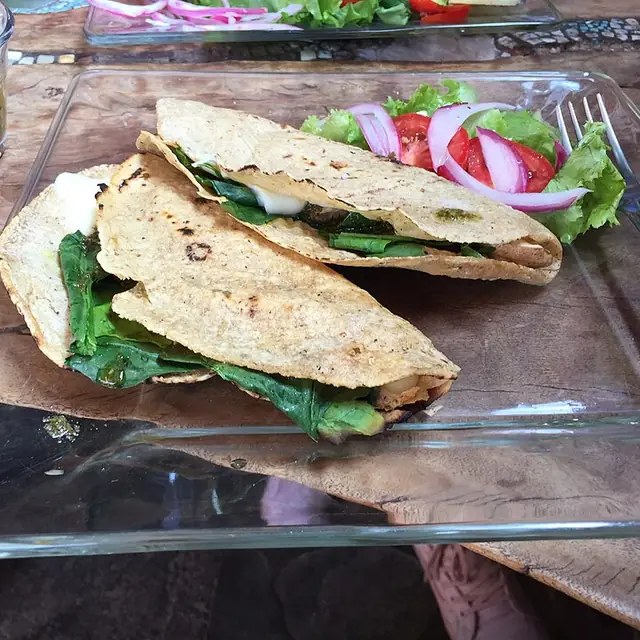
Hand-pressed blue-corn tortillas stuffed with huitlacoche (Mexican corn smut), molten Oaxacan cheese, and epazote, then griddled until the masa crisps.
Where: El Cardenal, Cafe de Tacuba, Mercado de San Juan, Expendio de Maiz, Mercado Medellin, Mercado Roma
Price: $30-80 MXN (under $5 USD)
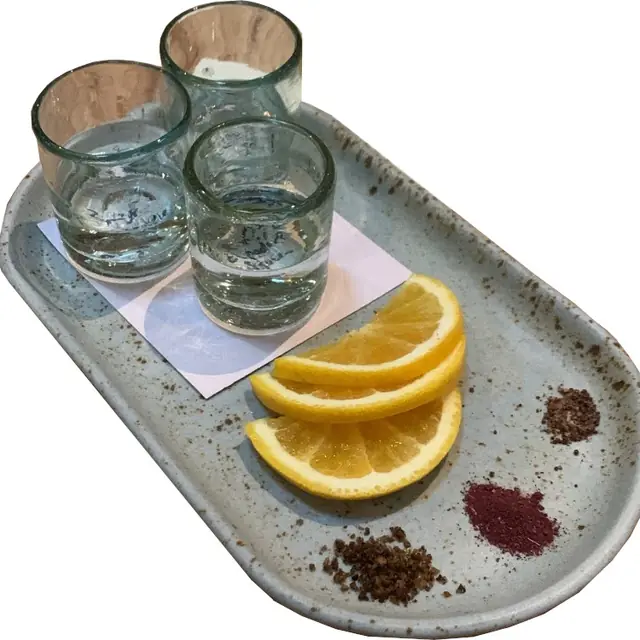
Side-by-side tasting of mezcales joven (young), reposado (rested), and añejo (aged) from Oaxacan distillers, served in small clay copitas with worm salt and orange slices.
Where: Bosforo Mezcaleria, Tlecan, Los Danzantes Coyoacan, Ozimo Tahona, Pulqueria Las Duelistas, Pujol
Price: $300-800 MXN per flight ($15-40 USD)
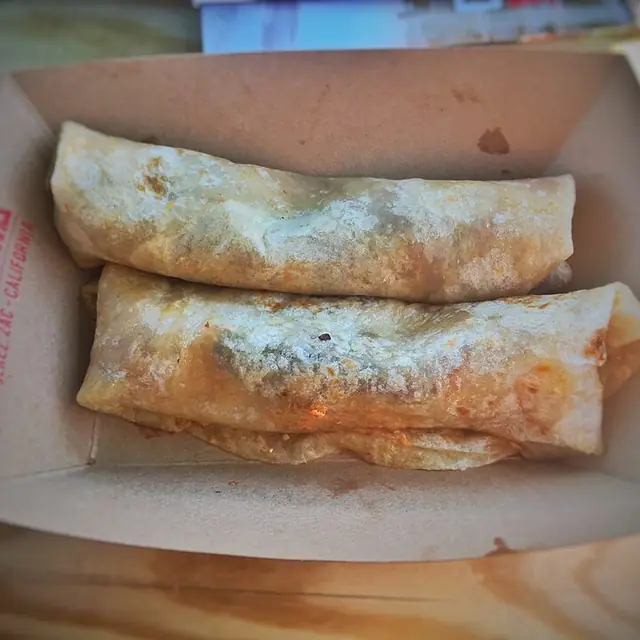
Slow-braised beef in dried-chili and spice consommé, served in deep bowls with the broth, raw onion, cilantro, and lime, or stuffed into tortillas dipped in the orange fat to make quesabirria tacos.
Where: El Hidalguense, Tortas El Cuadrilatero, Mercado Roma, El Bajio, Los Cocuyos, El Califa Condesa
Price: $60-180 MXN ($3-10 USD)
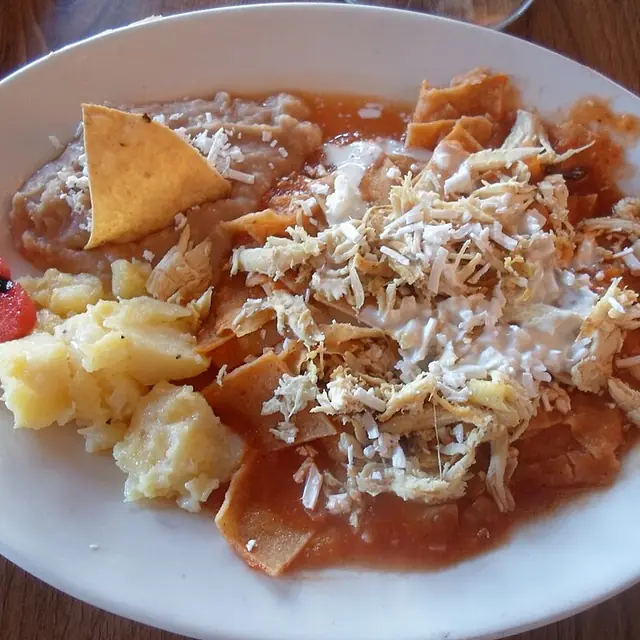
Tortilla chips simmered in red or green salsa until tender on the edges, crisp at the centre. Topped with crema, queso fresco, raw onion and a fried egg or shredded chicken. The Chilango breakfast canon.
Where: El Cardenal, Fonda Margarita, Maque Condesa, Cafe de Tacuba, Azul Historico, Nicos
Price: $80 to $180
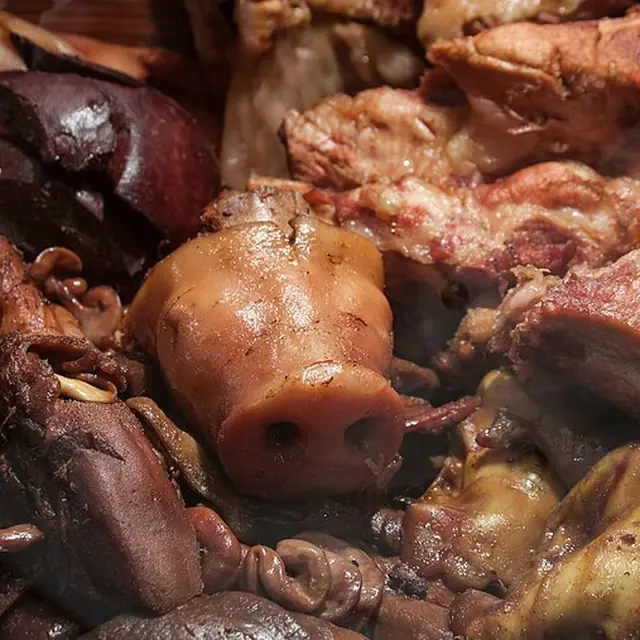
Pork shoulder, belly, ribs and offal slow-confit in lard with orange peel and bay until tender, then crisped in the same fat. Hand-chopped on a wooden board into tacos.
Where: El Bajio, El Bajio Polanco
Price: $120 to $280
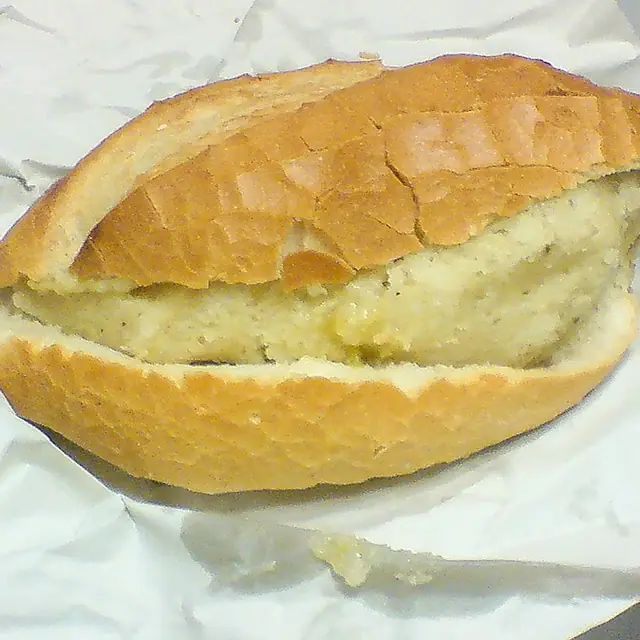
A whole steamed tamal slipped inside a soft bolillo roll, the carb-on-carb breakfast Chilangos eat at dawn from street tamaleros. Heretical outside Mexico City, well-regarded within.
Where: Tamales Dona Emi, Mercado de San Juan, Mercado Roma, Mercado Medellin, Mercado de Coyoacan
Price: $25 to $50
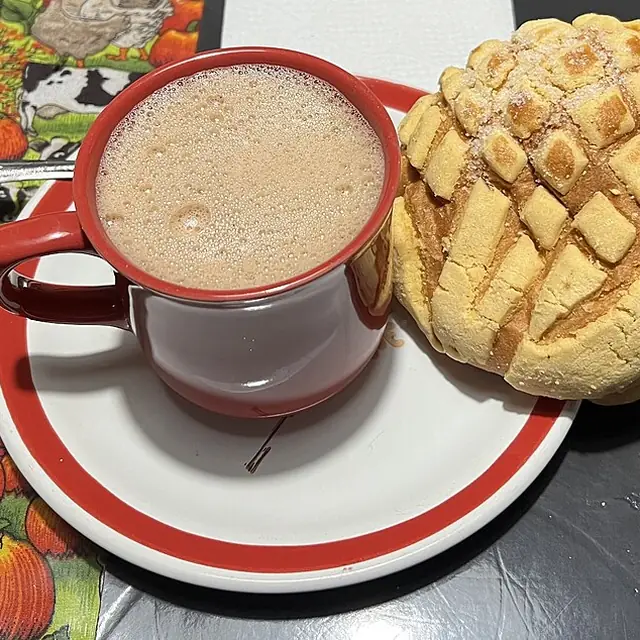
A soft enriched bread roll topped with a sweet shell-pattern crust of sugar and butter paste, baked to crackle. The Mexican breakfast bread, eaten torn into pieces and dunked in hot chocolate or champurrado.
Where: Panaderia Rosetta, Pasteleria Ideal, Pasteleria Suiza, La Panera Coyoacan, Pancracia Panaderia Artesanal
Price: $18 to $45
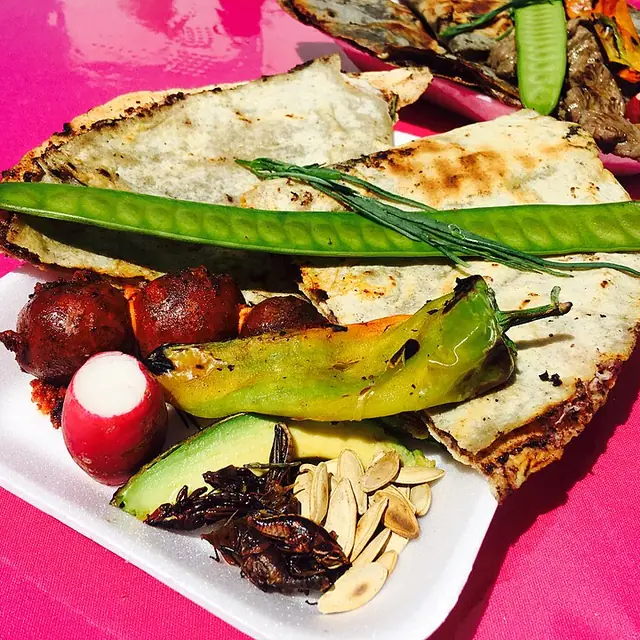
A 35cm crisp-charred corn tortilla smeared with asiento and black bean paste, layered with Oaxacan stringy cheese, lettuce, avocado, and grilled tasajo or cecina.
Where: Mercado Medellin
Price: $100 to $220
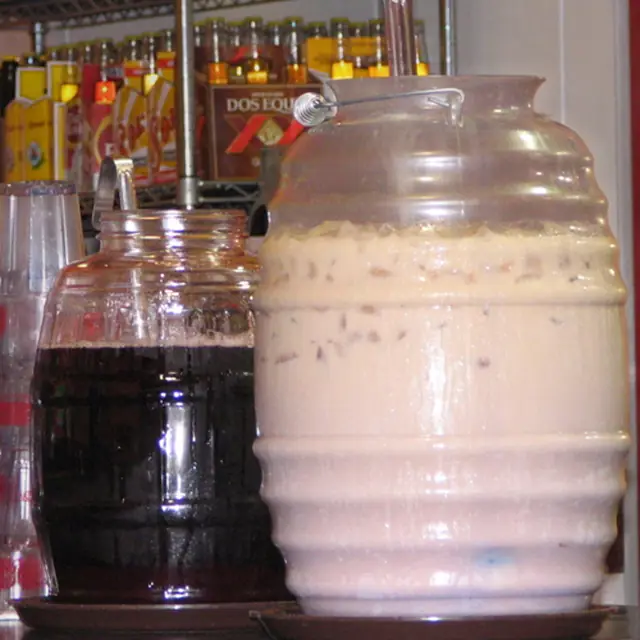
Glass urns called vitroleras lined up on market counters: pink jamaica, milky cinnamon-rice horchata, tart tamarindo, melon, alfalfa. Sold by the cup at every market.
Where: Mercado de San Juan, Mercado de Coyoacan, Mercado Medellin, Mercado de la Merced, Mercado Roma, Mercado de la Merced
Price: $25 to $55
Tacos al pastor
Adobo-marinated pork shaved off a vertical trompo, served on a small corn tortilla with a sliver of pineapple, raw onion, fresh cilantro and a wedge of lime.
History: Lebanese-Mexican immigrants brought the Levantine shawarma technique to Mexico City in the 1920s to 1940s, replacing lamb with pork marinated in adobo of guajillo, achiote and pineapple juice. The trompo stack and the pineapple finish became the signature in the late 1930s; El Tizoncito on Tamaulipas (1966) claims to have invented the modern small-tortilla version. El Huequito (1959) was an even earlier operation on Ayuntamiento. The 2024 Michelin Guide recognised El Califa de Leon on Ribera de San Cosme as the world's first taqueria to earn a Michelin star.
Where to try it: El Huequito, El Tizoncito, El Vilsito, Tacos El Califa de Leon, El Califa Condesa
Mole poblano
A complex Puebla-rooted sauce of 20-plus ingredients including chiles anchos, mulatos, pasilla and chipotle, almonds, peanuts, sesame, raisins, cinnamon, cloves, anise, plantain and Mexican chocolate.
History: Mole poblano was created in the 17th century by the nuns of the Convento de Santa Rosa in Puebla, when Sor Andrea de la Asuncion is said to have invented the dish to honour the visiting Archbishop. The Puebla original recipe runs about 30 ingredients and takes a day to make. The dish migrated to Mexico City through the colonial era and is now the canonical Sunday lunch across the capital. Azul Historico, Nicos and Cafe de Tacuba run some of the city's most respected versions.
Where to try it: Azul Historico, Nicos, Cafe de Tacuba, El Cardenal
Watch out for: Tree nuts, Sesame
Chiles en nogada
A roasted poblano chile stuffed with picadillo of pork, beef, apple, pear, peach, almonds and raisins, topped with a creamy walnut sauce and pomegranate seeds. The green, white and red colors echo the Mexican flag.
History: Chiles en nogada were created in 1821 by the Augustinian nuns of the Convento de Santa Monica in Puebla, in honour of Agustin de Iturbide passing through after the signing of the Plan de Iguala. The dish's three colors match the Mexican tricolor flag, which is why the dish is the patriotic-season specialty served late July through early September. The 1821 origin is documented and the dish is now obligatory across Mexico City's traditional Mexican kitchens during the patriotic season.
Where to try it: El Cardenal, Azul Historico, San Angel Inn, Nicos
Watch out for: Tree nuts, Dairy
Tamales
Steamed corn masa parcels wrapped in corn husk or banana leaf, filled with chicken in mole, pork in red or green salsa, rajas con queso or sweet versions with strawberry. Eaten with atole for breakfast.
History: Tamales date to Pre-Hispanic Mesoamerica, originally a portable food for the Aztec army made from nixtamalised corn masa wrapped in corn husks. Spanish lard transformed the texture after 1521. The modern Mexico City tamal includes the corn-husk style of the highlands and the banana-leaf style brought from Veracruz and Oaxaca. The Feria del Tamal runs every January 29 to February 2 at the Museo Nacional de Culturas Populares in Coyoacan for Candelaria.
Where to try it: Tamales Dona Emi, El Cardenal, Cafe de Tacuba, Azul Historico
Pozole
A hominy-corn soup with pork or chicken, garnished at the table with shredded lettuce or cabbage, sliced radish, lime, dried oregano, ground chile and crisp tostadas. Comes in white, red and green varieties.
History: Pozole is a Pre-Hispanic ceremonial soup dating to the Aztec era; the word comes from the Nahuatl pozolli (foamy). Originally made with the meat of sacrificed prisoners, the dish became pork after the Spanish arrival. Three regional styles dominate: blanco (Mexico City and the central highlands), rojo (Jalisco and Sinaloa) and verde (Guerrero, with pumpkin seeds). Today pozole is the Thursday lunch ritual across Mexico City, served from late afternoon at fondas and pozolerias citywide.
Where to try it: Casa de Tono, Cafe de Tacuba, El Cardenal, El Bajio Polanco
Tlacoyos
Hand-pressed oval cakes of blue or yellow corn masa stuffed with frijol refrito or requeson, cooked on a comal and topped with nopales, queso fresco, salsa verde and chopped onion. Pre-Hispanic street food.
History: Tlacoyos are a Pre-Hispanic dish dating to the Aztec era, originally made on the comal griddle from nixtamalised corn masa stuffed with the same wild beans, fava beans or chickpeas. The name comes from the Nahuatl tlatlaoyo (corn cake). The blue-corn version comes from the heirloom maize varieties of Tlaxcala and Estado de Mexico that still survive at Mercado de San Juan and Tlacoyos Dona Jose. Modern restaurants like Expendio de Maiz have built modern Mexican cuisine around this canonical dish.
Where to try it: Tlacoyos Dona Jose, Expendio de Maiz Sin Nombre, Molino El Pujol, Mercado de Coyoacan
Esquites
Sweet white corn kernels boiled with epazote and salt, served in styrofoam cups with mayonnaise, cotija cheese, chile piquin powder, fresh lime juice and the smoky depth of charred kernel.
History: Esquites comes from the Nahuatl izquitl (toasted corn) and dates to Pre-Hispanic Mexico, where toasted maize was the traveller's food. The modern version uses fresh white corn boiled with the wild herb epazote and finished hot with mayonnaise, cotija and chile. The dish dominates the late afternoon and early evening across Mexico City sidewalks, from cart counters in Hipodromo Condesa to market vendors in Coyoacan, Roma and Jamaica.
Where to try it: Esquites Don Fermin, Mercado de Coyoacan, Mercado Roma, Mercado de la Merced
Watch out for: Egg, Dairy
Tuna tostada
A crisp fried corn tortilla topped with chipotle mayo, sliced raw yellowfin tuna, sliced avocado, fried leeks and a chipotle reduction. Mexico City's most-copied modern dish, invented at Contramar in 1998.
History: The tuna tostada was created in 1998 by Gabriela Camara at Contramar on Calle Durango in Roma Norte, when she retro-engineered the simple coastal Mexican tostada with raw tuna, chipotle mayo and fried leeks. The dish became the city's most-copied modern Mexican dish and has been the Contramar lunch order since. Contramar is recognised in the 2024 Michelin Guide Mexico City selection.
Where to try it: Contramar
Watch out for: Fish, Egg, Gluten
Churros con chocolate
Crisp fried ribbed dough piped from a churrera and dusted with sugar, served with a thick cup of Mexican hot chocolate for dipping. Late-night street food and breakfast dish.
History: Churros came to Mexico from Spain in the colonial era; the Mexican version is shorter and more tightly ribbed than the Spanish original. Churreria El Moro opened in 1935 on Eje Central in the Centro Historico and runs 24 hours a day, with four chocolate styles for dipping (Mexican, Spanish, French and the thick chocolate especial). The 24-hour churro-and-chocolate stop is a Mexico City institution.
Where to try it: Churreria El Moro
Watch out for: Gluten, Dairy
Quesadillas de Huitlacoche
Hand-pressed blue-corn tortillas stuffed with huitlacoche (Mexican corn smut), molten Oaxacan cheese, and epazote, then griddled until the masa crisps.
History: Huitlacoche (Ustilago maydis) is a corn fungus considered a delicacy in pre-Hispanic Mexico, called the Mexican truffle and harvested during the summer rainy season. The Aztecs prized it as cuitlacochin. Mercado de San Juan, El Cardenal, and Cafe de Tacuba serve the classic quesadilla version. Pujol elevated huitlacoche to fine-dining application.
Where to try it: El Cardenal, Cafe de Tacuba, Mercado de San Juan, Expendio de Maiz, Mercado Medellin, Mercado Roma
Watch out for: Dairy
Mezcal Flight
Side-by-side tasting of mezcales joven (young), reposado (rested), and añejo (aged) from Oaxacan distillers, served in small clay copitas with worm salt and orange slices.
History: Mezcal predates tequila as the original Mexican agave spirit, distilled in Oaxaca since the 16th century from native maguey (agave) varieties: espadín, tobalá, tepeztate, and arroqueño. Mexico City's modern mezcaleria boom began with Bosforo in Centro and Los Danzantes in Coyoacan around 2010, followed by Tlecan, La Clandestina, and Ozimo Tahona.
Where to try it: Bosforo Mezcaleria, Tlecan, Los Danzantes Coyoacan, Ozimo Tahona, Pulqueria Las Duelistas, Pujol
Birria de Res
Slow-braised beef in dried-chili and spice consommé, served in deep bowls with the broth, raw onion, cilantro, and lime, or stuffed into tortillas dipped in the orange fat to make quesabirria tacos.
History: Birria originated in Jalisco in the 17th century as a method for cooking the tough meat of Spanish-brought sheep; the dish moved north to Tijuana with beef, then exploded internationally as quesabirria around 2018. Mexico City's birria boom is more recent (post-2020) with stands in Roma, Condesa, and the markets serving Tijuana-style quesabirria alongside the Jalisco-original beef consommé.
Where to try it: El Hidalguense, Tortas El Cuadrilatero, Mercado Roma, El Bajio, Los Cocuyos, El Califa Condesa
Watch out for: Gluten, Dairy
Chilaquiles
Tortilla chips simmered in red or green salsa until tender on the edges, crisp at the centre. Topped with crema, queso fresco, raw onion and a fried egg or shredded chicken. The Chilango breakfast canon.
History: Chilaquiles derives from the Nahuatl chilaquilitl, meaning chillies and greens, and pre-Columbian Aztec cooks already made versions of soft-cooked tortillas in salsa. The modern Mexico City breakfast format hardened in the 19th century: yesterday's stale tortillas torn into triangles, fried, then drowned in salsa. La Esquina del Chilaquil in Condesa invented the torta de chilaquiles (stuffing chilaquiles into a bolillo) in 2008; the format spread citywide. Chilaquiles was named the world's fourth-best breakfast by Taste Atlas in 2024.
Where to try it: El Cardenal, Fonda Margarita, Maque Condesa, Cafe de Tacuba, Azul Historico, Nicos
Watch out for: Dairy, Egg
Carnitas
Pork shoulder, belly, ribs and offal slow-confit in lard with orange peel and bay until tender, then crisped in the same fat. Hand-chopped on a wooden board into tacos.
History: Carnitas are a Michoacán dish dating to the colonial era, when Spanish pork-husbandry met Purepecha confit techniques. The home of carnitas is Quiroga, but Mexico City elevated the format through its Michoacano migrant taquerias from the 1950s onward. El Rincon Tarasco in Escandon (run by the Zapien family since 1978) and El Bajio (chef Carmen Titita, 1972) hold the city canon. The proper cut order from the chopping block: maciza (lean shoulder), costilla (rib), surtido (mixed), with offal options of buche, oreja, and cuero.
Where to try it: El Bajio, El Bajio Polanco
Guajolota (Torta de tamal)
A whole steamed tamal slipped inside a soft bolillo roll, the carb-on-carb breakfast Chilangos eat at dawn from street tamaleros. Heretical outside Mexico City, well-regarded within.
History: The guajolota is a Mexico City invention from the late 19th century, born of the city's tamalero street trade. The name comes from the Nahuatl guajolote (turkey), a joke about fattening up the eater. By the early 20th century, the format had become the canonical pre-work breakfast for working-class Chilangos; tamaleros set up at metro exits and bus stops by 5am every weekday. The most common fillings are rajas con queso, mole negro, salsa verde con pollo, and dulce de fresa for the sweet version. Costs 20 to 30 pesos at street level; the format is unique to Mexico City and considered insane by the rest of Mexico.
Where to try it: Tamales Dona Emi, Mercado de San Juan, Mercado Roma, Mercado Medellin, Mercado de Coyoacan
Watch out for: Gluten, Dairy
Concha (Pan dulce)
A soft enriched bread roll topped with a sweet shell-pattern crust of sugar and butter paste, baked to crackle. The Mexican breakfast bread, eaten torn into pieces and dunked in hot chocolate or champurrado.
History: Concha (Spanish for shell) emerged in Mexico after French and Spanish pastry techniques arrived through colonial-era and Porfiriato-era European bakers. La Vasconia on Tacuba 73 in the Centro Historico, founded 1870, is widely held as the oldest pan dulce bakery in Mexico City; its conchas, orejas and trenza de higo are the local benchmark. The shell-shaped pasta crust is scored with a special crimper called a pan dulce sello. Pasteleria Ideal (Calle 16 de Septiembre, 1927) and Panaderia Rosetta (chef Elena Reygadas, 2010) hold the modern canon for sweet bread in the city.
Where to try it: Panaderia Rosetta, Pasteleria Ideal, Pasteleria Suiza, La Panera Coyoacan, Pancracia Panaderia Artesanal
Watch out for: Gluten, Egg, Dairy
Tlayuda
A 35cm crisp-charred corn tortilla smeared with asiento and black bean paste, layered with Oaxacan stringy cheese, lettuce, avocado, and grilled tasajo or cecina.
History: Tlayuda is a Zapotec dish from the Valles Centrales of Oaxaca, where the giant thin tortilla was originally a travel ration for traders. Mexico City adopted the tlayuda through Oaxacan migration in the 1980s and 90s; specialist Oaxacan restaurants opened in Roma Sur, Condesa and the Centro Historico. The toppings break into three traditional meats: cecina enchilada (chilli-cured pork), tasajo (cured beef), and chorizo. La Ventana del Ticuchi (chef Enrique Olvera, 2019) introduced the vegetarian quelites tlayuda. Best places to eat: Mercado Medellin Oaxacan stalls, Guzina Oaxaqueña in Polanco.
Where to try it: Mercado Medellin
Watch out for: Dairy
Aguas frescas
Glass urns called vitroleras lined up on market counters: pink jamaica, milky cinnamon-rice horchata, tart tamarindo, melon, alfalfa. Sold by the cup at every market.
History: Aguas frescas trace to pre-Hispanic Mexico, where Aztecs in Tenochtitlan made cold drinks from cacao, fruit and seeds chilled with volcanic ice carried down from Popocatepetl. The colonial Spanish brought horchata de chufa from Valencia, which was reinvented in Mexico with rice. Jamaica (hibiscus) and tamarindo arrived through the colonial trade networks from West Africa and Asia. By the 19th century the vitrolera was a market fixture across Mexico City; today every market and most taquerias carry at least four aguas, refilled fresh daily, costing 25 to 45 pesos per glass.
Where to try it: Mercado de San Juan, Mercado de Coyoacan, Mercado Medellin, Mercado de la Merced, Mercado Roma, Mercado de la Merced