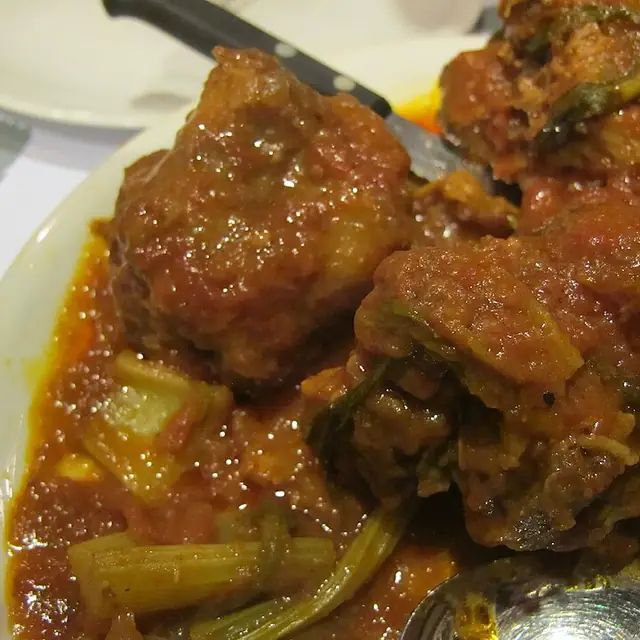
Coda alla vaccinara is Rome's slow-cooked oxtail stew: braised for hours in red wine, tomato, celery and cocoa, served falling-off-the-bone with the gravy spooned over pasta or polenta.
Coda alla vaccinara is Testaccio's signature dish, born in the slaughterhouse quarter that gave the city its quinto quarto (fifth quarter) offal tradition. The vaccinari (slaughterhouse workers) took the unwanted oxtail home, slow-braising it in tomato, red wine, celery and pine nuts over a low fire for four hours. The cocoa addition (a small spoon of unsweetened cocoa stirred in at the end) is the Roman fingerprint that distinguishes the dish from a Tuscan or Lombard oxtail stew. Checchino dal 1887, Flavio al Velavevodetto and the Testaccio canon all serve canonical versions; the dish typically arrives with rigatoni or polenta to soak the gravy.
Armando al Pantheon in Rome has cooked the four Roman pastas and the quinto quarto canon since 1961, a few steps from the Pantheon. Located in Centro Storico.
OrderCacio e pepe, coda alla vaccinara, and the abbacchio when it's on the carte.
TipBookings open exactly two months ahead on the website. Walk-up tables exist but only for lone diners and only at 12:30.
Taste your way around Rome's Trastevere neighborhood on a walking tour with a local guide. Try a wide variety of Italian classics including pizza, pasta, gelato, pork,...
Explore this hidden gem neighborhood, Testaccio, home to Rome’s best eats. Take a guided tour of the traditional market, visit 8 authentic eateries, and enjoy a full l...
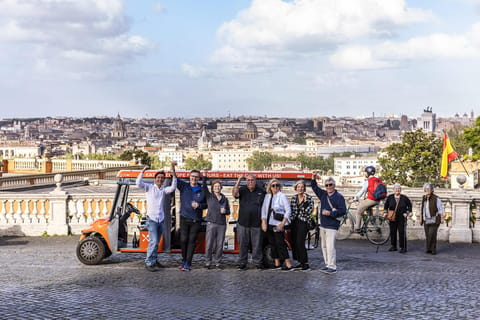
Taste Rome in comfort by golf cart, in a small group tour, with wine, five iconic dishes, Trastevere dining, and a Prosecco toast at Gianicolo Hill, all in one seamles...