Signature dishes
Pickled Baltic herring fillets dressed with sour cream, raw red onion, diced apple and hard-boiled egg, the canonical Kashubian starter at every Pomeranian table from Gdańsk to Hel.
Where: Restauracja Kubicki, Restauracja Filharmonia, Witómë, Cała Naprzód
Price: 22-38 PLN
Whole Baltic eel salted, cold-smoked over alder wood and sliced into glossy black-skinned rings. The luxury fish of Pomerania, sold at Hel Peninsula smokehouses and Targ Rybny seafood restaurants in colder months.
Where: Targ Rybny - Fishmarkt, Cała Naprzód, Restauracja Kubicki, Restauracja Filharmonia
Price: 55-90 PLN
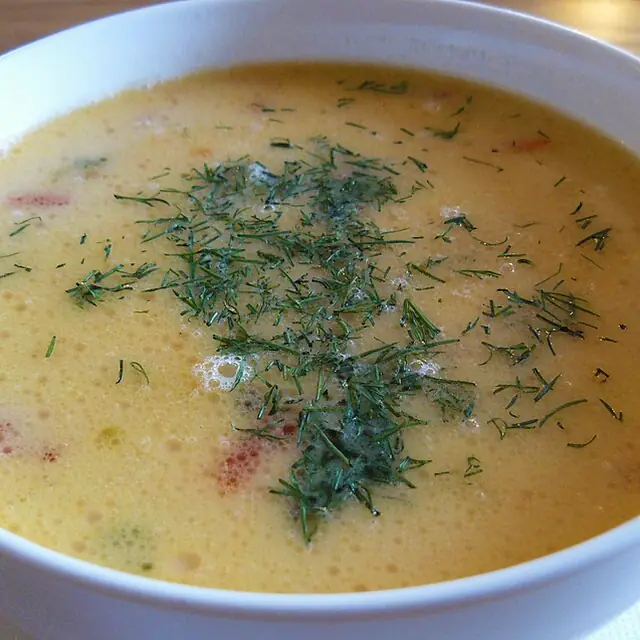
Cream-finished Pomeranian fish soup built on a stock of Baltic cod, pike-perch and herring, often with mussels added when in season. The everyday-luxury soup of the Tri-City.
Where: Witómë, Restauracja Filharmonia, Targ Rybny - Fishmarkt, Cała Naprzód
Price: 28-45 PLN
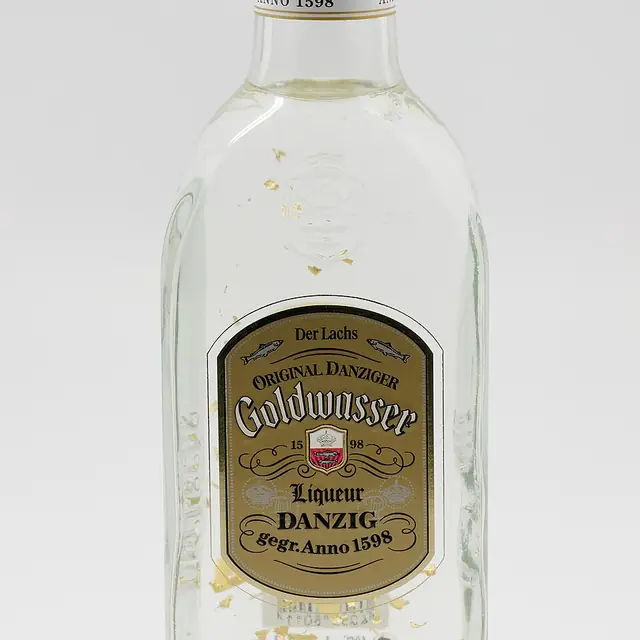
A herbal liqueur with cardamom, cloves, cinnamon, lavender, coriander and juniper, suspended with flakes of 23-carat edible gold. First distilled in Gdańsk in 1598; the Der Lachs brand name followed in 1704.
Where: Goldwasser, Eliksir, Flisak '76
Price: 18-32 PLN per pour
Half-moon Polish dumplings filled with poached Baltic cod and fresh dill, served boiled with melted butter or pan-fried golden. A specifically coastal pierogi variant.
Where: Pierogarnia Stary Młyn, Cała Naprzód
Price: 28-42 PLN for 10 pieces
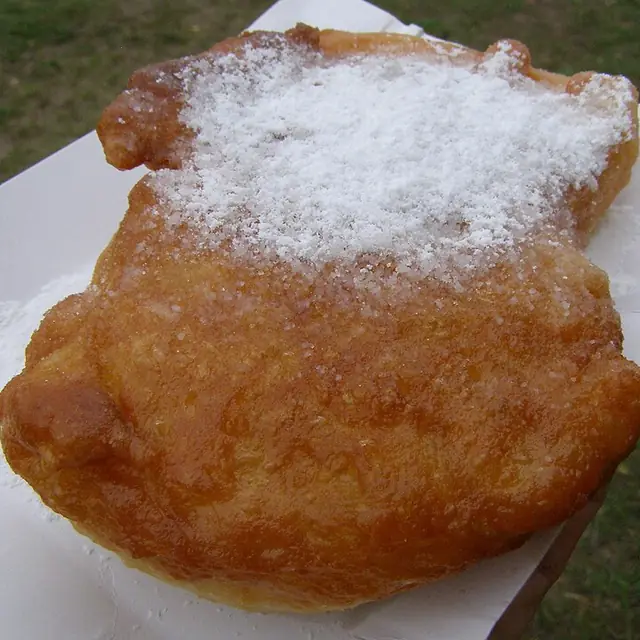
Light, raised yeast pancakes the size of a saucer, typically served with stewed apple and dusted with icing sugar. The Kashubian breakfast or afternoon-cake dish.
Where: Restauracja Filharmonia, Witómë
Price: 24-32 PLN
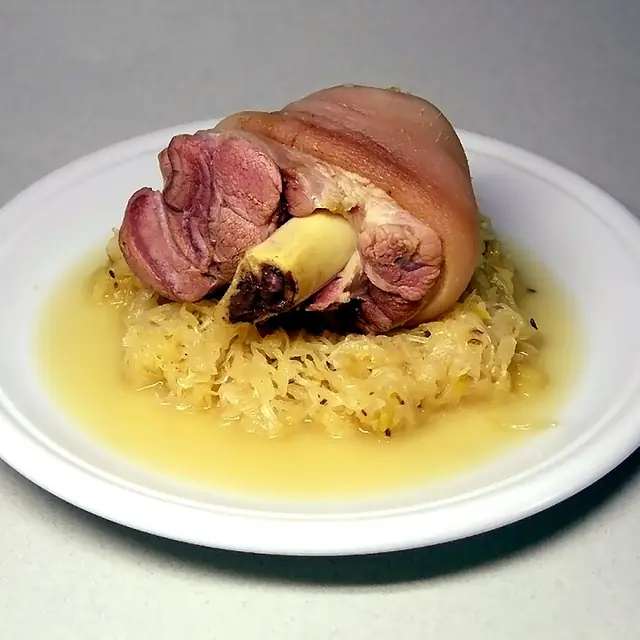
Slow-braised pork shank, often poached in dark beer then crisped under the salamander, served with sauerkraut, mustard and a pile of mashed potatoes.
Where: Restauracja Kubicki, Goldwasser, Brovarnia
Price: 55-85 PLN
Whole-roasted Pomeranian goose served with golce, the Kashubian potato dumpling. The Sunday-roast tradition of the inland Kashubian villages, in season late September through November.
Where: Restauracja Filharmonia, Goldwasser, Witómë
Price: 85-140 PLN
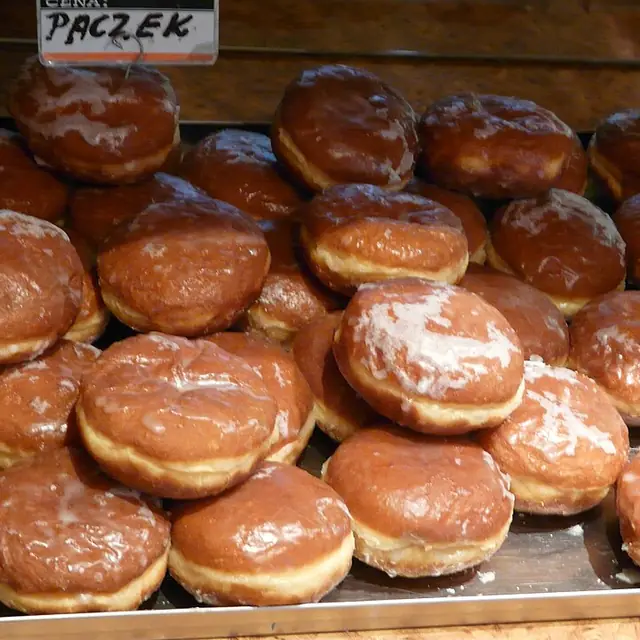
Yeast-raised doughnuts filled with rose-petal jam, plum jam or vanilla cream, deep-fried in lard and dusted with sugar or glazed. The single-day national obsession on Tłusty Czwartek (Fat Thursday).
Where: Cukiernia Paradowski, Pellowski Piekarnia Cukiernia Kawiarnia, Cukiernia Le Delice
Price: 6-12 PLN each
Whole or fillet halibut from the Baltic, the prized white fish of Pomerania, usually grilled or pan-roasted with brown butter and dill. The most-asked plate at every Gdańsk fish restaurant on the Tokarska strip.
Where: Zafishowani, Targ Rybny - Fishmarkt, True, Cała Naprzód
Price: 75-145 PLN
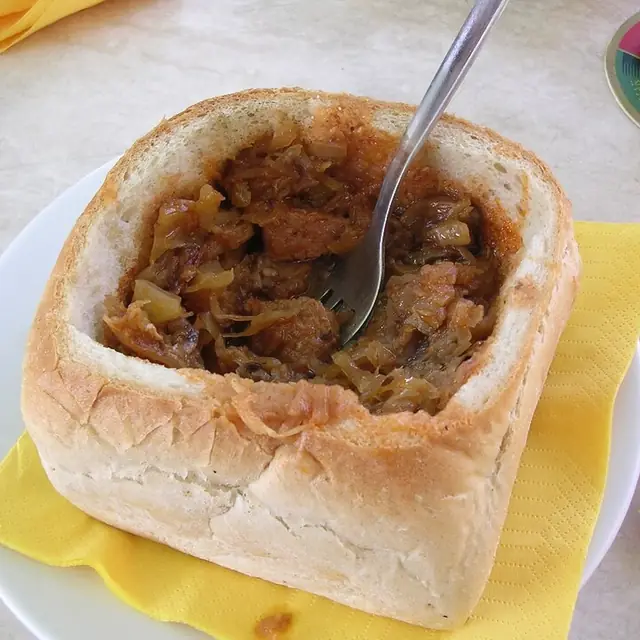
The Polish hunter's stew of sauerkraut, fresh cabbage, smoked kielbasa, pork shoulder, dried mushrooms and prunes, simmered for hours and reheated for days until the flavours deepen into the national winter dish.
Where: Restauracja Kubicki, Witómë, Goldwasser, Restauracja Filharmonia
Price: 32-58 PLN
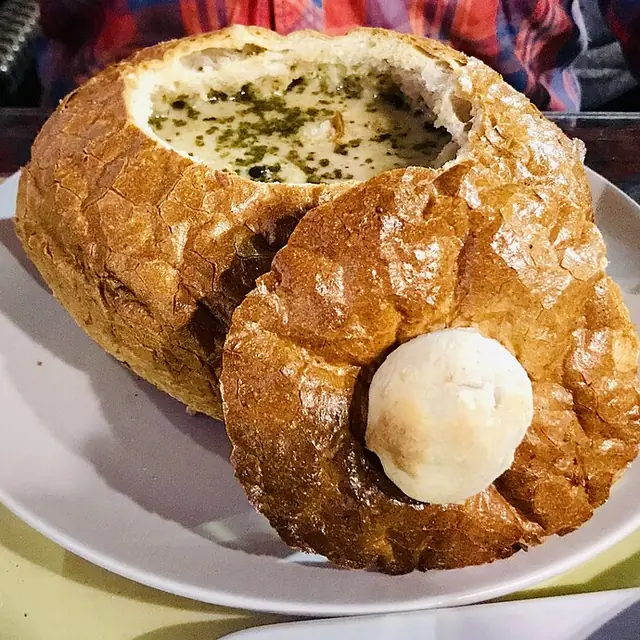
Cloudy, tangy soup built on fermented rye starter, finished with cream and served with white sausage (biała kiełbasa), boiled egg and chunks of smoked bacon. Often poured into a bread bowl as a tableside theatre piece.
Where: Pierogarnia Stary Młyn, Restauracja Filharmonia, Goldwasser, Bar Mleczny Neptun
Price: 22-38 PLN
Śledź po kaszubsku (Kashubian herring)
Pickled Baltic herring fillets dressed with sour cream, raw red onion, diced apple and hard-boiled egg, the canonical Kashubian starter at every Pomeranian table from Gdańsk to Hel.
History: Pomeranian fishing villages have salted and pickled Baltic herring since the medieval Hanseatic period; the cream-apple-onion version belongs to the Kashubian ethnographic region and entered Gdańsk restaurants alongside Polish migration after 1945. The dish appears on the menu at Restauracja Kubicki (open since 1918) in a form close to the interwar Free City of Danzig version.
Where to try it: Restauracja Kubicki, Restauracja Filharmonia, Witómë, Cała Naprzód
Watch out for: Fish, Egg, Dairy
Smoked Baltic eel (Węgorz wędzony)
Whole Baltic eel salted, cold-smoked over alder wood and sliced into glossy black-skinned rings. The luxury fish of Pomerania, sold at Hel Peninsula smokehouses and Targ Rybny seafood restaurants in colder months.
History: Eel-smoking on the Hel Peninsula goes back centuries; the alder-wood method shaped the Kashubian fishing villages along the Baltic coast. Smoked eel became a luxury export through the Hanseatic period, prized at Gdańsk merchant tables and shipped across northern Europe. Today it appears as a starter at Targ Rybny Fishmarkt and Cała Naprzód, and shows on most Pomeranian Christmas tables. The Hel fishery still supplies the city's restaurants daily through the autumn season.
Where to try it: Targ Rybny - Fishmarkt, Cała Naprzód, Restauracja Kubicki, Restauracja Filharmonia
Watch out for: Fish, Dairy
Kashubian fish soup (Zupa rybna po kaszubsku)
Cream-finished Pomeranian fish soup built on a stock of Baltic cod, pike-perch and herring, often with mussels added when in season. The everyday-luxury soup of the Tri-City.
History: The Kashubian fishing villages have built fish soup on whatever the day's catch yielded; the cream-and-mussel version solidified in Gdańsk restaurants through the Free City era between the two World Wars. The base is always cod, Baltic herring or pike-perch trimmings, slow-simmered with leek, carrot, potato and a finishing splash of cream. Witómë and Restauracja Filharmonia run the most committed versions today, with seasonal additions of fresh mussels when the boats land them.
Where to try it: Witómë, Restauracja Filharmonia, Targ Rybny - Fishmarkt, Cała Naprzód
Watch out for: Fish, Shellfish, Dairy, Egg
Goldwasser (22-carat gold liqueur)
A herbal liqueur with cardamom, cloves, cinnamon, lavender, coriander and juniper, suspended with flakes of 23-carat edible gold. First distilled in Gdańsk in 1598; the Der Lachs brand name followed in 1704.
History: Ambroży Vermöllen, a Dutch Mennonite from De Lier, took Danzig citizenship in 1598 and began distilling the herbal liqueur that became Goldwasser. In 1704 his grandson Salomon moved production to a Breitgasse (today ul. Szeroka) house whose salmon (Lachs) sign gave the brand its Der Lachs name. Catherine the Great and Peter the Great drank it, and the recipe still ships under Der Lachs.
Where to try it: Goldwasser, Eliksir, Flisak '76
Pierogi z dorszem (Cod pierogi)
Half-moon Polish dumplings filled with poached Baltic cod and fresh dill, served boiled with melted butter or pan-fried golden. A specifically coastal pierogi variant.
History: Pierogi are a pan-Polish dish, but the cod filling belongs to the Gdańsk coast where Baltic dorsz has been a kitchen staple since the Hanseatic period of the 14th to 17th centuries. The fish was salt-cured for winter and folded into yeast-free dumpling dough as a Friday-fast meal. Pierogarnia Stary Młyn carries a cod pierog on the menu; Cała Naprzód runs a chopped-zander pierogi when the boats land it; Goldwasser and Restauracja Filharmonia rotate seasonal versions.
Where to try it: Pierogarnia Stary Młyn, Cała Naprzód
Watch out for: Gluten, Fish, Egg, Dairy
Ruchanki (Kashubian yeast pancakes)
Light, raised yeast pancakes the size of a saucer, typically served with stewed apple and dusted with icing sugar. The Kashubian breakfast or afternoon-cake dish.
History: Ruchanki belong to the Kashubian Lakeland villages around Kartuzy and Kościerzyna, traditional country baking served at Sunday breakfast and harvest feasts. The Pomeranian capital absorbed them through 20th-century Kashubian migration into the Gdańsk shipyards. Restauracja Filharmonia is the most reliable city version, served warm with sweet cream, blueberry compote or local Kashubian honey. The recipe stays close to the village original: rich yeast dough, slow rise, fried on a heavy iron pan.
Where to try it: Restauracja Filharmonia, Witómë
Watch out for: Gluten, Egg, Dairy
Eisbein (Pork knuckle)
Slow-braised pork shank, often poached in dark beer then crisped under the salamander, served with sauerkraut, mustard and a pile of mashed potatoes.
History: Eisbein arrived in Gdańsk with the German Hanseatic merchants during the late medieval period and survived through the Free City era between 1920 and 1939. Kubicki opened in 1918 and has refused to alter its eisbein recipe since; the dish is the room's century-long signature and the most-photographed plate on the menu. The brine cure runs 48 hours, the slow boil another four, and the finishing roast adds a crisp top. Served whole with sauerkraut, mashed peas and a dollop of mustard.
Where to try it: Restauracja Kubicki, Goldwasser, Brovarnia
Watch out for: Gluten, Mustard
Pomeranian goose with golce
Whole-roasted Pomeranian goose served with golce, the Kashubian potato dumpling. The Sunday-roast tradition of the inland Kashubian villages, in season late September through November.
History: Pomeranian goose is a regional pride; the breed is raised across rural Kashubia and Greater Poland, with the peak season running from St Martin's Day (November 11) through the New Year. The golce-and-goose pairing belongs to the Kashubian Sunday-roast tradition: roast goose served with golce, a buckwheat-and-flour dumpling unique to the region. Restauracja Filharmonia and Goldwasser run the most committed Gdańsk versions when in season.
Where to try it: Restauracja Filharmonia, Goldwasser, Witómë
Watch out for: Gluten
Pączki (Polish doughnuts)
Yeast-raised doughnuts filled with rose-petal jam, plum jam or vanilla cream, deep-fried in lard and dusted with sugar or glazed. The single-day national obsession on Tłusty Czwartek (Fat Thursday).
History: Pączki are pan-Polish but the Fat Thursday (Tłusty Czwartek) tradition is national, observed the last Thursday before Lent every February. Cukiernia Paradowski in Gdańsk Wrzeszcz, open since spring 1945, runs the city's most-photographed queue every year. The pre-war recipe came with Stefan Paradowski from Warsaw's Ziemiańska pastry shop in 1945, and the bakery still fries them in the original rendered lard. Rose-petal jam is the canonical filling; the modern menu rotates plum, custard and advocaat.
Where to try it: Cukiernia Paradowski, Pellowski Piekarnia Cukiernia Kawiarnia, Cukiernia Le Delice
Watch out for: Gluten, Egg, Dairy
Baltic halibut
Whole or fillet halibut from the Baltic, the prized white fish of Pomerania, usually grilled or pan-roasted with brown butter and dill. The most-asked plate at every Gdańsk fish restaurant on the Tokarska strip.
History: Baltic halibut has anchored the Pomeranian luxury-fish trade since medieval times, when the Gdańsk fish guild held a monopoly on the inland trade. The Hanseatic merchants shipped salt-cured halibut across northern Europe. Zafishowani made it the room's argument when it opened on Tokarska; Targ Rybny Fishmarkt sources from the same Hel Peninsula boats. Season runs strongest May to September, when the larger flatfish move closer to shore.
Where to try it: Zafishowani, Targ Rybny - Fishmarkt, True, Cała Naprzód
Watch out for: Fish, Dairy
Bigos (Hunter's stew)
The Polish hunter's stew of sauerkraut, fresh cabbage, smoked kielbasa, pork shoulder, dried mushrooms and prunes, simmered for hours and reheated for days until the flavours deepen into the national winter dish.
History: Bigos has appeared in Polish kitchens since at least the 14th century, originally as a hunters' field stew made from whatever game and pickled cabbage the household had. Mickiewicz immortalised it in Pan Tadeusz. Every Gdańsk traditional kitchen, from Kubicki to Witómë, keeps a pot through the cold months.
Where to try it: Restauracja Kubicki, Witómë, Goldwasser, Restauracja Filharmonia
Watch out for: Gluten
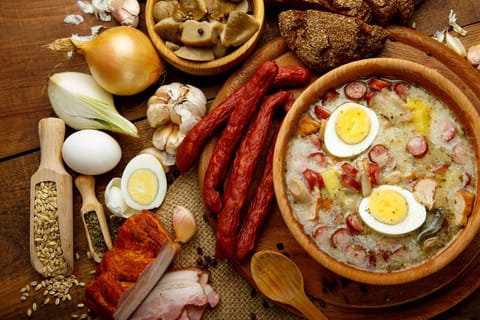
Żurek (Sour rye soup)
Cloudy, tangy soup built on fermented rye starter, finished with cream and served with white sausage (biała kiełbasa), boiled egg and chunks of smoked bacon. Often poured into a bread bowl as a tableside theatre piece.
History: Żurek's fermented rye starter is one of the oldest Polish kitchen techniques, predating the potato. The soup carried families through Lent and now anchors the Easter table. Gdańsk's traditional rooms serve it year-round in hollowed sourdough bowls; the Easter version is reinforced with extra sausage and horseradish.
Where to try it: Pierogarnia Stary Młyn, Restauracja Filharmonia, Goldwasser, Bar Mleczny Neptun
Watch out for: Gluten, Egg, Dairy