Free cancellation on most tours, with live prices on the partner's site.
Hiroshima eats with a griddle and a shell. The okonomiyaki here is layered, never mixed: a crepe-thin batter, a mound of cabbage steamed down under pork belly, a nest of fried soba, an egg pressed flat on top, all under sweet brown sauce. The city counts its okonomiyaki shops in the high hundreds, and two buildings, Okonomimura in Shintenchi and Ekimae Hiroba beside the station, gather the counters under one roof. The other half of the story is the water. Hiroshima Bay farms the majority of Japan's oysters on hanging rafts, and between October and March they are eaten raw, grilled in the shell at waterfront sheds, steamed in a can, and crumbed in coarse panko. Beyond those two, the city has its own noodles: cold tsukemen with a graded chilli sauce, broth-free tantanmen stirred thirty times before the first mouthful, and a restrained soy bowl locals still call chuka soba. Add conger eel from Miyajima, lemons from the Setouchi islands and soft-water sake from Saijo, and the prefecture feeds itself almost entirely from its own doorstep.
Peak seasonOctober to March for oysters, June to September for cold tsukemen
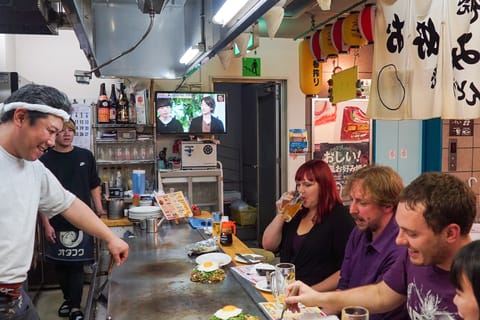
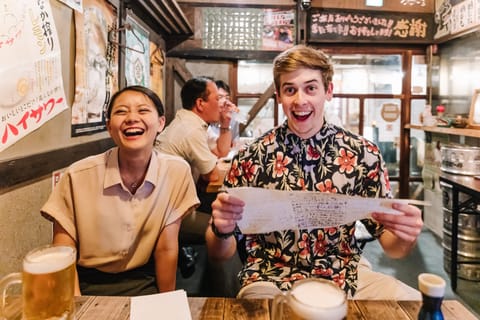
Taste Hiroshima's foods in one night in its biggest nightlife district. You'll explore the city with a local guide, visit 3 local bars, and try the best food and drink...
Discover the unique flavors of Japanese cuisine and eat like a local on this walking tour in Hiroshima. Visit some vibrant markets, and hidden gems, and sample a selec...
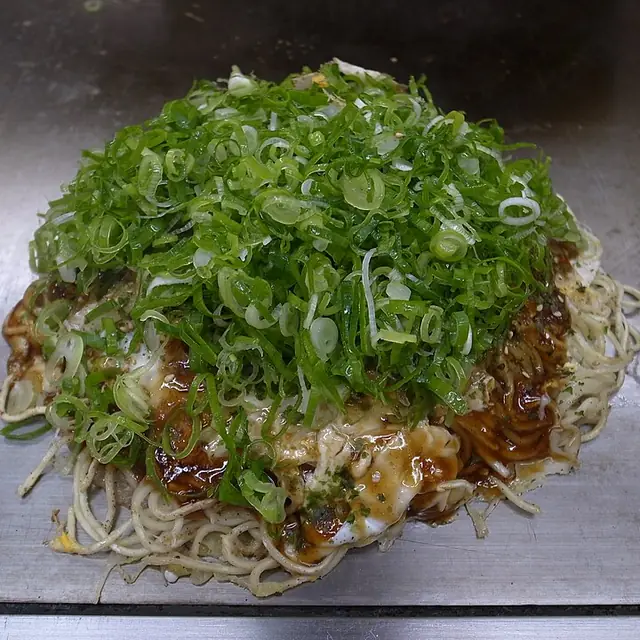
A thin crepe batter, a mountain of shredded cabbage, pork belly, a nest of fried soba and an egg, all layered rather than mixed and pressed on a teppan under sweet brown sauce.
Where Mitchan Sohonten Hatchobori, Yagenbori Hassho, Nagataya, Lopez, Reichan
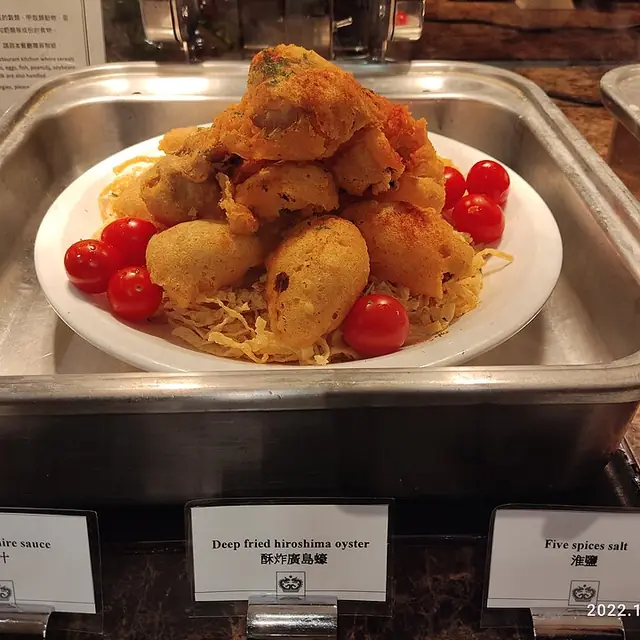
Deep-cupped Seto Inland Sea oysters, farmed on hanging rafts and eaten raw, grilled in the shell, steamed in a can or deep-fried in panko between roughly October and March.
Where Kakibune Kanawa, Kaki Goya Fukuromachi Umihei Shoten, Milky Tetsuo no Kaki Goya Ujina
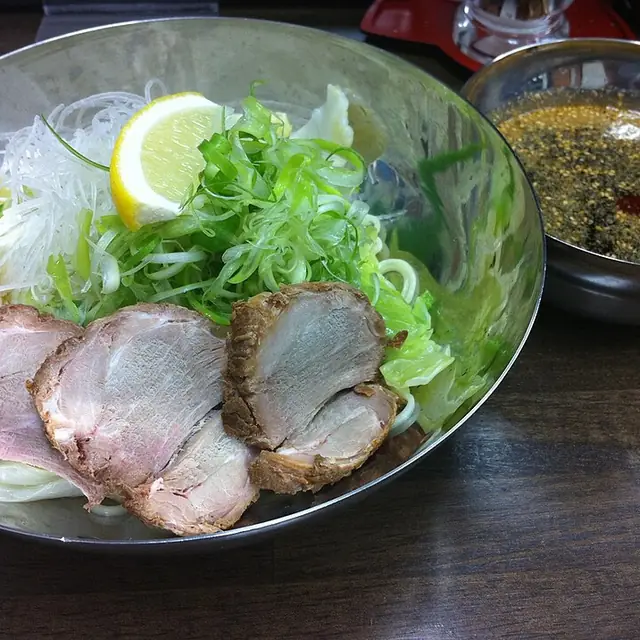
Cold, straight, medium-thick noodles served with boiled cabbage, cucumber and spring onion, dipped into a chilled soy and seafood-stock sauce loaded with chilli and sesame.
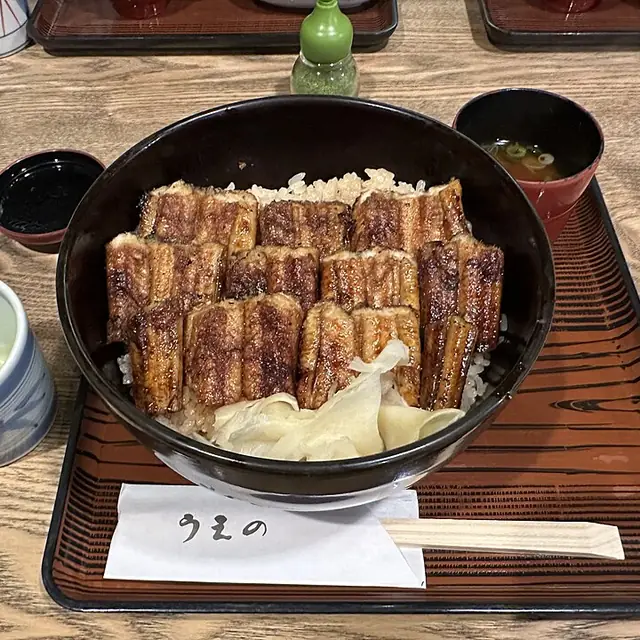
Grilled saltwater conger eel laid over rice that has been cooked in stock made from the eel bones, a Miyajima dish sold at the ferry crossing since the early twentieth century.
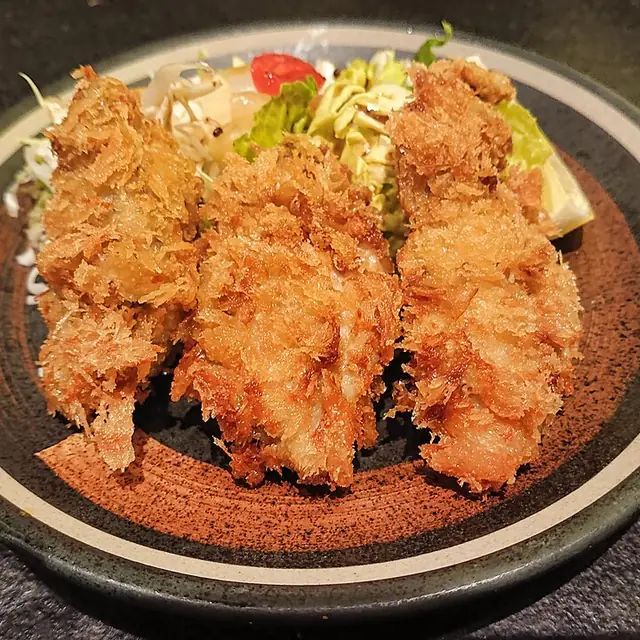
Hiroshima oysters crumbed in panko and deep-fried until the coating cracks and the oyster inside is still barely set, served with shredded cabbage and tartare sauce.
Where Kakibune Kanawa, Kaki Goya Fukuromachi Umihei Shoten
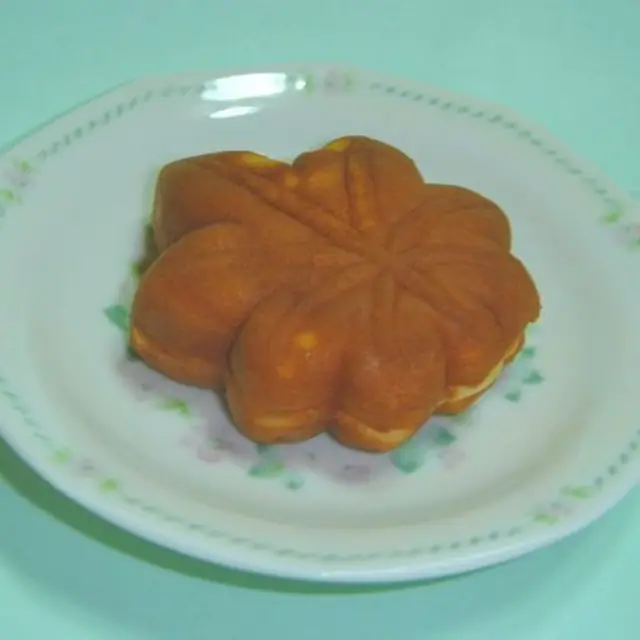
A maple-leaf-shaped castella sponge filled with sweet red bean paste, baked in iron moulds on Miyajima and sold hot from the shop fronts along Omotesando.
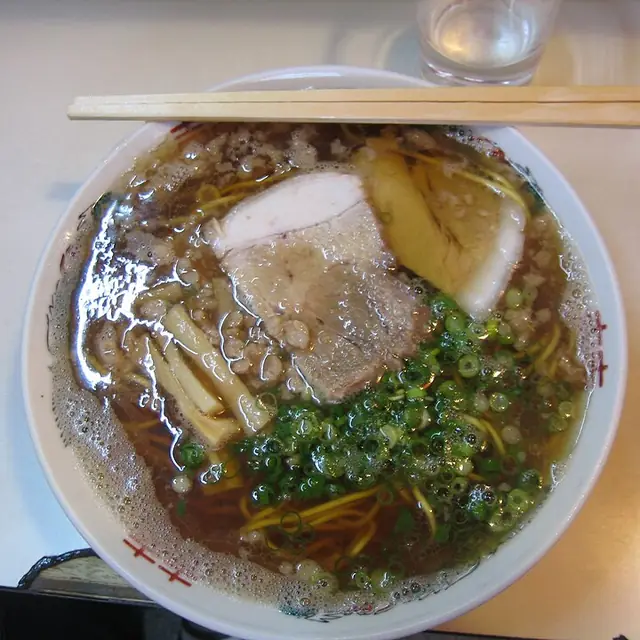
A soy bowl from the Hiroshima port town of Onomichi, built on chicken and small-fish stock and finished with cubes of pork back fat that float on the surface.
Mitchan Sohonten in Hiroshima layers cabbage, pork and crisped soba on the teppan at its Hatchobori flagship, the shop whose founder set the postwar template.
OrderSoba niku-tama, the layered pork, cabbage and noodle okonomiyaki
Yagenbori Hassho is the Hiroshima okonomiyaki counter that works slowly, resting the cabbage under pork belly for 20 to 30 minutes before the soba lands.
OrderSoba niku-tama at 1,150 yen, the only order most regulars ever place
The covered arcade and the streets between it and Peace Memorial Park: bakeries, coffee roasters, okonomiyaki counters and the oyster boat on the river.
Hiroshima's department-store district, where the okonomiyaki flagship, the small counter kitchens and the office lunch trade all sit within a few blocks.
Southern Minami-ku, from the Danbara backstreets down the Ujina tram line to the port: local ramen counters, a butcher's yakiniku grill and the winter oyster hut.
Hiroshima-style okonomiyakiA thin crepe batter, a mountain of shredded cabbage, pork belly, a nest of fried soba and an egg, all layered rather than mixed and pressed on a teppan under sweet brown sauce
Hiroshima oysters (kaki)Deep-cupped Seto Inland Sea oysters, farmed on hanging rafts and eaten raw, grilled in the shell, steamed in a can or deep-fried in panko between roughly October and March
Hiroshima tsukemenCold, straight, medium-thick noodles served with boiled cabbage, cucumber and spring onion, dipped into a chilled soy and seafood-stock sauce loaded with chilli and sesame
Anago-meshiGrilled saltwater conger eel laid over rice that has been cooked in stock made from the eel bones, a Miyajima dish sold at the ferry crossing since the early twentieth century
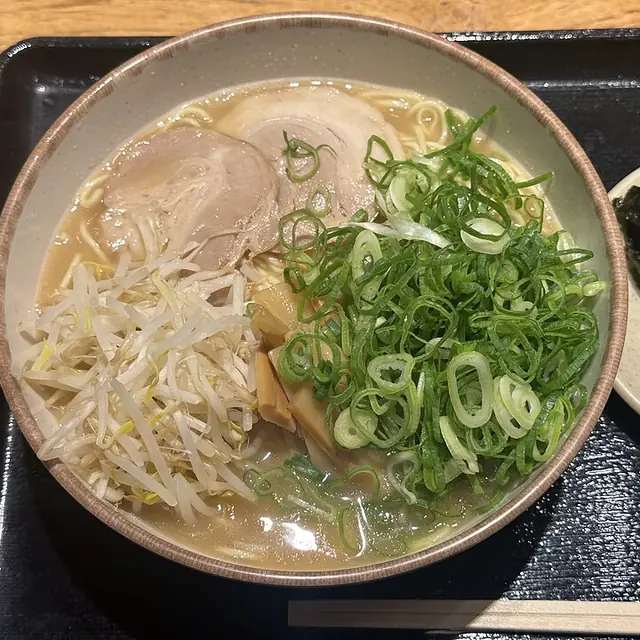
Hiroshima chuka sobaA restrained soy and pork-bone bowl with thin straight noodles, chashu, spring onion and bean sprouts, still called chuka soba here rather than ramen
Best Hiroshima neighborhoods for food
Hiroshima Station and EkimaeAn okonomiyaki floor of its own, a station food hall and the ramen shops around Enkobashi, all within a few minutes of the shinkansen gates
Where to stay in Hiroshima
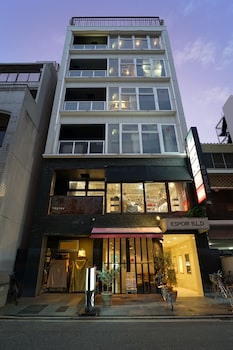
A sample of Hiroshima hotels from our booking partner, who list 256 here. Live prices and availability open on their site.
Stays are listed by our booking partners, not editor picks. We earn a commission if you book, at no cost to you.
Map of Hiroshima
Every restaurant, cafe, market and bar we cover in Hiroshima, pinned. Click a pin for the page.
Trip planner
Plan your Hiroshima trip
Pick your dates: we line up the festivals on, what is in season, where to eat on the days you are in town, and experiences you can book for those dates.
When to come hungry in Hiroshima
Peak food season: October to March for oysters, June to September for cold tsukemen. Okonomiyaki is year-round.
Local dining hours: Lunch 11:30-14:00, dinner 17:30-21:00. Nagarekawa bars run past 03:00.
Tipping: No tipping anywhere in Japan. Some izakaya add a small otoshi seat charge instead.
Hiroshima food, FAQ
What food is Hiroshima known for?
Hiroshima's signature dishes include Hiroshima-style okonomiyaki, Hiroshima oysters (kaki), Hiroshima tsukemen, Shirunashi tantanmen, Anago-meshi. See our signature dishes chapter for where to eat each.
What are the best food neighborhoods in Hiroshima?
TableJourney editors map Hiroshima by district. Hondori and Otemachi, Hatchobori and Tatemachi, Nagarekawa and Yagenbori, Hiroshima Station and Ekimae are among the strongest for food, each with its own guide.
Where should I eat fine dining in Hiroshima?
Editor picks in Hiroshima include Sensui, Kakibune Kanawa, Steak and Seafood Boston, plus the full fine dining chapter on TableJourney.
Are there food tours in Hiroshima?
TableJourney covers 5 editor-picked food tours in Hiroshima, with what each shows you and how much to budget.
Does Hiroshima have good vegetarian or vegan food?
TableJourney's Hiroshima dietary chapter covers vegan, vegetarian venues, each editor-picked with what to order and how to ask.