Signature dishes
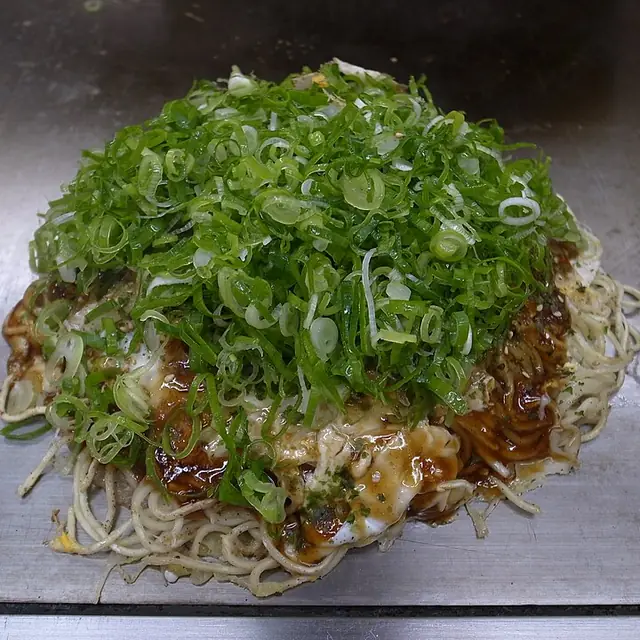
A thin crepe batter, a mountain of shredded cabbage, pork belly, a nest of fried soba and an egg, all layered rather than mixed and pressed on a teppan under sweet brown sauce.
Where: Mitchan Sohonten Hatchobori, Yagenbori Hassho, Nagataya, Lopez, Reichan
Price: ¥900-1,500
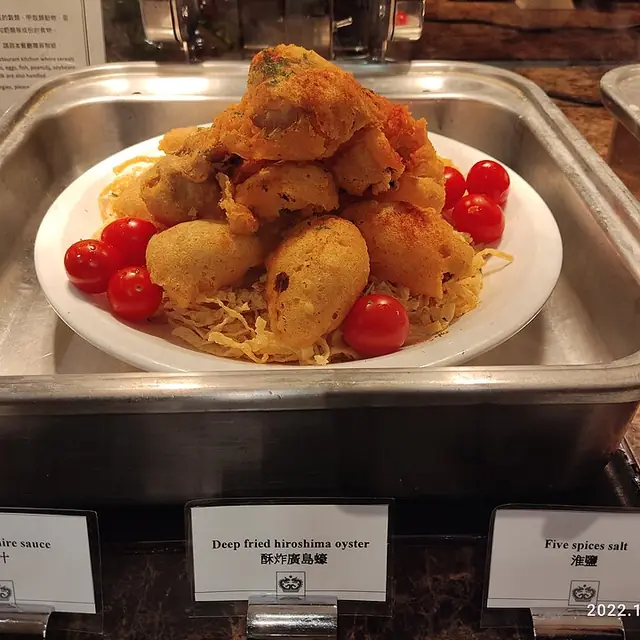
Deep-cupped Seto Inland Sea oysters, farmed on hanging rafts and eaten raw, grilled in the shell, steamed in a can or deep-fried in panko between roughly October and March.
Where: Kakibune Kanawa, Kaki Goya Fukuromachi Umihei Shoten, Milky Tetsuo no Kaki Goya Ujina
Price: ¥1,500-3,000
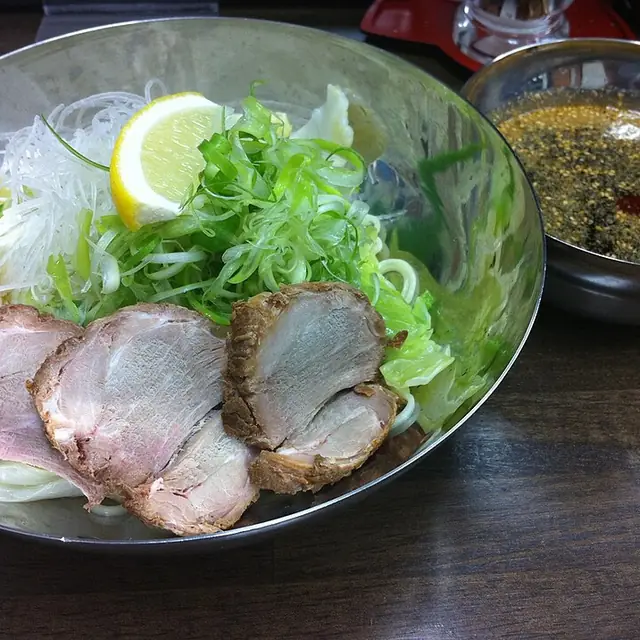
Cold, straight, medium-thick noodles served with boiled cabbage, cucumber and spring onion, dipped into a chilled soy and seafood-stock sauce loaded with chilli and sesame.
Where: Bakudanya Honten
Price: ¥850-1,200
Hiroshima's broth-free dan dan noodles: flat wheat noodles under chilli oil, Sichuan pepper, minced pork and spring onion, stirred hard at the table before the first mouthful.
Where: Musashibo
Price: ¥750-1,000
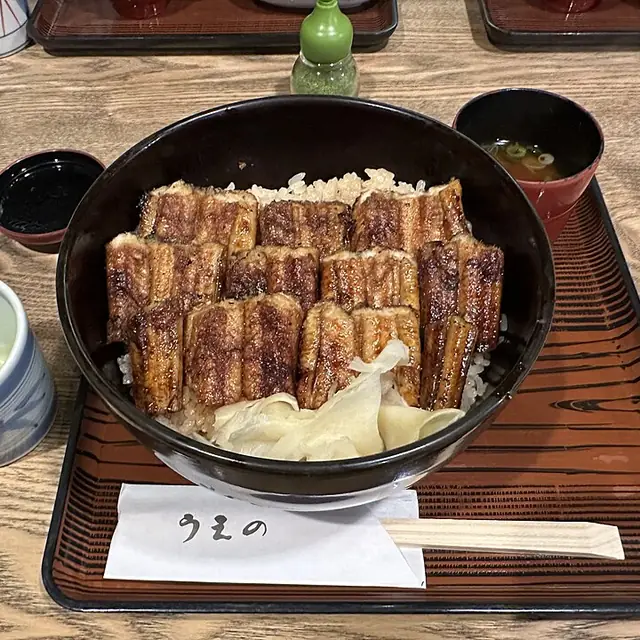
Grilled saltwater conger eel laid over rice that has been cooked in stock made from the eel bones, a Miyajima dish sold at the ferry crossing since the early twentieth century.
Price: ¥2,000-3,000
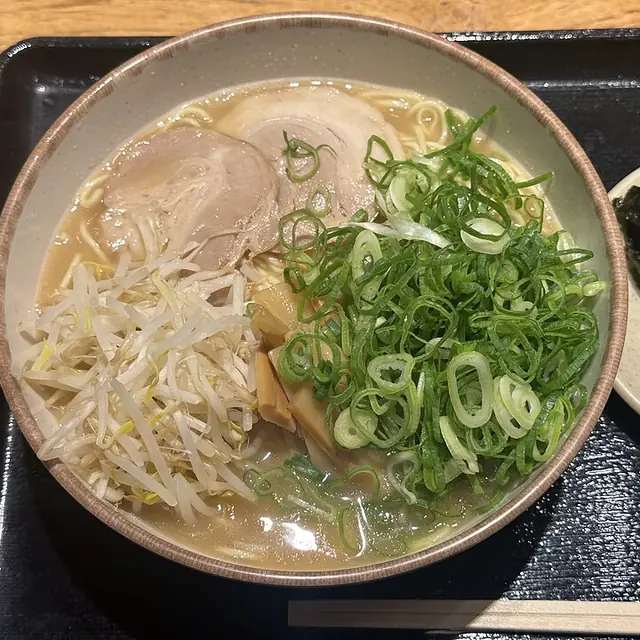
A restrained soy and pork-bone bowl with thin straight noodles, chashu, spring onion and bean sprouts, still called chuka soba here rather than ramen.
Where: Chukasoba Youki Eba Honten, Tsubame Ramen, Rai Rai Tei
Price: ¥700-950
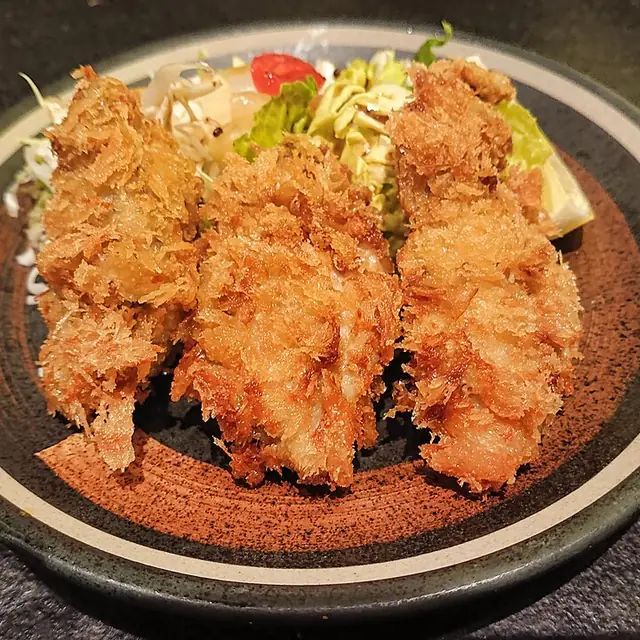
Hiroshima oysters crumbed in panko and deep-fried until the coating cracks and the oyster inside is still barely set, served with shredded cabbage and tartare sauce.
Where: Kakibune Kanawa, Kaki Goya Fukuromachi Umihei Shoten
Price: ¥1,200-2,200
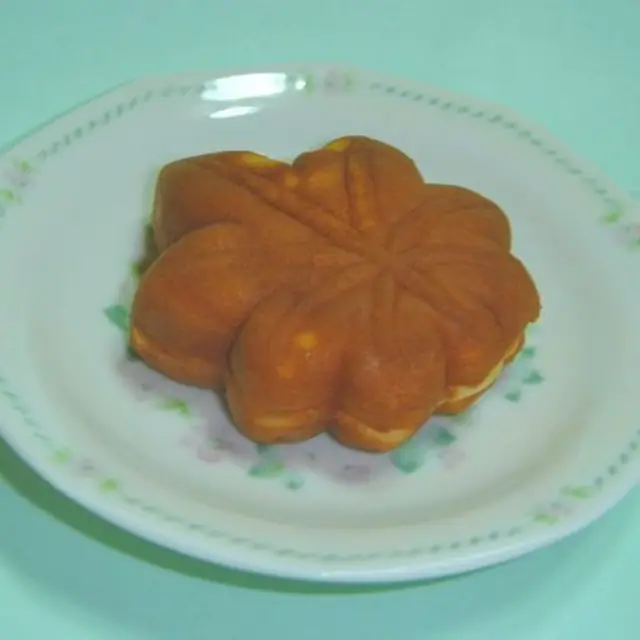
A maple-leaf-shaped castella sponge filled with sweet red bean paste, baked in iron moulds on Miyajima and sold hot from the shop fronts along Omotesando.
Price: ¥120-250
Thin-skinned island lemons from the Seto Inland Sea, used across Hiroshima in ale, sours, sauces, cakes and the citrus salt served beside grilled oysters and beef.
Where: Sessions Brewery and Beer Hall
Price: ¥400-900
Soft-water sake from the seven breweries of Saijo in Higashihiroshima, lighter and rounder than the firm sake of Nada, and the reason Hiroshima counts as one of Japan's three great brewing towns.
Price: ¥600-2,000
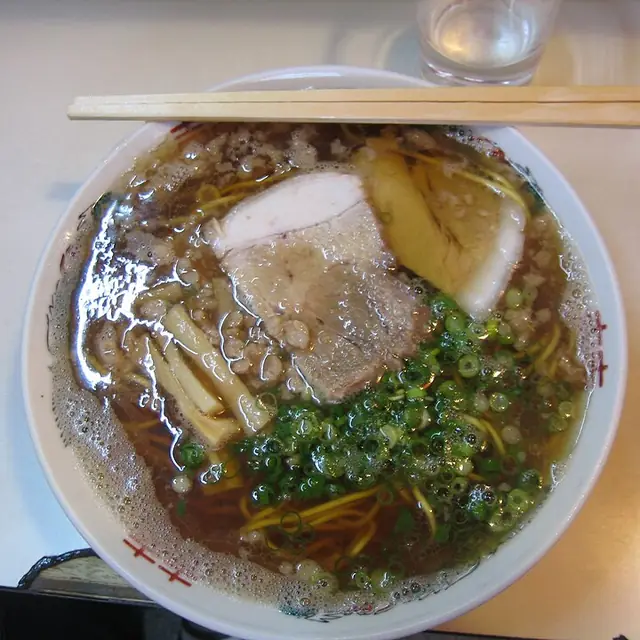
A soy bowl from the Hiroshima port town of Onomichi, built on chicken and small-fish stock and finished with cubes of pork back fat that float on the surface.
Price: ¥700-1,000
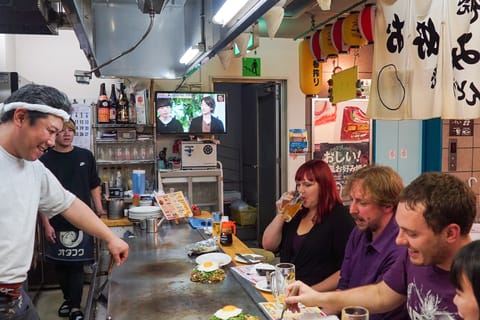
Hiroshima-style okonomiyaki
A thin crepe batter, a mountain of shredded cabbage, pork belly, a nest of fried soba and an egg, all layered rather than mixed and pressed on a teppan under sweet brown sauce.
History: Okonomiyaki in Hiroshima grew out of issen yoshoku, a prewar snack of batter and spring onion sold to children. After 1945 it became reconstruction food, cooked on sheet-metal griddles at stalls in the bombed centre of the city. Ise Mitsuo, who traded as Mitchan, is credited with fixing the modern shape: the layered build, the dedicated sauce and the addition of noodles under the egg. Stalls from the Nishi-Shintenchi square were moved into a single building in 1965, and that building became Okonomimura. The city now counts okonomiyaki shops in the high hundreds.
Where to try it: Mitchan Sohonten Hatchobori, Yagenbori Hassho, Nagataya, Lopez, Reichan
Watch out for: Gluten, Egg, Soy
Hiroshima oysters (kaki)
Deep-cupped Seto Inland Sea oysters, farmed on hanging rafts and eaten raw, grilled in the shell, steamed in a can or deep-fried in panko between roughly October and March.
History: Oyster farming in Hiroshima Bay is documented from the sixteenth century, and the hanging-raft method perfected here made the prefecture the dominant producer in Japan, supplying the majority of the national farmed crop. Kanawa has worked its own rafts since 1867 and still moors a restaurant boat on the Motoyasu river. The kaki-goya, a plain shed where customers grill their own shells over a burner, is a winter fixture along the Ujina and Kusatsu waterfronts, opening around October and closing in early May when the season ends.
Where to try it: Kakibune Kanawa, Kaki Goya Fukuromachi Umihei Shoten, Milky Tetsuo no Kaki Goya Ujina
Watch out for: Shellfish
Hiroshima tsukemen
Cold, straight, medium-thick noodles served with boiled cabbage, cucumber and spring onion, dipped into a chilled soy and seafood-stock sauce loaded with chilli and sesame.
History: Hiroshima tsukemen is a postwar city invention and differs from the hot, thick dipping noodles found elsewhere in Japan: here both the noodles and the sauce are served cold, and the vegetables are part of the dish rather than a garnish. Bakudanya, trading from Shintenchi, is the shop most credited with carrying the style beyond the prefecture, and its graded heat scale, running from no chilli to a level few finish, is now imitated across the city. Cold noodles suit the humid Seto Inland Sea summer, which is why the dish peaks between June and September.
Where to try it: Bakudanya Honten
Watch out for: Gluten, Sesame, Soy
Shirunashi tantanmen
Hiroshima's broth-free dan dan noodles: flat wheat noodles under chilli oil, Sichuan pepper, minced pork and spring onion, stirred hard at the table before the first mouthful.
History: Soupless dan dan noodles arrived in Hiroshima in the 2000s as a local reworking of the Sichuan dish, and the city now treats the broth-free version as its own. Shops grade both the chilli heat and the numbing Sichuan pepper separately, usually at no extra cost, and most add cumin and cinnamon to the spice blend. The convention is to stir the bowl thirty times before eating so the chilli oil coats every strand, then to order a small portion of rice at the end to finish what is left in the bowl.
Where to try it: Musashibo
Watch out for: Gluten, Soy, Sesame
Anago-meshi
Grilled saltwater conger eel laid over rice that has been cooked in stock made from the eel bones, a Miyajima dish sold at the ferry crossing since the early twentieth century.
History: Anago-meshi began as a station bento at Miyajimaguchi, the mainland ferry landing for Itsukushima. Anagomeshi Ueno, founded in 1901, is credited as the originator and still grills eel to a house sauce over rice cooked in a seasoned broth. Conger eel is leaner and lighter than the freshwater unagi used elsewhere in Japan, and the Seto Inland Sea has supplied it in quantity for centuries. The bento version is one of Japan's best-known ekiben, and the queue at the counter still forms before opening.
Watch out for: Fish, Soy, Gluten
Hiroshima chuka soba
A restrained soy and pork-bone bowl with thin straight noodles, chashu, spring onion and bean sprouts, still called chuka soba here rather than ramen.
History: Hiroshima ramen grew from postwar street stalls in the western half of the prefecture, and locals kept the older term chuka soba, meaning Chinese noodles, long after the rest of Japan moved to ramen. The broth is a blend of soy sauce and pork bone, lighter and cloudier than Hakata tonkotsu and darker than a Tokyo shoyu bowl. Youki has cooked the same single-dish menu in Eba since 1958, and Hiroshima shops still tend to serve one bowl and nothing else, with no side menu and no seasonal specials.
Where to try it: Chukasoba Youki Eba Honten, Tsubame Ramen, Rai Rai Tei
Watch out for: Gluten, Soy, Egg
Kaki furai
Hiroshima oysters crumbed in panko and deep-fried until the coating cracks and the oyster inside is still barely set, served with shredded cabbage and tartare sauce.
History: Fried oysters are a yoshoku dish, part of the Western-influenced cooking that entered Japan from the late nineteenth century, and Hiroshima adopted them wholesale because the raw material was on its doorstep. In the prefecture they are a winter staple rather than a novelty, sold in oyster restaurants, kaki-goya sheds and ordinary teishoku counters between roughly October and March. The local convention is a coarse panko crust and a very short fry, so the oyster keeps its liquor rather than shrinking into the coating.
Where to try it: Kakibune Kanawa, Kaki Goya Fukuromachi Umihei Shoten
Watch out for: Shellfish, Gluten, Egg
Momiji manju
A maple-leaf-shaped castella sponge filled with sweet red bean paste, baked in iron moulds on Miyajima and sold hot from the shop fronts along Omotesando.
History: Momiji manju was created on Miyajima in the early twentieth century, taking its shape from the maple leaves of Momijidani valley behind Itsukushima shrine. Makers now fill it with matcha, custard, cheese and Setouchi lemon as well as the original bean paste. Momijido, trading on Miyajima since 1912, put a deep-fried version on a stick on sale in 2002, and it has since become the standard walking snack on the island's approach street, where the shops bake to order and hand the manju over hot.
Watch out for: Gluten, Egg, Dairy
Setouchi lemon
Thin-skinned island lemons from the Seto Inland Sea, used across Hiroshima in ale, sours, sauces, cakes and the citrus salt served beside grilled oysters and beef.
History: Lemon growing took hold on the islands of the Seto Inland Sea because the climate is mild, the rainfall is low and the terraced slopes drain fast. Hiroshima prefecture became the leading domestic producer, and the fruit is now a regional identity marker rather than just an ingredient: it appears in craft beer at Sessions Brewery, in momiji manju fillings on Miyajima, and in the citrus salt that comes with grilled oysters. Because the peel is eaten as often as the juice, unwaxed island fruit is sold at a premium.
Where to try it: Sessions Brewery and Beer Hall
Saijo sake
Soft-water sake from the seven breweries of Saijo in Higashihiroshima, lighter and rounder than the firm sake of Nada, and the reason Hiroshima counts as one of Japan's three great brewing towns.
History: Saijo's water is unusually soft, which historically made brewing slow and unreliable. In the late nineteenth century local brewers developed a low-temperature fermentation method suited to that water, and the resulting style, gentler and more aromatic than the hard-water sake of Nada, established the town's reputation. Seven breweries still operate within a few streets of Saijo station, their brick chimneys and white plaster storehouses lining Sakagura-dori. The October sake festival brings several hundred labels from across Japan to the same few blocks.
Onomichi ramen
A soy bowl from the Hiroshima port town of Onomichi, built on chicken and small-fish stock and finished with cubes of pork back fat that float on the surface.
History: Onomichi ramen developed in the port town east of Hiroshima, where the Seto Inland Sea supplied dried sardines and other small fish for stock. The bowl combines that seafood base with chicken broth and soy sauce, then adds squares of rendered pork back fat that melt slowly into the surface, giving richness without a heavy tonkotsu body. Flat noodles are the local convention. The style travelled beyond the prefecture faster than Hiroshima city's own chuka soba, and is now the better known of the two nationally.
Watch out for: Gluten, Soy, Fish