Must-try dishes
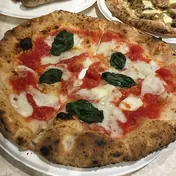
The canonical Neapolitan pizza is a thin, charred disc with a raised cornicione, dressed with San Marzano tomato, fior di latte or buffalo mozzarella and fresh basil, baked in a wood-fired oven at 485 degrees Celsius for 60 to 90 seconds.
Where: L'Antica Pizzeria da Michele, Gino e Toto Sorbillo, 50 Kalo di Ciro Salvo, Pizzeria Brandi, Concettina ai Tre Santi
Price: 5 to 12 euros
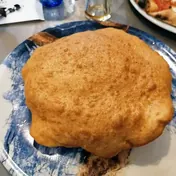
Pizza fritta is a deep-fried pocket of risen dough stuffed with ricotta, cicoli (pressed pork scratchings), provola and black pepper, fried in hot lard or oil until blistered and golden, served folded in paper.
Where: Pizzeria di Matteo, Sorbillo Lievito Madre, Pizzeria Starita a Materdei
Price: 2 to 4 euros
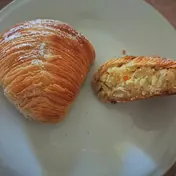
Sfogliatella riccia is a shell-shaped pastry of thin, crinkled lard-brushed dough coiled around a filling of semolina, ricotta, candied citrus and cinnamon, baked until shattering-crisp on the outside and custardy within.
Where: Pasticceria Attanasio, Scaturchio, Sfogliatella Mary, Gran Caffe Gambrinus
Price: 1.50 to 3 euros
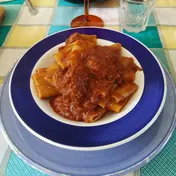
Neapolitan ragu is a long-cooked Sunday meat sauce of pork ribs, beef rolls and sausage braised for four to eight hours in tomato until the fat rises and the sauce turns deep brick-red; served over paccheri, rigatoni or ziti spezzati.
Where: Tandem Ragu, Mimi alla Ferrovia, Trattoria Nennella, Osteria Donna Teresa
Price: 6 to 14 euros
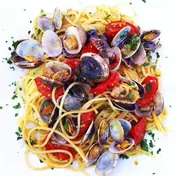
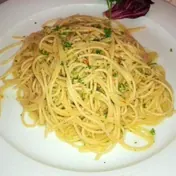
Spaghetti alle vongole in Naples is made in bianco (without tomato), the pasta finished in the vongole veraci clam juices and white wine with garlic, chilli, flat-leaf parsley and a thread of olive oil, the sauce light and briny.
Where: La Cantinella, Mimi alla Ferrovia, Ristorante Caruso
Price: 12 to 20 euros
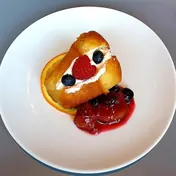
The Neapolitan baba is a tall, mushroom-shaped yeast cake soaked in dark rum syrup until sodden and trembling, served cool with whipped cream or pastry cream alongside, the rum-to-cake ratio a point of civic pride.
Where: Scaturchio, Gran Caffe Gambrinus, Pasticceria Moccia
Price: 2 to 5 euros
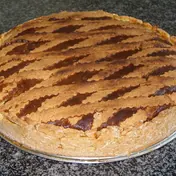
Pastiera napoletana is a short-crust tart filled with cooked grain (grano cotto), ricotta, eggs, candied citrus, cinnamon and orange-flower water, with a lattice top, traditionally made on Holy Thursday and eaten at Easter.
Where: Scaturchio, Gran Caffe Gambrinus, Pasticceria Moccia
Price: 3 to 5 euros per slice
Neapolitan taralli are savory ring-shaped crackers made with lard (sugna) and black pepper, boiled then baked until pale golden and snapping-crisp, sold warm in paper twists from street-side counters.
Where: Leopoldo Taralli Counter
Price: 1 to 2 euros per bag
A cuoppo di mare is a paper cone of mixed fried seafood -- squid rings, anchovies, small shrimp, tentacles -- battered lightly and fried to order in very hot oil, eaten standing from the paper without utensils.
Where: Pignasecca Friggitorie, Passione Napoletana
Price: 4 to 8 euros
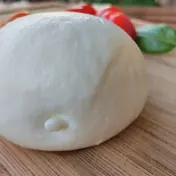
Buffalo mozzarella from the Campania plains is a hand-pulled fresh cheese made from whole buffalo milk, with a thin white skin, milky interior and pleasantly sour finish; best eaten within 24 hours of production at room temperature.
Where: Mercato della Pignasecca, Mercato del Pesce di Porta Nolana
Price: 4 to 8 euros per 125g ball
Pizza Margherita Napoletana
The canonical Neapolitan pizza is a thin, charred disc with a raised cornicione, dressed with San Marzano tomato, fior di latte or buffalo mozzarella and fresh basil, baked in a wood-fired oven at 485 degrees Celsius for 60 to 90 seconds.
History: Pizza margherita was formalised in Naples in 1889 when pizzaiolo Raffaele Esposito of Pizzeria Brandi served Queen Margherita of Savoy a pizza in the colours of the Italian flag. The Associazione Verace Pizza Napoletana (AVPN) codified its production rules in 1984 and the craft was inscribed on the UNESCO intangible cultural heritage list in 2017.
Where to try it: L'Antica Pizzeria da Michele, Gino e Toto Sorbillo, 50 Kalo di Ciro Salvo, Pizzeria Brandi, Concettina ai Tre Santi
Watch out for: Gluten, Dairy
Pizza Fritta
Pizza fritta is a deep-fried pocket of risen dough stuffed with ricotta, cicoli (pressed pork scratchings), provola and black pepper, fried in hot lard or oil until blistered and golden, served folded in paper.
History: Pizza fritta became the street food of post-World War II Naples when wood-fired ovens were scarce and lard was cheap; vendors fried pizzas on portable stoves in the Quartieri Spagnoli and Sanita. Sofia Loren famously sold pizza fritta in the 1954 film L'Oro di Napoli, shot on location in the city.
Where to try it: Pizzeria di Matteo, Sorbillo Lievito Madre, Pizzeria Starita a Materdei
Watch out for: Gluten, Dairy, Pork
Sfogliatella Riccia
Sfogliatella riccia is a shell-shaped pastry of thin, crinkled lard-brushed dough coiled around a filling of semolina, ricotta, candied citrus and cinnamon, baked until shattering-crisp on the outside and custardy within.
History: Sfogliatella was created by the nuns of the Santa Rosa convent in Conca dei Marini on the Amalfi Coast around 1700; the recipe reached Naples in the 1800s when pastry cook Pasquale Pintauro adapted it for his Via Toledo shop, and the Neapolitan version became the city's definitive pastry.
Where to try it: Pasticceria Attanasio, Scaturchio, Sfogliatella Mary, Gran Caffe Gambrinus
Watch out for: Gluten, Dairy, Eggs
Ragu Napoletano
Neapolitan ragu is a long-cooked Sunday meat sauce of pork ribs, beef rolls and sausage braised for four to eight hours in tomato until the fat rises and the sauce turns deep brick-red; served over paccheri, rigatoni or ziti spezzati.
History: Ragu napoletano traces to the Spanish viceregal period of Naples (1503 to 1707), when slow-cooking tough cuts in tomato became embedded in the city's cucina povera. It remains the Sunday centrepiece of Neapolitan family cooking, made from Saturday evening to be ready by midday mass on Sunday.
Where to try it: Tandem Ragu, Mimi alla Ferrovia, Trattoria Nennella, Osteria Donna Teresa
Watch out for: Gluten
Spaghetti alle Vongole
Spaghetti alle vongole in Naples is made in bianco (without tomato), the pasta finished in the vongole veraci clam juices and white wine with garlic, chilli, flat-leaf parsley and a thread of olive oil, the sauce light and briny.
History: Clams have been harvested in the Gulf of Naples and the Pozzuoli coast since the Roman era; the pairing with pasta became codified in Neapolitan cucina di mare in the 19th century. Naples insists on the in bianco version without tomato; Rome's version with tomato is a separate preparation.
Where to try it: La Cantinella, Mimi alla Ferrovia, Ristorante Caruso
Watch out for: Gluten, Molluscs
Baba au Rhum
The Neapolitan baba is a tall, mushroom-shaped yeast cake soaked in dark rum syrup until sodden and trembling, served cool with whipped cream or pastry cream alongside, the rum-to-cake ratio a point of civic pride.
History: The baba reached Naples in the 18th century via the French court (itself imported from Poland by King Stanislaw Leszczynski); Neapolitan pastry makers adopted it and over two centuries made it their own, increasing the rum soaking and shrinking the size until today's individual baba napoletano bears little resemblance to the original.
Where to try it: Scaturchio, Gran Caffe Gambrinus, Pasticceria Moccia
Watch out for: Gluten, Dairy, Eggs
Pastiera Napoletana
Pastiera napoletana is a short-crust tart filled with cooked grain (grano cotto), ricotta, eggs, candied citrus, cinnamon and orange-flower water, with a lattice top, traditionally made on Holy Thursday and eaten at Easter.
History: Pastiera's origins are traced to pagan spring fertility rites on the Gulf of Naples, though the recipe as we know it emerged in the convents of the Annunziata and San Gregorio Armeno in 17th-century Naples. The tart is so anchored to Easter that Neapolitans say it is the dish that makes the queen cry (from happiness, not sorrow).
Where to try it: Scaturchio, Gran Caffe Gambrinus, Pasticceria Moccia
Watch out for: Gluten, Dairy, Eggs
Taralli Sugna e Pepe
Neapolitan taralli are savory ring-shaped crackers made with lard (sugna) and black pepper, boiled then baked until pale golden and snapping-crisp, sold warm in paper twists from street-side counters.
History: Taralli napoletani have been made in Naples since at least the 16th century, originally a poor man's biscuit baked in the residual heat of cooling wood ovens. The sugna (lard) and pepe nero version distinguishes the Neapolitan tarallo from the Pugliese variety made with olive oil; both the Leopoldo and Mergellina waterfront counters have kept the craft continuously.
Where to try it: Leopoldo Taralli Counter
Watch out for: Gluten, Pork
Cuoppo di Mare
A cuoppo di mare is a paper cone of mixed fried seafood -- squid rings, anchovies, small shrimp, tentacles -- battered lightly and fried to order in very hot oil, eaten standing from the paper without utensils.
History: The cuoppo (paper cone) is the defining vessel of Neapolitan street food, used for anything sold hot from a friggitoria counter. The mare version uses the catch landed daily at Porta Nolana fish market; the terra version uses potato croquettes and frittatine. The friggitorie of the Pignasecca and the Spanish Quarter have sold cuoppi since at least the 1800s.
Where to try it: Pignasecca Friggitorie, Passione Napoletana
Watch out for: Gluten, Fish, Crustaceans, Molluscs
Mozzarella di Bufala Campana DOP
Buffalo mozzarella from the Campania plains is a hand-pulled fresh cheese made from whole buffalo milk, with a thin white skin, milky interior and pleasantly sour finish; best eaten within 24 hours of production at room temperature.
History: Buffalo mozzarella in Campania is documented from the 12th century, when Cistercian monks near Capua raised water buffalo; the cheese received DOP status in 1996. The heartland is the plains between Caserta, Salerno and Paestum, and the direct-sale farms in Paestum (Tenuta Vannulo, Barlotti) allow visitors to buy and eat the cheese within an hour of it leaving the vat.
Where to try it: Mercato della Pignasecca, Mercato del Pesce di Porta Nolana
Watch out for: Dairy