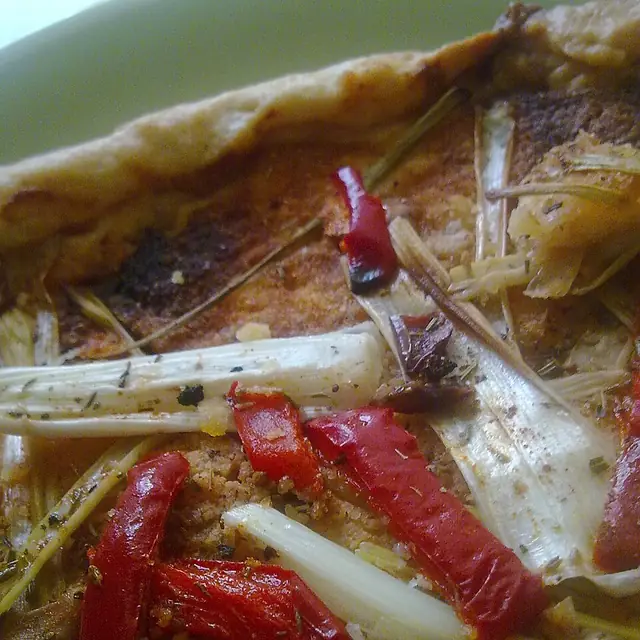
Calçots are a Catalan winter ritual: long, thin spring onions grilled black over a fire, peeled by hand at the table and dipped in red romesco sauce by the handful.
The calçotada was born in Valls (Tarragona) in the late 19th century: a farmer named Xat de Benaiges discovered that re-planting harvested onions and then earthing them up produced a tender, longer white shoot. By the 1940s the Valls Festa del Calçot was the centrepiece of Catalan winter food culture. The technique: grill calçots until black over vine cuttings, wrap in newspaper to steam, then peel each black layer back to reveal the soft inner. Dip in romesco (a sauce of dried nyora peppers, almonds, garlic, hazelnuts, bread, olive oil). Eat with the hands, head tilted back, wearing a bib. In Barcelona, the season runs January to March; restaurants run prefix-priced 35 to 50 euro calcotada lunches.
Casa Amalia in Barcelona's Eixample is a 1950s neighbourhood dining room where bacallà a la llauna and esqueixada sit on the carte every weekday lunch.
OrderThe esqueixada starter and the bacallà a la llauna oven dish.
TipClosed Sunday and Monday. The 19 euro menu del dia at lunch is the value pick.
Can Vilaro in Barcelona's Sant Antoni has cooked Catalan working-class plates since 1948: cap i pota, botifarra amb mongetes, daily off-the-bone fish stew.
OrderThe botifarra amb mongetes and a glass of house red.
TipClosed Sundays. Cash easier than card. Lunch menu del dia is 13 euros.
Food Lover Tour Explores Barcelona the local way, after dark, one bar at a time. This evening tapas crawl is all about great food and the stories behind the bars where...
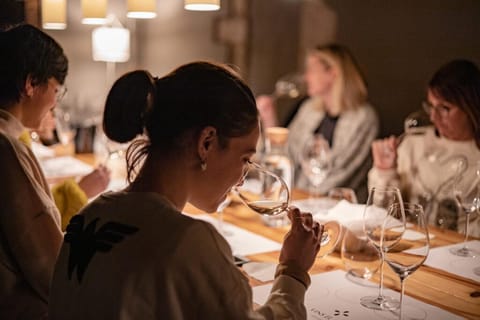
Escape to the Catalan countryside in the famous wine region Penédes for a private wine tasting experience featuring local wines, pool view, and convenient hotel pick-u...
Enjoy the stunning wine landscape of the Penedes region on a day trip from Barcelona. Guided by a local you
can savor local wine and cava, and enjoy a traditional Span...


.jpg)