

Seoul
2h 30m
Seoul: Korean Cooking at Seoul Cooking Club!
Experience an immersive 2.5-hour local cooking class with an authentic Korean chef. We cater to all tastes including vegan, vegetarian, pescatarian,...
from$109Check dates
Hand-folded Korean dumplings filled with pork, kimchi, tofu, and Korean chive, then steamed, boiled, or pan-fried (gun-mandu). Bukchon Son Mandu is Seoul's reference dumpling shop, still hand-folding every mandu.
Where to eat it: 4 restaurants across 1 city.
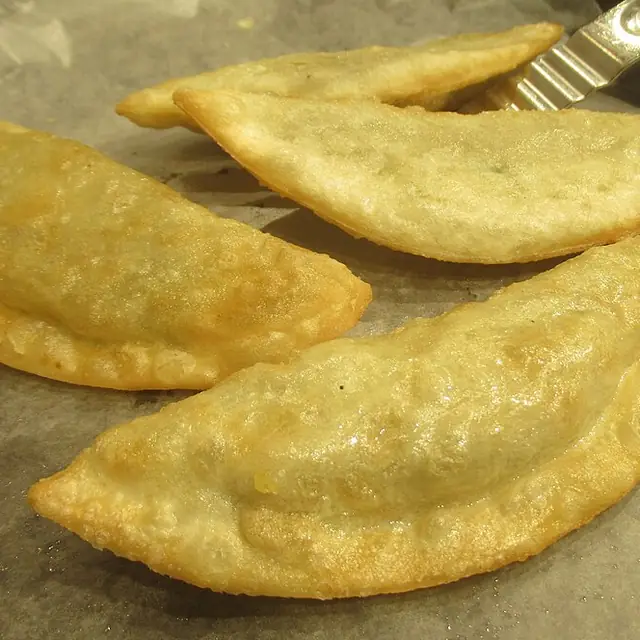
Mandu arrived in Korea via Mongol military traders in the 14th century and naturalised across royal court and peasant kitchens. Bukchon Son Mandu traces back to 1953, when the Lee family brought their Hamheung dumpling recipes south to Seoul during the postwar resettlement; the original Insadong shop still hand-folds every dumpling, and the third generation now runs it with additional branches in Myeongdong, Dongdaemun, and Seongsu. Gwangjang Market dumpling stalls and Tongin Market are the cheaper street references.
Tours, tastings and classes that match this page, bookable on GetYourGuide.
2h 30m
Experience an immersive 2.5-hour local cooking class with an authentic Korean chef. We cater to all tastes including vegan, vegetarian, pescatarian,...
2 hours
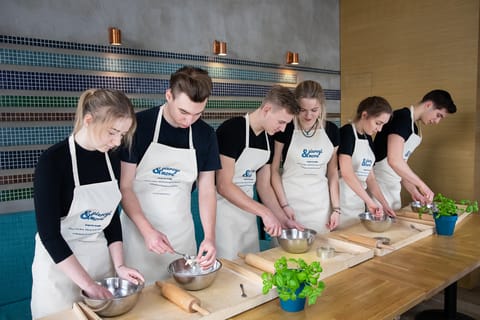
Make your trip to Poland complete by learning to make pierogi, delicious Polish dumplings that become popular across the world.
3 hours
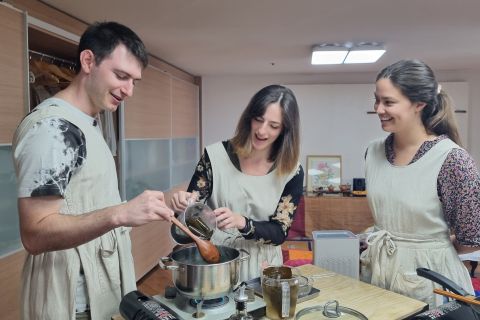
Discover Korean food and culture by taking part in a Korean cooking class. Taste and learn how to cook traditional Korean dishes together with an...
2 - 3 hours
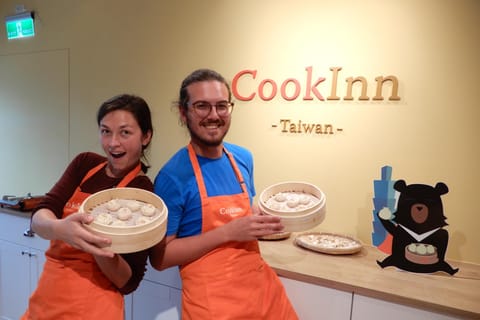
Join a fun, hands-on cooking class in Taipei to master Taiwan’s iconic dishes, meet new friends, and enjoy authentic local flavors! (Vegetarian...
Common allergens: Gluten, Soy, Sesame, Egg
Tip from the editors. Squeezing the kimchi and tofu dry is the single most important step; wet filling burst the wrappers and produces soggy mandu. Use full-fat ground pork; lean pork yields dry tough filling.
Bukchon Son Mandu hides in the residential lanes above Bukchon-ro; jjin-mandu and gukbap mandu soup are the order, kitchen closes when dumplings run out.
Why locals goSits in the residential lanes above the main Bukchon-ro tourist strip; the absence of English signage means most visitors walk past on the way to the hanok viewpoints.
TipOrder the steamed pork dumplings (jjin-mandu) and the gukbap (mandu soup). The kitchen closes when dumplings run out -- arrive before noon.
Gwangjang Market, established in 1905, is the oldest continuous daily market in Korea and the city's most essential food destination for visitors.
Tongin Market: buy a dosirak tray and brass yeopjeon coins, fill the tray from banchan stalls across the market, then eat in the communal hall at the back.
Namdaemun is the largest traditional market in Korea, adjacent to Sungnyemun Gate, with hotteok stalls, kalguksu counters and 24-hour food lanes.
More cities are in research. Want mandu (korean dumplings) covered somewhere specific? Tell us where you want to eat.