

Seoul
2h 30m
Seoul: Korean Cooking at Seoul Cooking Club!
Experience an immersive 2.5-hour local cooking class with an authentic Korean chef. We cater to all tastes including vegan, vegetarian, pescatarian,...
from$109Check dates
25 editor-picked korean bbq restaurants across 11 cities.
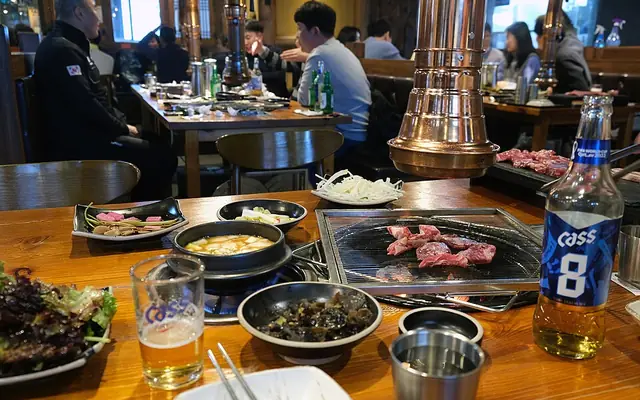
Korean BBQ is a category of Korean restaurant where tables are fitted with a grill (gas, charcoal, or rarely wood) and the diners cook their own meat. It is one of the most social food formats in Asia: groups of four to ten gather around a smoking grill, the meat arrives in plates that the cook tongs onto the fire, and the table fills with banchan (side dishes), ssam (wrap leaves and sauces), and a constant rotation of soju shots. A serious Korean BBQ meal runs two to three hours.
The meats divide into marinated (yangnyeom: bulgogi, galbi) and unmarinated (saengsogogi, samgyeopsal). Beef Korean BBQ is the higher-end tradition (hanwoo beef, the indigenous Korean breed, is comparable to Wagyu in fat distribution); pork BBQ (samgyeopsal, ogyeopsal) is the everyday format. Marinades use soy, pear juice, sesame oil, garlic, and sugar; the goal is to season without overpowering the meat's own flavor. The standard cuts have specific names: galbi (short rib), chadolbaegi (brisket), moksal (pork neck), hangjeongsal (pork jowl).
The defining ritual is ssam: take a lettuce or perilla leaf, place a piece of grilled meat on it, add a smear of ssamjang (fermented bean paste sauce), garlic, raw chile, kimchi, and rice, fold into a small parcel, and eat in one bite. The wrap is the meal's atomic unit. A good Korean BBQ session distributes the work between cook (someone manages the grill, usually a server at upscale places or the eldest at family meals), drinker (someone pours soju), and eater. The format is participatory by design.
Tours, tastings and classes that match this page, bookable on GetYourGuide.
2h 30m
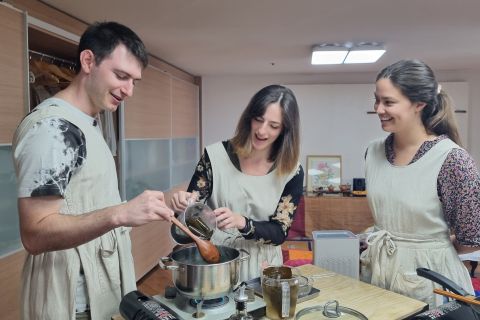
Experience an immersive 2.5-hour local cooking class with an authentic Korean chef. We cater to all tastes including vegan, vegetarian, pescatarian,...
3 hours
Discover Korean food and culture by taking part in a Korean cooking class. Taste and learn how to cook traditional Korean dishes together with an...
Guided tour · 3 hours
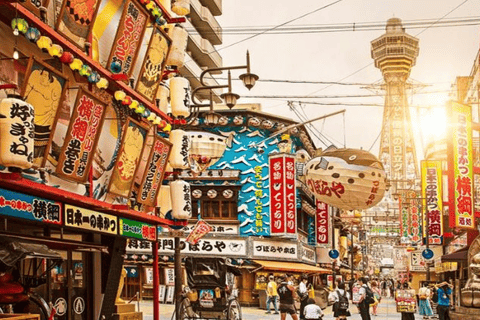
The most popular food tour in Osaka 7 years straight! Discover 15 dishes at 5 local eateries & 3 drinks. Local foodie experts will take you to the...
Guided tour · 2h 30m
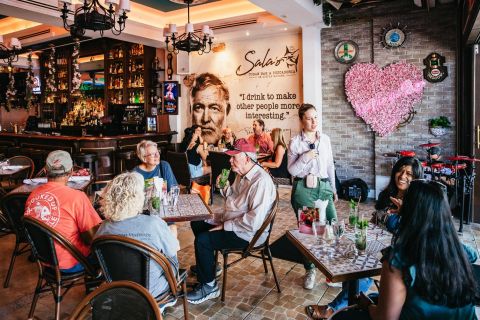
Experience the thriving culinary scene of Miami's Little Havana and enjoy tasty, authentic Cuban cuisine. Learn about local history and culture as...
The best-scored korean bbq place in each of 11 cities.
Cote Miami in the Design District is Simon Kim's Michelin-starred Korean steakhouse, a smoke-and-fire room that opened on NE 2nd Avenue in 2021.
OrderThe Butcher's Feast; four cuts with banchan, stews and soft-serve to close.
TipBook three to four weeks ahead. Counter seats give you full kitchen view; the back banquettes are quieter for groups.
Simon Kim's Flatiron Korean steakhouse holds a Michelin star for tableside grilling in New York City. Priced at $$$$. Kitchen leans korean bbq.
OrderThe Butcher's Feast: four cuts, banchan, stews, egg souffle.
TipSit at the counter overlooking the grill for the full theatre. Wine list is unusually deep for a Korean room.
Jenee Kim's Park's BBQ in Los Angeles Koreatown grills USDA Prime short rib over real charcoal in a buttoned-up dining room with reliable banchan.
OrderMarinated boneless short rib (yangnyum galbi) and the seafood pancake to share.
TipBanchan refills are free and generous; ask for the live abalone if it's on the spec sheet by the door.
Yet Tuh on Old Chamblee Tucker Road in Doraville, Atlanta is the corridor's canonical Korean barbecue room since 2008, with charcoal-grill tabletop service.
OrderGalbi (marinated short rib) cooked at the table, with the full banchan service.
TipReservations recommended on weekends. The charcoal-grill (sutpul) is the upgrade over gas tables; ask at booking.
In the Michelin Guide and on 50Best Discovery, Byeokje Galbi has served premium charcoal-grilled hanwoo short ribs since 1986, handling its own butchery.
OrderGalbi (short ribs) over charcoal.
TipBook the private room for groups; the galbi course includes side dishes and a naengmyeon to close.
Eonyang Bulgogi Busanjip grills the dry Gyeongsang style of bulgogi in Namcheon-dong, Busan, a Michelin Guide room locals just call Busanjip.
OrderThe Eonyang bulgogi, pressed thin and grilled dry over the fire rather than swimming in broth.
TipBulgogi here is charred and smoky, not sweet soup; order rice and cold noodles to round it out.
Tako Cheena on North Mills Avenue is the Latin and Pan-Asian counter from the Pom Pom Diner group, with Korean BBQ tacos and pork belly arepas under $12.
TryLatin-Asian tacos, arepas and rice bowls
Cupbop on East Broadway, founder Junghun Song's Korean BBQ-in-a-cup since 2013, serves Korean beef, noodles and rice from $7 to $12 at fast-casual counters.
TryKorean BBQ in a cup with rice and noodles
Origami Asian Grill in Sacramento: korean bbq room. Strip-mall sister concept to Michelin-listed Kru on Folsom Boulevard, ramen and Korean BBQ rice.
Why locals goStrip-mall sister concept to Michelin-listed Kru on Folsom Boulevard, ramen and Korean BBQ rice plates at counter speeds with a fraction of the wait.
TipCounter ordering. Patio along Folsom Boulevard. Sister to Kru a block away.
Korill 180 sits in the same Krakowska yard as Nafta in Wrocław and runs a proper table-grill Korean BBQ, the city's best move for galbi and bulgogi.
OrderThe galbi set with a full banchan spread and a bowl of bibimbap to round out.
TipTables run hot and busy from 19:00 on Fri-Sat; book 18:30 for the easier slot.
The lanes behind the Tsuruhashi market arcade hold family yakiniku restaurants serving offal over charcoal at ¥150 to ¥300 per skewer from the 1960s.
Why locals goThe main Tsuruhashi market is visited; the back alleys behind it are not on any tourist map.
Cote Miami in the Design District is Simon Kim's Michelin-starred Korean steakhouse, a smoke-and-fire room that opened on NE 2nd Avenue in 2021.
OrderThe Butcher's Feast; four cuts with banchan, stews and soft-serve to close.
TipBook three to four weeks ahead. Counter seats give you full kitchen view; the back banquettes are quieter for groups.
Simon Kim's Flatiron Korean steakhouse holds a Michelin star for tableside grilling in New York City. Priced at $$$$. Kitchen leans korean bbq.
OrderThe Butcher's Feast: four cuts, banchan, stews, egg souffle.
TipSit at the counter overlooking the grill for the full theatre. Wine list is unusually deep for a Korean room.
Jenee Kim's Park's BBQ in Los Angeles Koreatown grills USDA Prime short rib over real charcoal in a buttoned-up dining room with reliable banchan.
OrderMarinated boneless short rib (yangnyum galbi) and the seafood pancake to share.
TipBanchan refills are free and generous; ask for the live abalone if it's on the spec sheet by the door.
Sun Nong Dan in Koreatown, Los Angeles is open 24 hours and serves the city's reference seolleongtang and a TikTok-famous cheese galbi jjim.
OrderGalbi jjim braised short rib finished with cheese, plus a bowl of seolleongtang.
Tip02:00-04:00 has no wait; come at 22:00 Friday and the wait is 90 minutes.
Yet Tuh on Old Chamblee Tucker Road in Doraville, Atlanta is the corridor's canonical Korean barbecue room since 2008, with charcoal-grill tabletop service.
OrderGalbi (marinated short rib) cooked at the table, with the full banchan service.
TipReservations recommended on weekends. The charcoal-grill (sutpul) is the upgrade over gas tables; ask at booking.
Heirloom Market BBQ in Atlanta merges Korean and Southern BBQ since 2010: gochujang-marinated pulled pork, brisket and the Korean pork sandwich on a steamed.
OrderThe Spicy Korean Pork sandwich; the brisket Brunswick stew is the secondary play.
TipCash and card. Closed Sundays and Mondays. Get there early; the brisket runs out by 14:00 most weekends.
In the Michelin Guide and on 50Best Discovery, Byeokje Galbi has served premium charcoal-grilled hanwoo short ribs since 1986, handling its own butchery.
OrderGalbi (short ribs) over charcoal.
TipBook the private room for groups; the galbi course includes side dishes and a naengmyeon to close.
Quarters Korean BBQ in Chapman Plaza, Koreatown, serves marinated and unmarinated cuts in quarter-pound portions, encouraging diners to sample widely.
OrderA platter of marinated short rib, brisket and pork belly, plus a soju cocktail.
TipQuarter-pound portions let two people taste eight cuts; the staff manages the grill so you do not over-char the galbi.
The Bangi branch of Byeokje Galbi serves premium charcoal-grilled hanwoo short ribs from in-house butchery, the same quality as the flagship since 1986.
OrderGalbi (short ribs) over charcoal.
TipLunch is less crowded than dinner; the quality of the beef is identical.
Hankook Taqueria on Atlanta's Westside puts Korean BBQ inside taco shells: tongdak crispy chicken with spicy aioli, lettuce, Monterey Jack under $14.
TryKorean-Mexican fusion tacos and burritos
TipTongdak crispy chicken tacos are the move; ask for extra spicy aioli. Closed Sundays.
Eonyang Bulgogi Busanjip grills the dry Gyeongsang style of bulgogi in Namcheon-dong, Busan, a Michelin Guide room locals just call Busanjip.
OrderThe Eonyang bulgogi, pressed thin and grilled dry over the fire rather than swimming in broth.
TipBulgogi here is charred and smoky, not sweet soup; order rice and cold noodles to round it out.
Tako Cheena on North Mills Avenue is the Latin and Pan-Asian counter from the Pom Pom Diner group, with Korean BBQ tacos and pork belly arepas under $12.
TryLatin-Asian tacos, arepas and rice bowls
Cupbop on East Broadway, founder Junghun Song's Korean BBQ-in-a-cup since 2013, serves Korean beef, noodles and rice from $7 to $12 at fast-casual counters.
TryKorean BBQ in a cup with rice and noodles
Maple Tree House in Itaewon serves premium hanwoo (Korean beef) and Jeju black pork belly over charcoal in a polished room frequented by international guests.
OrderAged hanwoo sirloin, cooked tableside over charcoal and served with perilla wraps.
TipArrive at opening on weekends to skip the queue; the staff will cook for you if you prefer.
Origami Asian Grill in Sacramento: korean bbq room. Strip-mall sister concept to Michelin-listed Kru on Folsom Boulevard, ramen and Korean BBQ rice.
Why locals goStrip-mall sister concept to Michelin-listed Kru on Folsom Boulevard, ramen and Korean BBQ rice plates at counter speeds with a fraction of the wait.
TipCounter ordering. Patio along Folsom Boulevard. Sister to Kru a block away.
Korill 180 sits in the same Krakowska yard as Nafta in Wrocław and runs a proper table-grill Korean BBQ, the city's best move for galbi and bulgogi.
OrderThe galbi set with a full banchan spread and a bowl of bibimbap to round out.
TipTables run hot and busy from 19:00 on Fri-Sat; book 18:30 for the easier slot.
The lanes behind the Tsuruhashi market arcade hold family yakiniku restaurants serving offal over charcoal at ¥150 to ¥300 per skewer from the 1960s.
Why locals goThe main Tsuruhashi market is visited; the back alleys behind it are not on any tourist map.
 Seoul9 places
Byeokje Galbi, Byeokje Galbi Bangi
Seoul9 places
Byeokje Galbi, Byeokje Galbi Bangi
 Los Angeles5 places
Park's BBQ, Sun Nong Dan
Los Angeles5 places
Park's BBQ, Sun Nong Dan
 Atlanta3 places
Yet Tuh, Heirloom Market BBQ
Atlanta3 places
Yet Tuh, Heirloom Market BBQ
 Busan1 place
Eonyang Bulgogi Busanjip
Busan1 place
Eonyang Bulgogi Busanjip
 Miami1 place
Cote Miami
Miami1 place
Cote Miami
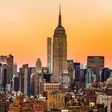 New York City1 place
COTE
New York City1 place
COTE
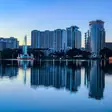 Orlando1 place
Tako Cheena
Orlando1 place
Tako Cheena
 Osaka1 place
Tsuruhashi Korean Back Alleys
Osaka1 place
Tsuruhashi Korean Back Alleys
 Sacramento1 place
Origami Asian Grill
Sacramento1 place
Origami Asian Grill
 Salt Lake City1 place
Cupbop Korean BBQ
Salt Lake City1 place
Cupbop Korean BBQ
 Wrocław1 place
Korill 180
Wrocław1 place
Korill 180
Beef-grilling country. Hanwoo beef restaurants in Cheongdam, Gangnam, and Mapo districts. Galbi (short rib), chadolbaegi (thin brisket), and dry-aged hanwoo cuts. Cuts are graded by marbling, comparable to Japanese A5 Wagyu grading.
Pork country. Heuk-dwaeji (Jeju black pig), a heritage breed with deep flavor and high fat, is the regional pride. Grilled in thick slices with little marinade. Jeju pork bbq is the destination cuisine of the island.
Marinade-heavy bulgogi tradition. The Jeonju-style bulgogi is sweeter, more deeply sauced, and the side-dish (banchan) count goes higher than in Seoul. Jeonju is also the home of bibimbap, which Korean BBQ restaurants often serve as a closer.
The Korean-American BBQ format expanded in LA's Koreatown in the 1980s. It tends to add cheese corn, steamed egg, and Americanized sides; the meats are also commonly thicker-cut and less precisely portioned than Seoul originals.
At a Korean BBQ table, order by the gram: galbi by 300g portions per two people, samgyeopsal in 200g servings, mixed plates for groups. Ordering one meat at a time is normal; pace through the meal. The server (or the youngest at the table) typically manages the grill; pace meat onto the fire to fill it but not crowd. Eat in waves: meat in a wrap, drink soju, banchan reset the palate, more meat. The standard closer is naengmyeon (cold buckwheat noodles) or doenjang jjigae with rice. Banchan refills are free; just ask. The rookie mistakes are ordering too much meat at once (the grill clogs, the meat overcooks), pouring soju into your own glass (you pour for others, they pour for you), and treating ssam fillings as a serve-yourself buffet (the leaves, garlic, and chile come for the wraps).
Soju (the rice-or-grain distillate, around 17 to 24% ABV) is the universal pair. Chilled in green bottles, poured into small glasses, shot or sipped. Each pour is poured by someone else; never pour your own. Beer (Cass, Hite, Terra in Korea; OB) is the secondary order. The two together is 'somaek' (soju plus beer mixed in proportion). Makgeolli (cloudy rice wine) is the traditional alternative, especially with pork. After the meal: bori-cha (barley tea) or hot ginger tea to settle the heavy meal. Avoid red wine and cocktails; the flavors clash with grilled marinades.
Seoul holds the deepest Korean BBQ scene: Cheongdam-dong for hanwoo (Born&Bred, Cheongdam Cake), Mapo and Yeokjeon Hoegwan for the classic bulgogi rooms, Hongdae and Itaewon for younger crowd samgyeopsal places. Busan and Jeonju each have strong regional Korean BBQ scenes. Jeju for the heuk-dwaeji black-pig specialty. Outside Korea: Los Angeles's Koreatown holds the most concentrated Korean BBQ scene in the world (Park's BBQ, Quarters, Genwa). New York (Cote, Antoya, Kang Ho Dong Baekjeong), Sydney, Melbourne, Tokyo (Yakiniku Toraji, Imafuku), and London all have credible scenes.
Korean BBQ descends from medieval Korean grilling traditions, but the modern format (tabletop grill, banchan profusion, ssam ritual) crystallized in postwar Seoul. The Korean War and subsequent US military presence introduced cheap beef cuts and gas grills; the high-end hanwoo beef tradition rebuilt from the 1980s. Korean BBQ went global with the Korean-American diaspora; LA Koreatown by the 1980s, New York and Sydney by the 2000s, and the modern world's Korean BBQ chain (Cote, Baekjeong, Genwa) is mostly LA-trained.
At upscale restaurants, a dedicated server cooks for you. At casual places, the youngest at the table cooks for the older diners, and one person manages the grill while others eat. Strangers don't cook for each other; the cooker is part of the social hierarchy.
Yes. Banchan refills are free at every Korean BBQ restaurant. Ask the server, or wave the empty plate; the kitchen refills. Taking home leftovers is not done; finish what you order or leave it.
Yakiniku is the Japanese-Korean adaptation, popularized by Zainichi Koreans (Koreans in Japan). Same grill format, but with Japanese seasonings (more tare, less marinade), no ssam tradition, and a different banchan profile (often just kimchi and namul). The meat is cut thinner and grilled faster than Korean originals.
More cities are in research. Want korean bbq covered somewhere specific? Tell us where you want to eat.