
Cologne
Guided tour · 2 hours
Cologne: Brewery Tour with 3 Kölsch Beer Tastings
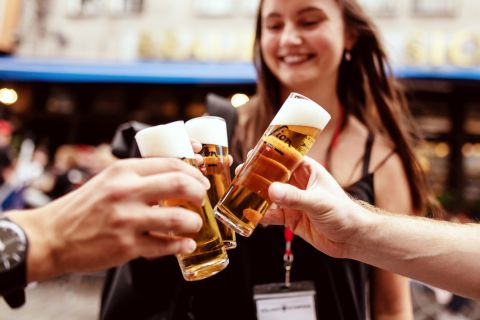
Experience Cologne's famous brewing culture and old town on this popular brewery tour. Immerse yourself in the exciting, humorous, and bizarre...
from€28Check dates
31 editor-picked israeli restaurants across 15 cities.
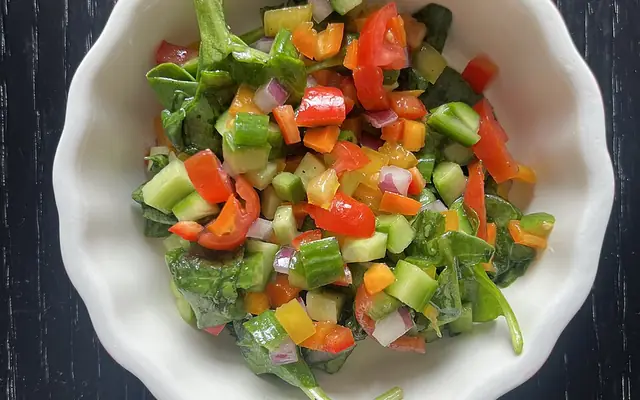
Israeli cuisine is one of the youngest national kitchens in the world, codified largely after 1948 and rewritten again by a Tel Aviv generation of chefs working from roughly the year 2000 onward. Its foundation is Levantine: hummus, falafel, shakshuka, sabich, the mezze grammar shared with Lebanon, Syria, and Palestine. Layered on top is the cooking of the Jewish diaspora that gathered into Israel after the founding of the state: Yemenite jachnun and malawach, Iraqi kubbeh soup, Moroccan tagines, Persian gondi, Tunisian brik, Ethiopian injera, and the Ashkenazi cooking of central and eastern Europe.
What makes the cuisine distinct rather than simply derivative is the way Tel Aviv's contemporary food culture has fused these elements with the produce of the Mediterranean climate and a generation of chefs trained in European and Asian techniques. The result is a kitchen that takes a Yemenite spice blend and a Persian rice technique and a Palestinian-Levantine vegetable preparation and serves them on the same menu without apology. Eyal Shani, Yotam Ottolenghi, and Meir Adoni are the names that traveled internationally; on the ground in Tel Aviv there are hundreds of cooks doing equally serious work.
The political weight on this cuisine is real and contested. Many Israeli signature dishes (hummus, falafel, shakshuka, sabich) are shared with neighboring Arab traditions, and the question of attribution is unresolved. The honest answer is that the modern Israeli table draws from Levantine, Jewish diasporic, and contemporary Mediterranean sources, and identifies as Israeli in framing rather than in origin.
Tours, tastings and classes from the cities on this page, bookable on GetYourGuide.
Guided tour · 2 hours
Experience Cologne's famous brewing culture and old town on this popular brewery tour. Immerse yourself in the exciting, humorous, and bizarre...
Guided tour · 2h 30m
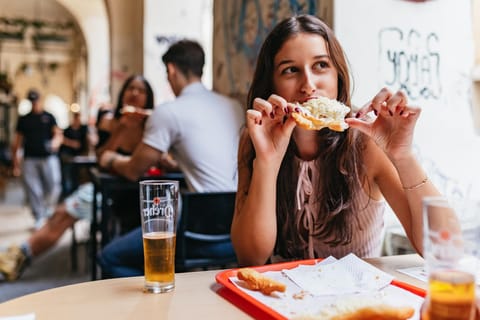
Taste your way through Budapest with a foodie guide and learn about the history of Hungarian cuisine. Try Budapest’s street food, traditional dishes,...

20 minutes
Dive into an authentic baking show at the Gerstner K. u. K. Hofzuckerbäcker court bakeshop and confectionery. Experience the art of Viennese apple...

Guided tour · 3 hours
An expert-guided sake tasting and brewery tour in Kyoto. Your Japan trip gets better once you truly enjoy sake. In 3 hours, taste, visit a local...
The best-scored israeli place in each of 12 cities.
Zahav in Philadelphia is Michael Solomonov's modern Israeli room near Society Hill, James Beard's Outstanding Restaurant in America in 2019 and one.
OrderThe lamb shoulder for two with the hummus tehina, the way it has been ordered since 2008.
TipBook 30 days out on Resy at 10am Eastern. The Mesibah feast lands at the family table.
Yoram Ofer's koshu sake bar in a Nakagyo machiya in Kyoto. Six-seat counter, aged-sake flights, no walk-ins, the city's reference koshu room.
Why locals goAn Israeli-born owner runs the country's most-cited aged-sake bar from a six-seat machiya. No sign, no English menu, no walk-ins.
TipOpen Wed-Sat only. Call 15 minutes ahead from the corner phone box.
Bryan Weaver's East Nashville outpost of the Charleston-born Mediterranean room on Main Street in Nashville. Vegetable-forward Israeli food by Chris DeJesus.
OrderThe whipped feta with fermented honey and whichever mezze the kitchen is running.
TipReservations on Resy for the dining room; the bar takes walk-ins early.
Neni am Naschmarkt at Stand 510 on Vienna's Naschmarkt has been Haya Molcho's flagship since 2009, cooking Israeli and Levantine plates upstairs.
OrderSabich, fried aubergine with egg and hummus; weekend brunch leans on shakshuka.
TipOpen Monday to Saturday from breakfast; Sundays the Naschmarkt stalls close but the cafe stays open until 21:00.
Dok is brothers Asaf and Yotam Doktor's eight seat counter in Tel Aviv, an all Israeli locavore menu that changes most nights with what the farms deliver.
OrderThe beef tartare with mayonnaise or the wild snapper, whichever the counter is serving that night.
TipOnly two small tables and eight counter seats; book well ahead for a weeknight slot.
Saba in New Orleans is Alon Shaya's 2018 Magazine Street follow-up to Shaya, a modern Israeli room at Nashville Avenue with the whipped feta and whole.
OrderThe whole roasted cauliflower with whipped feta. Then the lamb ragu hummus.
TipBrunch on Sundays runs the shakshuka and matzo ball brioche French toast; book a fortnight ahead.
Hummus and Friends on Berlin's Oranienburger Strasse runs a fully kosher vegetarian Israeli kitchen with hummus, falafel and sabich; the room seats 50.
OrderThe hummus plate with extra olive oil and warm pita; the falafel sabich with egg.
TipKosher-certified, closed Friday evening to Saturday evening. Lunch from 11:00 is the easier seating.
Eli's Jerusalem Grill on Highway 280 east of the city runs an authentic Israeli kitchen with a vegetarian-vegan plate of falafel, hummus and baba ghanoush.
SignatureFalafel plate, Vegetarian plate, Lentil soup
Mazel Tov on Akacfa keeps its Mediterranean and Israeli kitchen running until midnight every day, a Jewish Quarter late-night dinner room with live klezmer.
OrderThe mezze plate and a glass of Israeli sauvignon blanc after the ruin-bar crawl.
TipOpen noon to midnight daily; the glass-roof courtyard fills first.
Hamsa in Kraków's Jewish quarter cooks Tel Aviv-style Israeli: hummus, shakshuka, sabich, fresh pita off the saj. Located in Kazimierz. Priced at $$.
OrderHummus with slow-cooked lamb and fresh pita; arrive before the dinner queue at 19:30.
TipBook the terrace for sunset. The same group runs Hamsa Tel Aviv next door for a fuller dinner menu.
Banzo on Sherman Avenue, the falafel cart turned brick-and-mortar Israeli kitchen, runs fresh falafel sandwiches, hummus bowls and shakshuka brunch.
TryFalafel sandwich and shakshuka brunch
Ayesha Nurdjaja's Israeli-Mediterranean room on Ninth Avenue runs hearth-baked saluf in Chelsea, New York City. Order the saluf with house labneh and zhoug.
OrderSaluf with house labneh and zhoug.
TipWeekend brunch runs the saluf with eggs. Walk-ins at the counter from 17:30 every weekday.
Zahav in Philadelphia is Michael Solomonov's modern Israeli room near Society Hill, James Beard's Outstanding Restaurant in America in 2019 and one.
OrderThe lamb shoulder for two with the hummus tehina, the way it has been ordered since 2008.
TipBook 30 days out on Resy at 10am Eastern. The Mesibah feast lands at the family table.
Laser Wolf in Philadelphia is Michael Solomonov and Steve Cook's Israeli skewer-grill at Howard and Master in Olde Kensington, the casual sibling to Zahav.
OrderThe mixed grill plate with beef shipudim and lamb merguez; the salatim spread to start.
TipWalk in at the bar before 18:00 on a weeknight. Reservations stretch out 2 weeks on the Resy calendar.
Yoram Ofer's koshu sake bar in a Nakagyo machiya in Kyoto. Six-seat counter, aged-sake flights, no walk-ins, the city's reference koshu room.
Why locals goAn Israeli-born owner runs the country's most-cited aged-sake bar from a six-seat machiya. No sign, no English menu, no walk-ins.
TipOpen Wed-Sat only. Call 15 minutes ahead from the corner phone box.
Bryan Weaver's East Nashville outpost of the Charleston-born Mediterranean room on Main Street in Nashville. Vegetable-forward Israeli food by Chris DeJesus.
OrderThe whipped feta with fermented honey and whichever mezze the kitchen is running.
TipReservations on Resy for the dining room; the bar takes walk-ins early.
Neni am Naschmarkt at Stand 510 on Vienna's Naschmarkt has been Haya Molcho's flagship since 2009, cooking Israeli and Levantine plates upstairs.
OrderSabich, fried aubergine with egg and hummus; weekend brunch leans on shakshuka.
TipOpen Monday to Saturday from breakfast; Sundays the Naschmarkt stalls close but the cafe stays open until 21:00.
Dok is brothers Asaf and Yotam Doktor's eight seat counter in Tel Aviv, an all Israeli locavore menu that changes most nights with what the farms deliver.
OrderThe beef tartare with mayonnaise or the wild snapper, whichever the counter is serving that night.
TipOnly two small tables and eight counter seats; book well ahead for a weeknight slot.
HaSalon is Eyal Shani's Wednesday and Thursday only dining room off Ma'avar Yabok, a daily-changing menu run from his own farm and local fishermen.
TipOpen only two nights a week; reservations are the only way in and go fast.
K'Far in Philadelphia is Michael Solomonov and Steve Cook's all-day Israeli bakery and cafe at 19th near Rittenhouse, the morning room before the Zahav night.
OrderA bourekas filled with feta and za'atar; shakshuka at brunch; the babka to take home.
TipWalk in for the bakery counter at 08:00 before the work crowd lands at 09:30. The pastries sell out by 11.
Saba in New Orleans is Alon Shaya's 2018 Magazine Street follow-up to Shaya, a modern Israeli room at Nashville Avenue with the whipped feta and whole.
OrderThe whole roasted cauliflower with whipped feta. Then the lamb ragu hummus.
TipBrunch on Sundays runs the shakshuka and matzo ball brioche French toast; book a fortnight ahead.
North Abraxas on Lilienblum is Eyal Shani's small restaurant and bar, a seasonal menu cooked in an open kitchen that diners watch from the bar seats.
TipThe small bar overlooks the open kitchen; ask for a seat there if you want to watch the cooks work.
Hummus and Friends on Berlin's Oranienburger Strasse runs a fully kosher vegetarian Israeli kitchen with hummus, falafel and sabich; the room seats 50.
OrderThe hummus plate with extra olive oil and warm pita; the falafel sabich with egg.
TipKosher-certified, closed Friday evening to Saturday evening. Lunch from 11:00 is the easier seating.
Eli's Jerusalem Grill on Highway 280 east of the city runs an authentic Israeli kitchen with a vegetarian-vegan plate of falafel, hummus and baba ghanoush.
SignatureFalafel plate, Vegetarian plate, Lentil soup
Mazel Tov on Akacfa keeps its Mediterranean and Israeli kitchen running until midnight every day, a Jewish Quarter late-night dinner room with live klezmer.
OrderThe mezze plate and a glass of Israeli sauvignon blanc after the ruin-bar crawl.
TipOpen noon to midnight daily; the glass-roof courtyard fills first.
Hamsa in Kraków's Jewish quarter cooks Tel Aviv-style Israeli: hummus, shakshuka, sabich, fresh pita off the saj. Located in Kazimierz. Priced at $$.
OrderHummus with slow-cooked lamb and fresh pita; arrive before the dinner queue at 19:30.
TipBook the terrace for sunset. The same group runs Hamsa Tel Aviv next door for a fuller dinner menu.
Banzo on Sherman Avenue, the falafel cart turned brick-and-mortar Israeli kitchen, runs fresh falafel sandwiches, hummus bowls and shakshuka brunch.
TryFalafel sandwich and shakshuka brunch
Ayesha Nurdjaja's Israeli-Mediterranean room on Ninth Avenue runs hearth-baked saluf in Chelsea, New York City. Order the saluf with house labneh and zhoug.
OrderSaluf with house labneh and zhoug.
TipWeekend brunch runs the saluf with eggs. Walk-ins at the counter from 17:30 every weekday.
Yafo Kitchen on Central Avenue is Charlotte's Israeli-Mediterranean counter, with house-made falafel, shawarma and laffa bread baked in Plaza Midwood.
OrderA falafel pita with all the toppings and a side of hummus with warm laffa.
TipCounter-order, sit anywhere. Two more Yafo locations on Gov Morrison and East Boulevard.
Mam's Best Food is the Florida Keys' one kosher kitchen, an Israeli tented counter on Petronia Street under Florida Keys Kosher supervision.
Why locals goAn Israeli grandmother's tented falafel counter on Petronia Street, known mostly to kosher travellers and Bahama Village neighbours.
TipIt closes for Shabbat every Saturday and queues build in Jewish holiday weeks; the falafel and shawarma are made to order.
Shaya in New Orleans is the Magazine Street modern Israeli room that won James Beard Best New Restaurant in 2016, now under BRG Hospitality.
OrderThe wood-fired pita with hummus. Then the lamb shawarma.
TipFounder Alon Shaya now runs Saba up the road at 5757 Magazine; both rooms are worth a visit.
NENI Cologne in the 25hours Hotel serves Middle Eastern-inspired sharing plates above the city; Michelin-selected for its accessible elevated dining format.
OrderThe three-part hummus platter with toppings, and the shakshuka
Book1 week ahead
TipBook a table on the terrace for Cathedral views; evening light makes this one of the more photogenic dining rooms in the city.
 Tel Aviv9 places
Dok, HaSalon
Tel Aviv9 places
Dok, HaSalon
 Philadelphia6 places
Zahav, Laser Wolf
Philadelphia6 places
Zahav, Laser Wolf
 Charlotte2 places
Yafo Kitchen
Charlotte2 places
Yafo Kitchen
 Key West2 places
Mam's Best Food
Key West2 places
Mam's Best Food
 New Orleans2 places
Saba, Shaya
New Orleans2 places
Saba, Shaya
 Berlin1 place
Hummus and Friends
Berlin1 place
Hummus and Friends
 Birmingham1 place
Eli's Jerusalem Grill
Birmingham1 place
Eli's Jerusalem Grill
 Budapest1 place
Mazel Tov
Budapest1 place
Mazel Tov
 Cologne1 place
NENI Cologne
Cologne1 place
NENI Cologne
 Kraków1 place
Hamsa Hummus and Happiness
Kraków1 place
Hamsa Hummus and Happiness
 Kyoto1 place
Yoramu Aged Sake Bar
Kyoto1 place
Yoramu Aged Sake Bar
 Madison1 place
Banzo
Madison1 place
Banzo
 Nashville1 place
Butcher and Bee
Nashville1 place
Butcher and Bee
 New York City1 place
Shukette
New York City1 place
Shukette
 Vienna1 place
Neni am Naschmarkt
Vienna1 place
Neni am Naschmarkt
The center of the modern Israeli food scene. Casual fine dining, vegetable-forward menus, serious natural wine programs, and the Carmel and Levinsky markets feeding the restaurant scene. The closest Israel gets to a Barcelona-style food capital.
Older, more religious, more traditional. Machane Yehuda market is the anchor. Jerusalem mixed grill (meorav yerushalmi), Iraqi-Jewish cooking, and the layered kitchens of the Old City quarters define the local food.
Druze and Palestinian-Israeli villages with strong traditional kitchens. Olive oil, foraged greens, fresh cheese (labneh, tzfatit), wood-oven bread. Some of the most uncompromising Levantine cooking in the country lives here.
Specific Tel Aviv neighborhoods (Kerem HaTeimanim) and Jerusalem markets preserve the Yemenite Jewish tradition: jachnun, malawach, kubaneh, hilbeh (fenugreek), schug (the green chile sauce that became universal in Israel).
A hummusiya meal is straightforward: order hummus (with ful, with msabaha, with meat, or plain), get warm pita, a plate of pickles and raw onion, and Turkish coffee. That is the entire menu and it is the whole meal. At a Tel Aviv contemporary restaurant, the format is mezze-led with a chef's menu option. Order four to six small plates for two people, then one or two larger sharing plates, and a dessert. Wine programs are increasingly natural and Israeli-led.
The rookie mistakes: skipping the hummusiya in favor of a 'nicer' restaurant (the hummus is the meal, and the best ones are unpretentious neighborhood spots), ordering hummus as a side rather than the main, asking for cold hummus (it is served warm or room-temperature, never refrigerated), and missing breakfast (the Israeli breakfast spread of shakshuka, salads, cheeses, breads is genuinely one of the meals of the day worth structuring travel around).
Israeli wine has matured rapidly, with serious work from the Galilee, Judean Hills, and the Negev. With grilled meats and rich stews, a Mediterranean red blend or a Cabernet from the Golan Heights. With mezze, a crisp white or rose, increasingly from boutique producers like Recanati, Domaine du Castel, and Sphera. Arak with water and ice for the traditional table. Israeli craft beer has caught up to the European mid-tier. Limonana (mint lemonade) is the universal non-alcoholic pairing in summer.
Tel Aviv is the unquestioned center. Miznon, Port Said, OCD, HaSalon, M25, and the Levinsky and Carmel market stalls cover the range from casual to ambitious. Jerusalem for traditional, Iraqi-Jewish, and Palestinian-Israeli cooking, especially around Machane Yehuda. Haifa for Druze and mixed Palestinian-Israeli kitchens. Outside Israel, New York, London, and Berlin have strong Israeli scenes led by chefs trained in Tel Aviv (Miznon expanded to both cities, plus Yotam Ottolenghi's London restaurants).
Modern Israeli cuisine is largely a post-1948 construction, formed by the immigration of Jewish communities from across Europe, North Africa, the Middle East, and Ethiopia, mixed with the existing Palestinian-Levantine food culture of the land. The Tel Aviv food scene of the 2000s and 2010s, led by chefs like Eyal Shani, Yotam Ottolenghi, and Meir Adoni, reframed Israeli cuisine as a contemporary Mediterranean kitchen rather than a diasporic patchwork.
Many signature dishes (hummus, falafel, tabbouleh, shakshuka) are shared with neighboring Arab kitchens, and the attribution is contested. What is distinctively Israeli is the fusion with Jewish diasporic traditions (Yemenite, Iraqi, Moroccan, Ethiopian, Ashkenazi) and the contemporary Tel Aviv scene's reinterpretation of all of them.
Some restaurants are kosher-certified, especially in Jerusalem and religious neighborhoods; many in Tel Aviv are not. Mainstream Israeli food is broadly kosher-compatible (separating meat and dairy is common practice) but the secular Tel Aviv scene mixes freely.
A tart, pickled green mango condiment that Iraqi Jews brought to Israel and that has become one of the country's most identifiable flavors. It goes on sabich, falafel, shawarma, and almost anything that needs an acidic, funky punch.
More cities are in research. Want israeli covered somewhere specific? Tell us where you want to eat.