


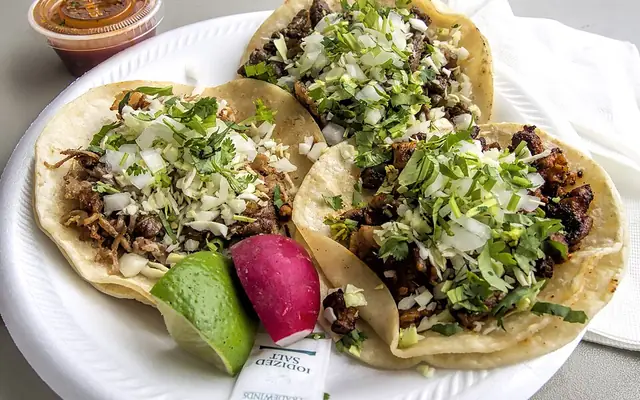
Californian cuisine, sometimes called California cuisine, is the ingredient-driven, seasonal, Mediterranean-inflected American cooking that emerged from the Bay Area in the 1970s and 1980s and now serves as one of the foundational influences on contemporary American food. Its origin is precise: Alice Waters opened Chez Panisse in Berkeley in 1971, with a manifesto that the menu would change daily based on what was best at the local farmers' market that morning. The restaurant's emphasis on small farms, organic produce, named-ingredient sourcing, and minimal preparation in service of flavor became the template for what is now the universal grammar of high-end American cooking.
The defining characteristics are: seasonality (the menu reflects the month, not a fixed list of dishes); farmers' market sourcing (named farms, often visible on the menu, organic and small-scale); ingredient-led composition (a dish is built around one or two great ingredients in their peak season, rather than around a fixed recipe); Mediterranean influence (olive oil, citrus, garlic, herbs, simple grilled fish and roasted vegetables); and a casual fine-dining posture that downplays formality in favor of comfort and quality. The cuisine is not heavily technical; the test of a Californian kitchen is the ingredient selection more than the chef's manipulation.
The California climate (year-round growing season, particularly in the Bay Area and the Central Coast), the immigrant and indigenous food traditions of California (Mexican, Italian, Chinese, Vietnamese, Japanese, Native Californian foodways), and the wine industry of Sonoma, Napa, and the Central Coast all feed into the cuisine. Chez Panisse alumni (Jeremiah Tower, Wolfgang Puck, Suzanne Goin, Russ Moore, David Tanis, Paul Bertolli, and many others) populated the next generation of California restaurants and carried the gospel nationally. Today the cuisine is essentially synonymous with the dominant American fine-dining mode, though the specific Californian flag is now most clearly carried by restaurants in San Francisco, Berkeley, Oakland, and Los Angeles.
Book a food experience
Tours, tastings and classes from the cities on this page, bookable on GetYourGuide.


Top picks
The best-scored Californian place in each of 12 cities.
Melisse ★ 4.9
Melisse is the 14-seat tasting counter hidden behind Citrin in Santa Monica, a two-Michelin-star room from Josiah Citrin and chef partner Ken Takayama.
OrderThe full tasting menu; the kitchen builds it around the week's market
TipAround 800 dollars for two before wine, with a strict no-cancellation policy; book two to three weeks out.
Addison ★ 4.9
Addison in San Diego is William Bradley's three-Michelin-star tasting room at Fairmont Grand Del Mar, the only three-star kitchen in Southern California.
OrderThe full tasting menu; the seasonal caviar course is the room's signature.
TipTasting menu only; book six weeks ahead, jacket preferred. Pair with a Grand Del Mar overnight if the budget allows it.
Commis ★ 4.9
Chef James Syhabout's Commis holds two Michelin stars on Piedmont Avenue. A spare ten-course tasting changes nightly across two seatings in Oakland.
SignatureSlow-poached egg yolk, Ten-course tasting
Chez Panisse Restaurant ★ 4.9
Michelin 1 Star + Green Star. Alice Waters' 1971 prix fixe restaurant: one menu per evening, market-determined, no choices. Reserve a month ahead at 09:00 PT.
BookOne month in advance, opens at 09:00 PT on the calendar date ahead
Zuni Cafe ★ 4.8
Zuni Cafe in San Francisco is the city's most enduring California room: Judy Rodgers' roast chicken for two with bread salad has not left the menu since 1987.
OrderThe Judy Rodgers roast chicken for two with bread salad, ordered the moment you sit.
TipThe chicken takes an hour to fire from order; book a table and ask the server to start it as you arrive.
Chez Noir 1 ★ ★ 4.8
Chez Noir keeps its Michelin star on 5th Avenue in Carmel, where Jonny and Monique Black cook a seafood-led prix fixe from Monterey Peninsula boats.
OrderThe $165 prix fixe; bar seats are the walk-in route when the room is booked.
TipThere is no phone; reservations release a month at a time on OpenTable, and the bar takes walk-ins when the dining room is full.
La Toque ★ 4.7
Ken Frank's La Toque held a Michelin star from 2008 to 2021. The five-course California tasting menu evolves weekly with Napa Valley farm deliveries.
OrderThe five-course tasting menu with wine pairing.
TipThe cheese course is one of the better American artisan programmes in California. Ask the sommelier for a late-harvest Napa dessert wine.
Botanica ★ 4.6
Botanica at 1620 Silver Lake Blvd serves seasonal Southern California cooking morning, noon and night, with a bottle shop and culinary market on site.
TipSit in the dining room or on the leafy covered back patio for coffee, brunch, lunch, cocktails or dinner, Wednesday through Sunday.
Selland's Market-Cafe ★ 4.5
Selland's on H Street is a locally owned Sacramento cafe and bar for lunch, dinner and happy hour, serving California comfort food, with online ordering.
TryThe combination plate, any hot entree with a choice of two sides, for $23.50.
Spago by Wolfgang Puck ★ 4.5
Spago by Wolfgang Puck at Bellagio in Las Vegas is the chef's relocated Strip room since 2018, a Forbes-recommended California-Mediterranean dining room.
OrderThe smoked salmon and creme fraiche pizza; Puck's signature dish since the original 1982 LA opening.
TipAsk for a window or terrace table to overlap with the fountain shows on the half-hour.
The Pressroom ★ 4.4
The Pressroom inside San Jose's 1884 Lyndon Building serves elevated weekend brunch with local California wines and cheeky press-heritage dish names.
OrderDuck confit waffles with berry compote
Bouchon Santa Barbara ★ 4.2
Wine Country cuisine and Channel seafood downtown since 1998. Wine Spectator Award of Excellence since 2002. Garden patio year-round, deep County wine list.
SignatureCentral Coast seasonal menu, Santa Barbara Channel seafood, Wine Country cheese course
Find a place
Melisse ★ 4.9
Melisse is the 14-seat tasting counter hidden behind Citrin in Santa Monica, a two-Michelin-star room from Josiah Citrin and chef partner Ken Takayama.
OrderThe full tasting menu; the kitchen builds it around the week's market
TipAround 800 dollars for two before wine, with a strict no-cancellation policy; book two to three weeks out.
Addison ★ 4.9
Addison in San Diego is William Bradley's three-Michelin-star tasting room at Fairmont Grand Del Mar, the only three-star kitchen in Southern California.
OrderThe full tasting menu; the seasonal caviar course is the room's signature.
TipTasting menu only; book six weeks ahead, jacket preferred. Pair with a Grand Del Mar overnight if the budget allows it.
Commis ★ 4.9
Chef James Syhabout's Commis holds two Michelin stars on Piedmont Avenue. A spare ten-course tasting changes nightly across two seatings in Oakland.
SignatureSlow-poached egg yolk, Ten-course tasting
Chez Panisse Restaurant ★ 4.9
Michelin 1 Star + Green Star. Alice Waters' 1971 prix fixe restaurant: one menu per evening, market-determined, no choices. Reserve a month ahead at 09:00 PT.
BookOne month in advance, opens at 09:00 PT on the calendar date ahead
Citrin ★ 4.8
Citrin is Josiah Citrin's modern Californian flagship on Wilshire Boulevard in Santa Monica, a Michelin-starred dining room built on market produce.
OrderThe prix fixe, built around Santa Monica farmers market produce
TipBook the a la carte room; the 14-seat Melisse counter behind it is a separate, pricier reservation.
Seline ★ 4.8
Seline is Dave Beran's Michelin-starred tasting room on Main Street in Santa Monica, a cerebral 295 dollar procession from the Californian landscape.
OrderThe seasonal tasting menu; courses change constantly
TipPlan around two and a half hours for the full menu; reservations open by the month and the counter seats sell first.
Zuni Cafe ★ 4.8
Zuni Cafe in San Francisco is the city's most enduring California room: Judy Rodgers' roast chicken for two with bread salad has not left the menu since 1987.
OrderThe Judy Rodgers roast chicken for two with bread salad, ordered the moment you sit.
TipThe chicken takes an hour to fire from order; book a table and ask the server to start it as you arrive.
Saison 3 ★ ★ 4.8
Saison in San Francisco is a three-Michelin-star hearth-driven tasting in SoMa, with live-fire seafood and California game over an oak fire.
Book4 to 6 weeks ahead
TipCounter seats face the fire; the four-top tables at the back catch less of the kitchen action.
Chez Noir 1 ★ ★ 4.8
Chez Noir keeps its Michelin star on 5th Avenue in Carmel, where Jonny and Monique Black cook a seafood-led prix fixe from Monterey Peninsula boats.
OrderThe $165 prix fixe; bar seats are the walk-in route when the room is booked.
TipThere is no phone; reservations release a month at a time on OpenTable, and the bar takes walk-ins when the dining room is full.
Snail Bar ★ 4.8
Snail Bar on Shattuck in Temescal carries a Bib Gourmand and a natural wine glass list. Six-top max, no reservations and a quiet off-strip surprise.
OrderDaily oyster pour and the chalkboard veg plate.
Why locals goSix-top walk-in only; few diners outside Temescal know it carries a Bib Gourmand on the Michelin Guide.
TipArrive at 5 pm sharp to get a seat without a wait. No reservations of any size.
Tacos El Gordo Chula Vista ★ 4.7
Tacos El Gordo in Chula Vista, San Diego, the open-until-4am Tijuana-style trompo where the late-night queue runs out the door for adobada and suadero.
TryVertical-trompo adobada tacos, suadero, cabeza
Tacos El Gordo ★ 4.7
Tacos El Gordo in Chula Vista, San Diego, the open-until-4am Tijuana-style trompo carving adobada tacos for around three dollars and California burritos.
TryVertical-trompo adobada tacos under $4
Quince 3 ★ ★ 4.7
Quince in San Francisco is Michael Tusk's three-Michelin-star Jackson Square room, an Italian-inflected California tasting from the Fresh Run Farm produce.
Book4 to 6 weeks ahead
TipThe neighbouring Cotogna sister room runs the same kitchen at a quarter the price, with walk-in seating.
La Toque ★ 4.7
Ken Frank's La Toque held a Michelin star from 2008 to 2021. The five-course California tasting menu evolves weekly with Napa Valley farm deliveries.
OrderThe five-course tasting menu with wine pairing.
TipThe cheese course is one of the better American artisan programmes in California. Ask the sommelier for a late-harvest Napa dessert wine.
Chez Panisse Cafe ★ 4.7
A la carte cafe upstairs at Chez Panisse: wood-fired pizza, seasonal plates and farm sourcing. No month-ahead reservation required upstairs.
Botanica ★ 4.6
Botanica at 1620 Silver Lake Blvd serves seasonal Southern California cooking morning, noon and night, with a bottle shop and culinary market on site.
TipSit in the dining room or on the leafy covered back patio for coffee, brunch, lunch, cocktails or dinner, Wednesday through Sunday.
Grasing's ★ 4.5
Grasing's pairs Kurt Grasing's coastal steakhouse cooking with a 3,400-bottle Carmel cellar that has held Wine Spectator's Grand Award since 2024.
OrderWagyu from the grill and a bottle pulled from the Grand Award cellar.
TipThe list runs 3,400 selections from 15 countries; give the floor a price and a region and let the cellar do the deciding.
The Stationaery ★ 4.5
The Stationaery cooks seasonal California brunch daily in a Carmel courtyard off San Carlos Street, adding natural wine dinners Thursday to Sunday.
DrinkNatural wine by the glass with brunch
TipBrunch books out on Tock even midweek; the courtyard tables go first, and the dinner service stays quieter than the morning one.
Pomet ★ 4.5
Pomet on Piedmont Avenue pairs Capay Valley farmer Aomboon Deasy with chef Alan Hsu. Menu changes with K and J Orchards produce, Michelin Green Star.
SignatureFarm-driven seasonal plates, Stone-fruit dessert
Kismet ★ 4.5
Kismet is a vegetable-loving restaurant for food, wine and friends at 4648 Hollywood Blvd, opened in 2017 by chefs Sara Kramer and Sarah Hymanson.
OrderChicken and pine nut pies in flaky phyllo, or the Persian crispy rice with egg yolks.
TipPlease consider taking Uber or Lyft, as the restaurant lists some nearby parking options.
Gjelina ★ 4.5
Gjelina at 1429 Abbot Kinney serves brunch on weekends from 9am to 2:30pm, with pancakes, Moroccan baked eggs, duck hash and wood roasted vegetables.
OrderMoroccan Baked Eggs, or the Lemon Buckwheat Ricotta Pancakes with blueberry compote.
TipBrunch runs on weekends from 9am to 2:30pm, and the afternoon menu follows from 2:30pm to 4:30pm.
Selland's Market-Cafe ★ 4.5
Selland's on H Street is a locally owned Sacramento cafe and bar for lunch, dinner and happy hour, serving California comfort food, with online ordering.
TryThe combination plate, any hot entree with a choice of two sides, for $23.50.
Spago by Wolfgang Puck ★ 4.5
Spago by Wolfgang Puck at Bellagio in Las Vegas is the chef's relocated Strip room since 2018, a Forbes-recommended California-Mediterranean dining room.
OrderThe smoked salmon and creme fraiche pizza; Puck's signature dish since the original 1982 LA opening.
TipAsk for a window or terrace table to overlap with the fountain shows on the half-hour.
Compline Restaurant ★ 4.4
Compline holds North America's Best Wine List (World of Fine Wine 2024-2025) and matches it with a serious California kitchen behind the Archer Hotel.
SignatureCalifornia-seasonal plates, Wine-paired small plates
TipWednesday through Sunday for lunch and dinner. The adjacent wine shop has the same bottle access.
The Pressroom ★ 4.4
The Pressroom inside San Jose's 1884 Lyndon Building serves elevated weekend brunch with local California wines and cheeky press-heritage dish names.
OrderDuck confit waffles with berry compote
Grange Restaurant & Bar ★ 4.4
Grange Restaurant & Bar is a Californian restaurant at 926 J Street in Sacramento.
Model Bakery (Oxbow) ★ 4.3
Model Bakery is wine-country famous for English muffins Oprah included in her Favorite Things list. The Oxbow location serves the full bakery menu from 06:30.
OrderWood-fired English muffin with butter and jam.
TipThe English muffins sell out by 10:00 on weekends. Be there by 08:00 if you want one.
Selland's Market-Cafe East Sacramento ★ 4.3
Selland's on H Street in East Sacramento is a locally owned cafe and bar serving California comfort food, fresh-baked desserts and craft cocktails.
OrderThe combination plate, any hot entree with two sides, or the Sellands Margherita wood-fired pizza.
TipLunch, dinner and happy hour are served here, or you can order online for pickup and delivery.
Black Sheep Brasserie ★ 4.2
Black Sheep Brasserie in San Jose's Willow Glen pairs French technique with California ingredients, featuring escargots and an elegant wine list.
OrderEscargots with garlic herb butter and puff pastry
Bouchon Santa Barbara ★ 4.2
Wine Country cuisine and Channel seafood downtown since 1998. Wine Spectator Award of Excellence since 2002. Garden patio year-round, deep County wine list.
SignatureCentral Coast seasonal menu, Santa Barbara Channel seafood, Wine Country cheese course
Bell Street Burritos ★ 4.1
Bell Street Burritos at Atlanta's Krog Street Market does California-format burritos for $9 to $13: rice, beans, generous protein, hot sauce, walk-up service.
TryCalifornia-style stuffed burritos
TipGet the namesake burrito with hot sauce and a Mexican Coke. Counter service, fast turnover.
Piadina ★ 4.1
Piadina cooks Italian-leaning Californian food inside Hotel San Luis Obispo, folding its namesake Romagna flatbreads around Central Coast produce.
OrderThe namesake piadina flatbread with whatever the kitchen is stuffing it with that season.
TipSunday breakfast runs 11:00-14:00 and is the sleeper booking; the courtyard tables are the quietest seats on Palm Street.
Roberto's Taco Shop (Henderson Eastern) ★ 4.0
Roberto's Taco Shop on South Eastern in Henderson is the 80-location San Diego chain's local branch, where the California burrito (carne asada, fries, cheese.
TryCalifornia burrito $9-11, rolled tacos $6
TipCalifornia burrito and a horchata for $13; drive-thru open until midnight, ask for the rolled tacos as a side.
Filiberto's Mexican Food ★ 3.9
Filiberto's on Indian School Road is a 24-hour Valley Mexican counter, slinging carne asada burritos, California burritos and rolled tacos all night.
OrderA carne asada burrito at 2am, the late-night standard.
TipIt never closes; the carne asada burrito and rolled tacos are the after-bar order.
SOhO Restaurant and Music Club ★ 3.8
Second-floor live music venue and restaurant on State Street. Nightly blues, funk, rock, reggae sets. California fare, wines. Doors until 02:00.
TryCalifornia fare, gourmet pizza, fresh seafood
Aqui Cal-Mex ★ 3.6
Aqui Cal-Mex on Lincoln Avenue is a San Jose institution for natural and organic California-Mexican food with seasonal rotating ingredient menus.
OrderBurritos with natural, wild, and organic ingredients
Jane Restaurant ★ 3.4
Family-owned California dining room on State Street. All sauces, dressings, and breads from scratch daily. Salads, seafood, pasta, house-roasted proteins.
SignatureComposed seasonal salads, Fresh pasta, House-roasted proteins
Californian by city
 Santa Monica19 places
Melisse, Citrin
Santa Monica19 places
Melisse, Citrin
 San Diego15 places
Addison, Tacos El Gordo Chula Vista
San Diego15 places
Addison, Tacos El Gordo Chula Vista
 San Francisco12 places
Zuni Cafe, Saison
San Francisco12 places
Zuni Cafe, Saison
 Carmel-by-the-Sea8 places
Chez Noir, Grasing's
Carmel-by-the-Sea8 places
Chez Noir, Grasing's
 Napa6 places
La Toque, Compline Restaurant
Napa6 places
La Toque, Compline Restaurant
 Oakland6 places
Commis, Snail Bar
Oakland6 places
Commis, Snail Bar
 San Jose5 places
The Pressroom, Black Sheep Brasserie
San Jose5 places
The Pressroom, Black Sheep Brasserie
 Berkeley4 places
Chez Panisse Restaurant, Chez Panisse Cafe
Berkeley4 places
Chez Panisse Restaurant, Chez Panisse Cafe
 Santa Barbara4 places
Bouchon Santa Barbara, SOhO Restaurant and Music Club
Santa Barbara4 places
Bouchon Santa Barbara, SOhO Restaurant and Music Club
 Los Angeles3 places
Botanica, Kismet
Los Angeles3 places
Botanica, Kismet
 Sacramento3 places
Selland's Market-Cafe, Grange Restaurant & Bar
Sacramento3 places
Selland's Market-Cafe, Grange Restaurant & Bar
 Las Vegas2 places
Spago by Wolfgang Puck, Roberto's Taco Shop (Henderson Eastern)
Las Vegas2 places
Spago by Wolfgang Puck, Roberto's Taco Shop (Henderson Eastern)
 Phoenix2 places
Filiberto's Mexican Food
Phoenix2 places
Filiberto's Mexican Food
 Atlanta1 place
Bell Street Burritos
Atlanta1 place
Bell Street Burritos
 San Luis Obispo1 place
Piadina
San Luis Obispo1 place
Piadina
Regional variations
Bay Area (Berkeley, San Francisco, Oakland, Sonoma, Napa)
The heart of the tradition. Chez Panisse (Berkeley), Zuni Cafe (San Francisco), Camino (Oakland, closed but seminal), Octavia (San Francisco), State Bird Provisions, the wine-country restaurants (The French Laundry, SingleThread, Healdsburg's Bravas). Closest to the original Chez Panisse template; deepest connections to the small-farm and natural-wine community.
Los Angeles
The LA expression of Californian: Suzanne Goin's Lucques (closed) and AOC, Nancy Silverton's Mozza, Republique, Bestia (Italian-Californian), Bavel (Middle-Eastern-Californian). More multicultural fusion, more Asian and Latin influence, and a stronger Hollywood-celebrity overlay on the restaurant scene.
Central Coast and Santa Barbara
The wine-country-and-farmers'-market belt: Bell's in Los Alamos, the SLO and Santa Barbara restaurants. Lighter, more rustic, with strong wine integration.
San Diego and the south
Mexican-California fusion (Baja Med), with restaurants like Trust, Crack Shack, and the food culture of the border. Less directly in the Chez Panisse lineage but inflected by California's farm-to-table ethic.
Defining Californian dishes
- Heirloom tomato salad with burrata
- The Californian summer starter: slices of multiple heirloom tomato varieties, fresh burrata cheese, basil, sea salt, good olive oil. June through September; the test of the kitchen's sourcing and restraint.
- Wood oven pizza
- Thin, blistered, slightly charred crust, with topping combinations that mix Italian (margherita, marinara) with Californian inflections (Wolfgang Puck's smoked salmon pizza, fig and prosciutto, butternut squash and sage). Chez Panisse Cafe upstairs and Pizzeria Bianco (technically Phoenix, but spiritually California) are touchstones.
- Grilled whole fish with lemon and herbs
- Whole branzino, bass, or trout, gutted and stuffed with lemon and herbs, grilled simply, served with olive oil and a green herb sauce. The Californian protein course.
- Wood-grilled vegetables
- Seasonal vegetables (asparagus in spring, summer squash, peppers, eggplant, autumn cauliflower, winter root vegetables) grilled over hardwood with olive oil and salt, sometimes finished with anchovy butter, lemon, or a green sauce.
- Roasted chicken
- The Californian benchmark dish (the Zuni Cafe roasted chicken with bread salad is the canonical version): a small, high-quality bird brined for two days, roasted in a screaming-hot oven, served with bread salad (toasted bread torn into chunks, mixed with the chicken's pan drippings, currants, pine nuts, and greens).
- Niçoise salad
- The French classic naturalized: cooked-to-order green beans, soft-boiled egg, olive-oil-poached or seared tuna, fingerling potatoes, anchovies, olives, dressed at the table. Common at Cal-Med restaurants.
- Charcuterie and farmstead cheese plate
- An assortment of locally cured meats (Fra' Mani, Boccalone) and farmstead cheeses (Cypress Grove, Cowgirl Creamery, Point Reyes) with honey, jam, mustard, bread, and fruit. The Californian-Italian appetizer course.
- Brick-pressed chicken under a heavy weight
- Half-chicken pressed under a brick (or another hot pan) on a flat-top, producing crackling skin and even cooking. A Suzanne Goin Lucques signature, widely imitated.
- Persimmon-and-pomegranate salad
- The Californian autumn salad: Fuyu persimmon, pomegranate seeds, frisée or chicory, toasted hazelnut or walnut, sherry vinaigrette. The seasonal-fruit-and-bitter-green pattern that defines fall in California restaurants.
- Sourdough bread
- The Bay Area's heritage product: sourdough levain bread from Tartine, Acme, Della Fattoria, Boudin (the original tourist-version but historically significant). Served with cultured butter at the start of nearly any Californian meal.
- Olive-oil cake
- Olive oil and citrus cake (often orange or lemon), dense, moist, served simply with creme fraiche, citrus segments, or a small dollop of jam. The Californian dessert that won out over more elaborate French patisserie.
- Fresh-fruit dessert
- Plate of stone fruit with creme fraiche; a fig with honey and walnut; a baked apple with cream. The Californian dessert at its most distilled: one perfect fruit, lightly accompanied.
How to order
A Californian restaurant menu changes frequently, sometimes daily. The pattern is to ask the server what is best today (this is the cuisine where that question actually gets a useful answer). Order a starter (often a seasonal salad or a vegetable preparation), a main (usually fish, chicken, or a pasta), and a side or two if the kitchen does shared sides. Dessert is typically a fruit-led plate or an olive oil cake; the wine pairing is often a natural Californian or Italian wine. Tasting menus are common at the higher end (Chez Panisse downstairs is a four-course set menu).
The rookie mistakes: ordering against the season (asking for tomatoes in February at a serious Californian restaurant marks you immediately), expecting heavy sauces and rich preparations (the cuisine is restraint-led), missing the bread service (the bread is often from a serious bakery and is a foundational part of the meal), and ignoring the wine pairing (Californian wine programs are typically excellent and often include small-production natural wines that you would not encounter elsewhere).
What to drink with it
Californian wine is the obvious match: Sauvignon Blanc and Chardonnay from Napa-Sonoma, Pinot Noir from the Sonoma Coast or Santa Cruz Mountains, Zinfandel from the Sierra Foothills, Rhône-style blends from the Central Coast. Natural wine (low-intervention, often from Sonoma, Mendocino, the Central Coast) is increasingly prominent at the best places. Local craft beer (Russian River, Anchor, Lagunitas) and a strong cocktail program (the Bay Area is a serious cocktail city) round out the bar. With olive oil cake and fruit dessert, a glass of Vin Santo, late-harvest Zinfandel, or a brandy.
Where to eat it
Berkeley for Chez Panisse (still operating after 50+ years, both downstairs and the upstairs cafe). San Francisco for Zuni Cafe, State Bird Provisions, Octavia, Nopa, Atelier Crenn. Oakland for the new generation (Camino's alumni and successors). Sonoma and Napa for wine-country fine dining (The French Laundry, SingleThread, Cyrus, Bouchon Bistro). Los Angeles for AOC, Mozza, Republique, Bestia, Bavel, Tartine LA. Santa Barbara and the Central Coast for the wine-country and farmers'-market belt. Outside California, the cuisine has been exported widely by chefs trained at Chez Panisse and its descendants.
A short history
Californian cuisine emerged in 1971 with Alice Waters opening Chez Panisse in Berkeley, articulating a farm-to-table, seasonal, ingredient-driven philosophy that ran against the European-haute-cuisine model dominant in American fine dining at the time. The 1970s and 1980s saw Jeremiah Tower at Stars, Wolfgang Puck at Spago, and the rise of the celebrity chef in California. The Slow Food movement, the wine country boom in Napa and Sonoma, and the Bay Area natural-wine and farmers'-market culture have all fed forward into the contemporary cuisine. Californian thinking is now the dominant grammar of American fine dining nationally.
Frequently asked
Is Californian cuisine the same as New American?
Californian is one of the founding parents of New American, but it is more specifically the Chez Panisse-lineage, farm-to-table, Mediterranean-leaning Bay Area tradition. New American is broader and includes Asian fusion, Southern revival, and technique-driven New York fine dining. Californian is the regional starting point; New American is the national category that grew out of it.
Who is Alice Waters?
The founder of Chez Panisse in Berkeley (1971) and the originator of California cuisine. She articulated the philosophy of seasonal, organic, locally sourced ingredients and made farmers' market sourcing central to American fine dining. Her influence shaped the careers of Wolfgang Puck, Jeremiah Tower, Suzanne Goin, and dozens of other major chefs, and her work on the Edible Schoolyard project extended her advocacy to school food and education.
Is Californian cuisine vegetarian?
Vegetable-forward, often, but not exclusively vegetarian. Chez Panisse and most Californian restaurants have always served meat and fish alongside vegetables. The cuisine's emphasis on seasonal produce and the integration of vegetables as center-of-plate items (rather than as sides) makes it among the most vegetable-friendly American restaurant traditions, but the canon includes roast chicken, grilled fish, charcuterie, and beef.
More cities are in research. Want Californian covered somewhere specific? Tell us where you want to eat.