Ensaïmada ★ 4.9
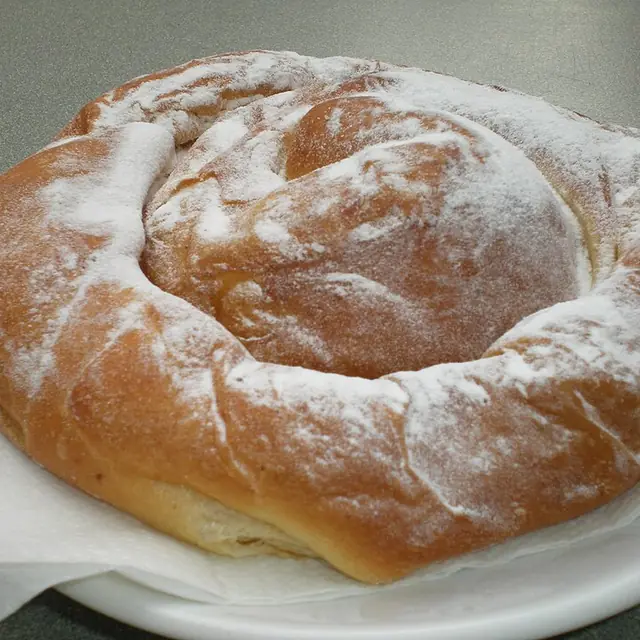
The spiral pastry that defines Mallorcan baking, coiled from a dough enriched with saïm pork lard, proved slowly, baked flat and buried under icing sugar.
Where: Forn Fondo, Ca'n Joan de s'Aigo, Fornet de la Soca
Price: €2-6
The plates that define Palma: what they are, and where to eat the canonical version.
The plates that define Palma. what they are, where they came from, and where to eat the canonical version.
The spiral pastry that defines Mallorcan baking, coiled from a dough enriched with saïm pork lard, proved slowly, baked flat and buried under icing sugar.
Where: Forn Fondo, Ca'n Joan de s'Aigo, Fornet de la Soca
Price: €2-6
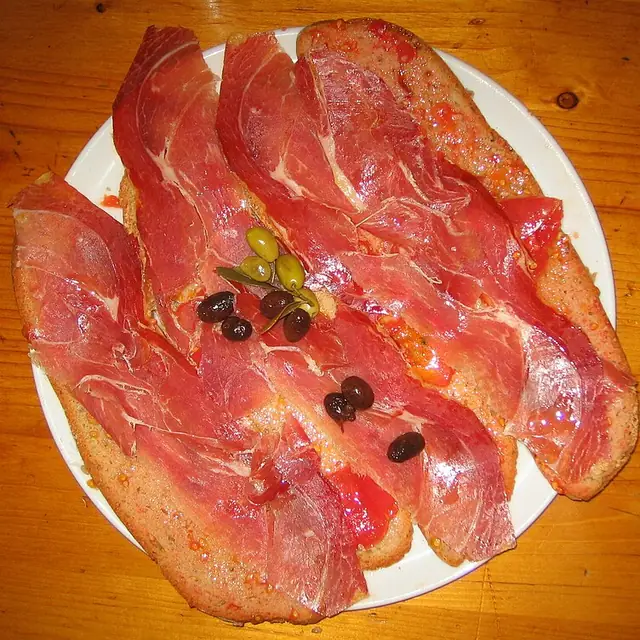
Dense Mallorcan brown bread rubbed with ramallet tomato and olive oil, salted, then loaded with cheese, cured meat or olives. The island's default plate at any hour.
Price: €8-14
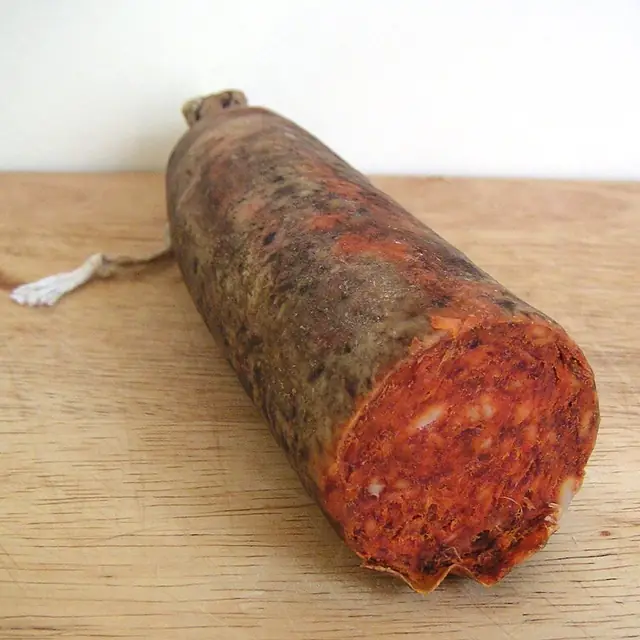
Mallorca's soft cured sausage: ground pork worked with paprika and salt, then matured in island air until it can be spread with a knife rather than sliced.
Where: Bar Espanya, Bodega La Rambla
Price: €4-9
The Mallorcan vegetable bake: aubergine, potato and red pepper fried separately in olive oil, layered in a dish and covered with a slow tomato sauce.
Price: €8-14
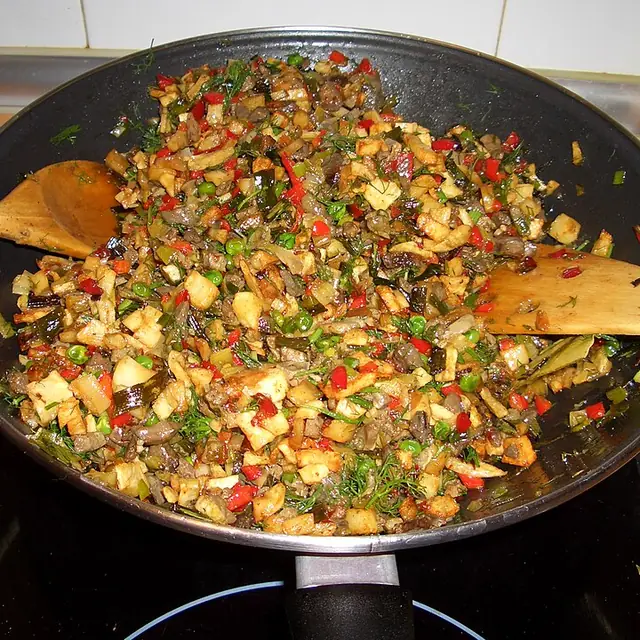
Offal, potato and vegetables fried hard together in olive oil with fennel and paprika, a Mallorcan use-everything dish that turns up in the island's best kitchens.
Price: €12-18
Mallorca's loose, soupy rice, cooked with game, pork, sobrassada and a warm spice mix that stains the broth the dirty brown the name refers.
Where: Celler Sa Premsa
Price: €12-20
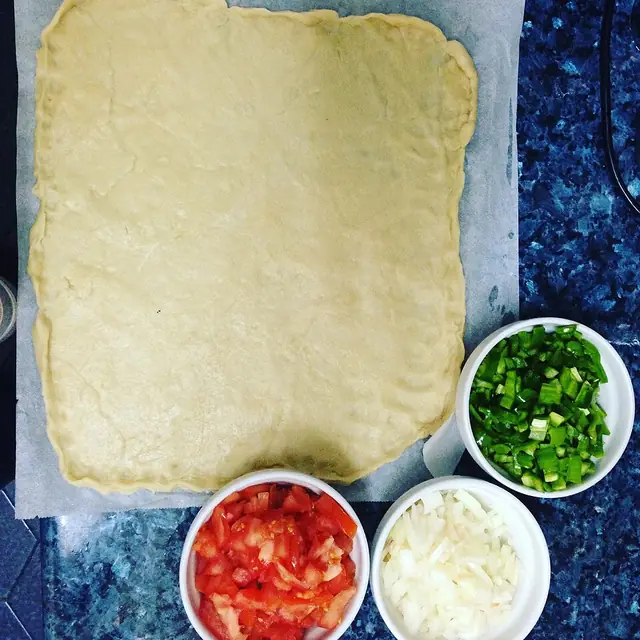
A thin, yeasted Mallorcan flatbread with no cheese, covered in diced tomato, green pepper and onion dressed in olive oil and baked until the edges crisp.
Where: Fornet de la Soca
Price: €3-6
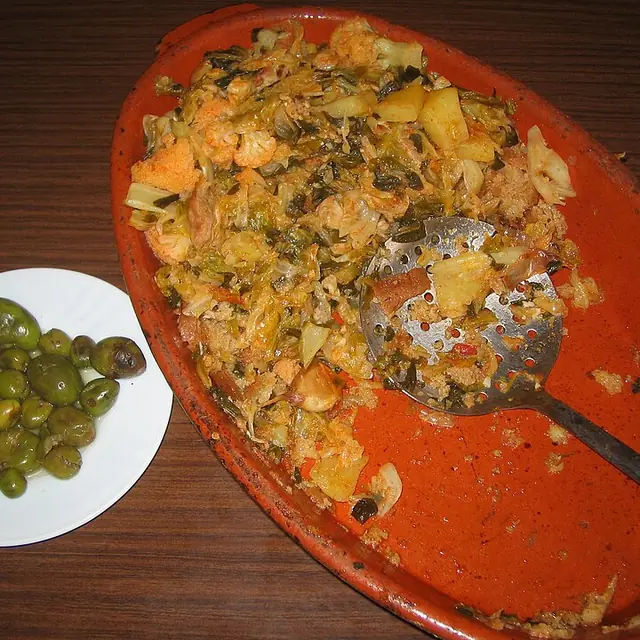
Not a soup at all: sliced dry Mallorcan bread soaked in a broth of cabbage, greens and garlic until the pan turns dense enough to eat with a fork.
Where: Celler Sa Premsa
Price: €8-14
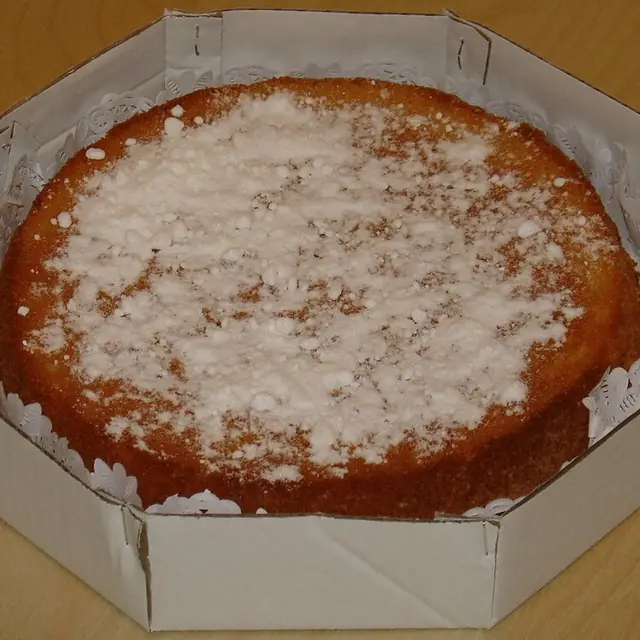
The Mallorcan almond cake: ground almonds, eggs and sugar with no flour at all, baked flat and served with a scoop of almond ice cream on top.
Where: Celler Sa Premsa
Price: €4-8
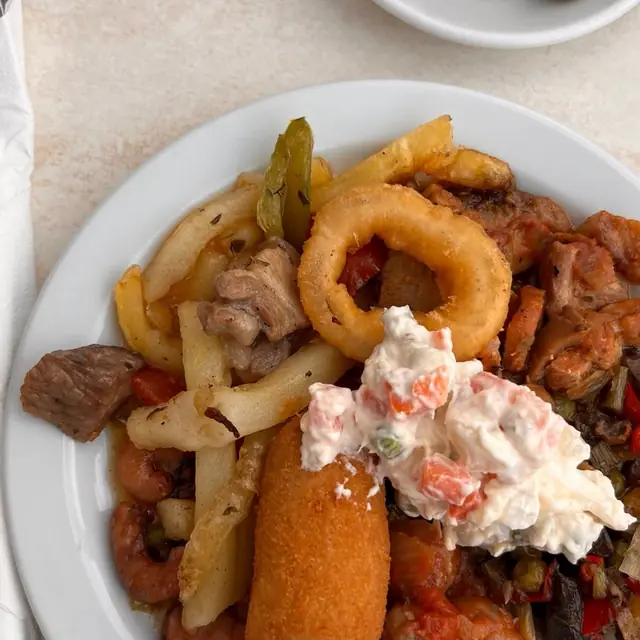
Mallorca's combination plate: four or five leftover tapas served together on one dish, always with ensaladilla rusa and usually with croquettes and meatballs.
Where: Bodega La Rambla
Price: €8-15
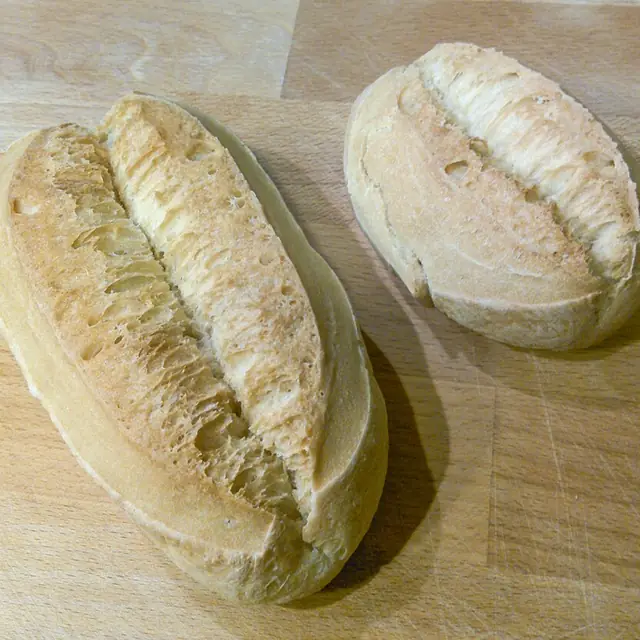
The split Palma bread roll, small and oval with a scored ridge down the middle, filled with Mahón cheese, cured ham or sobrassada and grated tomato.
Where: Can Trispol, Forn Fondo
Price: €4-9
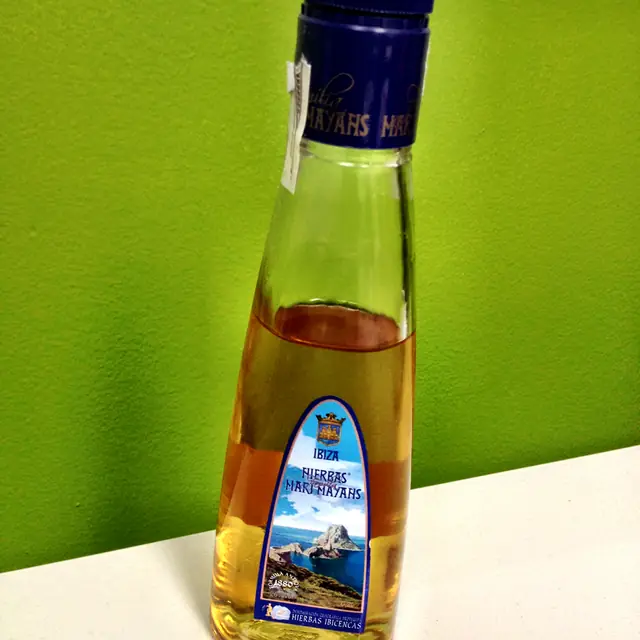
The island's herb liqueur, macerated with fennel, rosemary, lemon verbena and camomile, poured over ice as a digestif or straight into a coffee.
Price: €3-6 a glass
The spiral pastry that defines Mallorcan baking, coiled from a dough enriched with saïm pork lard, proved slowly, baked flat and buried under icing sugar.
History: The ensaïmada takes its name from saïm, the Mallorcan word for pork lard, which is what separates it from every other coiled pastry in the Mediterranean. Records of the coil date to the 17th century on the island, and it now carries a protected geographical indication as Ensaïmada de Mallorca, which sets the ingredients and the spiral form. Palma bakeries sell it plain or filled with cabell d'àngel, a squash preserve. Forn Fondo alone stocks more than twenty versions behind its Modernista glass.
Where to try it: Forn Fondo, Ca'n Joan de s'Aigo, Fornet de la Soca
Watch out for: Gluten, Egg
Dense Mallorcan brown bread rubbed with ramallet tomato and olive oil, salted, then loaded with cheese, cured meat or olives. The island's default plate at any hour.
History: Pa amb oli is built on pa moreno, the dense unsalted brown loaf Mallorcan households baked to last a week, and on tomàtiga de ramellet, the hanging tomato variety that keeps through winter on a string. The bread is rubbed rather than sliced with tomato, dressed with island olive oil and salt, then topped. It predates tourism entirely and remains what Mallorcan families eat when nobody wants to cook, which is why every Palma bar has a version on the board.
Watch out for: Gluten
Mallorca's soft cured sausage: ground pork worked with paprika and salt, then matured in island air until it can be spread with a knife rather than sliced.
History: Sobrassada arrived on Mallorca as a cured sausage technique and changed when paprika reached the island from the Americas in the 16th century, which gave it the red colour and the keeping power. Island pigs, particularly the black porc negre, are ground fine, seasoned and packed into casings to mature in the humid Mallorcan climate, which keeps the paste soft. It is eaten raw on bread, melted into rice and stews, or grilled over the January Sant Antoni bonfires alongside botifarró.
Where to try it: Bar Espanya, Bodega La Rambla
The Mallorcan vegetable bake: aubergine, potato and red pepper fried separately in olive oil, layered in a dish and covered with a slow tomato sauce.
History: Tumbet is the island's summer glut dish, made when aubergines, peppers and tomatoes all arrive at once. Every element is fried separately in olive oil so each keeps its texture, then layered and finished under a slow tomato sauce. It is served as a vegetable course, as a side to grilled pork loin, or under a fried egg, and it is one of the few Mallorcan classics that is vegan by default. Palma kitchens run it from June through to the end of the tomato season.
Offal, potato and vegetables fried hard together in olive oil with fennel and paprika, a Mallorcan use-everything dish that turns up in the island's best kitchens.
History: Frit mallorquí comes out of the island slaughter, when liver, lungs and blood had to be cooked the same day. Potato, onion, pepper and garlic are fried alongside, seasoned with fennel and paprika, and the whole pan is worked over high heat until the edges crisp. Fish versions exist along the coast, and a spring lamb version follows Easter. Palma food tours still build a tasting stop around it, which is the modern test of whether a Mallorcan kitchen still cooks the classics.
Mallorca's loose, soupy rice, cooked with game, pork, sobrassada and a warm spice mix that stains the broth the dirty brown the name refers.
History: Arròs brut means dirty rice, which describes the colour rather than the cooking. It is an inland dish from the hunting season, built on rabbit, pigeon, pork ribs and whatever mushrooms the hills gave, with sobrassada and a spice mix of cinnamon, clove and saffron worked into the broth. Unlike a paella it is served loose and wet, in a deep dish, and it is winter food. Celler Sa Premsa near the Mercat de l'Olivar has served it in Palma since 1958.
Where to try it: Celler Sa Premsa
A thin, yeasted Mallorcan flatbread with no cheese, covered in diced tomato, green pepper and onion dressed in olive oil and baked until the edges crisp.
History: Trampó is the Mallorcan summer salad of diced tomato, green pepper and onion in olive oil, and coca de trampó is that salad baked on to a thin lard-and-oil dough. It is sold by the slab in Palma bakeries and eaten at room temperature, standing up, which makes it the island's most portable food. Coques take other toppings too, notably peppers or Swiss chard, and Fornet de la Soca on Plaça de Weyler rebuilds versions from old Mallorcan household and convent recipes.
Where to try it: Fornet de la Soca
Watch out for: Gluten
Not a soup at all: sliced dry Mallorcan bread soaked in a broth of cabbage, greens and garlic until the pan turns dense enough to eat with a fork.
History: Sopes mallorquines uses pa moreno, the island's dense unsalted brown bread, sliced thin and dried. The bread is layered into a pan with cabbage, chard, spring onion, garlic and whatever else the vegetable garden gave, then just enough broth is added for the bread to absorb all of it. The result is eaten with a fork rather than a spoon. It is peasant food from the interior, and Palma's cellers keep it on the winter carte alongside arròs brut.
Where to try it: Celler Sa Premsa
Watch out for: Gluten
The Mallorcan almond cake: ground almonds, eggs and sugar with no flour at all, baked flat and served with a scoop of almond ice cream on top.
History: Mallorca has grown almonds since the Moorish period, and gató is what the island does with them. There is no flour in the cake, only ground almonds, whipped eggs, sugar and lemon zest, which gives a dense, damp crumb. It is served in a wedge with almond ice cream melting over it, a pairing that Palma restaurants treat as non-negotiable. Celler Sa Premsa lists it as the standard finish to a Mallorcan meal, and it is naturally gluten free.
Where to try it: Celler Sa Premsa
Watch out for: Nuts, Egg
Mallorca's combination plate: four or five leftover tapas served together on one dish, always with ensaladilla rusa and usually with croquettes and meatballs.
History: The variat is the island's answer to the tapas crawl, invented by bars that wanted to sell down what the kitchen had already cooked. One plate carries four or five portions, and the composition changes daily depending on what is in the case. Ensaladilla rusa, the potato and tuna salad, is the constant. Bodega La Rambla on Via Roma has been building them since 1940 and is the reference version in Palma, which is why locals still fill it at 13:30.
Where to try it: Bodega La Rambla
Watch out for: Egg, Fish, Gluten
The split Palma bread roll, small and oval with a scored ridge down the middle, filled with Mahón cheese, cured ham or sobrassada and grated tomato.
History: The llonguet is Palma's own bread, an oval white roll with a deep score down the centre that opens as it bakes. Bakeries across the city sell it plain by the piece, and bars split it for a quick filled roll: Mahón cheese, cured ham, sobrassada, always with grated tomato and olive oil. Can Trispol in Sa Gerreria built a whole menu on it, running seven or eight fillings, and the roll is on the counter at Forn Fondo from eight in the morning.
Where to try it: Can Trispol, Forn Fondo
Watch out for: Gluten
The island's herb liqueur, macerated with fennel, rosemary, lemon verbena and camomile, poured over ice as a digestif or straight into a coffee.
History: Hierbas de Mallorca is a protected island liqueur made by macerating herbs from the garrigue in an aniseed spirit base. Fennel, rosemary, lemon verbena, camomile and mint are the usual backbone, and producers guard the rest of the list. It comes in three registered styles: dolces, seques and mesclades, sweet, dry and mixed. Mallorcan households keep a bottle with the herb stems still floating in it, and it is drunk very cold after a meal or dropped into a coffee.
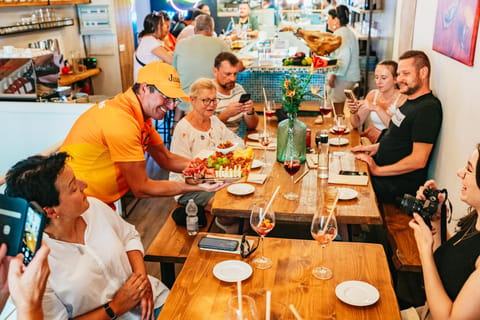
Guided tour · 3 hours
Taste the real Palma: a delicious mix of history, local life, and authentic Mallorcan food. Small groups, passionate guides, and flavors you’ll remember long after the...
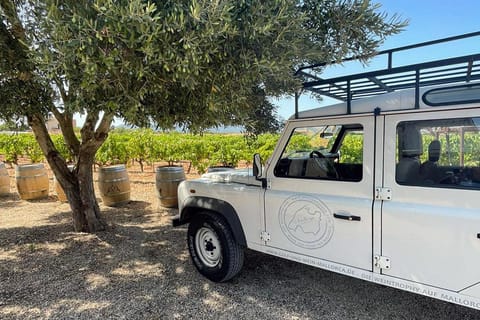
Guided tour · 2 hours
Travel with us to the vineyards and gain unique insights into renowned bodegas on Mallorca. Enjoy selected wines from the best winemakers, accompanied by typical Balea...

Guided tour · 3 hours
Immerse yourself in the culinary highlights of Palma and sample a selection of traditional tapas and pinchos. Admire the imposing cathedral and see both the Almudaina ...
Palma's signature dishes include Ensaïmada, Pa amb oli, Sobrassada, Tumbet, Frit mallorquí. See our signature dishes chapter for where to eat each.