Signature dishes
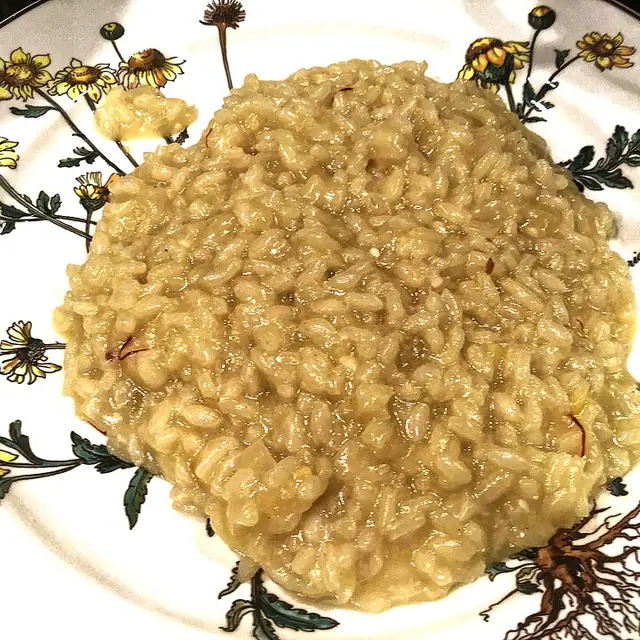
Risotto alla milanese is Milan's defining rice dish: carnaroli or vialone nano cooked in beef brodo with butter, white wine and saffron threads that stain the grain a deep gold. Bone marrow is the canonical fat.
Where: Trattoria Masuelli San Marco, Trattoria del Nuovo Macello, Ratana, Giannino, Cracco
Price: €16-€26
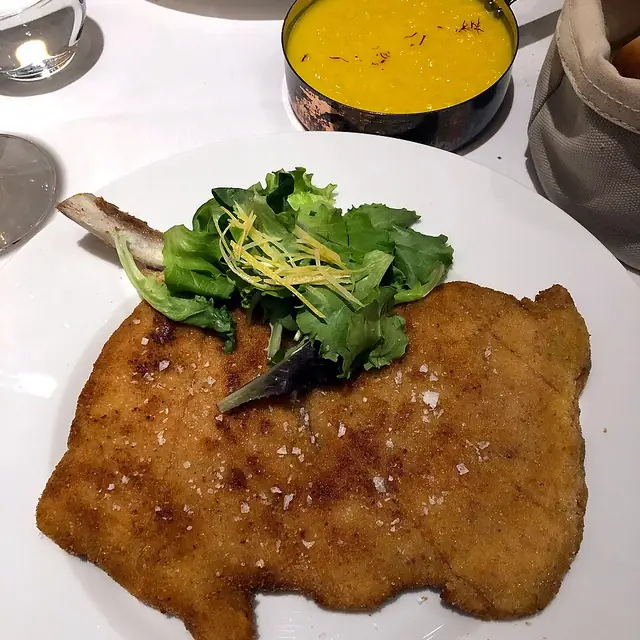
Cotoletta alla milanese is Milan's defining veal dish: a bone-in veal rib chop, pounded thin, breaded in egg and breadcrumb, and deep-fried in clarified butter to a golden crust.
Where: Trattoria Masuelli San Marco, Da Giacomo, Trattoria del Nuovo Macello, Giannino, Savini
Price: €22-€34
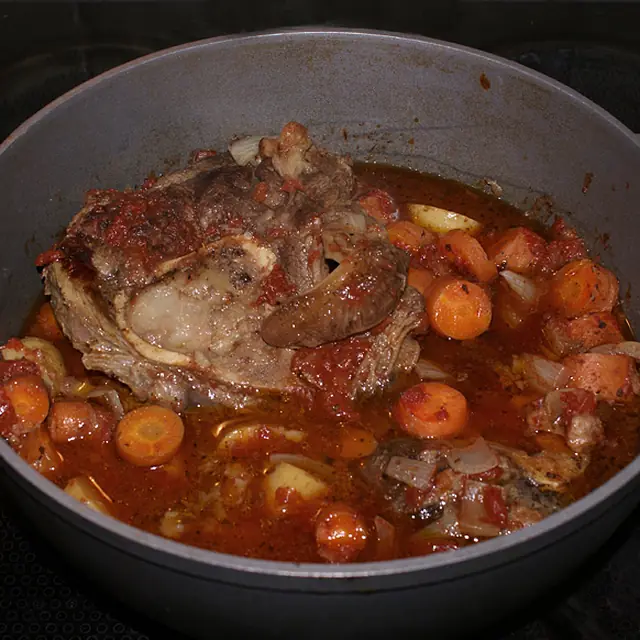
Ossobuco alla milanese is Milan's slow-braised veal shank, cut crosswise to keep the marrow in the bone, stewed in white wine with vegetables and finished with a lemon-garlic-parsley gremolata.
Where: Trattoria Masuelli San Marco, Trattoria del Nuovo Macello, Ratana, Giannino, Savini
Price: €24-€36
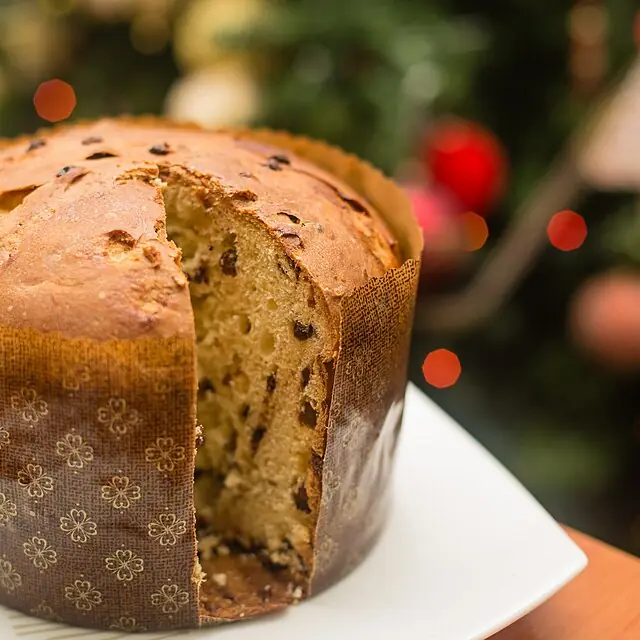
Panettone is Milan's tall sourdough Christmas cake: a slow-fermented enriched dough with butter, eggs, candied orange and citron, and raisins, baked in a cylindrical paper mould and hung upside down to cool so the crumb
Where: Marchesi 1824, Pasticceria Cova, Pave, Davide Longoni Pane, Princi
Price: €40-€90 per 1kg loaf at pasticcerie, €15-€25 supermarket
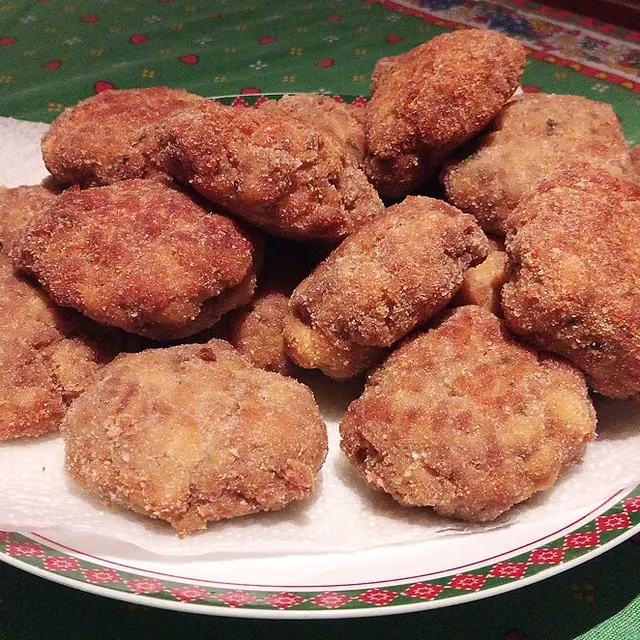
Mondeghili are Milan's leftover-Sunday-roast meatballs: minced beef, raw egg, parmigiano, bread soaked in milk, lemon zest and parsley, formed into small spheres, breaded and pan-fried in butter.
Where: Trattoria Masuelli San Marco, Trattoria del Nuovo Macello, Ratana, Trippa, Da Giacomo
Price: €10-€16 per portion
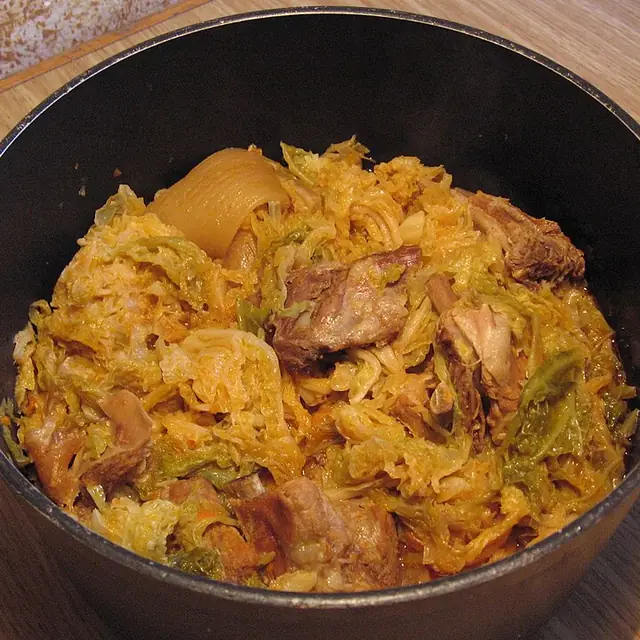
Cassoeula is Milan's winter braise: pork ribs, sausage and odd cuts (cotenna, foot) slow-cooked with savoy cabbage, onion, carrot and celery for three hours. The defining Lombard Sunday lunch of the cold months.
Where: Trattoria Masuelli San Marco, Trattoria del Nuovo Macello, Ratana, Antica Trattoria della Pesa, Trippa
Price: €18-€26
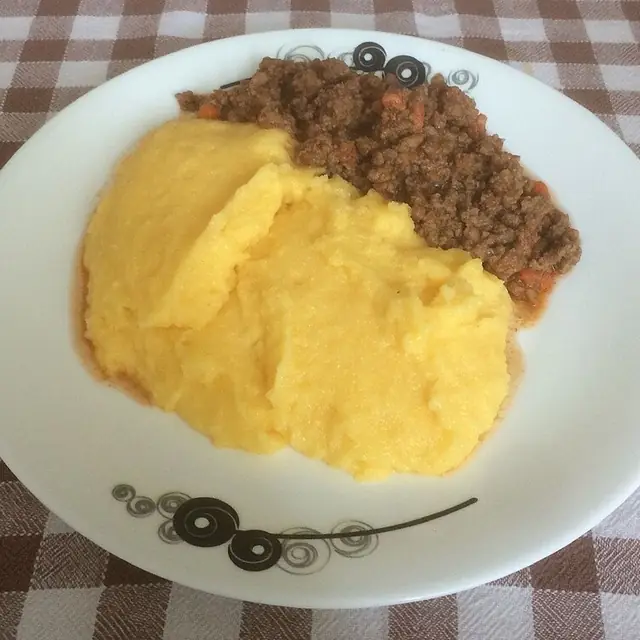
Polenta e bruscitti is the Lombard slow-braised beef stew: chunks of beef shoulder cooked with red wine, butter and fennel seed for three hours until falling-tender, served on a wide raft of corn polenta.
Where: Trattoria Masuelli San Marco, Trattoria del Nuovo Macello, Antica Trattoria della Pesa, Ratana, Giannino
Price: €18-€24
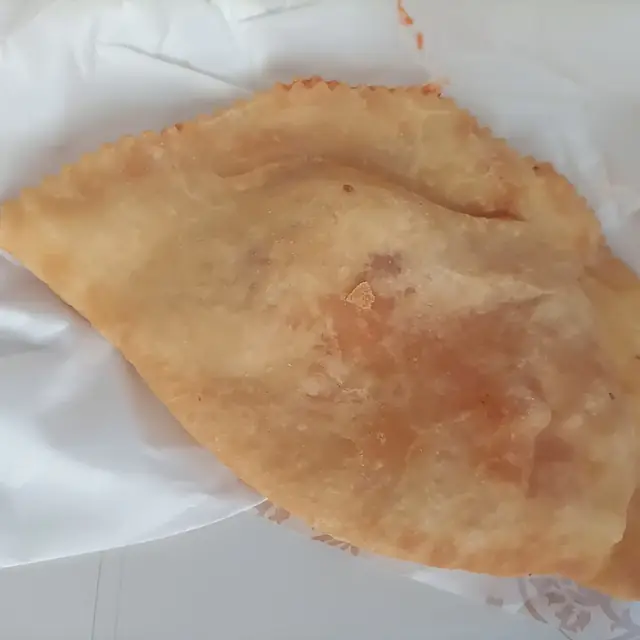
The panzerotto (technically Pugliese, but adopted by Milan since 1949) is a fried half-moon dough pocket stuffed with tomato and mozzarella. Luini's by the Duomo set the city standard with cash-only counter sales since 1
Where: Luini, Princi, Pizzeria Spontini, De Santis Paninoteca, Mercato Centrale Milano
Price: €3.50-€5
Risotto al salto is Milan's pan-fried risotto cake: leftover risotto giallo pressed into a thin disc and fried in butter until a golden crust forms on both sides. The classical Milanese Monday lunch.
Where: Trattoria Masuelli San Marco, Trattoria del Nuovo Macello, Antica Trattoria della Pesa, Ratana, Da Giacomo
Price: €14-€20
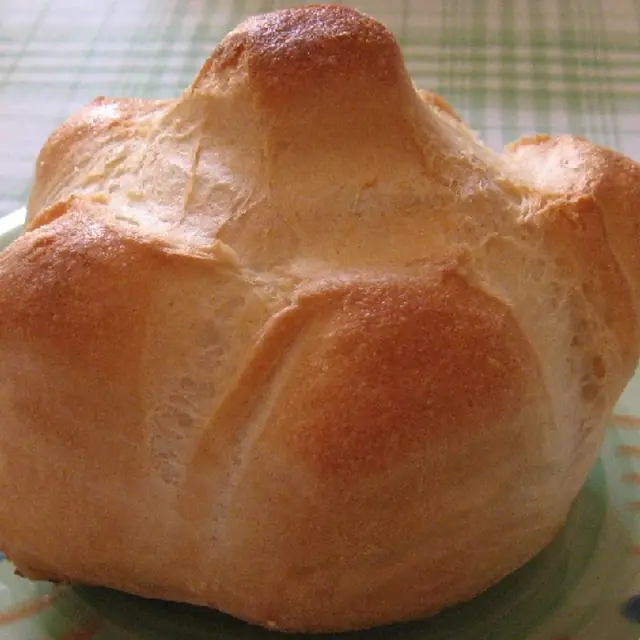
The michetta is Milan's signature daily bread: a hollow rosette-shaped roll with crisp shell and almost no crumb, baked every morning for sandwich filling and the city's most landmark counter bread.
Where: Davide Longoni Pane, Princi, Marchesi 1824, Pave, Mercato Comunale Wagner
Price: €0.50-€1 each
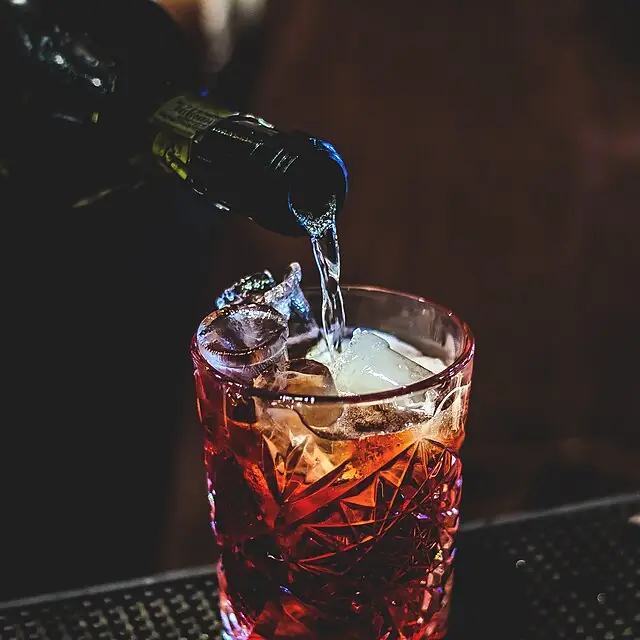
The Milan-invented 'wrong negroni': Campari, sweet vermouth and Prosecco (in place of gin) over ice with an orange slice. Lighter, brighter, lower-alcohol than the classic, born by accident at Bar Basso in 1972.
Where: Camparino in Galleria, Contraste, Ceresio 7
Price: €10-16
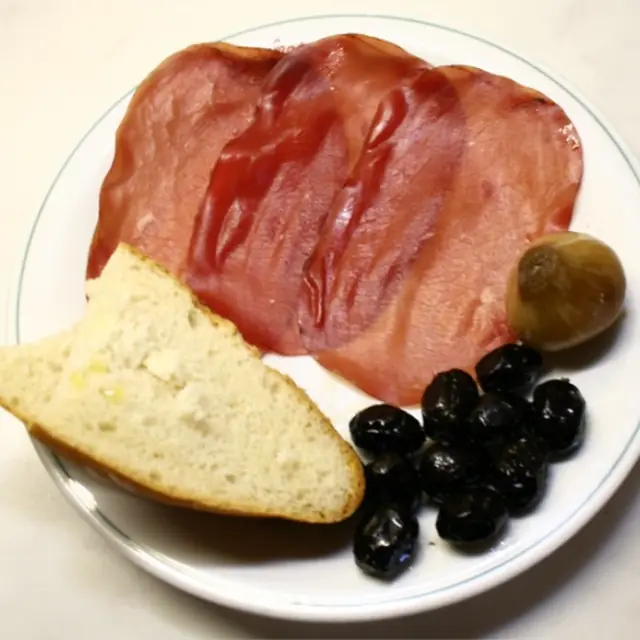
Lean beef topside or eye-of-round dry-cured with salt, pepper, juniper and bay, aged 2 to 3 months in the cold Alpine air of the Valtellina valley above Milan. Sliced paper-thin and dressed with olive oil and rocket.
Where: Trippa, Antica Trattoria della Pesa, Boeucc
Price: €14-22
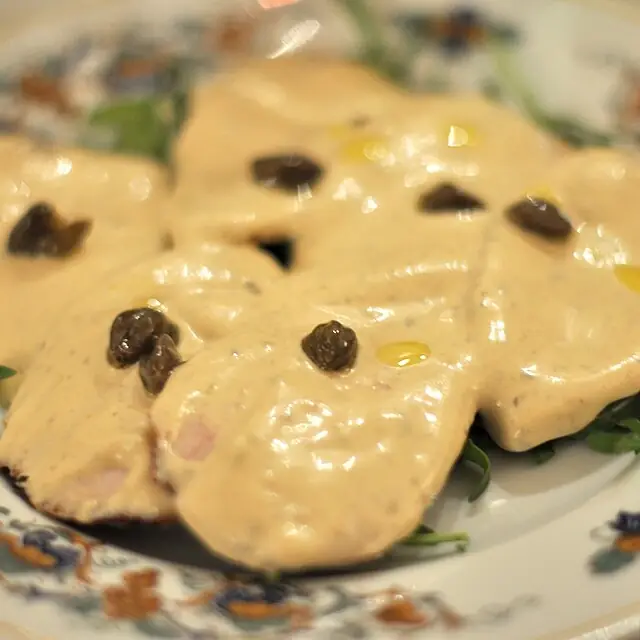
Vitello tonnato is paper-thin cold poached veal blanketed in a creamy tuna-and-caper emulsion. A Piedmontese cold antipasto adopted by Milan and reset by its 21st-century trattorias.
Where: Trippa, Antica Trattoria della Pesa, Boeucc, Trattoria Masuelli San Marco
Price: €16-€26
The Milanese aperitivo is the 18:00 ritual of a Campari spritz or Negroni with a tray of small bites (olives, focaccia, salumi, panzerotti) included with the price of the drink. The city's signature social institution.
Where: Camparino in Galleria, Ugo, Nottingham Forest, Bar Gattullo
Price: €10-€18
Risotto alla milanese
Risotto alla milanese is Milan's defining rice dish: carnaroli or vialone nano cooked in beef brodo with butter, white wine and saffron threads that stain the grain a deep gold. Bone marrow is the canonical fat.
History: The risotto giallo or risotto alla milanese is first recorded in a 1574 Milanese marriage banquet and codified in print by Felice Luraschi's Nuovo cuoco milanese economico in 1829. The legend, retold by Pellegrino Artusi in 1891, credits a Belgian glassmaker working on the Duomo's stained windows who tinted a colleague's rice with saffron at his wedding feast. The dish anchors the city's old Lombard cucina, served on its own or under a sliced ossobuco as the canonical riso e oss buss. Trattoria Masuelli San Marco, Trattoria del Nuovo Macello, Ratana and Giannino all pour canonical versions; Cracco serves a fine-dining version with bone marrow shavings.
Where to try it: Trattoria Masuelli San Marco, Trattoria del Nuovo Macello, Ratana, Giannino, Cracco
Watch out for: Dairy
Cotoletta alla milanese
Cotoletta alla milanese is Milan's defining veal dish: a bone-in veal rib chop, pounded thin, breaded in egg and breadcrumb, and deep-fried in clarified butter to a golden crust.
History: The cotoletta alla milanese is first recorded in 1134 in a Sant'Ambrogio cathedral banquet manuscript as lumbolos cum panicio, and codified in modern form by Felice Luraschi in 1829. The famed Austro-Hungarian Wiener Schnitzel theory (Marshal Radetzky took the recipe to Vienna in 1857) is now contested; the Milanese version uses bone-in veal, the Viennese boneless. The bone-in 'orecchio di elefante' shape (the elephant ear) is the modern canonical form, pounded thin and the size of the plate. Trattoria Masuelli San Marco, Da Giacomo and Trattoria della Trebbia serve canonical versions; Cracco's modern version uses high-temperature clarified butter at the precise drop point.
Where to try it: Trattoria Masuelli San Marco, Da Giacomo, Trattoria del Nuovo Macello, Giannino, Savini
Watch out for: Gluten, Egg, Dairy
Ossobuco alla milanese
Ossobuco alla milanese is Milan's slow-braised veal shank, cut crosswise to keep the marrow in the bone, stewed in white wine with vegetables and finished with a lemon-garlic-parsley gremolata.
History: The ossobuco (literally 'bone with a hole') is first recorded in 19th-century Milanese trattoria menus as a working-quarter dish that made use of the cheaper veal shank cut. The Pellegrino Artusi 1891 codification calls for tomato in the sauce; the older purist version uses only white wine and brodo. The dish is served on its own or atop a saffron risotto giallo as the canonical riso e oss buss. The gremolata (the lemon zest, garlic and parsley raw garnish at the finish) is the dish's defining note. Trattoria Masuelli San Marco, Ratana, Trattoria del Nuovo Macello and Giannino all serve canonical versions; the marrow on toast is the bonus snack.
Where to try it: Trattoria Masuelli San Marco, Trattoria del Nuovo Macello, Ratana, Giannino, Savini
Panettone
Panettone is Milan's tall sourdough Christmas cake: a slow-fermented enriched dough with butter, eggs, candied orange and citron, and raisins, baked in a cylindrical paper mould and hung upside down to cool so the crumb
History: The panettone took shape in 15th-century Milan and the modern industrial form was codified by Angelo Motta in 1919, who introduced the tall cylinder shape and the long natural-yeast fermentation. Gioacchino Alemagna built the rival Milan brand in 1925; both were merged into Nestle in the 1970s. The artisan revival of the 1990s onward, led by Iginio Massari and Davide Longoni, returned the panettone to 48-hour natural-yeast leavens and small-batch baking. Marchesi 1824, Pasticceria Cova, Olivieri 1882 and Pave all bake canonical Christmas versions; a 1kg pasticceria panettone runs 40 to 80 euros, an industrial supermarket loaf 15 to 25.
Where to try it: Marchesi 1824, Pasticceria Cova, Pave, Davide Longoni Pane, Princi
Watch out for: Gluten, Egg, Dairy
Mondeghili
Mondeghili are Milan's leftover-Sunday-roast meatballs: minced beef, raw egg, parmigiano, bread soaked in milk, lemon zest and parsley, formed into small spheres, breaded and pan-fried in butter.
History: The mondeghili (from the Arabic-Catalan albondiga) are Milan's pre-industrial frugal-cucina dish, recorded in 18th-century Milanese kitchen manuscripts. The dish is the canonical use-up of Sunday's bollito misto leftovers: minced cold beef with stale bread soaked in milk, raw egg, grated parmigiano, a grind of nutmeg and the lemon-parsley garnish that ties to ossobuco's gremolata. The pan-fry in butter (never deep-fried) is the Milanese tell. Da Giacomo, Trattoria Masuelli San Marco and Ratana serve modernised versions; the Mercato Centrale stalls run a 5-euro panino di mondeghili at lunch.
Where to try it: Trattoria Masuelli San Marco, Trattoria del Nuovo Macello, Ratana, Trippa, Da Giacomo
Watch out for: Gluten, Egg, Dairy
Cassoeula
Cassoeula is Milan's winter braise: pork ribs, sausage and odd cuts (cotenna, foot) slow-cooked with savoy cabbage, onion, carrot and celery for three hours. The defining Lombard Sunday lunch of the cold months.
History: The cassoeula is first recorded in 16th-century Lombard farming manuscripts as a peasant November-to-February dish using the parts of the pig left after the main butchery: ribs, sausages, rind (cotenna), foot, ear. The slow braise with savoy cabbage (verza) is the canonical Milanese form, distinct from the Spanish ancestor cassola the dish takes its name from. The dish is served only between November (after the first frost, which sweetens the cabbage) and February. Trattoria Masuelli San Marco, Antica Trattoria della Pesa and Trattoria del Nuovo Macello serve canonical versions; Ratana modernises it with house-made luganega.
Where to try it: Trattoria Masuelli San Marco, Trattoria del Nuovo Macello, Ratana, Antica Trattoria della Pesa, Trippa
Polenta e bruscitti
Polenta e bruscitti is the Lombard slow-braised beef stew: chunks of beef shoulder cooked with red wine, butter and fennel seed for three hours until falling-tender, served on a wide raft of corn polenta.
History: The bruscitti (literally 'small fragments') of the Busto Arsizio plain north-west of Milan are first recorded in the 1860s as a Sunday dish for the Lombard farming households. The slow braise with butter, red wine and a fennel-seed-and-rosemary aromatic profile is the canonical Northern Lombard preparation. The polenta on the side is the rule, soft polenta in modern restaurants, hard polenta sliced for the classical Lombard farmstead style. Trattoria Masuelli San Marco and Antica Trattoria della Pesa serve canonical versions of the dish in central Milan; Ratana cooks a modernised version with house-pulled polenta.
Where to try it: Trattoria Masuelli San Marco, Trattoria del Nuovo Macello, Antica Trattoria della Pesa, Ratana, Giannino
Watch out for: Dairy
Panzerotto
The panzerotto (technically Pugliese, but adopted by Milan since 1949) is a fried half-moon dough pocket stuffed with tomato and mozzarella. Luini's by the Duomo set the city standard with cash-only counter sales since 1
History: The panzerotto is the Pugliese street snack adopted by Milan when the Luini family opened their counter on Via Santa Radegonda steps from the Duomo in 1949. The half-moon dough pocket, stuffed with tomato sugo and fior di latte mozzarella, deep-fried for two minutes in seed oil, is now the canonical Milan lunch-on-the-feet for under 5 euros. Luini sells more than 4,000 panzerotti a day at the counter; Forno e Pasticceria Princi runs a competing version at Via Speronari. The dough is a soft pizza-bianca lievitato that puffs and crisps in the fryer.
Where to try it: Luini, Princi, Pizzeria Spontini, De Santis Paninoteca, Mercato Centrale Milano
Watch out for: Gluten, Dairy
Risotto al salto
Risotto al salto is Milan's pan-fried risotto cake: leftover risotto giallo pressed into a thin disc and fried in butter until a golden crust forms on both sides. The classical Milanese Monday lunch.
History: Risotto al salto (literally 'risotto with a flip') is the canonical use-up dish for yesterday's risotto giallo, codified in 19th-century Milanese kitchen manuscripts and Pellegrino Artusi's 1891 cookbook. The dish takes a portion of cold leftover risotto, presses it into a 1cm-thick disc in a hot pan with butter, and pan-fries it on both sides until a deep golden crust forms. The interior stays creamy. Trattoria Masuelli San Marco serves the canonical version with seasonal toppings (porcini in autumn, asparagus in spring); Ratana modernises it with a sous-vide reheat trick.
Where to try it: Trattoria Masuelli San Marco, Trattoria del Nuovo Macello, Antica Trattoria della Pesa, Ratana, Da Giacomo
Watch out for: Dairy
Michetta
The michetta is Milan's signature daily bread: a hollow rosette-shaped roll with crisp shell and almost no crumb, baked every morning for sandwich filling and the city's most landmark counter bread.
History: The michetta took shape in late-18th-century Habsburg Lombardy as a Milanese adaptation of the Austrian Kaisersemmel rosette, codified by the 1800s into the hollow-bodied form distinct from the Viennese ancestor. The five-pointed rosette score on top, the steam-fed oven and the high-hydration starter dough produce the canonical paper-thin crust and the almost-empty interior. The bread is sold by weight at every Milan forno and is the city's default sandwich vehicle. Davide Longoni, Princi and the Mercato Comunale Wagner bakers all bake canonical michette; supermarket versions exist but lack the wood-oven shell.
Where to try it: Davide Longoni Pane, Princi, Marchesi 1824, Pave, Mercato Comunale Wagner
Watch out for: Gluten
Negroni Sbagliato
The Milan-invented 'wrong negroni': Campari, sweet vermouth and Prosecco (in place of gin) over ice with an orange slice. Lighter, brighter, lower-alcohol than the classic, born by accident at Bar Basso in 1972.
History: The Negroni Sbagliato was invented at Bar Basso in Milan in 1972 by bartender Mirko Stocchetto, who reached for the wrong bottle and grabbed Prosecco instead of gin. The mistake became a Milan institution. Bar Basso still serves it from the original counter; Camparino in Galleria's Vittorio Emanuele II location, opened in 1915, pours the canonical city Campari aperitivo.
Where to try it: Camparino in Galleria, Contraste, Ceresio 7
Watch out for: Sulphites
Bresaola della Valtellina
Lean beef topside or eye-of-round dry-cured with salt, pepper, juniper and bay, aged 2 to 3 months in the cold Alpine air of the Valtellina valley above Milan. Sliced paper-thin and dressed with olive oil and rocket.
History: Bresaola has been produced in the Lombard Alpine valley of Valtellina since at least the 15th century, with PGI (IGP) status established in 1996. The cold, dry Alpine air at 600 to 900 m of elevation is the natural drying chamber. Milan's Salumeria del Corso, Peck and Eataly all run defensible bresaola counters; the sliced board with olive oil, lemon, rocket and shaved Grana is the city's classic aperitivo opener and a summer first course in fine dining.
Where to try it: Trippa, Antica Trattoria della Pesa, Boeucc
Watch out for: Dairy
Vitello tonnato
Vitello tonnato is paper-thin cold poached veal blanketed in a creamy tuna-and-caper emulsion. A Piedmontese cold antipasto adopted by Milan and reset by its 21st-century trattorias.
History: Vitello tonnato originated in 19th-century Piedmont, but Milan adopted it as an antipasto classic in the early 20th century and the city's modern trattorias gave it editorial sharpness. The 18th-century Pellegrino Artusi recipe used an anchovy-and-tuna mayonnaise; the modern Milanese version uses a thicker tuna-and-caper sauce poured over slices of cold poached veal. Trippa (Pietro Caroli, opened 2015 in Porta Romana) plates a famous version cited by Gambero Rosso and Identita Golose; Antica Trattoria della Pesa runs a heritage take; Boeucc (Milan's oldest restaurant, founded 1696) keeps the classical form on its antipasto carte.
Where to try it: Trippa, Antica Trattoria della Pesa, Boeucc, Trattoria Masuelli San Marco
Watch out for: Fish, Egg, Dairy
Aperitivo Milanese
The Milanese aperitivo is the 18:00 ritual of a Campari spritz or Negroni with a tray of small bites (olives, focaccia, salumi, panzerotti) included with the price of the drink. The city's signature social institution.
History: The aperitivo tradition was built in Milan around the Camparino bar (founded 1915 in the Galleria Vittorio Emanuele II, the city's marble shopping arcade), the original house bar of Campari, the bittersweet red aperitif invented in 1860 by Gaspare Campari in Novara. The bar-with-snacks model spread through the city in the postwar decades; by the 1980s it was the Milanese 6pm ritual. The modern aperitivo culture (a drink plus a tray of free small bites, around €10 to €15) is now an obligation rather than a luxury; the bars compete on the quality of the tray as much as the drink. Camparino remains the historical reference; modern bars like Ugo and Nottingham Forest run cocktail-driven takes.
Where to try it: Camparino in Galleria, Ugo, Nottingham Forest, Bar Gattullo
Watch out for: Gluten, Dairy, Egg