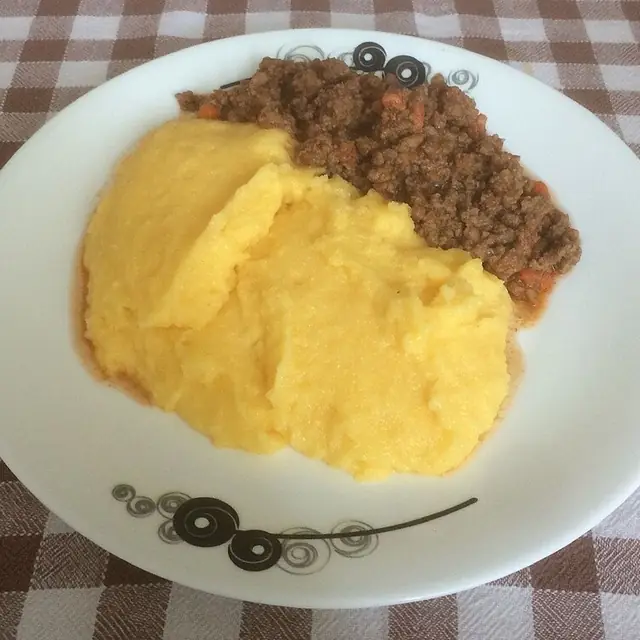
Polenta e bruscitti is the Lombard slow-braised beef stew: chunks of beef shoulder cooked with red wine, butter and fennel seed for three hours until falling-tender, served on a wide raft of corn polenta.
The bruscitti (literally 'small fragments') of the Busto Arsizio plain north-west of Milan are first recorded in the 1860s as a Sunday dish for the Lombard farming households. The slow braise with butter, red wine and a fennel-seed-and-rosemary aromatic profile is the canonical Northern Lombard preparation. The polenta on the side is the rule, soft polenta in modern restaurants, hard polenta sliced for the classical Lombard farmstead style. Trattoria Masuelli San Marco and Antica Trattoria della Pesa serve canonical versions of the dish in central Milan; Ratana cooks a modernised version with house-pulled polenta.
Trattoria del Nuovo Macello in Milan's south-east has cooked the Lombard trattoria canon since 1927, near the old slaughterhouse. Located in Porta Romana.
OrderThe risotto alla milanese, the cotoletta alla milanese with bone in, and the ossobuco when on the carte.
TipBookings open one month ahead on the website. Lunch is the calmer service; Friday evening fills up first.
Giannino in Milan since 1899 is the historic Lombard dining room near Stazione Centrale, the family-run kitchen that has fed Milan's industrial bourgeoisie.
OrderThe risotto alla milanese, the cotoletta alla milanese and the ossobuco con risotto plate.
TipBookings open by phone or website; lunch sittings 12:30 and 13:30. The marble-and-mahogany dining room is the destination.
Discover Milan’s Navigli district on a small-group food tour blending local culture, canals, and regional flavours. Enjoy a curated walking journey with multiple tasti...
Taste the soul of Milan in the Navigli district: creamy risotto, Sicilian arancina, Milanese pizza, pasticciotto, gelato, wine & prosecco. Topped off with our very own...
Cook with a Michelin-trained Chef in Milan and learn to make pasta, gnocchi, and tiramisù. Enjoy Prosecco and Italian wine, then share your creations in a fun, authent...

.jpg)