Signature dishes
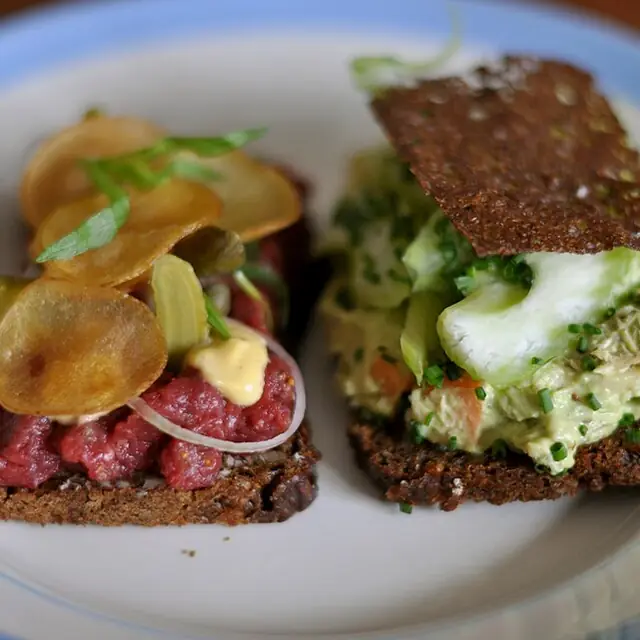
Smørrebrød is Denmark's open-faced rye sandwich: dense buttered rugbrød topped with marinated herring, leverpostej, roast beef or pickled fish, finished with dill and crisp onion.
Where: Schønnemann, Aamanns 1921, Selma, Restaurant Sankt Annæ
Price: DKK 65-145 per piece
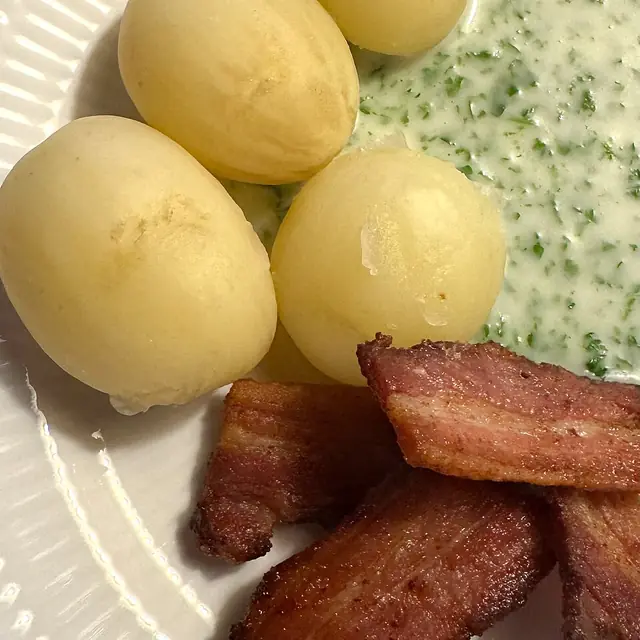
Stegt flæsk is fried pork belly slices, crisp at the edges, served with new potatoes and a thin parsley cream sauce. Denmark voted it the national dish in 2014.
Where: Schønnemann, Aamanns 1921, Restaurant Sankt Annæ
Price: DKK 145-225 per plate
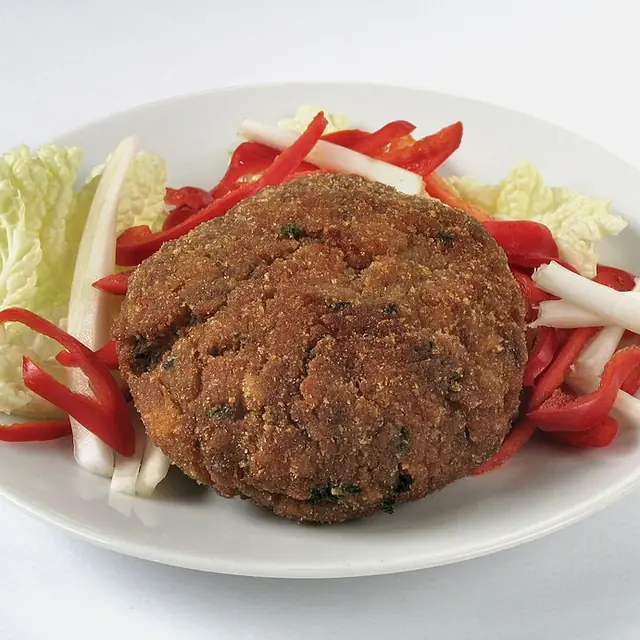
Frikadeller are flat Danish pork meatballs, pan-fried in butter and served with red cabbage, brown gravy and boiled potatoes. The everyday Danish dinner across every generation.
Where: Schønnemann, Aamanns 1921, Restaurant Sankt Annæ, Café Wilder
Price: DKK 145-195 per plate
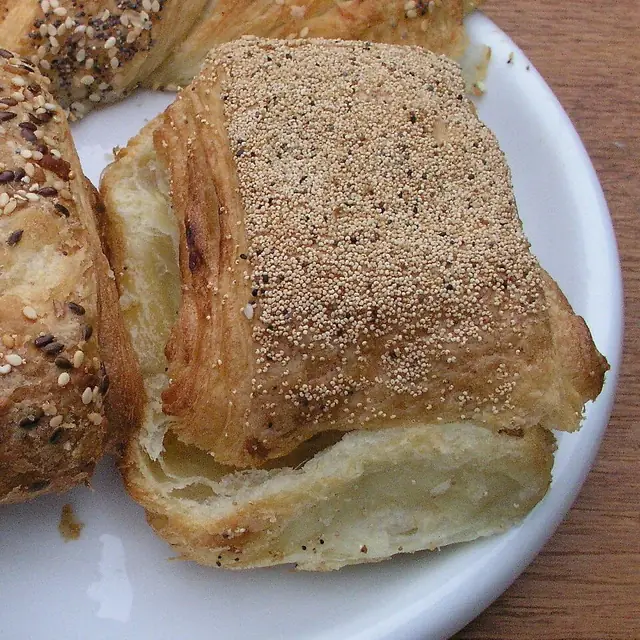
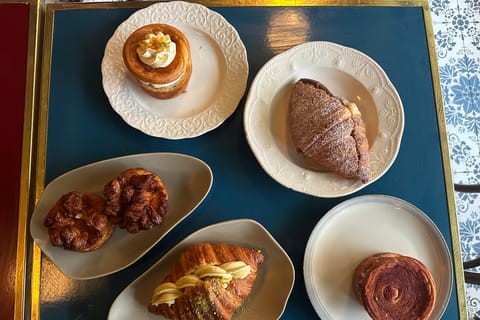
Tebirkes is the Copenhagen morning pastry: a square of laminated yeast dough wrapped around marzipan or remonce, topped with poppy seeds, baked until shattering and tender.
Where: Hart Bageri, Juno the Bakery, Andersen & Maillard, Sankt Peders Bageri
Price: DKK 25-45 each
Kanelsnegl is the Danish cinnamon snail: a coiled bun of laminated dough swirled with butter, sugar and cinnamon, baked dark and glazed with a thin sugar syrup.
Where: Sankt Peders Bageri, Juno the Bakery, Hart Bageri, Andersen & Maillard
Price: DKK 30-55 each
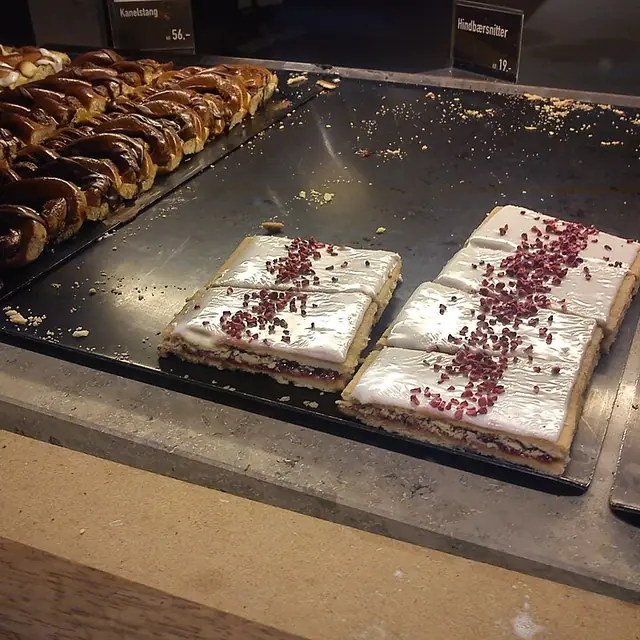
Hindbærsnitter is the Danish raspberry slice: two thin layers of shortcrust pastry sandwiched with raspberry jam, finished with pink fondant icing and rainbow nonpareils.
Where: Sankt Peders Bageri, Hart Bageri, Juno the Bakery
Price: DKK 25-45 each
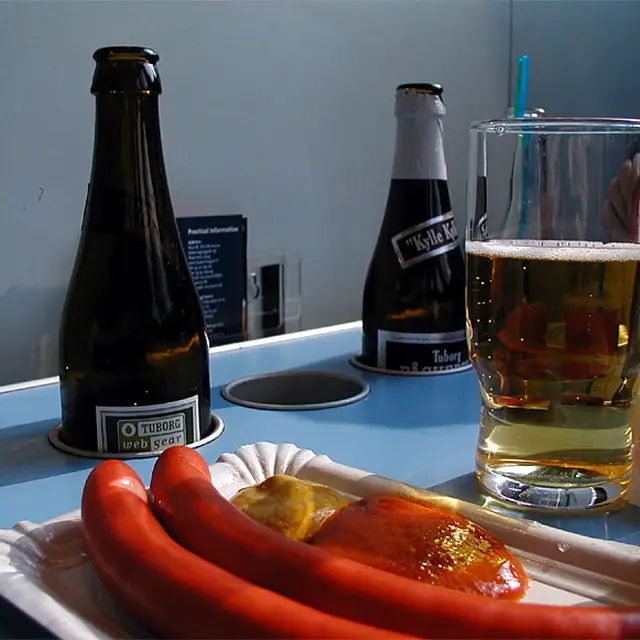
Pølse is the Danish hot dog: a red-skinned wienerpølse in a bun with remoulade, ketchup, fried and raw onion, and pickled cucumber strips. The street food of every neighbourhood.
Where: DØP (Den Økologiske Pølsemand), John's Hotdog Deli
Price: DKK 35-65 each
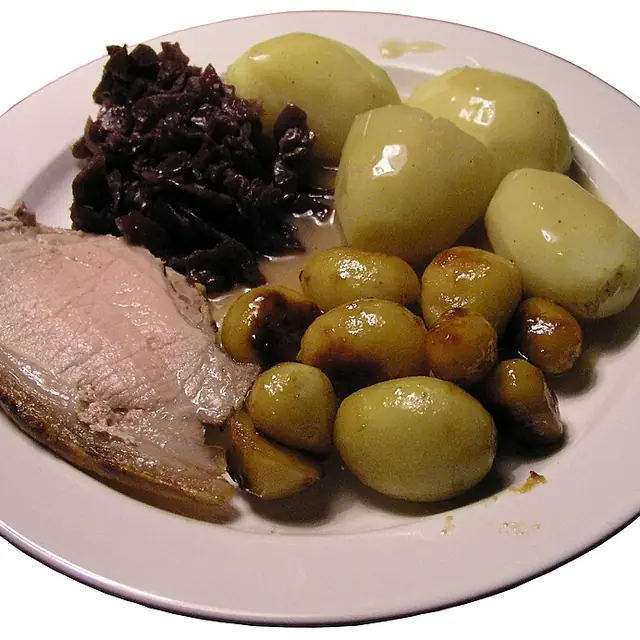
Flæskesteg is roast pork belly with shattering crackling, juniper-rubbed, served with sweet pickled red cabbage and boiled potatoes in brown gravy. Denmark's Christmas centrepiece.
Where: Schønnemann, Aamanns 1921, Restaurant Sankt Annæ
Price: DKK 175-265 per plate
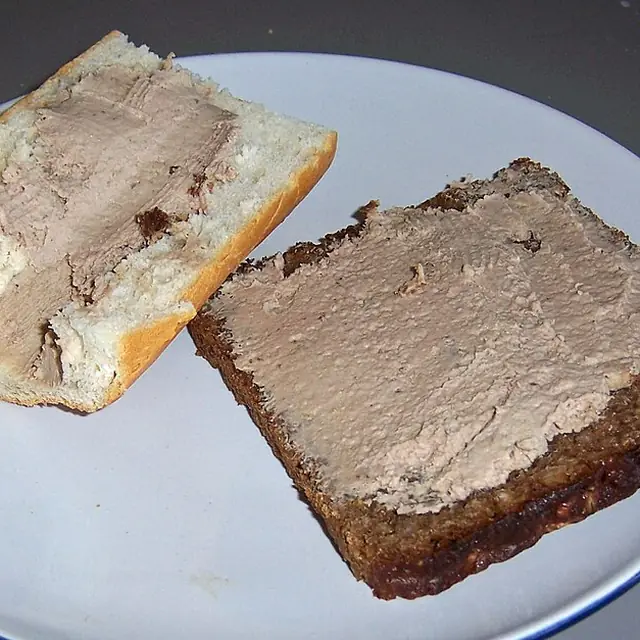
Danish dense dark rye bread made from coarse rye flour, cracked rye kernels and a long sourdough fermentation. The foundation of every smørrebrød and the staple loaf of every Danish home.
Where: Hart Bageri, Juno the Bakery, Andersen Bakery, Schønnemann
Price: $45-90 DKK per loaf
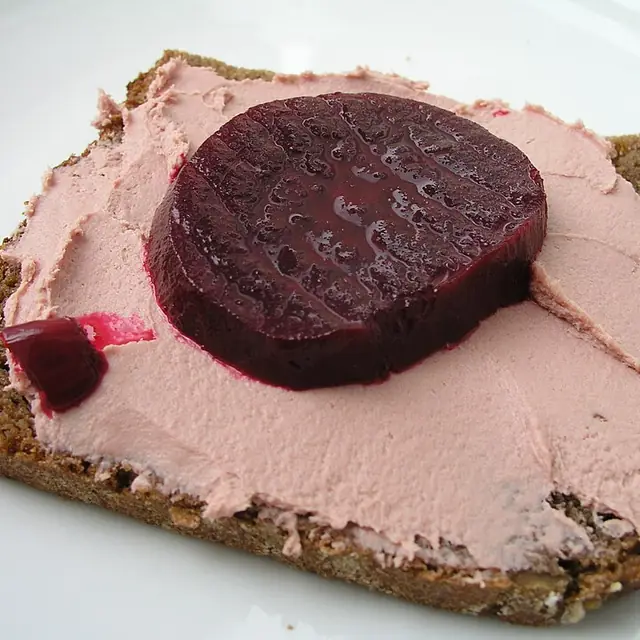
Danish pork liver pate baked in a tin, served warm on rugbrød with crisp bacon, sauteed mushrooms and pickled beetroot. The lunch-table mainstay of every Danish household.
Where: Schønnemann, Aamanns 1921, Restaurant Sankt Annæ, Mad & Kaffe
Price: $60-110 DKK as smørrebrød
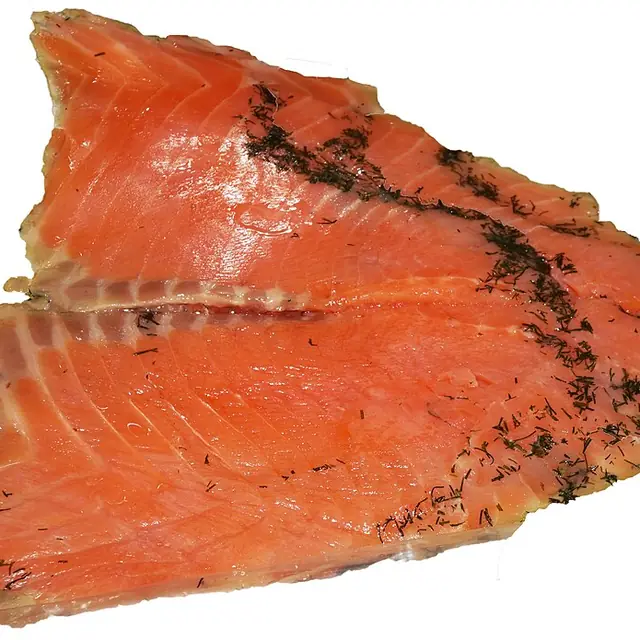
Scandinavian salt-and-sugar cured raw salmon, flavoured with dill and white pepper, sliced thin and served with mustard-dill sauce on rye bread. A Christmas table staple turned year-round smørrebrød classic.
Where: Schønnemann, Aamanns 1921, Torvehallerne (fishmonger row), Restaurant Sankt Annæ
Price: $80-160 DKK as smørrebrød
Danish pastry: laminated yeasted dough rolled out with butter, shaped into spandauer, kanelstang or kringle, filled with custard, marzipan or remonce and baked until shattering crisp.
Where: Hart Bageri, Juno the Bakery, Sankt Peders Bageri, Andersen Bakery
Price: $30-65 DKK per pastry
Kardemommesnurre is a coiled Nordic bun: enriched butter dough rolled with crushed cardamom-and-butter filling, twisted into a knot, brushed with egg and baked to a deep mahogany.
Where: Juno the Bakery, Hart Bageri, Andersen & Maillard
Price: DKK 38-48
Sild is Danish pickled herring served at lunch: cured fillets in vinegar brine, plated with red onion, capers, dill and dense rugbrød. Anchors the lunchtime smørrebrød frokost.
Where: Schønnemann, Aamanns 1921, Restaurant Barr
Price: DKK 75-145
Smørrebrød
Smørrebrød is Denmark's open-faced rye sandwich: dense buttered rugbrød topped with marinated herring, leverpostej, roast beef or pickled fish, finished with dill and crisp onion.
History: Smørrebrød grew out of 19th-century working lunches in Copenhagen and was codified as a restaurant dish at Schønnemann from 1877 and Davidsen from 1888. Modern editorial-quality versions arrived in the 1980s and 1990s with restaurants like Ida Davidsen on Store Kongensgade; the 2010s renaissance was led by Adam Aamann at Aamanns 1921 and Magnus Pettersson at Selma, who pulled the form into the Bib Gourmand category.
Where to try it: Schønnemann, Aamanns 1921, Selma, Restaurant Sankt Annæ
Watch out for: Gluten, Fish, Dairy
Stegt flæsk med persillesovs
Stegt flæsk is fried pork belly slices, crisp at the edges, served with new potatoes and a thin parsley cream sauce. Denmark voted it the national dish in 2014.
History: Stegt flæsk traces to 17th-century Danish farmhouses, where pork belly was the everyday cured-and-fried staple for evening dinner. The dish moved into restaurant menus in the 1880s, especially at smørrebrød-adjacent rooms like Restaurant Sankt Annæ. Today most lunch counters serve a single-piece version on rye for under DKK 145; the canonical full plate sits at Schønnemann and Aamanns 1921.
Where to try it: Schønnemann, Aamanns 1921, Restaurant Sankt Annæ
Watch out for: Dairy
Frikadeller
Frikadeller are flat Danish pork meatballs, pan-fried in butter and served with red cabbage, brown gravy and boiled potatoes. The everyday Danish dinner across every generation.
History: Frikadeller appeared in Danish home cooking by the late 18th century, with the modern restaurant version stabilising at Copenhagen's smørrebrød-adjacent kitchens through the 1900s. The dish travels well as a smørrebrød topping (cold frikadeller on rye with pickled red cabbage) and as a hot main with potatoes and gravy.
Where to try it: Schønnemann, Aamanns 1921, Restaurant Sankt Annæ, Café Wilder
Watch out for: Gluten, Dairy, Egg
Tebirkes
Tebirkes is the Copenhagen morning pastry: a square of laminated yeast dough wrapped around marzipan or remonce, topped with poppy seeds, baked until shattering and tender.
History: Tebirkes evolved out of 19th-century Danish viennoiserie traditions and was codified by Copenhagen bakery chains through the 20th century. The modern resurgence runs through Hart Bageri (Richard Hart, formerly Tartine) and Juno the Bakery (Emil Glaser, formerly noma), with Andersen & Maillard putting a roastery flat white alongside.
Where to try it: Hart Bageri, Juno the Bakery, Andersen & Maillard, Sankt Peders Bageri
Watch out for: Gluten, Dairy, Egg
Kanelsnegl
Kanelsnegl is the Danish cinnamon snail: a coiled bun of laminated dough swirled with butter, sugar and cinnamon, baked dark and glazed with a thin sugar syrup.
History: Kanelsnegl became a Copenhagen staple in the 20th century at neighbourhood bakeries; Sankt Peders Bageri codified the supersized Wednesday version, the onsdagssnegl, in 1988 and now sells around 4,000 a week. The modern viennoiserie wave has put Juno the Bakery's cardamom-leaning version alongside as the city's reference rolls.
Where to try it: Sankt Peders Bageri, Juno the Bakery, Hart Bageri, Andersen & Maillard
Watch out for: Gluten, Dairy, Egg
Hindbærsnitter
Hindbærsnitter is the Danish raspberry slice: two thin layers of shortcrust pastry sandwiched with raspberry jam, finished with pink fondant icing and rainbow nonpareils.
History: Hindbærsnitter date from late-19th-century Copenhagen pastry shops and have become a fixture of Danish childhood birthday tables. The everyday format runs at every Bager in the city; ambitious versions appear at Hart Bageri and Juno the Bakery with house-made raspberry jam from Danish summer fruit. The pink fondant top and rainbow nonpareils are the canonical finish, unchanged since the format codified in the inter-war Danish bakery boom.
Where to try it: Sankt Peders Bageri, Hart Bageri, Juno the Bakery
Watch out for: Gluten, Dairy, Egg
Pølse (Danish hot dog)
Pølse is the Danish hot dog: a red-skinned wienerpølse in a bun with remoulade, ketchup, fried and raw onion, and pickled cucumber strips. The street food of every neighbourhood.
History: The Danish pølsevogn (sausage wagon) appeared on Copenhagen streets in 1921 and remains a city institution after a century of continuous operation. The modern organic version dates from DØP's 2009 launch on Købmagergade by the Round Tower; the classic ristet (toasted) version still anchors counters like John's Hotdog Deli outside Central Station. The full toppings stack of remoulade, ketchup, fried onion, raw onion and pickled cucumber is the canonical 'ristet hotdog med det hele' order.
Where to try it: DØP (Den Økologiske Pølsemand), John's Hotdog Deli
Watch out for: Gluten, Egg, Mustard
Flæskesteg med rødkål
Flæskesteg is roast pork belly with shattering crackling, juniper-rubbed, served with sweet pickled red cabbage and boiled potatoes in brown gravy. Denmark's Christmas centrepiece.
History: Flæskesteg has anchored Danish Christmas meals since at least the 19th century and runs as a year-round Sunday roast in Danish homes. Copenhagen's smørrebrød rooms serve a cold version on rye with red cabbage every December and through January; the canonical hot plate is at Schønnemann and Aamanns 1921.
Where to try it: Schønnemann, Aamanns 1921, Restaurant Sankt Annæ
Watch out for: Gluten, Dairy
Rugbrød
Danish dense dark rye bread made from coarse rye flour, cracked rye kernels and a long sourdough fermentation. The foundation of every smørrebrød and the staple loaf of every Danish home.
History: Rugbrød is the Danish national bread, distinguished from other northern European rye loaves by its dense, almost cake-like texture and its long sourdough fermentation. The bread has been on Danish tables since the medieval period when rye replaced wheat as the affordable grain. Hart Bageri, Andersen Bakery and Juno the Bakery all produce the canonical Copenhagen sourdough rugbrød daily; supermarkets carry industrial versions but the bakery sourdough is the proper article.
Where to try it: Hart Bageri, Juno the Bakery, Andersen Bakery, Schønnemann
Watch out for: Gluten
Leverpostej
Danish pork liver pate baked in a tin, served warm on rugbrød with crisp bacon, sauteed mushrooms and pickled beetroot. The lunch-table mainstay of every Danish household.
History: Leverpostej is the Danish baked liver pate, traceable to 19th-century kitchens when pork liver was a staple offcut from the family pig. The pate is baked in a water bath and served warm on rye bread with bacon and pickled beets, the canonical pålæg (open-sandwich topping) of every Danish lunchbox. Schønnemann plates the smørrebrød reference version with crisp bacon and mushrooms; supermarket leverpostej tins are universal household stock.
Where to try it: Schønnemann, Aamanns 1921, Restaurant Sankt Annæ, Mad & Kaffe
Watch out for: Gluten, Dairy, Egg
Gravad laks
Scandinavian salt-and-sugar cured raw salmon, flavoured with dill and white pepper, sliced thin and served with mustard-dill sauce on rye bread. A Christmas table staple turned year-round smørrebrød classic.
History: Gravad laks (literally 'buried salmon') is the medieval Scandinavian preservation technique of curing salmon under salt and sugar in the ground, with the modern Danish version dating to the 19th century when sugar became widely available. The Christmas julefrokost table without gravlax is incomplete in Denmark. Schønnemann and Aamanns 1921 plate the canonical smørrebrød with mustard-dill sauce; Torvehallerne fishmongers cure their own daily.
Where to try it: Schønnemann, Aamanns 1921, Torvehallerne (fishmonger row), Restaurant Sankt Annæ
Watch out for: Fish, Mustard
Wienerbrød
Danish pastry: laminated yeasted dough rolled out with butter, shaped into spandauer, kanelstang or kringle, filled with custard, marzipan or remonce and baked until shattering crisp.
History: Wienerbrød (literally 'Viennese bread') is the Danish name for what the world calls Danish pastry, a misnomer reflecting that the technique arrived in Copenhagen with Austrian bakers brought in to replace striking Danish workers in 1850. The Danish bakers learned and elevated the lamination technique into the local pastry tradition. Hart Bageri, Juno the Bakery and Sankt Peders Bageri produce the canonical Copenhagen wienerbrød daily; the kanelstang at Sankt Peders Bageri is the city's reference cinnamon-bun-style version.
Where to try it: Hart Bageri, Juno the Bakery, Sankt Peders Bageri, Andersen Bakery
Watch out for: Gluten, Dairy, Egg
Kardemommesnurre (cardamom bun)
Kardemommesnurre is a coiled Nordic bun: enriched butter dough rolled with crushed cardamom-and-butter filling, twisted into a knot, brushed with egg and baked to a deep mahogany.
History: Cardamom buns took hold in Danish bakeries in the 19th century via the trade routes that brought Indian cardamom to Scandinavia through the Danish East India Company. The modern revival is owed to Emil Glaser at Juno the Bakery (opened 2017 in Østerbro), whose intensely cardamom-perfumed knot bun became a Copenhagen ritual queue and reset the city's expectations. Hart Bageri (Richard Hart, mentored by Tartine's Chad Robertson) joined the wave from 2018 with a darker-baked version. Andersen & Maillard runs an espresso-paired version at their Nørrebro and Nordhavn counters.
Where to try it: Juno the Bakery, Hart Bageri, Andersen & Maillard
Watch out for: Gluten, Dairy, Egg
Sild (pickled herring)
Sild is Danish pickled herring served at lunch: cured fillets in vinegar brine, plated with red onion, capers, dill and dense rugbrød. Anchors the lunchtime smørrebrød frokost.
History: Pickled herring has been the keystone of Danish coastal cuisine since the Middle Ages, when the Baltic herring trade financed Copenhagen's medieval economy. Sild moved from preservation necessity to lunchtime ritual through the 17th and 18th centuries; the Christmas lunch (julefrokost) cannot start without a herring plate. Modern Copenhagen restaurants run multiple cures from a single kitchen: classic curry-cured, mustard-dill, sherry, and the spiced karrysild. Schønnemann (founded 1877) plates eight to twelve versions on its herring page; Aamanns 1921 runs a refined modern version; Restaurant Barr's Noma alumni include cured herring on the open-sandwich-and-snack carte.
Where to try it: Schønnemann, Aamanns 1921, Restaurant Barr
Watch out for: Fish, Gluten, Mustard, Egg